Lasius
Lasius flavus
Nuptial Flight Calendar
Flight months: Jul, Aug, Sep
Care Guide
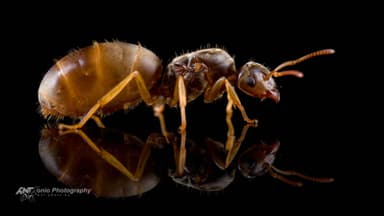
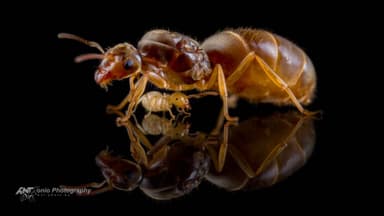
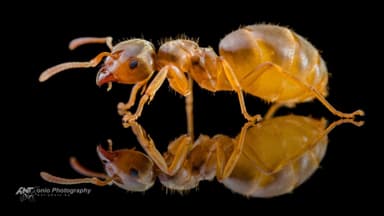
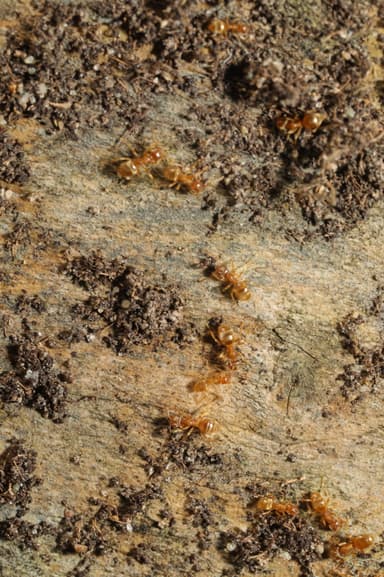
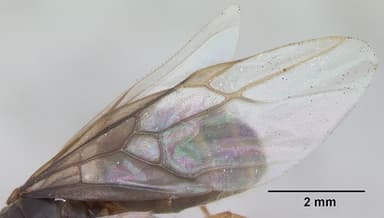
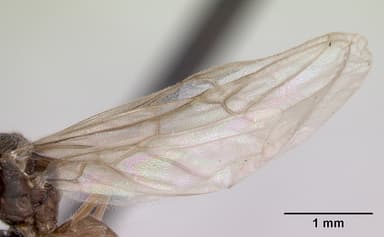
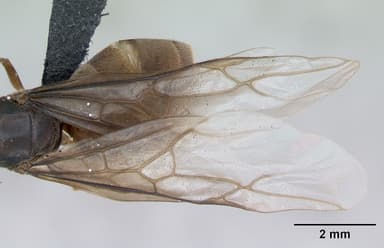
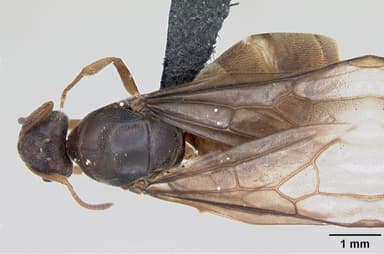
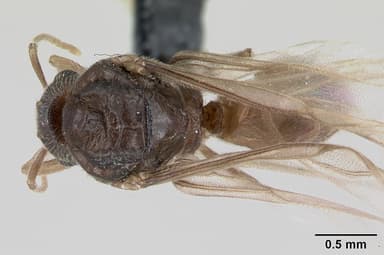
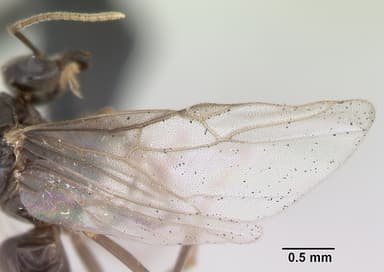
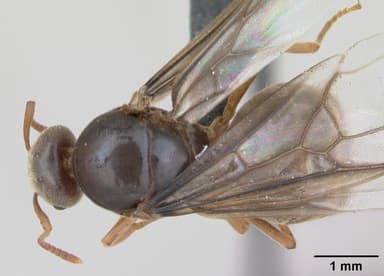
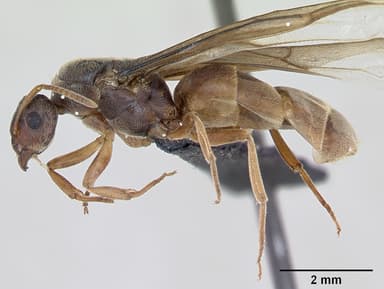
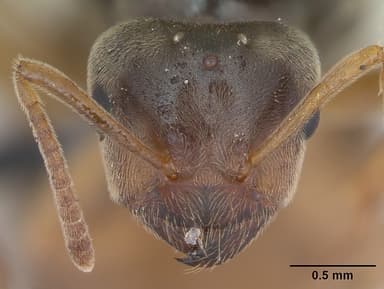
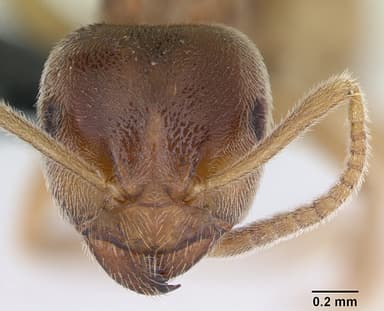
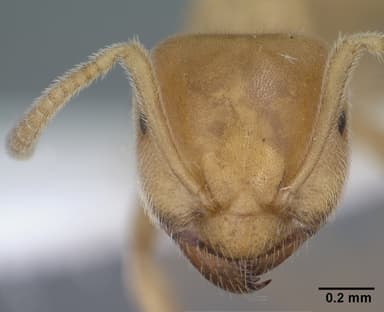
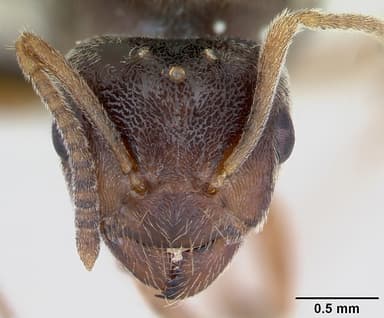
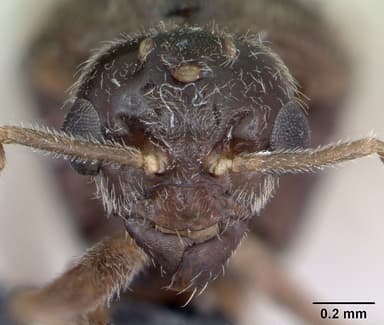
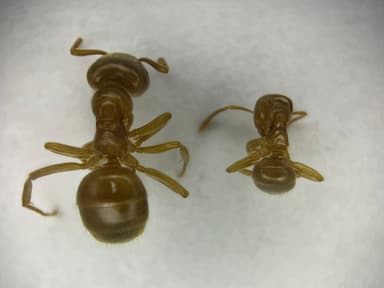
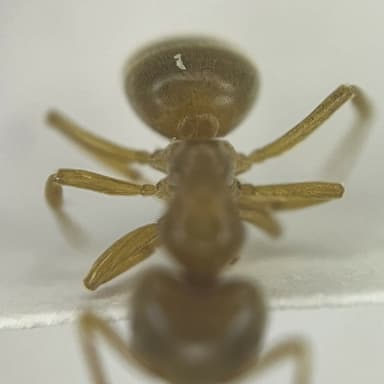
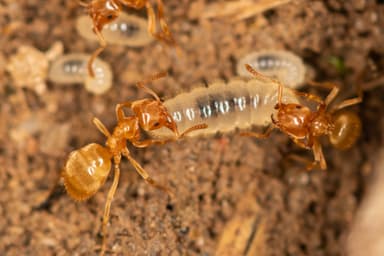
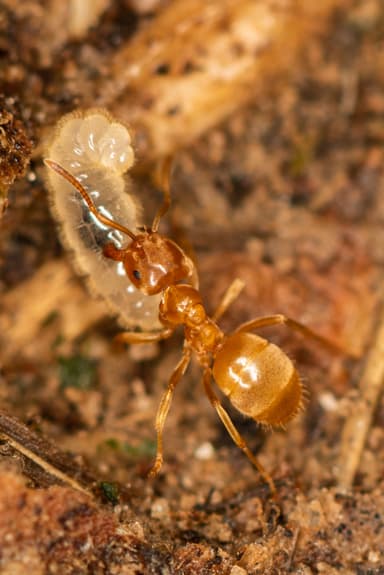
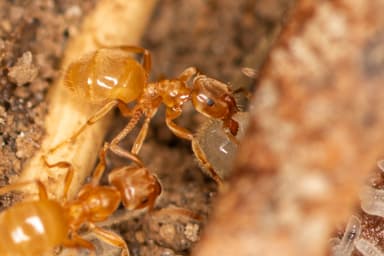
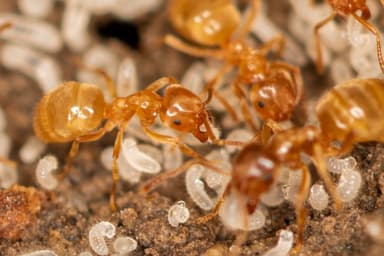
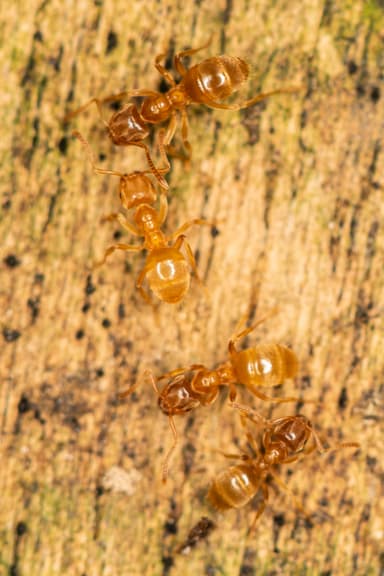
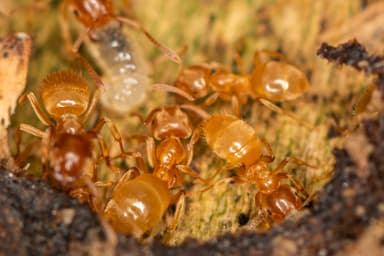
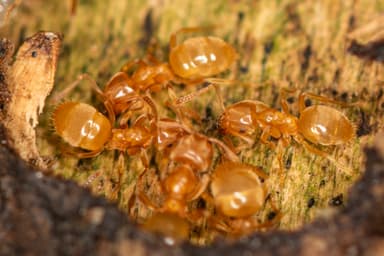
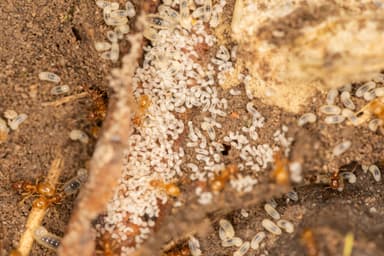
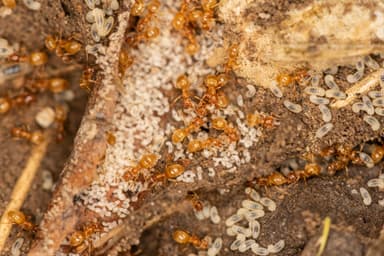
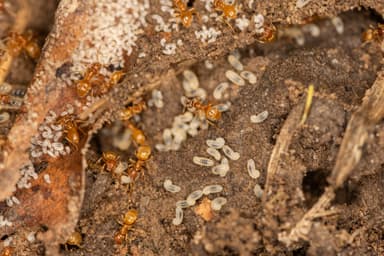
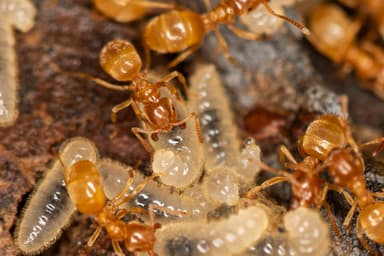
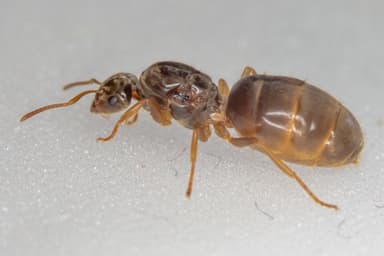
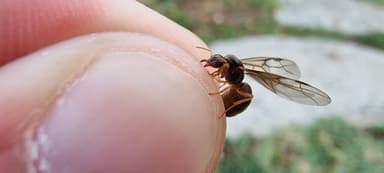
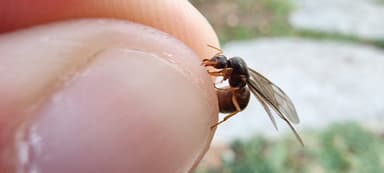
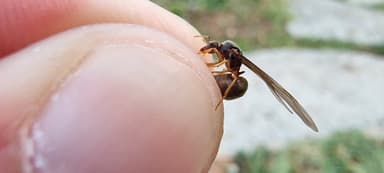
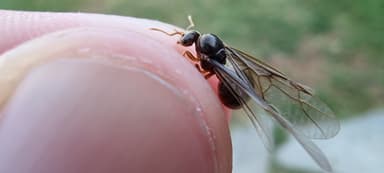
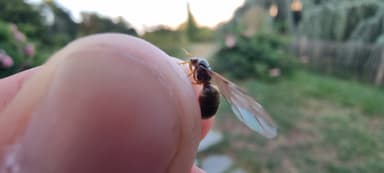
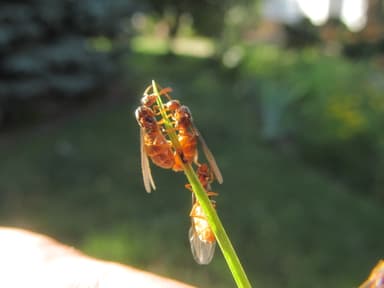
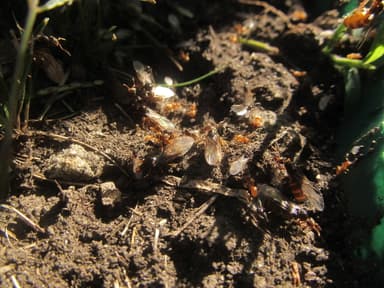
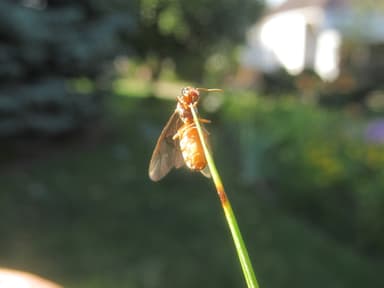
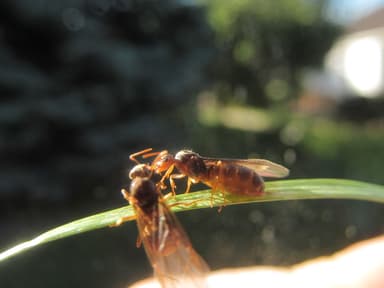
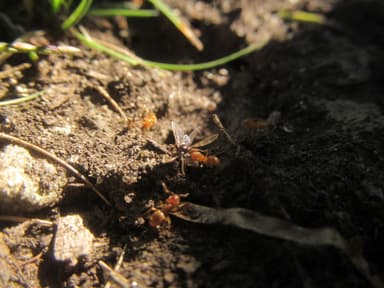
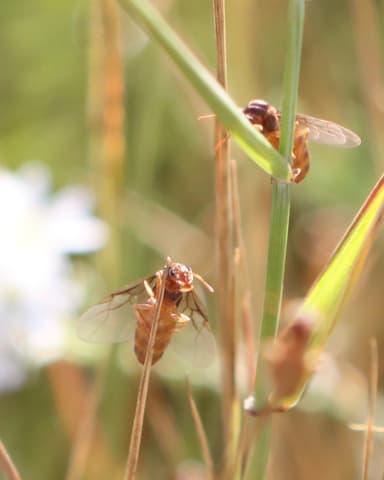
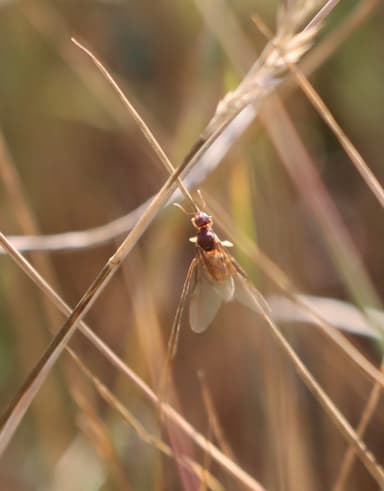
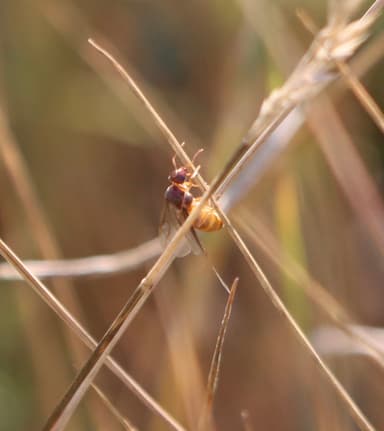
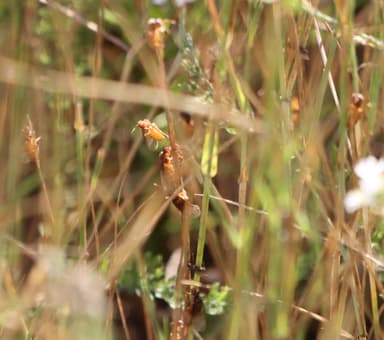
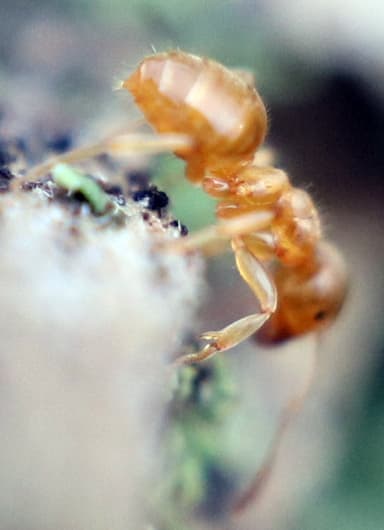
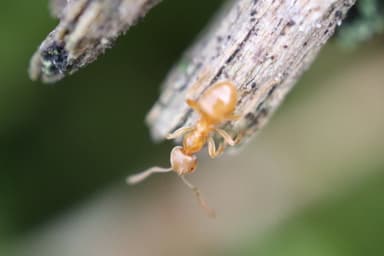
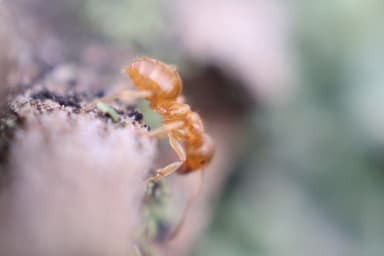
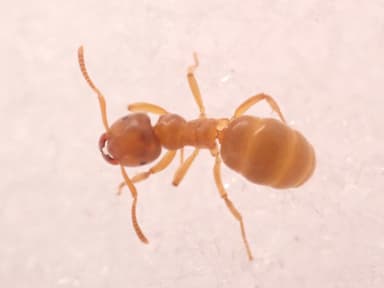
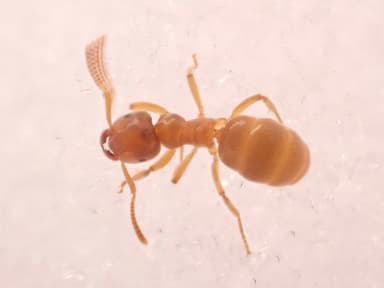
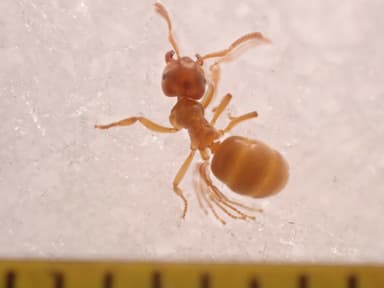
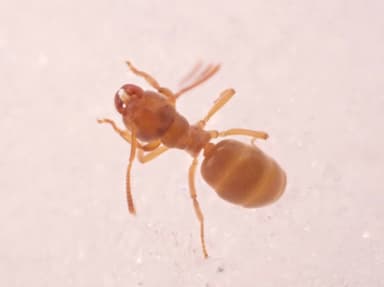
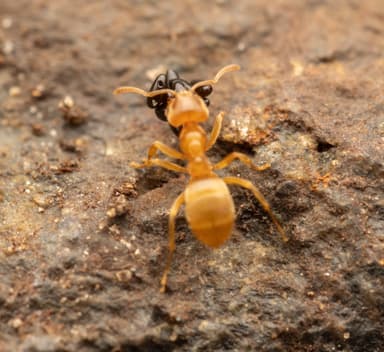
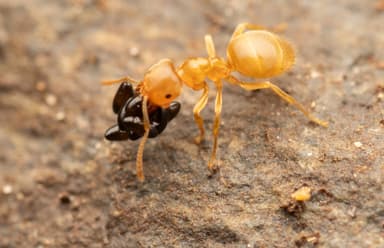
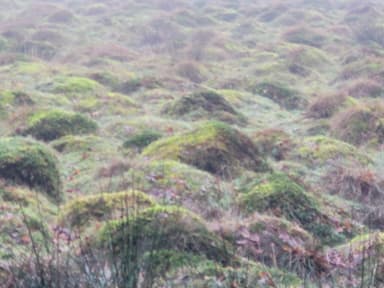
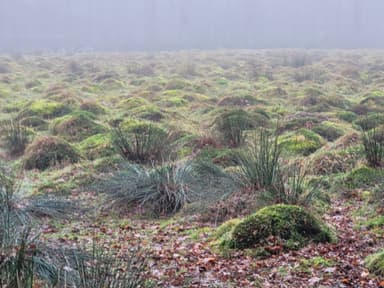
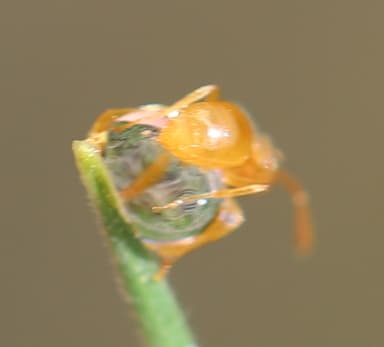
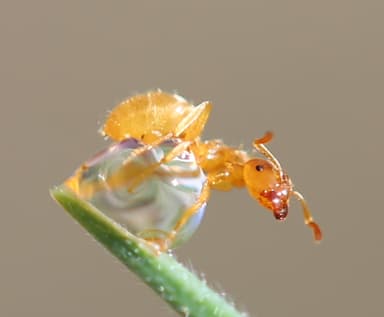
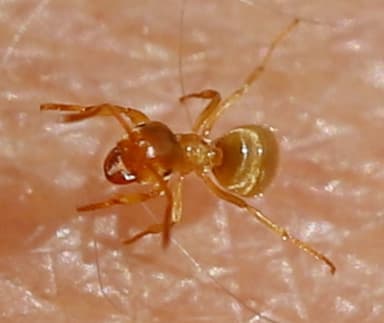
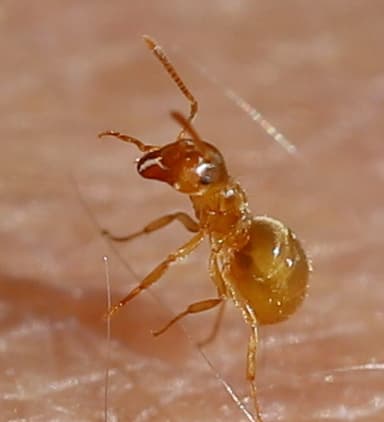
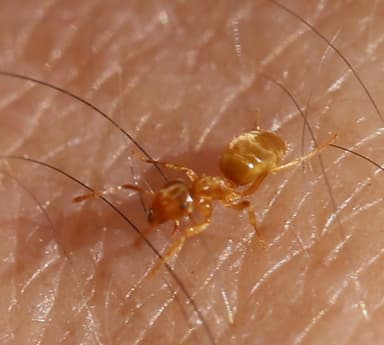
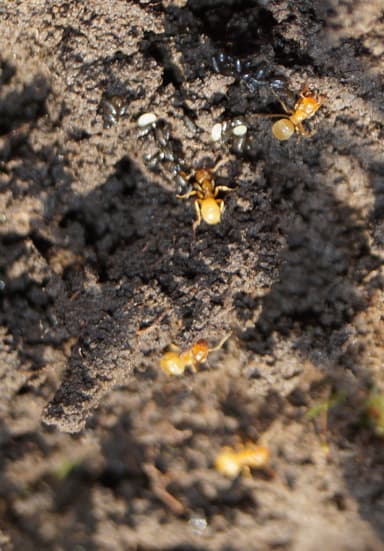
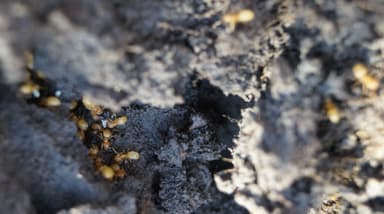
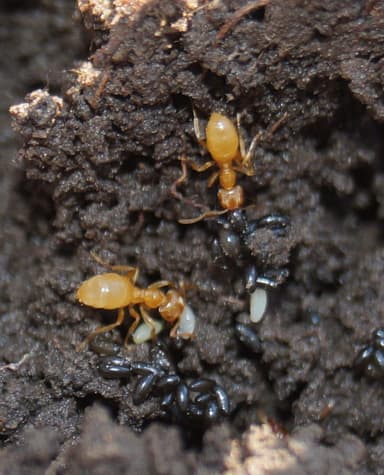
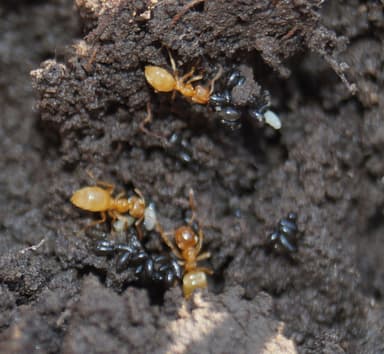
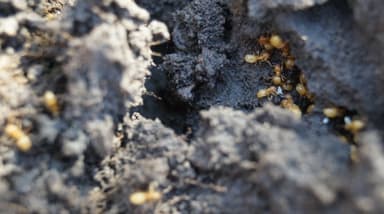
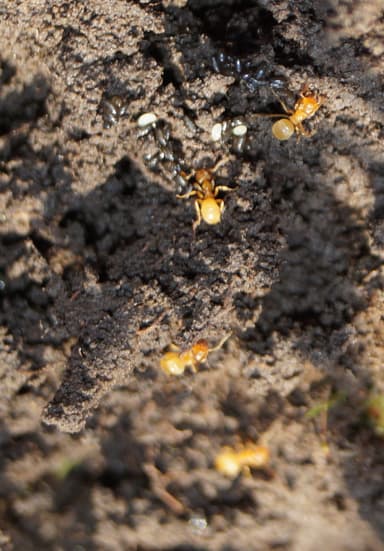
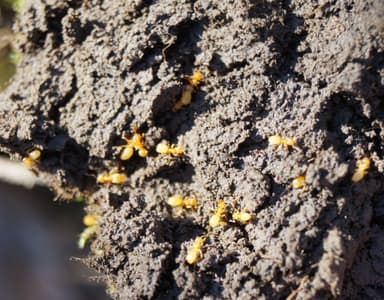
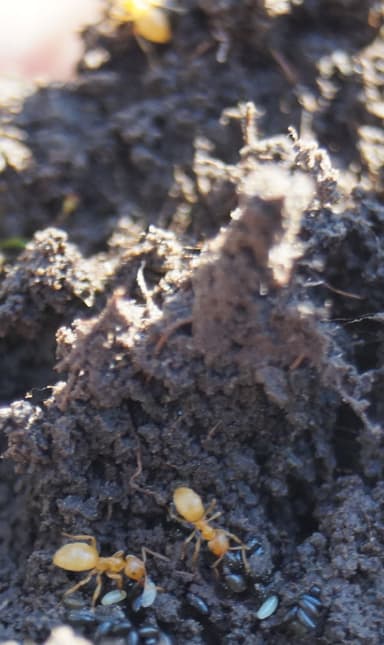
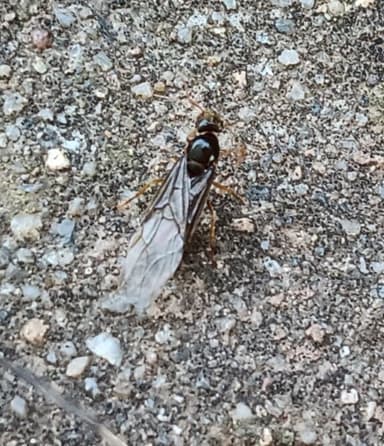
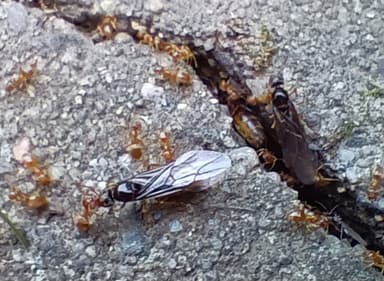
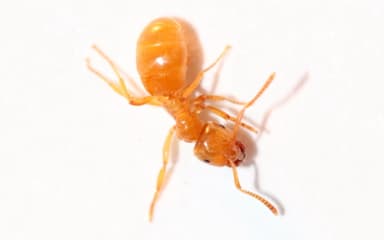
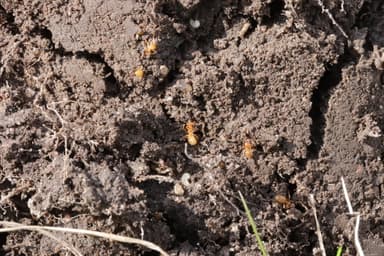
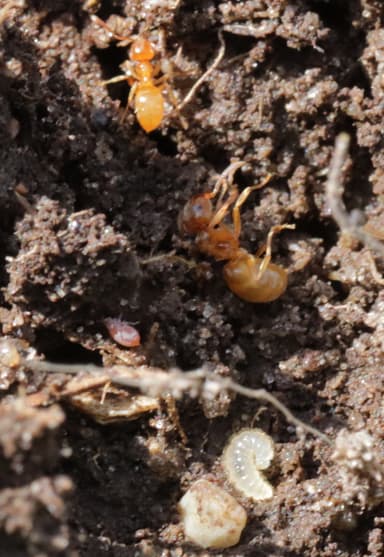
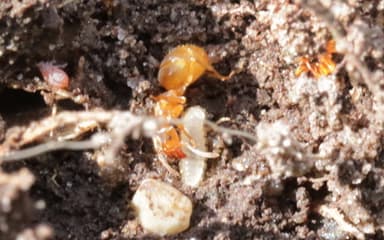
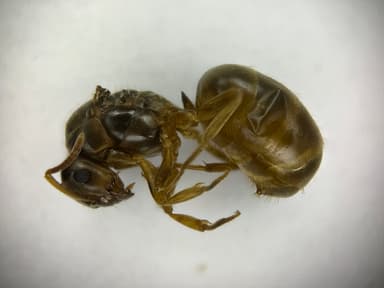
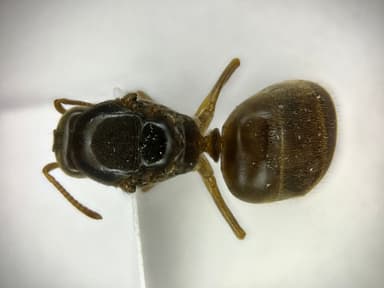
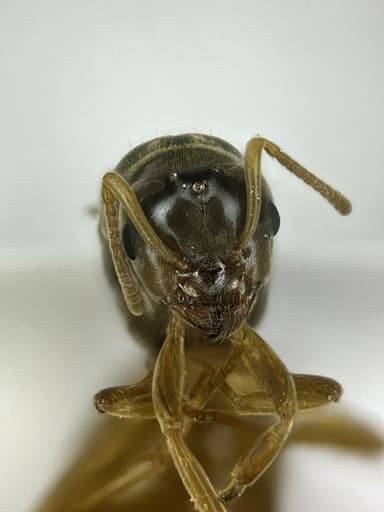
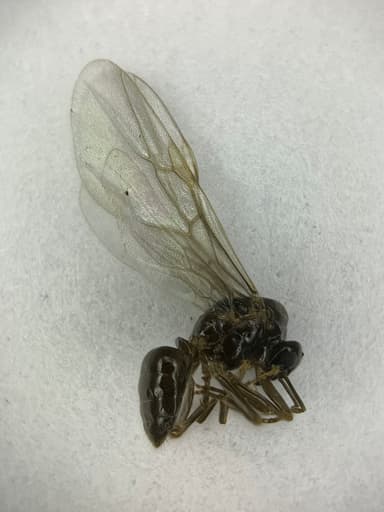
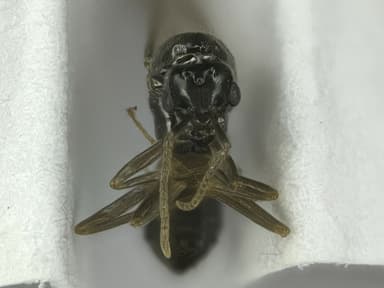
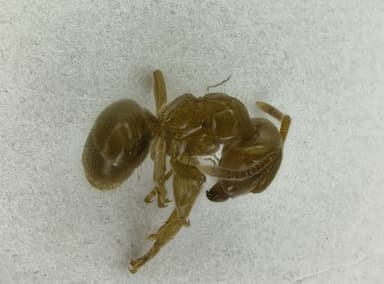
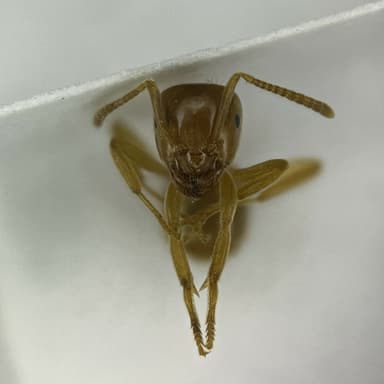
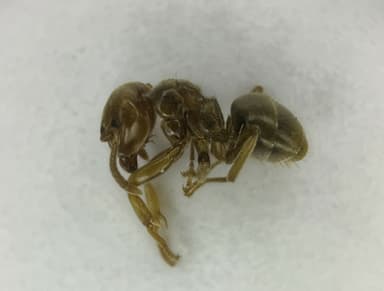
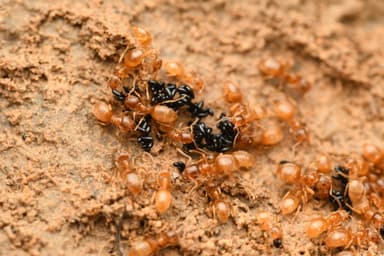
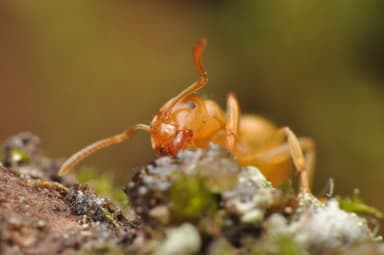
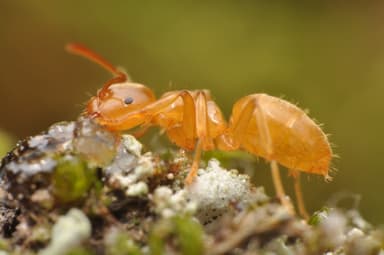
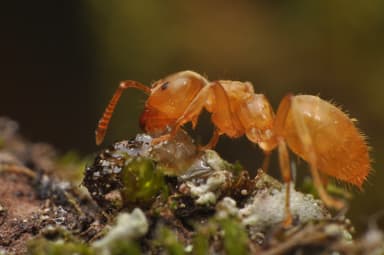
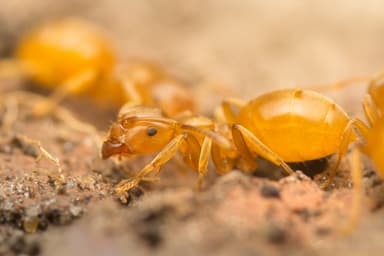
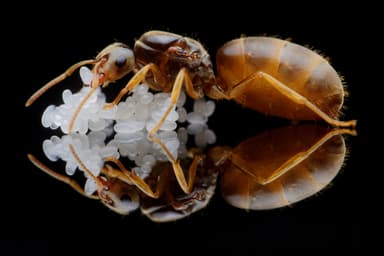
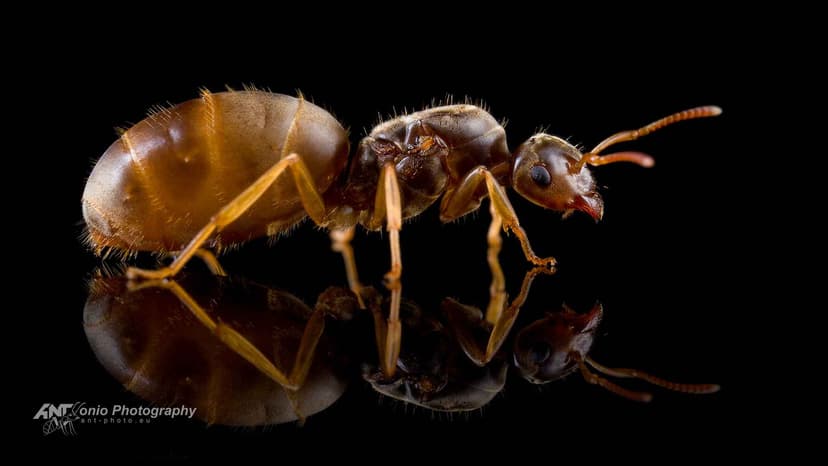
Lasius flavus, commonly known as the yellow meadow ant, is a charming and discreet species that captivates keepers with its subterranean lifestyle and soft, amber-golden coloration. Queens measure a robust 7 to 9 mm, while the uniformly sized minor workers range from just 2 to 4.5 mm, lacking any physical polymorphism (Seifert 2018). In the wild, colonies can swell to immense proportions, sometimes exceeding 100,000 individuals, constructing expansive soil mounds that serve as solar incubators for their brood. What makes this species particularly fascinating is its almost exclusive reliance on root-feeding aphids; the ants tend these underground herds, harvesting honeydew as their primary carbohydrate source, and rarely venture to the surface except during their mesmerizing nuptial flights. These flights occur across Europe on warm, humid afternoons in July, August, and September, typically after a calming rainfall when temperatures rise above 20°C (Czechowski et al. 2012). For the hobbyist, observing the quiet, hidden industry of a Lasius flavus colony offers a window into one of nature’s most successful underground empires.
This is an intermediate-level ant, best suited for keepers who have successfully maintained a hardy beginner species and are ready to commit to an obligatory hibernation cycle. The main challenge does not lie in day-to-day feeding but in replicating the stable, moisture-rich subterranean world they demand and strictly observing their winter dormancy. Without a proper cold period, the colony’s biological rhythms falter, leading to dwindling brood production and eventual collapse. A patient, observant keeper who enjoys building naturalistic setups will find Lasius flavus a rewarding, low-drama companion that, once established, grows steadily and lives for many years.
Housing must mimic the cool, damp darkness of deep soil. Any escape-proof formicarium will work, but the most successful setups incorporate a thick layer of sandy-loam substrate or a combination of clay and sand that holds moisture without becoming waterlogged. Ytong or plaster nests are excellent choices provided they can be kept evenly humid, as these ants require a relative humidity between 50% and 70% within their chambers. Temperature should be held in the range of 18 to 25°C; they do not need tropical heat and in fact fare poorly in persistently hot, dry conditions. Ambient room temperature is often sufficient, but a gentle heat mat applied to one small side of the nest can create a subtle gradient, encouraging the ants to move brood to their preferred zone. Crucially, the nest must be kept in darkness – these ants are highly photophobic and constant light will stress the colony, causing them to cease foraging and brood care. A red foil cover or a permanently covered outworld allows you to observe them without disturbance.
Feeding a species that naturally dines almost exclusively on honeydew requires a carbohydrate-rich diet supplemented with ample protein for their growing larvae. Offer a permanent liquid feeder filled with sugar water, honey solution, or a commercially available nectar substitute; refresh this every few days to prevent fermentation. For protein, provide small, pre-killed insects such as fruit flies, pinhead crickets, or chopped mealworms twice a week, increasing frequency when the colony is raising a large batch of larvae. The ants will also enthusiastically accept bits of scrambled egg or cat kibble as occasional treats. Fresh water must always be available via a test tube setup or a water tower, not just through the substrate, to prevent dehydration. One quirk of Lasius flavus is that they may bury food sources in their tunnels, so keep the foraging arena simple and easy to clean to avoid mold outbreaks.
Hibernation is non-negotiable. Around late October, when you notice the colony slowing down and workers clustering near the queen with reduced foraging, begin gradually lowering the temperature over two to three weeks until they are at a steady 5°C. A dedicated wine cooler, a cold basement, or a fridge with a temperature controller works perfectly. Maintain this winter rest for three to five months, checking monthly that some moisture remains in the nest but otherwise leaving them completely undisturbed. In early spring, slowly warm them back to room temperature, and you will be rewarded with a surge of egg-laying and a renewed vitality that is essential for the colony’s long-term health (Seifert 2018).
When your Lasius flavus queen and her first workers arrive, give them the gentlest possible welcome. Open the shipping package in a dimly lit room and carefully transfer the test tube setup into the prepared, pre-humidified nest or leave it connected as a starter chamber. Immediately place a small drop of sugar water on a piece of wax paper near the tube entrance and, a day later, offer a single pre-killed fruit fly. Do not force them into the new nest; allow the colony to move on its own over several days. The most important thing to watch for during these first two weeks is the queen’s behavior: if she is sitting calmly with a cluster of brood and workers are drinking the sugar water, the transition is succeeding. Keep the nest in total darkness and resist any urge to peek for at least three days. After that, brief, weekly checks with a dim red light are enough to ensure all is well. With this unhurried, respectful approach, your subterranean family will soon settle in and begin the quiet, industrious life that makes Lasius flavus so enchanting.