Formica
Formica podzolica
Nuptial Flight Calendar
Flight months: Jun, Jul, Aug
Care Guide
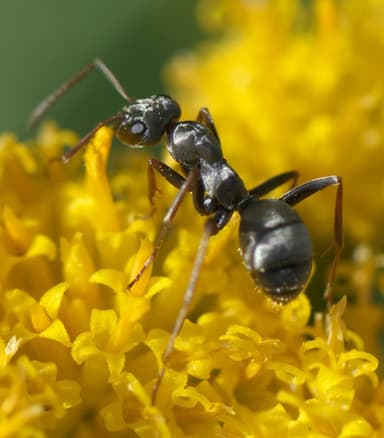
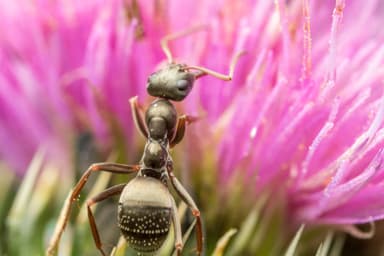
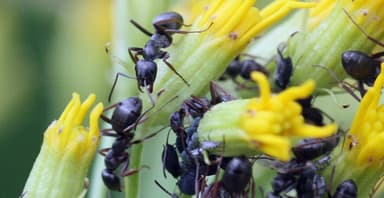
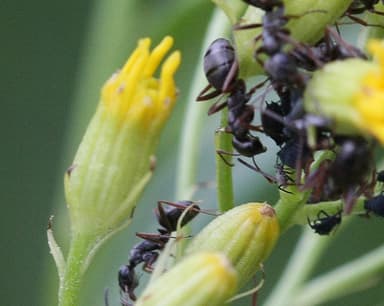
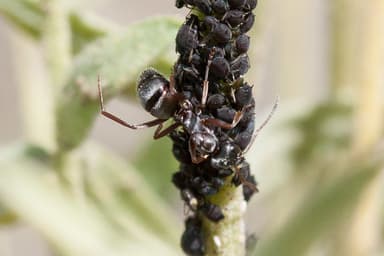
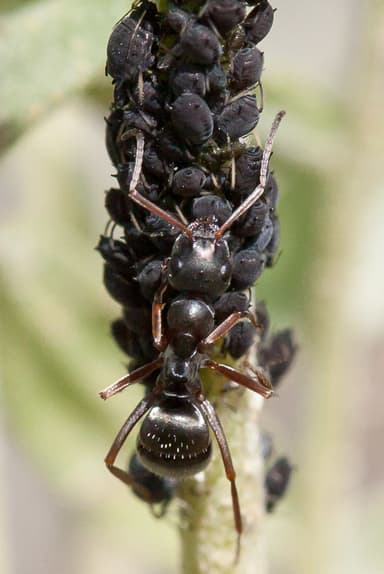
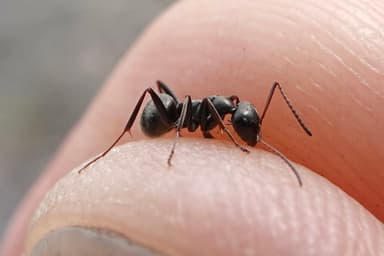
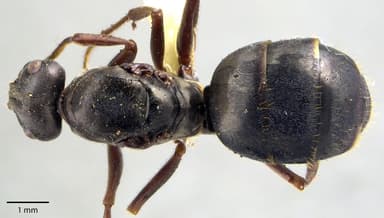
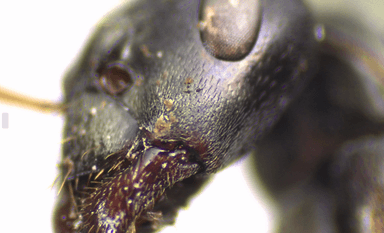
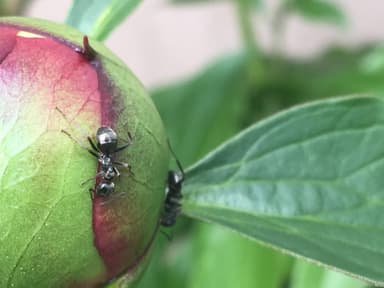
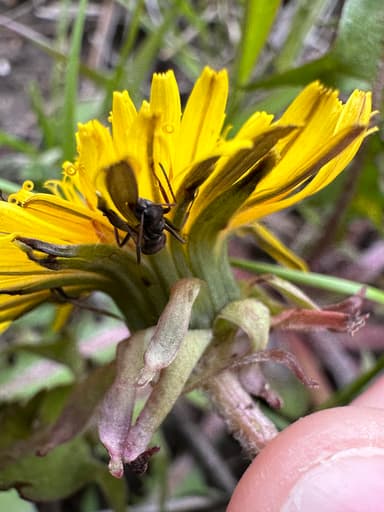
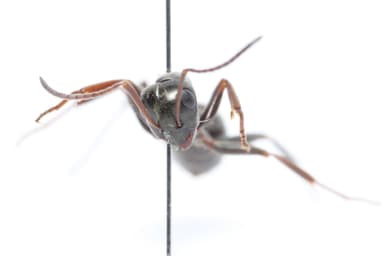
Formica podzolica is a resilient and behaviorally rich ant from the cooler, montane regions of western North America, where its range arcs from the Rocky Mountains to the Pacific Northwest, precisely between latitudes 35° and 65° N and longitudes -130° and -100° W, as mapped by occurrence records on GBIF. Queens are robust, ranging 8 to 10 mm, while the polymorphic worker force spans 4 to 7 mm, divided into two distinct castes: smaller minor workers and more heavily muscled major workers. This polymorphism is not as dramatic as in Pheidole, yet the broad heads and stronger mandibles of majors allow them to specialize in seed cracking, defense, and large prey processing. Colonies are modest by Formica standards, capping around 5,000 individuals, but they are vigorous, with a fluid social structure that often includes multiple queens — a facultative polygyny beautifully documented by Deslippe & Savolainen (1995) in their studies of colony foundation. New colonies are founded claustrally by single queens, but established nests frequently adopt additional reproductives, creating a dynamic, long-lived society. Nuptial flights occur in the warmest season (June through August), characteristically on sunny afternoons following rain, with temperatures between 20–28°C and low wind, a pattern reported from medium-confidence records across their range. The species was formally revised by Francoeur (1973), placing it within the fusca group, and it’s often appreciated for its dark, polished integument subtly washed with deep reddish tones on the mesosoma — a handsome ant that blends into the pine duff and rocky soils it naturally inhabits.
With a care difficulty rated intermediate, F. podzolica is best suited to keepers who have already succeeded with basic claustral species and are ready to manage hibernation and the subtle humidity needs of a montane ant. It is forgiving of minor husbandry lapses, but it demands a mandatory cold period that beginners sometimes overlook. Hobbyists drawn to polymorphic species will find reward in watching division of labor between minors and majors, and those interested in social plasticity will appreciate the colony’s potential to become polygynous in captivity, though single-queen colonies also thrive. If you have maintained species like Formica fusca or Lasius neoniger without issues, you are well prepared for this ant’s temperament. Its intermediate status stems from the need to provide a temperate seasonal cycle and a naturalistic nest environment rather than any inherent aggression or dietary fussiness.
Housing should mirror the cool, mesic microhabitats of its native range — think dappled forest edges, rotting logs, and the undersides of embedded stones. A plaster or ytong nest thick enough to retain moisture works splendidly, connected to a dry foraging arena. While ambient outworld humidity can sit comfortably at 40–60%, the nest itself should offer a gradient where one chamber remains slightly more humid, particularly during brood development; a simple water tower or periodic misting will suffice. Temperature is ideally maintained between 18°C and 26°C, with a gentle drop at night mimicking mountain evenings. Substrate is surprisingly important: a mixture of sand and coco coir or fine soil allows for natural digging behaviors, and majors will happily excavate tiny chambers. Avoid bare glass floors — these ants feel secure when they can manipulate their surroundings. A small heat mat placed on one side of the nest can create a thermal gradient, allowing the colony to self-regulate, but never let the nest become arid, as F. podzolica is sensitive to desiccation.
Feeding is straightforward but should emphasize variety. In the wild they are generalist scavengers and occasional predators, so offer a rotation of protein sources: pre-killed crickets, dubia roach nymphs, fruit flies, and chopped mealworms are all accepted eagerly. Carbohydrates come from diluted honey, sugar water, or an artificial ant nectar; serve these on a small platform to prevent drowning and mold. Fresh water must be available at all times, either via a test tube wick or a dedicated waterer in the outworld. During peak brood rearing in warmer months, daily protein feeds are beneficial, while wintering colonies require none. Take care to remove uneaten prey after 24 hours to keep fungus and mites at bay, as the nest’s moderate humidity invites spoilage.
Hibernation is not optional — it is a physiological requirement encoded by thousands of generations of life at high latitudes and altitudes. This species needs a true cold rest at around 4°C, typically lasting 3 to 4 months. Begin the descent in late autumn by gradually lowering temperatures and ceasing protein feeding two weeks beforehand to clear the gut. Move the formicarium to a cool location like a wine cooler, a calibrated fridge, or an unheated basement that reliably stays near the target temperature. Check periodically that the nest maintains a slight humidity but not wetness, as mold can take hold in still, cold air. In spring, bring the colony out slowly over a week; they will resume foraging within days, and the queen will commence a robust egg-laying cycle. Skipping hibernation leads to dwindling brood, worker die-offs, and eventual colony collapse, so make this a cornerstone of your annual routine.
When you first receive your queen and her initial tiny brood, give them the quietest possible start. Place the test tube or small founding chamber in a darkened room at 20–22°C and resist the urge to check more than once daily. Offer a minuscule drop of honey on a tiny foil slip immediately after arrival; the queen may not feed — many claustral queens do not — but the sugars can sustain her if she has already used her wing muscle reserves. Wait at least 48 hours before introducing the first protein, a crushed fruit fly or cricket leg, only if workers are present and actively moving. During these early days, look for signs of stress such as the queen constantly pacing, workers pulling apart brood, or refusing to cluster. A calm, settled appearance, with the queen gently grooming her eggs and the first workers calmly huddled, tells you the transition is successful. From that delicate beginning, your F. podzolica colony will gradually build its polymorphic society, rewarding your patient husbandry with the intricate rhythms of a true mountain ant.