Cephalotes
Cephalotes maculatus
Nuptial Flight Calendar
Flight months: Jan, Oct, Nov, Dec
Care Guide
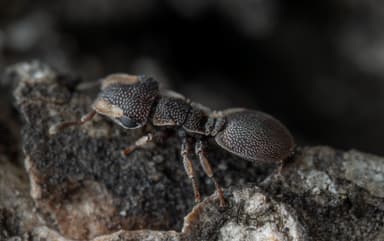
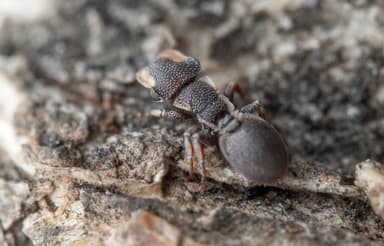
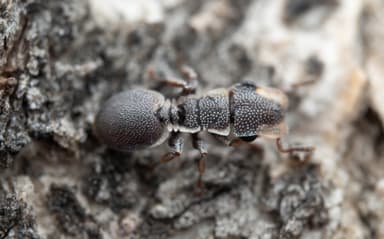
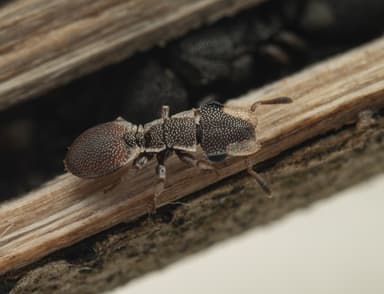
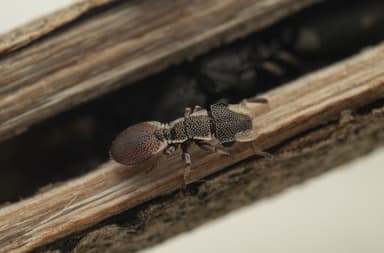
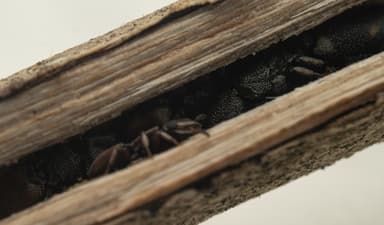
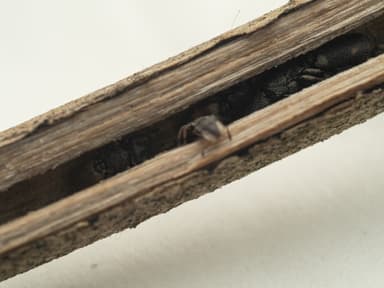
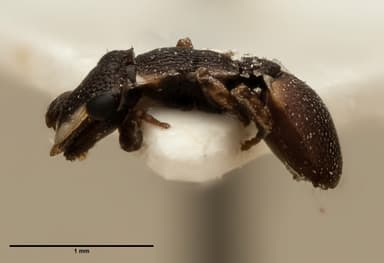
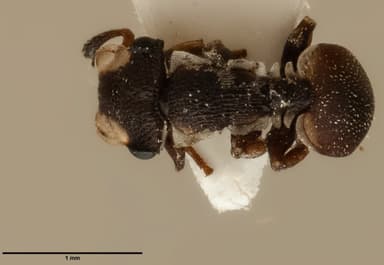
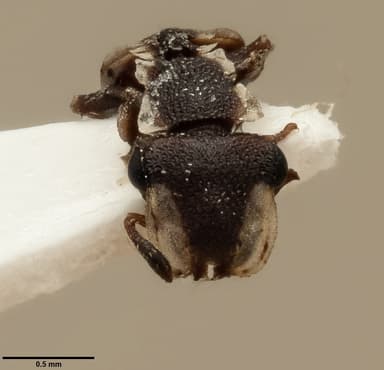
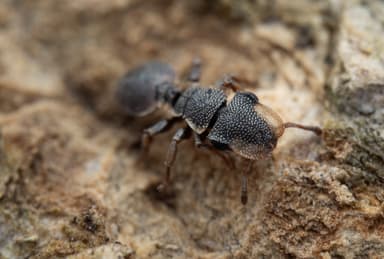
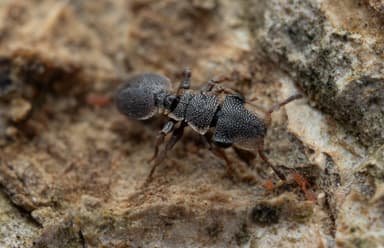
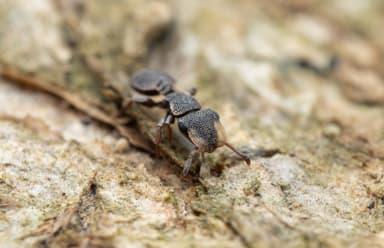
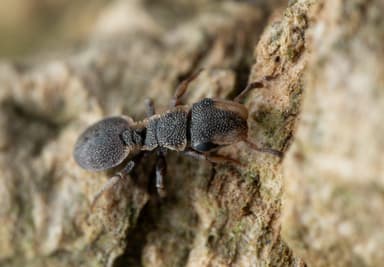
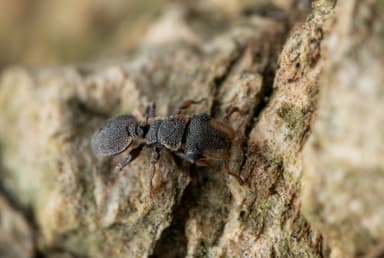
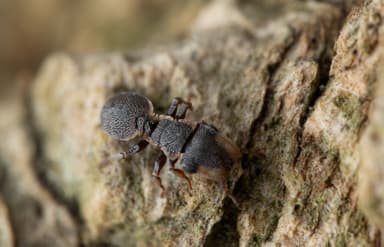
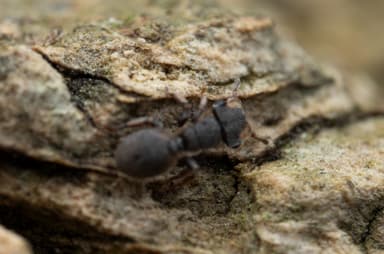
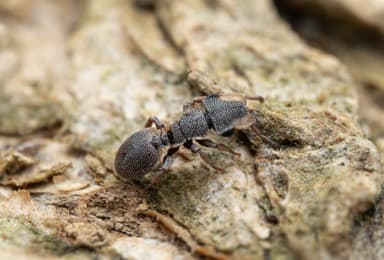
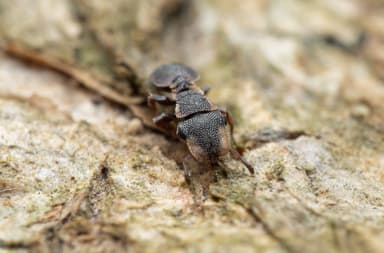
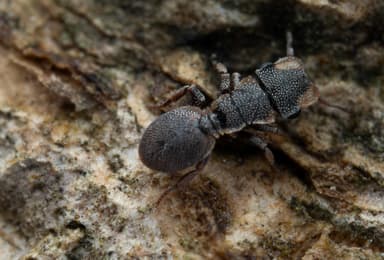
Cephalotes maculatus is a true canopy jewel, a small yet mesmerizing member of the turtle ants that has rightfully earned a reputation among advanced myrmecologists. Native to the humid lowlands of tropical South America, from the Amazon basin to the coastal forests of Brazil, this species is strictly arboreal and lives within pre-existing cavities in tree trunks and branches. Queens are a substantial 9–11 mm, while the polymorphic worker caste divides into slender minors (5–7 mm) and heavily armored soldiers bearing the classic phragmotic head — a flattened, shield-like disc that perfectly plugs the nest entrance, transforming the soldier into a living door (De Andrade & Baroni Urbani 1999). Both castes share a dorso-ventrally flattened body, intricate golden-brown sculpturing, and a behavior that is nearly unique among ants: when dislodged from a branch, workers and soldiers use their flattened bodies and leg posture to glide back to the trunk, a feat first documented in the genus Cephalotes and still a source of wonder for any keeper. Colony size remains modest, rarely exceeding 400 individuals, and founding is fully claustral. Nuptial flights in the Neotropics appear concentrated during the warm, humid season from October to January, often right after a tropical rain, though confidence in precise timing is low (AntWiki, GBIF occurrence records).
Make no mistake — this is an expert-level ant. Cephalotes maculatus demands a keeper who already has a deep understanding of microclimate control and the patience to manage a colony that grows with almost glacial slowness. These ants are exquisitely sensitive to fluctuations in temperature and humidity, and a single dry spell or overnight chill can wipe out brood, stress the queen to the point of ceasing egg-laying, or trigger a fatal collapse. They are not for the weekend hobbyist, and even experienced keepers of ground-dwelling tropical ants will find that arboreal Cephalotes present a separate tier of challenge. If you have successfully maintained and expanded colonies of delicate Camponotus or Tetraponera over multiple years, you may be ready to attempt this species, but only if you can provide a dedicated setup with stable, electronically monitored conditions and are willing to interact with the colony only sparingly to minimise disturbance.
Housing must replicate a tree-cavity microhabitat, with an emphasis on tight, vertical nesting space. A small, thin ytong or wood-based formicarium with a network of narrow tunnels and a few slightly wider chambers works beautifully, as does a carefully carved cork nest mounted vertically. The ants are thigmotactic and will huddle into the slimmest crevices, so avoid oversized spaces; a nest module that feels almost too small at first will make them settle quicker. Temperature should be held between 22°C and 30°C, ideally with a gentle gradient that lets the colony choose a spot around 26–28°C for the brood chamber. Humidity is non-negotiable: 60–80% must be maintained consistently, achieved by a passively humidified nest wall or a dedicated hydration chamber, but watch for condensation droplets that can drown minuscule workers. An outworld with smooth glass sides coated in a reliable fluon barrier is essential, as every caste can walk up vertical glass with ease. Sprinkle a thin layer of sand or fine coconut fiber on the outworld floor and anchor a few dead twigs or a small piece of cork bark for foraging paths. Because colonies are slow-growing, the nest can remain unchanged for the first year or more, and ventilation must be balanced to prevent mould while not drying the cavity.
Feeding Cephalotes maculatus in captivity requires small, soft-bodied offerings and a bit of creativity. Provide carbohydrates in the form of a dilute drop of honey water or sugar water offered on a tiny pinch of foil, refreshed every two to three days. Protein comes from pre-killed or freshly squashed insects — fruit flies (Drosophila melanogaster), pinhead crickets, and small roach nymphs are ideal. Start with a single, partially crushed insect; a colony of ten workers may take hours to even approach food, and soldiers are more likely to block the entrance than hunt. De Andrade & Baroni Urbani (1999) note that some Cephalotes collect pollen and visit bird droppings in the wild, so to mimic this spectrum, you can occasionally offer a tiny dusting of bee-collected pollen or a miniscule amount of finely ground dried insect mix, though this is supplemental rather than critical. Fresh water must be continuously available via a test-tube setup with a cotton plug or a micro-sized water tower in the outworld. Remove uneaten protein after 24 hours to prevent mould, and feed on a schedule that respects their nocturnal rhythm — most foraging happens under dim light or after dark.
There is no hibernation period; this equatorial species requires a tropical steady-state year-round. Letting temperatures dip below 20°C for even a few days will almost certainly cause the queen to stop laying and can lead to the colony’s gradual decline. You must maintain the 22–30°C window through all seasons, and no special cooling phase or diapause preparation is needed. A slight drop of a degree or two at night is natural and harmless, but avoid any seasonal shift that mimics a temperate winter.
The first days after your Cephalotes maculatus colony arrives are a sensitive settling period that can determine long-term success. Prepare the nest and outworld days in advance so that temperature and humidity are perfectly stable. When you receive the colony, place the transport tube or container directly in the outworld, open it, and drape a dark cloth over the entire setup. Do not force a move; the ants will explore and relocate at their own pace. Offer a tiny droplet of sugar water within a few centimeters of the nest entrance, and wait at least 48 hours before adding any protein. Check once after two days, under dim red light, to see if the queen has entered the nest and workers are tending the brood. If they remain clustered in the tube, the nest humidity or access may be off — gently mist the nest exterior or adjust hydration and try again. Once settled, offer a single killed fruit fly and observe without intrusion. A contented colony will post a soldier at the entrance like a cork, while minors make tentative foraging rounds. Keep vibrations minimal, the light off, and your hands out of the enclosure for the first week. With unwavering attention to their narrow environmental window and a patient hand, these living gliders will slowly build a microcosm of the canopy, rewarding you with one of the most fascinating displays of phragmosis and arboreal grace in the ant world.