Camponotus
Camponotus aethiops
Nuptial Flight Calendar
Flight months: Jun, Jul, Aug
Care Guide
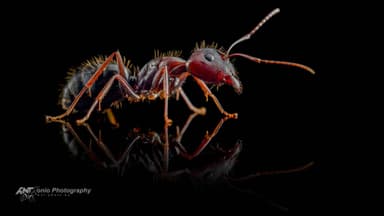
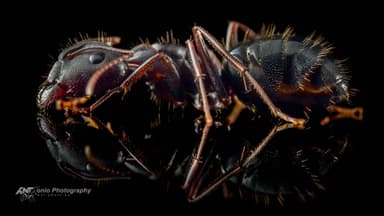
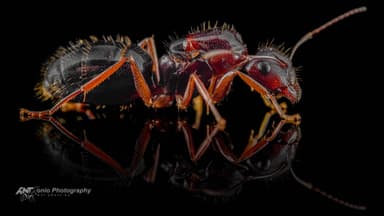
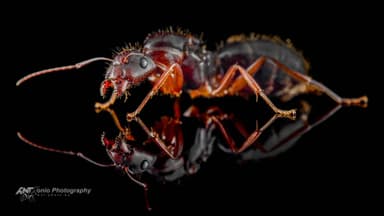
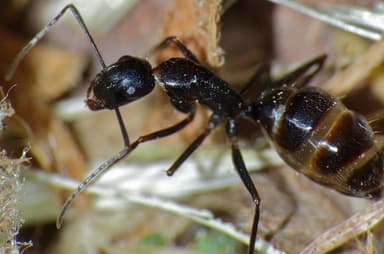
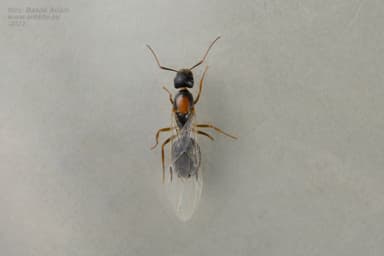
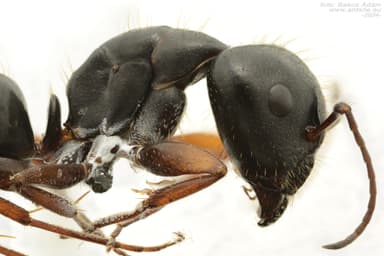
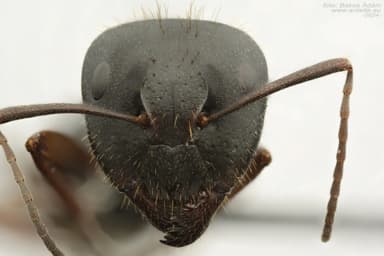
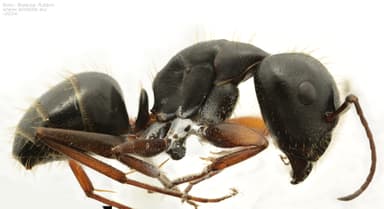
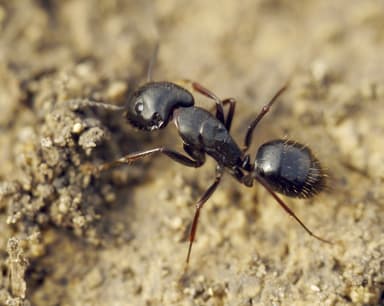
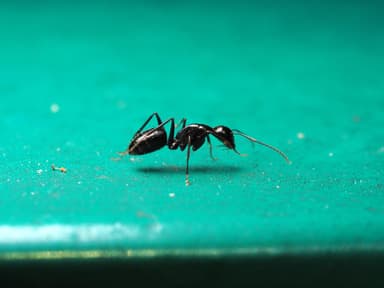
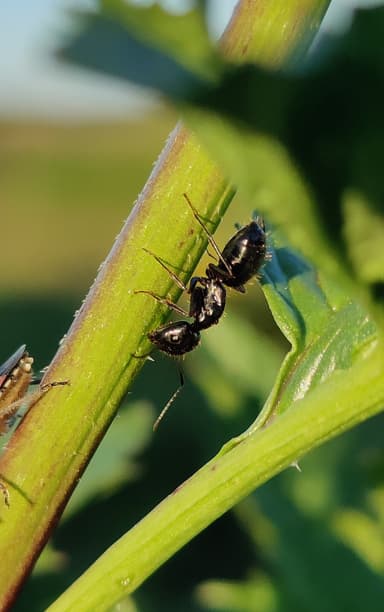
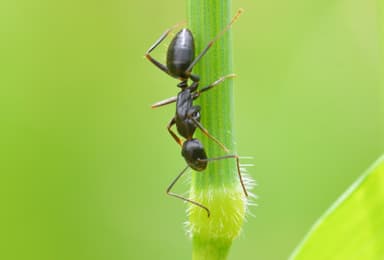
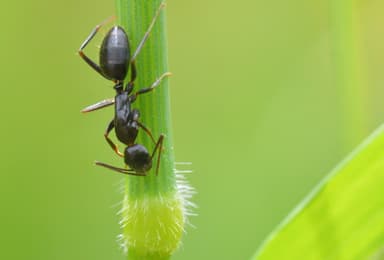
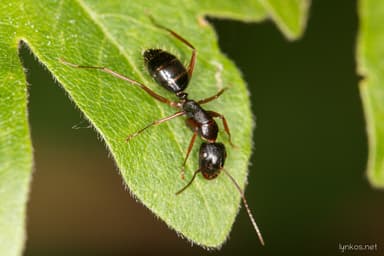
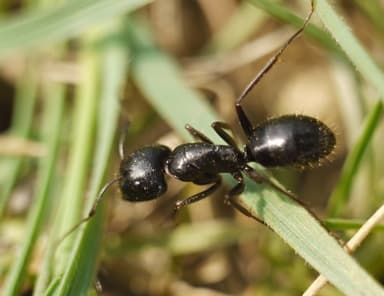
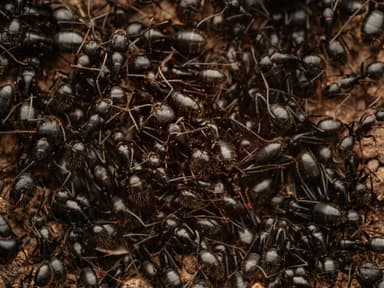
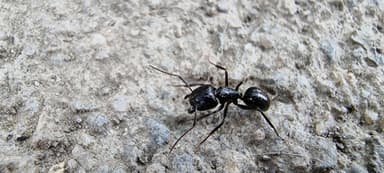
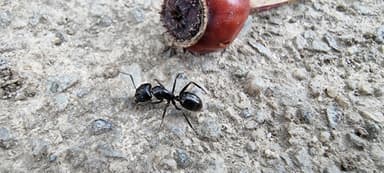
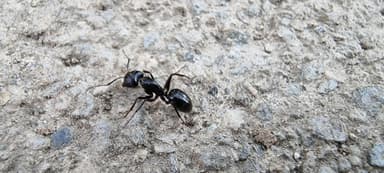
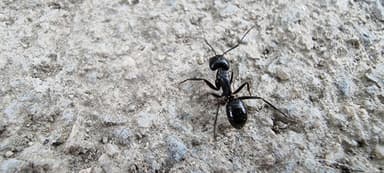
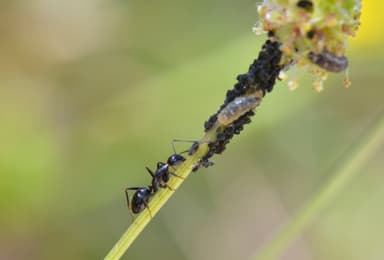
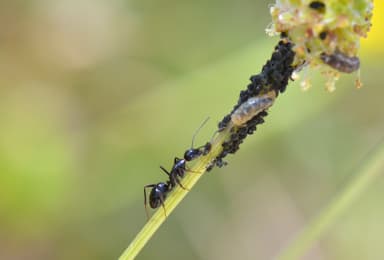
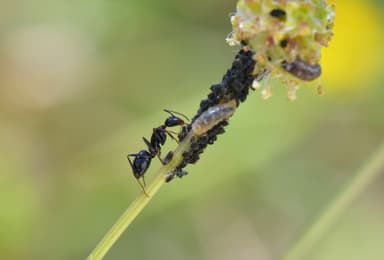
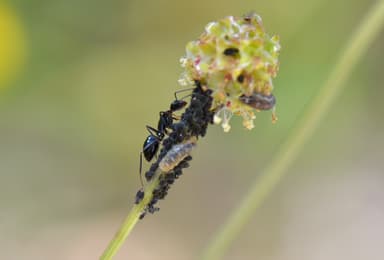
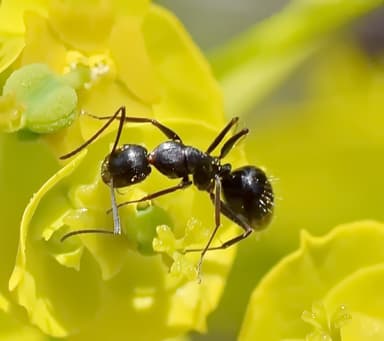
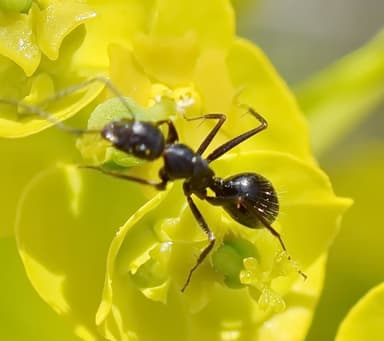
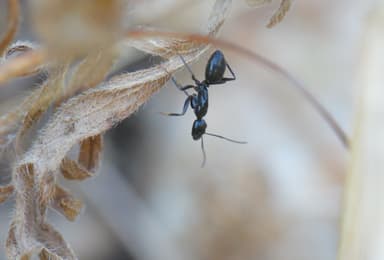
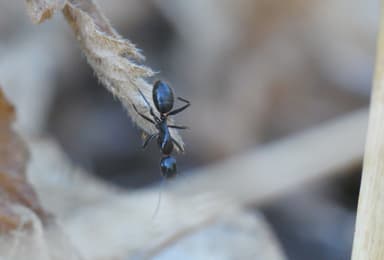
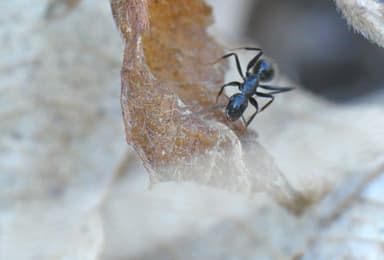
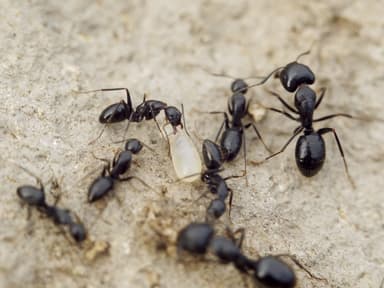
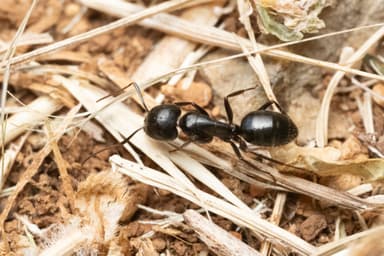
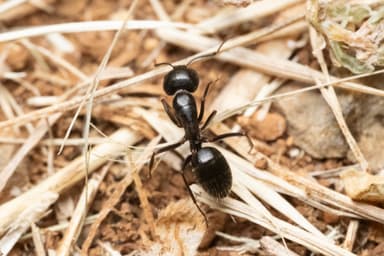
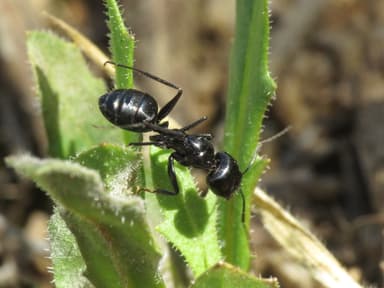
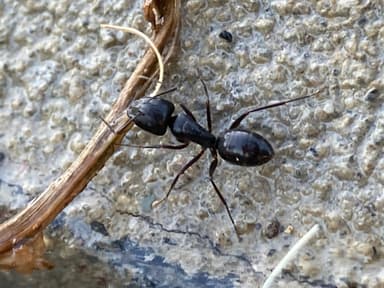
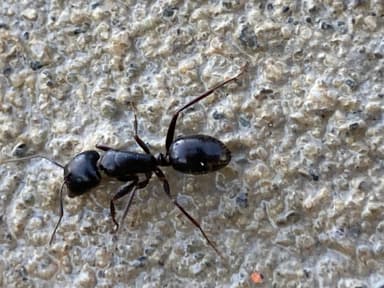
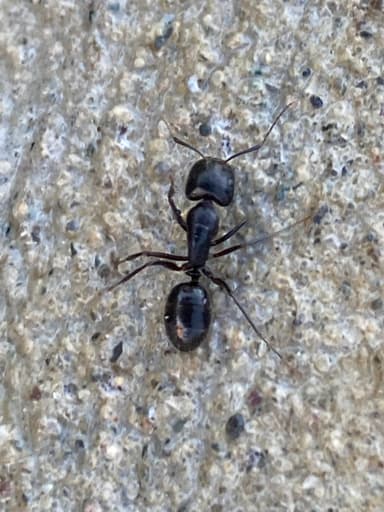
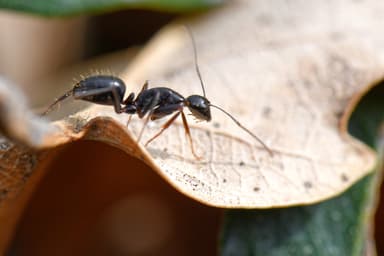
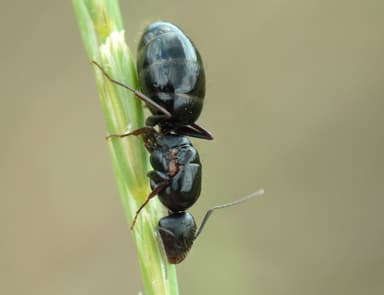
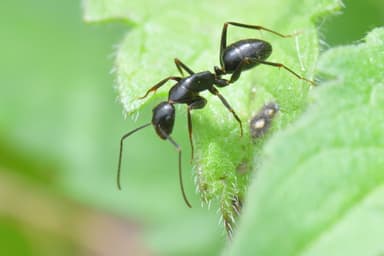
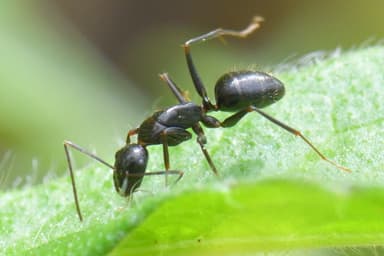
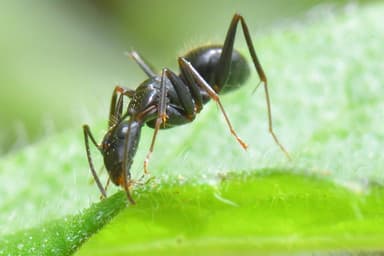
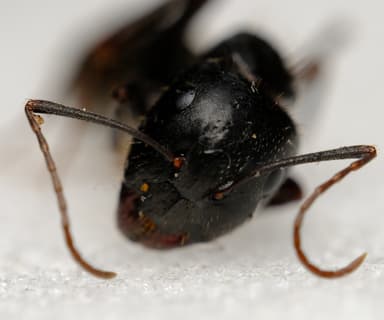
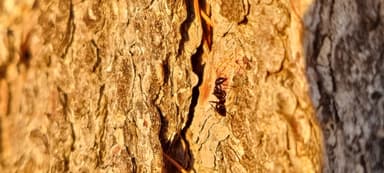
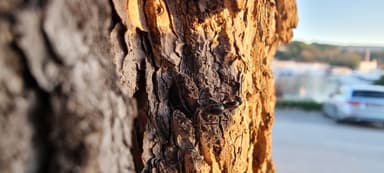
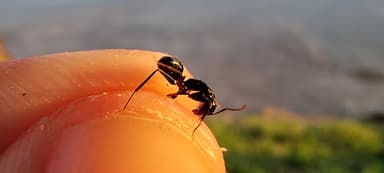
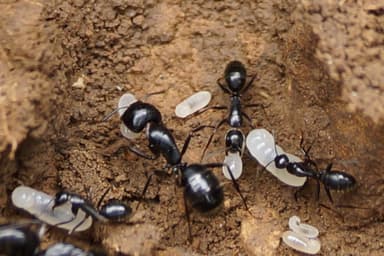
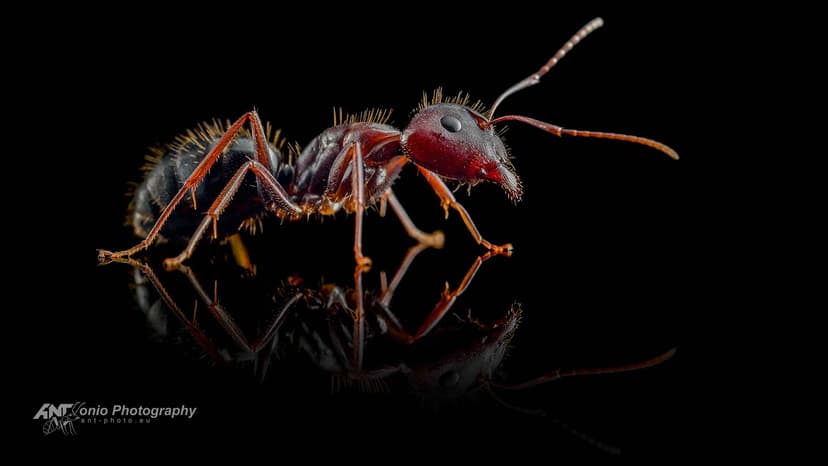
Camponotus aethiops is a striking, medium-sized carpenter ant that holds a special place in European ant keeping for its elegant, jet-black appearance and calm, deliberate movements. The queens are robust, measuring 11 to 14 millimetres, while workers show distinct physical polymorphism without the transitional subcastes seen in many other Camponotus species — here, you will only encounter the slender minor workers (6–9 mm) and the noticeably larger, broad-headed major workers (often reaching 11 mm), which serve mainly as stores for liquid food and defenders. In nature, colonies can grow to around 10,000 individuals, though in captivity they typically reach a manageable few thousand (Seifert 2018). Across the Mediterranean basin to southern Central Europe and eastwards into western Asia, this species inhabits sun-exposed forest edges, limestone grasslands, and open woodlands, nesting under stones and in dead wood. Their nuptial flights occur in the warm summer afternoons of June, July, and August, usually on humid, windless days following rain, providing a reliable window for keepers to start a colony from a newly mated queen. With a claustral founding strategy, a lone queen raises her first brood without foraging, drawing solely on her internal reserves, which makes those early weeks a quiet but magical spectacle behind a test tube glass.
For the novice ant keeper, Camponotus aethiops is an excellent beginner species that offers a forgiving temperament and straightforward requirements, provided one essential condition is met: a true winter dormancy. Its designation as beginner-friendly stems from its tolerance of small husbandry mistakes, its slow-paced growth that doesn’t overwhelm, and its lack of aggression towards the keeper. However, it is best suited to hobbyists who can commit to a stable annual rhythm, because skipping hibernation will lead to dwindling colony health over time. The ants are not prone to panic and can be observed for hours as they methodically explore their outworld, trophallax, and care for brood. Children and adults alike will find them engaging, though smaller children should be supervised due to the delicate escape-proofing required for such a smooth-bodied ant.
Housing Camponotus aethiops is a straightforward affair if you mimic the warm, moderately humid conditions of their native range. They thrive at a temperature gradient between 22 and 28 degrees Celsius, which can be provided by a gentle heat mat or cable placed against one end of the nest, allowing the ants to self-regulate. A relative humidity of 50 to 70 percent is ideal; this can be maintained by partially covering ventilation ports or by using a moisture-rich nest medium like gypsum or a high-quality 3D-printed nest with a hydration layer. Ytong (aerated concrete) and cork-based nests are particularly popular because they retain moisture well without waterlogging. Dry substrates, such as sand-loam mixtures in the outworld, are perfectly acceptable, but always ensure a clean water source is available, either as a test tube waterer or a small dish with a cotton wick. The major workers, with their large heads, are adept at plugging small nest entrances with debris, so choose a nest with multiple, easily cleanable chambers and avoid overly intricate tunnelling systems that can become clogged. A well ventilated outworld with some twigs and a thin layer of soil or sand for natural footing completes a setup that captures the essence of their sun-drenched European habitats.
Feeding these ants is a rewarding process, as they are enthusiastic foragers once the colony grows beyond the nanitic stage. They require a mix of protein and carbohydrates. For protein, offer freshly killed or pre-frozen-thawed insects such as fruit flies, small crickets, or mealworms — cut larger prey into manageable pieces to prevent the ants from being intimidated. Many experienced keepers also provide a high-quality insect-based jelly or liquid feeder mix as a convenient supplement. Carbohydrates are essential and accepted with gusto in the form of sugar water, honey water (pure, never heated honey, which can be toxic), or slices of seasonal fruit like apple or grape, always in small amounts to prevent spoilage. The ants’ water station must never run dry; it is a lifeline for both drinking and nest humidity regulation. A useful practice is to vary protein sources weekly and always remove uneaten food after two days to avoid mould, which Camponotus aethiops is somewhat sensitive to, especially in the nest.
Perhaps the most critical yet often underestimated aspect of their care is hibernation. Camponotus aethiops requires a cold rest period of three to four months at a stable temperature around 8 degrees Celsius. Without this, queens may stop laying, brood development becomes erratic, and the colony’s lifespan shortens significantly. The ideal method is to place the nest, well-watered but not wet, in a wine cooler, a dedicated ant fridge, or a cool cellar that reliably holds 5–10 degrees Celsius. Prepare the colony by gradually reducing temperatures through autumn and ensure the ants have empty crops filled with sugars — they will not feed during hibernation but need reserves. Many keepers time the cooling to start around November and end in March, mirroring the natural cycle. During this period, disturb them as little as possible; a quick monthly check for moisture and any signs of condensation is sufficient. The gentle reawakening in spring, when you slowly warm the nest, is one of the great pleasures of keeping this species.
When you first receive a queen in a test tube setup, patience is your greatest tool. She will likely be clutching a small pile of eggs, larvae, and cocoons, visible through the cotton. Settle the tube in a dark, quiet place, using red foil or a cover to block direct light — the queen is highly sensitive to vibrations and bright light, which can cause her to eat her brood in a stress response. Leave her undisturbed for at least five to seven days. On the first feeding day, gently open the tube in a dimly lit room and offer a tiny drop of sugar water on the tip of a toothpick or a piece of non-scented paper; then swiftly and carefully insert a micro drop of water if the reservoir behind the cotton looks dry. A minuscule piece of a pre-killed fruit fly can be offered after she has settled further, but only if workers are present — a founding queen strictly needs no protein, and offering it too early can spoil the tube. Watch for the queen’s composure: steady, deliberate movements and continued brood care are excellent signs. If she appears frantic, replace the cover and wait another week. Once the first few workers eclose and start foraging in the tube, you can attach a tiny outworld to make feeding safer and more enjoyable. From there, your young colony will gradually step into the rhythm of a season-driven life, rewarding you with years of fascinating observation.