Atta
Atta sexdens
Nuptial Flight Calendar
Flight months: Jan, Oct, Nov, Dec
Care Guide
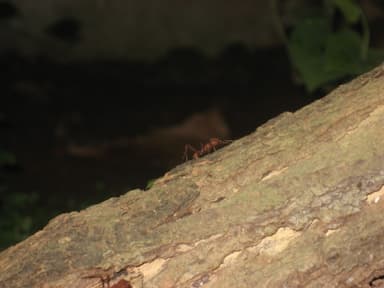
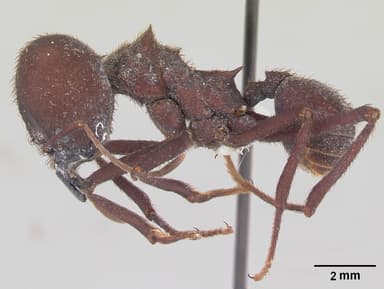
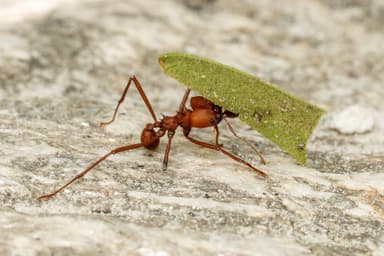
The leafcutter ant Atta sexdens is among the most remarkable and ecologically dominant ants of the Neotropics, ranging from northern South America down to the subtropics. Queens are imposing at 20–25 mm, while the highly polymorphic workers span a dramatic 2–16 mm, with four distinct castes—minors, medias, majors, and large soldiers—each specialised for tasks from leaf-harvesting to colony defence (Hölldobler & Wilson 1990). Mature colonies can house up to eight million individuals, cultivating vast subterranean fungus gardens on freshly cut vegetation. This agricultural lifestyle, the sheer scale of their societies, and the intricate division of labour make Atta sexdens a pinnacle species for scientifically minded keepers, but it also dictates an uncompromising set of husbandry requirements.
*Atta sexdens* is unequivocally an expert-level species, suited only to experienced myrmecologists with ample space, time, and resources. The difficulty lies not in aggression—they rarely sting and lack a powerful venom—but in the relentless logistical demands of a large, fast-growing fungus-growing colony. A mature setup can easily exceed the footprint of a refrigerator, with foraging arenas that must accommodate continuous leaf traffic. Keepers must be prepared for a multi-year commitment: queens can live over a decade, and the fungus garden demands daily maintenance. If you are still refining basic hydration or escape-proofing, this ant is best admired from afar; if you have years of experience and a dedicated ant room, the challenge is deeply rewarding.
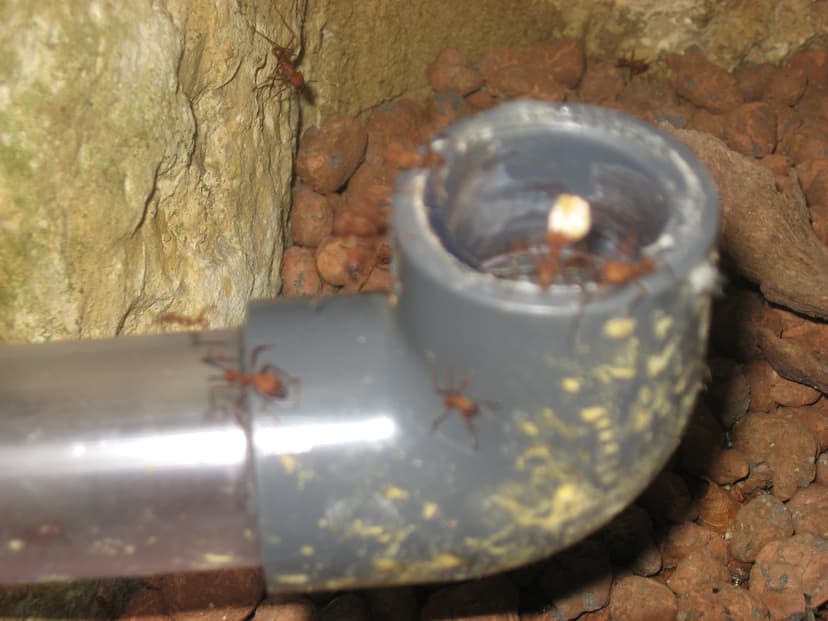
Housing must replicate the stable, humid microclimate of a subterranean fungus chamber. A custom-built, multi-chamber formicarium is essential, typically a series of interconnected acrylic or glass boxes to allow the colony to expand its fungus garden without being disturbed. The core garden chamber should be spacious, filled with a sterile, moisture-retentive substrate such as clay pebbles or plaster to anchor the fungus, with no loose soil that might bury the garden. Temperature must be maintained at 22–28°C with only minor fluctuations, and relative humidity is critical: 70–90% is needed to prevent the fungus from desiccating. A common approach is to house the garden in a sealed container with a water reservoir and humidistat, while the foraging arena can be slightly drier to discourage mould. Good air exchange is vital, as stagnant air promotes pathogens that can devastate the fungus (Hölldobler & Wilson 2011).
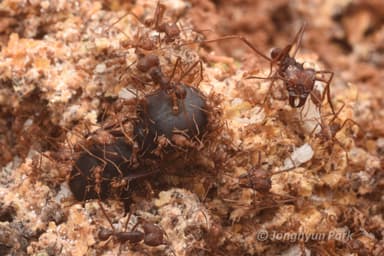
The diet of Atta sexdens is almost entirely mediated by its symbiotic fungus Leucoagaricus gongylophorus, which digests the leaf pulp the ants provide. The ants themselves feed on the nutrient-rich swollen hyphal tips called gongylidia, and the larvae are reared exclusively on this fungal tissue. Thus, the daily routine is to supply fresh, pesticide-free leaves—bramble, privet, rose, hibiscus, eucalyptus, and citrus are often accepted, though preferences vary by colony—and sometimes flower petals or fruit slices. A small number of keepers supplement with a weak protein source like soy flour or powdered insect fragments for the fungus, but in a healthy colony the leaves alone suffice. Carbohydrate-rich sugar water or honey is not required and can encourage unwanted mould; the ants get all necessary sugars from the fungus. Watering is indirect: maintain high ambient humidity and place a damp sponge or water tower in the foraging area for drinking, avoiding any direct spraying on the fungus garden itself.
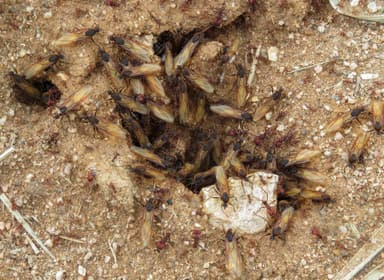
There is no hibernation period for Atta sexdens. In their native range, from tropical latitudes to the subtropics, conditions remain warm enough for year-round activity, though leaf availability may fluctuate with wet and dry seasons. In captivity, you must maintain stable warmth and humidity every day of the year. A mild winter drop to around 20°C can slow foraging but is not a true diapause and risks stressing the fungus if sustained. Instead, plan for continuous leaf supply, and during the nuptial flight season—in their native Brazil and northern South America, this occurs on warm, humid afternoons from October to December after heavy rains (confirmed by GBIF occurrence data and Della Lucia 2011)—be extra vigilant, as alate production inside a confined formicarium can cause overcrowding.
When your Atta sexdens colony first arrives, usually as a queenright group with a small fungus garden and a few hundred workers, immediate stability is paramount. Place the garden chamber into the prepared, pre-humidified formicarium without delay, and do not open it for at least 24 hours to allow recovery from transit. After this settling period, offer a small handful of young, tender leaves, freshly washed and blotted dry, near the garden entrance. Watch closely: within hours, workers should begin cutting and carrying fragments to the fungus. If leaves are ignored, try a different species or slightly wilt them, as turgid leaves can be less attractive. In these early days, monitor humidity obsessively and resist the urge to inspect the fungus directly—a sudden drop in humidity can cause the garden to collapse. With care, the white, sponge-like fungus will visibly expand, signalling a successful start. Then, as is the way with leafcutters, the pace of growth will soon become astonishing.