Formicoxenus
Formicoxenus nitidulus
Nuptial Flight Calendar
Flight months: Jul, Aug, Sep
Care Guide
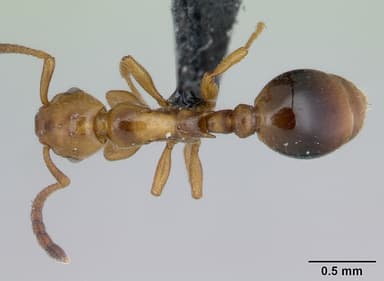
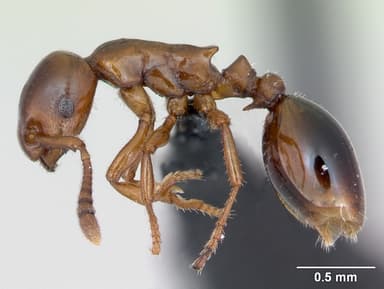
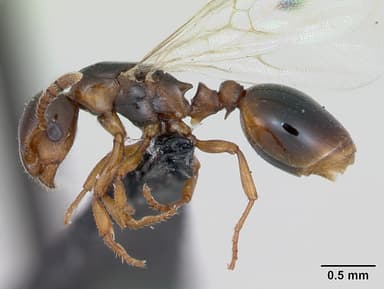
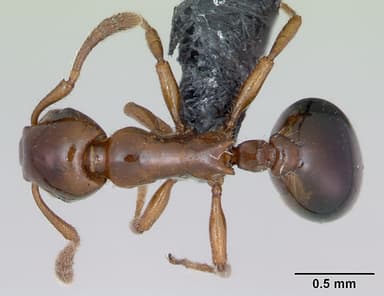
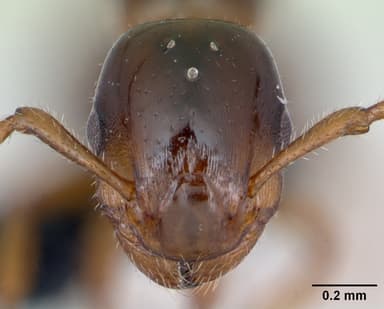
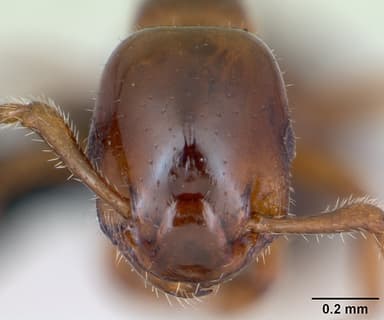
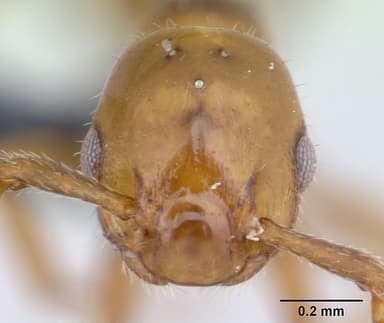
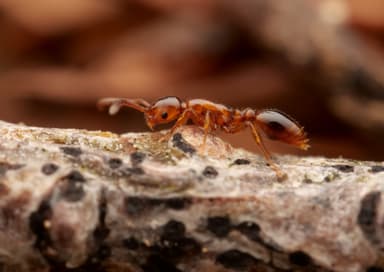
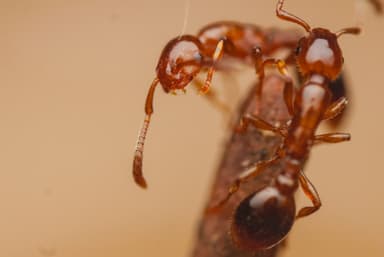
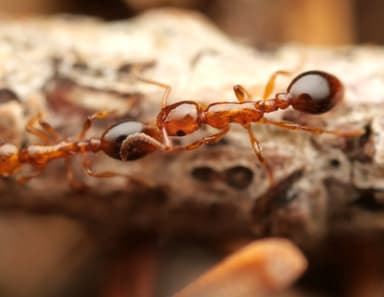
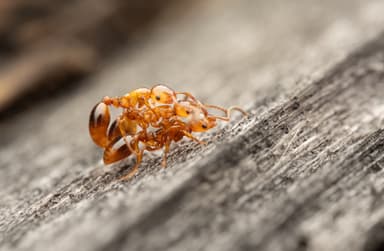
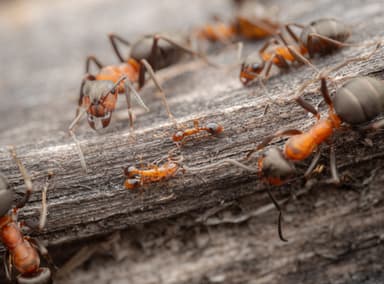
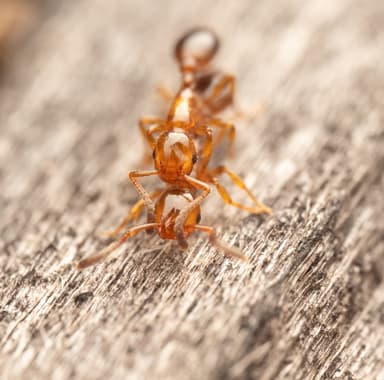
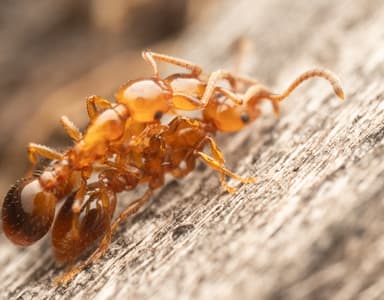
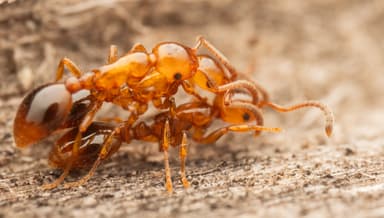
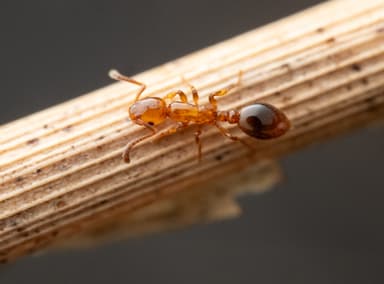
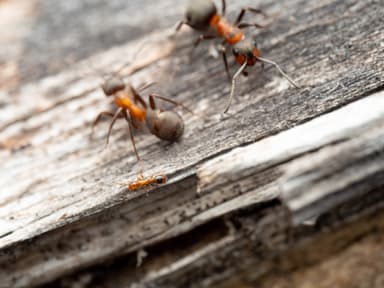
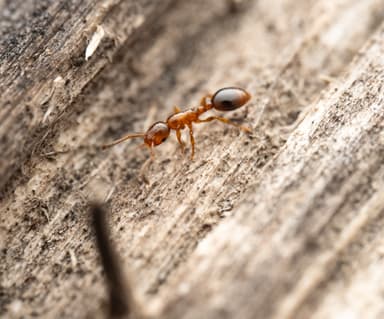
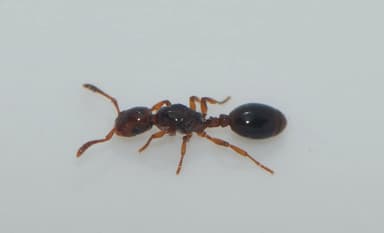
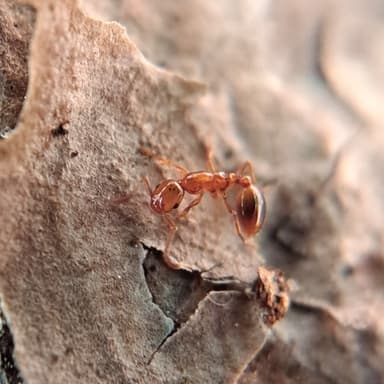
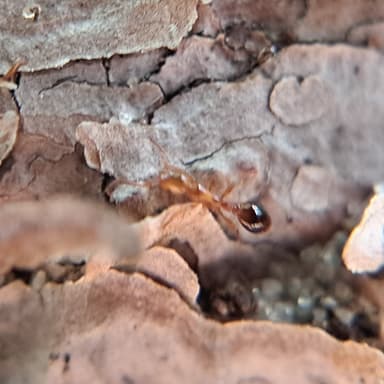
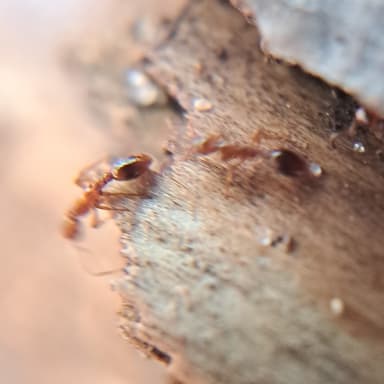
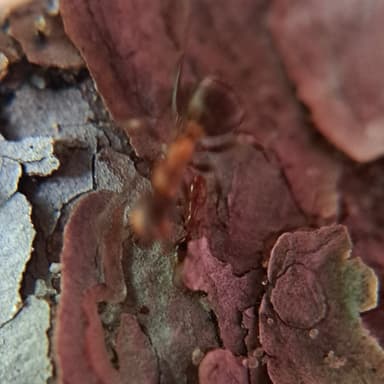
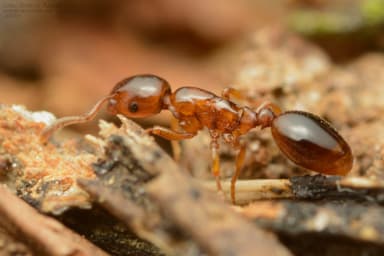
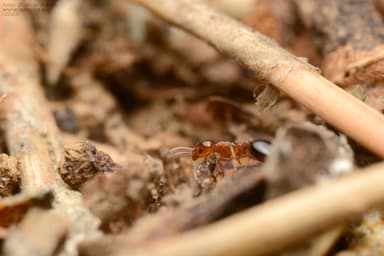
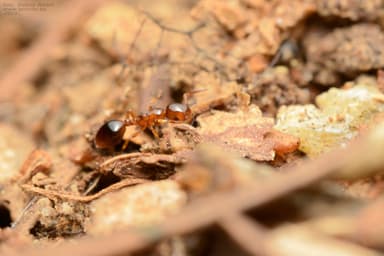
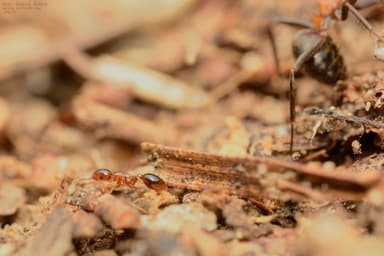
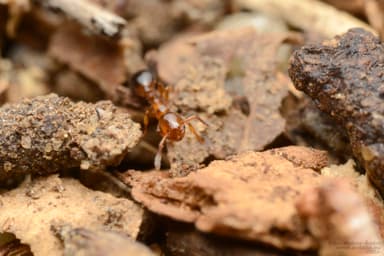
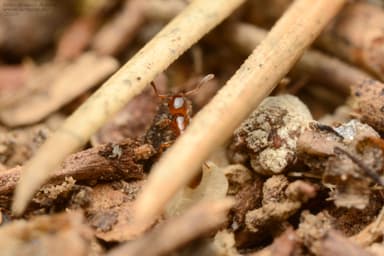
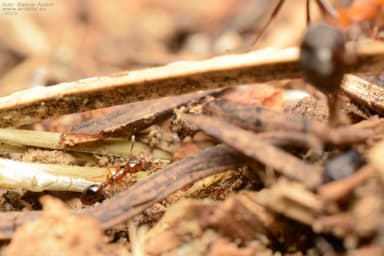
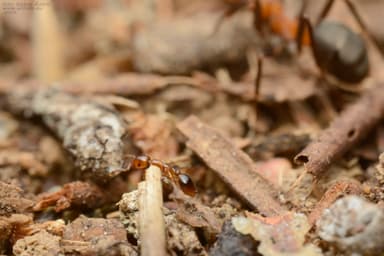
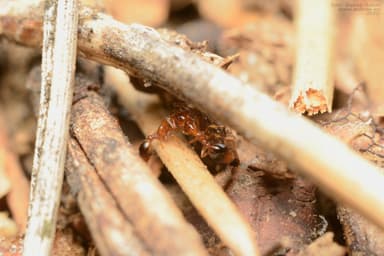
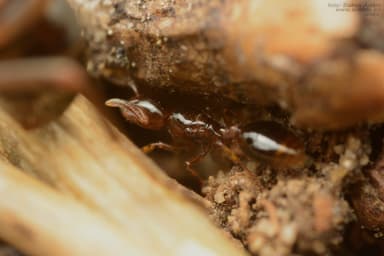
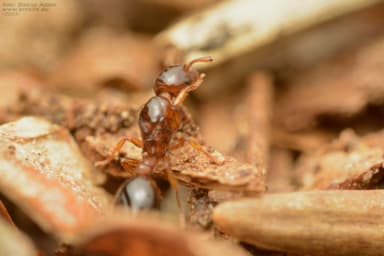
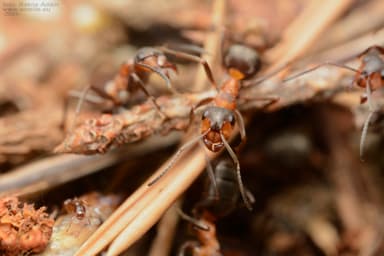
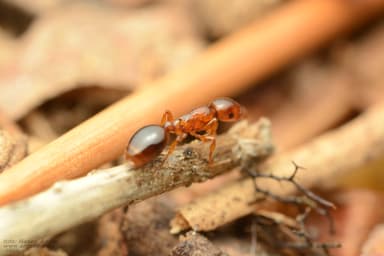
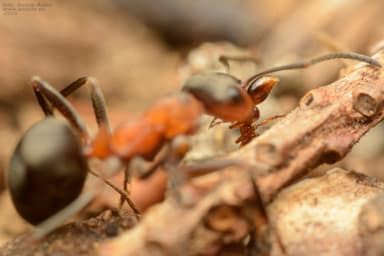
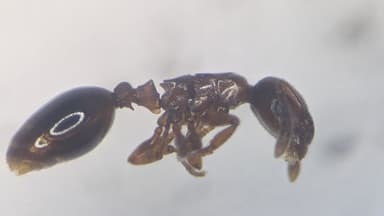
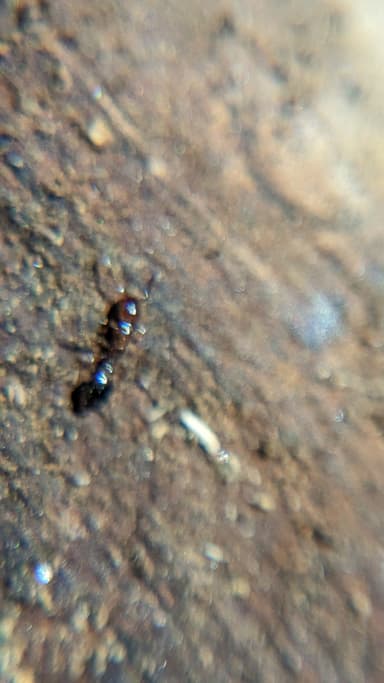
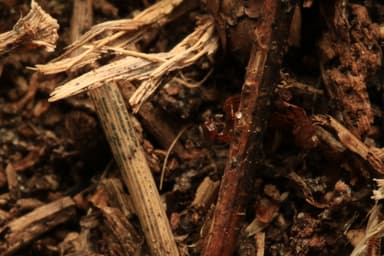
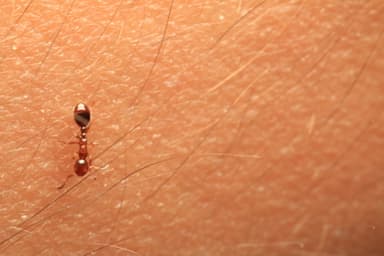
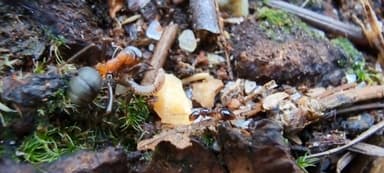
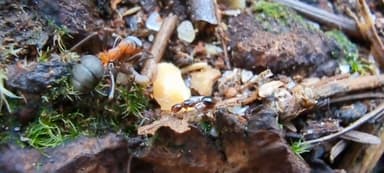
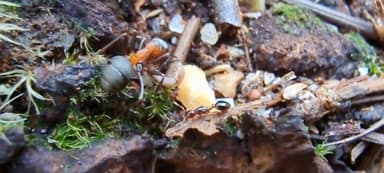
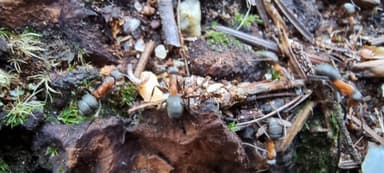
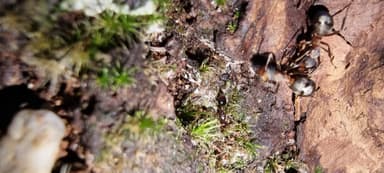
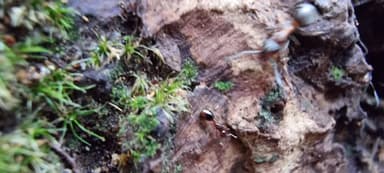
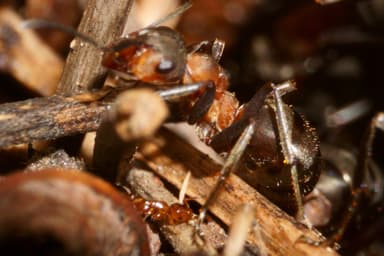
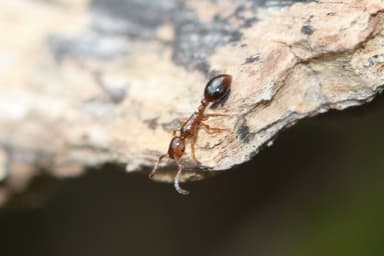
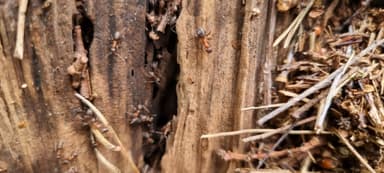
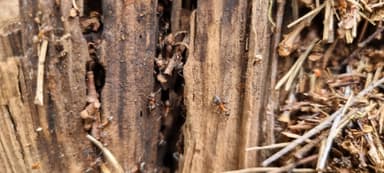
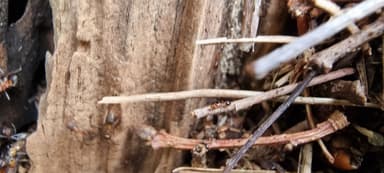
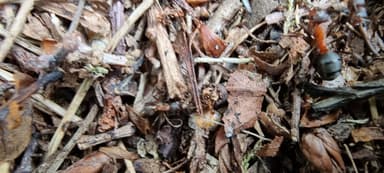
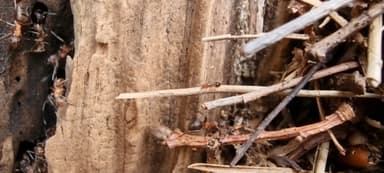
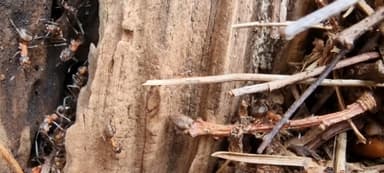
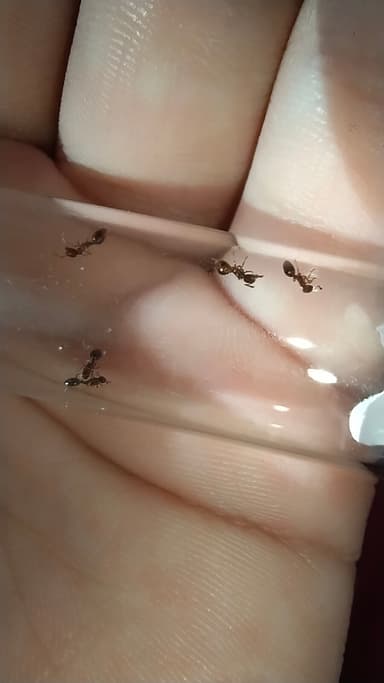
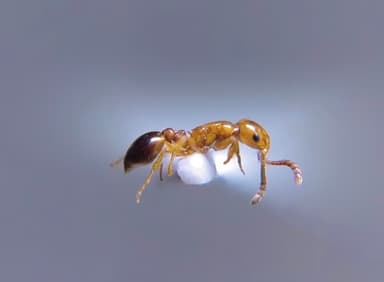
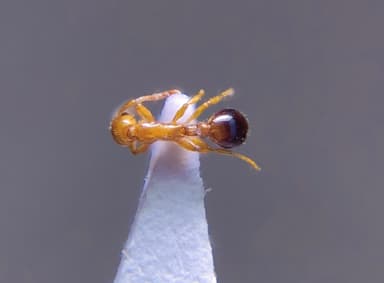
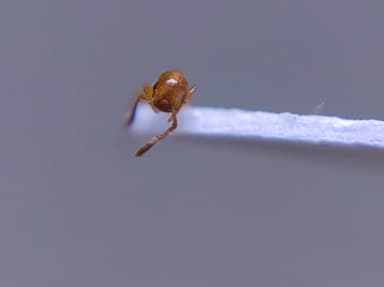
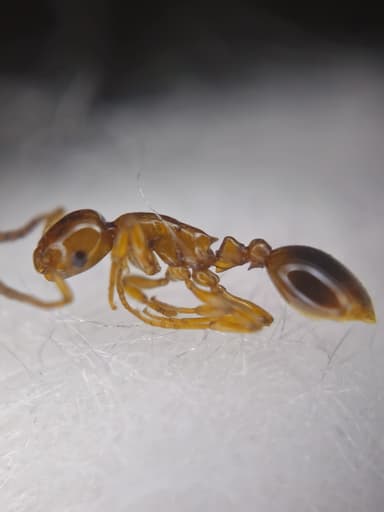
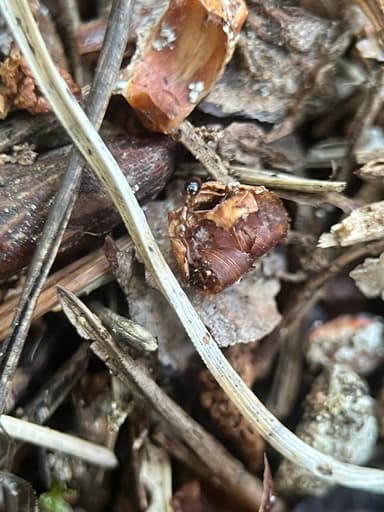
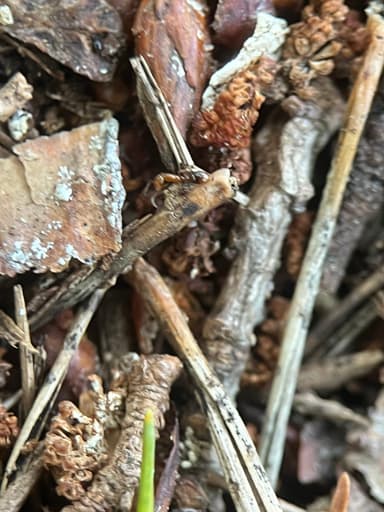
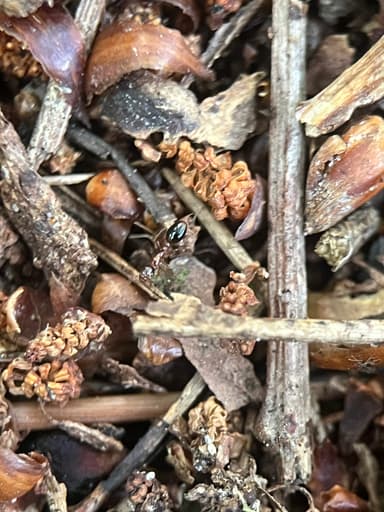
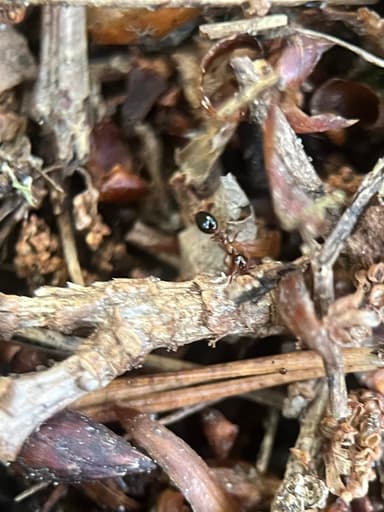
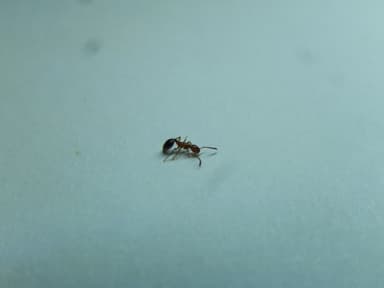
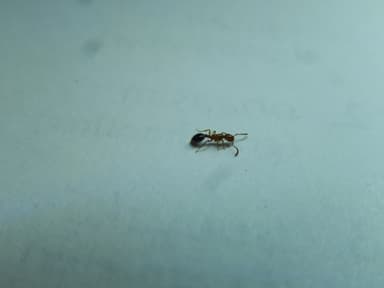
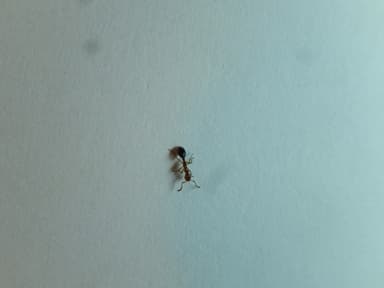
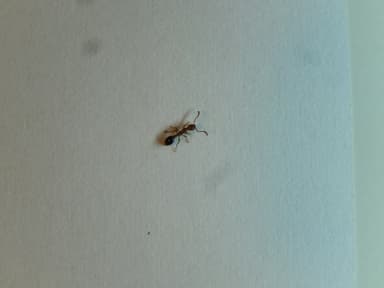
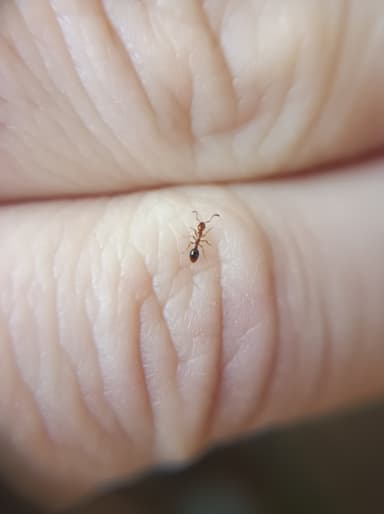
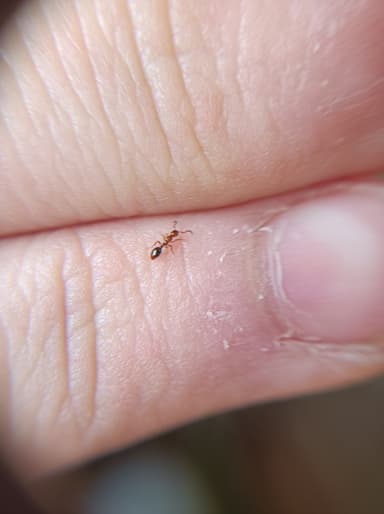
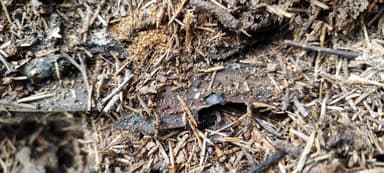
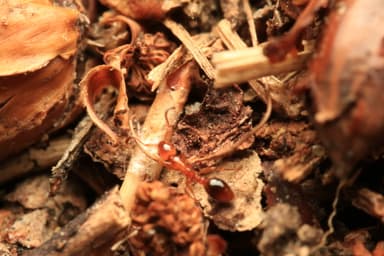
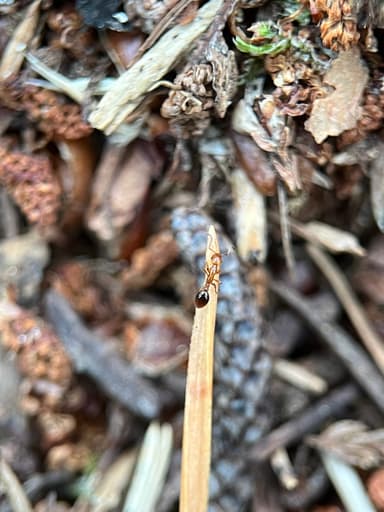
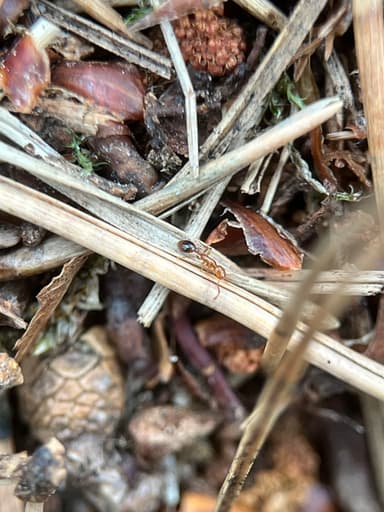
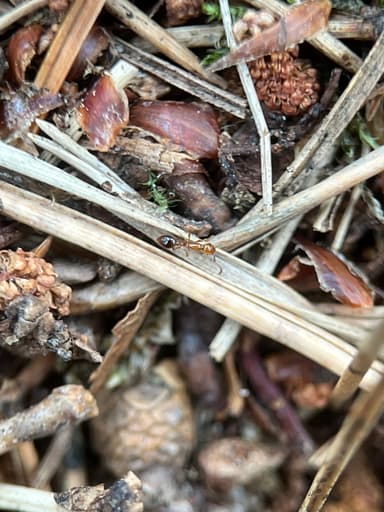
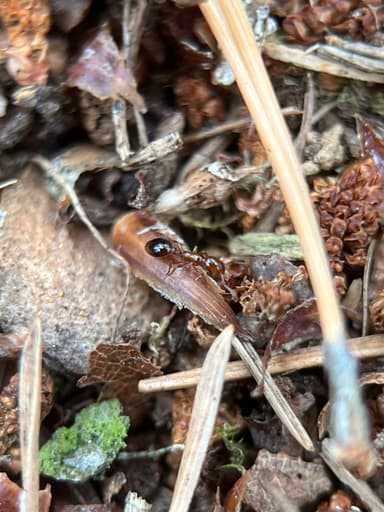
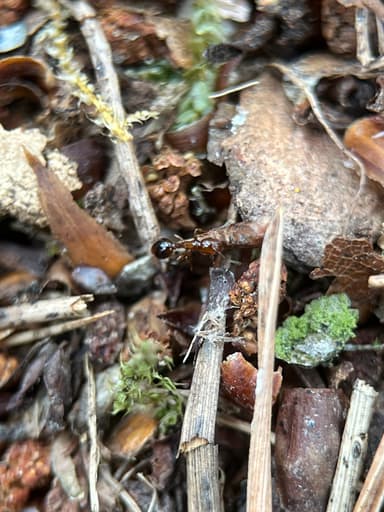
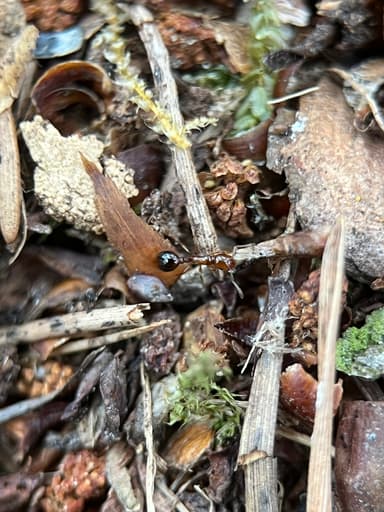
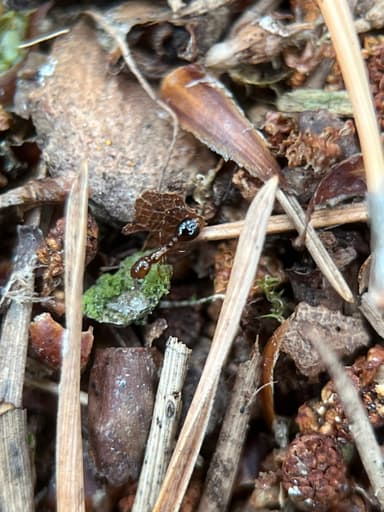
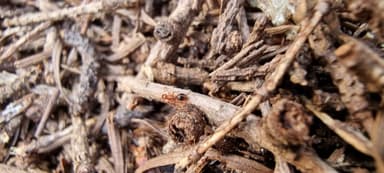
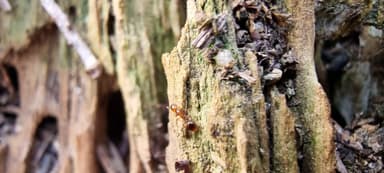
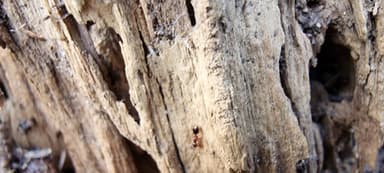
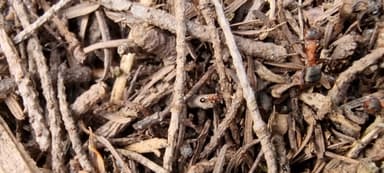
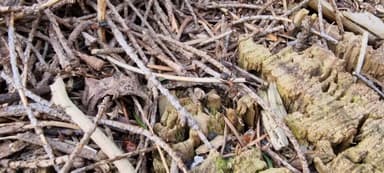
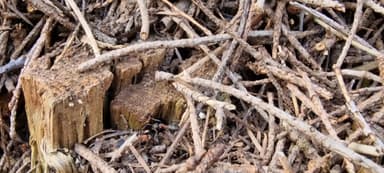
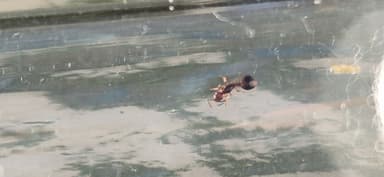
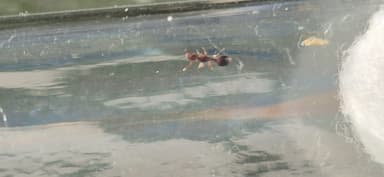
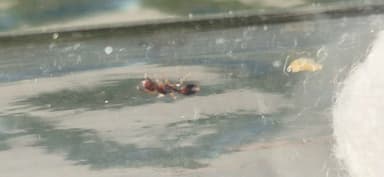
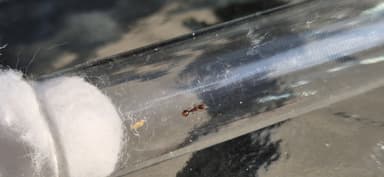
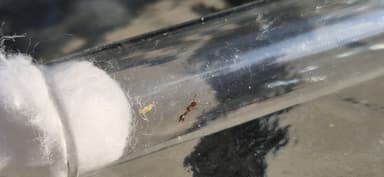
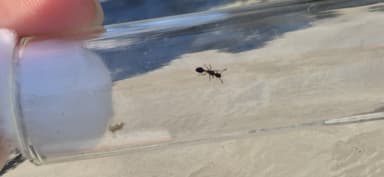
Formicoxenus nitidulus is a tiny, glistening ant that has perfected the art of living undercover. Workers measure only 2.5–3.5 mm, while queens reach 3–3.8 mm, and both sexes sport a smooth, highly polished cuticle that gives the species its name. Unlike most ants, this is a social parasite entirely dependent on a host — specifically colonies of the Formica rufa group, the familiar mound-building wood ants. A mature guest colony rarely exceeds 150 individuals, all monomorphic minor workers, and they dwell within the host’s thatch nest, slipping through its narrow interstitial galleries (Seifert 2018). Its range sweeps from Scandinavia to southern Europe and east into Siberia (GBIF occurrence data), a distribution that reflects its tolerance for cool, humid forests. What makes F. nitidulus so compelling to advanced keepers is its evolutionary tightrope walk: the queen must infiltrate a host colony and usurp its social machinery, a delicate and risky process that offers a front-row seat to social parasitism in action (Buschinger 2009).
Unsurprisingly, the species is strictly an expert-level commitment. Success demands not only proficiency with typical ant husbandry but also the ability to maintain a vigorous host Formica colony, itself a demanding task. You must enjoy intricate, high-stakes introductions and be prepared for the possibility of failure. For those with the necessary experience, however, the chance to observe such a specialised symbiosis is profoundly rewarding.
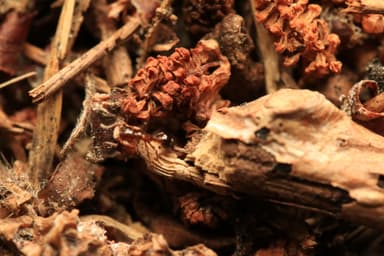
Housing must replicate the stable microclimate of a wood ant mound. Temperatures should stay between 15°C and 25°C, and relative humidity needs to be kept at 50–70% to prevent desiccation of these small, thin-cuticled ants. A plaster or ytong nest with interconnected chambers works well, allowing precise moisture control. Cover the floor with a light sprinkle of sand or loam to give the ants a familiar substrate they can rearrange. The formicarium must be scrupulously escape-proof — workers can exploit gaps under a millimetre — yet still provide gentle ventilation to fend off mould. A small opening covered with fine stainless steel mesh usually suffices. Connect the nest via a short tube to a foraging arena where food can be offered without disturbing the sensitive brood chamber.
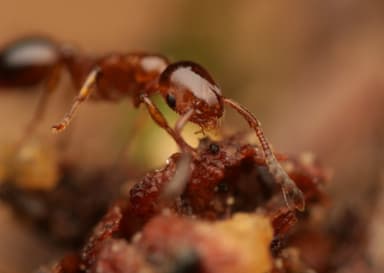
Feeding Formicoxenus nitidulus is straightforward in principle but tightly woven into host care. In the wild, guest ants receive much of their nutrition through trophallaxis with their Formica hosts, so a well-fed host colony is the foundation. In the foraging arena, you can supplement directly with minute protein sources like wingless fruit flies or finely chopped mealworms, and carbohydrates in the form of diluted honey or sugar water. Because the ants are so small, food items must be tiny; a single fruit fly can sustain many workers. Always provide a water test tube or moist cotton. Uneaten food should be removed within a day to maintain hygiene. Keepers often note that the guest ants readily accept liquid nutrition placed close to the nest entrance — a strategy that mimics the trophallactic fluid they naturally solicit (Buschinger 2009).
Hibernation is absolutely mandatory. In nature, the colony experiences winter deep within the host mound, and in captivity it requires a sustained cold period at around 5°C. Nuptial flights in Europe occur from July through September, on warm, sunny afternoons directly on or near the host nests; the resulting mated queens must then overwinter before founding (Seifert 2018). Gradually lower temperatures in late autumn, and maintain hibernation for three to four months. If you are keeping the colony with its host, both must be cooled together, as the delicate synchrony of their annual cycles is essential. A wine cooler or dedicated ant fridge provides the stable cooling needed.
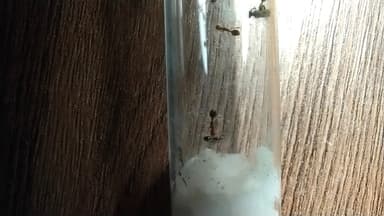
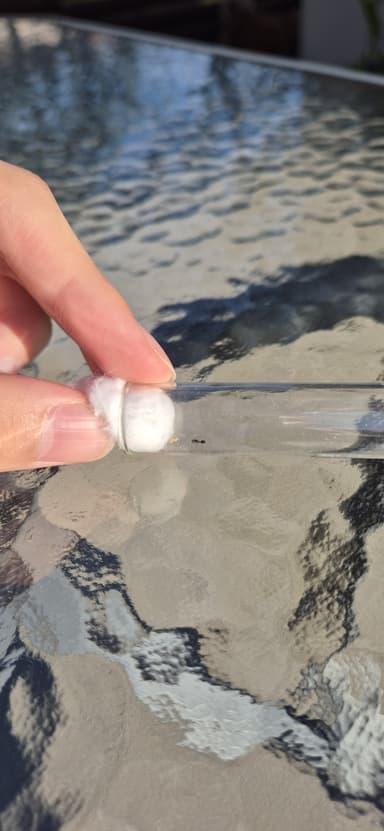
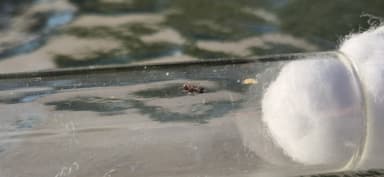
When your Formicoxenus nitidulus queen first arrives, she will likely be in a small tube with a few host workers and perhaps some host brood. Your aim is to introduce her into a prepared, queenless fragment of a Formica rufa group colony. Connect her tube to the nest and allow the workers to mingle at their own pace — never rush contact. Acceptance is typically signalled by the queen being groomed and fed, often within hours, but it can take days. On the first day, offer only a tiny drop of sugar water; wait until the second day before adding protein, as heavy feeding may stress the unsettled group. Watch intently for persistent aggression, such as host workers biting her legs or antennae. If this continues, separate her immediately and retry with a different host fragment. Once integration succeeds, she will settle among the brood and begin laying her own eggs. The first guest workers — distinctly smaller and glossier than their hosts — may emerge after several weeks. Patience and meticulous observation are your greatest allies, and the quiet appearance of that first worker is the ultimate reward for careful management.