Formica
Formica aserva
Nuptial Flight Calendar
Flight months: Jun, Jul, Aug
Care Guide
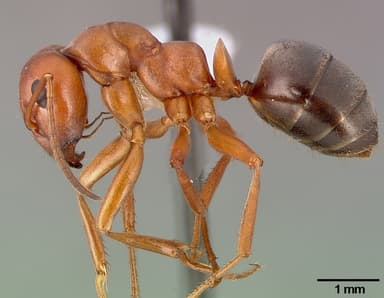
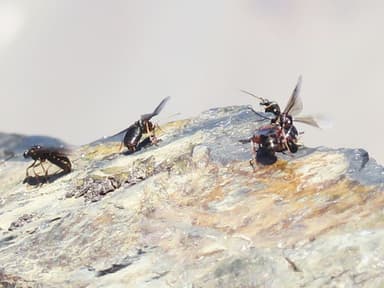
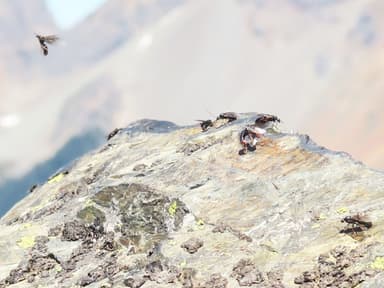
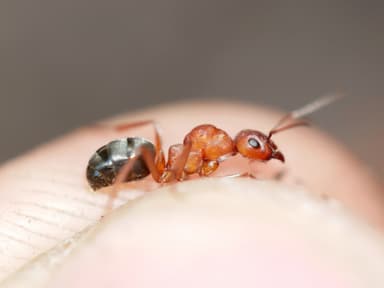
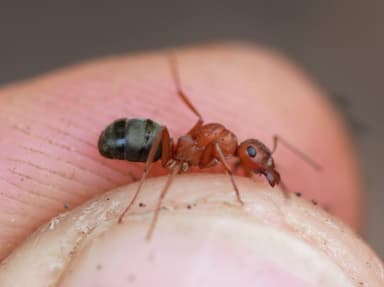
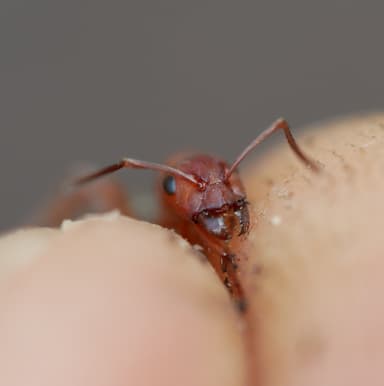
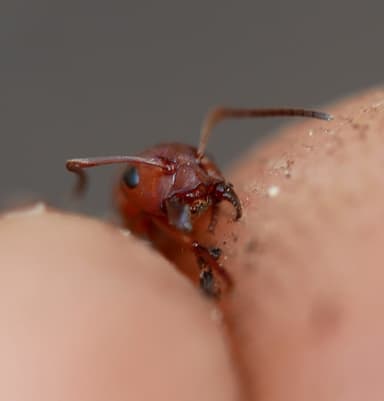
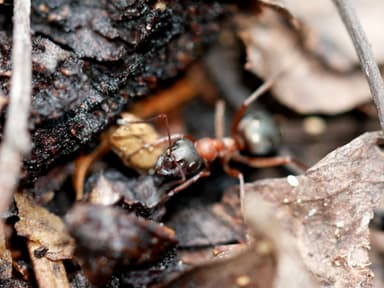
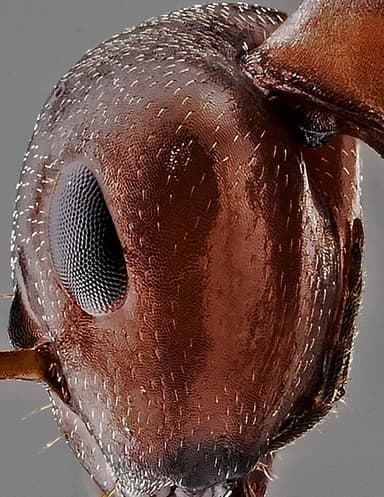
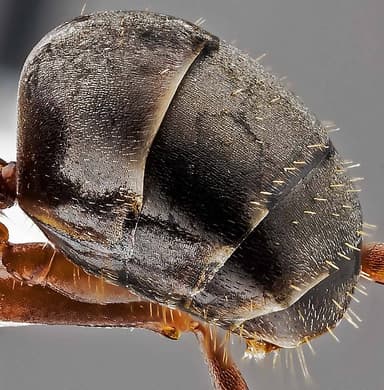
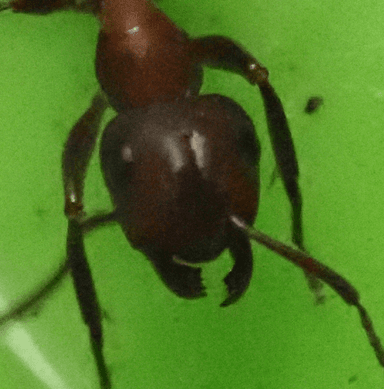
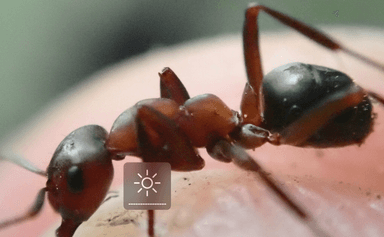
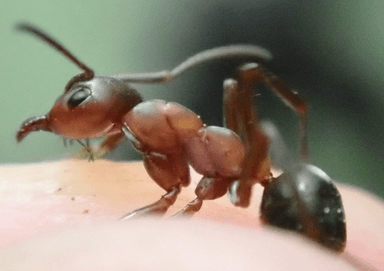
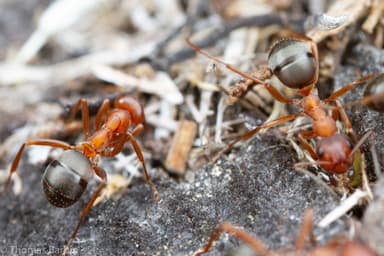
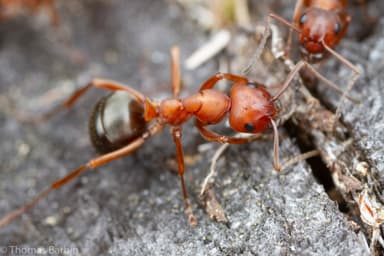
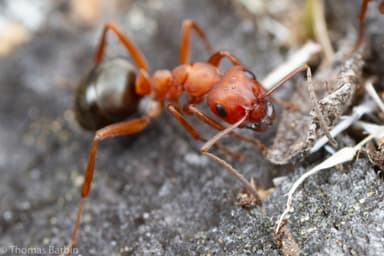
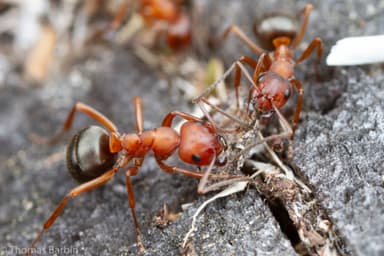
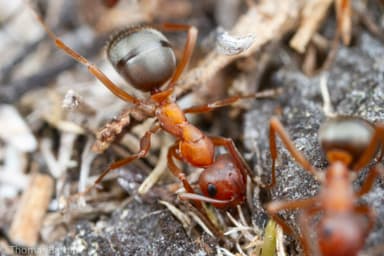
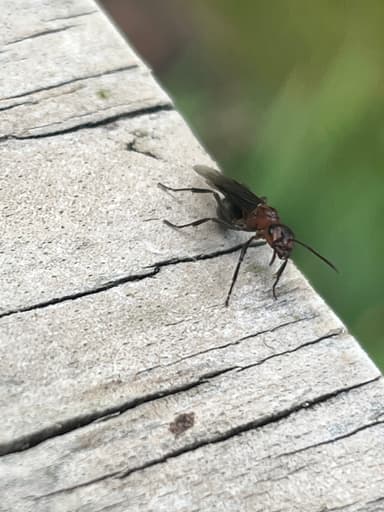
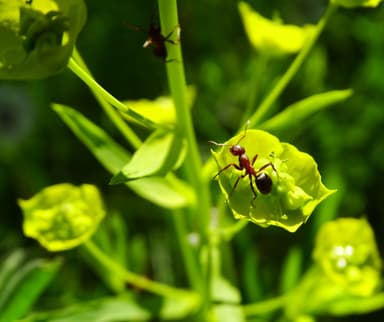
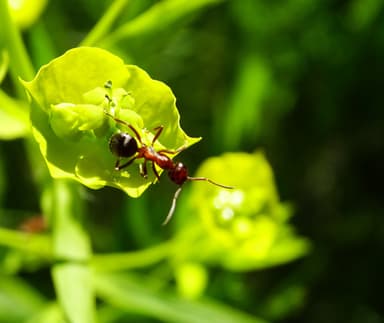
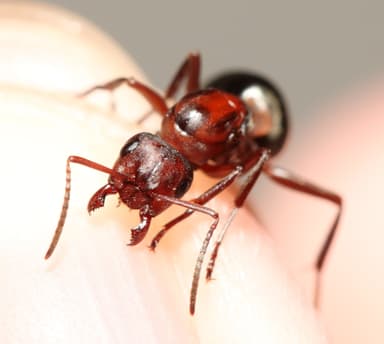
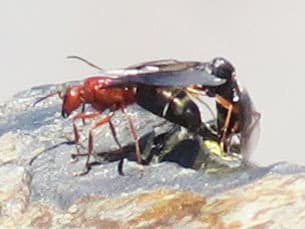
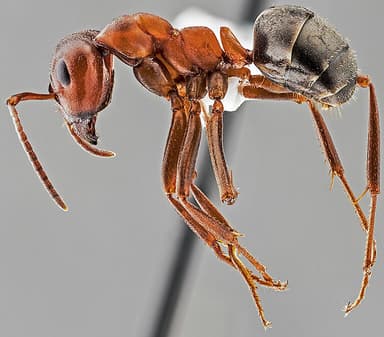
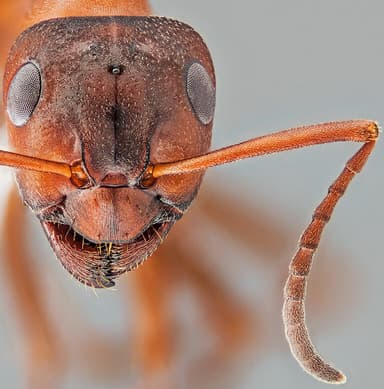
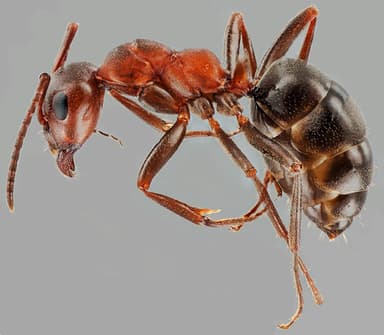
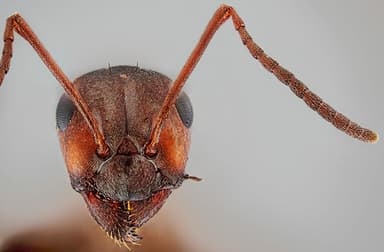
Few ants encapsulate the rugged northern wilds quite like Formica aserva, a large, imposing member of the Formica rufa group that ranges from Alaska to Newfoundland and south along the cordilleras, as captured by GBIF occurrence data spanning 32°N to 65°N. Queens measure a robust 8–10 mm while workers exhibit distinct polymorphism, with minor workers around 4–5 mm and major workers reaching up to 8 mm, their broad, powerful heads and mandibles enabling them to dominate prey and rivals alike (Wheeler, 1910). The colony can swell to 40,000 individuals, a testament to their vigorous brood production once established. Their bicolorous livery—a burnished coppery-red head and thorax contrasted with a deep charcoal gaster—gives them an unmistakable presence. But it is their social-parasitic mode of founding that truly captivates the expert keeper: a newly mated queen must infiltrate a nest of a Formica fusca-group host, assassinate the resident queen, and co‑opt the host workers to rear her first brood, gradually replacing them with her own offspring. Nuptial flights in North America are typically concentrated in July and August, on warm, humid afternoons following rain (medium confidence based on available records), and observing queens seeking out host nests is a rare spectacle that highlights the intricate evolutionary drama of this species.
The care difficulty of Formica aserva is unequivocally expert-level, and it is suited only to ant keepers who have successfully managed temperate, hibernation‑requiring taxa and ideally have experience with parasitic ants. The primary challenge lies in the founding stage: you will almost certainly purchase a queen that has already been paired with host workers or a small established colony, because obtaining a lone mated queen and providing the correct host callows is a delicate procedure that risks failure even under controlled conditions. Even after her own workforce supplants the hosts, the colony may retain a natural impulse to raid other Formica nests for brood, a behavior that, while unnecessary in captivity, complicates any attempt to keep them with other ants. Ethically, one must consider the dependency of the colony on host workers during early stages, and sourcing those host colonies is a responsibility that demands planning and a broad regional understanding. Patience, precise climate control, and a willingness to troubleshoot are non‑negotiable traits for anyone attempting this species, making it a pinnacle achievement for dedicated hobbyists rather than a casual addition.
Providing suitable housing for a potential 40,000‑strong colony demands forward thinking. F. aserva naturally nests in rotting stumps or under large stones, but in captivity they thrive in plaster, ytong, or acrylic formicaria with an ample, escape‑proof foraging arena. A temperature gradient from 18°C to 28°C, mimicking the warm sunny patches of their boreal habitat, should be maintained using heating cables or mats placed on one side only; the ants will thermoregulate by shuffling brood between chambers. Humidity is best kept moderate at 40–60%, avoiding the constant saturation that invites fungal spores. Inside the outworld, a deep layer of coconut coir, sandy soil, or peat allows them to engage in their ceaseless tidying and debris‑carrying, while gnarled branches and rough‑textured walls facilitate the almost ceaseless patrolling that major workers in particular seem to relish. Ventilation must be generous—stale air kills colonies—so choose lids with fine‑mesh screens and consider a small fan for larger setups to maintain air exchange without desiccating the nest.
As resourceful omnivores, Formica aserva thrives on a balanced diet of insect protein and liquid carbohydrates. Offer freshly killed or pre‑frozen crickets, mealworms, roaches, or fruit flies, adjusting frequency and quantity to the brood cycle; a rapidly expanding nucleus may require daily protein, while a mature colony might need feeding three to four times a week. Their aggressive foraging response makes feeding shows dramatic: majors will swarm a cricket, dismember it, and haul pieces back through the tubing with impressive coordination. For sugars, provide a dilute honey‑water solution, maple syrup (a nod to their home range), or a commercial ant nectar. They tend aphids in the wild, so they are drawn to sweet liquids and will lap from feeding dishes or soaked cotton plugs. Always maintain a clean water source via a test‑tube drinker or automated water feeder, as dehydration can decimate a colony rapidly.
Hibernation is non‑negotiable for the long‑term survival of F. aserva. In their native range, they endure many months of winter chill, and failing to replicate this cycle leads to a steady decline in queen fecundity, worker lethargy, and eventual collapse. Aim for a stable 5°C for 12–16 weeks; a dedicated insect fridge or a cold room monitored with a reliable thermometer is ideal. Begin the cool‑down in late autumn by reducing temperature gradually over a week, and ensure the nest retains some moisture so they can retreat into chambers and drink. During diapause, check on them only briefly every few weeks to confirm humidity levels and remove any condensation. When spring comes, slowly warm them back to active temperature over several days, and you will be rewarded with a burst of brood production and renewed vitality that is one of the most satisfying experiences in ant keeping.
When your F. aserva colony first arrives, likely packaged with a queen and a mix of host and her own workers, your primary obligation is to minimize stress. Allow them to settle in the dark for at least 24 hours before you offer food; a tiny drop of sugar water placed near the nest entrance and a small pre‑killed insect fragment can be introduced on the second day. Watch the dynamics closely: the queen may huddle immobile while workers explore, and you may notice the host workers—typically darker and more uniform in size—attending to brood. Escapes are a genuine risk during this phase, so double‑check all seals and apply a PTFE or olive‑oil barrier to the arena walls. In the first week, maintain temperature around 22°C and humidity near 50%, avoiding overly rich feeding until the colony is defecating normally and brood‑piles are increasing. If you intend to encourage naturalistic raiding behaviors later, begin researching ethical sources of Formica brood, but for most hobbyists, simply witnessing a parasitic Formica colony thrive on its own terms is a profound testament to the hidden complexities of ant societies, beautifully chronicled in works like Buren (1968) and Francoeur (1973).