Formica
Formica aquilonia
Nuptial Flight Calendar
Flight months: May, Jun, Jul
Care Guide
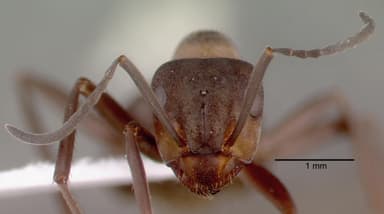
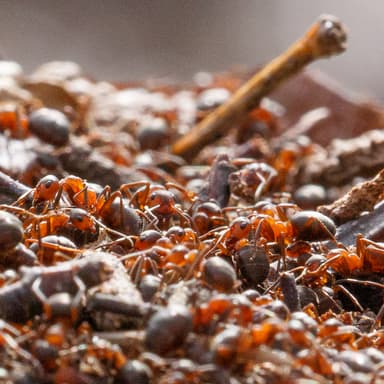
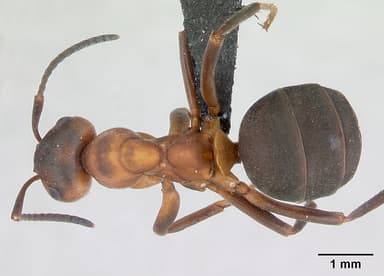
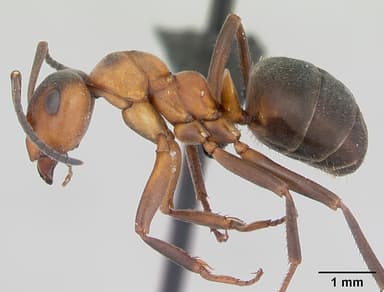
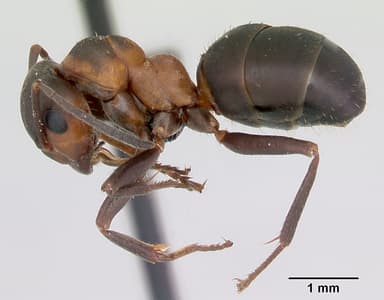
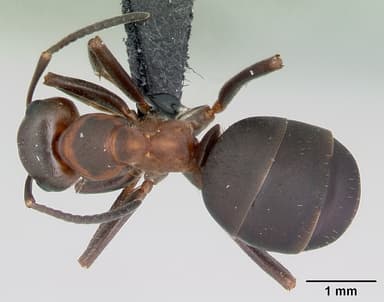
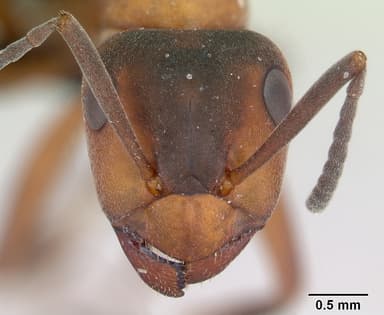
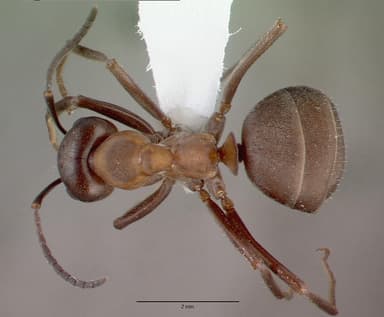
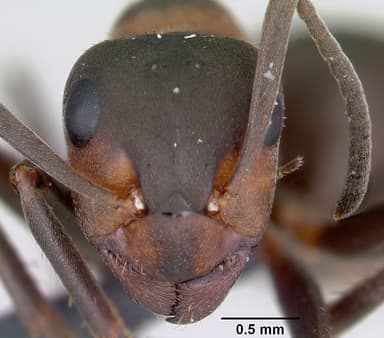
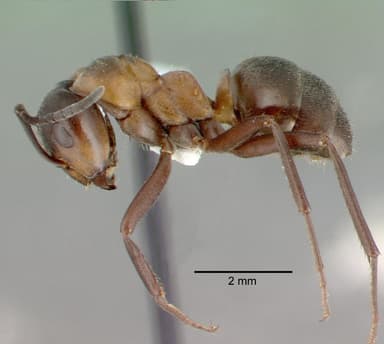
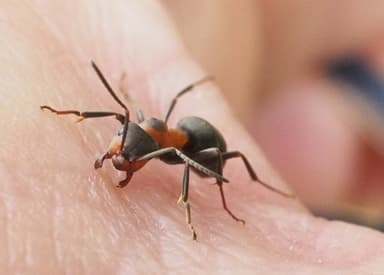
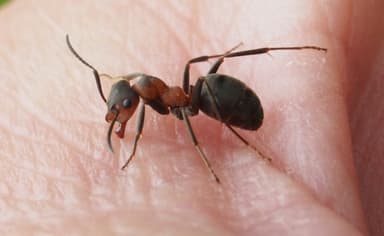
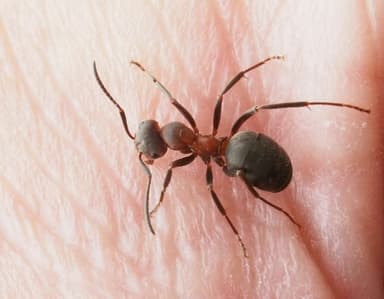
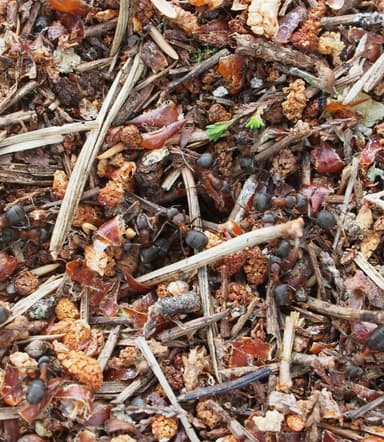
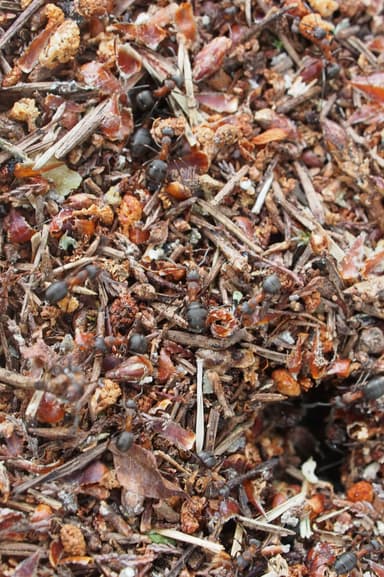
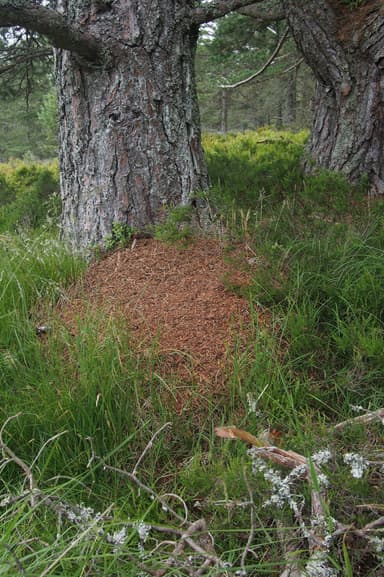
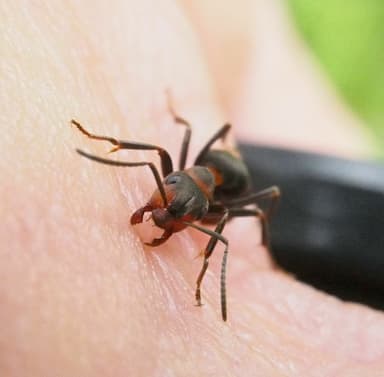
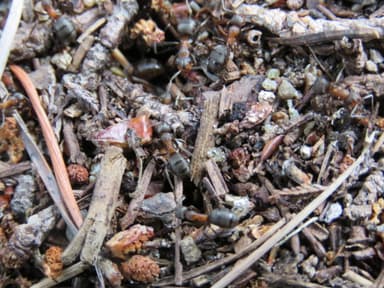
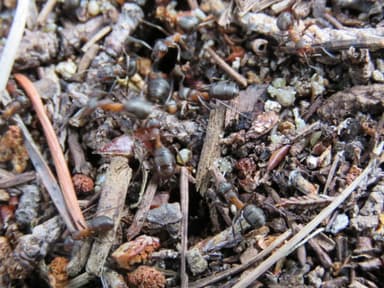
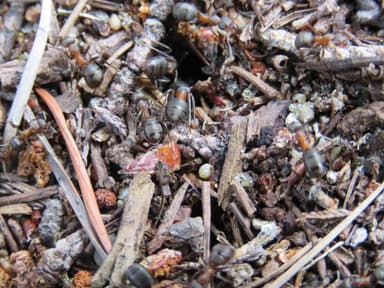
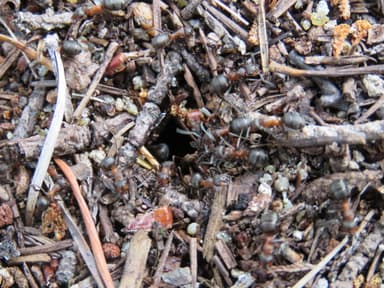
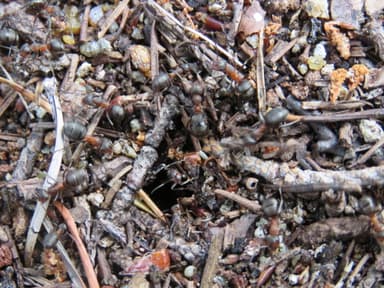
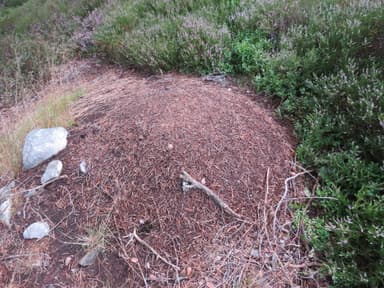
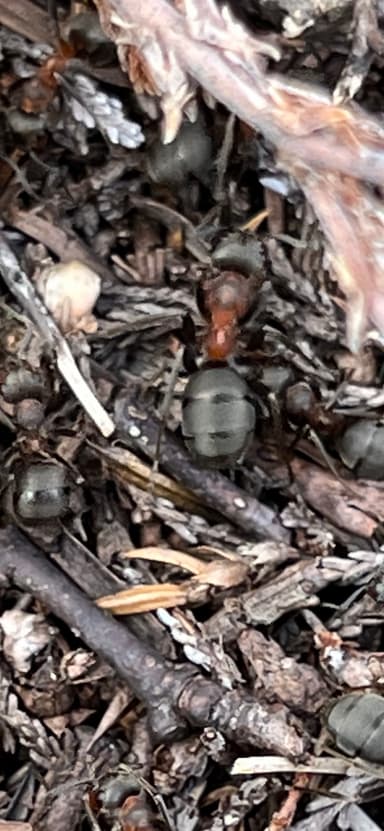
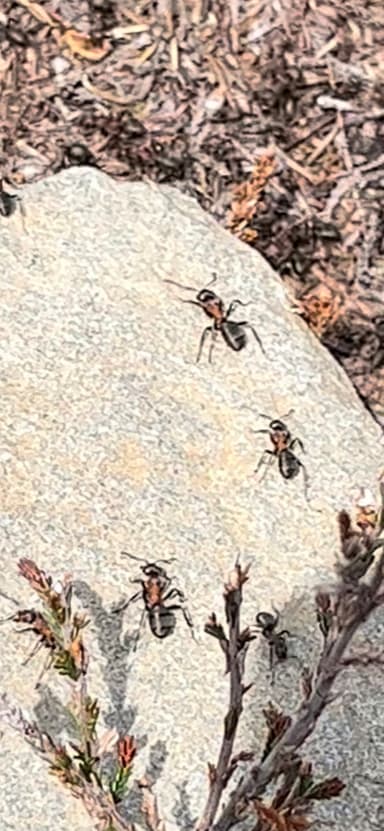
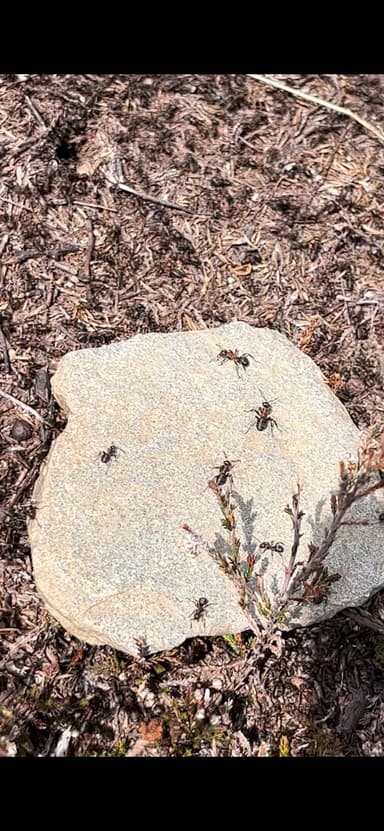
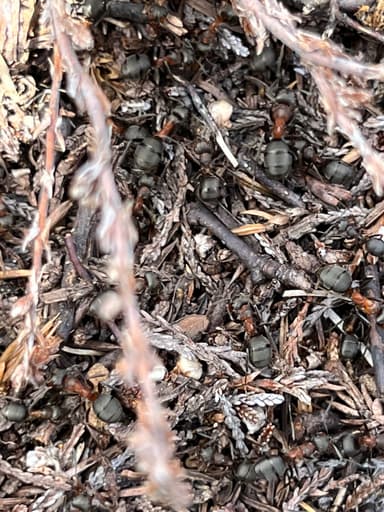
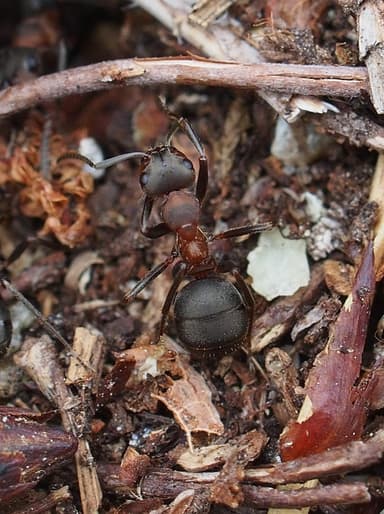
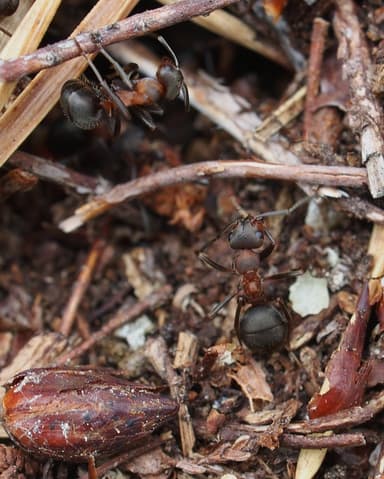
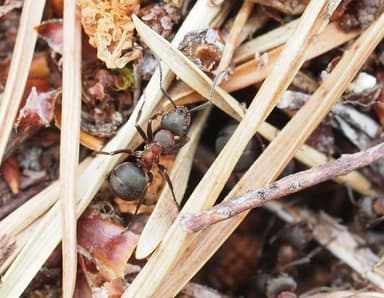
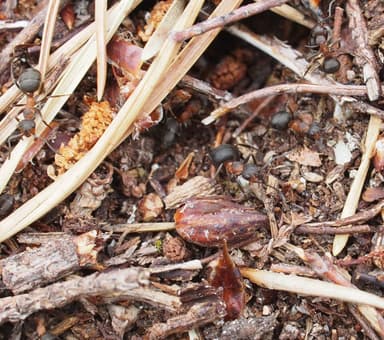
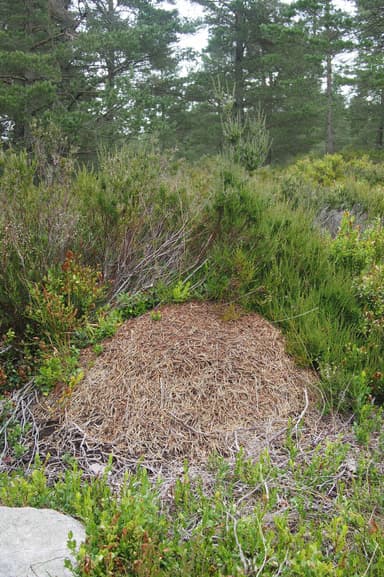
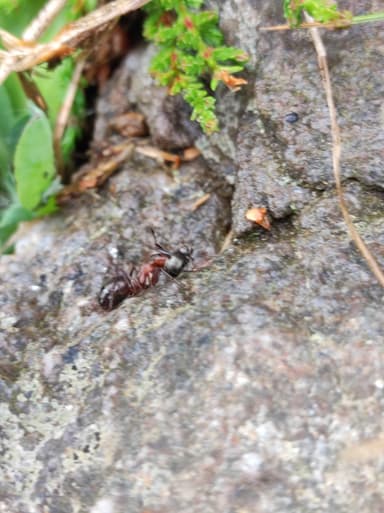
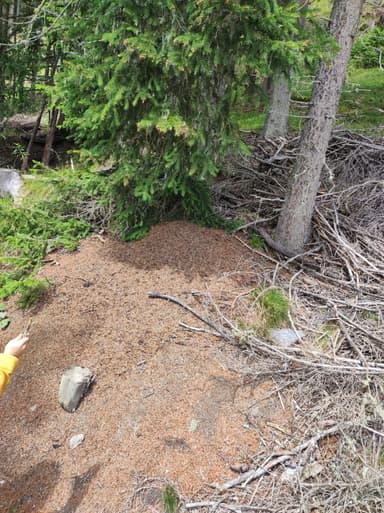
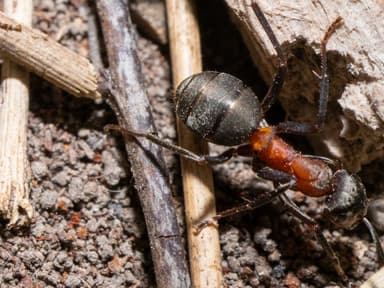
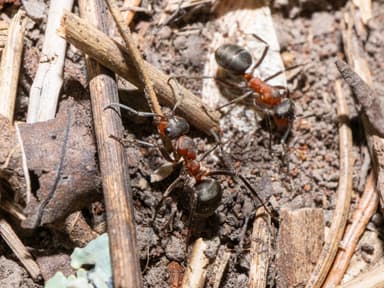
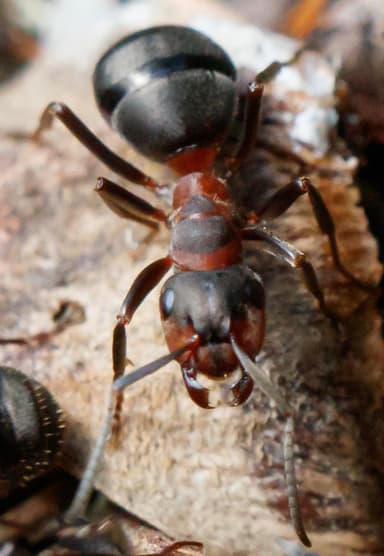
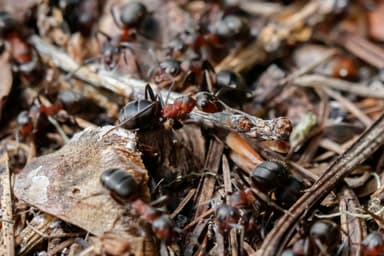
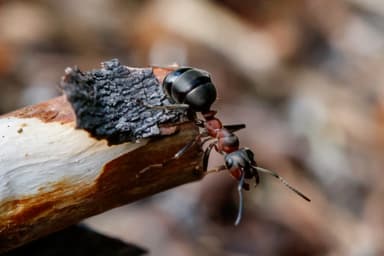
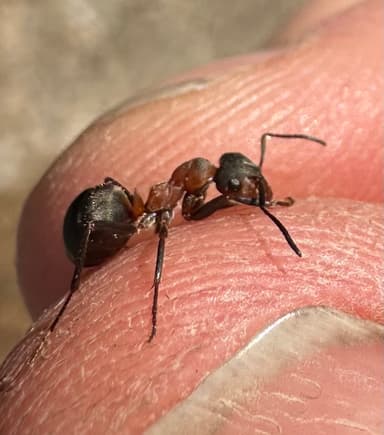
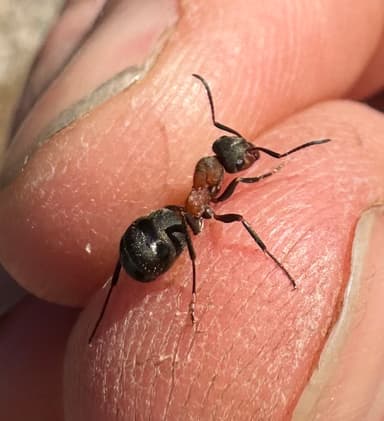
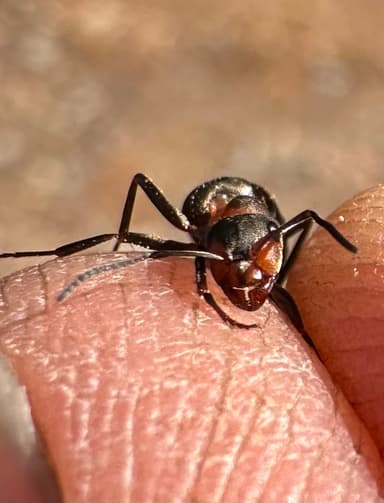
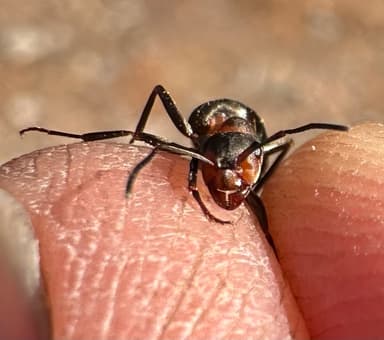
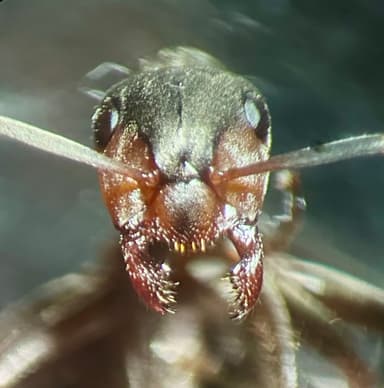
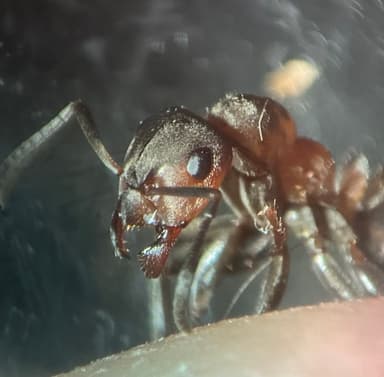
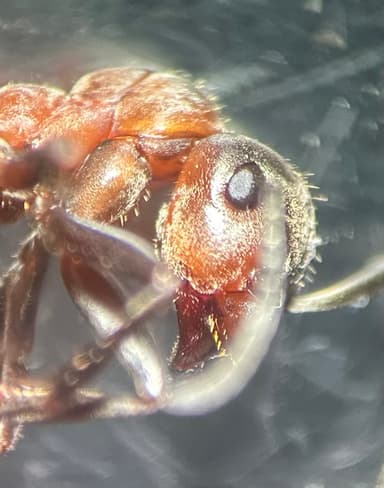
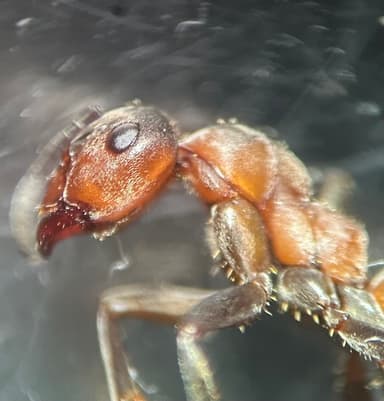
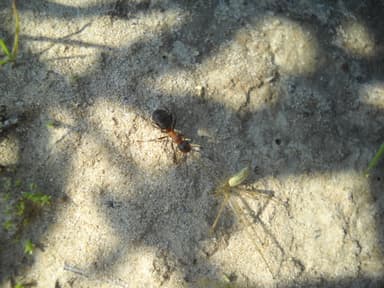
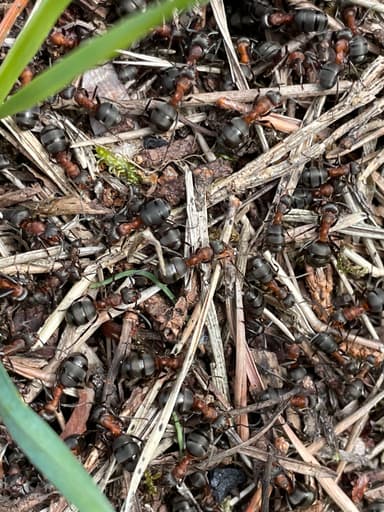
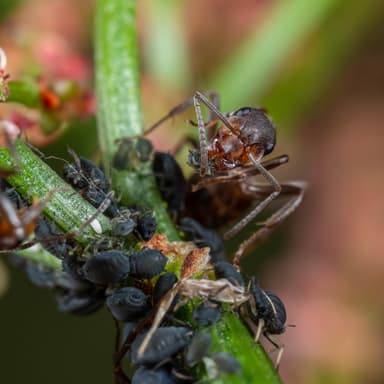
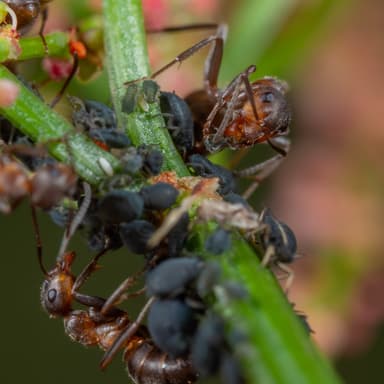
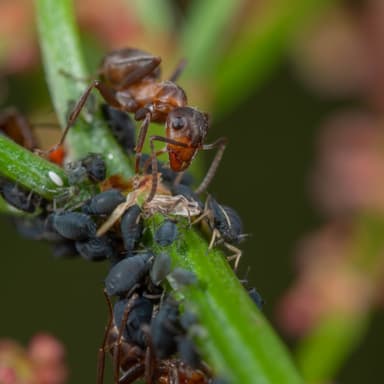
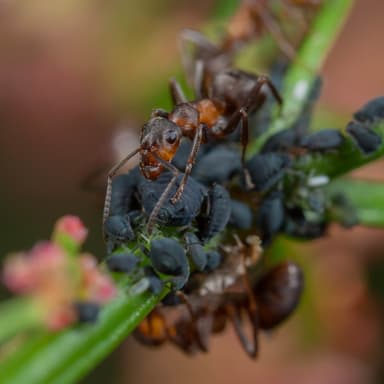
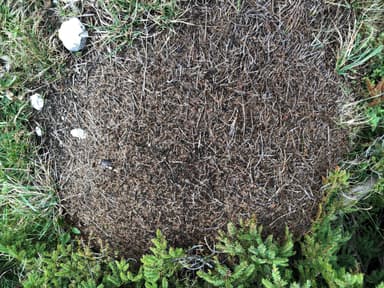
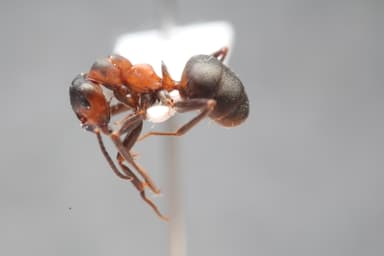
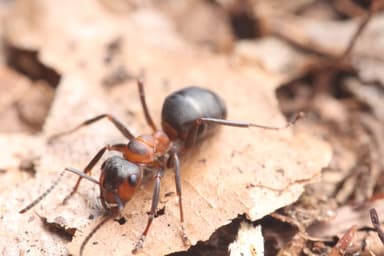
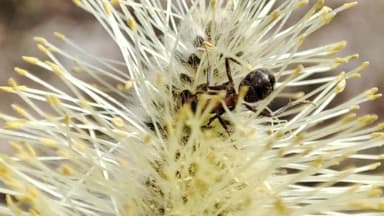
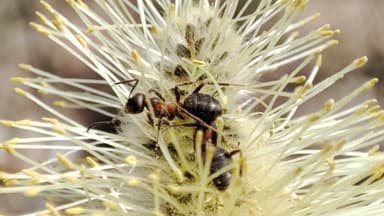
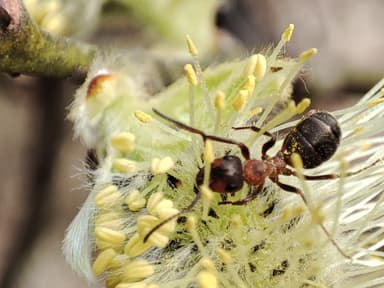
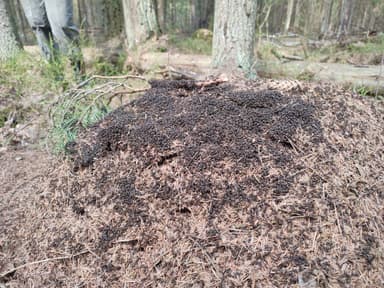
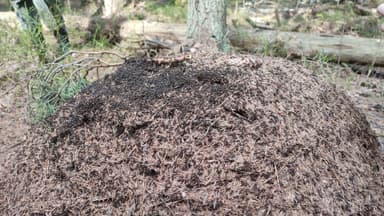
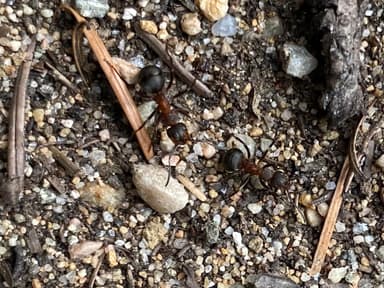
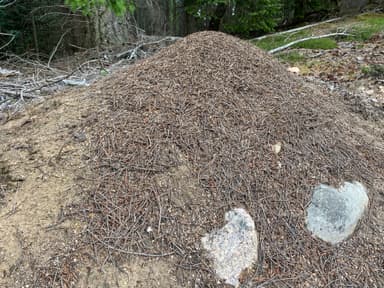
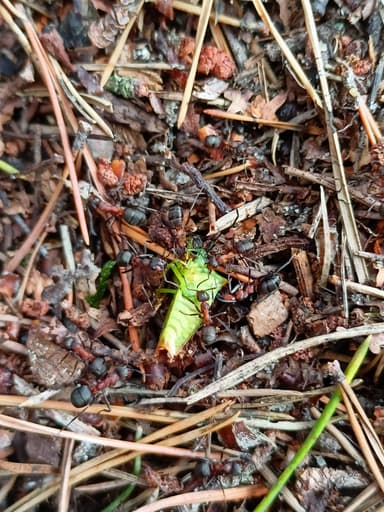
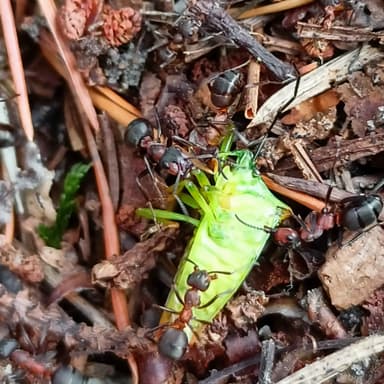
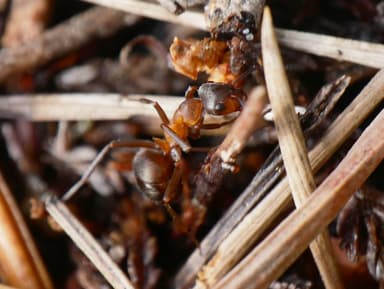
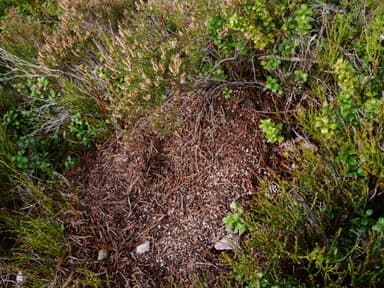
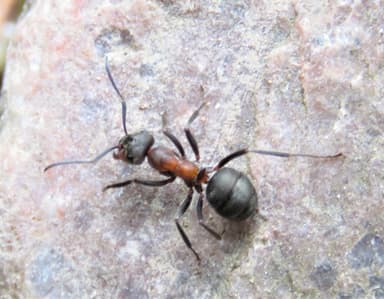
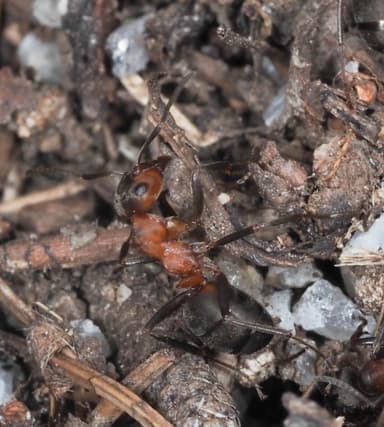
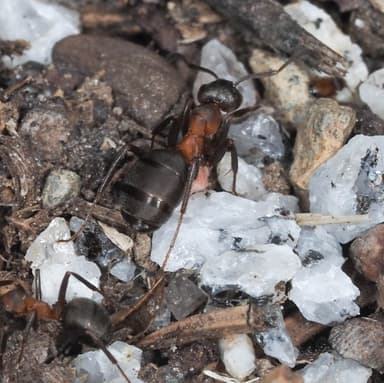
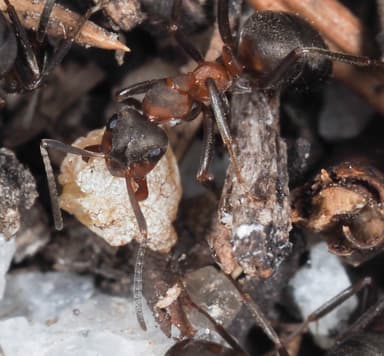
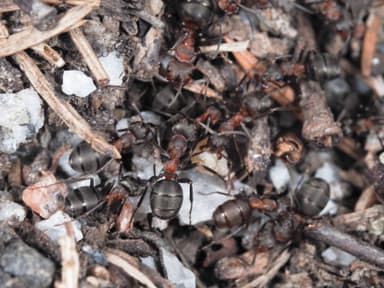
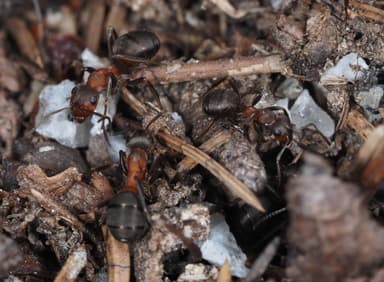
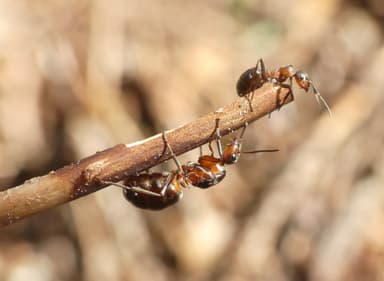
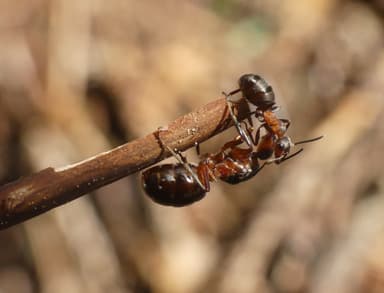
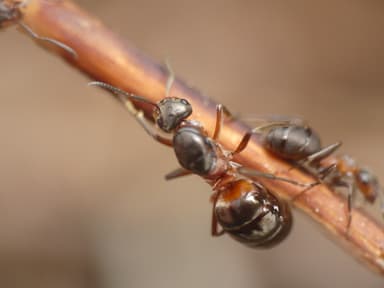
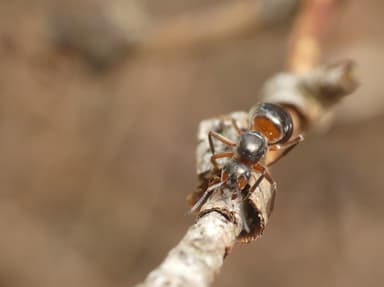
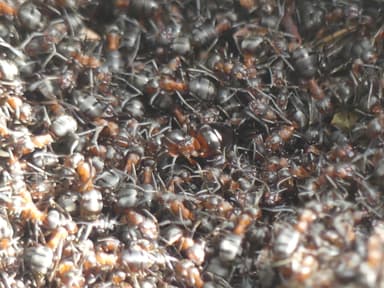
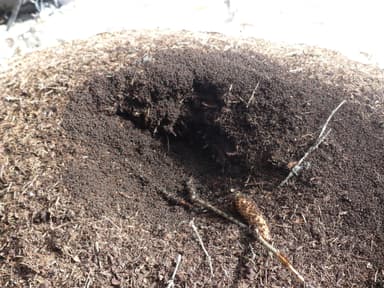
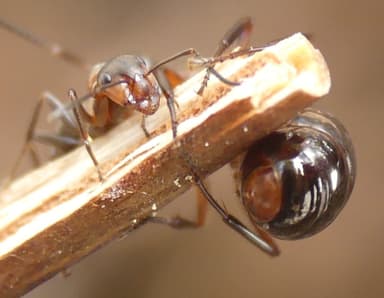
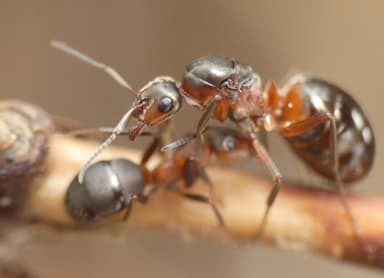
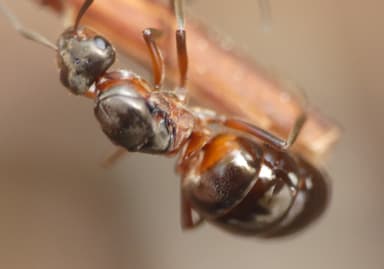
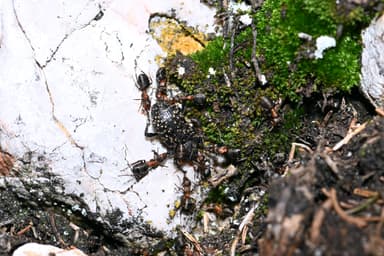
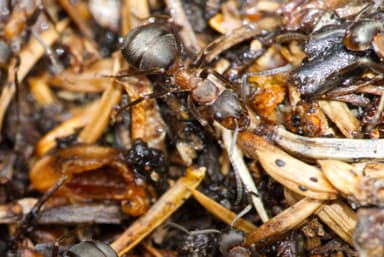
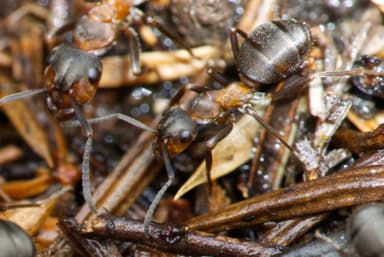
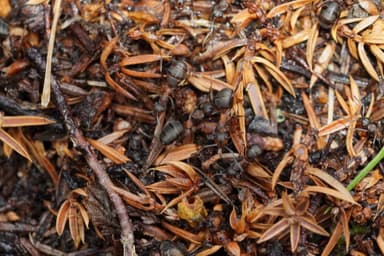
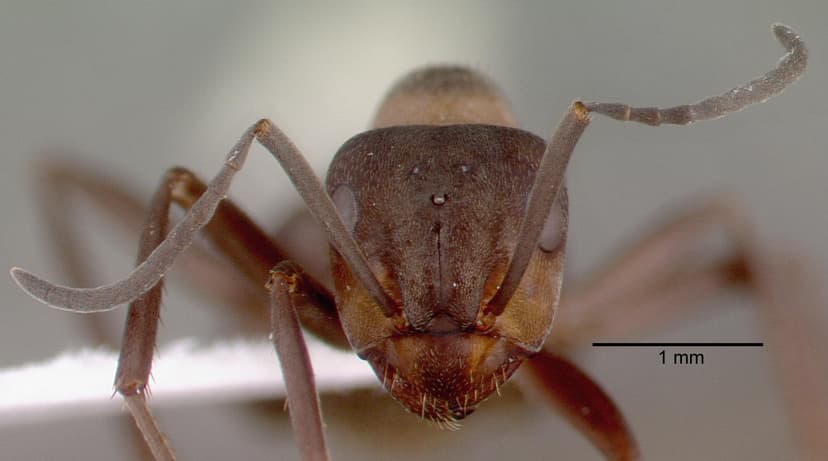
Formica aquilonia is a true colossus of the ant world, a member of the red wood ant group that builds vast mound nests across the boreal and temperate forests of northern Eurasia, from Scandinavia east through Siberia and as far south as the Alps (GBIF; Seifert 2018). The queen measures a substantial 9–11.5 mm, while the workers are strikingly polymorphic, ranging from 4.5 mm minor workers up to robust 9 mm majors, a two-caste system that enables a finely tuned division of labour (Czechowski et al. 2002). What sets this species apart is its sheer scale: mature colonies can house a million ants, creating a superorganism that dominates its environment. Equally fascinating is its social-parasitic founding — a freshly mated queen must infiltrate a nest of a host species, usually Formica fusca or related forms, kill or subdue the resident queen, and co-opt the host workers to raise her own brood until only her descendants remain. Nuptial flights take place in May, June, and July across central and northern Europe, typically on warm, sunny afternoons after rain, when temperatures exceed 20°C and the wind is low. For the hobbyist, it is the combination of daunting colony size and parasitic beginnings that makes this ant a truly remarkable but supremely challenging species.
Given these complexities, Formica aquilonia is categorically an expert-level species and should never be attempted by beginners. The social-parasitic founding means you cannot simply raise a colony from a single mated queen unless you are skilled at managing host workers and their integration. Even if you acquire an already established young colony — perhaps a queen with her first genuine workers — the long-term commitment is immense. A healthy colony will eventually require a massive formicarium, coping with escape-prone and highly active ants that can spray formic acid in defence. Consequently, this species is suited only to advanced keepers who have already mastered the management of fast-growing, large ants and who possess the space, patience, and resources to sustain a population that, once mature, becomes a living centrepiece. For those prepared for the journey, however, witnessing a small founding unit blossom into a bustling society is one of the most rewarding spectacles in ant keeping.
Housing must carefully mimic the cool, humid conditions of a forest floor. Maintain a temperature gradient of 18–26°C and relative humidity between 50% and 70% — values that reflect their native habitat (Seifert 2018). A large, well-ventilated formicarium is essential. Because they are natural mound-builders, a deep outworld with a mix of peat, sand, and pine needles allows workers to engage in substrate manipulation. The nesting area itself can be a generous plaster, Ytong, or earth-based block with multiple hydration points to avoid stagnation. Providing a thermal gradient within the nest, perhaps by heating one side lightly, lets the colony thermoregulate its brood. Escape prevention must be flawless; a secure lid with PTFE barriers is advisable, as these ants are accomplished climbers. For mature colonies, a substantial foraging arena — the size of a large aquarium — is not a luxury but a necessity, offering the extensive hunting ground these active predators expect.
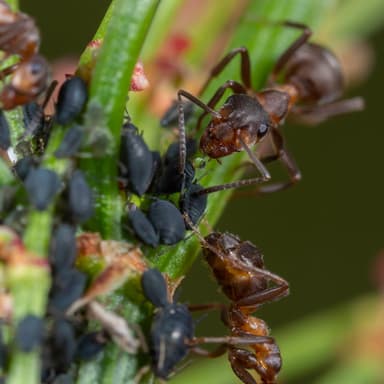
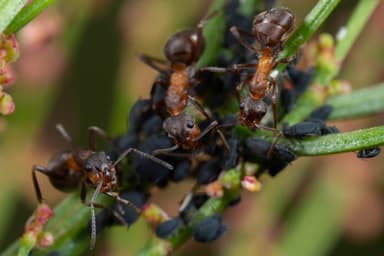
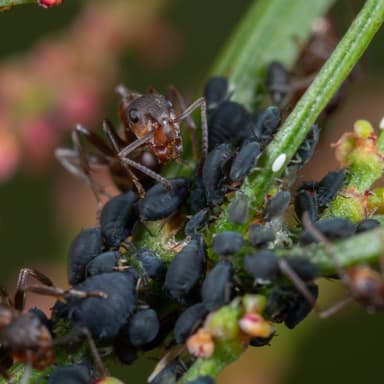
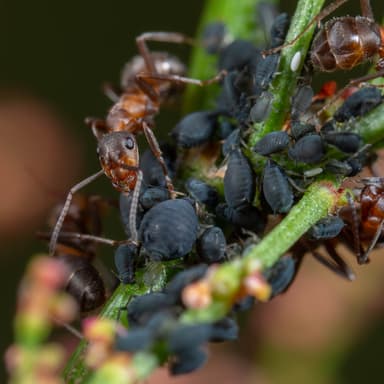
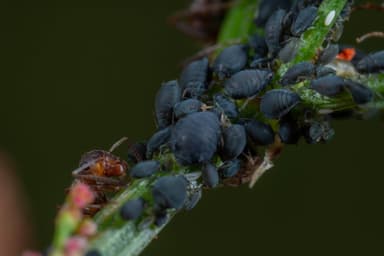
Diet echoes the needs of a colony that, in the wild, sustains millions of aphids for honeydew. Offer a permanent source of carbohydrates: sugar water, honey-water, or commercial ant nectar, replenished regularly. Protein demands soar during brood-rearing, so provide a variety of freshly killed insects — fruit flies, small crickets, mealworms, and chopped larger prey — several times a week. Workers will eagerly dismember soft-bodied items, and supplying a diverse menu encourages healthy colony growth. A constant clean water source must be available, either through a well-hydrated nest or a separate water feeder. At peak numbers, an adult colony can consume an astonishing amount of food, so many keepers cultivate feeder insect cultures to meet the relentless appetite.
Hibernation is non-negotiable. This is a cold-adapted ant that requires a deep winter rest at around 4°C for three to four months (Czechowski et al. 2002). Without it, the colony’s biological clock slips, leading to dwindling brood production, worker die-off, and eventual collapse. As autumn approaches, gradually reduce temperatures and lighting, cease protein feeding, and ensure the nest is adequately hydrated. A dedicated refrigerator or wine cooler set to a stable 4°C works well. When spring comes, warm the colony slowly, mirroring the 20°C thresholds of their natural nuptial-flight season, and reintroduce sugars first, then protein as foraging resumes. This annual rhythm is sacred for their long-term health.
If your Formica aquilonia arrives as a queen with a handful of workers, either her own or host workers, place the entire shipping container in a quiet, darkened spot and resist the temptation to handle it. Offer a tiny drop of sugar water on foil immediately; the first protein — a pre-killed fruit fly — can follow a day later. Critical signs to monitor include whether the queen appears calm and settled among the workers and if the workers show interest in the food. Avoid moving them into a larger nest until the colony numbers at least 20–30 workers, as premature moves cause stress and lost brood. Keep vibrations to an absolute minimum and do not peer at them constantly. With steady conditions — temperatures in the low 20s and humidity above 50% — the queen will soon settle into a rhythm of egg-laying, and you will have taken the first delicate steps toward raising one of Europe’s most iconic ant dynasties.