Camponotus
Camponotus vicinus
Nuptial Flight Calendar
Flight months: Mar, Apr, May, Jun, Jul
Care Guide
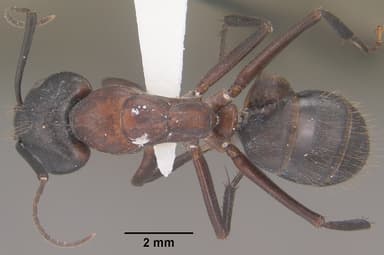
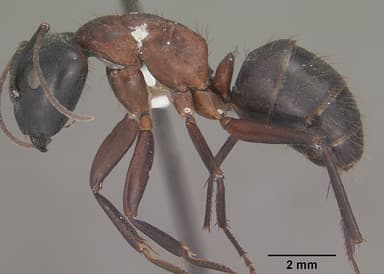
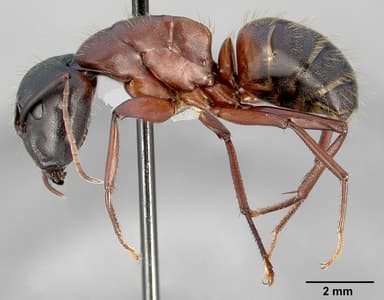
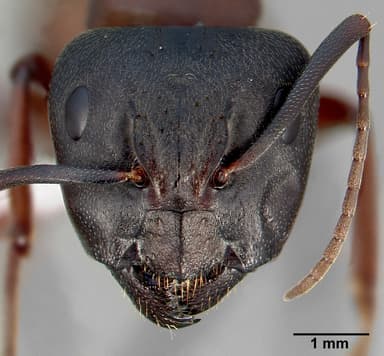
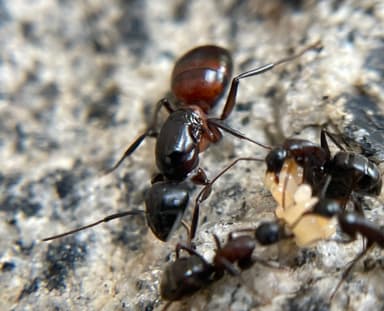
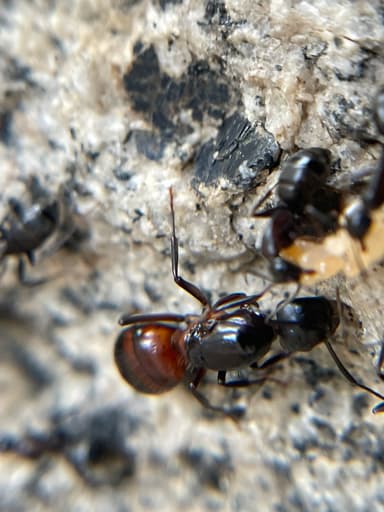
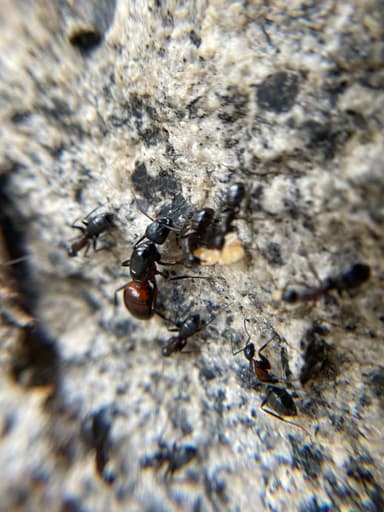
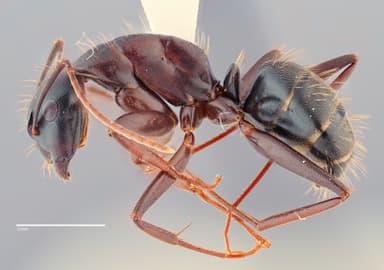
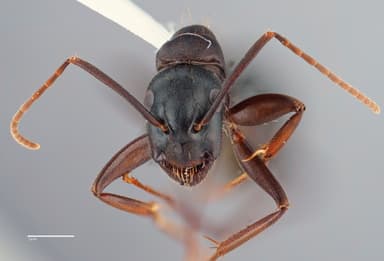
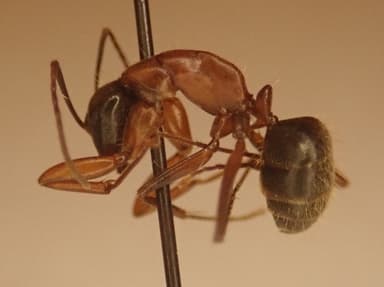
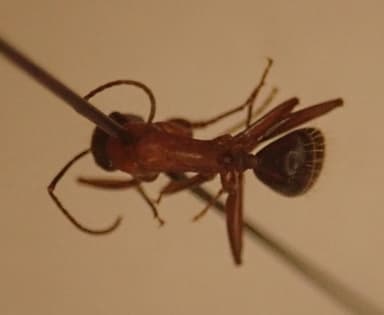
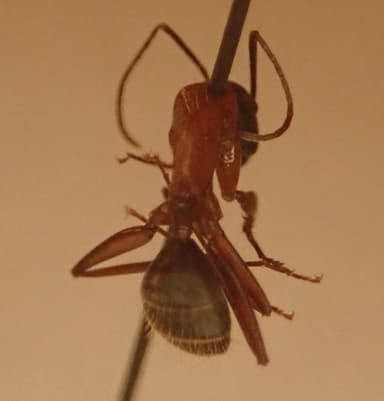
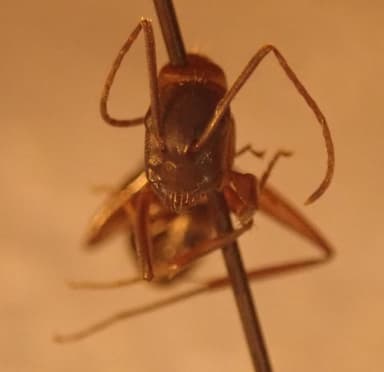
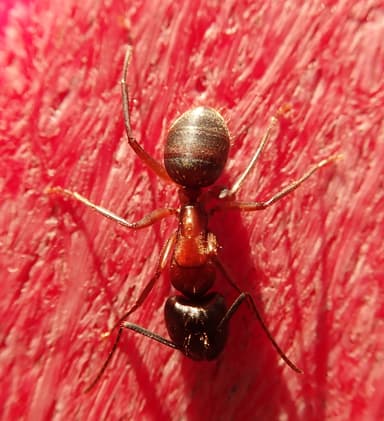
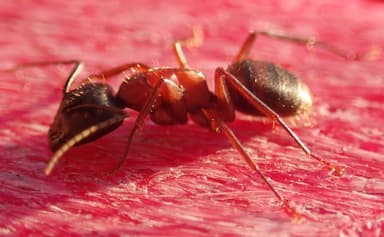
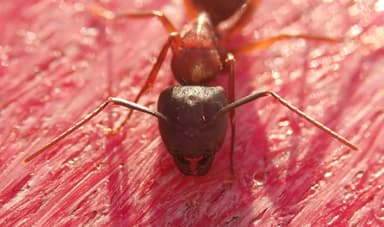
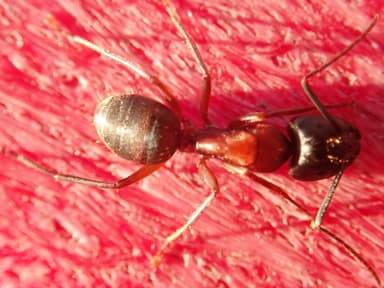
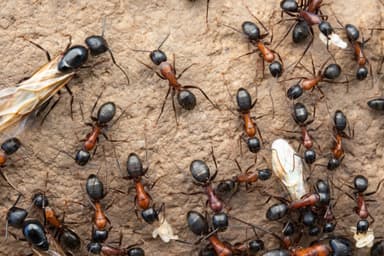
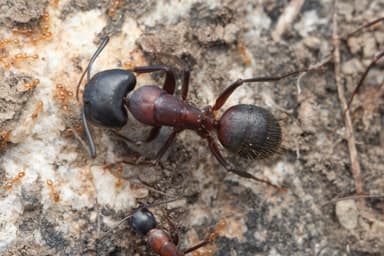
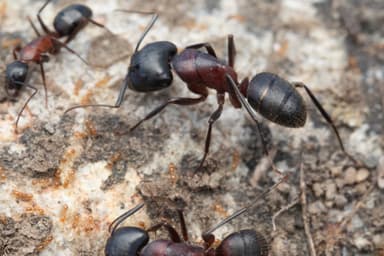
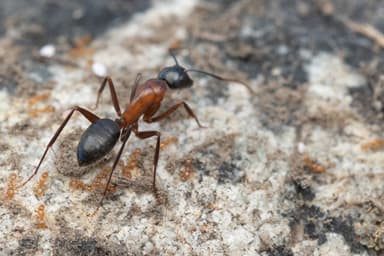
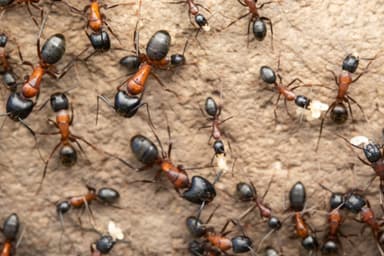
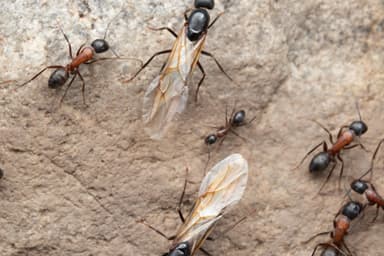
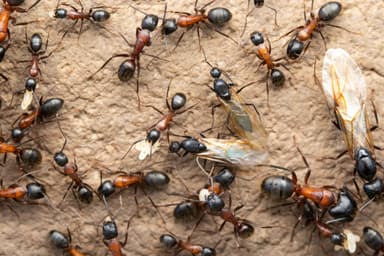
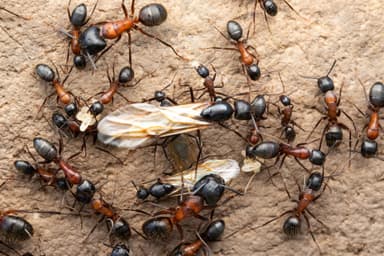
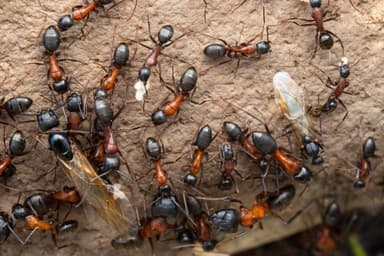
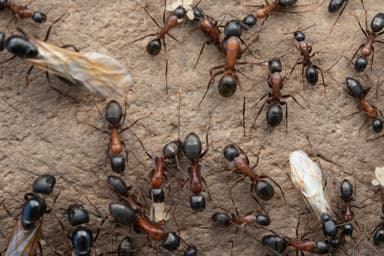
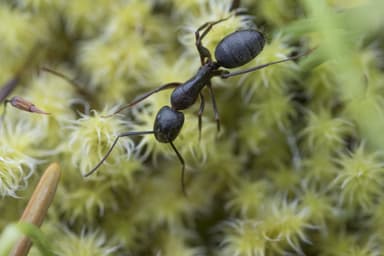
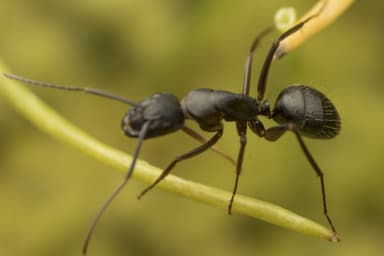
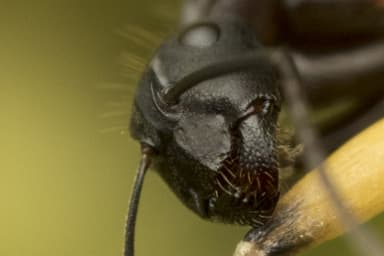
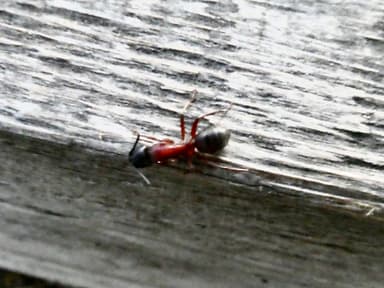
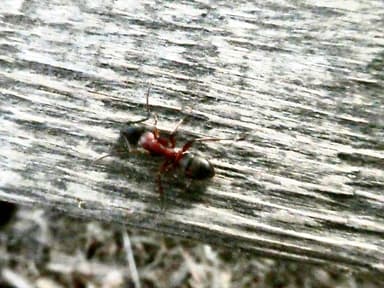
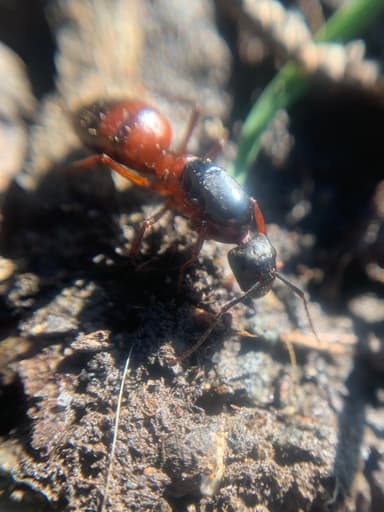
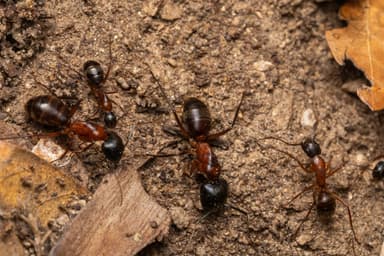
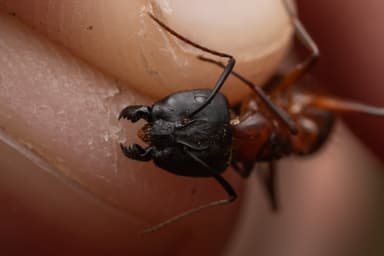
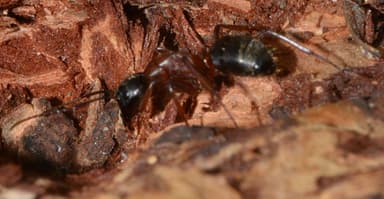
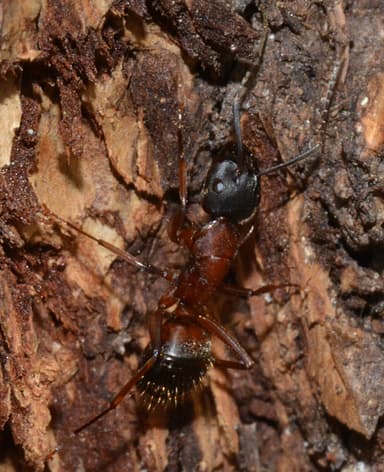
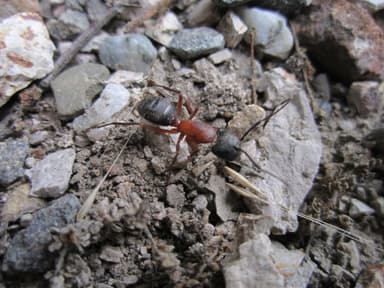
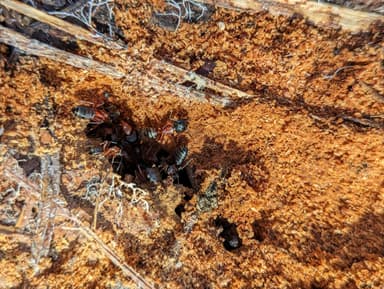
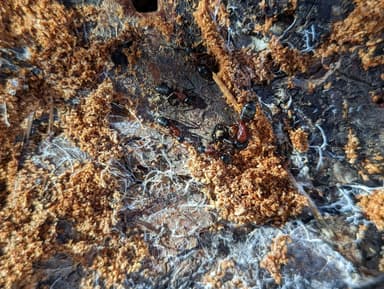
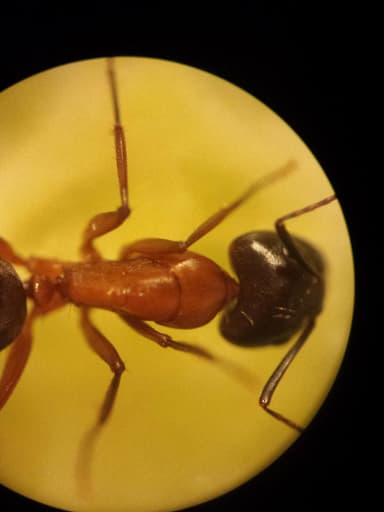
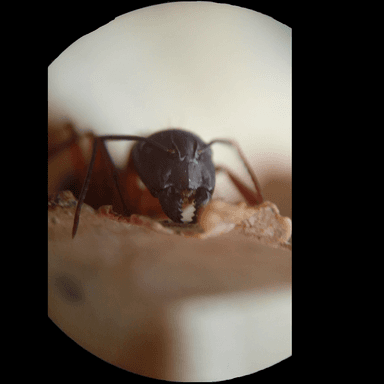
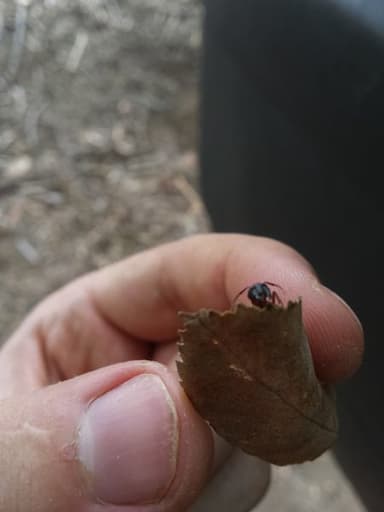
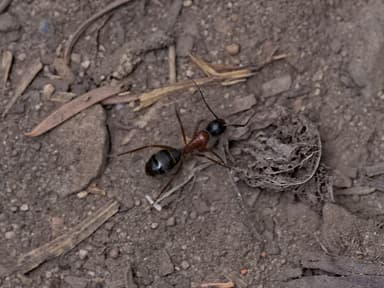
Camponotus vicinus is a robust and visually striking carpenter ant that dominates the western reaches of North America, ranging from the Pacific coastal forests to the arid interior, roughly bounded by southern Canada and northern Mexico, and from the Rockies to the coast (GBIF occurrence data). Queens measure an impressive 14 to 17 millimeters, while the worker caste exhibits textbook polymorphism, with minors at just 6 millimeters grading up through medias to formidable majors that can reach 13 millimeters. This continuous size variation, documented in field guides by Mackay & Mackay (2002), means you’ll frequently see a single file of ants that looks like a family portrait of different species, all serving a colony that may eventually number ten thousand or more. A claustral founder, the queen seals herself away to raise her first tiny workers without ever emerging to forage, a trait that makes early founding both elegant and relatively hands-off for the keeper. For the hobbyist, C. vicinus offers the full carpenter ant experience: large, confident foragers, an ever-present major caste with heart-shaped heads and powerful mandibles, and a rapid growth rate that never fails to captivate.
Despite their size and assertive demeanor, these ants are firmly a beginner-friendly species. Their care requirements are straightforward and forgiving of minor environmental fluctuations, so long as you respect a few core parameters. They suit anyone looking to move beyond tiny founding colonies into a genuinely impressive display, particularly those who enjoy observing a bustling, size-diverse workforce. Because of their eventual colony mass, the keeper must plan for expansion from the outset, but the ants themselves rarely succumb to the kinds of crashes that plague more delicate genera, provided they are not overheated or starved. Note that majors can chew through flimsy barriers, so invest in a well-sealed formicarium with tight-fitting lids.
Adequate housing for C. vicinus mimics the temperate microclimates they favor in nature. Maintain a temperature gradient within the nest area between 20 and 28 degrees Celsius; they thrive best when a warm spot around 26–28°C is available for brood, while cooler regions let workers regulate their own comfort. Relative humidity should stay within 50 to 70 percent, a range that prevents both desiccation of larvae and the fungal blooms that plague overly damp nests. Because wild colonies often carve galleries in rotting wood (Hansen & Klotz 2005), they appreciate a nesting medium that holds a humidity gradient—a plaster, ytong, or grouted nest works beautifully, and offering a small piece of cork bark or soft wood inside the outworld will satisfy their need to chew and reshape their home. An outworld with a dry sand or soil substrate allows for natural waste disposal and foraging behavior. As numbers climb into the thousands, modular setups become nearly essential; these ants will readily expand into connected chambers, and a well-designed network prevents the stress of overcrowding.
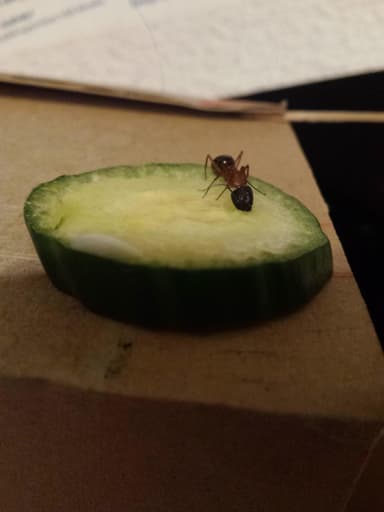
Feeding Camponotus vicinus is an uncomplicated pleasure. They are enthusiastic hunters and avid gatherers of sweet liquids. Provide a steady supply of insect protein—crickets, roaches, mealworms, or fruit flies—always pre-killed for young colonies, though larger workforces can handle live prey. Their carbohydrate appetite is best sated with diluted honey, sugar water, or, for a treat, slices of ripe fruit like apple or banana. Place liquids in a feeding dish or on a small piece of cotton to prevent drowning. Fresh water must be available at all times via a test tube setup or a water tower. A protein feeding every two to three days during the active growth season keeps brood production steady, while sugars can be given continuously; if you notice workers gorging until their gasters stretch translucent, you’re getting it right.
This species requires a true, cold hibernation to thrive long-term. As autumn days shorten, they will naturally slow down, at which point you should move the colony to a dark, chilled environment stable at around 8°C—a refrigerator dedicated to hibernation, a wine cooler, or an unheated cellar works well. The dormancy period should last three to four months, typically from November through February, though local timing may shift slightly. During this time, check moisture levels every few weeks, but do not offer food and avoid disturbing them. Colonies that skip hibernation often exhibit dwindling brood, queen health decline, and erratic behavior; Hansen & Klotz (2005) stress that uninterrupted winter chill is non-negotiable for North American Camponotus. On emerging in spring, they will burst into activity with renewed vigor and an explosion of egg-laying.
When your new C. vicinus queen and her first workers arrive, the priority is giving them peace. They have been through shipping stress, so install them in their prepared nest, cover it to exclude light, and resist any urge to check on them for at least forty-eight hours. After this settling period, offer a tiny drop of sugar water and a small piece of pre-killed insect; a colony of fewer than ten workers needs only a fraction of a mealworm twice a week. Watch for the queen to begin laying within days—she should appear plump and active, not hunched or immobile. Normal early colony behavior includes brood transport, grooming, and occasional queen foraging-like movements that are actually just ventilation. If you see them move the brood toward the warmest chamber and begin feeding droplets from the social stomach, you can be confident they are on track to become the spectacle this species promises.