Camponotus
Camponotus novaeboracensis
Nuptial Flight Calendar
Flight months: Apr, May, Jun, Jul
Care Guide
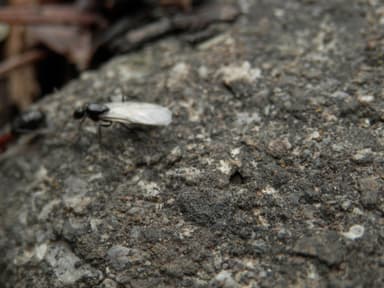
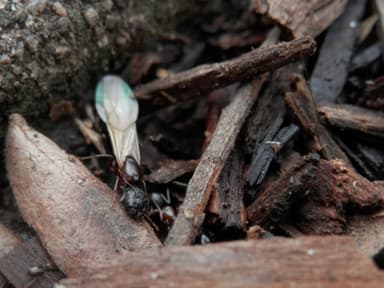
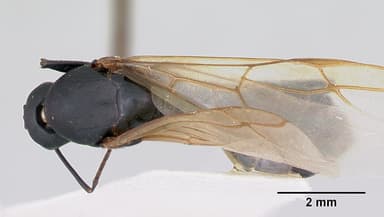
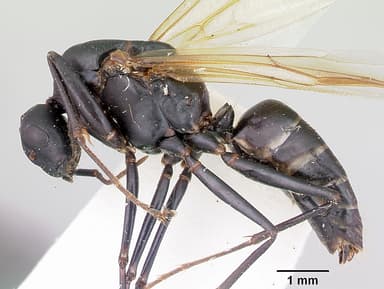
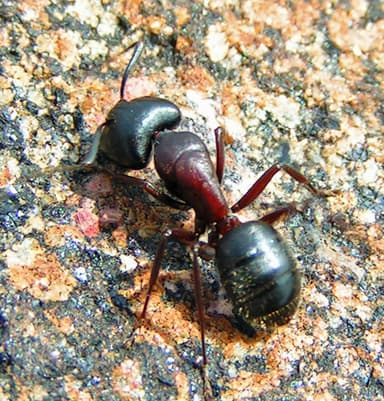
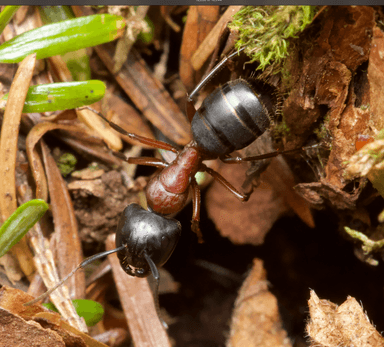
The New York carpenter ant, Camponotus novaeboracensis, is a robust and widely distributed species native to the forests of northern North America, from coast to coast and from the southern United States up into Canada (AntWiki). It is an attractive choice for hobbyists who appreciate larger ants with distinct physical castes. Queens measure a striking 13–17 mm, while workers display a clear polymorphism: minor workers range from 6–11 mm and the more robust major workers boast enlarged heads used for defense and processing tough food (Hansen & Klotz 2005). A mature colony can eventually number up to 10,000 individuals, though growth in the first few years is modest. In nature, they nest in dead logs and stumps, and their foraging columns are a lively sight. Nuptial flights occur on warm, humid afternoons following rainfall, primarily between May and July when temperatures exceed 20°C, an exciting window for keepers hoping to catch a founding queen (AntWeb). The species’ large size, claustral founding, and the slow but rewarding process of rearing a colony from a single queen make it an enduring favorite.
This ant is firmly in the beginner category, provided the keeper can meet one essential seasonal requirement. Its hardy nature and straightforward needs suit those new to the hobby, yet the deliberate pace of colony growth teaches patience and careful observation. Colonies are not prone to sudden explosive expansion, so they rarely overwhelm a well‑prepared setup. However, a proper hibernation period is absolutely necessary; without it, the queen will eventually cease egg‑laying and the colony will decline. Keepers in temperate climates who can offer a cool winter rest will find Camponotus novaeboracensis a forgiving and deeply satisfying species.
Housing should mimic the ants’ natural wood‑nesting preferences while providing stable environmental conditions. Nests made of ytong, plaster, or a combination of cork and plaster all work excellently; naturalistic setups with a piece of decaying hardwood can also succeed. Temperature should be maintained between 20 and 28°C, ideally with a gradient that allows the ants to select their preferred microclimate. Relative humidity is best kept at 50–70%, with a slightly moister brood chamber—achieved by targeted misting or a water feeder. The outworld must be escape‑proof and can be furnished with a piece of cork or untreated wood for the workers to excavate and chew, which reduces their urge to test barriers (Mackay & Mackay 2002). A thin substrate of sand or clay is optional but not required; many keepers successfully rear this species on a bare plaster surface with a separate watering station.
Diet is simple and easily provided. Carbohydrates sustain the adults, with sugar water, honey water, or bits of ripe fruit all readily accepted. Protein fuels the developing larvae and should come from freshly killed, pesticide‑free insects such as crickets, mealworms, or fruit flies; rehydrated freeze‑dried insects are a convenient alternative. A constant water source—a test tube waterer or a plaster‑filled dish—is essential. The founding queen requires no food until her first workers emerge, after which tiny portions of sugar water and a soft‑bodied insect should be introduced. Always remove uneaten food within a day to prevent mold, especially in the close quarters of a young colony.
Hibernation is a non‑negotiable annual cycle. In their native range, winter temperatures plummet, and the ants enter a deep diapause. For captive colonies, gradually lower the temperature to around 5°C over several weeks in late autumn and maintain that chill for three to four months (typically November to February), then slowly warm them back to active temperatures in early spring. A household refrigerator, cold cellar, or wine cooler can serve this purpose, as long as the temperature remains steady and the ants are kept dark. Check them briefly for condensation or dehydration every few weeks, but avoid major disturbance. Skipping hibernation will lead to a weakened, eventually non‑viable colony.
Upon receiving your new queen or small colony, patience is paramount. Place the test tube setup in a dark, quiet location at room temperature and resist checking more than once a week. The queen is fully claustral and will sustain herself and her first brood without any food; offering anything now only risks stress and mold. When the first tiny nanitic workers emerge, offer a minute drop of sugar water on a cotton swab or wax paper, and after a day introduce a very small, pre‑killed fruit fly. Watch for eager feeding and brood care—signs of a healthy start. Provide a clean water source and keep the nest area humid but not wet. Once the colony reaches about 20 workers, you can connect a small nest chamber to the outworld, and they will begin carving out their new home.