Crematogaster
Crematogaster rogenhoferi
Nuptial Flight Calendar
Care Guide
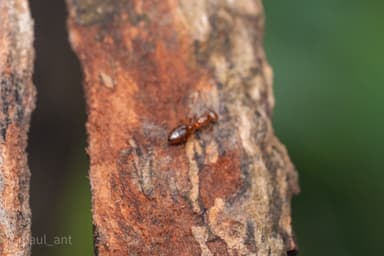
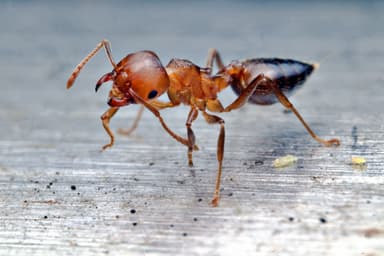
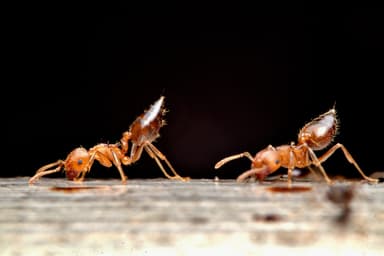
Crematogaster rogenhoferi, commonly known as the acrobat ant, is a delightfully dynamic species that brings a touch of the tropics into any ant keeper’s collection. The name “acrobat ant” comes from their habit of curling their heart-shaped gasters upward when alarmed, a posture that is as endearing as it is defensive. Queens measure between 5 and 7 mm, while workers range from 2 to 4 mm, forming a monomorphic but highly active workforce. Founding is claustral, meaning the queen seals herself in a small chamber and rears the first brood without needing food — a convenient trait for the keeper and a smooth start for the colony. Over time, a mature nest can reach several hundred to a few thousand workers, offering a manageable yet bustling community.
One of the most engaging aspects of C. rogenhoferi is their close association with hemipteran insects in the wild. These ants are expert honeydew farmers; they will actively tend aphids, scale insects, or treehoppers, collecting the sugary secretions as a staple food source. In captivity, this translates to a strong preference for sugar water and honeydew, supplemented with insect protein such as fruit flies, mealworms, or small crickets. Their foraging is quick and enthusiastic — they are not shy about exploring their arena in search of food, and their acrobatic movements make them a joy to watch as they navigate obstacles with surprising agility.
Care difficulty
This species is classified as intermediate, suitable for keepers who have some experience with more sensitive species. While their claustral founding reduces early-stage stress, C. rogenhoferi does require stable humidity and warmer temperatures to thrive. They do not hibernate, making them ideal for year-round observation.
Housing
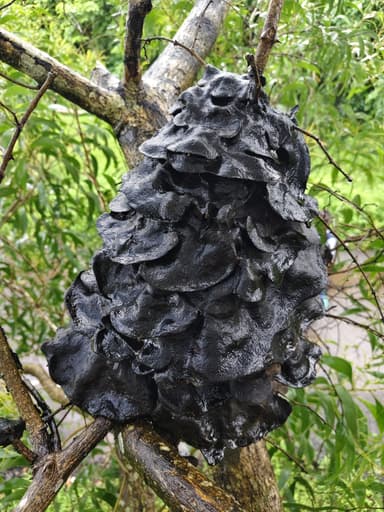
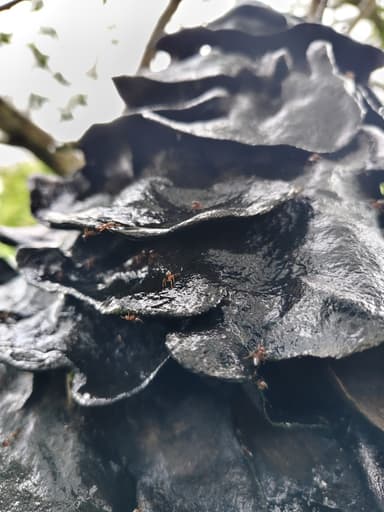
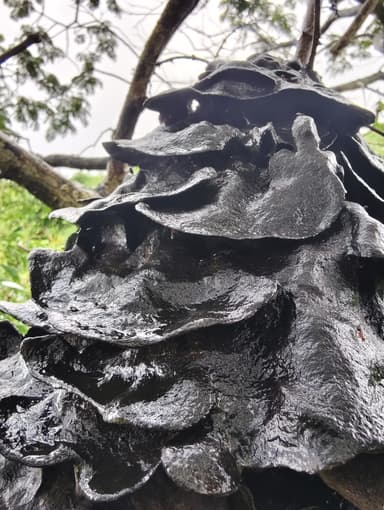
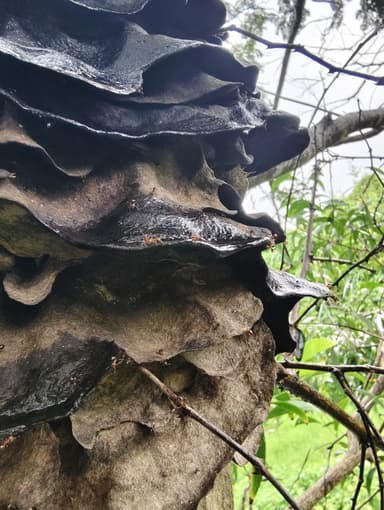
A formicarium with good ventilation and a dedicated humidification system is essential — aim for humidity between sixty and eighty percent, and temperatures between twenty-four and twenty-eight degrees Celsius. These ants prefer a nesting substrate that retains moisture well, such as sand-clay mixes or naturalistic setups with cork bark and moss. They are known to nest in wood cavities or hollow twigs in nature, so providing a structure with small chambers and tunnels will encourage natural colony growth. An outworld with a secure lid is important, as they are agile climbers and can scale smooth surfaces. Regular feeding of sugar water (offered in a small feeder or absorbed in cotton) and insect prey will keep the colony productive.
First days after purchase
Upon receiving your Crematogaster rogenhoferi colony, place the formicarium in a quiet, dimly lit area and allow the ants to settle without disturbance for at least twenty-four hours. Check that the humidity level is adequate and that a small drop of sugar water is available near the entrance — movement may be slow at first, but once they acclimatize, foraging activity will pick up. Avoid opening the nest frequently during the first week; let them adjust to their new surroundings. With patience and proper conditions, you will soon be rewarded by the sight of these little acrobats exploring their world, curling their hearts up in greeting to every new discovery.