Myrmica
Myrmica lobicornis
Nuptial Flight Calendar
Flight months: Jul, Aug, Sep
Care Guide
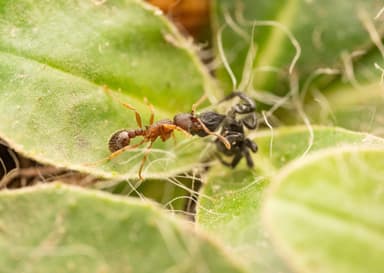
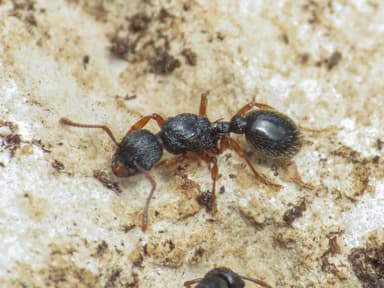
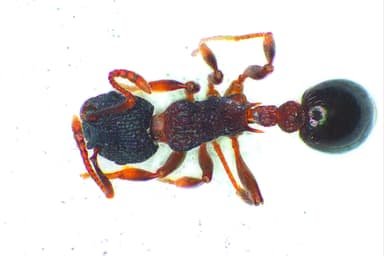
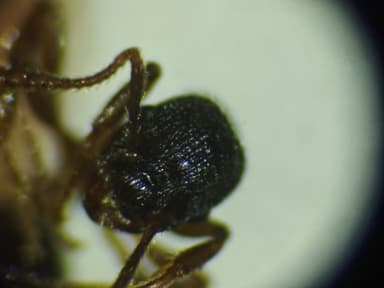
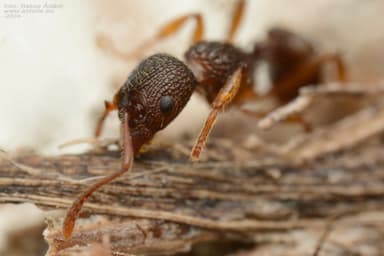
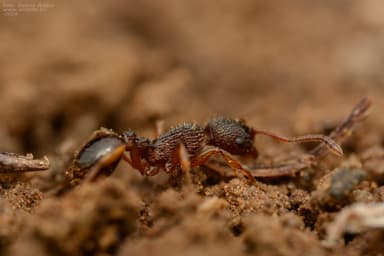
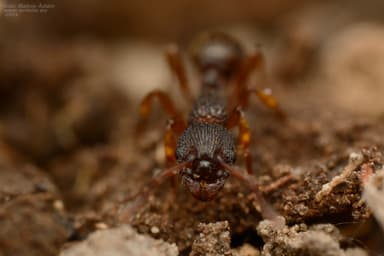
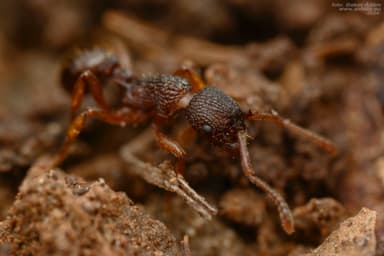
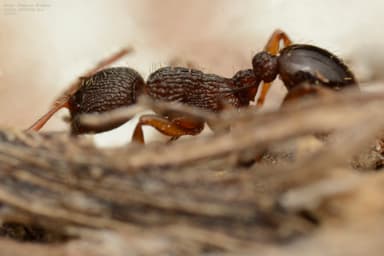
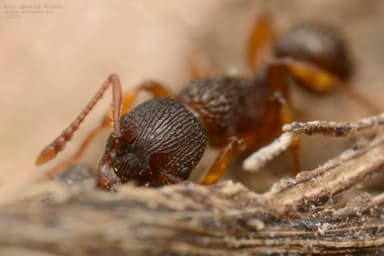
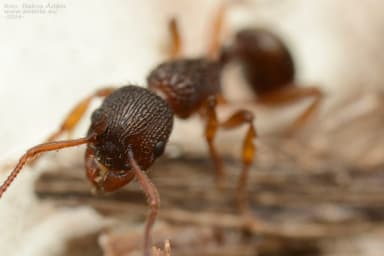
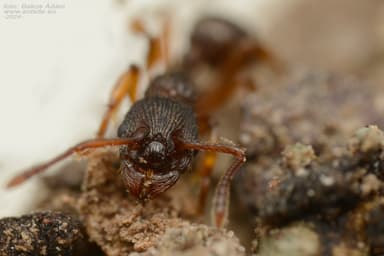
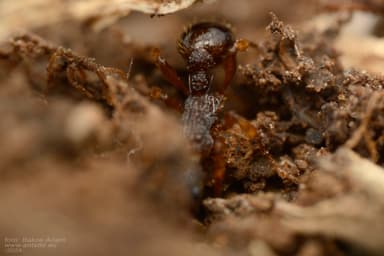
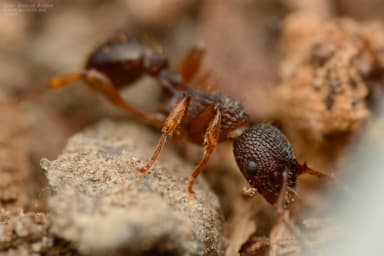
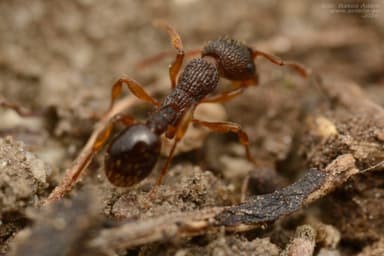
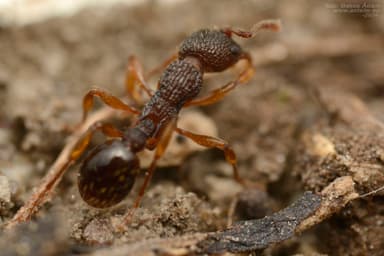
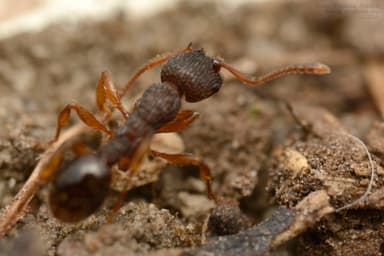
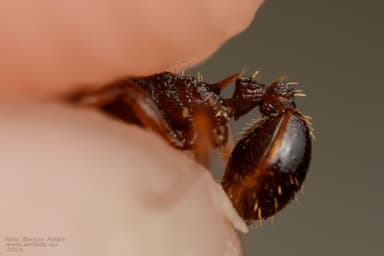
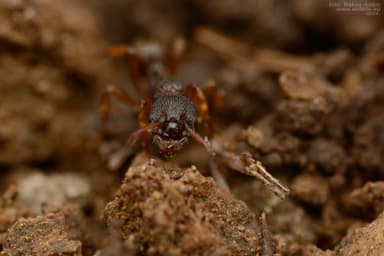
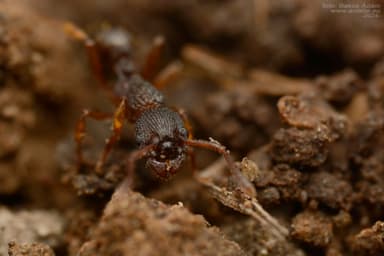
Myrmica lobicornis is a captivating yet understated species that offers the attentive keeper a window into the lives of cold-adapted Myrmica ants. Known commonly as the lobed-horn ant, its name refers to the distinctive flange or lobe at the base of the antennal scape — a trait best appreciated under magnification and a key diagnostic feature (Radchenko & Elmes 2010). Workers measure 4–5.5 mm and queens 6–7.5 mm, both adorned in shades of reddish-brown to dark brown, with the fine sculpturing and modest spines typical of the genus. Colonies are modest in size, reaching up to 1,500 workers (Seifert 2018), all of a single monomorphic worker caste that labours cooperatively without disruptive size-based divisions. In the wild, Myrmica lobicornis ranges across a vast expanse from western Europe to eastern Asia, reaching latitudes as high as 70°N, making it a true boreal specialist often found in open woodlands, heathlands, and grassy clearings. Its nuptial flights occur in the afternoon on warm, calm days following rain during the summer months of July to September, a seasonal rhythm that the hobbyist can echo when rearing young colonies. This species’ tolerance of cool conditions and its intricate, patient foraging style distinguish it from the more frantic ants often kept in captivity.
With a care difficulty rated as intermediate, Myrmica lobicornis appeals to hobbyists who already have a grasp of foundational ant-keeping principles and are ready to manage a species with a mandatory, carefully executed hibernation. While not aggressive, these ants defend themselves with a sting that can be perceptible, so calm handling and secure enclosures are wise. The colony’s relatively slow growth and moderate size make it manageable over years, but the need for a precise winter rest means it is not for those unable to provide a consistent cold period. Beginners keen on this ant should ideally first succeed with a more forgiving species that overwinters at milder temperatures. However, for a keeper who enjoys methodical care and watching a colony gradually reveal its character, Myrmica lobicornis is deeply rewarding, displaying subtle behaviours like careful recruitment to food sources and an endearing wariness that rewards quiet observation.
Housing should mirror the ant’s natural inclination for cool, evenly moist soil environments. A temperature range of 18–24°C suits them well, meaning a room-temperature home is perfectly adequate without additional heating, though they should be shielded from summer heatwaves. A humidity gradient between 50% and 70% is ideal, with the nest offering a moist retreat that never becomes saturated. A naturalistic soil or sand-clay nest within a terrarium is beautiful and functional; a ytong or plaster nest with a built-in hydration chamber is easier to maintain indoors. The substrate in the foraging arena can be a thin sand-loam layer that retains some moisture but drains well. Because these ants are sensitive to vibration and sudden light, the nest itself should always be kept dark, perhaps behind a curtain or removable cover, to encourage normal brood-care and reduce stress. Smooth fluon barriers and a tight-fitting lid are essential, as Myrmica lobicornis workers are adept climbers.
Feeding Myrmica lobicornis is straightforward once you understand their pace and preferences. Protein in the form of small insects — fruit flies, pinhead crickets, chopped mealworms — should be offered regularly, often pre-killed or disabled to match the colony’s cautious hunting style. They will accept live prey, but a struggling insect might intimidate smaller colonies; a freshly killed insect placed near the nest entrance is a surer bet. Carbohydrates can be supplied as a shallow drop of honey-water, sugar water, or pure maple syrup, which they lap up eagerly. Replace these sugar sources every few days to prevent fermentation. A constant supply of fresh water is non-negotiable; a test-tube drinker with a cotton wick or a small water tower works neatly, while open water dishes risk drowning. During peak brood production, increase protein feeding, but always remove uneaten food before it moulds in the enclosure’s moderate humidity.
Hibernation at a steady 4°C is mandatory for the colony’s long-term health and seasonal rhythm. In the wild, these ants endure long, freezing winters, and captive colonies must be given a parallel rest of three to five months, typically from late autumn to early spring. Preparation involves gradually reducing the temperature over several weeks, ceasing protein feeding, and ensuring the nest has enough moisture to prevent desiccation during cold storage. A dedicated refrigerator or a frost-free cool basement works well; wine coolers set to 4°C are a reliable option. During dormancy the ants cluster tightly around the queen, barely moving. Monitor the nest’s hydration remotely or with minimal checks; any sudden drying can be fatal. When spring arrives, warm the colony slowly back to room temperature before offering a modest carbohydrate meal, followed by protein a few days later.
The first days after your Myrmica lobicornis queen or small colony arrives are critical for a smooth transition. Unpack in a dim, quiet room and allow the sealed travel tube or container to reach the target temperature without rushing. A freshly founded queen requires nothing more than a dark, warm place and time; if she arrives with workers, you can connect her tube to a small outworld or leave it as-is for 24–48 hours. When offering the first meal, use a tiny droplet of sugar water placed directly on a small piece of foil near the tube opening, and after a few hours add a single pre-killed fruit fly. Resist the urge to inspect repeatedly — gentle tapping or constant light can cause the queen to become agitated or cease egg-laying. Watch for signs of calm acceptance: workers feeding and transporting the sugar, the queen remaining still in her brood pile. If the colony appears unsettled, cover the setup completely and wait another day. With patience, you will see them gradually embrace their new home, ready to build a thriving temperate ant colony under your care. (Radchenko & Elmes 2010, Seifert 2018)