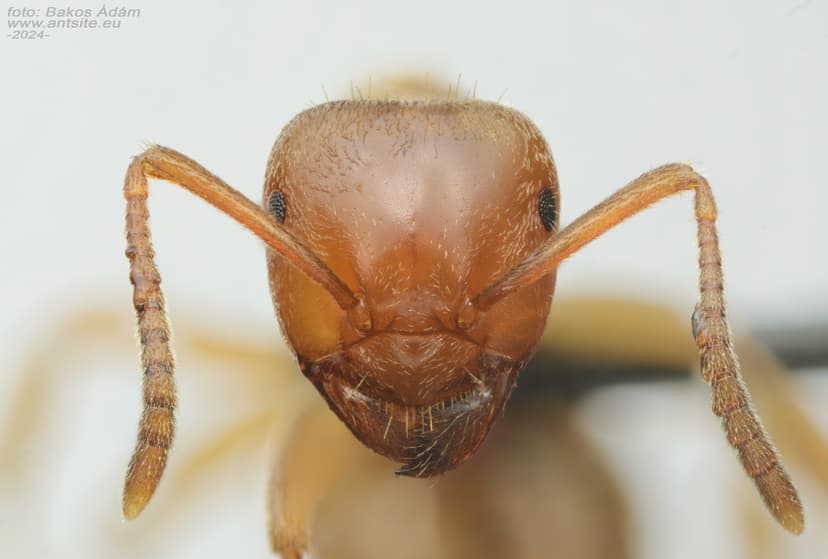
Lasius
Lasius citrinus
Nuptial Flight Calendar
Flight months: Sep, Oct
Care Guide
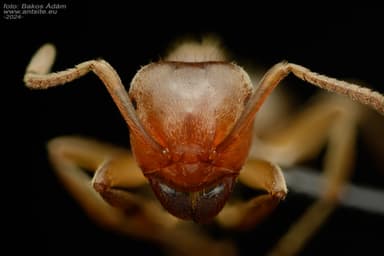
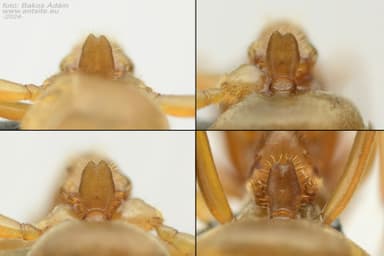
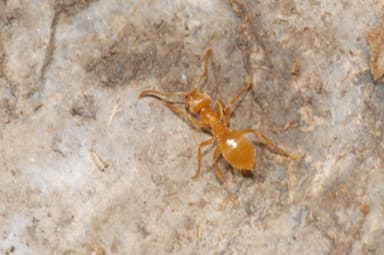
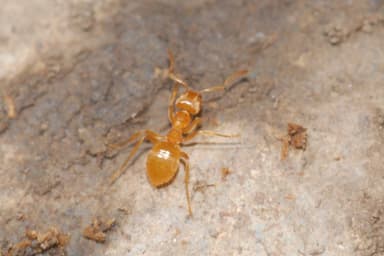
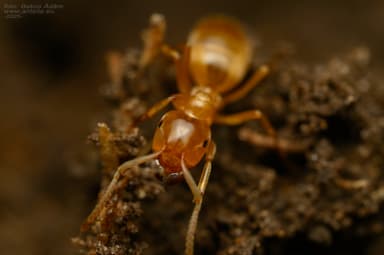
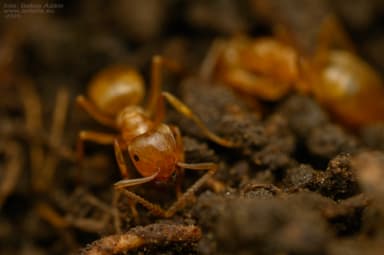
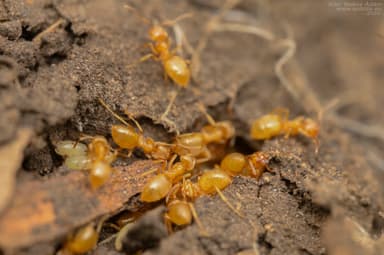
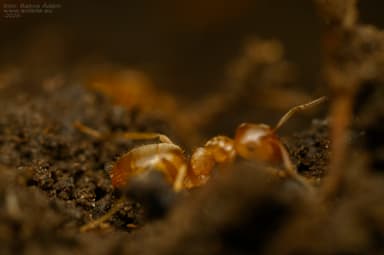
Lasius citrinus is among the most visually striking ants encountered by hobbyists in eastern North America, their bright yellow-orange bodies and strong citronella-like odor making them instantly recognizable. Belonging to the former genus Acanthomyops, now subsumed under Lasius (Wing 1968), these subterranean ants are of moderate size: queens measure a robust 6–7.5 mm, while the single monomorphic worker caste reaches only 3–4.5 mm. Mature colonies can contain up to 10,000 individuals, but what truly sets the species apart is its remarkable social-parasitic founding strategy. Newly mated queens, which fly on warm, humid afternoons following early-autumn rains in September and October, do not start a colony alone; instead, they must infiltrate a nest of a related host species, typically Lasius alienus or Lasius neoniger, assassinate the resident queen, and be accepted by the host workers (Wilson 1955). Over time, the host workers die off and are replaced by the parasite’s own brood, resulting in a pure L. citrinus colony. This life history, combined with the ants’ luminous coloration and distinctive defensive secretion—a volatile compound reminiscent of lemons—makes them a captivating but highly challenging addition to any collection.
Unsurprisingly, Lasius citrinus is a species reserved for advanced, expert-level keepers who are already comfortable maintaining common Lasius and have experience with social parasites. The founding stage is the primary hurdle: a lone queen cannot rear her first workers without host assistance. The most reliable method is to introduce a freshly captured, post-flight queen into a founding chamber with a small number of callow host pupae and a few host workers, a process fraught with risk of rejection or attack. Once the queen is accepted and begins laying eggs, the colony behaves much like any other Lasius and can be gradually transitioned to independent life. This is not a beginner’s ant, nor one suited for those without patience and a meticulous hand; successful keepers often have backgrounds with Formica or other temporary social parasites. The reward is a healthy, active colony that exhibits typical Lasius behaviors—ceaseless foraging, efficient brood care, and a preference for darkness—made all the more special by its parasitic origins.
A well-designed housing setup should mirror the cool, moist conditions of the leaf litter and rotting wood where these ants naturally nest. Lasius citrinus thrives in a temperature range of 18–24°C, with a clear preference for the cooler end of the spectrum. Humidity is critical: maintain the nest area at 60–80% relative humidity by using a plaster, ytong, or soil-based formicarium that retains moisture well while offering a gradient so the ants can self-regulate. A common mistake is allowing the nest to dry out, which quickly leads to brood loss. Because the workers are tiny and expert escapers, a secure lid with a PTFE or talcum barrier is non-negotiable. Substrate choice depends on nest style—in a naturalistic terrarium, a mix of sand and coco coir works well, while a plaster nest can be left bare. Provide ample nesting space, as colonies rapidly expand once they surpass the initial hundred-worker mark; a founding tube that becomes a plaster nest with multiple chambers will serve them from adolescence through maturity.
The dietary needs of L. citrinus are straightforward: they are avid consumers of sugar-rich carbohydrates and insect protein. In the wild, they tend root aphids for honeydew, so a constant supply of sugar water, honey-water, or a commercial ant nectar is essential, delivered via a test tube or small dish that is refreshed every few days to prevent spoilage. For protein, offer small, pre-killed insects such as fruit flies, pinhead crickets, or chopped mealworms two to three times per week, removing uneaten portions promptly to avoid mold. A water source, either a separate water tube or a moist nest surface, must always be available. Colonies grow robustly on this simple regimen, with brood development visibly accelerating when protein is consistently provided. Watch for signs of nutritional stress—such as workers ignoring brood or cannibalizing eggs—which often indicate a need for more varied protein or a humidity adjustment.
A mandatory, four-month hibernation at a stable 5°C is non-negotiable for the long-term viability of Lasius citrinus. In their native range, colonies experience cold winter dormancy that primes the queen’s reproductive cycle and resets colony metabolism. Without it, queens will gradually cease egg-laying and workers will die prematurely. Begin preparations in late autumn by ceasing protein feeding while keeping the colony cool and dark for a week before moving them to a refrigerator or wine cooler set precisely to 5°C. Regularly check condensation and ensure the nest does not freeze or desiccate. In early spring, gradually warm the colony to room temperature over several days, and offer a small drop of sugar water as they become active. This cycle mimics the natural rhythm and is the single most important factor in keeping these ants for many years.
Upon receiving your Lasius citrinus queen—likely shipped with a small cluster of host workers and a few brood in a humid test tube—your immediate goal is to minimize stress. Place the tube in a quiet, darkened area at the recommended 22–24°C, and resist the urge to check more than once every two days. After 48 hours, offer a minute droplet of sugar water on a slip of foil near the tube entrance; if the workers drink avidly, you can then introduce a tiny pre-killed fruit fly. Watch carefully for signs of hostility toward the queen—workers dragging her legs or clustering aggressively—though if the seller guarantees acceptance, this is rare. The colony should remain in the founding tube until at least 20–30 workers are present, at which point you can attach a small foraging area. Patience during these first weeks will be rewarded as the first citrinus-colored workers eclose, confirming that the parasitic founding has succeeded and your colony is on its way to becoming a thriving, self-sustaining marvel of nature.