Formica
Formica truncorum
Nuptial Flight Calendar
Flight months: Jun, Jul, Aug
Care Guide
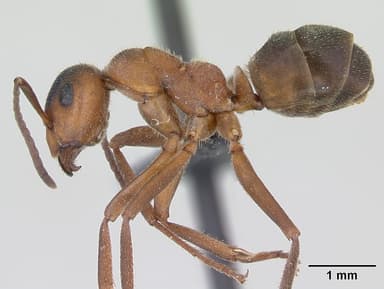
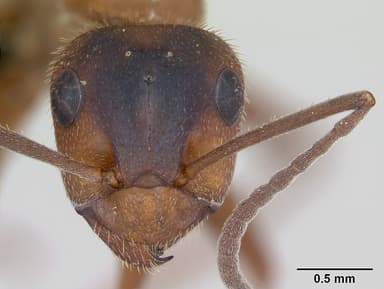
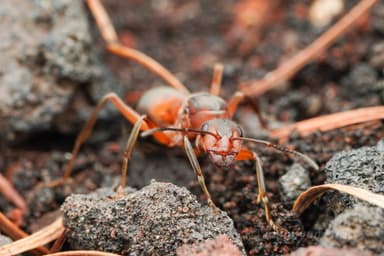
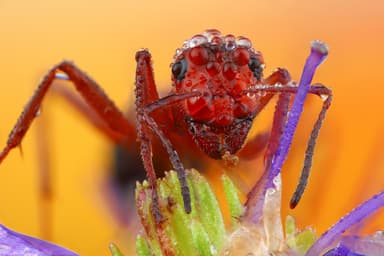
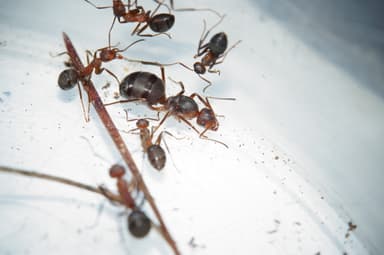
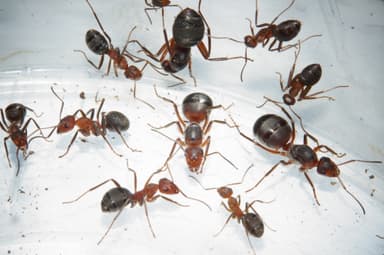
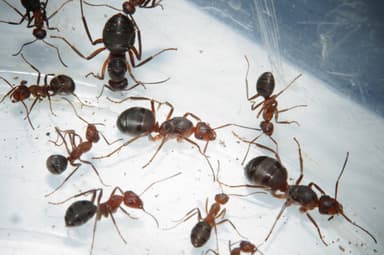
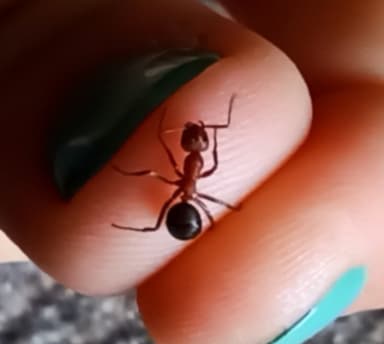
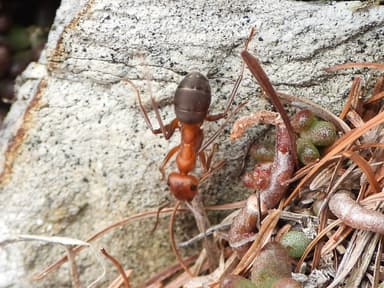
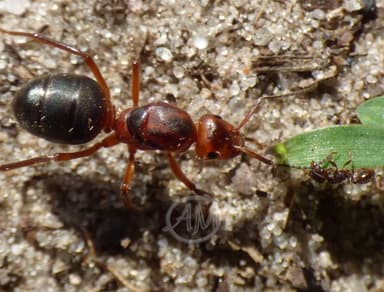
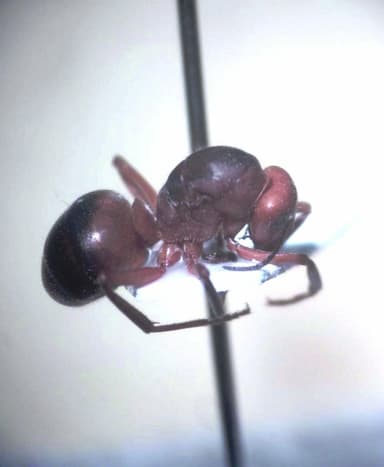
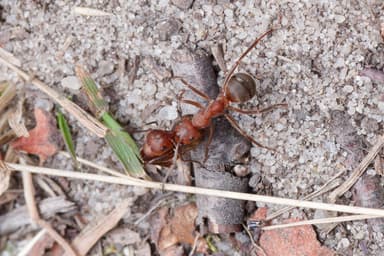
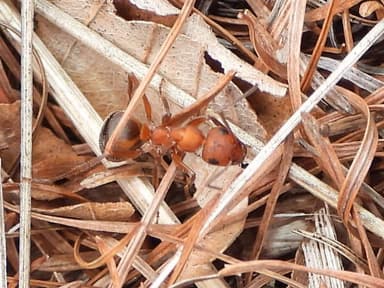
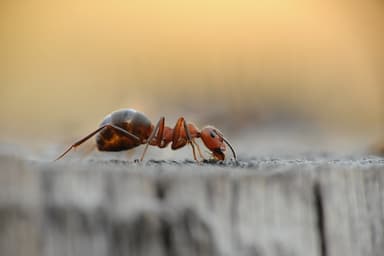
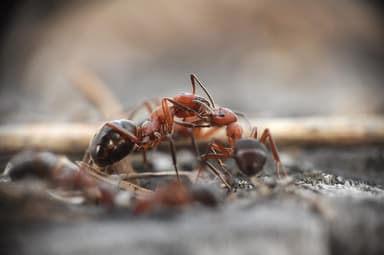
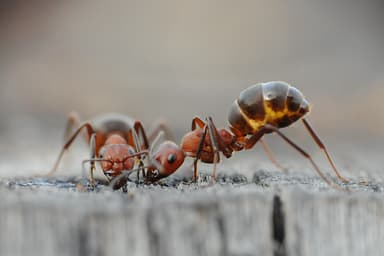
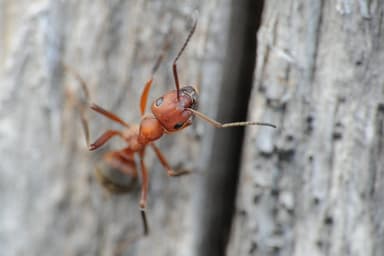
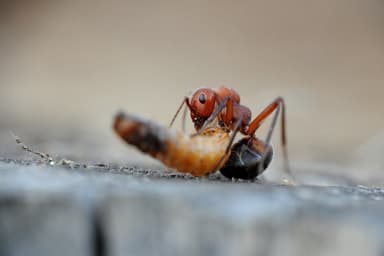
Formica truncorum is a striking and ecologically fascinating ant of the Palearctic, ranging from the cool birch forests of Fennoscandia south to the steppes of central Eurasia and east into Siberia (GBIF occurrence data; Seifert 2018). Queens are robust at 9–11 mm, while the continuously polymorphic workers span a remarkable 3.5–9 mm, with distinct minor and major castes that handle tasks from brood care to defense. Colonies are social parasites during founding: a newly mated queen infiltrates a host nest of a Serviformica species such as Formica fusca or Formica lemani, kills the resident queen, and co‑opts the host workforce to raise her own offspring. Established colonies can become immense, sometimes exceeding half a million workers, and develop a complex structure often with multiple queens (polygyny) that fosters an intricate balance of cooperation and conflict studied in depth by Sundström (1995). For the keeper, this ant offers a window into advanced social evolution, dramatic size variation, and the formidable mass‑foraging columns that define the Formica rufa group.
This species is strictly for expert keepers. The parasitic founding stage is the first major hurdle — without host workers and brood, a lone queen will perish. Even with a successfully integrated queen, the colony’s path to a self‑sustaining workforce is fraught, demanding meticulous mimicry of the natural host‑queen elimination process. Once established, the sheer scale of a mature colony poses logistical challenges: housing that can accommodate tens or hundreds of thousands of ants, large feeding regimes, and precise environmental control. Anyone attempting this species must be comfortable with managing host colonies, handling aggressive workers, and providing a compulsory cold diapause. It suits myrmecologists and advanced hobbyists who have already succeeded with large, non‑parasitic Formica and are eager to observe the nuances of temporary social parasitism and urban‑scale nest architecture.
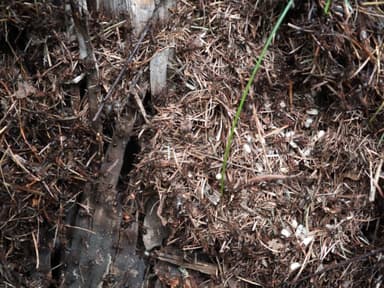
Housing must anticipate explosive growth. A naturalistic setup with a deep, moisture‑retentive substrate such as a sandy loam mixed with clay works well, as Formica truncorum excavates extensive soil nests in the wild, often under stones or in rotting wood. For visibility and maintenance, a large ytong‑based formicarium with attached outworld is a practical compromise. Internal nest chambers should be spacious, with multiple hydration ports to maintain a humidity gradient of 50–70% — too damp encourages fungal outbreaks, too dry dehydrates brood. Temperatures should be kept between 18°C and 28°C, with a warm basking spot near the upper end to simulate sun‑soaked nest mounds. Because of the colony’s eventual size, ventilation is critical; small mesh screens and a well‑designed air exchange prevent CO₂ buildup. Always provide a sizable foraging arena where workers can patrol, as territoriality is strong in this group.
Diet is typical for large, active Formica. Protein needs are voracious: offer a steady supply of freshly killed or pre‑frozen insects — crickets, roaches, mealworms, and fruit flies for the smallest minor workers. During peak brood‑rearing, a mature colony can consume hundreds of insects weekly. Carbohydrates are equally vital; wild colonies tend aphids on conifers and deciduous trees, and in captivity they readily accept honeydew‑mimicking sugar‑water, ant jelly, or diluted honey on a feeding tray. Fresh water must be available at all times via test‑tube drinkers or a moist sponge, as Formica are prone to desiccation in dry setups. Be prepared to adjust feeding frequency and volume rapidly as the colony grows; underfed colonies may cannibalize brood or become more aggressive.
Hibernation is non‑negotiable. Across their vast range, these ants experience cold winters, and captive colonies require a graduated cooling over several weeks to a steady 5°C for three to four months. Without this deep chill, queens cease egg‑laying, workers become restless, and colonies dwindle. A dedicated refrigerator or cold cellar is safest; avoid freezers and ensure the nest never freezes solid. Slowly raise temperatures in spring, and watch for the first pulse of egg‑laying — a heartening sign of a healthy cycle.
Acquiring a single queen without workers is rarely successful unless you are prepared to introduce her to a thriving Serviformica host colony. The standard method in the trade is to purchase a small established colony that has already passed the parasitic stage. Upon arrival, allow the ants to settle for 24 hours in a quiet, darkened room within a temporary sealed container that matches the seller’s humidity and temperature. Provide a drop of sugar‑water immediately — energy replenishment after transit reduces stress. For the first feeding, offer a single small pre‑killed insect and remove uneaten remains after a day to prevent mold. Monitor for frantic pacing, excessive mortality, or refusal to enter the nest; these often signal incorrect humidity or temperature. Once the colony is feeding and calm, gradually connect it to the intended formicarium and outworld, letting the workers explore at their own pace. With patience, you will witness one of the ant world’s most impressive societies unfolding in your care.