Camponotus
Camponotus foreli
Nuptial Flight Calendar
Flight months: May, Jun, Jul
Care Guide
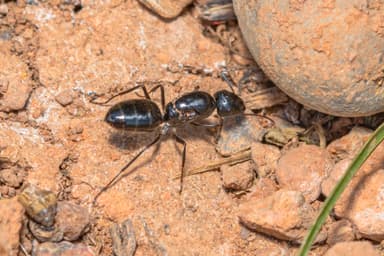
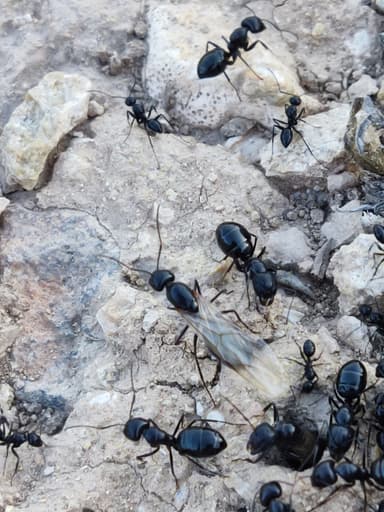
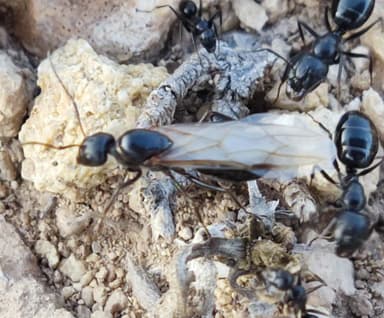
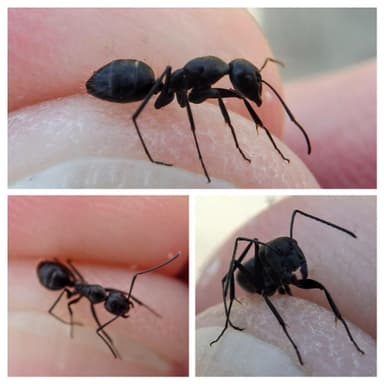
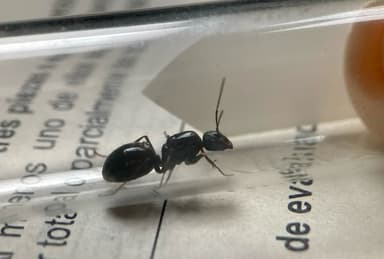
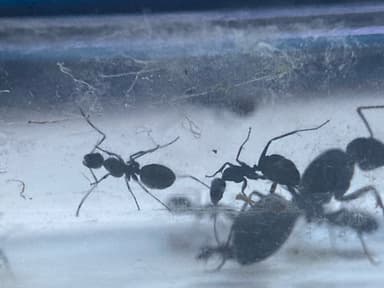
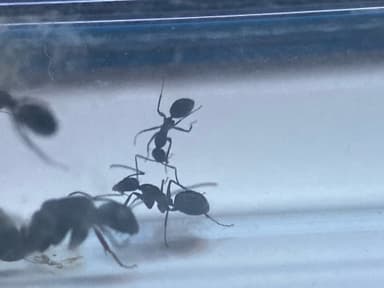
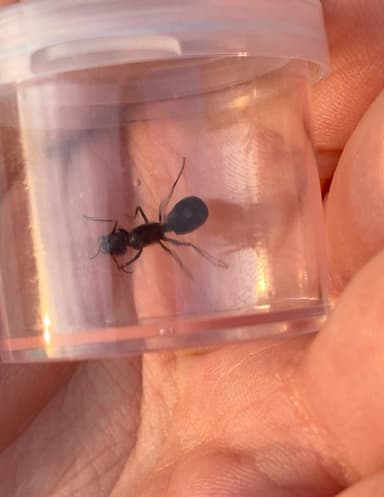
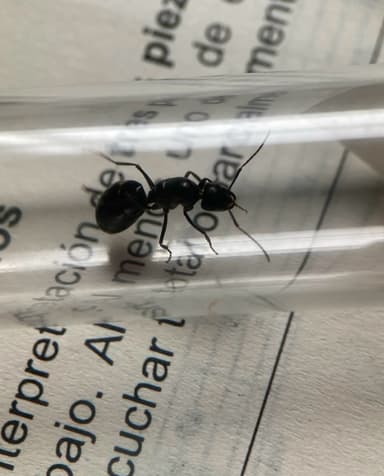
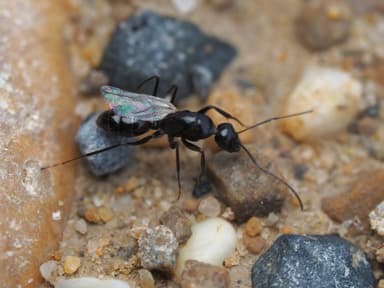
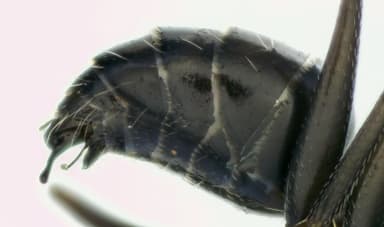
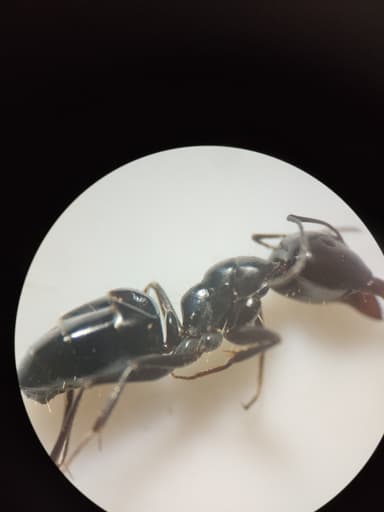
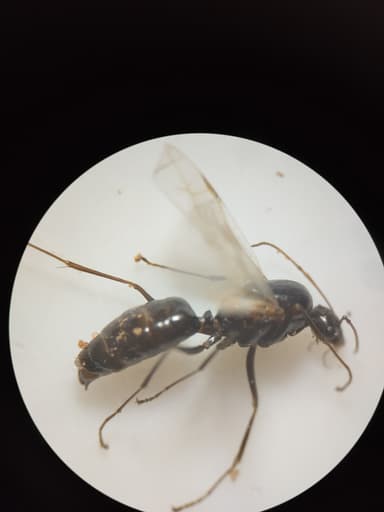
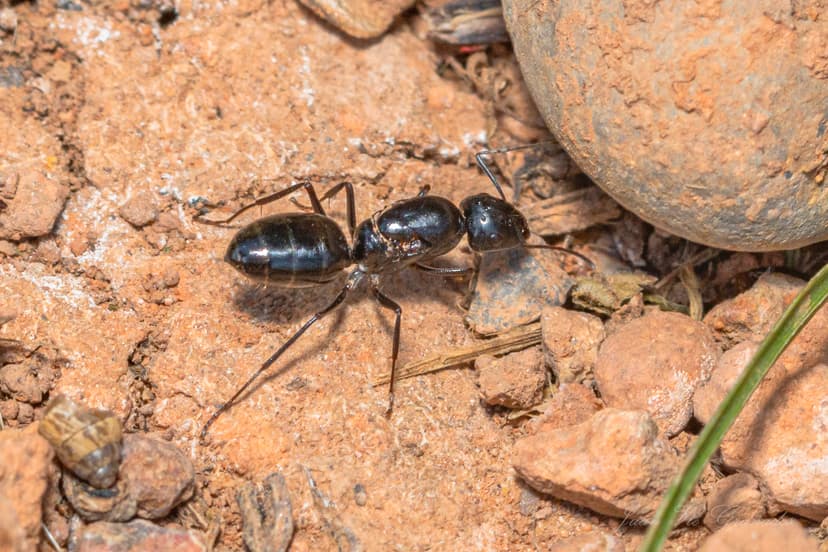
Camponotus foreli is a stately and intriguing carpenter ant native to the Mediterranean landscapes of North Africa, where it was first described by the Italian myrmecologist Carlo Emery in 1881. True to its genus, this species exhibits a marked polymorphism, with two clear worker castes: small, nimble minor workers (4–8 mm) and robust, impressively muscled major workers that can rival the queen in sheer presence. The queen herself is a substantial 9–11 mm in length, and mature colonies may eventually house up to 10,000 individuals, though such numbers are achieved only after years of careful husbandry. What makes C. foreli especially appealing to hobbyists is not only the visual drama of its caste dimorphism — watching a major effortlessly slice through a chitinous meal is a miniature spectacle — but also its charming Mediterranean rhythm of life. Alates stage their nuptial flights on warm, humid evenings after rain during May through July, a seasonal cue that ambitious keepers can eventually try to replicate if they wish to raise a mated queen. This species founds new colonies claustrally, the queen sealing herself away and nourishing her first brood from her own wing muscle reserves, a process that rewards patience and a hands-off approach.
With an intermediate care difficulty rating, C. foreli is best suited for keepers who have already mastered foundational species and are comfortable with both humidity management and the subtle demands of hibernation. The colony’s size potential and the physical strength of its majors also mean that escape-proofing is non-negotiable; a tight-fitting lid and a reliable barrier such as Fluon or a vegetable oil-based slick are essential, as these ants can climb glass and chew through flimsy plastics when motivated. Their temperament is typically calm and not overly aggressive, but they will defend their nest with vigorous mandible-gaping and formic acid sprays if disturbed, so a gentle, predictable routine is key. This species is an excellent bridge for those moving from beginner Lasius or Tetramorium colonies toward the larger, more intricate world of Camponotus, offering a taste of the charisma of giants without the extreme sensitivity of some tropical relatives.
Housing a Camponotus foreli colony should replicate the mild, semi-arid warmth of its native range. A temperature gradient spanning 22–28°C works beautifully, with a gentle basking spot at the upper end encouraging brood development. Humidity should be maintained between 50% and 70%, but it is critical to avoid stagnation; these ants thrive in a well-ventilated nest that offers a steady hydration source without becoming sodden. Nests made of ytong (aerated concrete), high-quality acrylic with hydration chambers, or even a fine-textured grout formicarium all perform well, provided one side remains distinctly drier than the other so the ants can self-regulate. A naturalistic outworld adds both enrichment and stability: a substrate of sand mixed with a little clay, scattered with cork bark, pebbles, and a small, shallow water dish, mirrors their Mediterranean soil. Always include a water source inside the nest or via a drinking tube, as these ants drink freely and will dehydrate without consistent moisture.
In the diet department, C. foreli is a classic carpenter ant with a pronounced sweet tooth and a healthy appetite for insect protein. Offering a variety of small to medium-sized feeder insects — fruit flies, small crickets, chopped mealworms, and roach nymphs — two to three times per week will sustain the colony’s growth and keep the queen prolific. Pre-killed prey is advisable, especially for smaller colonies, as a wounded insect can harm delicate nanitics. Carbohydrates should be supplied as diluted honey, maple syrup, or a good commercial ant jelly, given in tiny droplets on a piece of foil or a dedicated feeding dish to prevent drowning. Fresh water must be available at all times, both for drinking and for nest humidification; a cotton-stoppered tube or a plaster-filled water dish work reliably. Remove uneaten food within 24 hours to stave off mold and mites, and never feed insects collected from areas treated with pesticides — a rule that holds true for all ant species.
A mandatory hibernation period sets C. foreli apart from purely tropical species and is non-negotiable for long-term colony health. As temperatures drop in their native range, the colony enters a dormant phase, and you must replicate this by gradually cooling them to around 15°C over the course of a week or two in late autumn. Maintain this stable cool period for 8–12 weeks, usually from November to February, depending on your local climate. During this time, the ants will cluster together, and the queen will cease egg-laying entirely. Feeding should be drastically reduced — a small sugar source once or twice a month at most — but always ensure a supply of clean water. A wine cooler or a dedicated cool room makes an ideal hibernation chamber; avoid fluctuating temperatures and never let them freeze. When spring arrives, warm them slowly back to the standard range, and the colony will erupt into frantic foraging and fresh brood within a fortnight.
When your new Camponotus foreli colony arrives, typically as a queen with her first small clutch of brood in a test tube, the golden rule is to let them settle completely before any intervention. Place the tube in a dark, quiet spot within the temperature range, and resist the urge to check on her for at least 3–5 days. After this settling period, you can offer a minuscule dab of sugar water on a slip of aluminum foil near the tube entrance; a freshly founded queen will rarely eat, but workers will appreciate the boost. Do not introduce protein until the first nanitic workers (small, pale, tender) have fully eclosed and their exoskeletons have hardened — typically a week after emerging. The first feeding should be a very small, pre-killed fruit fly or a sliver of cricket leg, placed far from the brood pile to avoid overwhelming the delicate young workers. Watch for signs of stress: constant relocating of brood, refusal to settle in one spot, or an extended refusal to lay eggs may indicate that conditions are too dry, too bright, or too disturbed. Patience is your greatest tool; a stable, dimly lit nest with a reliable humidity gradient will coax even the most hesitant queen into building a thriving dynasty. With consistent care, your colony will reward you with the slow, majestic parade of distinct worker castes that make this little-known Camponotus a true jewel of the Mediterranean ant-keeping world.