Aphaenogaster
Aphaenogaster tennesseensis
Nuptial Flight Calendar
Flight months: Jun, Jul
Care Guide
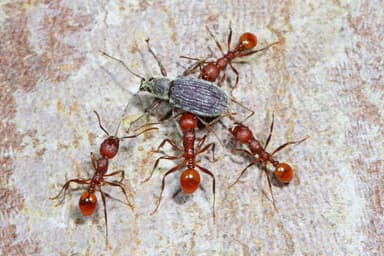
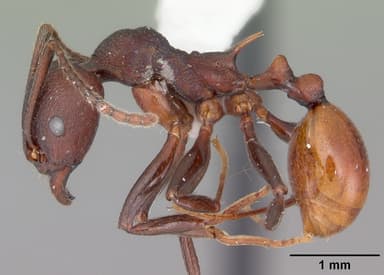
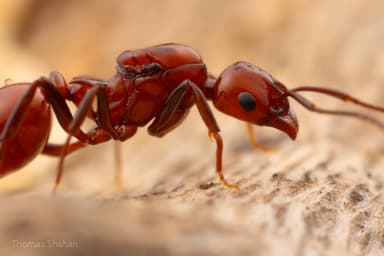
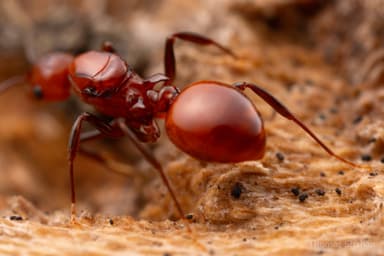
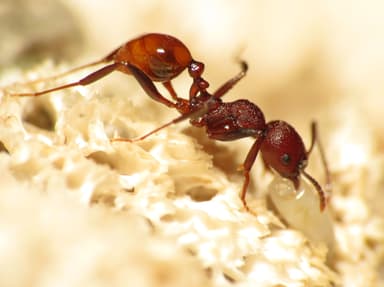
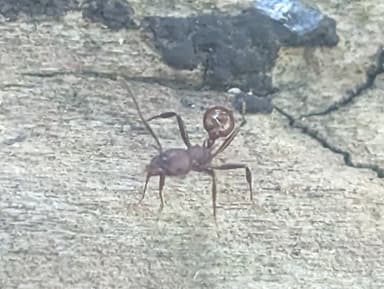
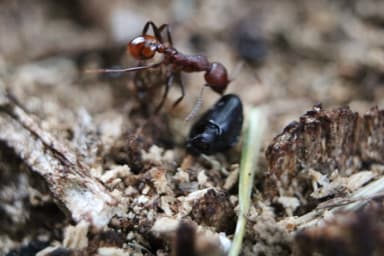
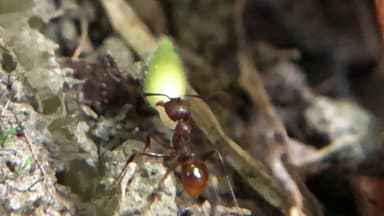
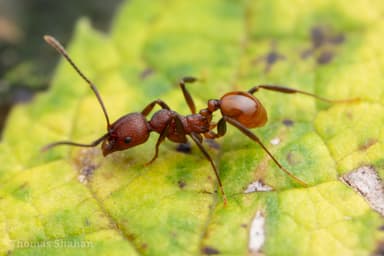
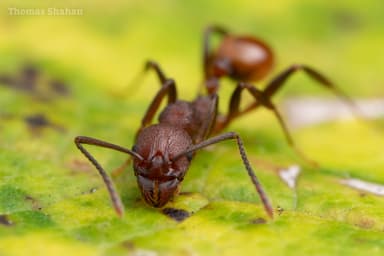
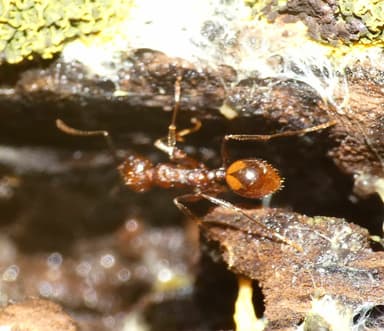
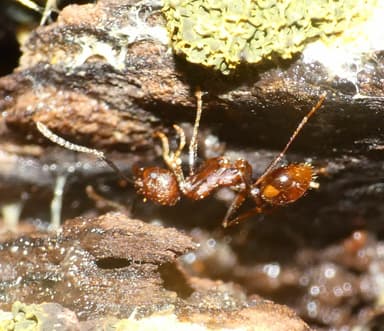
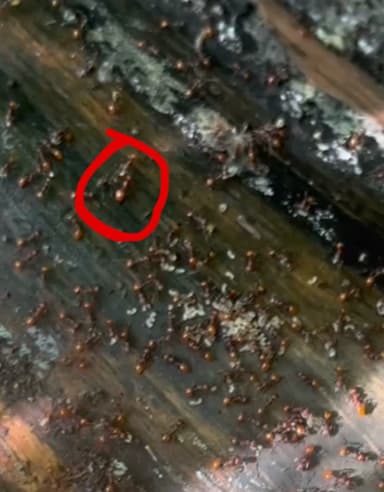
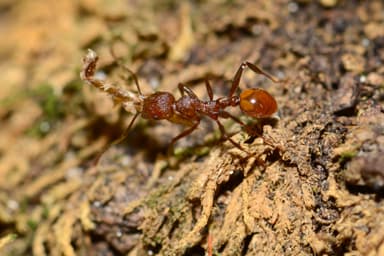
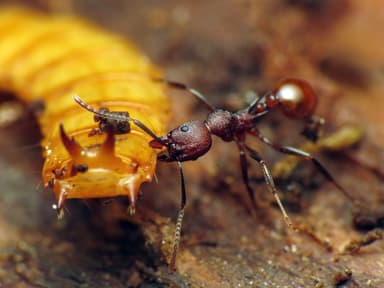
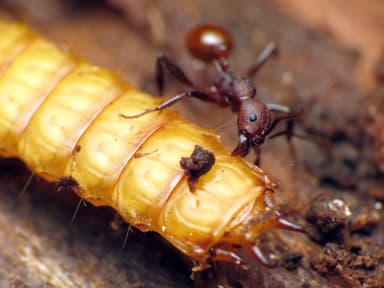
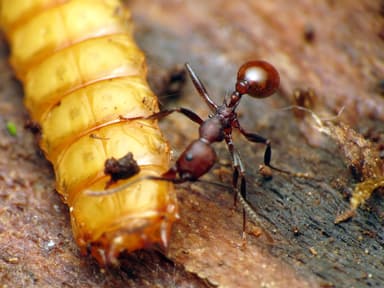
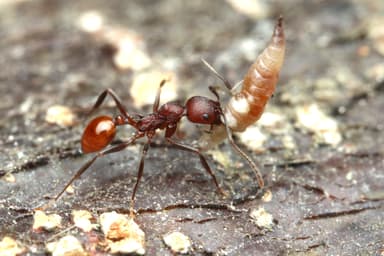
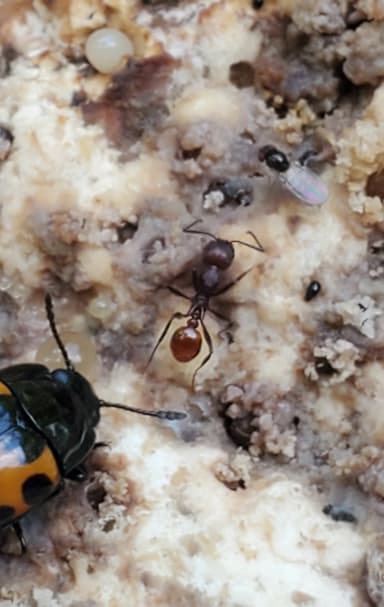
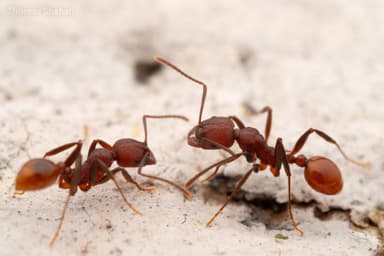
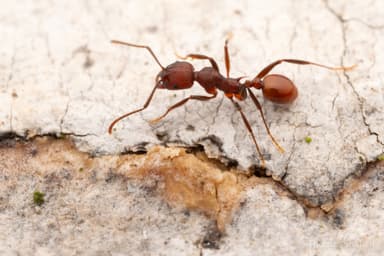
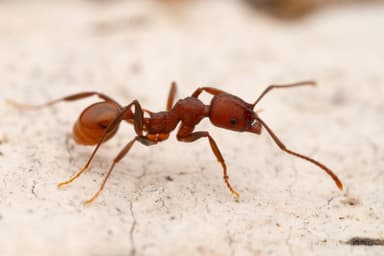
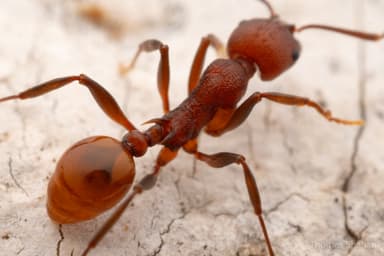
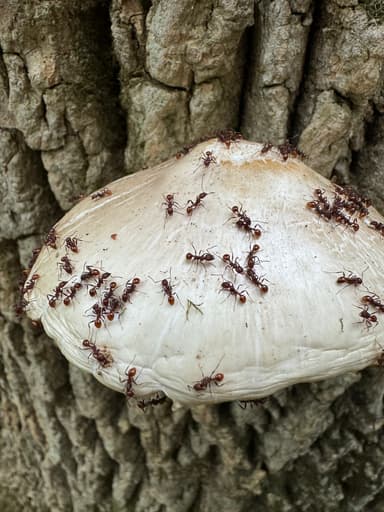
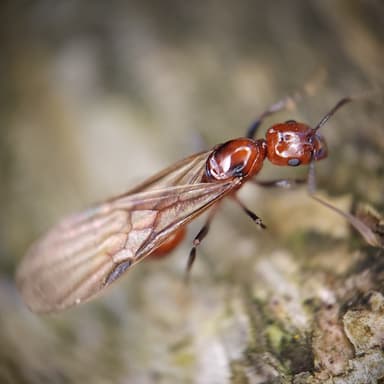
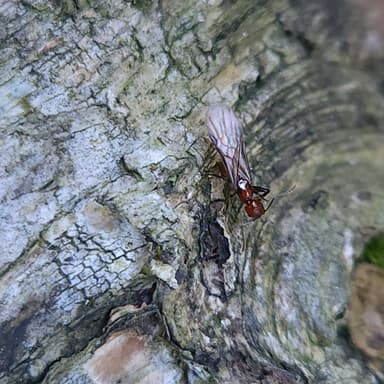
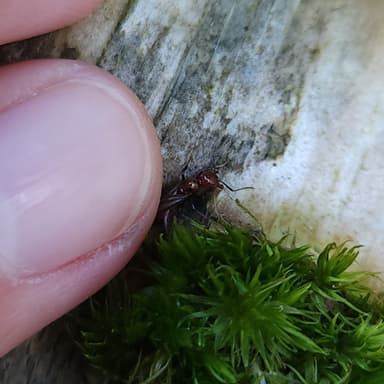
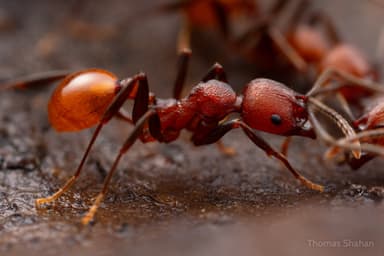
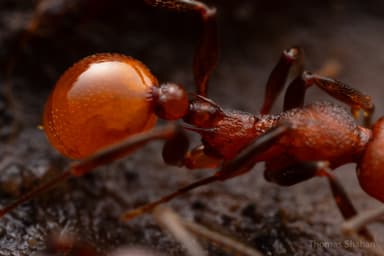
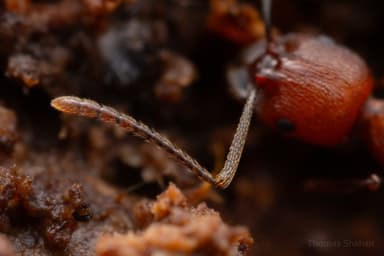
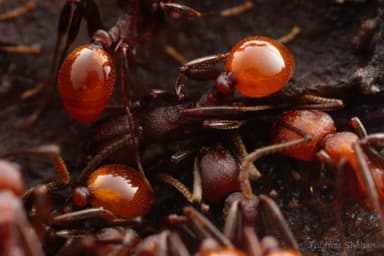
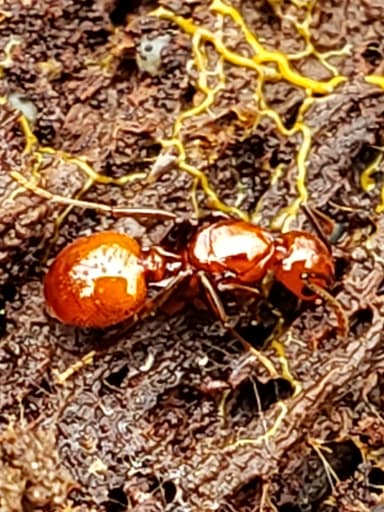
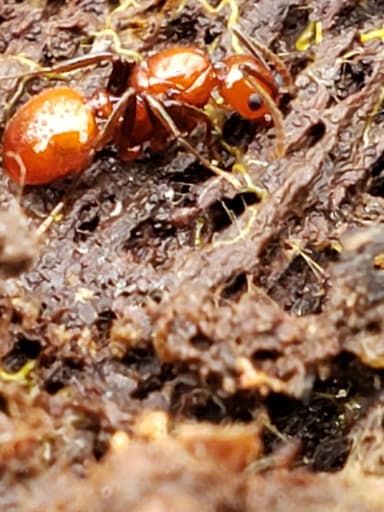
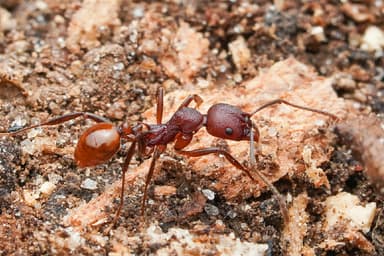
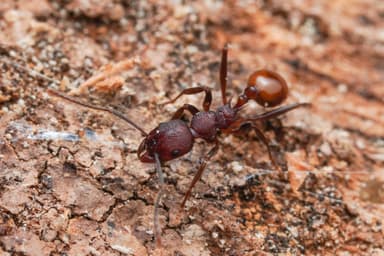
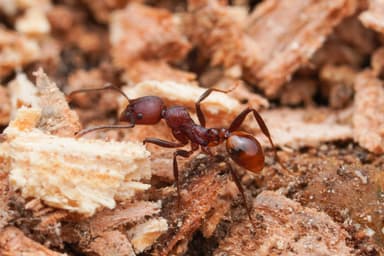
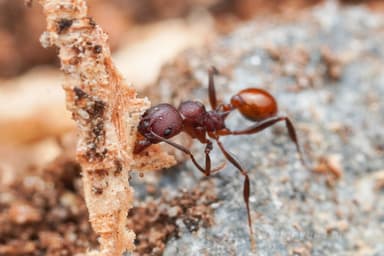
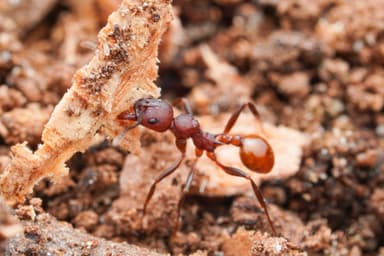
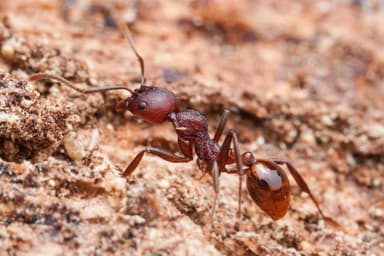
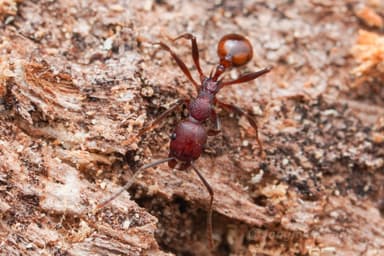
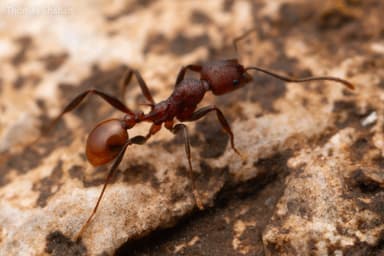
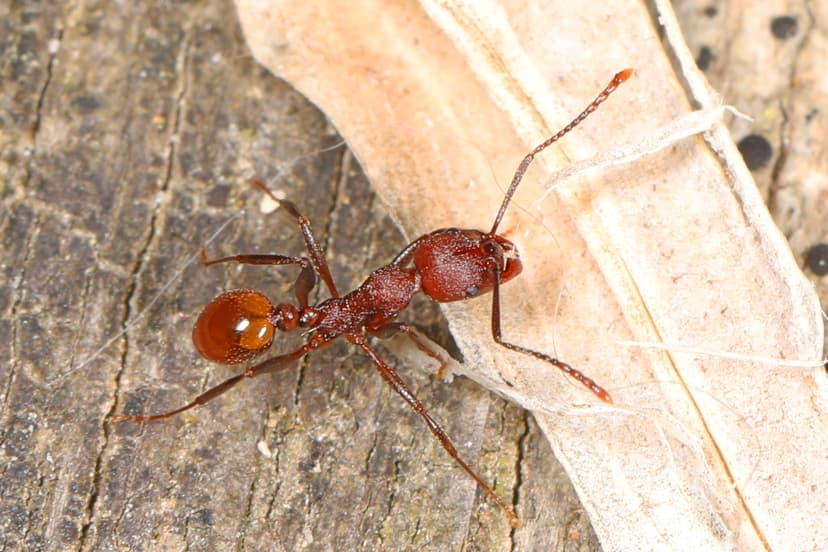
The ant known as Aphaenogaster tennesseensis is a slender, unassuming creature at first glance, with workers measuring just 4.5 to 6 millimeters and queens between 7 and 9 millimeters. Monomorphic and devoid of distinct physical castes, the workers share a uniform reddish‑brown hue and graceful, elongated legs that allow them to move with a nervous, deliberate gait across the forest floor. Their colonies, which can reach a modest three thousand individuals, are seldom seen above ground except during their furtive foraging expeditions. What truly sets this species apart, however, is its remarkable and seldom‑witnessed life history: A. tennesseensis is an obligate social parasite. A newly mated queen cannot found a colony on her own. Instead, she must locate an established nest of a closely related host species—commonly Aphaenogaster rudis or A. fulva—eliminate or subdue the resident queen, and somehow dupe the orphaned workers into raising her alien brood. This delicate and often violent act of colony usurpation, described in broad strokes for the fulva‑rudis‑texana complex (Umphrey 1996), makes every successful founding an extraordinary biological drama. Nuptial flights are thought to occur on warm, humid afternoons in June and July across the Eastern United States, from the Great Lakes to the Gulf coast, though direct observations remain scarce and confidence in the timing is low (AntWiki; Creighton 1950).
Given the intrinsic complexity of social parasitism, keeping A. tennesseensis demands an expert’s touch and is unequivocally not a venture for beginners. The founding process alone places it firmly in the highest tier of difficulty. Even after establishment, these ants are sensitive to mismanagement of moisture, temperature, and diet, and they react poorly to frequent disturbance. This species is best suited to hobbyists who have already successfully raised temporary social parasites from the Lasius or Formica groups, and who understand the nuances of host colony integration and the eventual transition to a pure host‑worker‑free colony. Patience, meticulous record‑keeping, and a willingness to source or rear appropriate host colonies are non‑negotiable prerequisites. For the prepared myrmecologist, however, the reward is a captivating display of parasitic colony ontogeny and a view into a lifestyle that remains mysterious even to researchers.
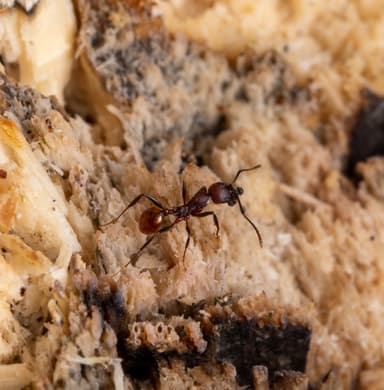
Housing must replicate the rotting wood and humid soil microhabitats where A. tennesseensis naturally nests. A well‑hydrated plaster or ytong formicarium, equipped with a hydration chamber to maintain a relative humidity between 50% and 70%, works beautifully. The ideal temperature range is 20°C to 28°C; a gentle thermal gradient across the nest allows the ants to self‑regulate brood development. Substrate within the foraging arena can be a simple mixture of coconut fiber, sand, and a sprinkling of topsoil to encourage natural digging behavior, though they rarely excavate elaborate galleries in captivity. Keep the nest dimly lit and avoid direct sunlight, which can overheat and desiccate the colony. Ventilation must be sufficient to prevent stagnant air but not so aggressive that it strips away the modest humidity these woodland ants favor.
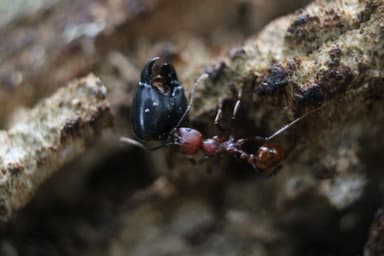
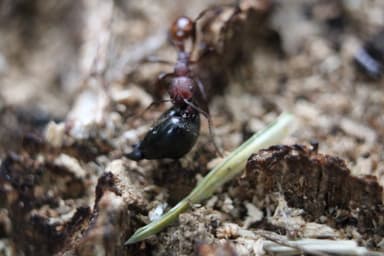
In the wild, Aphaenogaster species are versatile omnivores that actively scavenge arthropod corpses and collect the elaiosome‑bearing seeds of woodland plants. A captive diet should anchor on small insect proteins: fruit flies, pinhead crickets, chopped mealworms, and soft‑bodied spiders are all accepted enthusiastically. Offer carbohydrates in the form of dilute honey, maple syrup, or a standard sugar‑water mixture, but do so sparingly to avoid fermentation or sticky drownings. A constant source of fresh water—a filled test tube stoppered with cotton or a commercial liquid feeder—is essential. Feed twice weekly, removing uneaten protein within 24 hours, and adjust quantities as the colony grows; a queen and her first few workers need only a single fruit fly and a tiny droplet of honey to thrive.
Temperate dormancy is not optional: A. tennesseensis requires a true hibernation at around 8°C (with a tolerance of 5–10°C) for three to four months. In most regions, this means using a dedicated wine cooler, a cold basement, or an unheated room that remains reliably chilly but above freezing. Begin reducing temperatures gradually in late autumn, and during the rest period keep the nest hydrated and check for condensation monthly. The colony will cluster in a torpid knot, and you may see little activity. A proper cold season is critical for the queen’s long‑term health and the synchronization of brood cycles; colonies denied hibernation often dwindle and perish within a year.
The first days after acquiring a colony—whether a newly usurped queen with host workers or a more established group from an expert breeder—set the tone for success. If you receive a founding setup, leave it completely undisturbed in a dim, quiet space for 24 hours. The initial feeding should be cautious: a micro‑drop of sugar water on a slip of wax paper and a pre‑killed fruit fly placed at the entrance to the foraging area. Watch for signs that the host workers are attending to the parasitic queen; they should groom and feed her. Agitation or persistent attacks indicate incomplete integration and may force you to reintroduce the queen using a fine‑mesh separation for a few more days. With an already stable colony of A. tennesseensis workers, simply connect their travel tube to the prepared formicarium; they will explore and gradually move the brood. Resist any urge to rush the process. Brood production may not resume for weeks, and the final replacement of host workers by genuine A. tennesseensis daughters unfolds over months. Keep disturbances to an absolute minimum, maintain the prescribed temperature and humidity, and let the parasitic marvel unfurl at its own ancient, unhurried pace.