Stenamma
Stenamma westwoodii
Nuptial Flight Calendar
Care Guide
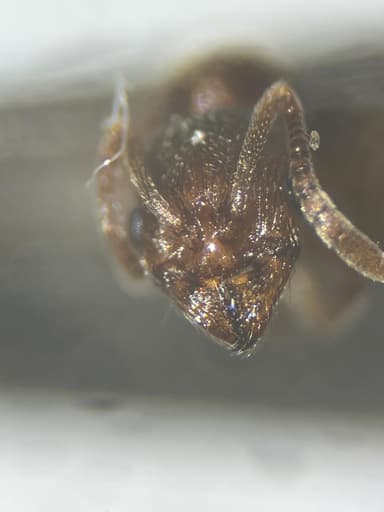
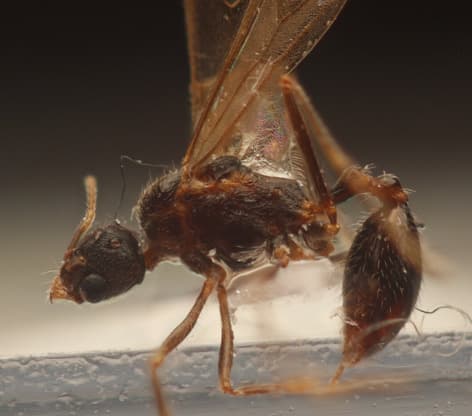
Stenamma westwoodii is a small and secretive species, often called the “silent ant” for its shy and cautious nature. Colonies are modest in size, rarely exceeding three hundred workers, which makes them ideal for keepers who appreciate a more intimate observation experience. The queen measures between six and seven millimeters, while workers are slightly smaller at four to five millimeters. Despite their unassuming appearance, these ants display fascinating behaviors adapted to life in cool, damp forests.
Founding is fully claustral, meaning the queen does not need to forage during the initial stages of colony development. She seals herself into a small chamber and raises her first brood using her own metabolic reserves. This makes starting a colony straightforward, though the young queen benefits from a period of complete darkness and minimal disturbance.
Care difficulty
Keeping Stenamma westwoodii is best suited for intermediate ant keepers. While the founding phase is simple, the ongoing requirements demand attention to specific environmental conditions. These ants are extremely sensitive to warmth and dryness — they thrive in temperatures between fifteen and twenty-two degrees Celsius and require high humidity levels of seventy to ninety percent. A steady supply of moisture is essential, and the nest should be kept in a location that never becomes stuffy or overheated. Hibernation is mandatory: from late autumn through winter, the colony must be cooled to around five degrees Celsius for several months to maintain a healthy annual cycle.
Housing
A formicarium for Stenamma westwoodii should offer ample moisture retention, such as a substrate-based or Ytong nest that can be regularly dampened without flooding. Because colonies remain small, a compact setup works well, but the ants need deep chambers that mimic their natural soil or leaf-litter habitat. The foraging area should include a water source with low surface tension and a dish for liquid sugars. Despite their small size, these ants are effective hunters of small insects, and they will eagerly accept fruit flies, small crickets, or cut-up mealworms. A balanced diet of protein and sugar water or honeydew keeps the colony active and healthy.
First days after purchase
Upon receiving your Stenamma westwoodii colony, transfer them into their new home with care and then place the formicarium in a cool, dimly lit room. Give the ants several days to settle in without disturbance. Check that humidity remains high — the nest substrate should feel damp but not wet. Offer a small droplet of sugar water and a few tiny insect pieces near the entrance. Observe from a distance; any signs of stress, such as frantic running or clustering at the surface, indicate that conditions need adjustment. With patience and a steady hand, these charming little ants will reward you with a glimpse into the quiet, intricate life of the forest floor.