Lasius
Lasius neglectus
Nuptial Flight Calendar
Care Guide
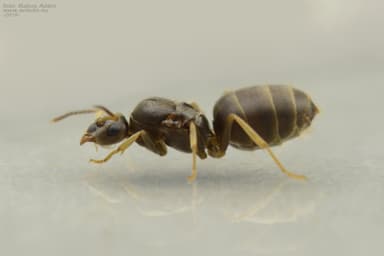
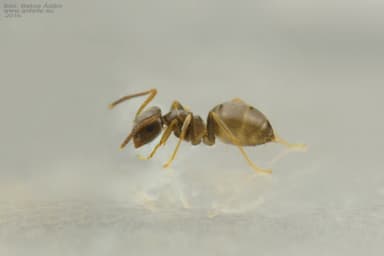
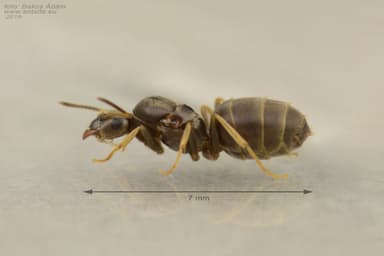
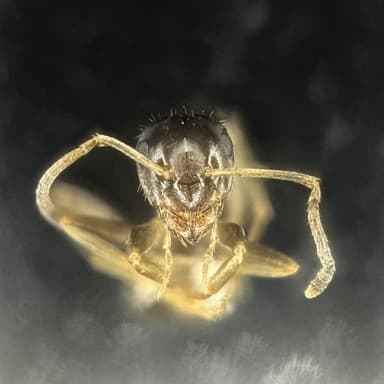
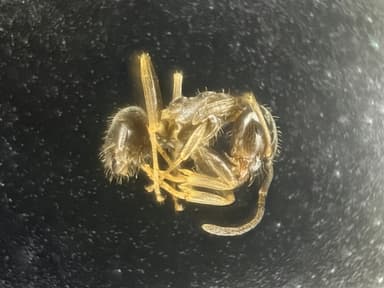
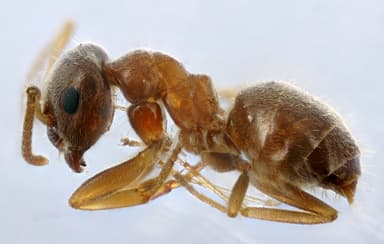
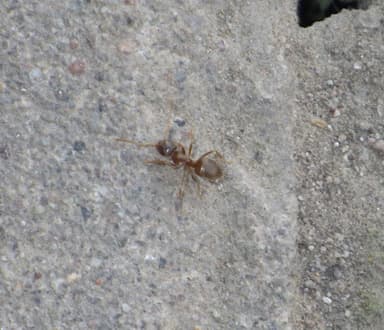
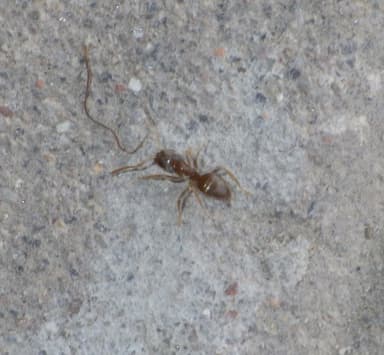
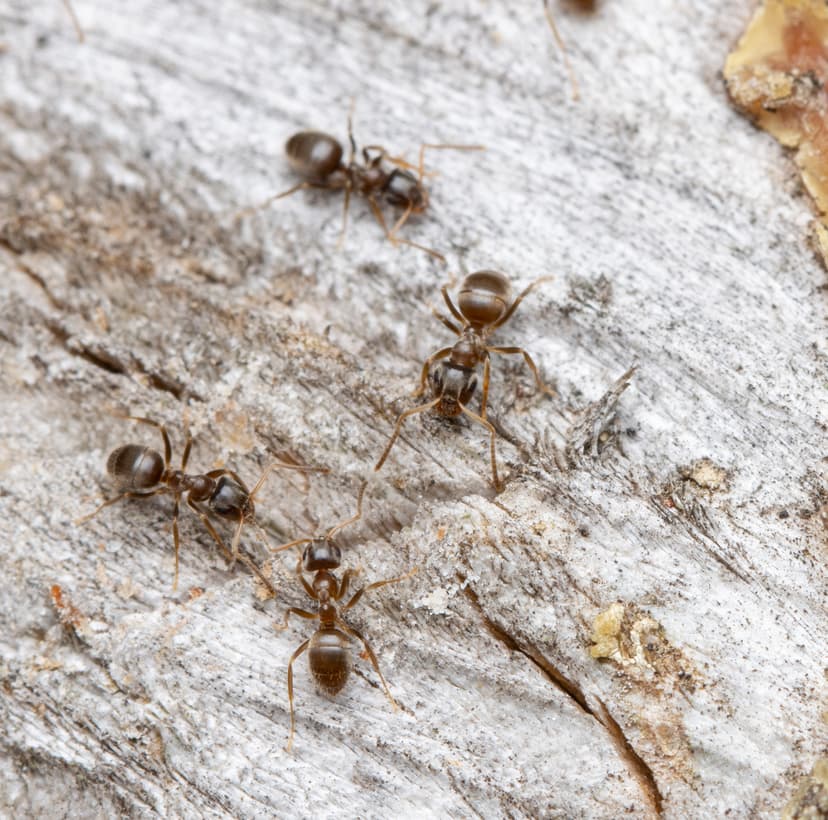
Lasius neglectus might be known primarily as a tramp species in the wild, but in the formicarium it reveals itself as one of the most forgiving and rewarding ants for new keepers. Queens are modestly sized at 6–8 mm and, unlike their relative Lasius niger, they are polygynous — a single colony can contain multiple queens cooperating to produce workers in numbers that quickly climb into the tens of thousands. Workers are uniformly small, measuring between 2.5 and 4.5 mm, and show no distinct polymorphism; they are all fast, efficient foragers with a pale yellow-brown colouration that gives them an almost translucent look against the substrate.
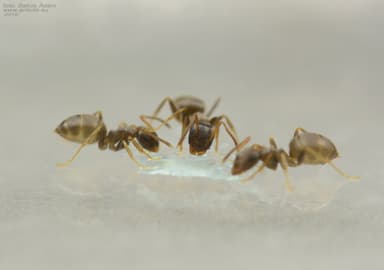
What makes Lasius neglectus unique among beginner ants is its remarkable tolerance of disturbance. These ants evolved to thrive in human-altered environments, so they rarely become stressed by vibrations, light, or the occasional peek into their nest — making them ideal for keepers who want an active, visible colony without the skittishness of other species. Their diet is straightforward: they accept a wide variety of insect protein (fruit flies, mealworms, crickets) and require a constant source of sugar water or honeydew. In fact, they have a particular fondness for liquid sugars, and a healthy colony will rapidly drain a feeder, clustering around it in a way that is fascinating to watch.
Care difficulty
Keeping Lasius neglectus is as easy as ant keeping gets, which is why it is strongly recommended for absolute beginners. The ants are claustral founders, meaning the queen seals herself in a founding chamber and rears her first workers without needing any food — though a drop of sugar water after the first nanitics emerge is appreciated. Their tolerance of suboptimal conditions, wide temperature range, and willingness to accept almost any nest type make them a forgiving species for learning the ropes.
Housing
A standard acrylic or plaster formicarium works perfectly, though the colony’s eventual size (up to 50,000 workers) means you should plan for modular expansion. Provide a temperature gradient from 20 to 26°C, with the nest area kept slightly warmer. Humidity between 50 and 70% is easily achieved by moistening the substrate in the nesting chamber once a week. Lasius neglectus must hibernate — a period of two to three months at around 8°C is essential for long-term health and queen fertility. Without this cooling phase, egg-laying will gradually decline and the colony may dwindle. A refrigerator set to the correct temperature or a cool cellar works well.
First days after purchase
Upon arrival, transfer the test tube or small colony into a pre-moistened nest section connected to a clean outworld. Place the setup in a quiet, dim location and leave the ants completely undisturbed for at least 48 hours. During this time, they will explore, establish a new home, and begin foraging for the sugars and proteins you have already placed in the outworld. After that, you can open the formicarium briefly to offer fresh food and water — but resist the urge to watch constantly. Within a week, your Lasius neglectus colony will be bustling, proving why this species is a favourite starter ant all over the world.