Cataglyphis
Cataglyphis savignyi
Care Guide
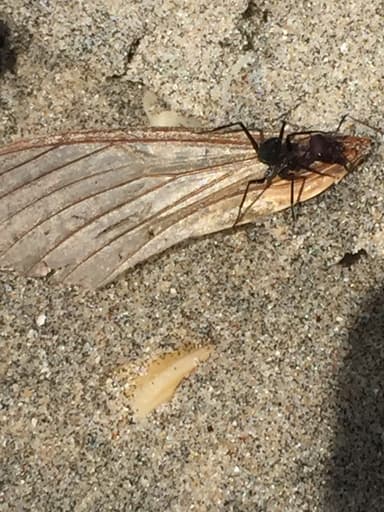
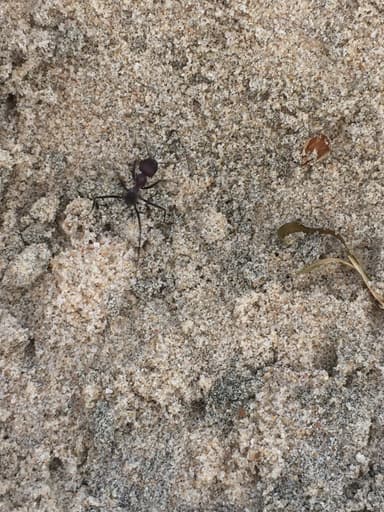
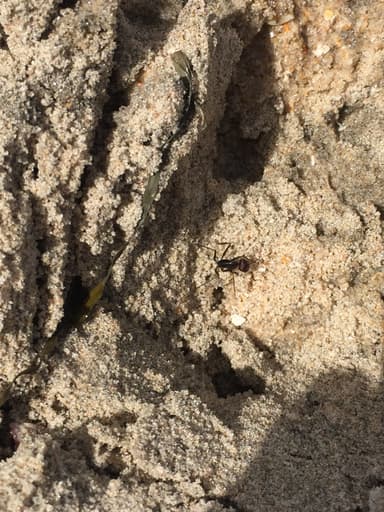
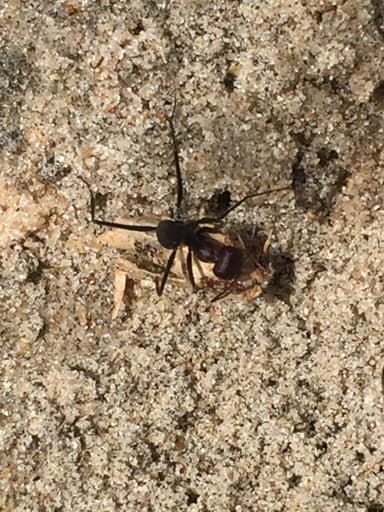
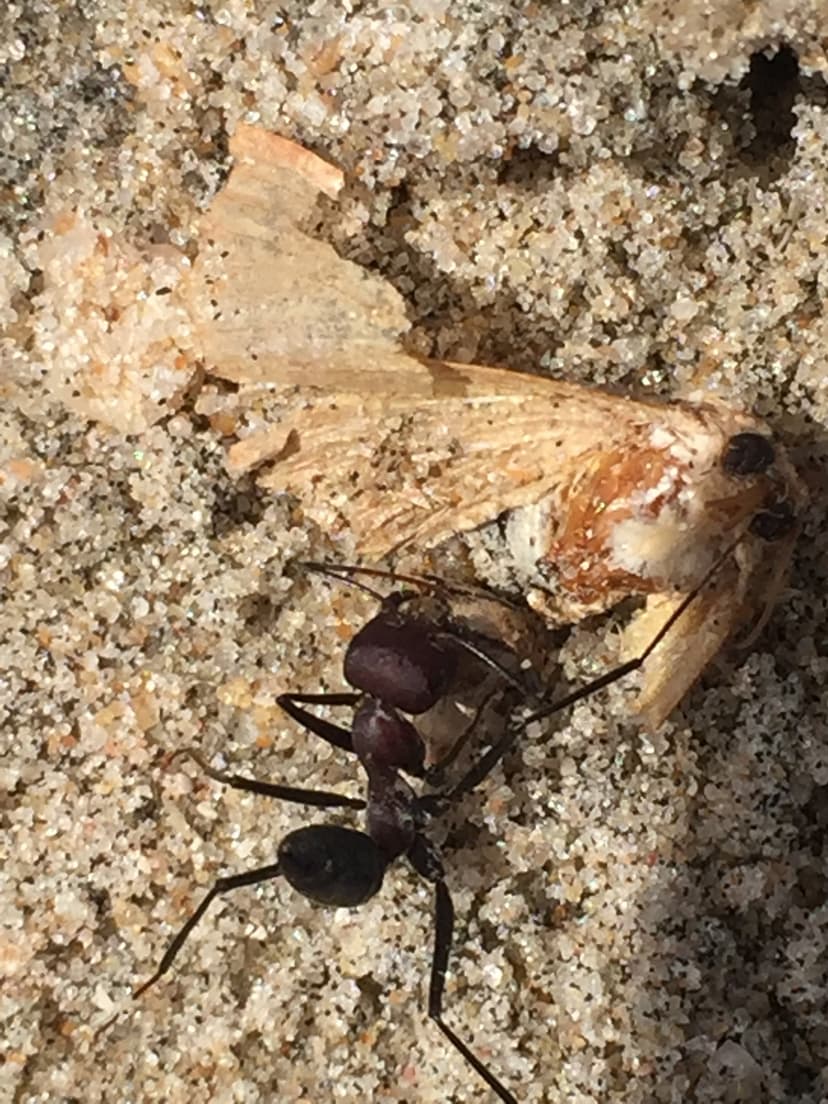
Cataglyphis savignyi is a stunning desert ant species renowned for its remarkable heat tolerance and blistering speed. Workers exhibit a slender, long-legged build that allows them to sprint across scorching sands at temperatures that would kill most other insects. The queen, measuring 12–14 mm, is the largest individual in the colony, while workers range from 5–9 mm and display a subtle size variation. Their most iconic feature is a silvery, metallic sheen caused by microscopic hairs that reflect sunlight and help regulate body temperature—a true marvel of adaptation.
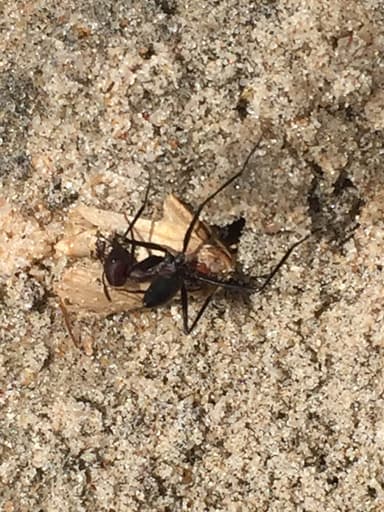
The diet of Cataglyphis savignyi is typical for many omnivorous ants but with a strong emphasis on protein. They eagerly hunt and consume a variety of insects, from fruit flies to crickets, and also relish sugar water, honeydew, and other sweet liquids. Providing a balanced mix of insect protein and sugary offerings is essential for brood development and colony growth. These ants are active foragers during the hottest parts of the day in nature, so don't be surprised to see them moving at a frantic pace even when you feel the heat in your ant room.
Care difficulty
Keeping Cataglyphis savignyi is best suited for advanced ant keepers. Their extreme environmental requirements—especially the high temperatures and very low humidity—demand careful equipment and constant monitoring. They do not hibernate and need year-round warmth, making them a fascinating challenge for hobbyists who enjoy creating a specialized microclimate.
Housing
The most critical aspect of housing this species is temperature. The nest area should be maintained between 25 and 40 °C, with a hot spot near the upper end if possible. A heating cable or heat mat with a thermostat is strongly recommended. Humidity must be kept low, between 30 and 50%, as these ants come from arid environments. Overly moist conditions can quickly lead to mold or health issues. Choose a formicarium with a dry, ventilated design—tank-style nests with a deep sand or soil substrate work well, as Cataglyphis love to dig and create complex tunnel systems. An outworld can be kept at room temperature, but the nest itself should have a stable heat source. Avoid glass or plastic that condenses moisture; good airflow is key.
First days after purchase
When your Cataglyphis savignyi colony arrives, give them time to settle in a quiet, warm spot. Gradually acclimatize them to the higher temperatures over a couple of days. Ensure the nest has a small water supply (a test tube with a cotton plug works well) and offer a drop of sugar water or a small insect. Minimize disturbances and bright light for the first week. Observe the queen and workers to confirm they are feeding and moving normally. Patience is vital—once they adapt, you'll be rewarded with one of the most dynamic and heat-loving species in the ant-keeping world.