Cataglyphis
Cataglyphis livida
Nuptial Flight Calendar
Care Guide
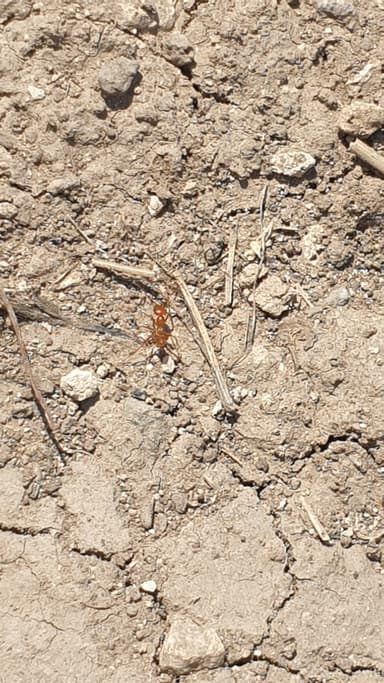
Cataglyphis livida is a captivating desert ant species known for its extraordinary speed and remarkable heat tolerance. These ants are thermophilic in the truest sense – they forage during the hottest part of the day when most predators and competitors have retreated into the shade. Workers are slender, long-legged, and measure between 4 and 7 mm, while the queen is noticeably larger at 10–12 mm. The colony size remains moderate, typically reaching between 500 and 2,000 workers, which makes them manageable yet dynamic in captivity. Cataglyphis livida are semi-claustral founders, meaning the queen must leave the nest to forage during the early stages of colony establishment, a process that requires patience and careful observation from the keeper.
These ants are active hunters and scavengers in the wild, feeding primarily on insects and other protein sources. In captivity, they thrive on a varied diet of insects such as crickets or flies, supplemented with sugar water or honeydew. A steady supply of protein is essential for brood development, so regular feeding of small insects is recommended. Unlike seed-harvesting species, Cataglyphis livida do not stockpile food, but their fast metabolism means they will eagerly accept offerings multiple times per week.
Care difficulty
Keeping Cataglyphis livida is considered advanced, mainly due to their exacting environmental requirements. These ants originate from hot, arid regions and demand high temperatures of 26–34°C throughout the year, with a pronounced drop to around 10°C during their winter diapause. Humidity must be kept low, between 30 and 50%, as excessive moisture can quickly lead to mold and stress. The semi-claustral founding phase is particularly delicate: the queen needs regular feeding without disturbance, and any failure to provide enough food or correct conditions can result in colony failure. Patience and a willingness to fine-tune heating and hydration are essential.
Housing
A formicarium for Cataglyphis livida should prioritize good ventilation and a dry nesting area. Use substrates that retain little moisture, such as sand or clay mixes, and provide a heated zone that maintains the upper end of their temperature range. A separate outworld with a heat lamp or heating cable works well. These ants are sensitive to vibrations and sudden movements, so place the setup in a quiet, stable location. During the hibernation period, the colony must be slowly cooled and kept at a steady 10°C for several months, mimicking their natural winter rest.
First days after purchase
When your Cataglyphis livida colony arrives, transfer it gently into the prepared formicarium and provide immediate access to diluted honey water and a small insect. Place the setup in a dim, quiet spot and resist the urge to check on them constantly. For the first week, observe from a distance to ensure the queen is accepting food and the workers are exploring. Gradually increase temperatures to their active range, and only after the colony appears settled should you begin regular maintenance. Patience during these initial days lays the foundation for a thriving, fast-running desert community.