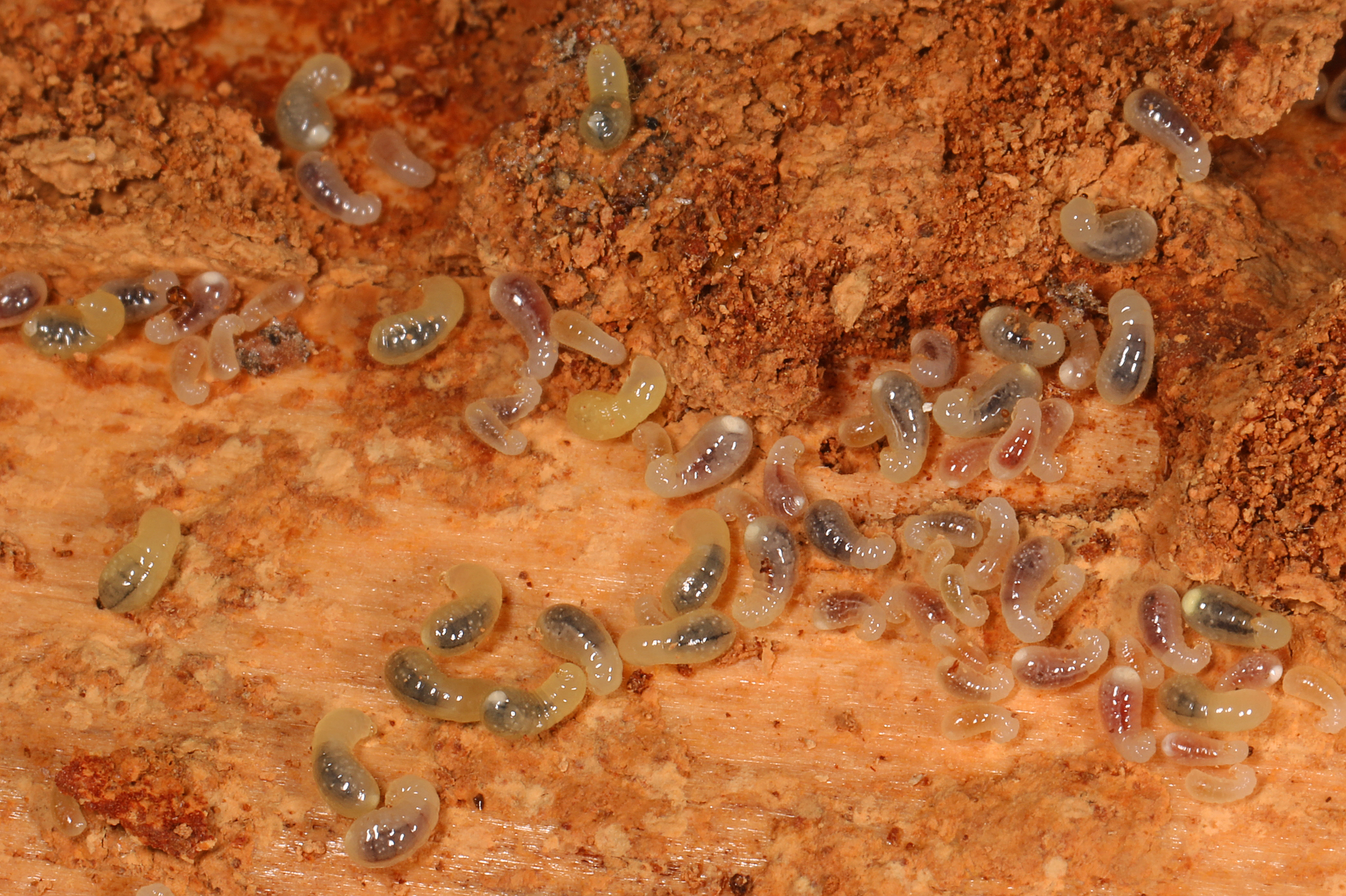
Aphaenogaster
Aphaenogaster rudis
Nuptial Flight Calendar
Care Guide
Aphaenogaster rudis is one of the most common and widely studied woodland ants in eastern North America, and it has earned a reputation as an excellent beginner species among hobbyists. The queen reaches 7.5–9 mm, with workers measuring 4.5–6 mm. Coloration is warm brown to reddish-brown, with the long, slender legs and antennae characteristic of the genus.
This species is an ecological powerhouse — in many eastern deciduous forests, A. rudis is the single most important seed disperser, transporting elaiosome-bearing seeds of spring ephemerals from violets to trilliums. In a captive setting they remain busy generalist foragers, taking small invertebrates, sugary fluids, and seeds.
Colonies are modest in size, typically 500 to 3,000 workers at maturity, which keeps them manageable in standard hobbyist setups. Founding is semi-claustral, so the queen must be offered food while establishing her first brood.
Care difficulty
Rated beginner-friendly within the Aphaenogaster genus, A. rudis is forgiving of minor mistakes and adapts well to standard captive conditions. The need for semi-claustral founding and winter hibernation are the only real complications.
Housing
A small starter setup with a moist nest and a drier outworld works well. Maintain temperatures at 22–26 °C during the active season with humidity at 50–70 %. Offer fruit flies, small crickets, sugar water, and a few elaiosome-bearing seeds weekly. Hibernate at 8 °C for two to three months from late autumn through early spring.
First days after purchase
Place the colony in a calm, dim location. Within the first 24 hours offer a fruit fly and a tiny droplet of sugar water. Resist the urge to check on them constantly — these ants settle quickly when left alone. Transition to a larger setup once around 25 to 30 workers are present.