Myrmica
Myrmica specioides
Nuptial Flight Calendar
Flight months: Jul, Aug, Sep
Care Guide
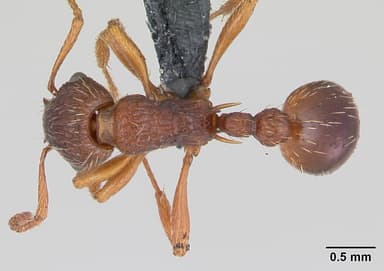
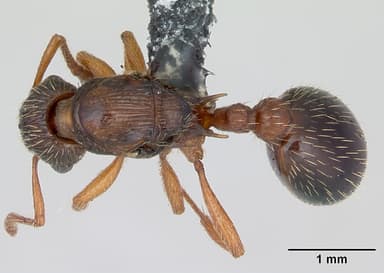
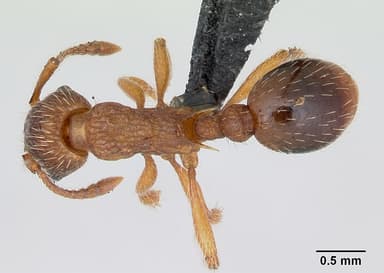
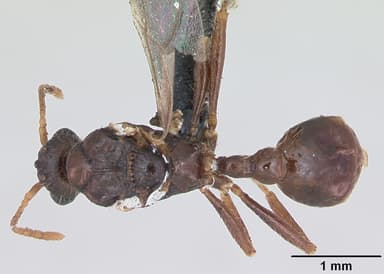
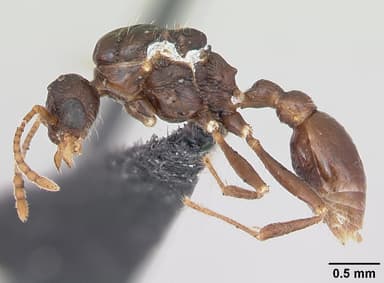
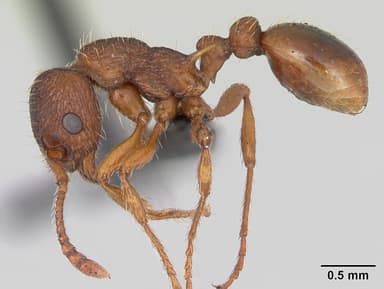
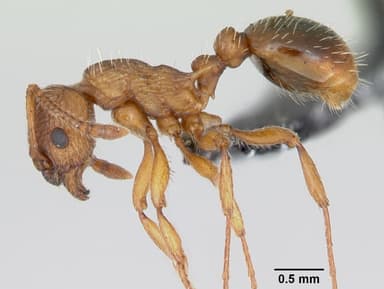
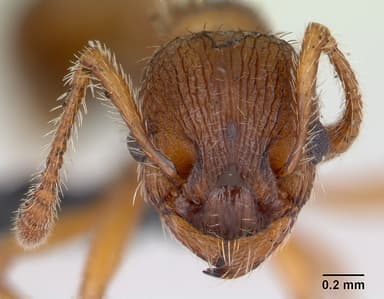
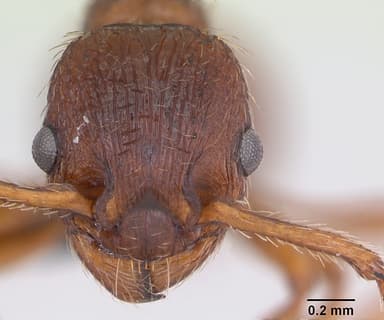
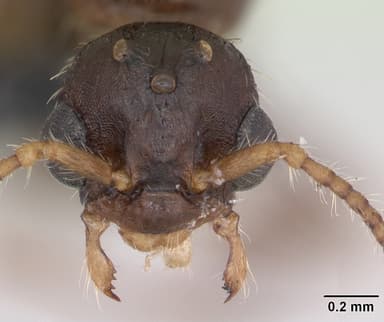
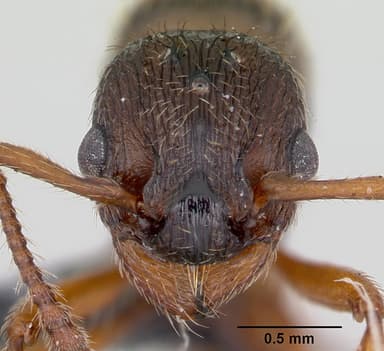
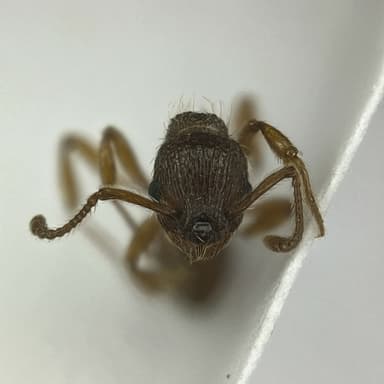
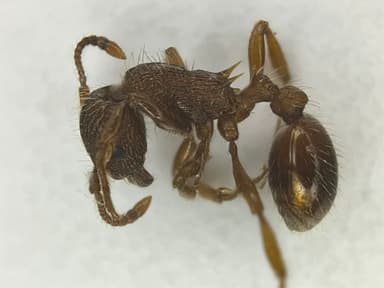
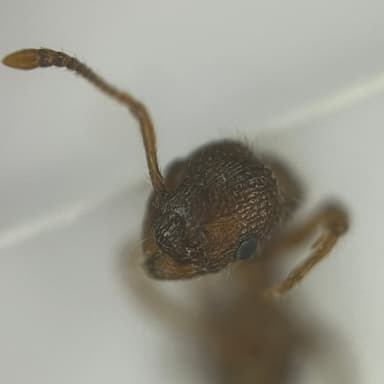
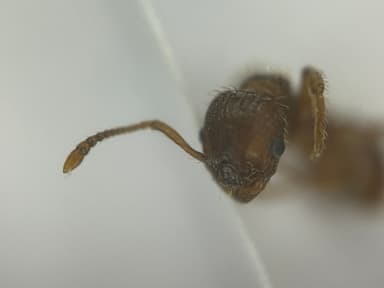
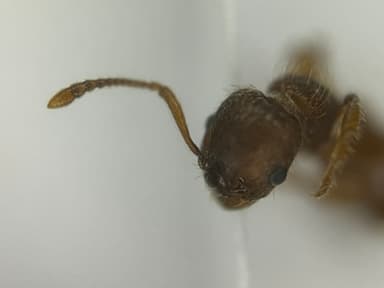
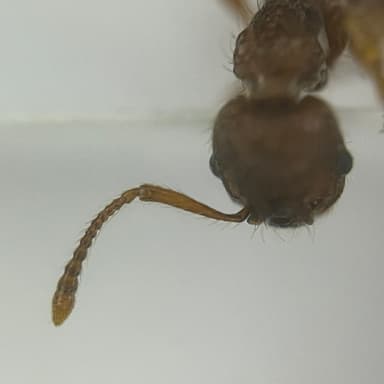
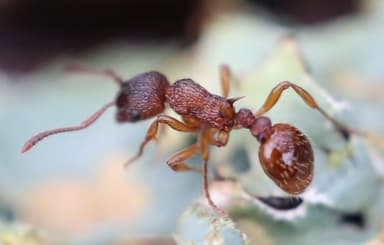
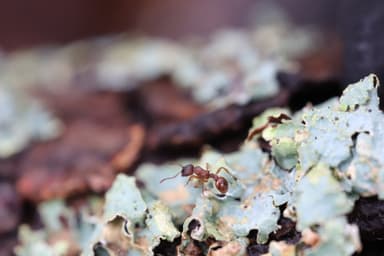
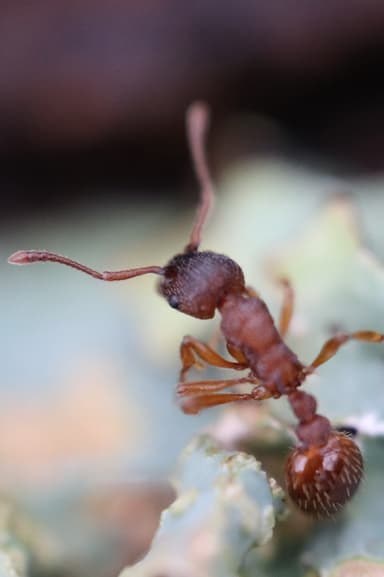
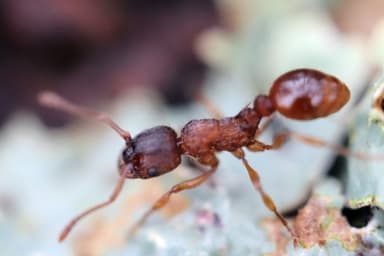
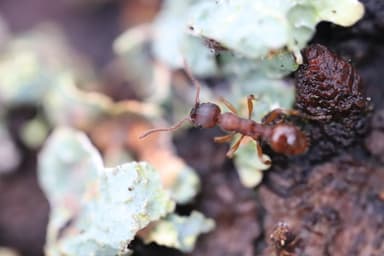
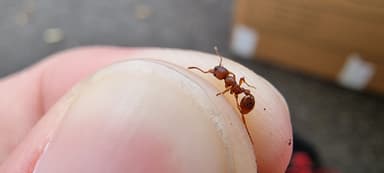
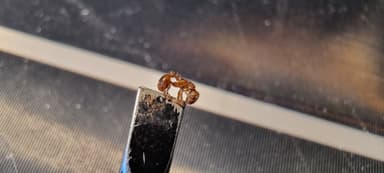
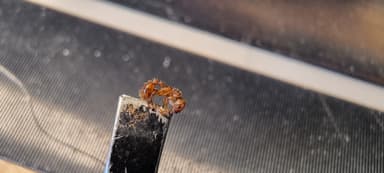
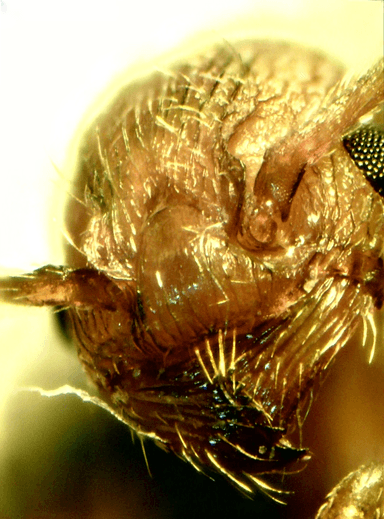
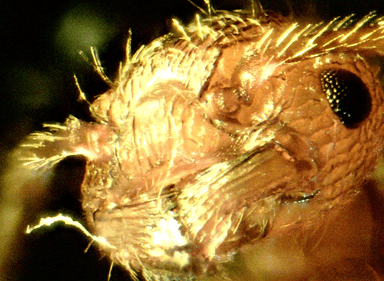
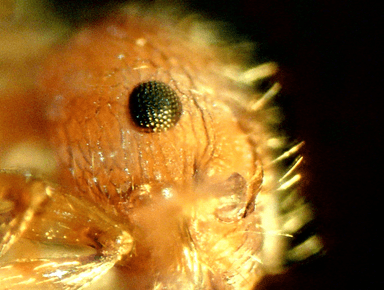
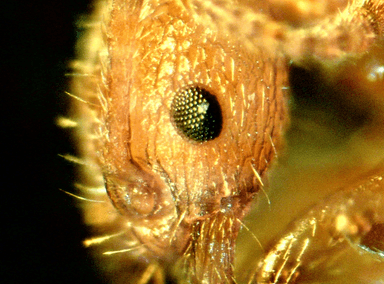
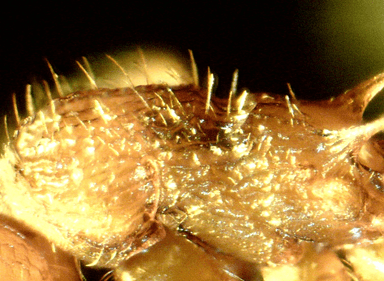
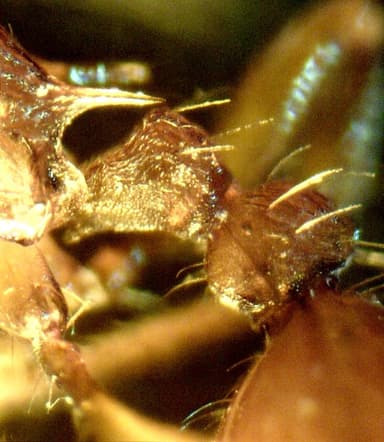
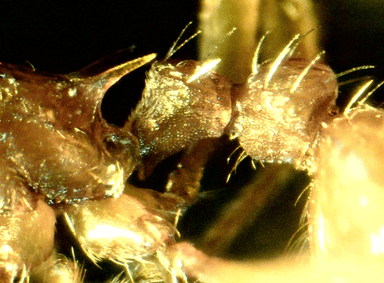
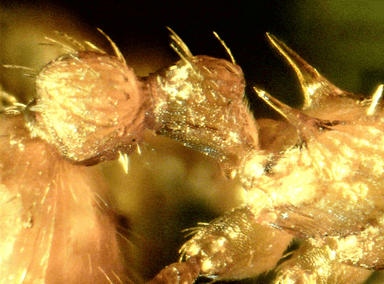
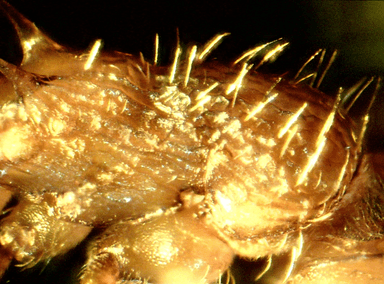
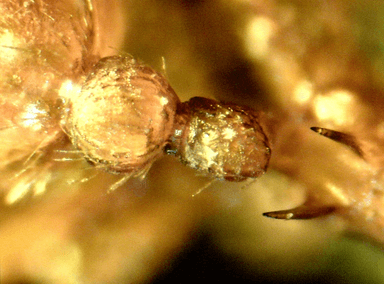
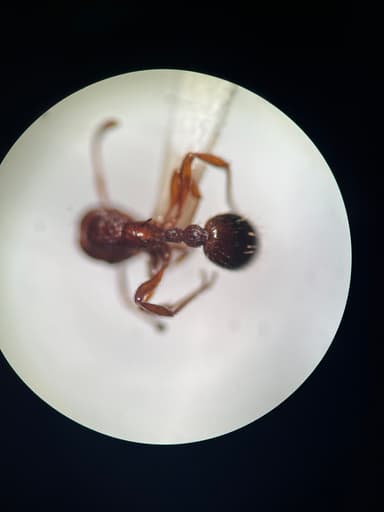
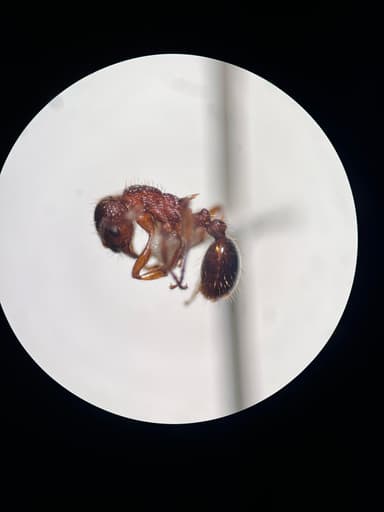
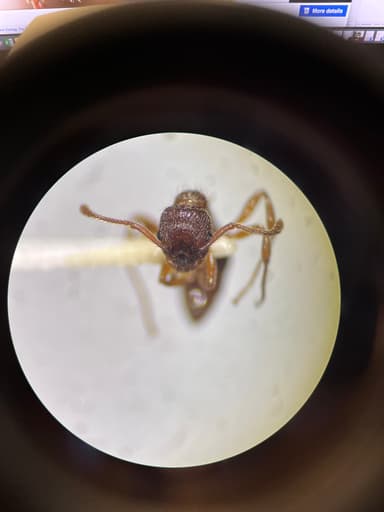
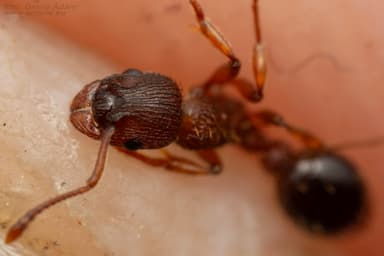
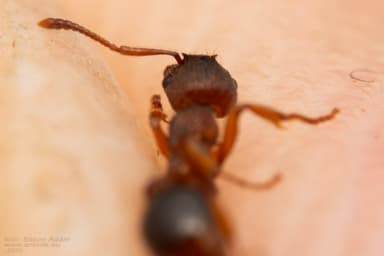
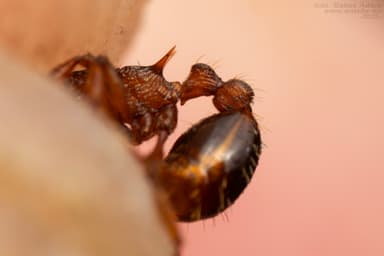
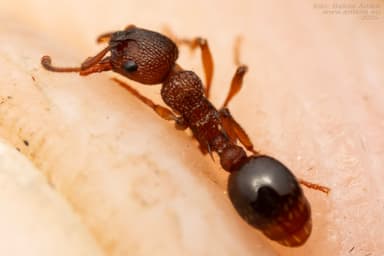
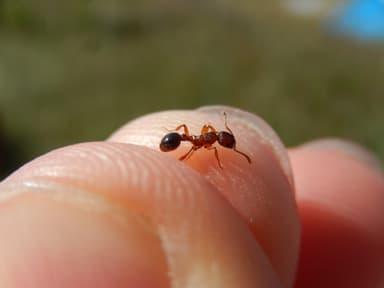
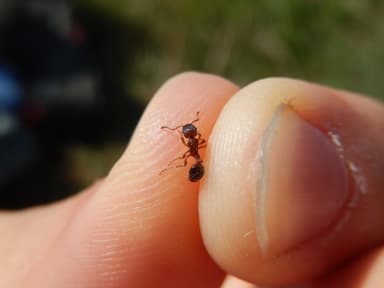
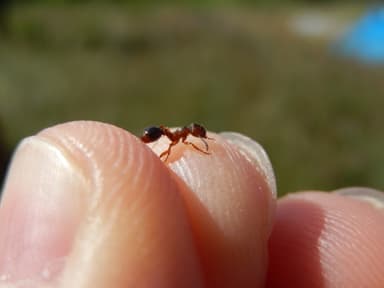
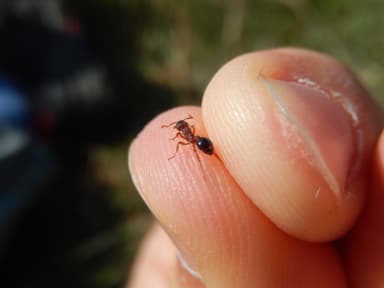
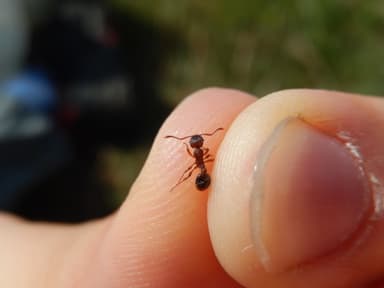
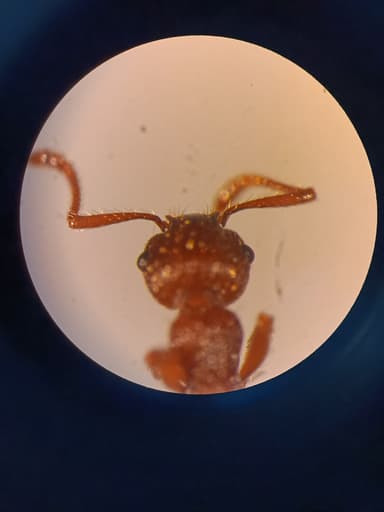
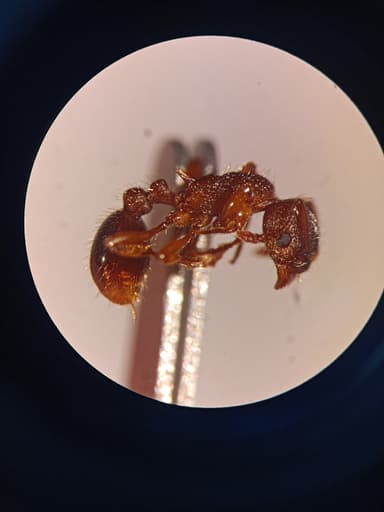
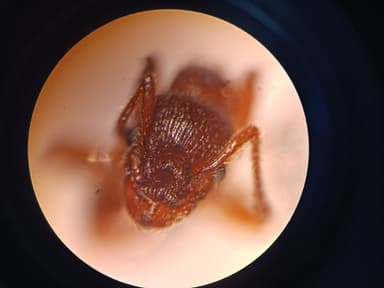
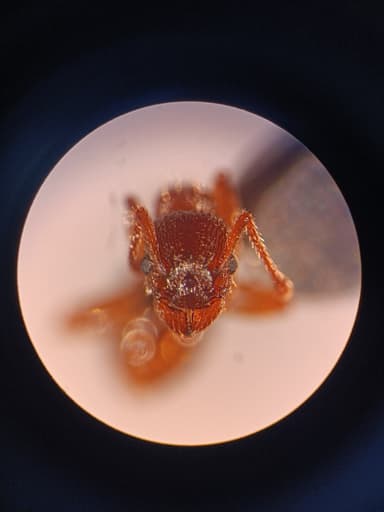
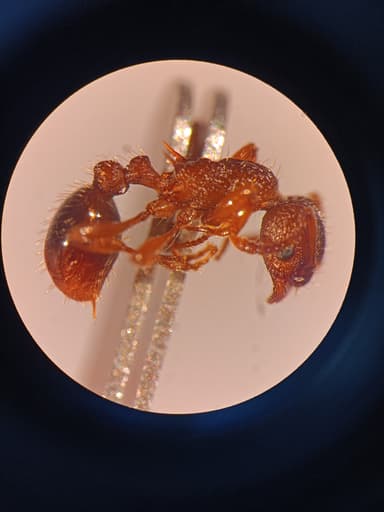
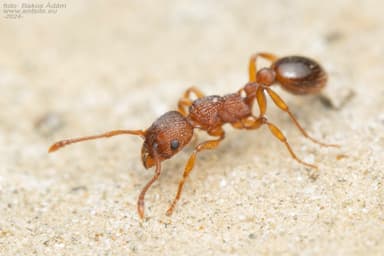
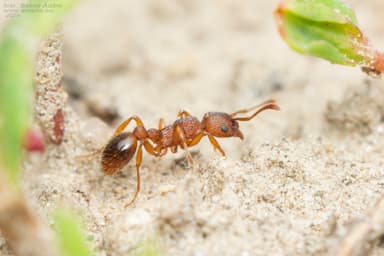
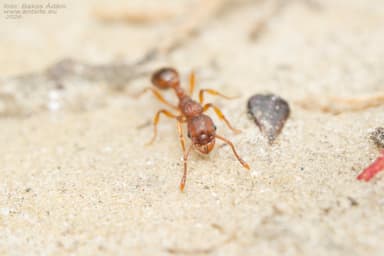
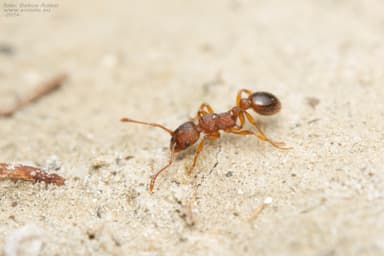
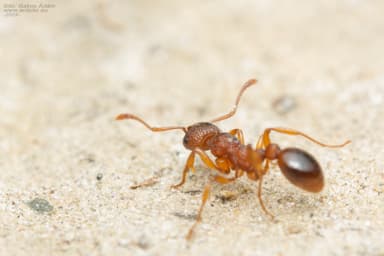
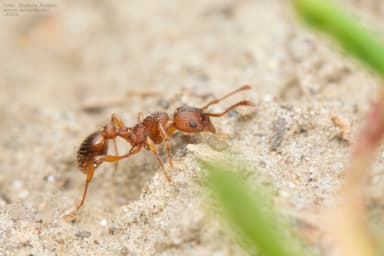
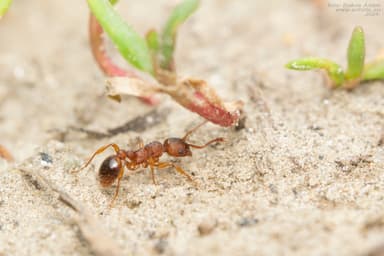
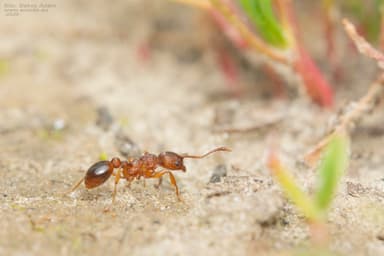
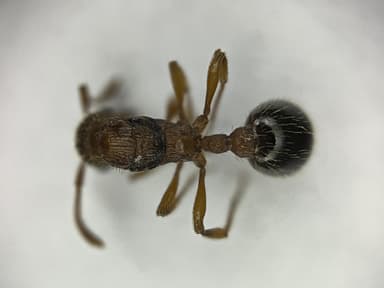
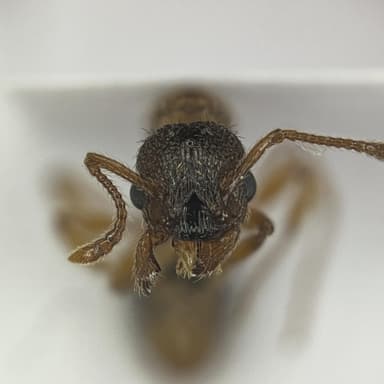
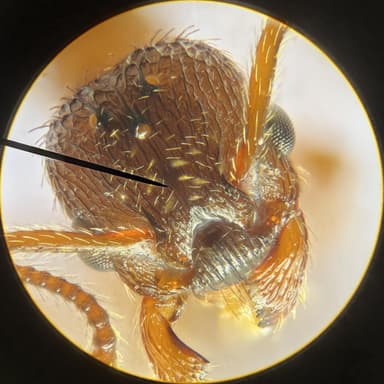
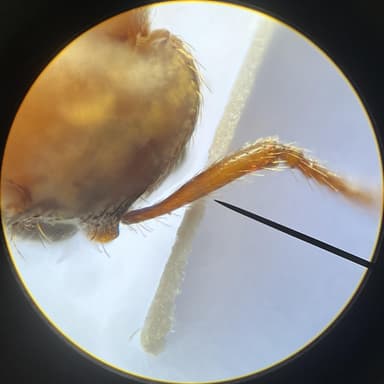
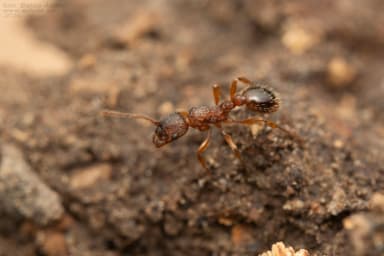
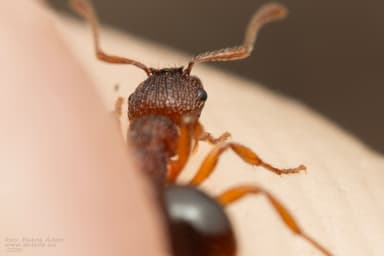
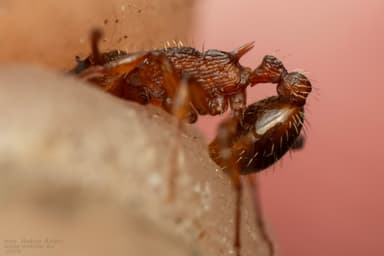
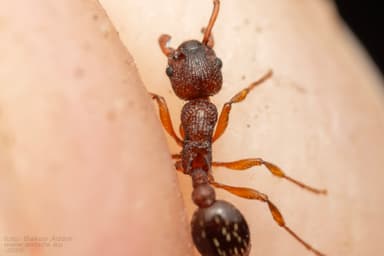
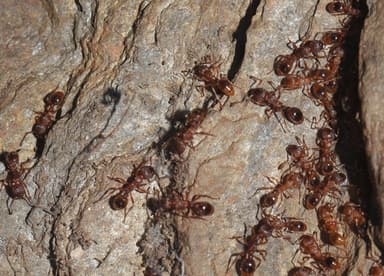
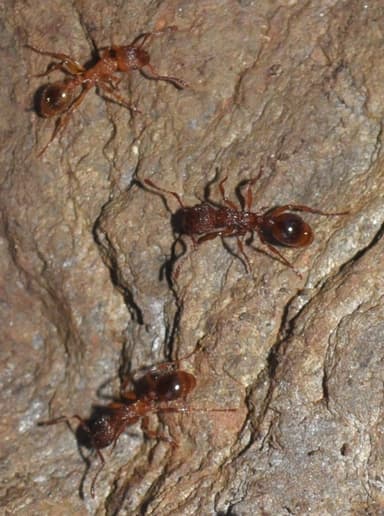
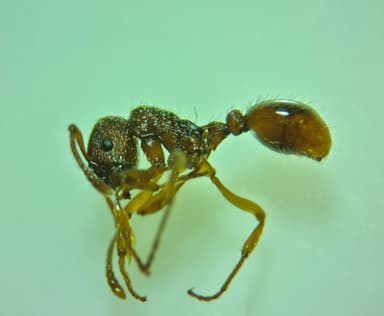
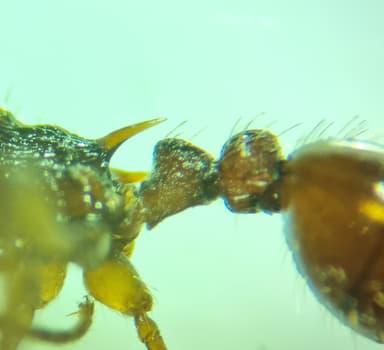
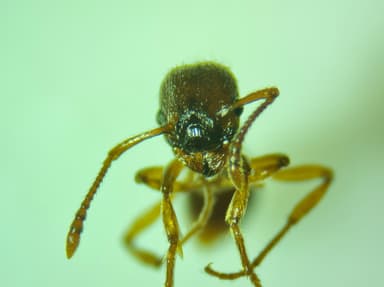
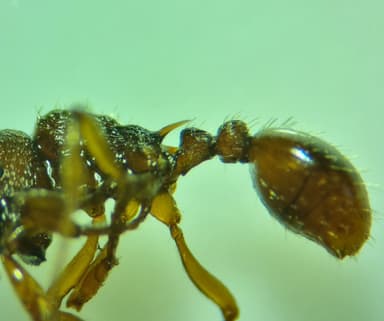
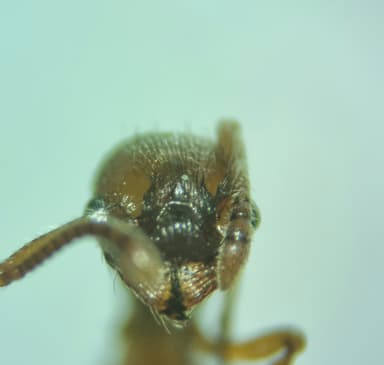
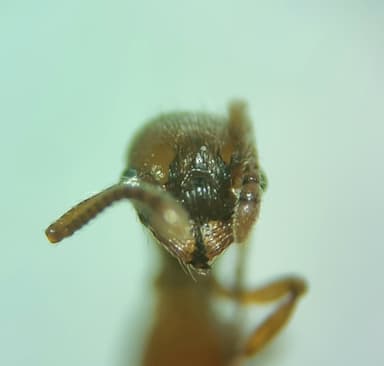
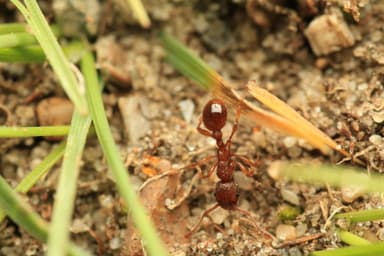
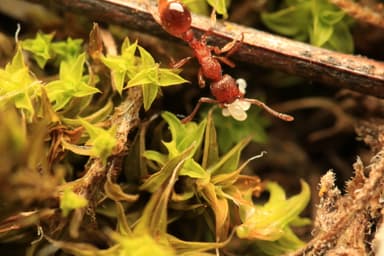
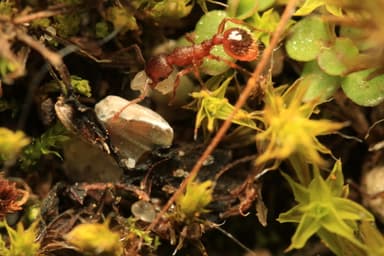
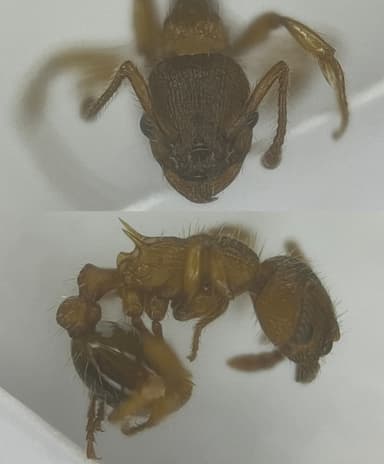
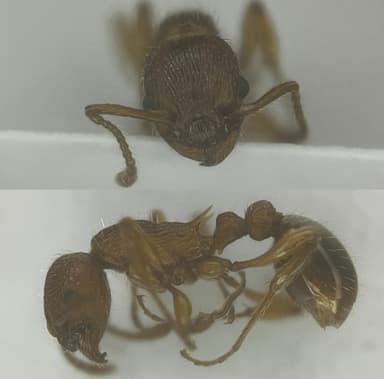
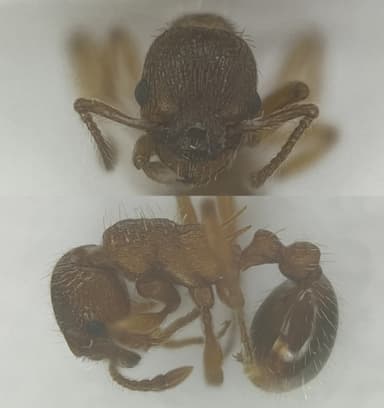
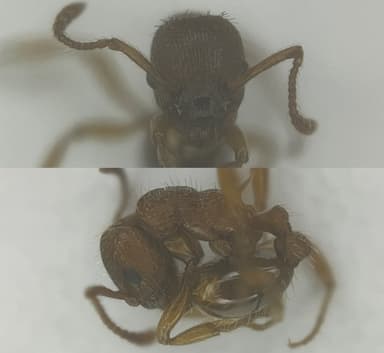
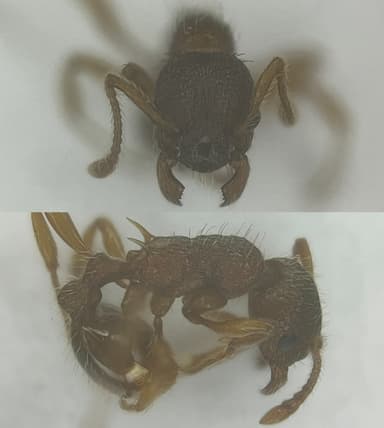
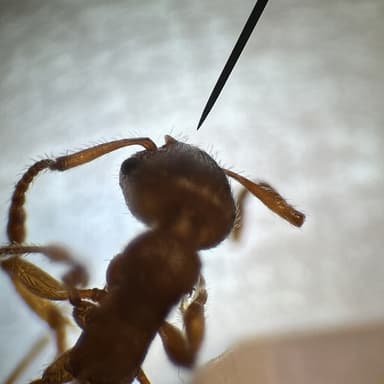
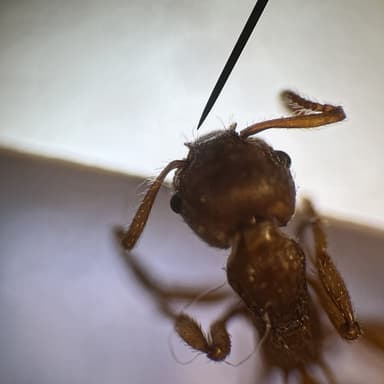
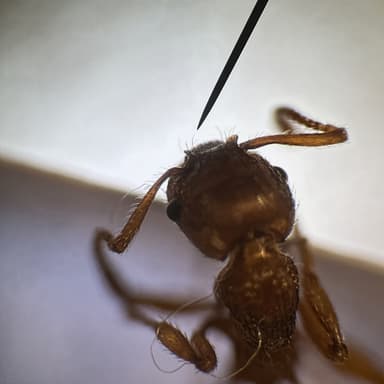
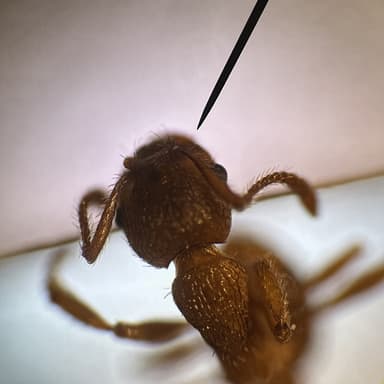
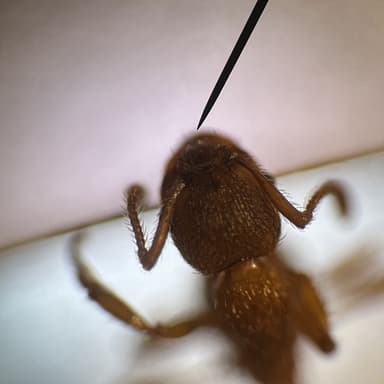
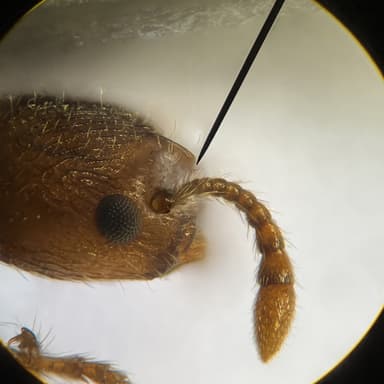
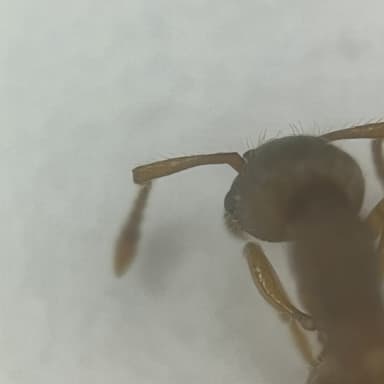
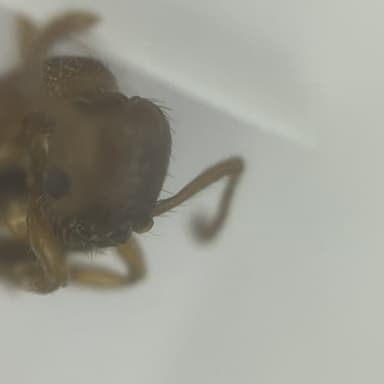
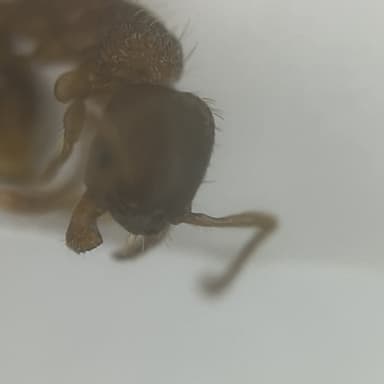
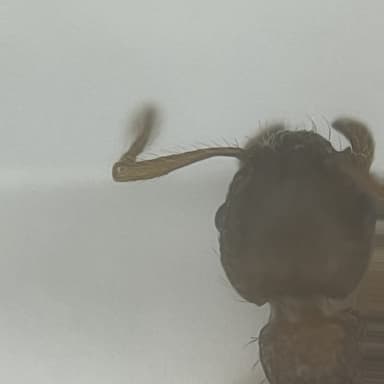
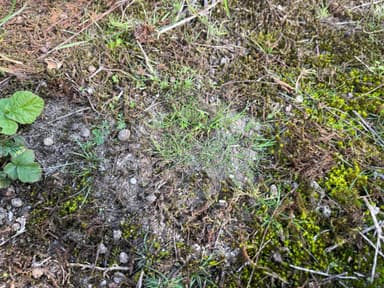
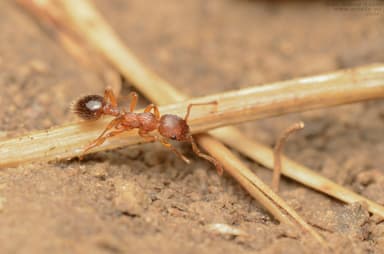
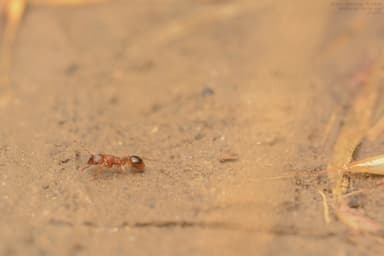
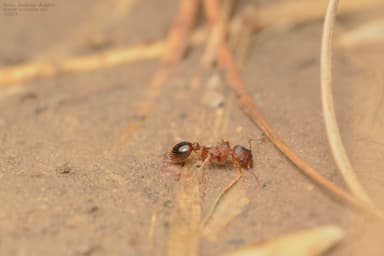
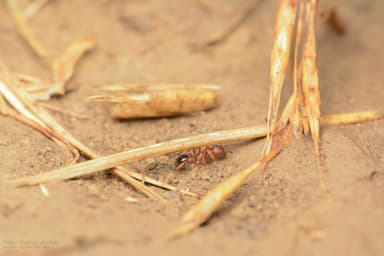
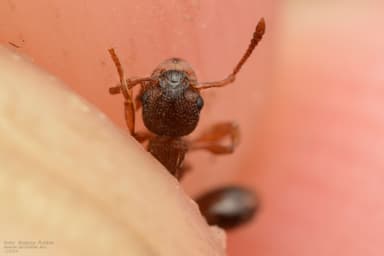
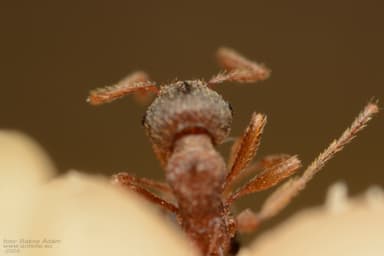
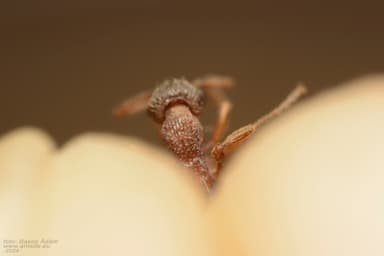
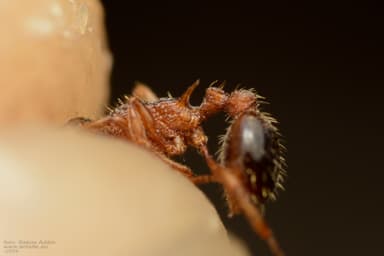
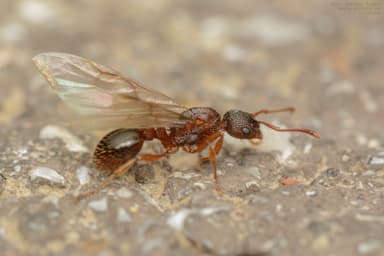
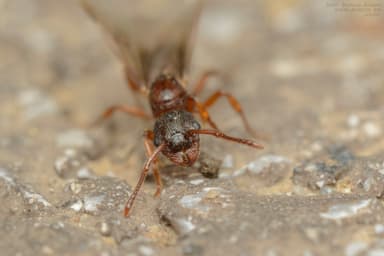
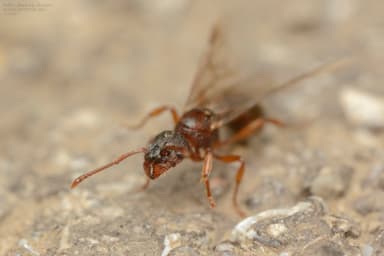
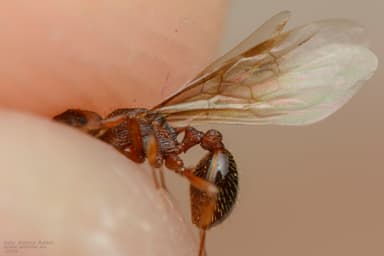
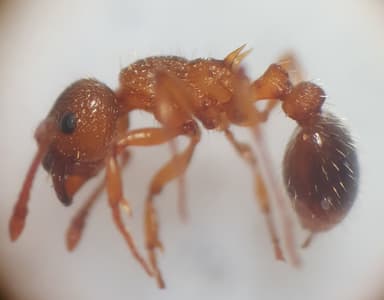
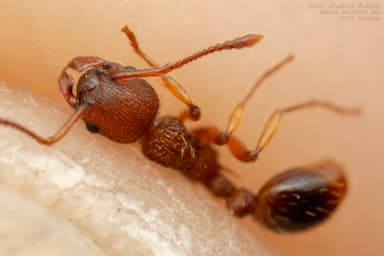
Myrmica specioides is a charming and robust ant species widely distributed across Europe, from the mild coastal regions of the west to the continental interior, thriving as far north as southern Scandinavia and south to the Mediterranean fringes. Queens measure a substantial 6 to 7.5 mm, with their workers trailing slightly smaller at 4 to 5.5 mm, all clad in the typical reddish-brown to amber hues of the genus, often with a darker, polished gaster. This is a strictly monomorphic species—no soldier or major castes—and colonies mature into modest but dynamic societies of up to around 2500 individuals. What makes M. specioides particularly captivating for the keeper is its confident, almost feisty temperament. Unlike some more timid relatives, foragers will actively confront prey or intruders, brandishing a well-developed sting that delivers a noticeable, though not medically significant, pinch. Their late-summer nuptial flights, occurring in warm, humid afternoons after rain across July to September, add a seasonal drama that many enthusiasts relish, and founding a colony from a newly mated queen offers a deeply rewarding glimpse into claustral colony genesis.
With an intermediate care difficulty rating, Myrmica specioides sits comfortably within the reach of keepers who have already mastered a hardy beginner species and are eager to embrace a few more demanding protocols. It is less forgiving than Lasius or Formica starters primarily because of its mandatory hibernation cycle and a certain talent for squeezing through tiny gaps. If you are confident managing temperature gradients, can commit to a three- to four-month winter cooling period, and have experience securing escape-prone ants, this species will reward you handsomely with fascinating, high-energy behavior. Beginners who are meticulous may still succeed, but the species truly shines under the eye of a hobbyist who understands that consistency in humidity and a strict winter schedule are non-negotiable.
Housing M. specioides calls for a nest that mimics the humid, thermally stable under-soil chambers they favor in the wild, which range from sandy heaths to open woodland edges. A plaster, ytong, or fired-clay nest block with a connected foraging arena works beautifully. Maintain a temperature gradient within the nest between 18°C and 26°C—a gentle heat mat placed against one side of the nest in cooler months achieves the upper end, while the cooler side allows retreat. Humidity is best kept between 50% and 70%, easily managed by regular light misting of a portion of the nest or by integrating a water tower. The substrate in their outworld can be a simple sand-loam mix, which they may rearrange into small mounds near the nest entrance, a delightful behavior to observe. Crucially, Myrmica are accomplished climbers; a smooth fluon or PTFE-coated barrier is essential, as even tiny lint specks can become bridges for a determined worker.
Diet must satisfy both aggressive protein-drive and their sweet tooth. Offer small to medium-sized insect prey at least twice a week—fruit flies, freshly killed mealworm segments, or small crickets—ensuring any uneaten remains are removed promptly to prevent mold. Carbohydrates should be provided via a small cotton wad soaked in sugar water, a dab of honey, or a commercial ant jelly, refreshed every few days. A permanent, clean water source, such as a test tube with a cotton plug, must always be available in the foraging arena. During brood-rearing peaks in spring and early summer, their protein needs spike noticeably, so watch for workers dragging larvae to prey items and adjust feed frequency upwards.
Hibernation is an absolute biological imperative for Myrmica specioides. Without a cold rest period of approximately three to four months at a steady 5°C, queens often cease egg-laying, and the colony may dwindle and perish. Begin the process as autumn light levels and ambient temperatures drop, gradually cooling the colony over two to three weeks—do not plunge them directly from 25°C to 5°C. A wine cooler, a dedicated fridge with a thermostat, or a very reliably cool basement can serve. During this period, the ants enter a torpid state; you may see only occasional twitching. Check moisture levels every couple of weeks to ensure the nest does not desiccate, but otherwise keep disturbances to a minimum, and you can safely bring them out of hibernation in late February or early March, reversing the gradual warming trend.
The first days after your colony arrives are a critical settling-in window. On unpacking, connect them to their prepared nest with a soft, dark tube and place a small drop of sugar water near the entrance; many stressed workers will re-energize rapidly. Avoid the temptation to feed heavy proteins for the first 24 hours—a queen fresh from transit needs calm, not the hustle of workers dismembering a cricket. Keep the nest covered and in a quiet, low-vibration spot, checking only briefly to confirm the queen is alive, moving smoothly, and ideally already surrounded by a cluster of workers and brood. In these initial hours, watch for telltale signs of distress: a queen frantically running alone, workers dragging dead nestmates, or refusal to enter the nest. Provided your temperature and humidity are within the recommended ranges, a healthy colony will often settle within a day, and by the second morning you can offer a small pre-killed fruit fly, observing the workers’ eager acceptance as a signal that all is well.