Formica
Formica subaenescens
Nuptial Flight Calendar
Flight months: Jul, Aug
Care Guide
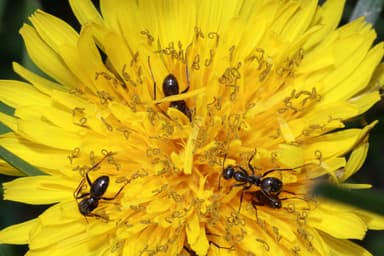
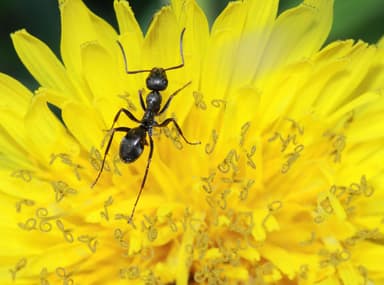
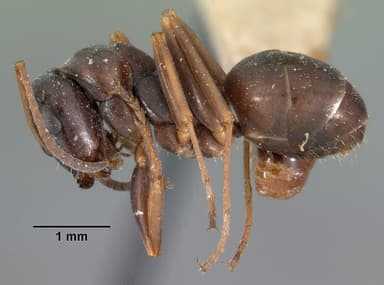
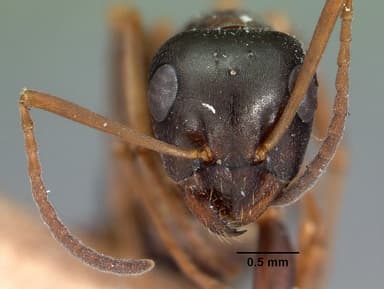
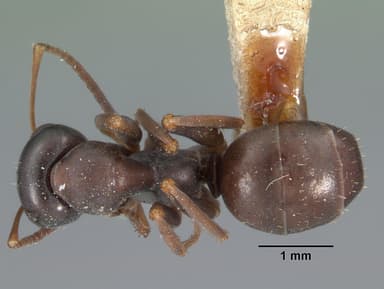
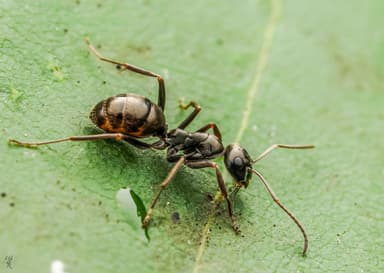
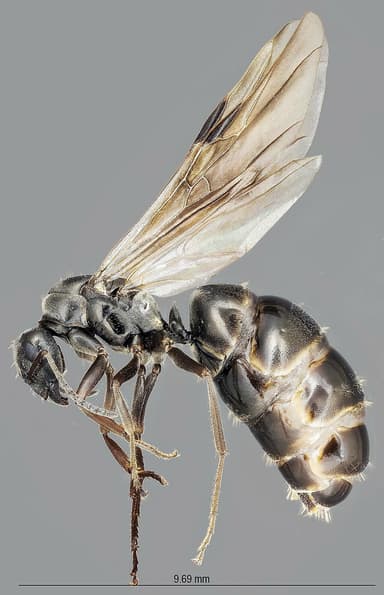
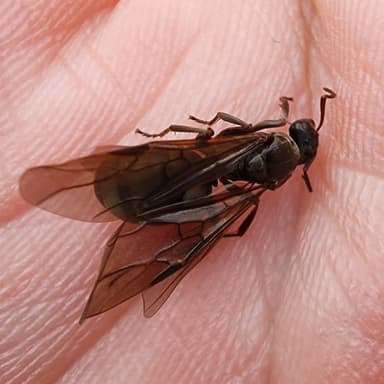
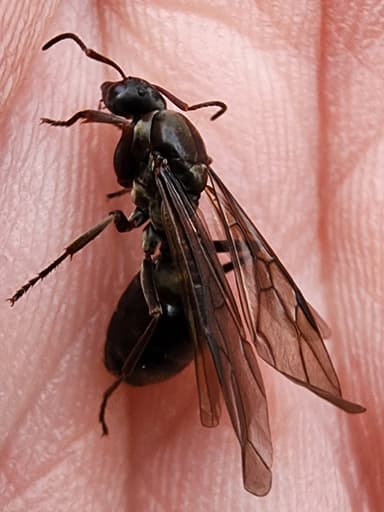
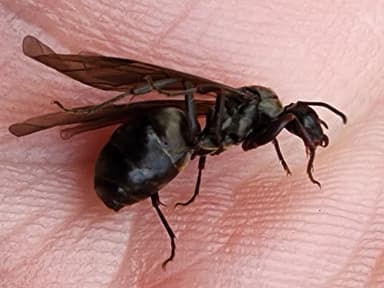
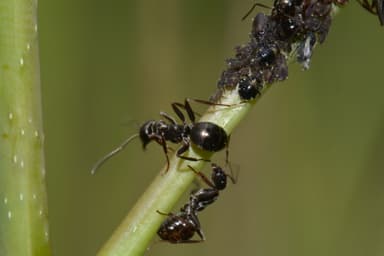
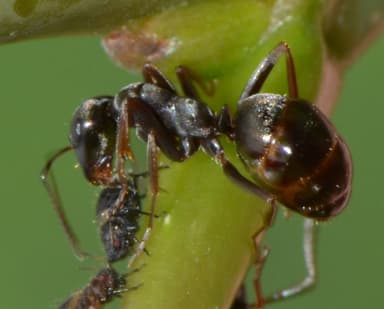
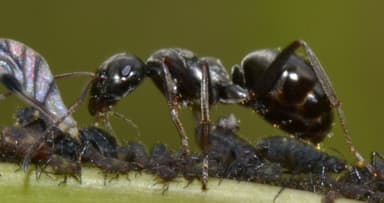
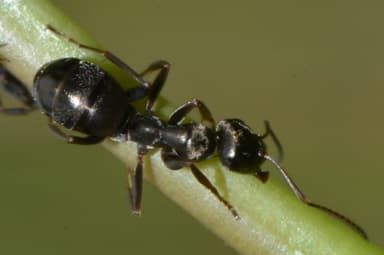
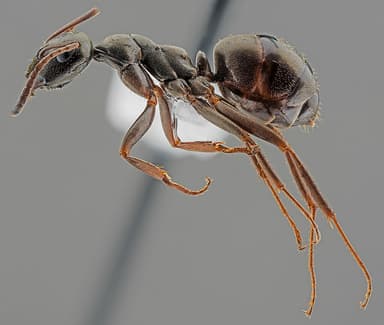
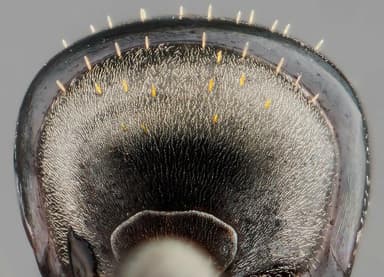
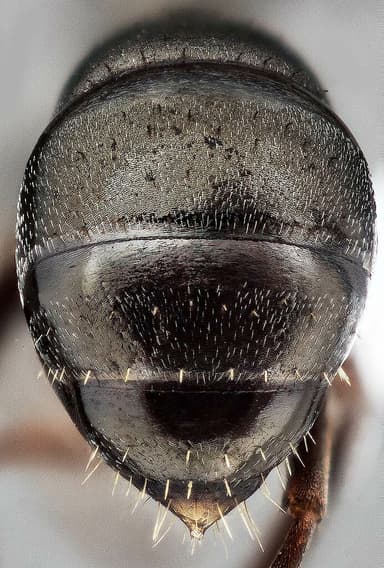
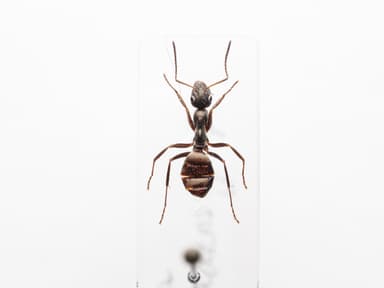
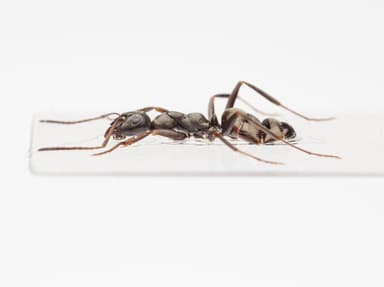
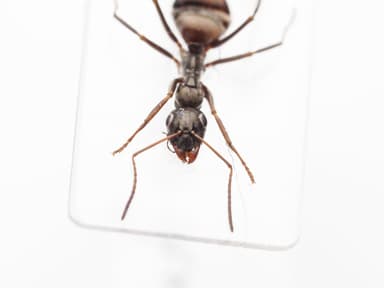
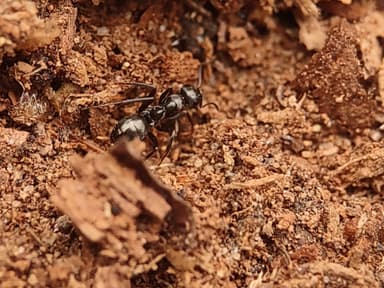
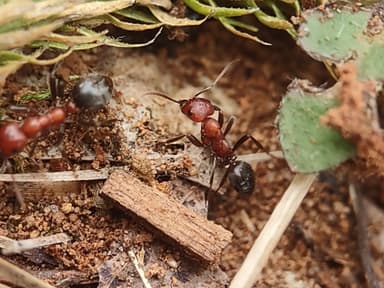
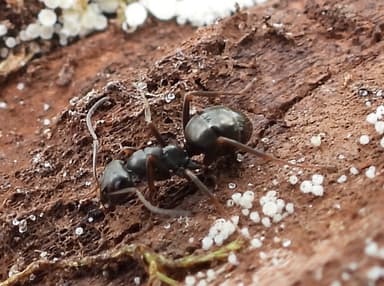
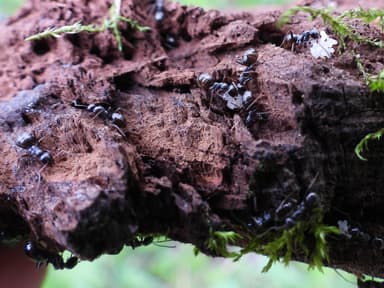
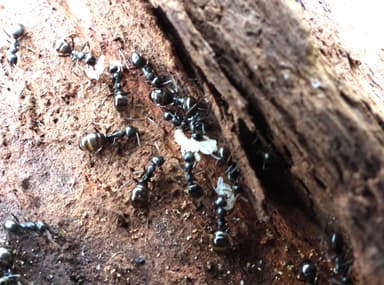
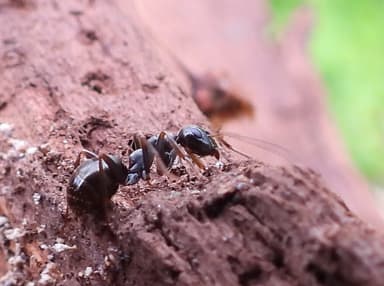
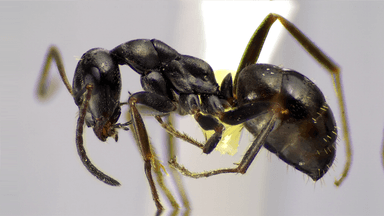
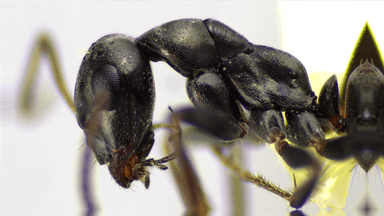
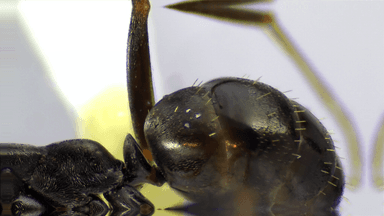
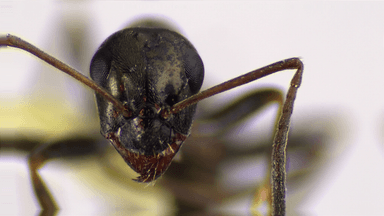
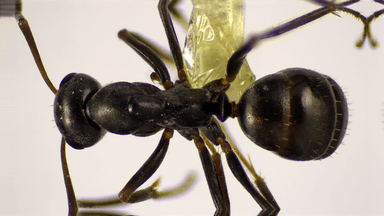
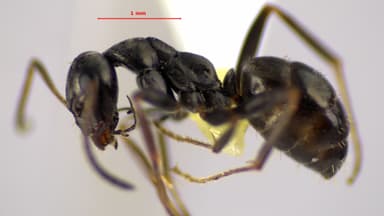
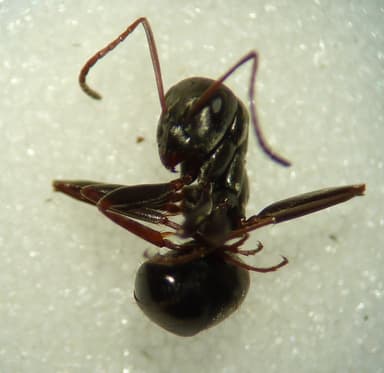
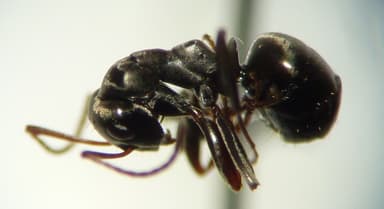
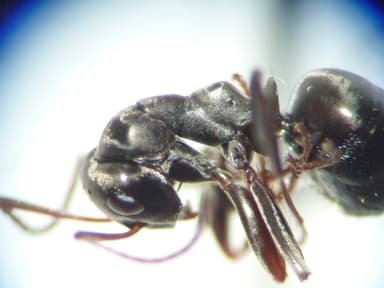
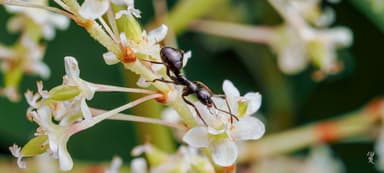
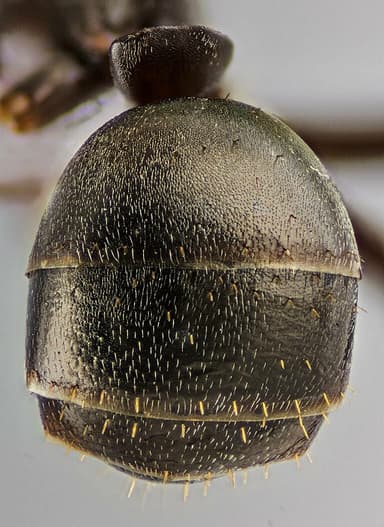
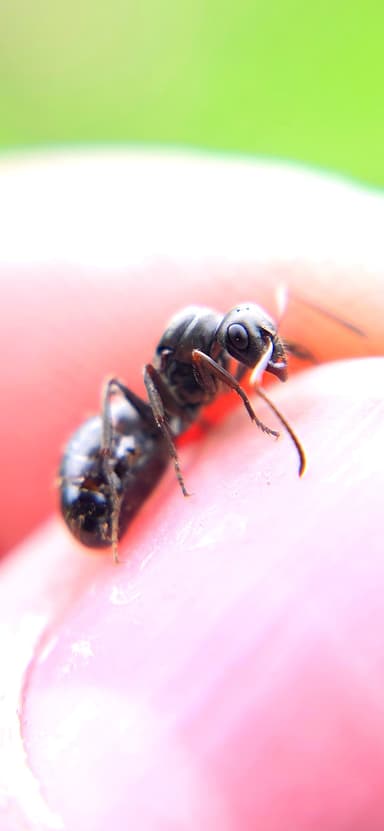
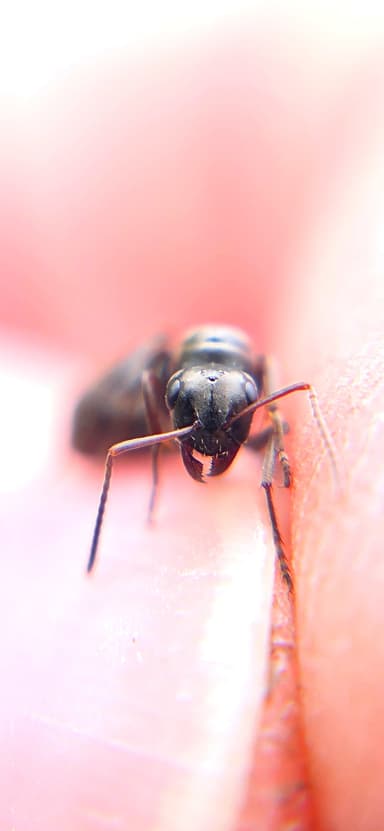
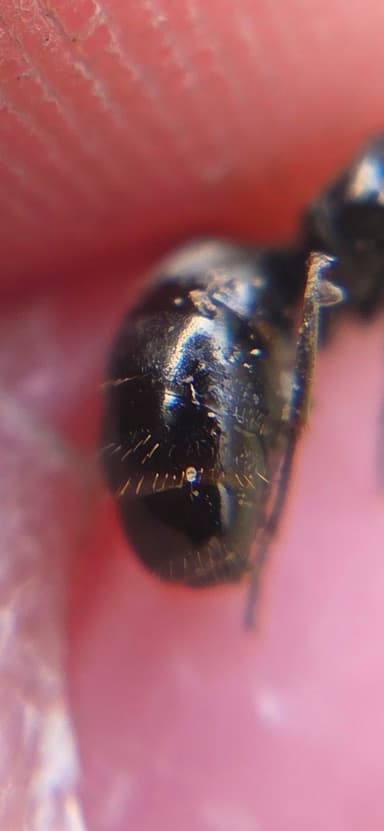
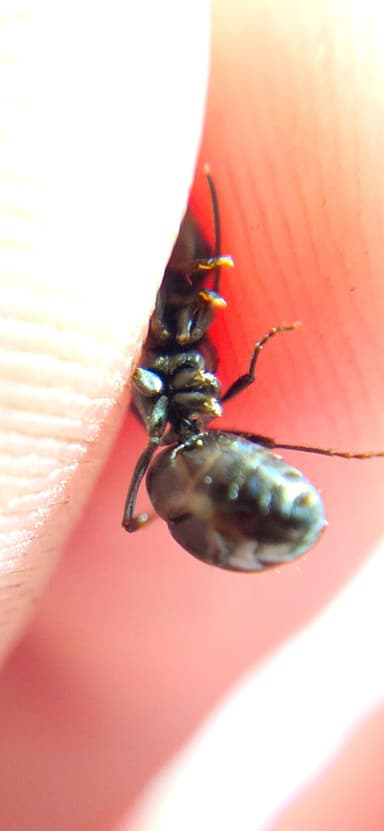
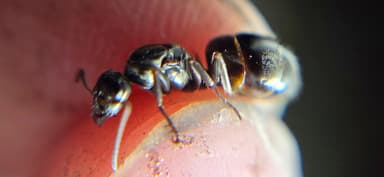
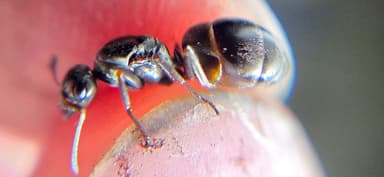
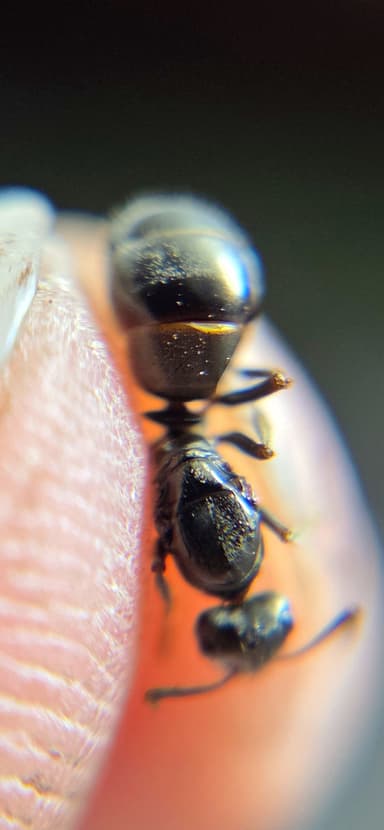
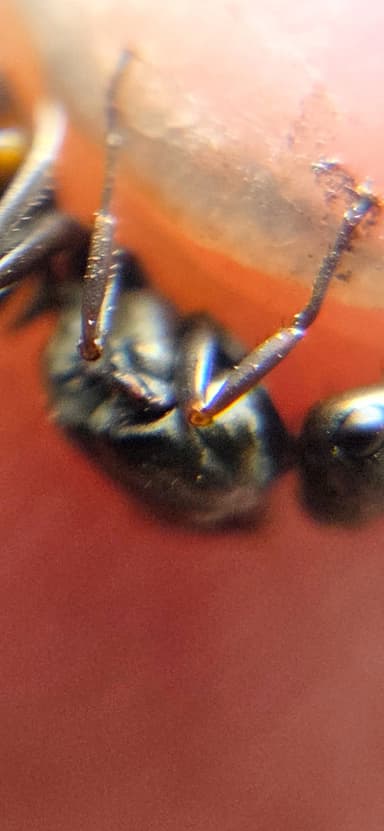
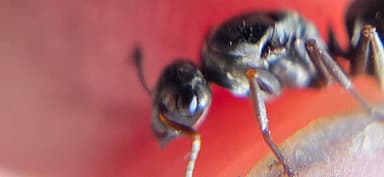
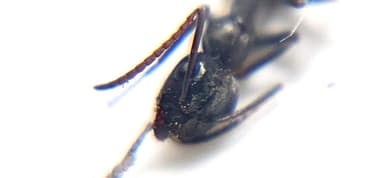
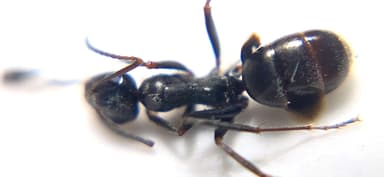
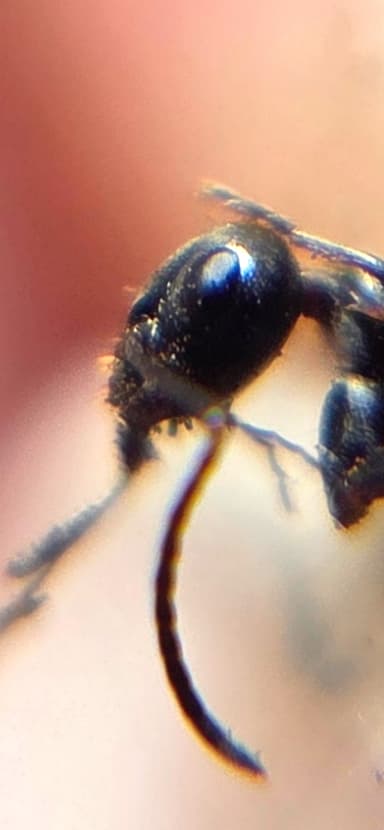
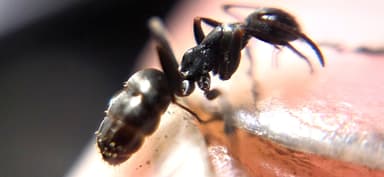
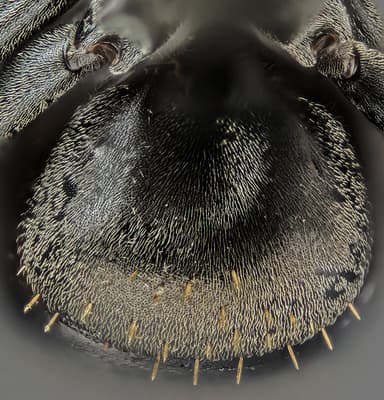
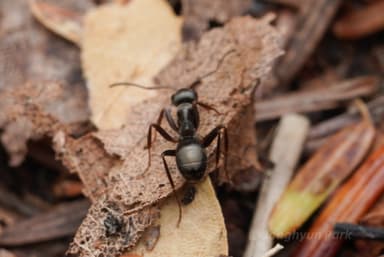
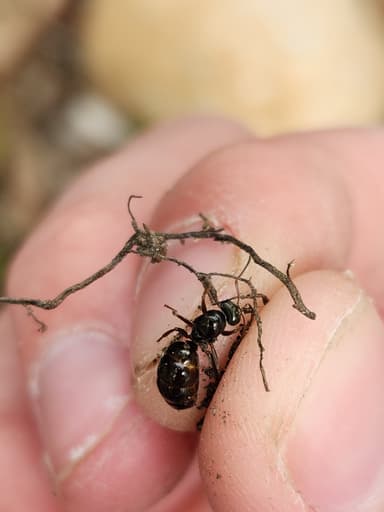
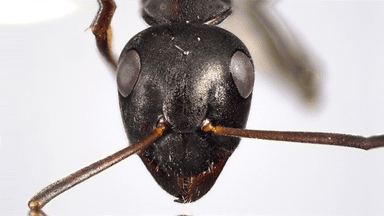
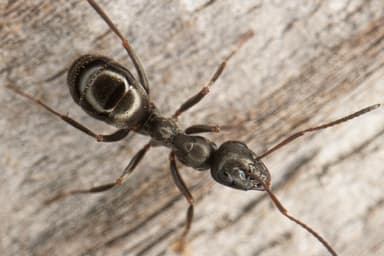
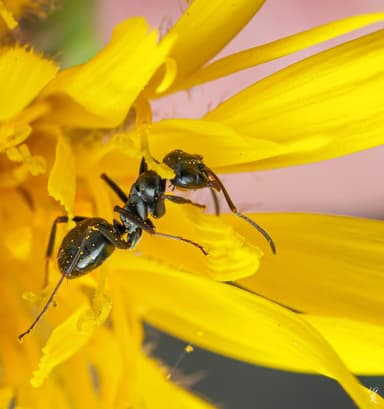
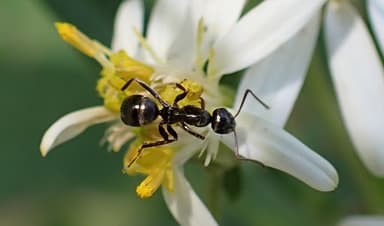
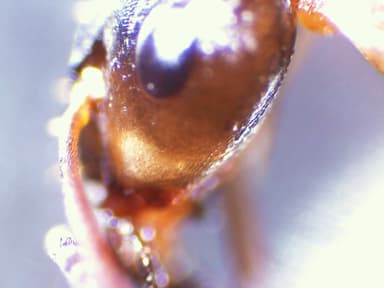
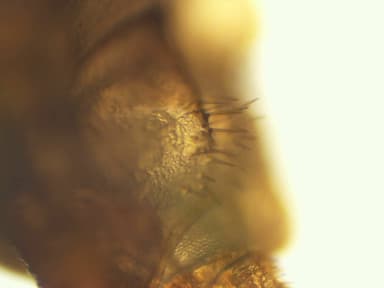
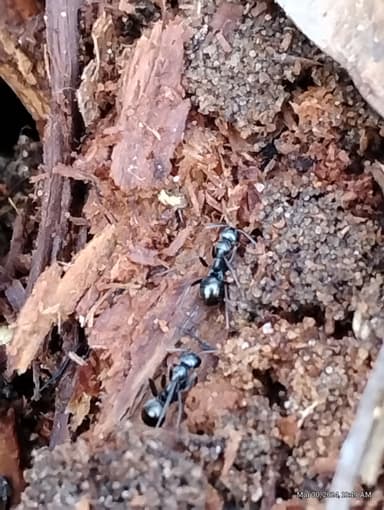
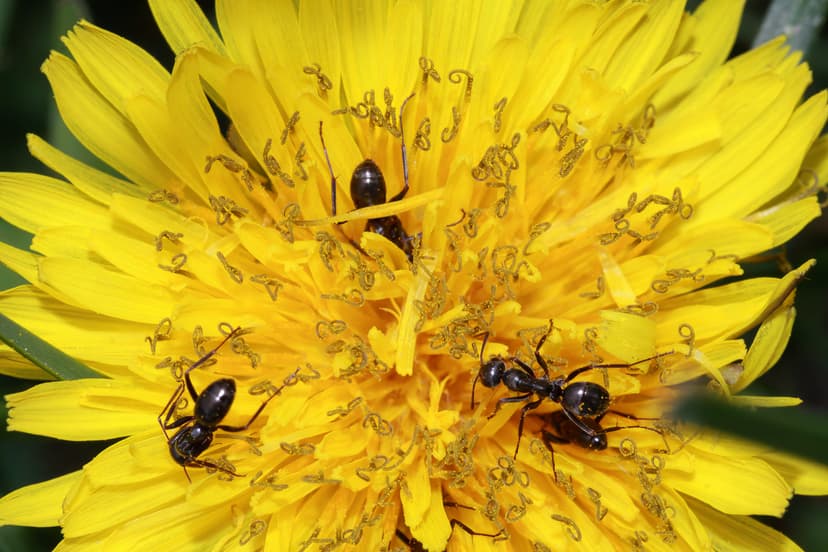
Formica subaenescens is a glossy, medium-sized ant belonging to the widespread fusca group, a lineage known for its adaptable, fast-growing colonies. Queens measure a sturdy 8–10 mm, while workers display a modest but meaningful degree of polymorphism, with minor and major workers spanning 4–7 mm. This two-tier caste system is a highlight for keepers accustomed to the uniform size of many beginner species, and majors develop subtle but noticeable differences in head width and mandibular muscle, hinting at the colony’s division of labour even in modest colonies. Mature nests can exceed 10,000 individuals, as noted by Mackay & Mackay (2002) in their survey of New Mexico ants. In the wild, F. subaenescens ranges from the Pacific coastal forests up to southern British Columbia, south into the mountains of Mexico, and east roughly to the Great Plains, as mapped by Francoeur’s (1973) taxonomic revision. Their claustral founding strategy means a queen requires nothing more than her own internal reserves to rear her first workers, a forgiving trait for new colonies. Nuptial flights occur in July and August, typically on warm, sunny afternoons following rain, although records are sparse—Francoeur’s work makes clear that the species is often misidentified, and flight observations remain anecdotal.
This species suits the intermediate keeper who has already succeeded with hardier ants and wants a more active, fast-growing colony with visible polymorphism. The care difficulty rating reflects specific environmental needs rather than fragility: they demand a structured hibernation and consistent humidity gradients that can challenge a casual setup. Beginners who may neglect annual cooling or struggle to maintain a stable 40–60% humidity range will likely see brood die-off or restless, stressed workers. However, for the dedicated hobbyist, F. subaenescens rewards care with relentless foraging columns, rapid brood development when temperatures are correct, and a queen that can lay hundreds of eggs per week during peak season. The colony’s large eventual size also means the keeper must plan ahead for expansion, moving them from founding tube to a spacious formicarium well before worker numbers become cramped.
Housing must mimic the cool, lightly humid microsites this species favours in rotting logs and under stones. A multi-chamber grout, ytong, or sand-clay nest works best, with one end kept slightly damp to offer a humidity gradient from roughly 40% to 60%. The entire nest should not be waterlogged; stagnant moisture invites mites and fungus. Temperature is ideally maintained between 20°C and 28°C, with most keepers opting for a 24–26°C warm spot to accelerate brood growth, while leaving a cooler retreat area. Because workers readily chew through softer materials, any nest containing foam or thin plastic should be inspected regularly. A foraging arena with a substrate of fine sand or coco fibre allows them to express their natural digging and waste-management behaviours, though they rarely excavate deeply in captivity. Escape-proof barriers are essential; these agile ants can scale most untreated surfaces, so a fluon or talc-rubbed rim is mandatory.
Diet should be varied and offered on a regular schedule. As generalist predators and scavengers, they relish freshly killed insects—fruit flies for fresh colonies, graduating to chopped mealworms, crickets, and later whole small roaches as the worker force grows. Feed protein two to three times a week, removing uneaten prey before it moulds. Carbohydrates are equally important; a small droplet of sugar water, diluted honey, or maple syrup on a feeding tray sustains adult workers and the queen. Always provide a clean water source, either through a permanently filled test tube setup or a dedicated water feeder, as dry colonies quickly suffer. Foragers will become extremely bold once they establish a trail, so place food in a designated area to keep the nest tidy.
A true winter hibernation is non-negotiable for colony health. In their native range, these ants experience months of near-freezing temperatures, and the queen’s reproductive cycle synchronises with this rest. After the last generous feedings of late autumn, move the colony into a cold space—a wine cooler, dedicated fridge, or unheated basement that holds a steady 5°C is ideal. The hibernation period should last 3–5 months, with a gradual reduction in daylight and temperature over a few weeks rather than a sudden plunge. A small water source must remain available, but protein and sugar are not needed during diapause. When spring arrives, warm them slowly to room temperature, and the queen will commence laying again within days.
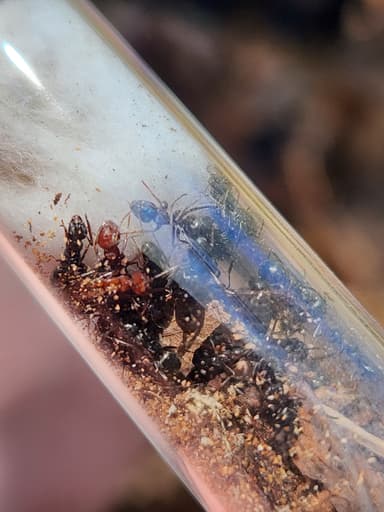
The first days after receiving a founding queen or a small colony demand patience and a light touch. Unpack the tube gently and place it in a dark, vibration-free location, as stressed ants may abandon brood or fail to settle. Immediately provide a tiny drop of sugar water at the tube entrance, but do not disturb the queen to do so; let foragers discover it on their own. Wait at least 24–48 hours before offering a pre-killed fruit fly or pinhead cricket. Most crucial is resisting the urge to connect a proper formicarium until the colony has 50 or more workers—an oversized nest early on leads to waste accumulation and failed temperature regulation. Watch for the queen moving comfortably with her brood pile and workers feeding her via trophallaxis; these signs indicate a successful transition. With steady conditions and a minimalistic early approach, F. subaenescens will soon transform from a timid single queen into a bustling, endlessly watchable microcosm.