Polyrhachis
Polyrhachis armata
Care Guide
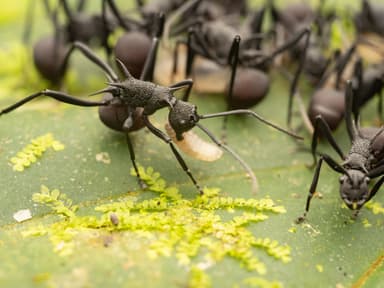
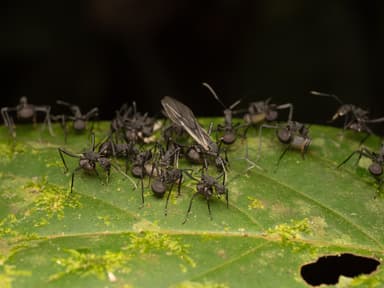
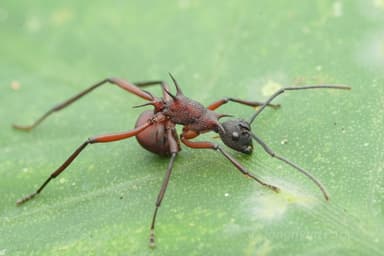
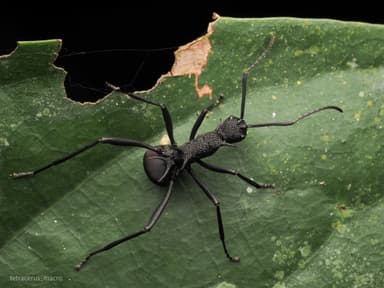
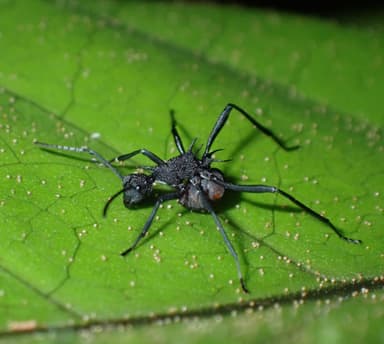
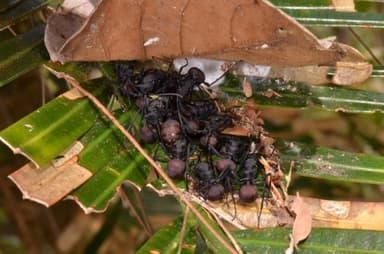
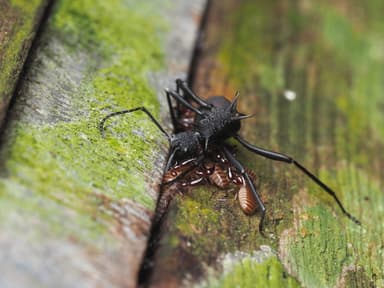
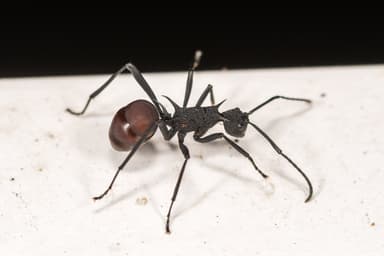
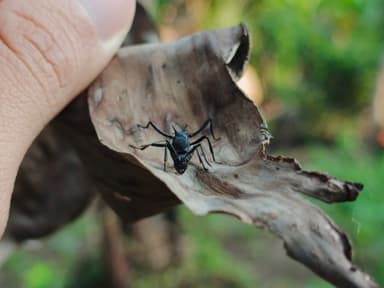
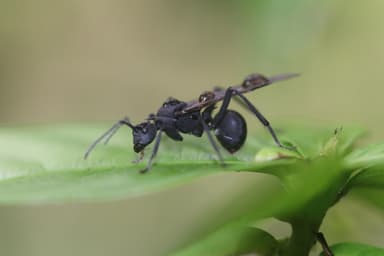
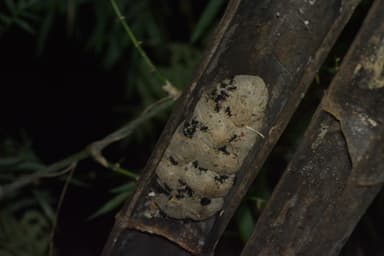
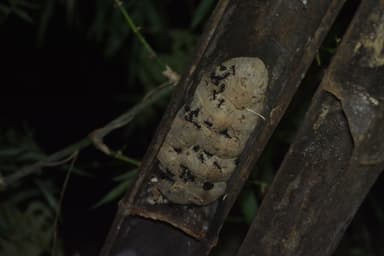
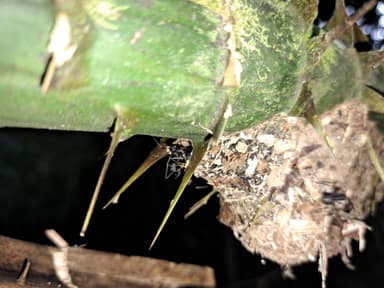
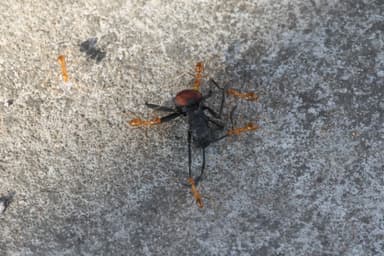
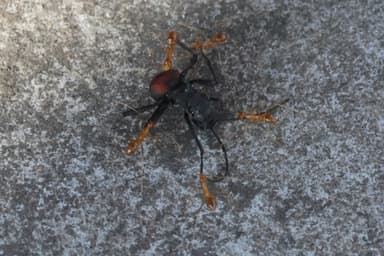
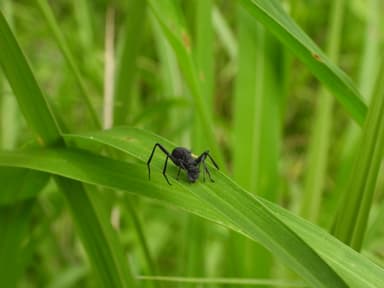
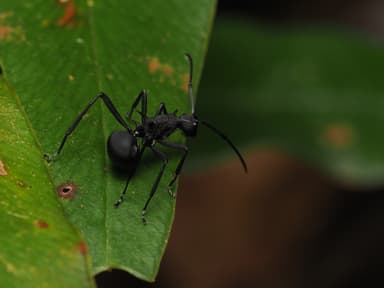
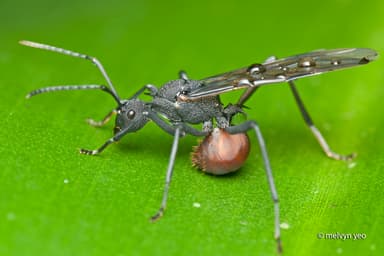
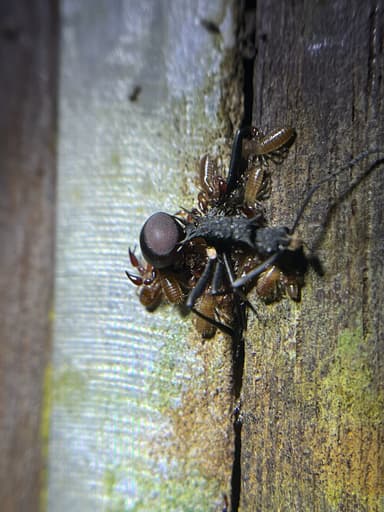
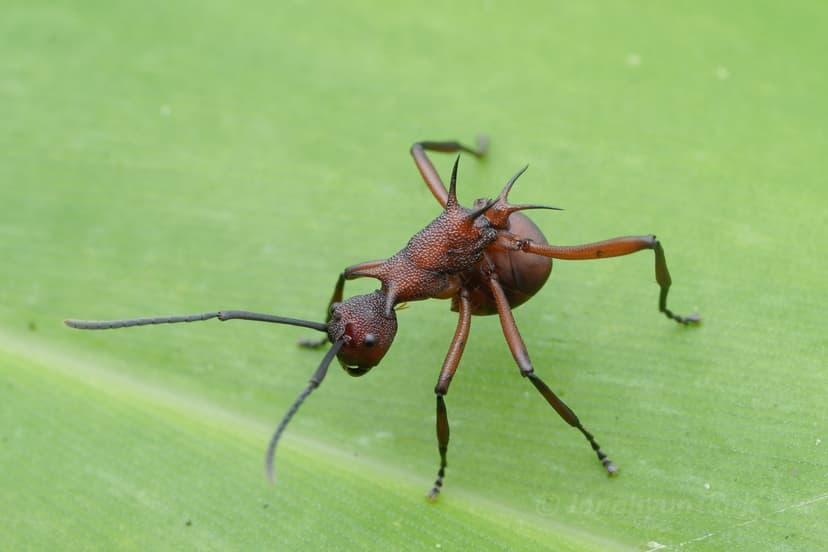
Polyrhachis armata is a visually striking ant species that commands attention with its jet-black body and contrasting golden-tipped gaster, a beautiful combination that has earned it the common name “golden spiny ant.” True to its species name armata (meaning “armed”), each worker is equipped with a pair of formidable, forward-curving spines on the thorax, used for defense against predators. The queen, measuring 12–14 mm, is significantly larger than the workers (7–9 mm) and founds her colony semi-claustraly, meaning she must continue to forage for food during the early stages of colony development. Colonies typically reach a modest size of 300 to 2,000 individuals, large enough to be impressive yet manageable for an intermediate keeper. These ants are excellent climbers and will readily use vertical space; in the wild they often nest in pre-existing cavities such as hollow twigs or curled leaves, sometimes reinforcing their chambers with larval silk. Their active, diurnal foraging behavior makes them a delight to observe, and their striking appearance is a constant reminder of the remarkable diversity within the ant world.
Care difficulty
Keeping Polyrhachis armata is suited for intermediate ant keepers who already have some experience with founding queens, particularly semi-claustral species. Because the queen must hunt for protein herself before the first workers appear, she requires a steady supply of small insects and sugar water during the founding phase. Once the colony grows, main difficulty lies in providing stable humidity and temperature within the recommended range. These ants are sensitive to desiccation, so consistent moisture is essential. They do not require hibernation, which simplifies year-round care, but their need for live insects demands a reliable food source. Overall, the care is rewarding for those ready to meet the species’ specific environmental and dietary needs.
Housing
A formicarium for Polyrhachis armata should offer ample climbing surfaces, as these ants thrive in vertical setups with branches, cork bark, or artificial vines. The nest itself can be a classic acrylic or ytong formicarium with multiple chambers, but for a more naturalistic approach, a hollow cork log or a twig-filled cavity works beautifully. Maintain a temperature gradient between 24–28°C, and keep the nest area humid at 70–80% by regularly moistening the substrate or using a hydration system. The outworld should be escape-proof, as these ants are excellent climbers and may escape through small gaps. A thin layer of fluon or mineral oil around the edges prevents escapes. Provide a water source (a test tube or small dish with cotton) and a feeding area for sugar water and insects. Avoid frequent disturbances; while not as fragile as some species, they appreciate peace and quiet, especially during colony growth.
First days after purchase
Upon receiving your Polyrhachis armata colony, transfer them gently into the prepared formicarium and place it in a calm, dimly lit location. Allow the ants at least 24–48 hours to acclimatize without disturbing them. During this period, ensure they have access to a small drop of sugar water and a few tiny insects (e.g., crushed fruit fly or a piece of mealworm) near the nest entrance. For a semi-claustral queen, check daily that she is still alive and foraging, but do not open the nest unless necessary. If the colony is already established with workers, provide a steady supply of food and water, but avoid rearranging the setup. Watch for signs of stress such as clustering or refusal to enter the nest. With patience and proper conditions, your Polyrhachis armata will soon settle in and reveal the elegant, spiny beauty that makes this species a true gem of ant keeping.