Monomorium
Monomorium pharaonis
Care Guide
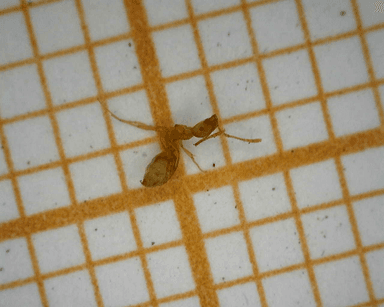
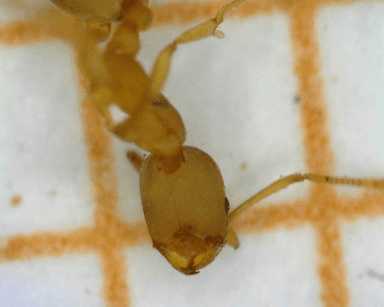
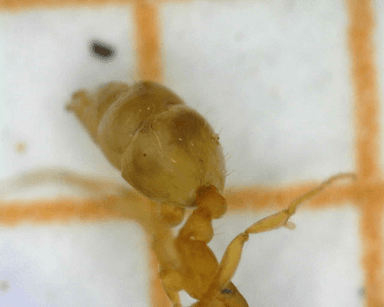
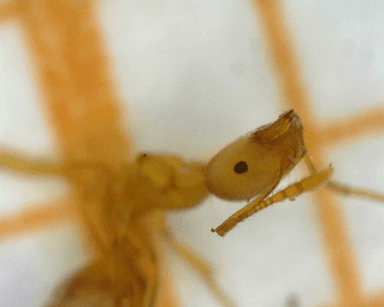
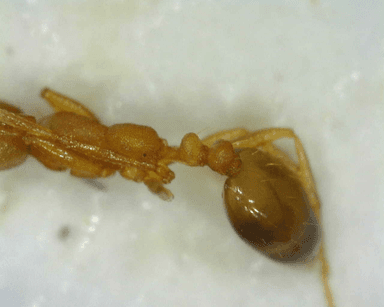
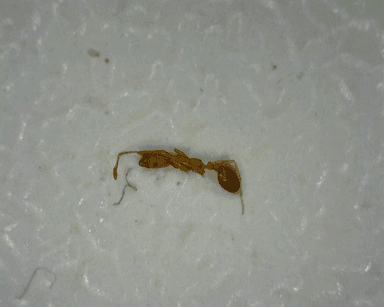
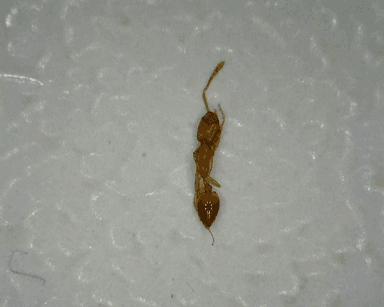
Monomorium pharaonis, commonly known as Pharaoh ants, are a fascinating and highly adaptable species with a global reputation as resilient survivors. Unlike many ants that display distinct worker castes, Pharaoh ants are monomorphic—workers are uniformly small, measuring just 1.5–2.5 mm, while the queen reaches a modest 4–6 mm. Despite their minute size, these ants build enormous colonies that can swell from a thousand to over a hundred thousand workers. The queens found colonies claustrally, sealing themselves in a chamber and rearing the first brood using stored body reserves, making them wonderfully straightforward to establish.
One of the most captivating aspects of Pharaoh ants is their diet. They are true omnivores and opportunistic scavengers, with a particular fondness for protein and sweet foods. In your care, they will eagerly accept insects such as fruit flies, small mealworms, or crushed crickets, alongside sugar water or honeydew. This flexible feeding habit makes them incredibly easy to maintain, as you can offer a wide variety of kitchen scraps as long as they are free of preservatives. Their foraging trails are a delight to watch—a steady stream of tiny workers moving with purpose and efficiency.
Care difficulty
Keeping Monomorium pharaonis is ideally suited for beginners. Their claustral founding eliminates the need for complicated queen-feeding during the early stages, and their tolerance for a range of environmental conditions makes them forgiving of minor keeper errors. They do not require hibernation, so you can enjoy their activity year-round. The main challenge is their tendency to escape if the formicarium is not properly sealed—these ants are masters of squeezing through tiny gaps. A well-constructed setup with tight connections and a layer of fluon or oil around the foraging area will prevent unwanted excursions.
Housing
Pharaoh ants thrive in warm, humid conditions. Maintain a nesting temperature of 24–30°C and humidity between 50–70%. A formicarium with a heating cable or mat placed under one section creates a temperature gradient, allowing the ants to choose their preferred spot. The nest should have multiple chambers to accommodate colony growth, and a connected foraging arena provides space for food and water. Regular light misting of the nesting area helps maintain humidity, especially if the nest is made of plaster or acrylic. Because these ants are highly sensitive to vibrations and sudden disturbances, place their home in a quiet, low-traffic area. A dark cover over the nest portion will also reduce stress and encourage natural brood care.
First days after purchase
When your new colony arrives, transfer them gently into the prepared formicarium and place it in a calm, dark location. Avoid opening the nest for at least the first 48 hours—allow the ants to acclimatize and begin exploring. Offer a small drop of sugar water on a cotton ball and a tiny piece of insect protein in the foraging area. Do not be alarmed if they are initially shy; within a day or two, the queen will settle and workers will start tending the brood. Keep disturbances to an absolute minimum, and resist the urge to peek inside frequently. Within a week, you will see steady foraging and the first signs of growing larvae—a rewarding milestone for any ant keeper.