Camponotus
Camponotus foreli
Care Guide
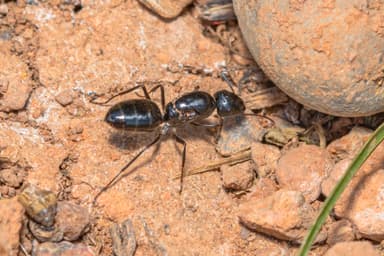
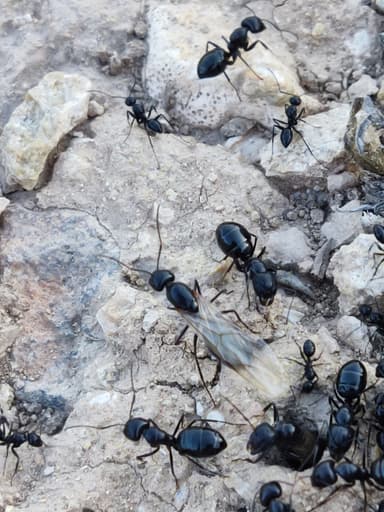
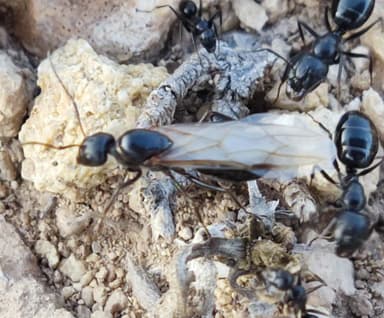
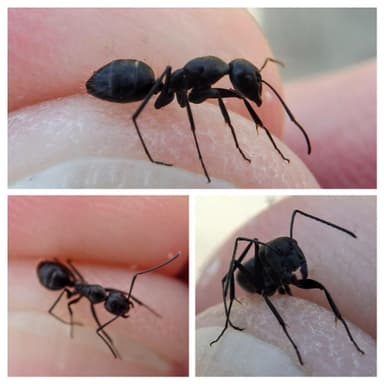
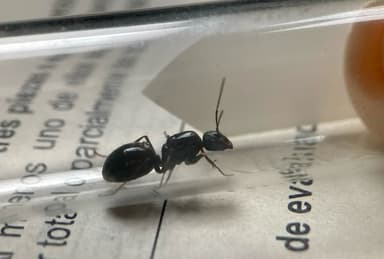
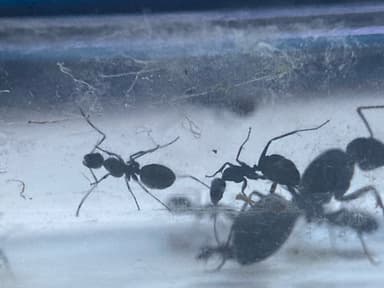
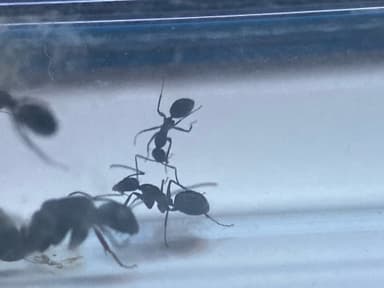
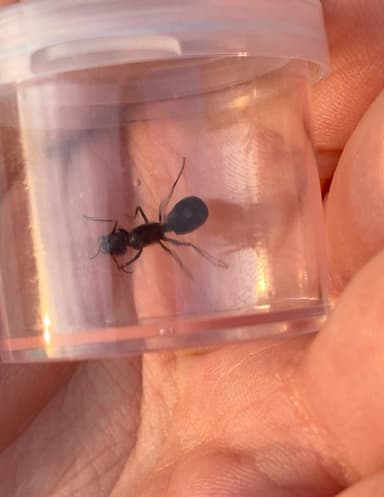
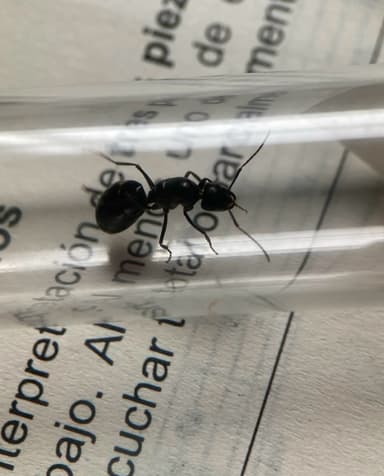
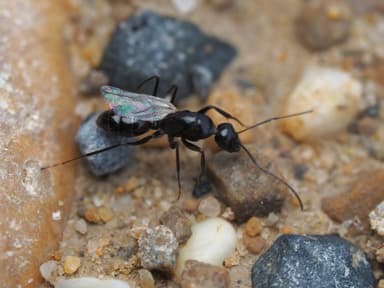
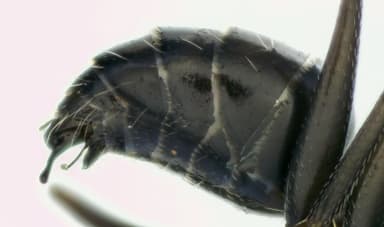
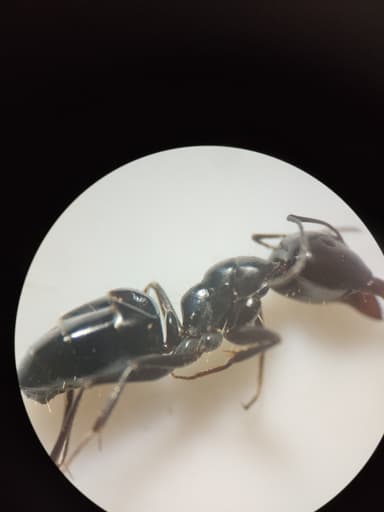
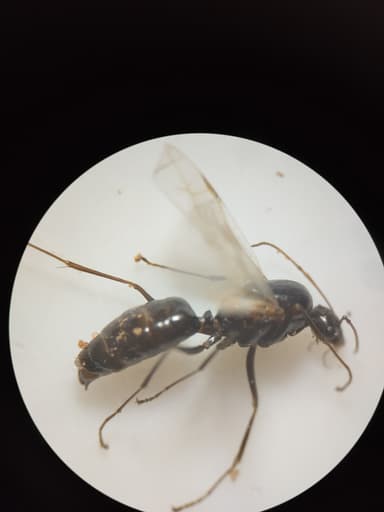
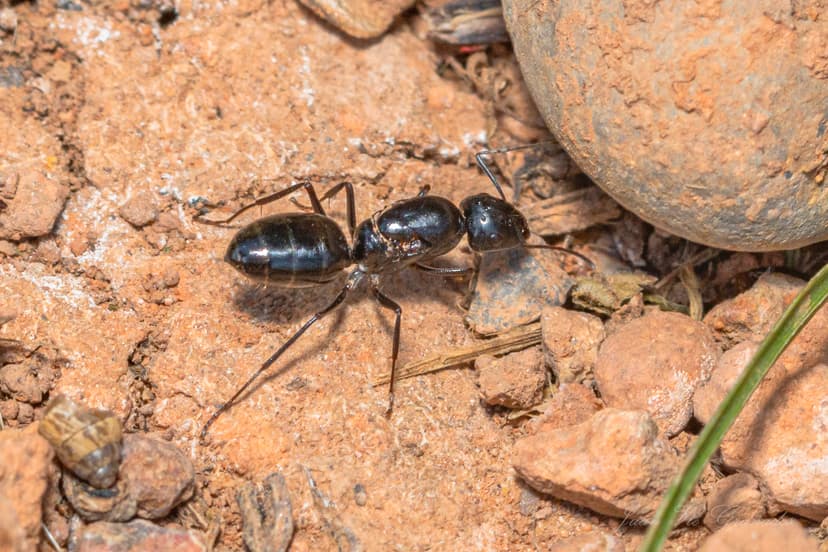
Camponotus foreli is a charming and robust species of carpenter ant native to the arid and semi-arid regions of North America, often found nesting in dead wood or under stones. The queen measures between 10 and 12 mm, while workers range from 6 to 10 mm, displaying a gentle size variation but no extreme polymorphism. Their coloration typically combines a reddish-brown thorax with a dark, almost black gaster, giving them a striking and elegant appearance. These ants are known for their relatively calm temperament and strong foraging activity once established.
As a claustral founding species, the queen does not require feeding during the initial weeks after mating. She seals herself in a small chamber and raises her first workers solely from her own metabolic reserves. Colonies grow moderately and can reach up to 2,000 workers in optimal conditions, though smaller colonies are more common in captivity. Camponotus foreli is a sugar-loving species with a strong preference for honeydew, but they also readily accept insect protein for brood development. A balanced diet of sugar water or diluted honey alongside feeder insects like fruit flies, crickets, or mealworms keeps them healthy and productive.
Care difficulty
Keeping Camponotus foreli is considered intermediate. Their need for a distinct hibernation period and careful humidity regulation makes them slightly more demanding than beginner species. However, their resilient nature and straightforward founding process make them a rewarding challenge for keepers with some experience. Patience is key, especially during the colony's early growth phase.
Housing
A formicarium with moderate moisture retention works best for this species. Maintain humidity between 40 and 60 percent — too much moisture can lead to mold, while overly dry conditions stress the brood. Provide a heated area within the nest that stays between 22 and 28°C, with a cooler zone so the ants can thermoregulate. Camponotus foreli appreciates a dark, quiet nesting space and will often excavate extensively if given soft wood or a suitable substrate. An outworld with a clean water source and feeding area completes the setup. Importantly, these ants require a winter diapause: from late autumn through early winter, gradually lower the temperature to around 8°C for several months. This hibernation period is essential for queen health and future brood production.
First days after purchase
When your Camponotus foreli colony arrives, transfer them gently into their new formicarium and place it in a calm, dimly lit spot. Resist the urge to disturb them frequently — let the ants acclimatize for at least a few days. Provide a small drop of sugar water on a piece of foil or in a feeder, and offer a tiny portion of protein if you have larger workers. Ensure the nest area is slightly moist but not wet. Observe from a distance to confirm the queen is laying eggs; if all is well, avoid opening the setup unnecessarily. With a little patience, you will soon see your colony begin to forage and grow, a true joy for any ant keeper.