Pheidole
Pheidole xerophila
Nuptial Flight Calendar
Flight months: Jul, Aug, Sep
Care Guide
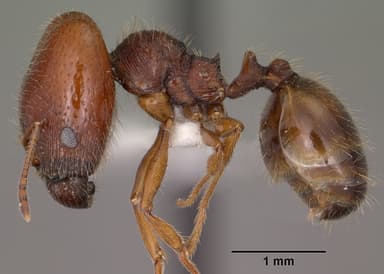
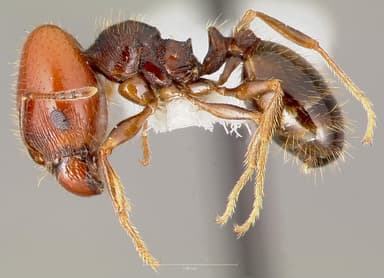
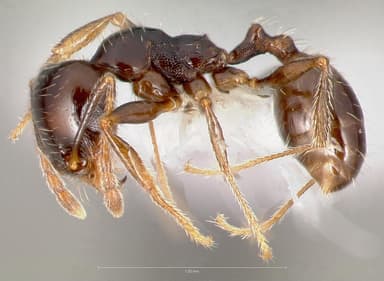
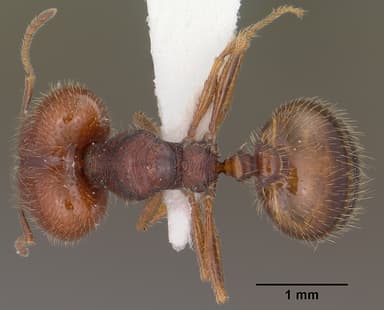
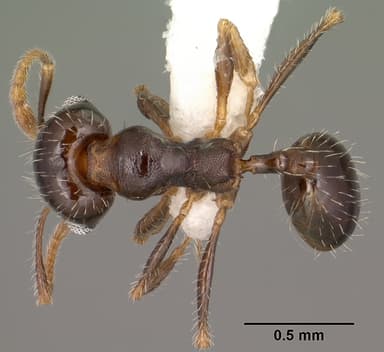
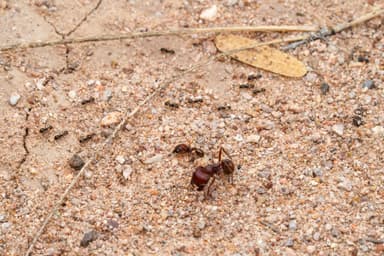
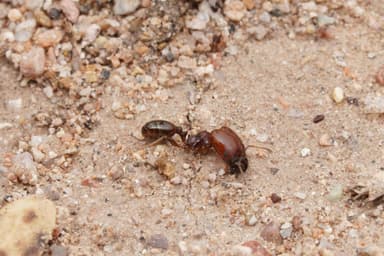
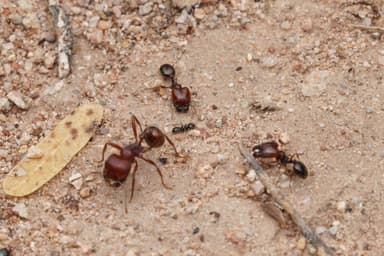
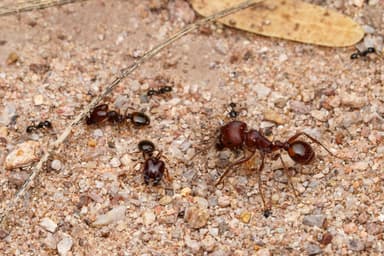
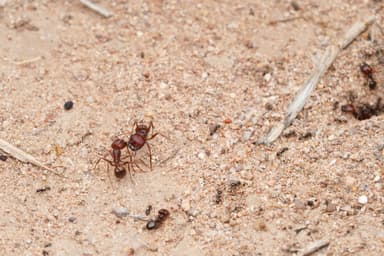
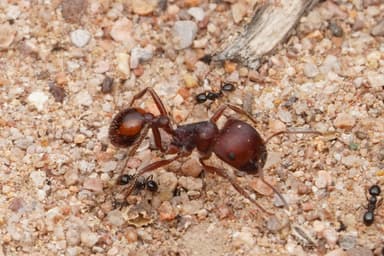
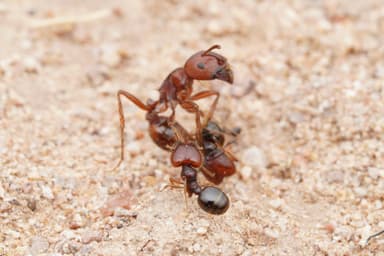
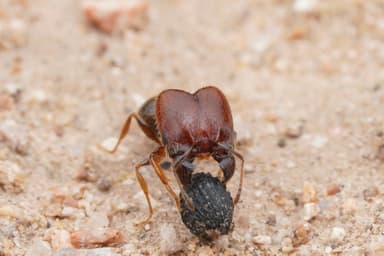
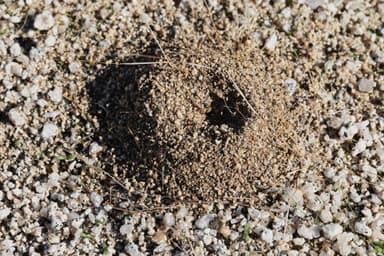
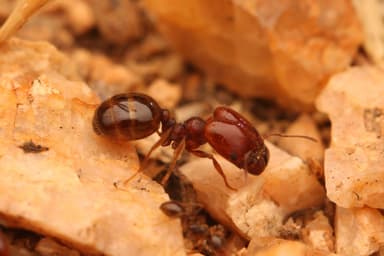
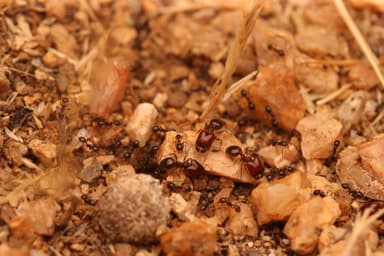
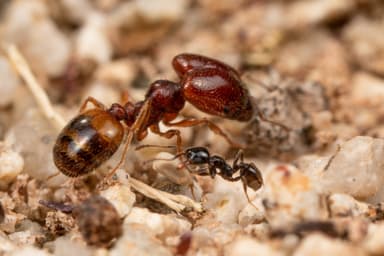
Pheidole xerophila is a desert‑dwelling ant from the arid and semiarid regions of the southwestern United States, ranging from southern Arizona and New Mexico into western Texas, where it occurs from about 28° to 37.5° north latitude between the 103rd and 118th meridians (GBIF occurrence data). Queens measure a modest 4.5 to 5.5 mm, while the dimorphic worker caste is split into slender minors (1.8–2.2 mm) and strikingly large‑headed majors that can reach 3.2 mm. In his monumental revision of the genus, Wilson (2003) placed P. xerophila within the fallax group, noting its adaptation to open, xeric landscapes. Colonies are claustrally founded and can grow to a substantial 10,000 workers, with the major caste — complete with massive, blocky mandibles — acting as seed processors and defenders, a trait that makes them a fascinating exhibit in captivity. Their ability to thrive on scant moisture and in temperature swings that would stress more mesic species is a window into the resilience of desert ants.
With a care difficulty rated as intermediate, P. xerophila is best suited for keepers who have moved beyond beginner‑level species. They are not exceptionally demanding, but their small size demands an escape‑proof setup, and their preference for low humidity means that a poorly balanced nest can quickly lead to fungal problems or drowned workers. Hobbyists comfortable with maintaining a dry formicarium and observing nest tube hydration levels will find them rewarding. Because workers are highly dimorphic, you will witness the dramatic transition from tiny scurrying minors to hulking majors that mill seeds or tackle intruders — a dynamic that rewards patient observation.
Housing should mimic the thermal and moisture gradients of a desert microhabitat. A plaster, y‑tong, or 3D‑printed nest that incorporates a humidity gradient works well: keep one chamber slightly moistened with a water tower or test tube while the remainder stays dry, as the ants will move brood to their preferred humidity band of 30–60%. Temperature is best maintained with a heat mat or cable placed at one end of the nest, creating a warm zone of 28–32 °C that tapers to a cooler retreat around 22 °C. A thin layer of sand or a sand‑clay mix in the foraging arena provides a natural footing, but the actual nest chambers can be bare; because these ants are desert‑adapted, avoid persistent dampness. Ventilation should be generous to prevent condensation, which is particularly dangerous for a species where high humidity can encourage mold and distress the colony.
Diet for P. xerophila follows the classic ant regimen with a twist. Protein can be supplied as small, pre‑killed insects: fruit flies, pinhead crickets, or cut‑up mealworms are accepted. Majors will enthusiastically crush tiny seeds — offer cleaned chia, amaranth, or dandelion seeds once the colony reaches a few dozen workers, as the large‑headed castes are likely to process them into a fine powder fed to larvae. Carbohydrates should be provided as a dilute sugar‑water solution, honey water, or a commercial ant nectar; present it in a small liquid feeder or on a piece of crumpled cotton to prevent drowning. A constant source of fresh water, either in a test tube plugged with cotton or via a water feeder in the outworld, is essential, but keep it away from the nest to avoid raising ambient humidity. Remove uneaten protein after a day to maintain cleanliness.
This species requires a cool hibernation period to mimic the mild winters of its native range. When day length shortens in autumn, gradually lower the temperature over several weeks to a steady 15 °C, and keep the nest dry but with access to a small, separate water source. Stop offering protein about a week before cooling begins, and allow the colony to empty their crops. A 2‑ to 3‑month dormancy at this temperature, stored in a dark, quiet place, is typically sufficient. Afterward, warm them back to active temperatures just as slowly, and begin feeding again with tiny droplets of sugar water to re‑energize the queen and workers before reintroducing insect prey. Skipping this diapause often results in lethargic brood production and may shorten the queen’s lifespan.
Upon receiving your new P. xerophila queen and her first small clutch of workers, patience is paramount. Keep the tube in a dark, vibration‑free spot within the recommended temperature range for at least 24–48 hours before offering anything. The stress of transport can cause a queen to consume eggs; refrain from checking repeatedly. For the first feeding, place a barely visible speck of sugar water on a tiny piece of foil or cotton inside the tube, and if you must offer protein, a killed fruit‑fly fragment no larger than a worker’s head should suffice. Watch for the minors to venture out and bring the treat to the queen; if they show no interest, remove it and try again the next day. Avoid the temptation to attach a nest or outworld until the colony has at least 20–30 workers, as too much space too early can overwhelm them. A slow, steady start will build the foundation for a vigorous, seed‑cracking colony that can captivate for years (AntWiki; AntWeb).