Lasius
Lasius neglectus
Nuptial Flight Calendar
Flight months: Jun, Jul, Aug
Care Guide
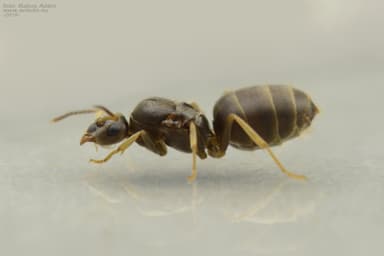
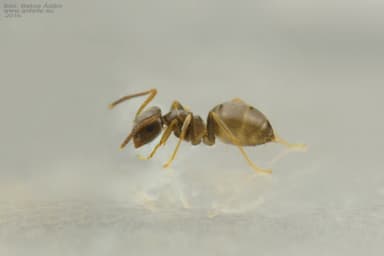
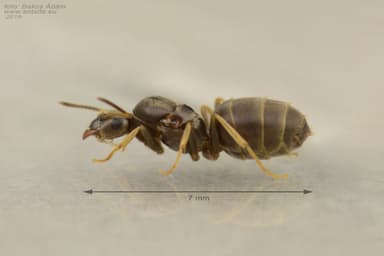
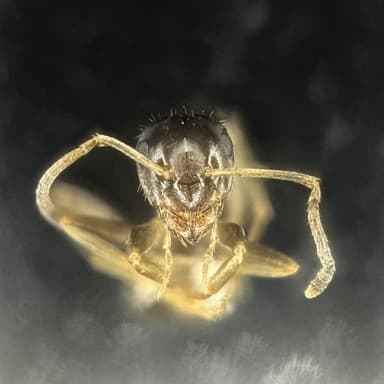
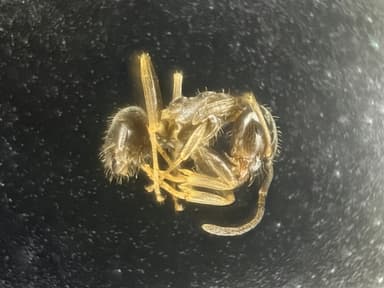
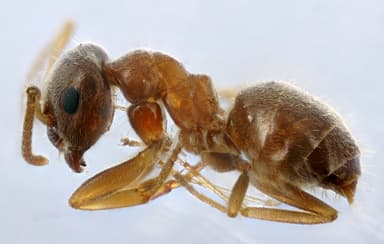
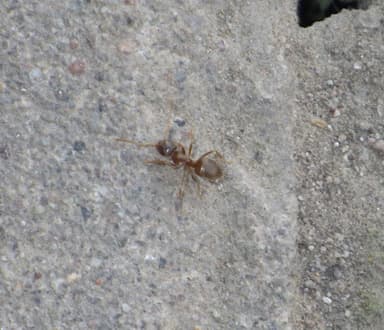
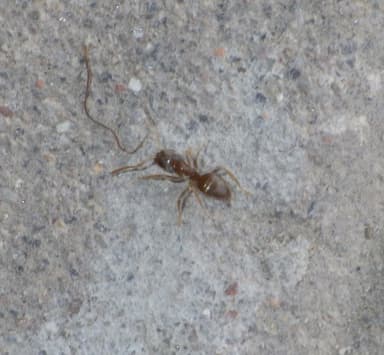
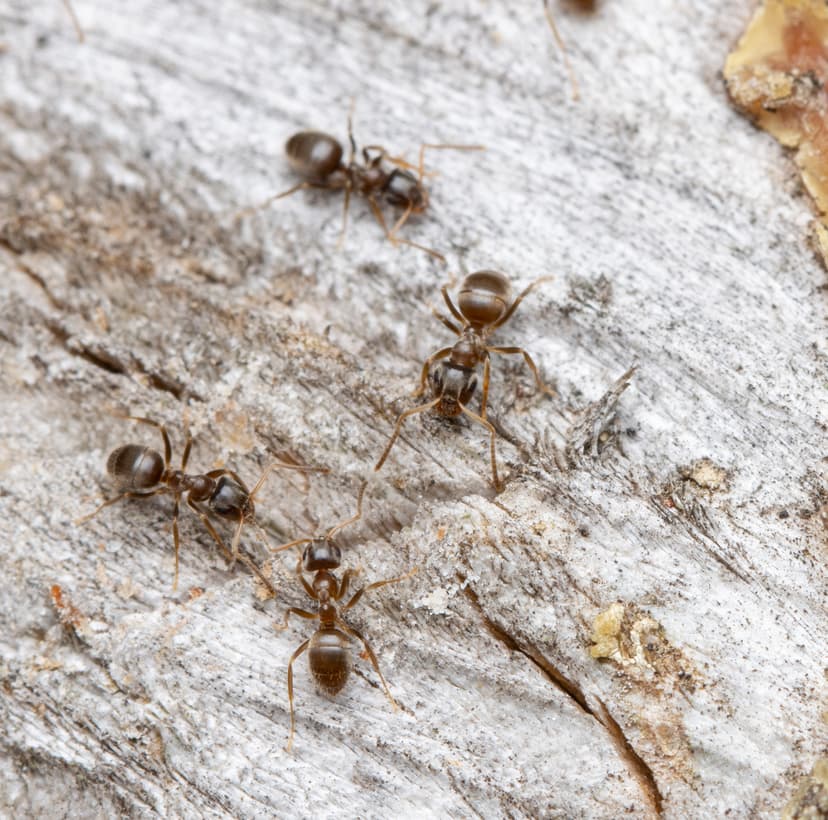
Lasius neglectus, the invasive garden ant, is a diminutive yet remarkably formidable species that has captivated myrmecologists and hobbyists alike. Workers measure a modest 2.5 to 4 mm, their slender, monomorphic bodies clothed in the sleek dark brown to black cuticle typical of the subgenus. Queens, at 6.5 to 9 mm, are only slightly bulkier, but what truly sets this ant apart is its revolutionary social architecture. Unlike their claustrally founding cousins, these ants multiply by budding—a process in which a cortege of workers accompanies one or many queens to a new nest site, never experiencing the vulnerable lone-founder stage (Van Loon et al. 1990). This, combined with extreme polygyny, allows colonies to swell into superorganisms of staggering proportions, with mature populations reaching an estimated 10 million workers (Espadaler & Bernal 2003). There are no dramatic nuptial flights; mating occurs discreetly within or near the nest, a trait that fuels their explosive local expansion and their ability to form extensive, interconnected supercolonies across their European invasive range (Cremer et al. 2008; GBIF). For the ant keeper, this offers a rare window into a cooperative, fast‑paced colonial lifestyle where the boundary between one nest and the next can blur into something almost fluid.
Care difficulty is unequivocally beginner‑friendly, making L. neglectus a superb entry point into ant keeping, provided you are prepared for their prolific nature. Their hardiness is exceptional—they tolerate a wide spectrum of conditions and bounce back quickly from minor husbandry mistakes. This makes them ideal for educators, families, or anyone who delights in watching a colony explode in numbers. Yet the very traits that make them so robust also demand responsible stewardship. Because they are a known invasive species (Cremer et al. 2008), a zero‑escape policy is non‑negotiable. If you live in a region with a mild climate where they could establish themselves—essentially anywhere within the European band from 35° to 60° latitude—double‑check that your local regulations allow their keeping, and always maintain a secure lid combined with a reliable fluon or oil barrier. For keepers who can commit to containment, the reward is a dynamic, ever‑busy colony that provides endless fascination without the fuss of more delicate species.
Housing these prolific ants requires a degree of foresight. Initially, a small founding group can be comfortably housed in a standard test tube setup, but you will soon need to graduate them to a formicarium with generous expansion ports. Given their supercolonial tendency and eventual worker counts in the millions, a modular system of interconnected nests and outworlds is ideal. Nests crafted from ytong, plaster, or acrylic all work well; they appreciate a substrate of sandy loam, though any typical ant‑keeping medium will suffice. Maintain a temperature range of 18 to 28 °C—room temperature suits them fine, but a gentle heating cable on one side will accelerate brood development. Humidity should be kept moderate, between 40 and 70 percent, achieved by providing a water feeder and a periodically moistened nesting area. Avoid constant saturation, as L. neglectus does not require the swampy conditions of some tropical species. Lighting is largely irrelevant, as they are comfortable in ambient daylight once settled.
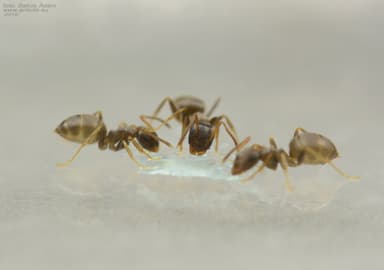
Diet is undemanding, reflecting their opportunistic foraging in the wild. Protein should be offered in the form of small, pre‑killed insects such as fruit flies, pinhead crickets, or chopped mealworms; fresh kills are accepted but not necessary. Carbohydrates are eagerly lapped up from a droplet of sugar water, honey water, or a slice of ripe apple—they genuinely seem to prefer liquid sweets, much like their tending of aphid colonies outdoors. A clean water source, either in a test tube or a dedicated drinker, must be available at all times. Feed tiny amounts daily once the colony gains momentum, adjusting portions to what they consume within a few hours. A large, hungry brood pile will strip a cricket with startling efficiency, a spectacle that never ceases to impress.
Hibernation is mandatory and should be taken as a non‑negotiable part of the yearly rhythm. As autumn advances, gradually lower the temperature until the colony rests at a stable 8 °C. This can be achieved in a dedicated mini‑fridge, a wine cooler, or a reliably cool cellar. The diapause should last roughly three to four months, during which the ants cluster tightly and reduce activity to a whisper (AntWiki). Keep the nest slightly humid to prevent desiccation, but avoid excess wetness. When spring arrives, warm them slowly back to room temperature; a sudden spike can stress the colony. Skipping or shortening this chilling period often leads to the gradual decline of the queen’s egg‑laying and a general malaise, so respect their temperate‑zone heritage.
Your first days with L. neglectus will set the stage for a rewarding journey. Upon arrival, a colony fragment—typically a queen with a handful of workers and a tuft of brood—should be placed in a fresh test tube with a water reservoir, then connected to a tiny foraging arena. Allow them 24 to 48 hours of darkness and quiet to overcome shipping stress. Their first meal should be modest: a minuscule drop of sugar water and a freshly killed fruit fly. Watch for the workers to eagerly imbibe the liquid and begin feeding the queen and larvae. This brisk resumption of nursing behavior is an excellent sign. Resist the temptation to introduce a large nest immediately; instead, let the colony grow dense in the tube for a week or so, and only then offer a small adjoining chamber. As they expand, you will soon witness budding in action—the queen and her entourage will explore and populate new spaces with a coordinated sense of purpose that makes this polygynous marvel one of the most memorably dynamic species you can keep.