Hypoponera
Hypoponera punctatissima
Nuptial Flight Calendar
Flight months: Jan, Feb, Mar, Apr, May, Jun, Jul, Aug, Sep, Oct, Nov, Dec
Care Guide
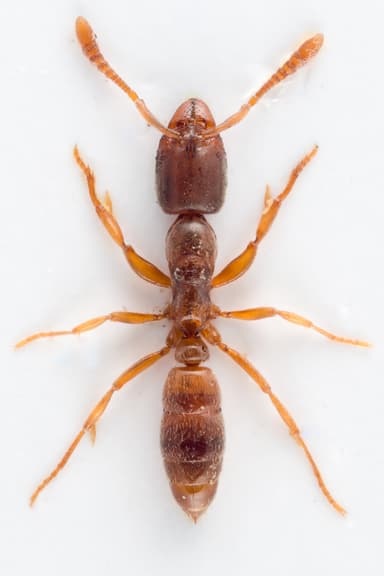
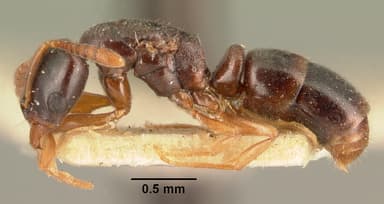
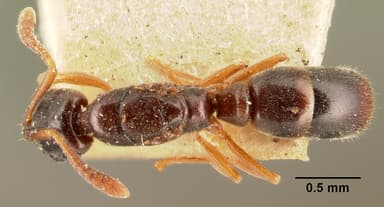
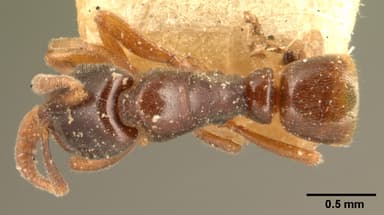
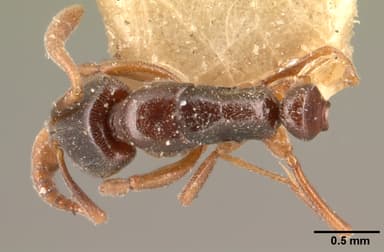
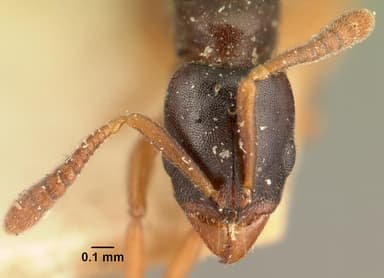
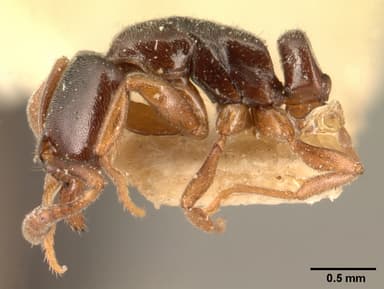
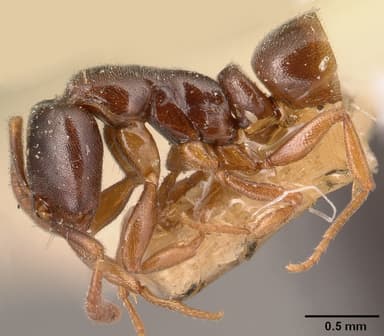
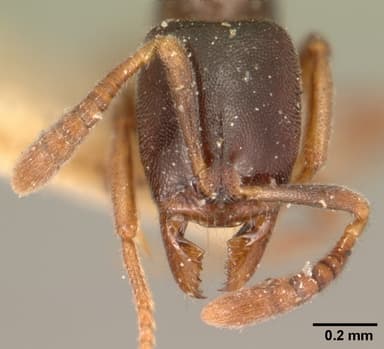
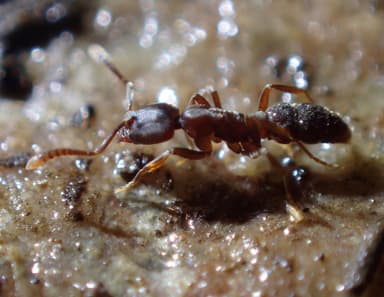
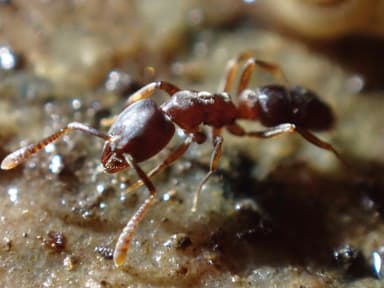
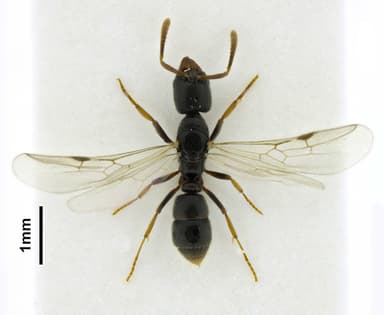
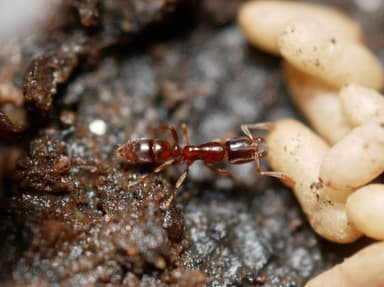
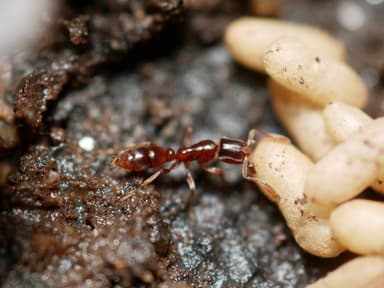
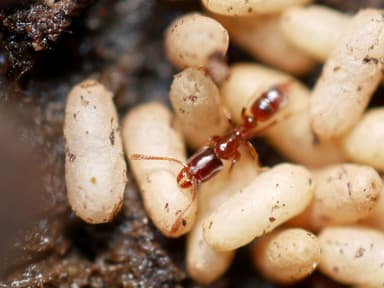
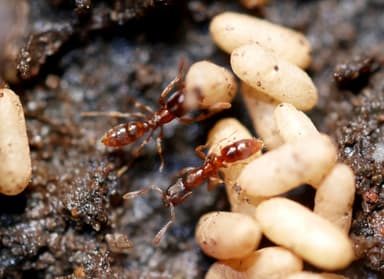
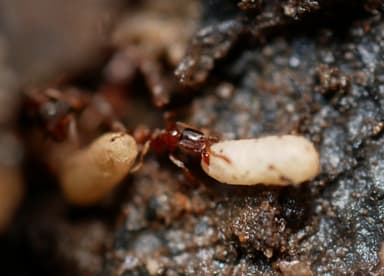
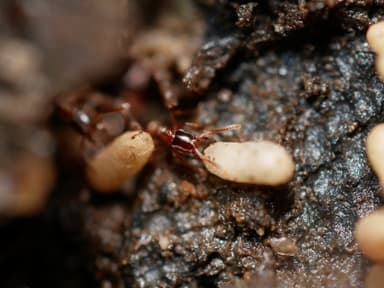
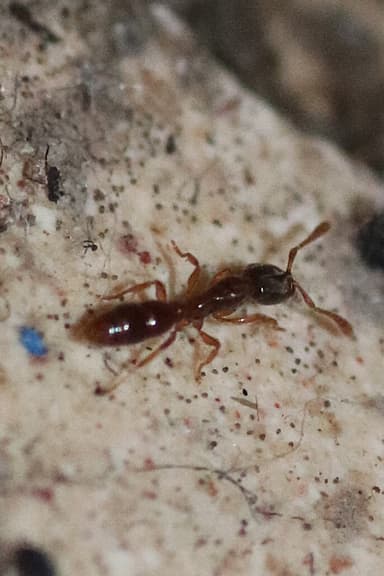
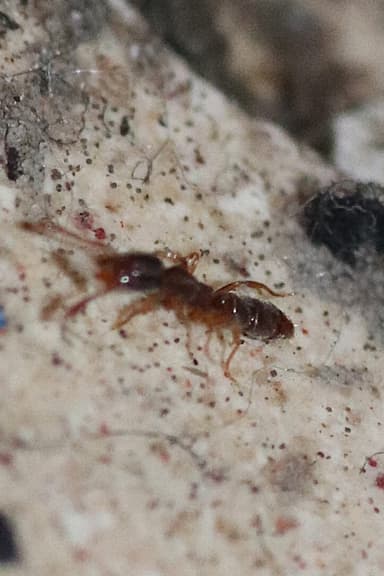
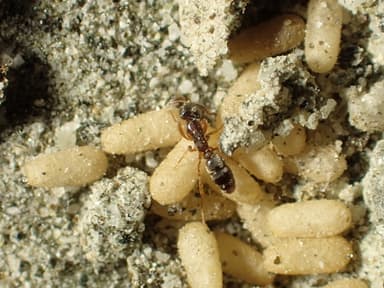
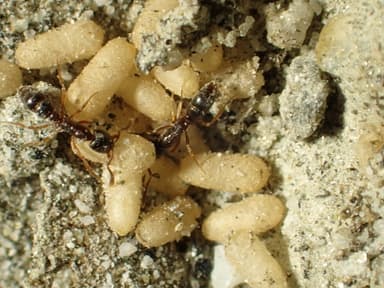
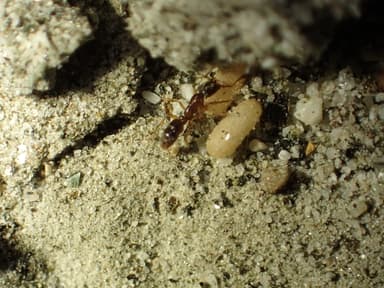
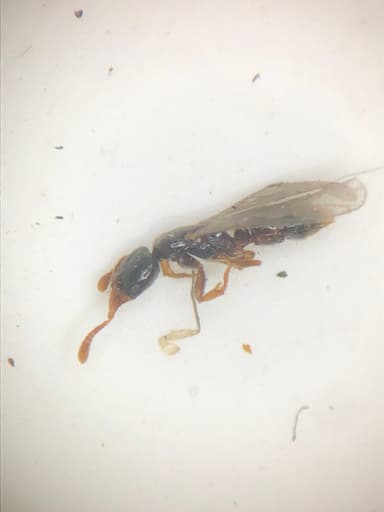
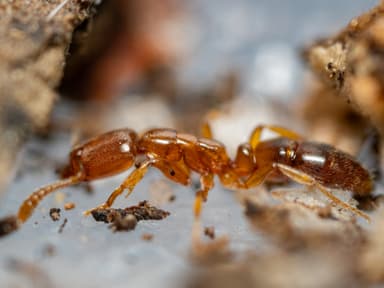
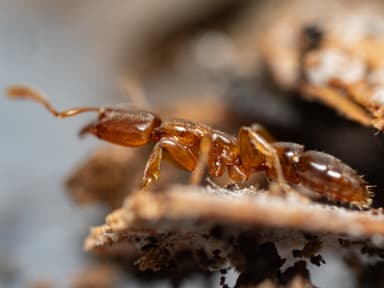
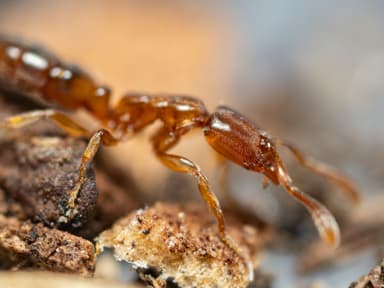
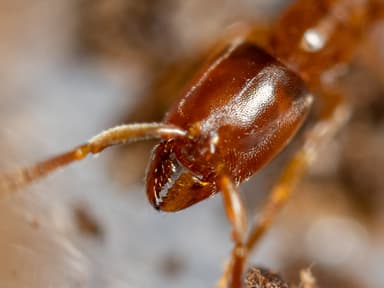
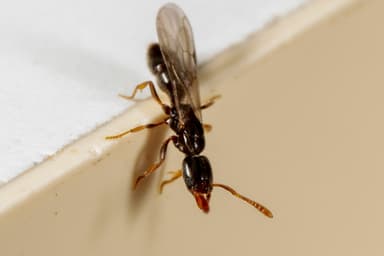
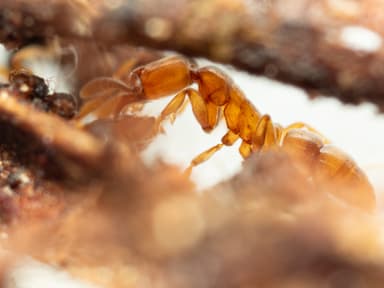
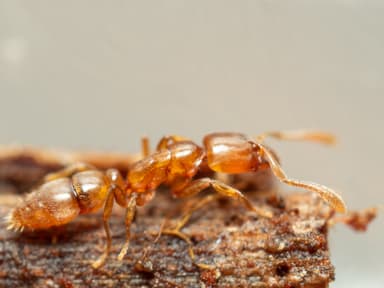
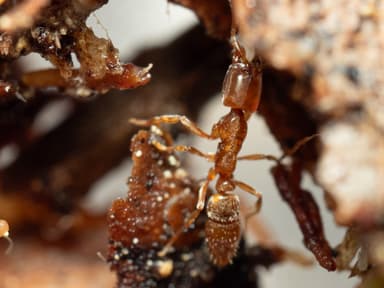
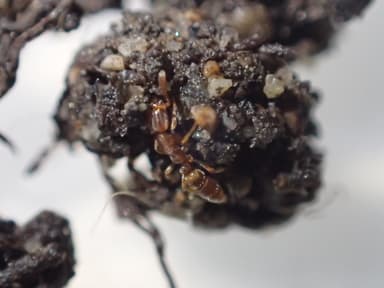
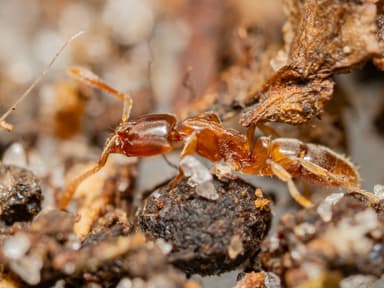
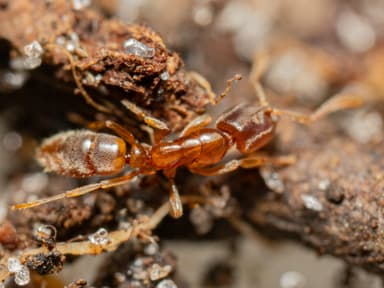
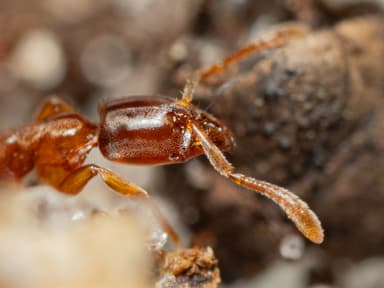
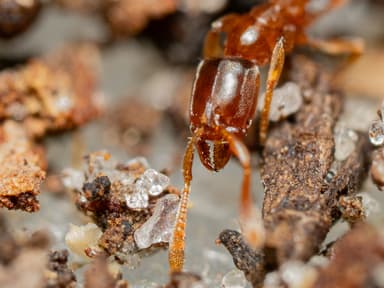
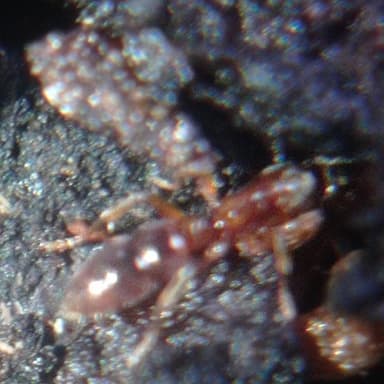
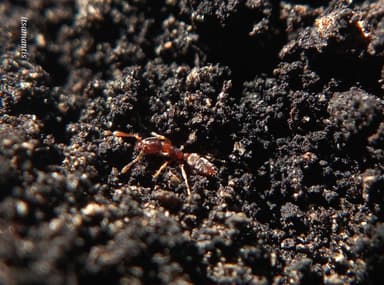
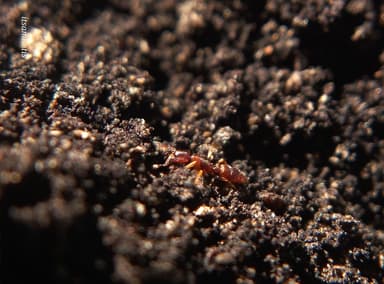
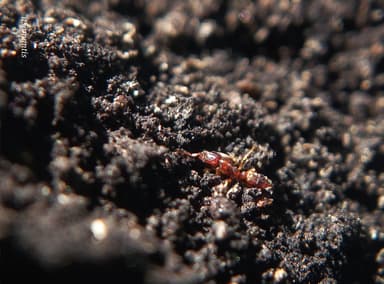
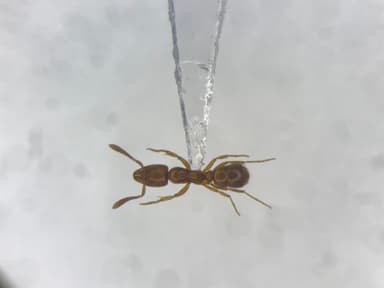
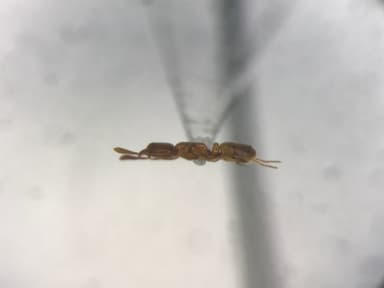
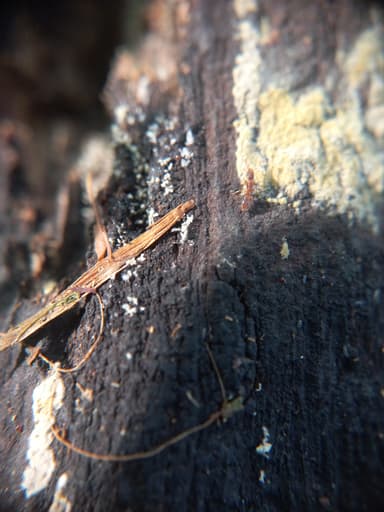
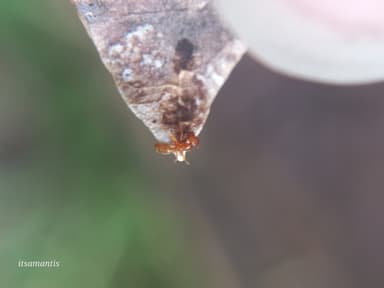
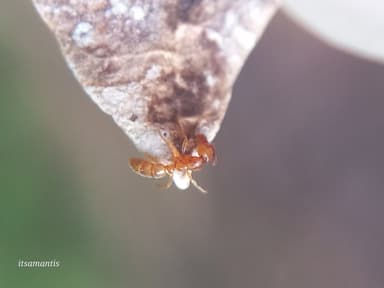
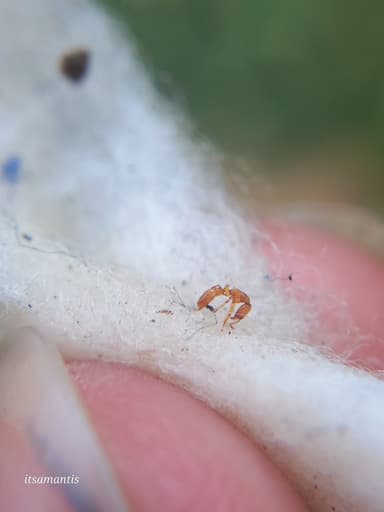
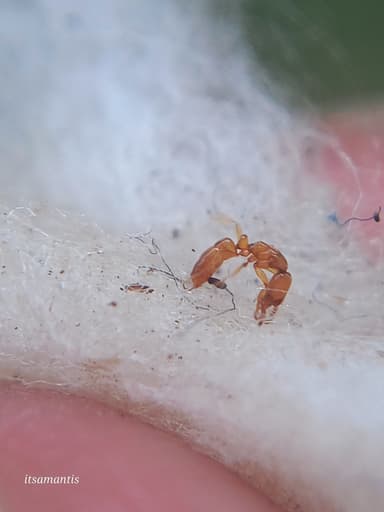
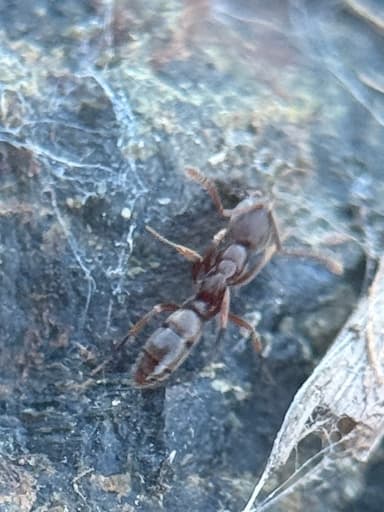
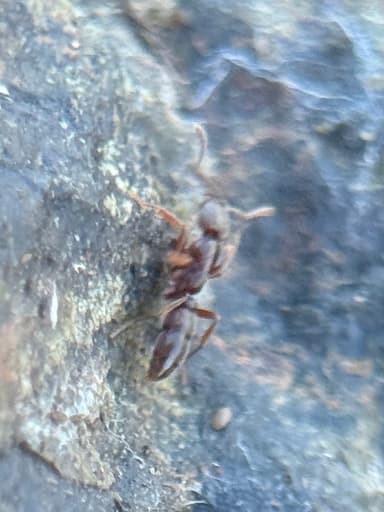
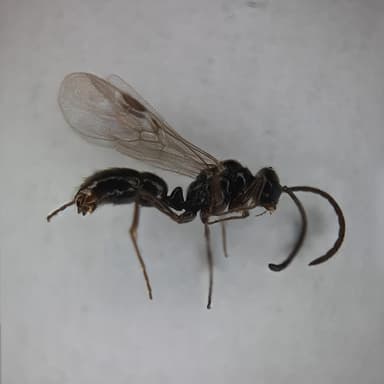
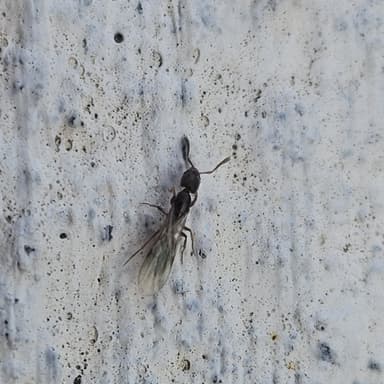
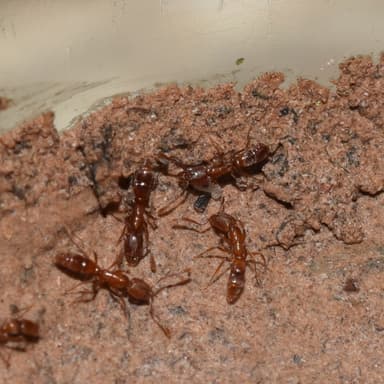
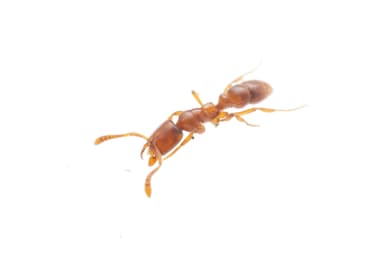
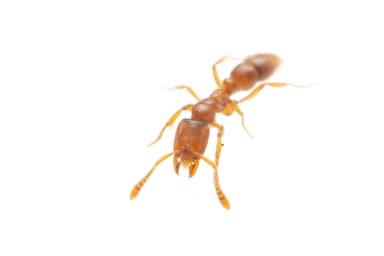
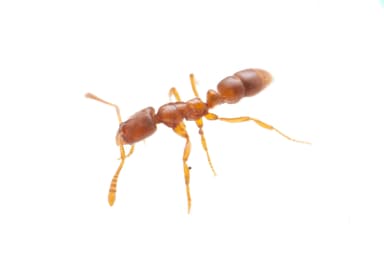
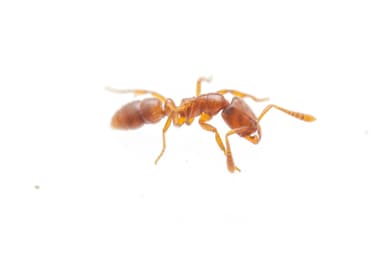
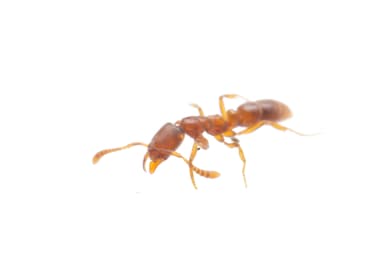
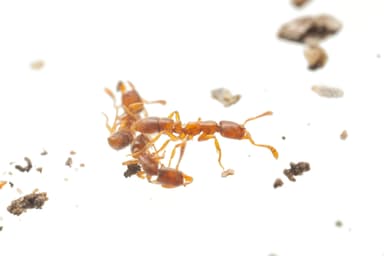
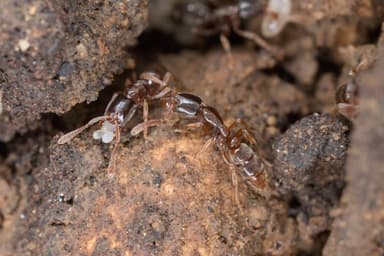
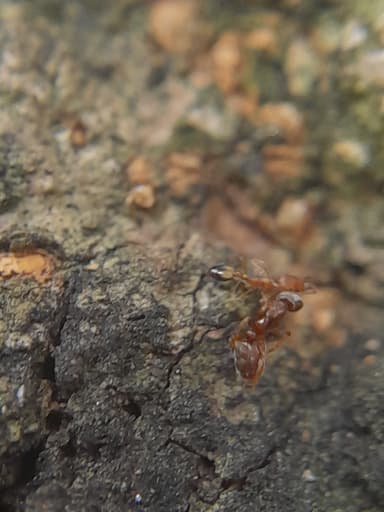
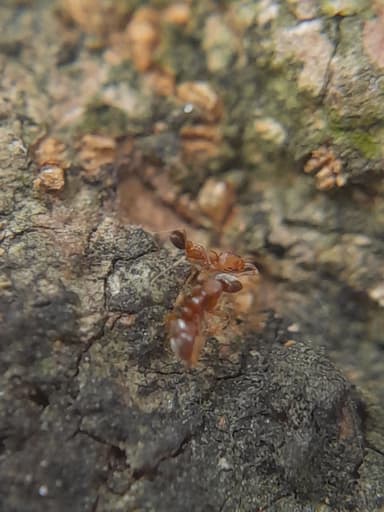
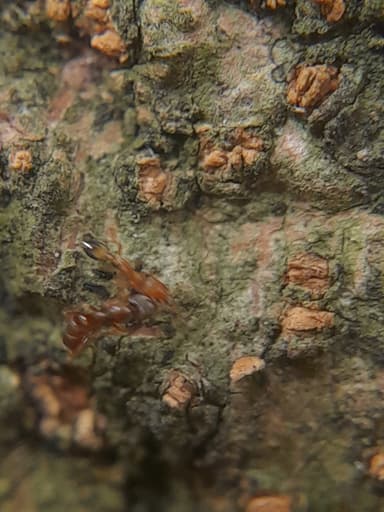
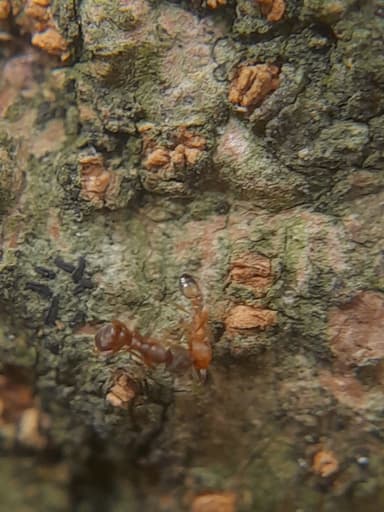
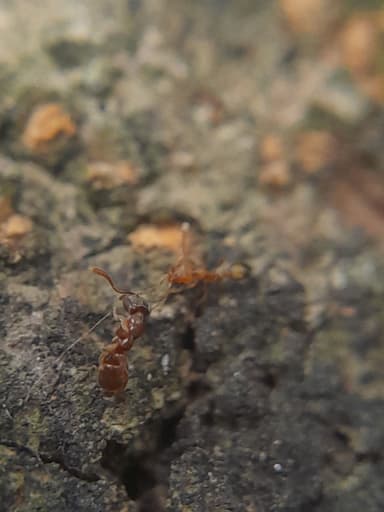
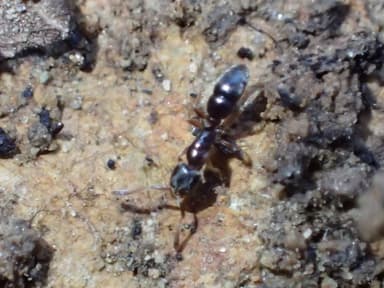
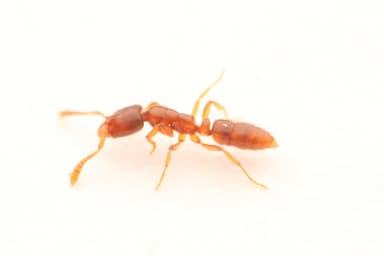
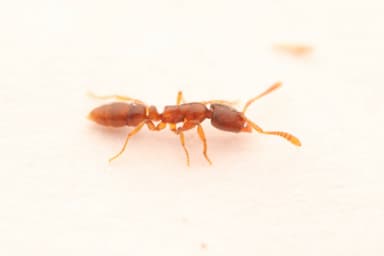
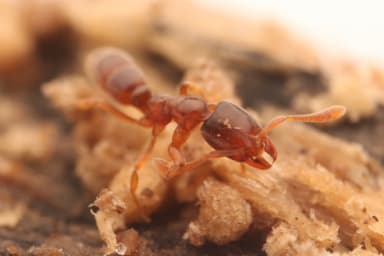
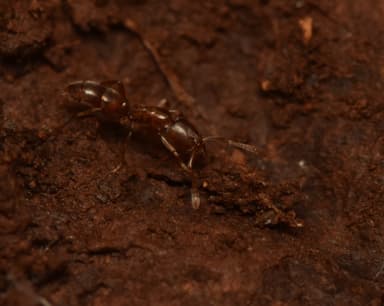
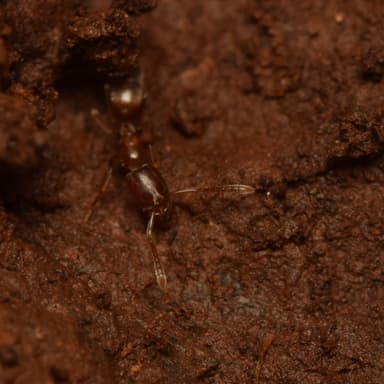
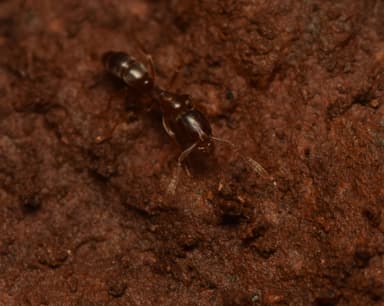
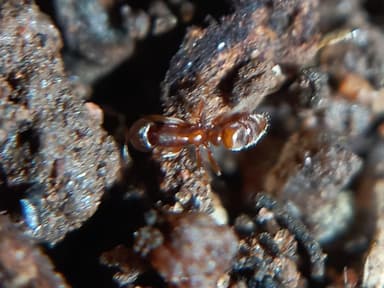
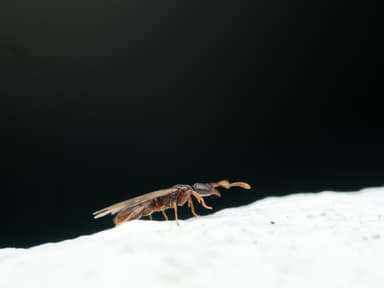
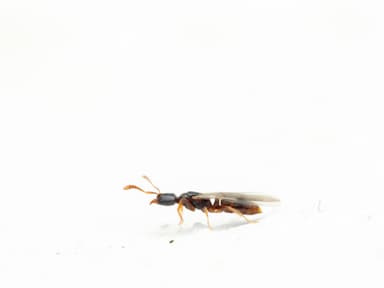
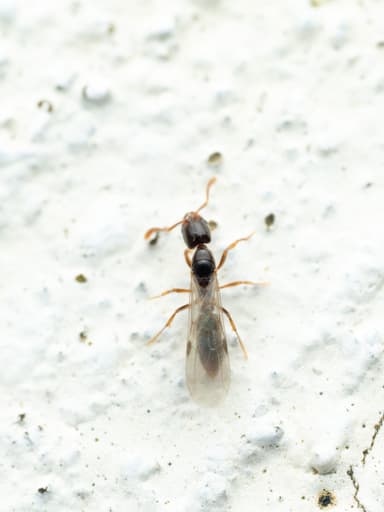
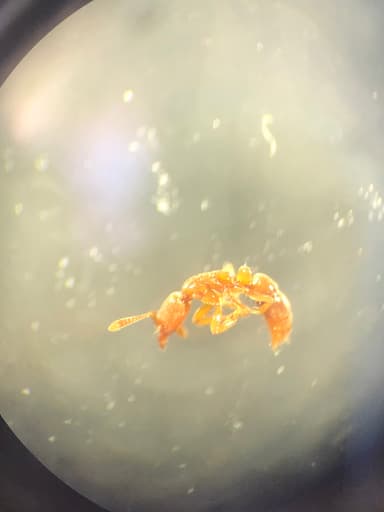
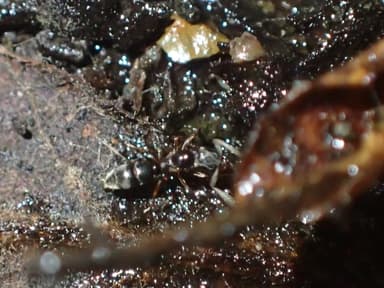
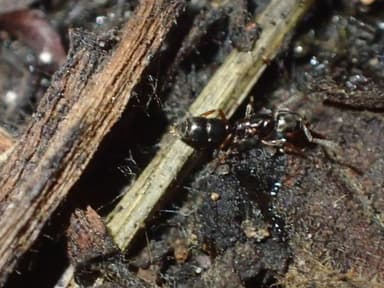
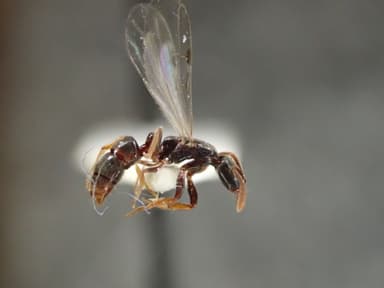
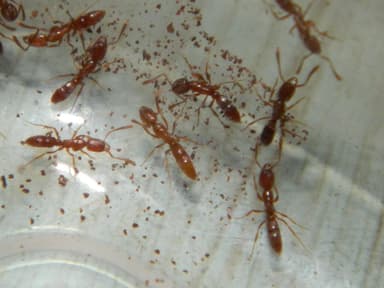
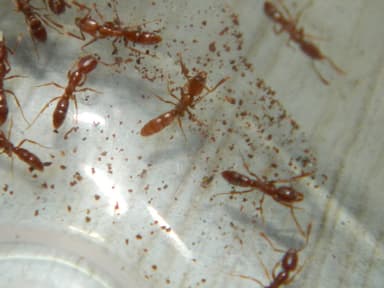
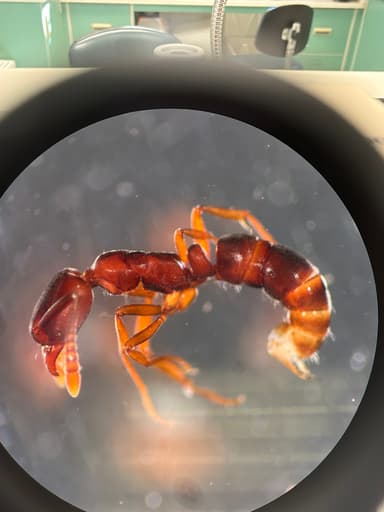
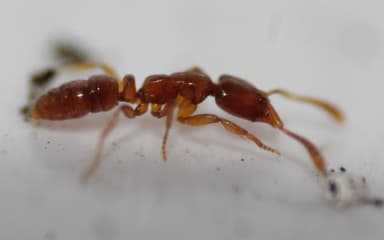
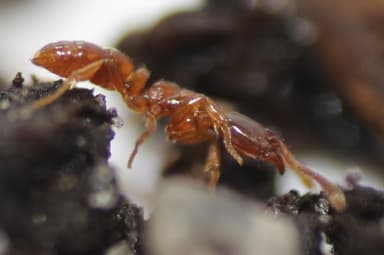
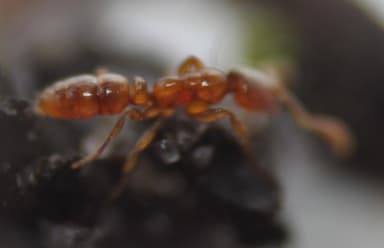
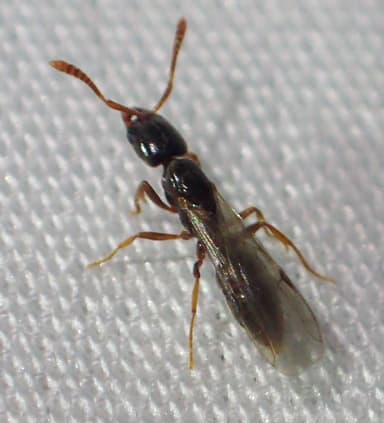
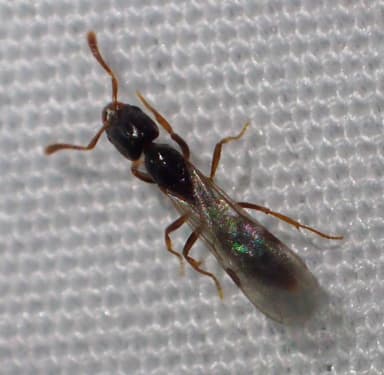
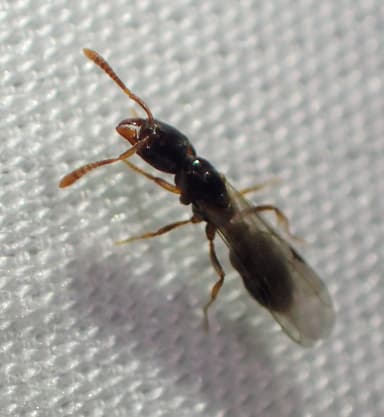
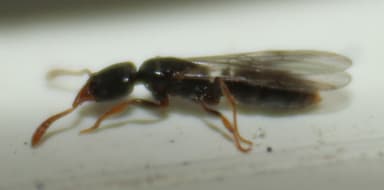
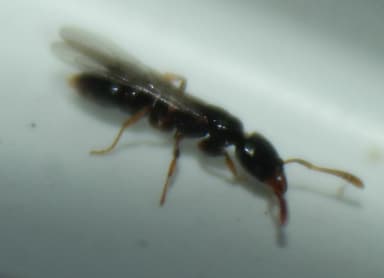
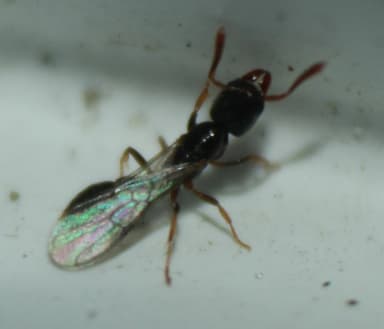
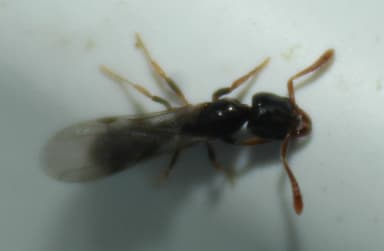
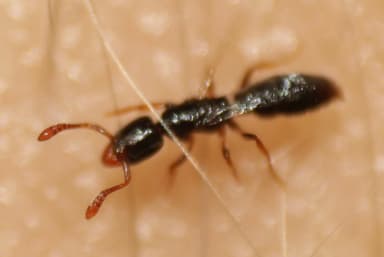
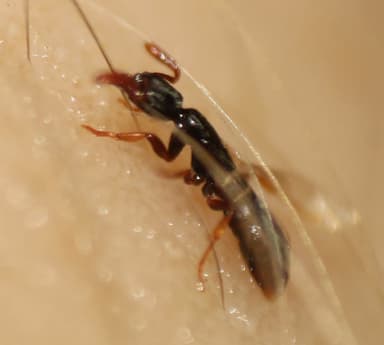
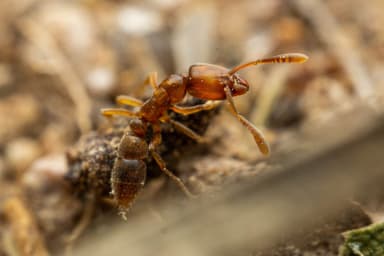
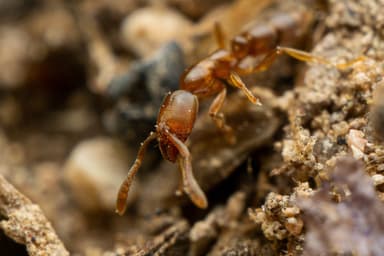
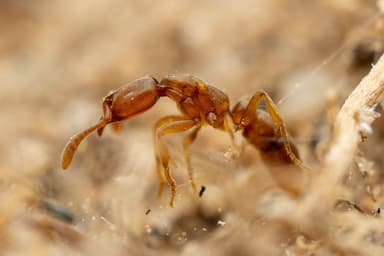
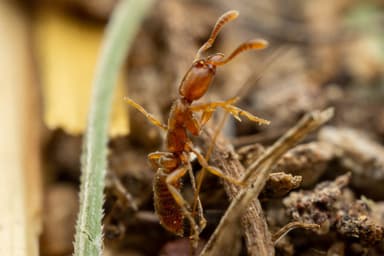
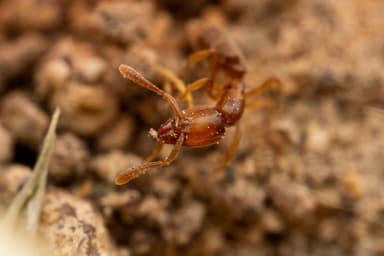
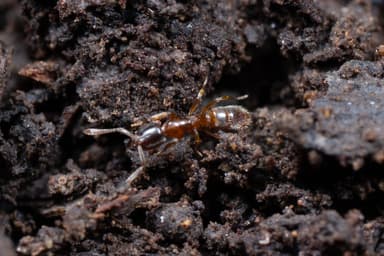
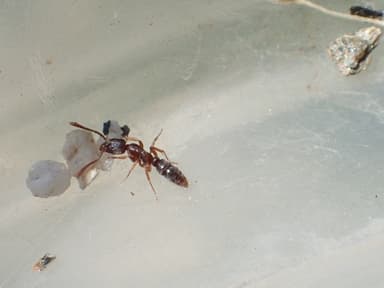
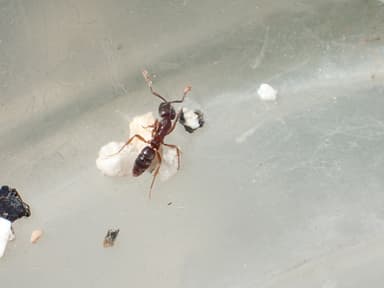
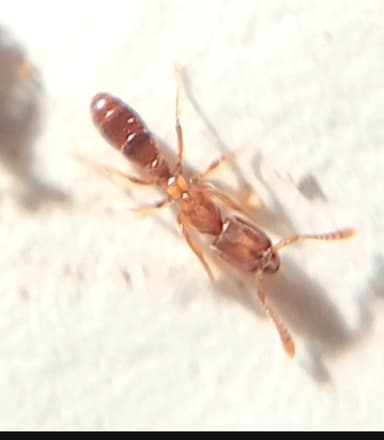
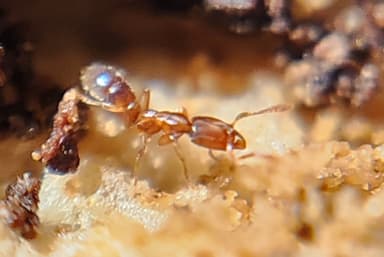
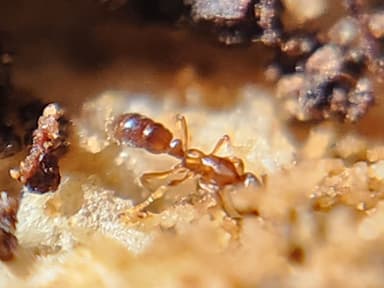
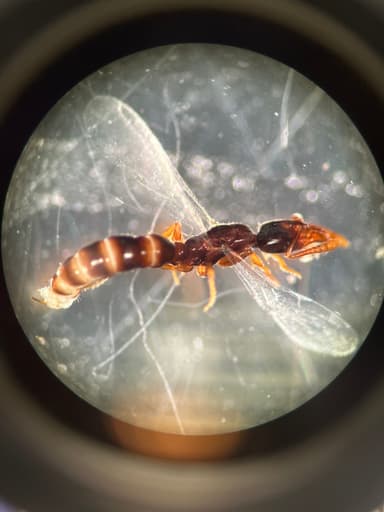
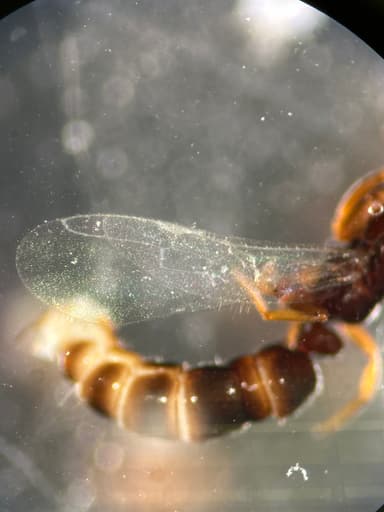
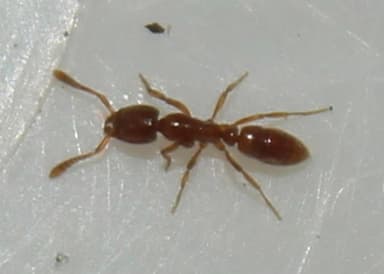
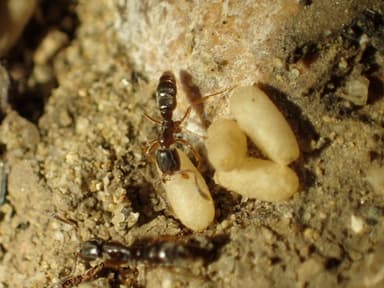
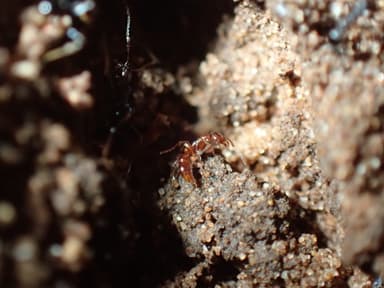
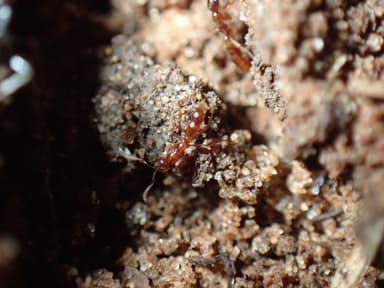
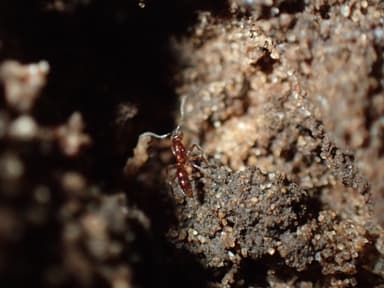
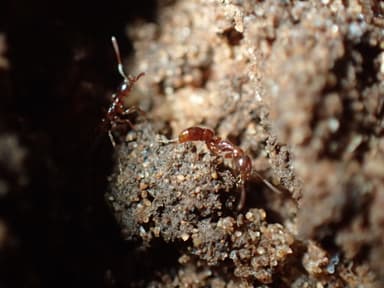
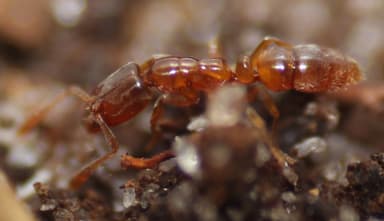
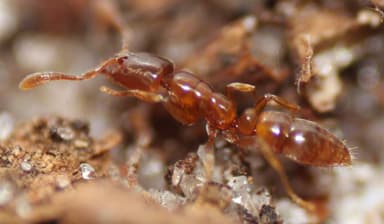
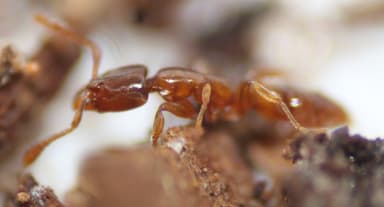
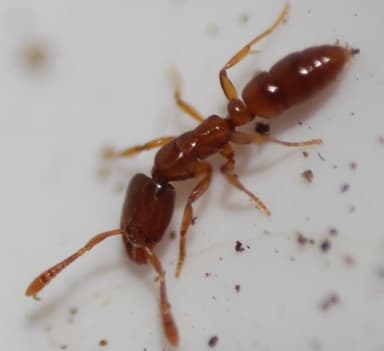
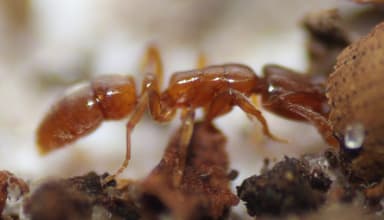
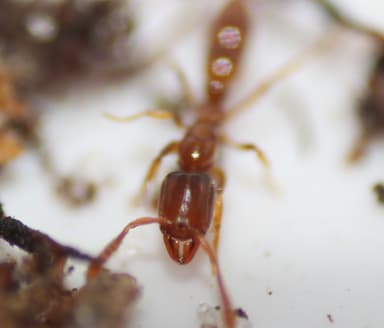
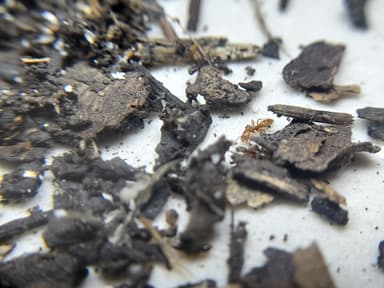
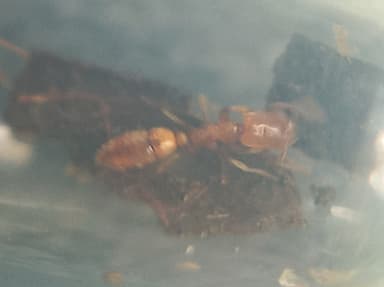
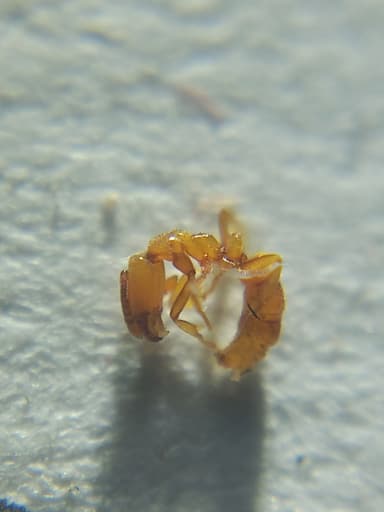
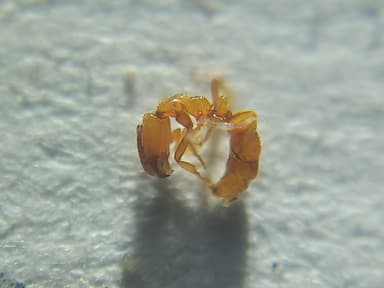
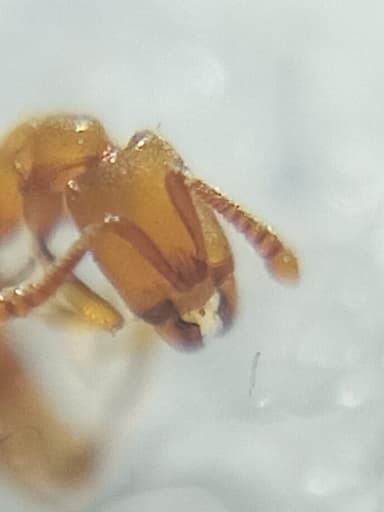
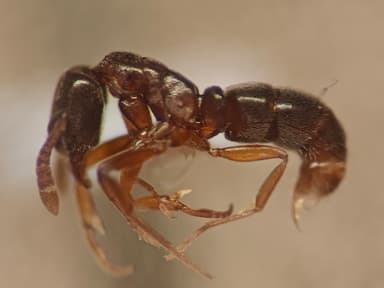
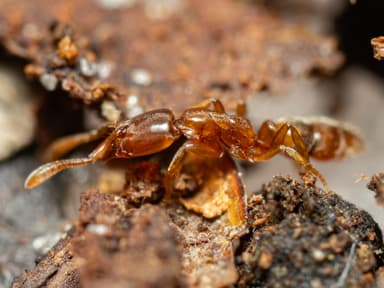
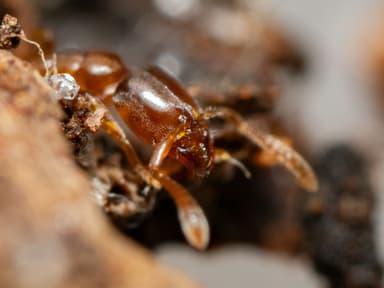
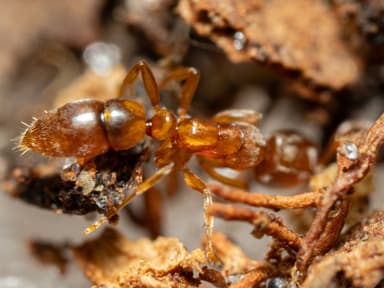
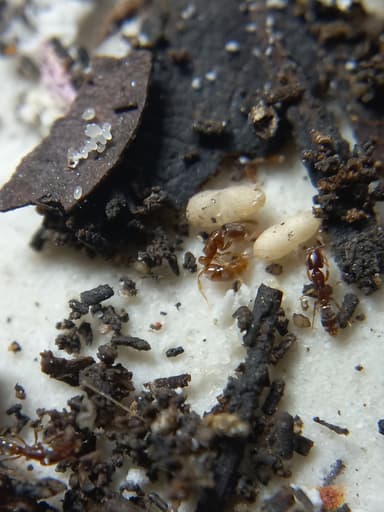
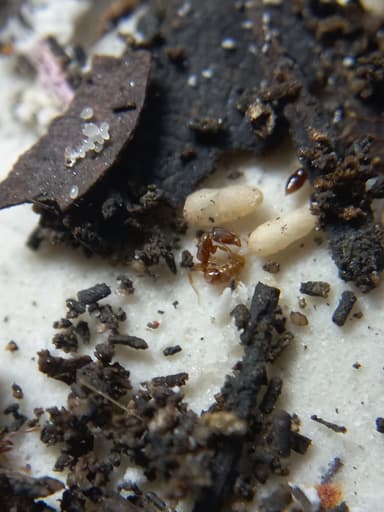
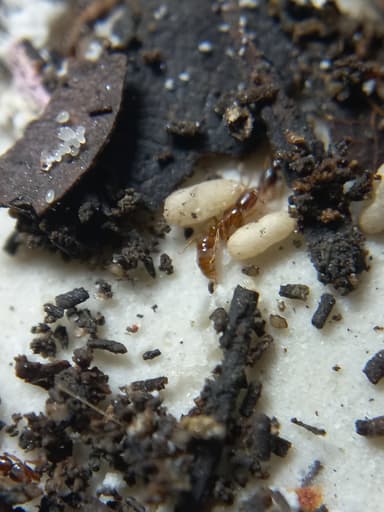
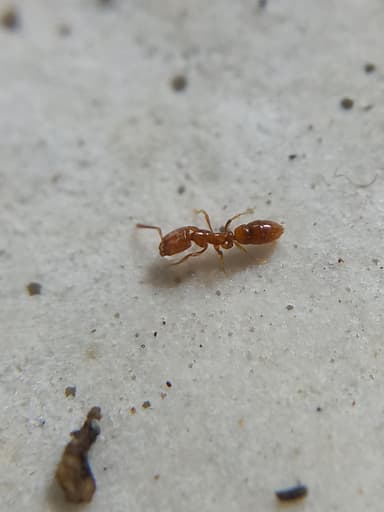
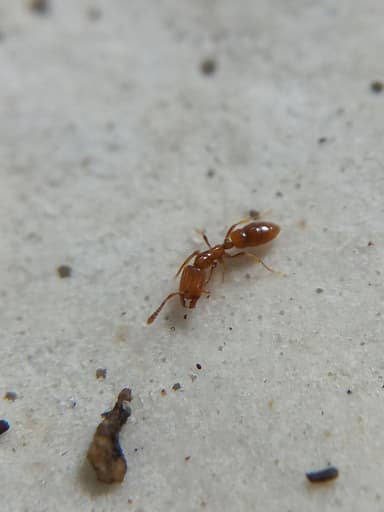
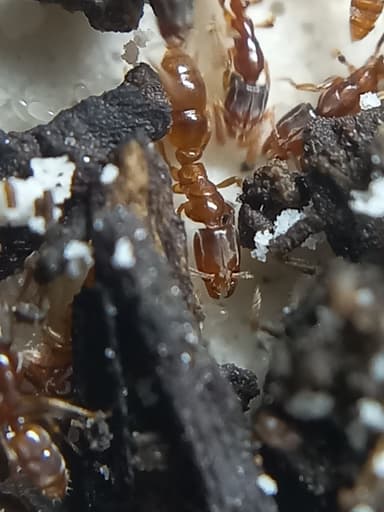
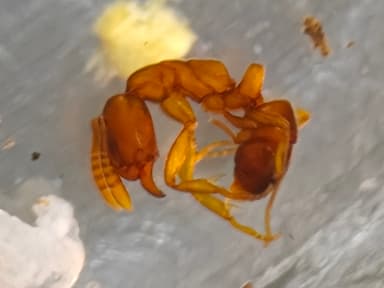
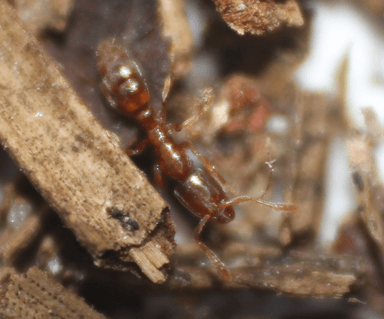
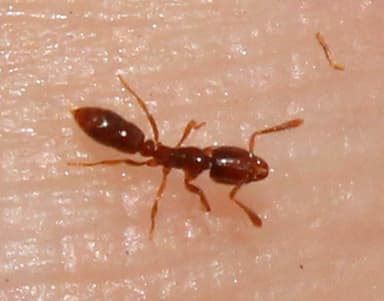
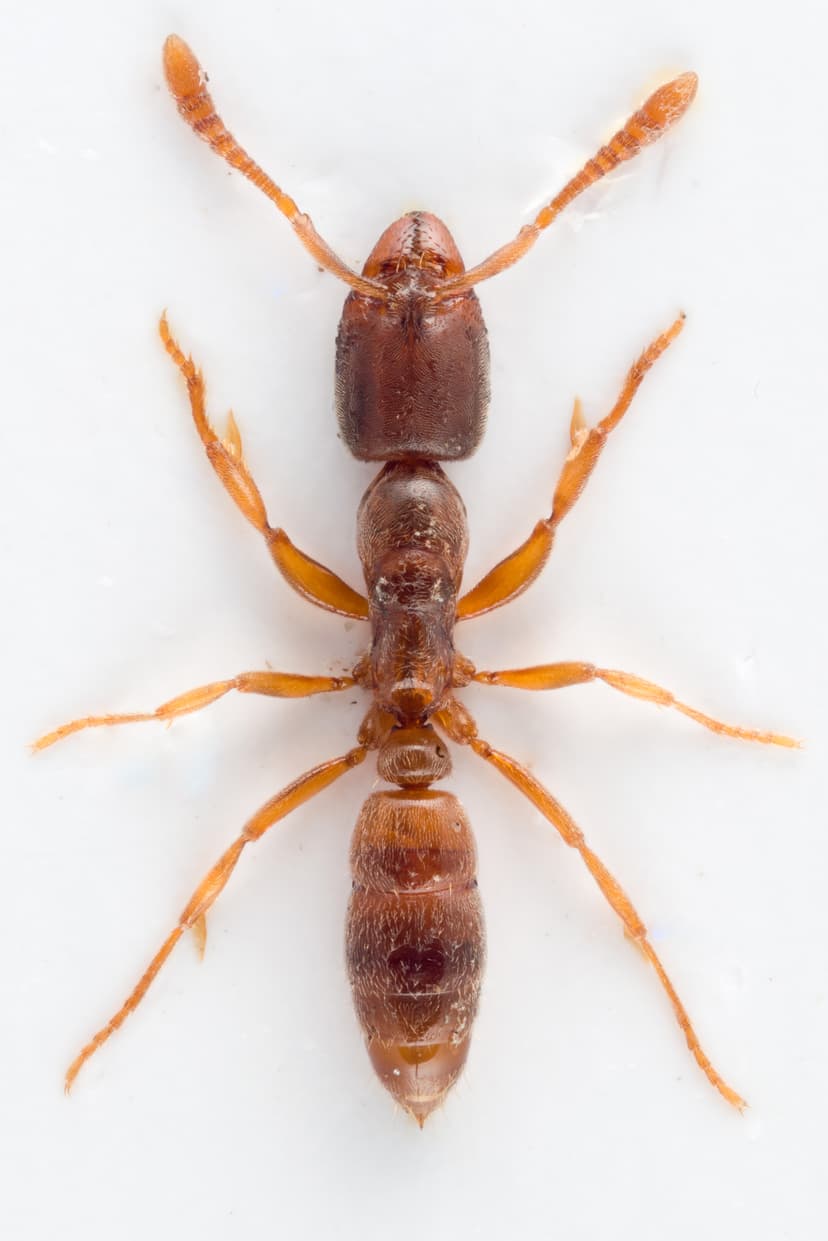
Hypoponera punctatissima is a diminutive yet remarkably adaptable ant that has quietly colonised the globe, thriving in the warm, stable microclimates of heated buildings, greenhouses, and compost heaps. Workers measure a mere 2.0 to 2.8 millimetres, while queens are only slightly larger at 2.5 to 3.2 millimetres, both clad in a pale yellowish-brown cuticle that helps them blend into their often subterranean or leaf-litter habitats. Mature colonies are modest, typically capped at around 500 individuals, but what they lack in size they make up for in biological intrigue. The species is famous among myrmecologists for its unusual reproductive strategy: instead of conventional winged males, it frequently produces wingless, worker-like ergatoid males that remain within the nest, where they engage in fierce battles and mate with their sisters (Hamilton 1979). This adaptation allows colonies to reproduce without ever needing a nuptial flight, facilitating inbreeding and the rapid founding of new societies in the most confined spaces. Indeed, indoor populations in temperate regions can release small, dark-winged sexuals during warm, humid afternoons between June and September, but the ergatoid route means a queen alone in a potted plant can give rise to a thriving, self-contained colony year-round. Seifert (2003) clarified the distinction from the closely related H. schauinslandi, noting subtle structural differences, though both share this cryptic, tramp-species lifestyle.
Care difficulty is best classified as intermediate. This is not a beginner’s ant, not because it is aggressive or demanding in diet, but because its minuscule size presents a constant escape risk. Even the tiniest wiring gaps or poorly sealed lids become potential exit points, and once out, they can establish satellite nests inside your home—a scenario few keepers wish to entertain. However, for the hobbyist with some experience in managing micro-species and a willingness to invest in a well-sealed formicarium, H. punctatissima offers a year-round active colony that forgoes any winter dormancy. It suits those fascinated by the overlooked biology of soil ants, and because colony growth is gradual, it never becomes overwhelming. The ants are non-aggressive and retreat from light, making them more of a quiet observation project than a dynamic display species.
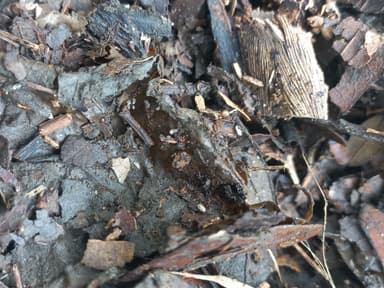
Housing must prioritise moisture, security, and a granular understanding of how these ants live in nature. A nest carved from gypsum, aerated concrete, or a plaster-lined foraging arena works beautifully, as it retains the high humidity of 60–85% that they crave while offering the fine, snaking tunnels they inhabit in soil. Maintain a temperature gradient between 20 and 28°C; a gentle heat cable under one third of the nest is ideal. Because they naturally nest in rotting wood, leaf litter, and the topsoil of potted plants, provide a thin layer of coco peat, sand, or vermiculite in part of the outworld, which helps buffer humidity and gives the ants material to rearrange. Crucially, the barrier must be flawless—a thick band of fluon or a tight-fitting lid with 0.1 mm mesh ventilation holes is essential. A test tube with water, stoppered by cotton, should always be present, though the nest itself will be the primary humidity source.
Feeding is straightforward once scaled to their tiny appetites. Offer protein in the form of fruit flies (Drosophila), small pieces of pre-killed mealworm, or pinhead crickets two to three times per week. Carbohydrates can be provided as a drop of diluted honey, maple syrup, or sugar water on a small piece of foil or a feeder tray. Because the workers are so small, even a single fruit fly can feed a young colony for days; remove any uneaten prey after 24 hours to prevent mold, which spreads rapidly in the necessary high-humidity environment. Fresh water must be available at all times, both for drinking and for maintaining ambient moisture. Avoid large open water droplets where ants could drown—a soaked cotton pad or a micro-drinking tower is safer.
One of the great advantages of this species is that it requires no hibernation. Descended from tropical and subtropical lineages that now inhabit climatically stable indoor spaces across all continents, H. punctatissima has completely lost the need for a cold dormancy. You can keep the setup at a constant 22–25°C year-round, and the colony will continue to forage, brood, and slowly expand regardless of the season. This makes it an excellent choice for keepers who want a living system to watch through the winter without the complexities of a chilling protocol.
When your new colony or founding queen arrives, give them a calm, dark settling period of at least 48 hours before the first gentle feeding. Queens are fully claustral, so if you receive a single queen in a test tube, she may not need immediate nourishment, but offering a tiny smear of honey and a single pre-killed fruit fly on the outworld floor can encourage her to feed once she explores. Keep the setup in a quiet room, shielded from vibrations, and resist the urge to peek constantly; bright light will cause the ants to retreat into the nest. After a few days, check for the appearance of eggs—a queen may lay a small batch within the first week. Once workers begin to eclose, increase feeding frequency cautiously. Watch especially for signs of condensation imbalance: if the glass becomes constantly fogged, reduce watering slightly; if the nest looks dry near the entrance, mist the outworld. With careful attention to these micro-habitat details, your Hypoponera punctatissima colony will gradually reveal its hidden, self-contained world—a miniature society of wingless males, quiet queens, and ever-busy workers that rarely sees the light of day but thrives in the spaces we overlook.