Camponotus
Camponotus vagus
Nuptial Flight Calendar
Flight months: Apr, May, Jun, Jul, Aug
Care Guide
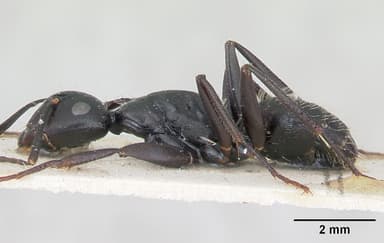
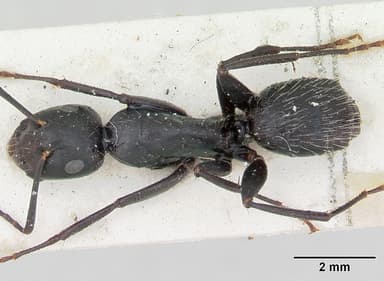
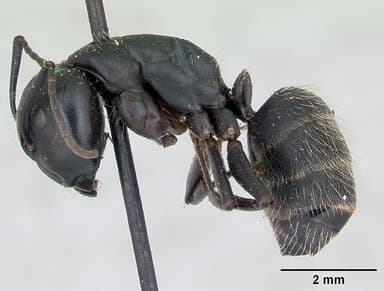
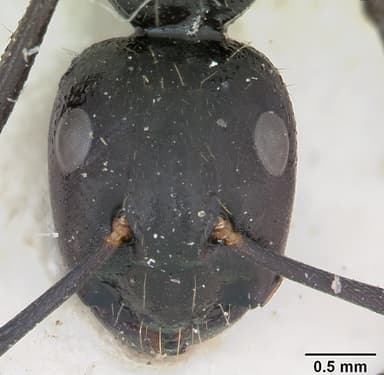
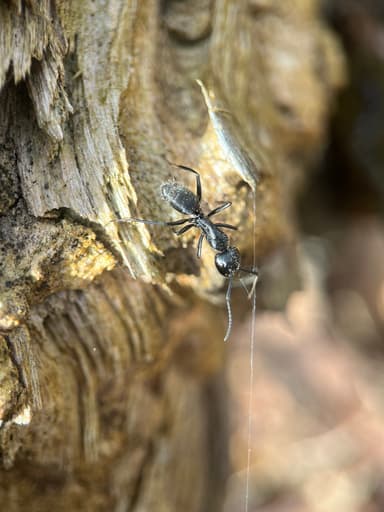
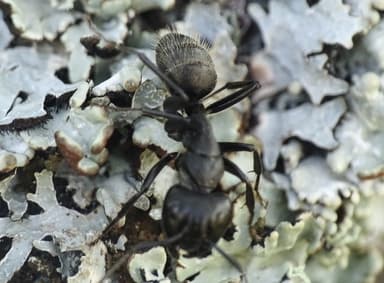
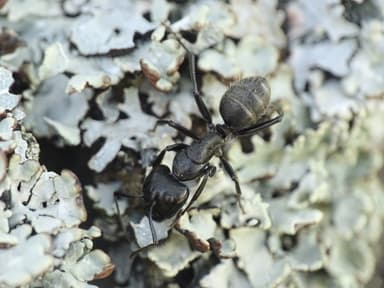
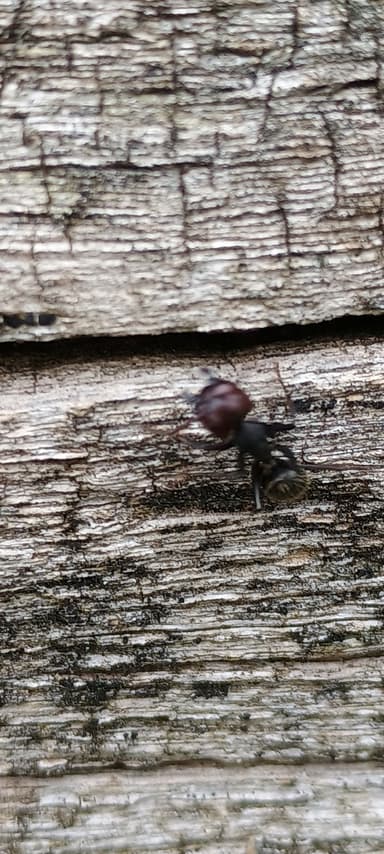
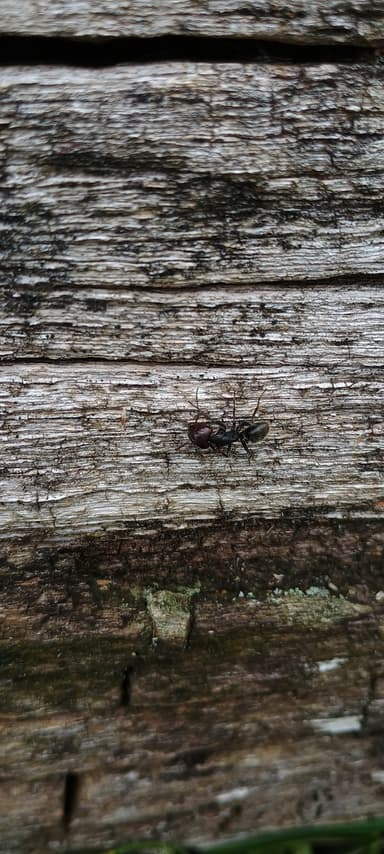
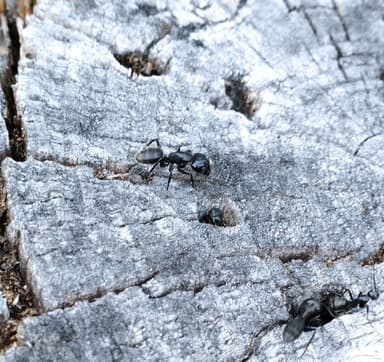
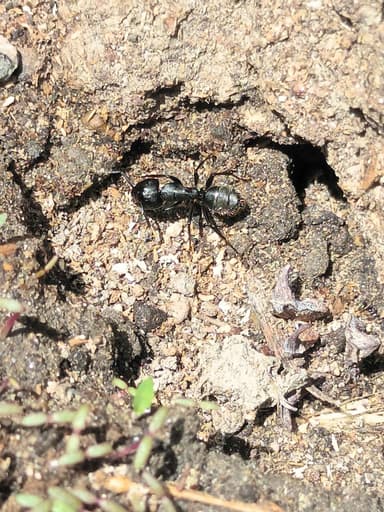
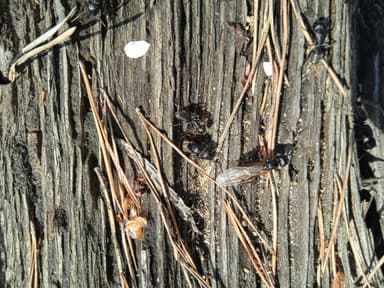
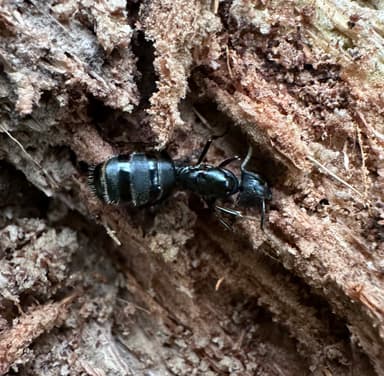
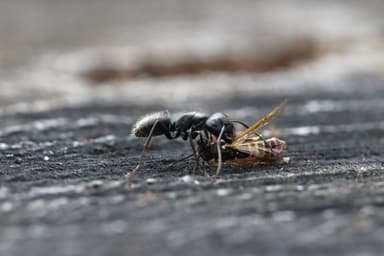
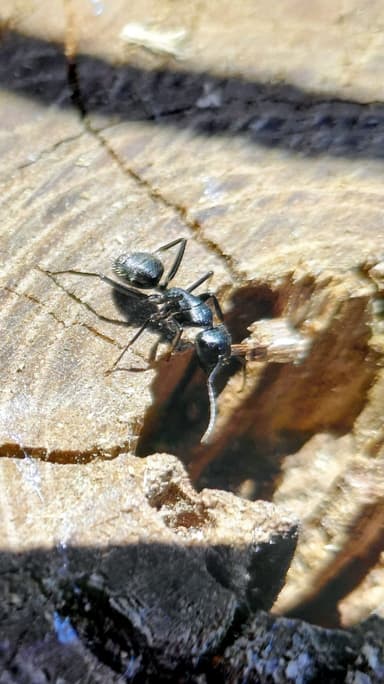
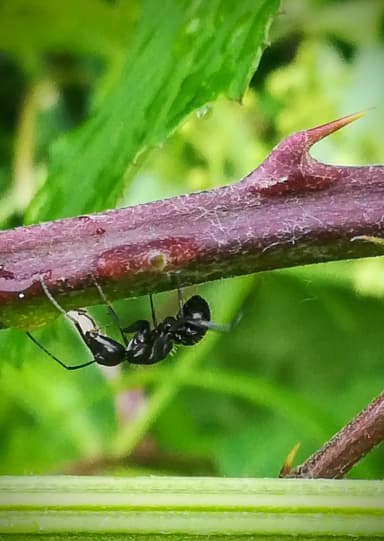
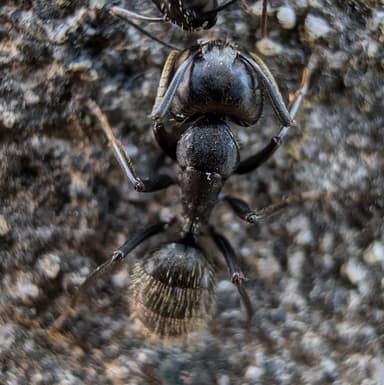
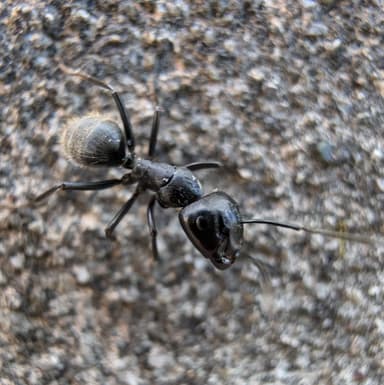
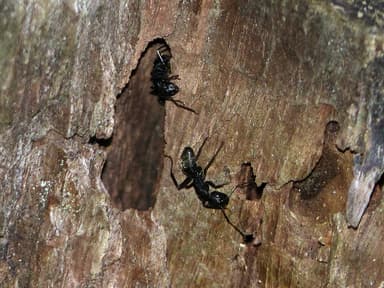
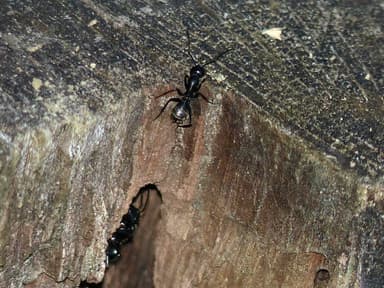
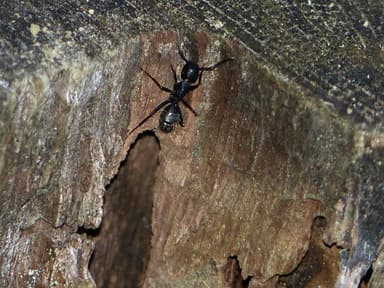
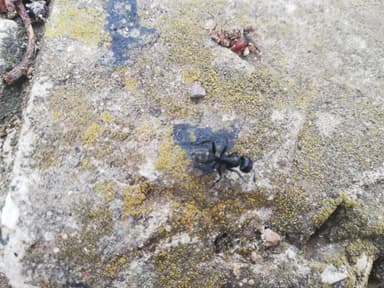
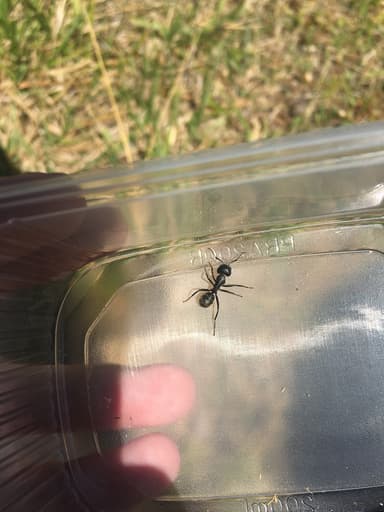
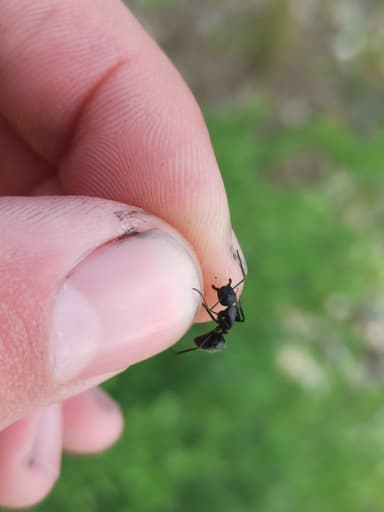
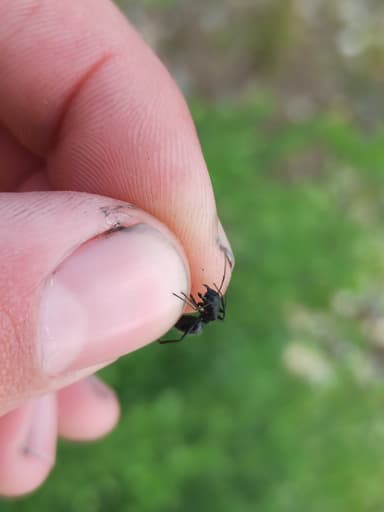
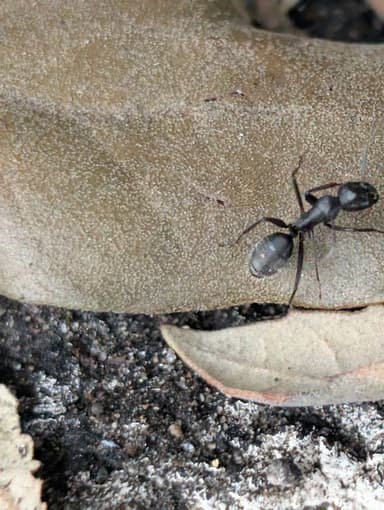
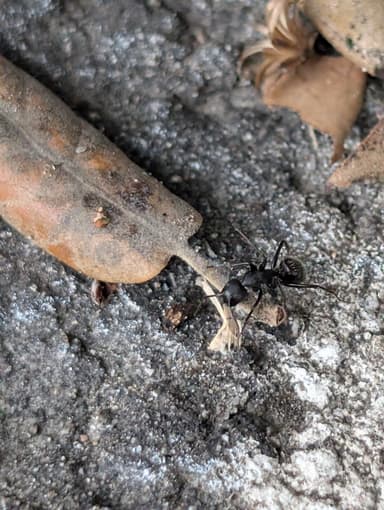
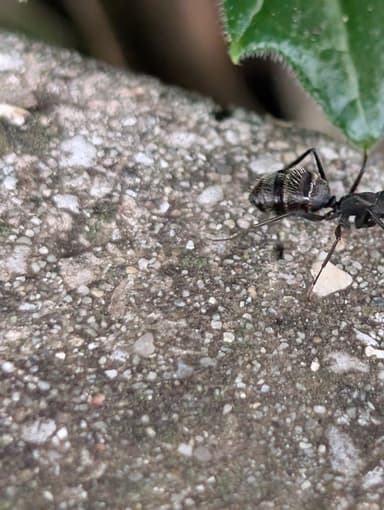
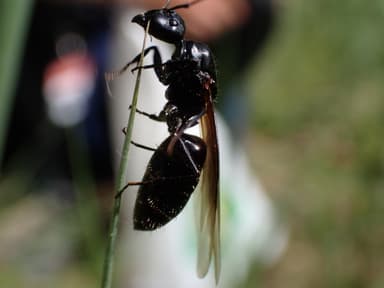
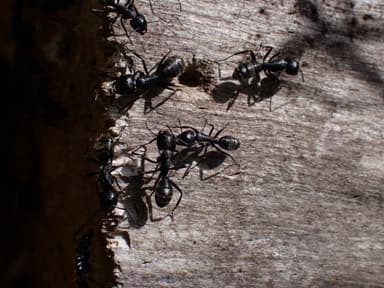
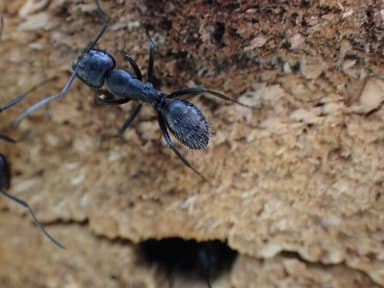
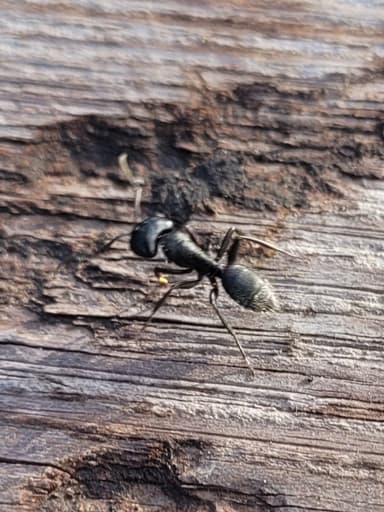
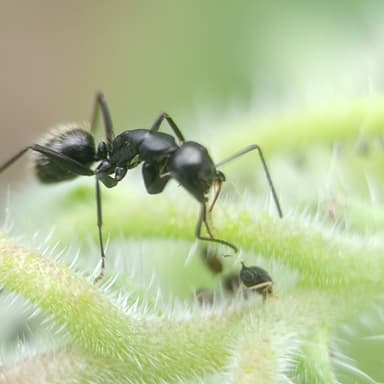
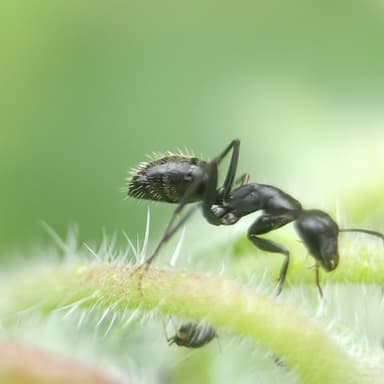
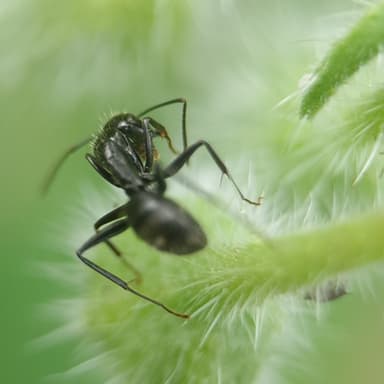
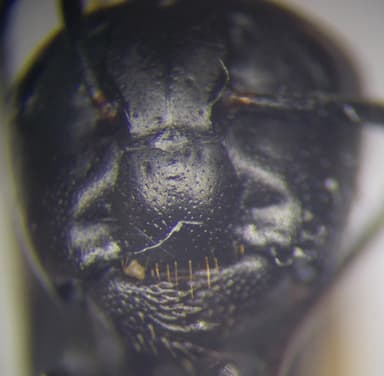
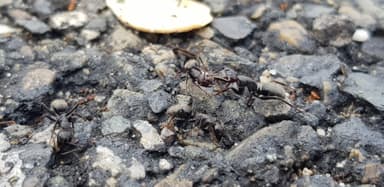
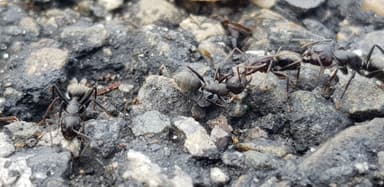
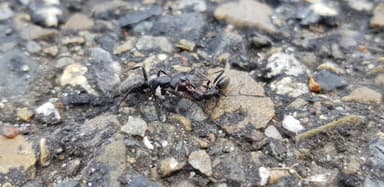
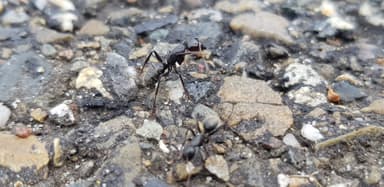
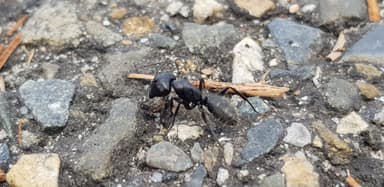
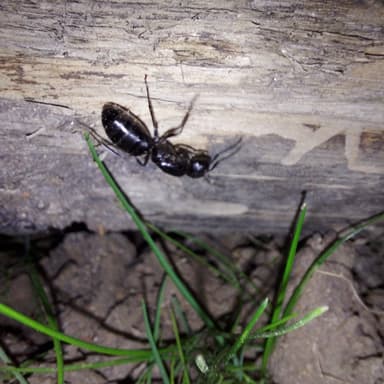
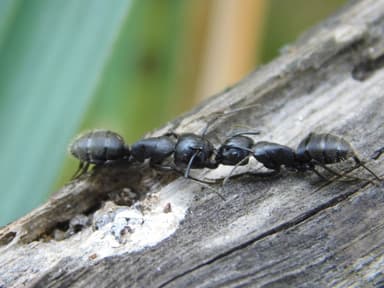
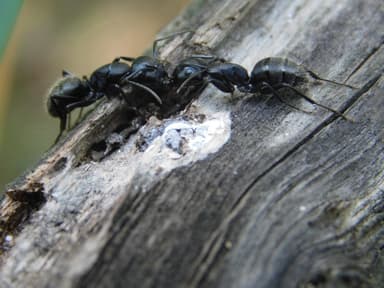
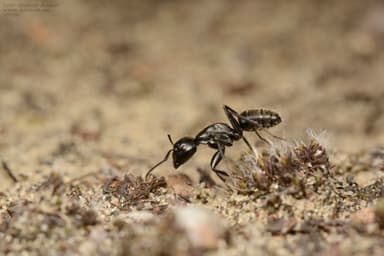
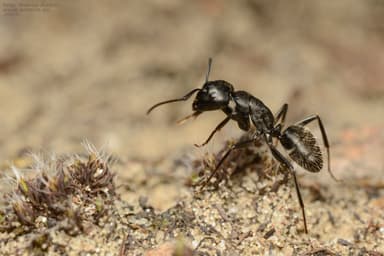
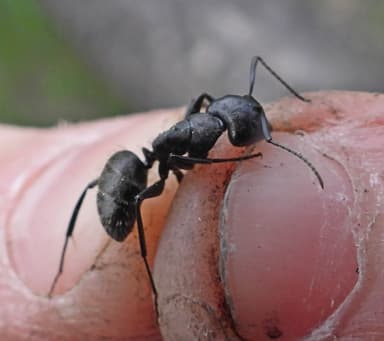
Camponotus vagus, often referred to as the jet-black carpenter ant, is a commanding presence among European formicarium inhabitants. Its distribution sweeps from the Iberian Peninsula across Central and Southern Europe and deep into western Asia, as reflected in extensive GBIF occurrence data, thriving in warm lowland forests and parklands. The queens are truly substantial, measuring 15 to 18 mm, while the workers display a striking polymorphism rarely matched by other Camponotus species within the region — minor workers begin at a mere 6 mm, but the broad-headed, heavily muscled major workers can reach an impressive 12 mm, their pitch-black, glossy exoskeletons catching the light like polished jet (Seifert 2018). A mature colony housed in a rotting log or stump can swell to around 10,000 individuals (Czechowski et al. 2012), a busy metropolis of distinct castes that cooperate under a single claustrally founded queen. Their nuptial flights occur with high reliability on warm, sunny afternoons from June through August, typically when temperatures soar above 25°C and the air is still and moist after recent rain, a spectacle recorded by European observers and confirmed by AntWiki data. This seasonal theatre, alongside the ants’ imposing size and clear physical dimorphism, makes C. vagus a deeply rewarding subject that bridges the gap between the familiar garden ant and the exotic tropical giants.
Given its specific environmental needs, Camponotus vagus is best described as an intermediate-level species, most suitable for keepers who have already successfully managed a hardier beginner colony and are ready to embrace the rhythm of a true temperate ant. While it is not inherently fragile, its care demands precision in two areas: humidity control and, above all, a punctual, cold hibernation. Beginners who ignore these requirements often witness a slow colony decline, with queens ceasing to lay and workers dwindling. However, for those with a year or two of experience, the species is wonderfully forgiving of observation, as the large workers are easily tracked and the colony is not prone to sudden panic-induced crashes. Antstore and Ameisenforum.de keeping records consistently note that this species suits the keeper who enjoys planning seasonal adjustments and who takes pleasure in the slow, majestic pace of a carpenter ant colony as it expands from a handful of hesitant nanitics to a formidable, territorial population.
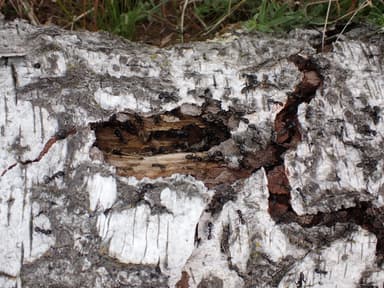
Recreating the microhabitat of a sun-warmed deadwood cavity is central to success. The nest itself should offer a thermal gradient from 20°C at the cooler, humid end to a basking spot of up to 28°C, easily achieved with a small heat mat placed on one side of a gypsum or Ytong formicarium. Humidity must be maintained between 50 and 70%, with the higher end inside the nest chambers and a drier foraging area outside. A simple method is to provide a plaster nest block with a small water reservoir, allowing the ants to choose their ideal microclime. The foraging arena should be generously sized, lined with a layer of sand or fine soil, and furnished with a few pieces of bark or cork to serve as outposts for the ever-vigilant major workers. Because major workers can exert enough mandible pressure to nibble through soft plastics or poorly sealed gaps, a well-ventilated but absolutely escape-proof lid is non-negotiable; glass and steel mesh are safe choices. As the colony grows, be prepared to add extra nesting modules, since these ants produce copious amounts of cocoon silk and refuse that require regular spot-cleaning to prevent mould.
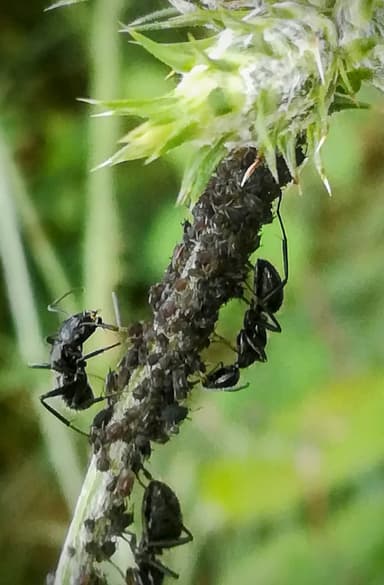
Nutrition for Camponotus vagus follows the classic carpenter ant dual requirement for protein and sugars. Offer freshly killed insects — fruit flies, small crickets, or chopped mealworms — two to three times per week, adjusting the quantity according to the brood pile’s appetite. Major workers will eagerly process larger prey items, dismembering them with their powerful mandibles, a thrilling behaviour to watch. At the same time, a permanent source of carbohydrates is essential: a test tube feeder filled with diluted honey or sugar water, plugged with cotton to prevent drowning, should be available at all times. Many keepers, as reported in European hobbyist forums, also place tiny slices of organic apple or grape in the arena once a week; the ants lap up the juices with visible enthusiasm. Remove any uneaten protein after 24 hours, and keep the water reservoir topped up, for desiccation is a rapid killer of even the hardiest major workers.
Hibernation is not optional — it is the cornerstone of a healthy C. vagus colony’s annual cycle. In the wild, across their broad latitudinal range, these ants retreat deep into their wooden galleries as autumn cools, and keepers must replicate this. Starting in late October, gradually reduce the temperature over two to three weeks until it stabilises around 8°C; a dedicated wine cooler or a reliably monitored cellar works perfectly (Czechowski et al. 2012). The nest should remain just slightly humid, never wet, to prevent fungal blooms during the three to four months of dormancy. By mid-March, slowly rewarm the setup to the active range. Skipping hibernation, or providing a half-hearted cool period at 15°C, will almost certainly result in a queen that stops egg‑laying permanently and workers that perish within months of spring — a painful lesson many an eager beginner has learned. When performed correctly, however, the colony emerges from hibernation with explosive vigour, the queen’s gaster visibly swollen with a new season of eggs.
The first days after your queen or small founding colony arrives are a critical settlement period. Keep the tube or small nest in a dark, quiet spot at a steady 24°C and resist all temptation to check on them for at least a week. If you have a queen with her first brood, she will be entirely self-sufficient until the nanitics eclose; her claustral reserves are all she needs. Once the inaugural workers begin to move about, place a tiny droplet of sugar water on a piece of foil just outside the nest entrance and offer a single pre-killed Drosophila. Watch for the moment a worker discovers it — her subsequent trophallaxis with the queen is a sign that the colony is settling in. Avoid introducing a large foraging area until you have at least 10–15 workers, as too much space can hinder their ability to find food and maintain nest humidity. Monitor closely for any signs of mould, which can spread quickly in a confined tube, and ensure the water reservoir remains uncontaminated. With patience and minimal disturbance, this small founding unit will, over the following summer, establish the foundation of a truly magnificent, long-lived colony that will reward attentive care for a decade or more.