Tetramorium
Tetramorium alpestre
Care Guide
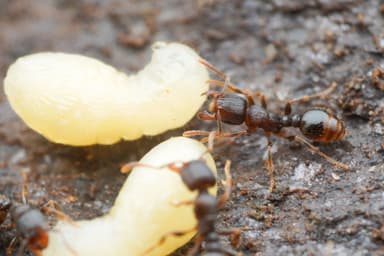
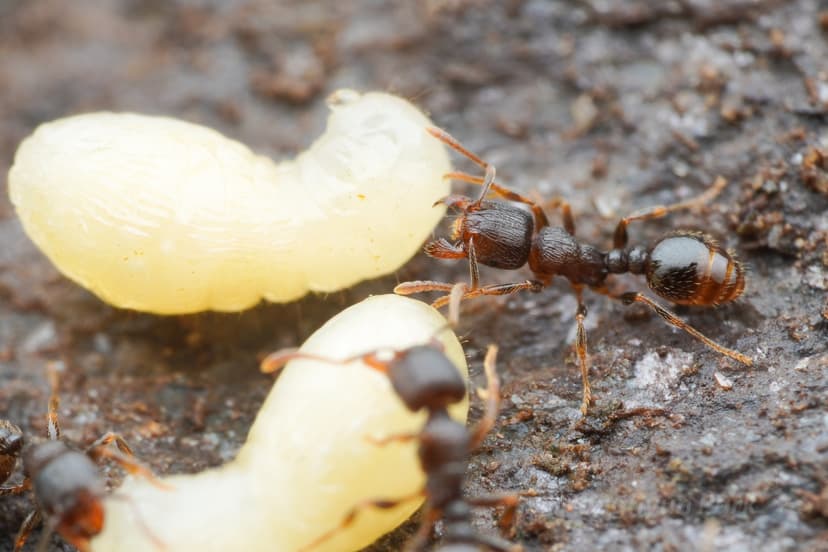
Tetramorium alpestre is a fascinating mountain-dwelling ant that brings a touch of alpine wilderness into the formicarium. Unlike many of their lowland relatives, these ants are adapted to cooler climates and display a remarkable resilience to cold, making them a rewarding challenge for the intermediate keeper. The queen measures between 6 and 8 mm, while the workers range from 2.5 to 4 mm, and the colony is monomorphic — workers appear uniform in size but are efficient and industrious. A mature nest typically holds between 300 and 1,500 workers, forming a compact yet lively society.
These ants are primarily insectivorous, eagerly accepting a variety of feeder insects such as fruit flies, small crickets, and mealworms. They also have a strong preference for sugary liquids — offering sugar water or honeydew will keep them active and help support brood production. Despite their modest size, Tetramorium alpestre are determined foragers, covering their foraging area methodically and stockpiling food reserves. Their claustral founding means the queen rears her first workers without needing feeding, giving the keeper a satisfyingly low-maintenance start.
Care difficulty
Keeping Tetramorium alpestre is best suited for keepers who already have some experience, largely due to their specific temperature requirements. While not overly demanding, they need a consistently cool environment — the ideal temperature range sits between 15 and 22°C. Any prolonged heat above this can quickly stress the colony. Additionally, these ants require a genuine winter diapause. Hibernation at around 6°C is essential for their long-term health and reproductive success. Skipping this dormancy period can lead to a decline in queen fertility and worker lifespan. Humidity should be kept moderate, between 40 and 60%, with one side of the nest slightly moister to allow the ants to choose their preferred microclimate.
Housing
A formicarium for Tetramorium alpestre should offer a well-drained nest area with good ventilation to prevent mold, as these ants prefer drier conditions than many tropical species. A modular setup with a separate outworld works well — the outworld should include a small water source and a feeding arena. Because the colony remains moderate in size, they do not require an enormous amount of space; a medium-sized nest is sufficient even for established colonies. The most critical factor is temperature control. Place the formicarium in a cool room or use a cooling element during warmer months. Be mindful of sudden temperature fluctuations, which can cause stress.
First days after purchase
Upon receiving your Tetramorium alpestre colony, allow the ants to settle in a quiet, shaded area with stable room temperature (around 18–20°C). Avoid handling or moving the nest for the first few days. Provide a small drop of sugar water and a tiny piece of insect protein to encourage feeding. Observe the workers’ activity level — if they are exploring and carrying food back into the nest, they are acclimating well. Do not attempt to feed heavily or disturb the queen. Once you see consistent foraging and nest maintenance, you can gradually introduce a regular feeding schedule. Remember that these ants are sensitive to light — cover the nest area or use red foil to minimize disturbance. With patience and attention to their cool-loving nature, Tetramorium alpestre will reward you with a hardy, active colony that brings a touch of mountain air into your ant keeping journey.