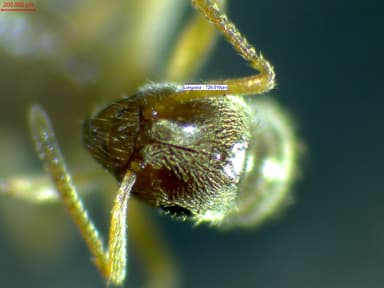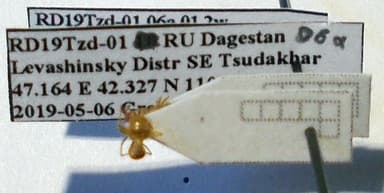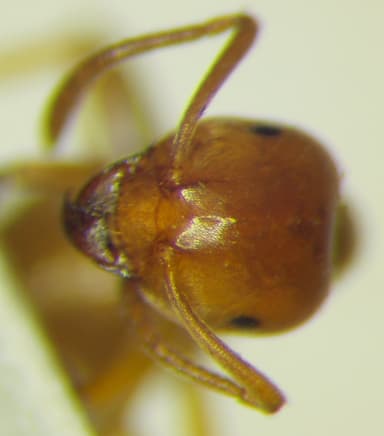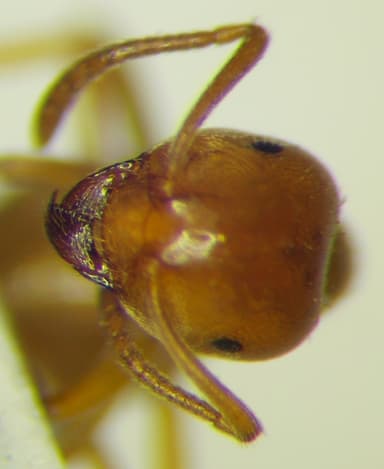
Lasius
Lasius carniolicus
Care Guide
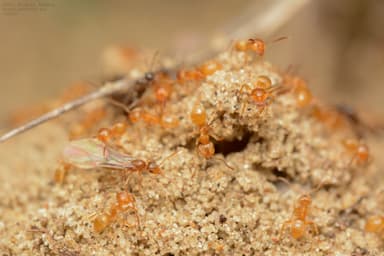
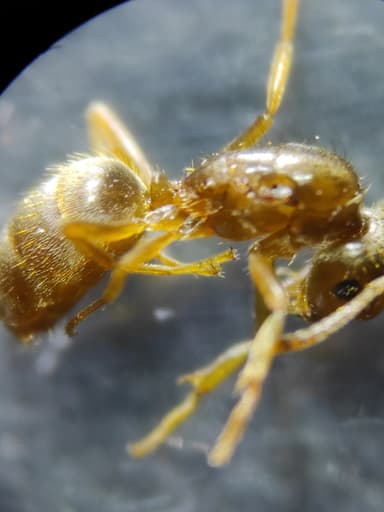
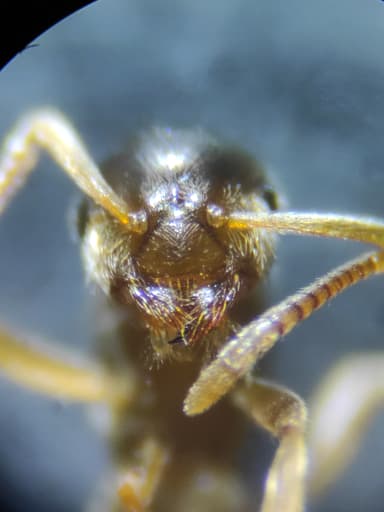
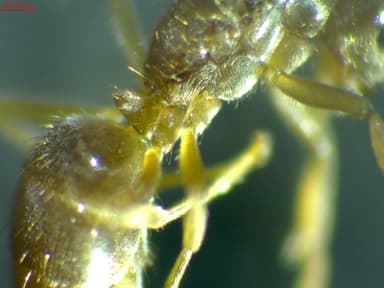
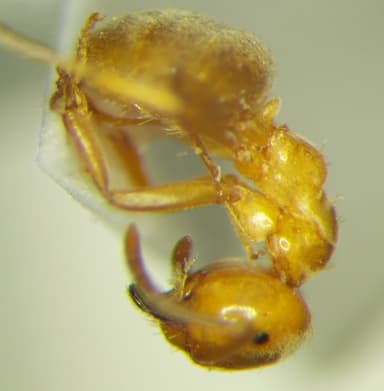
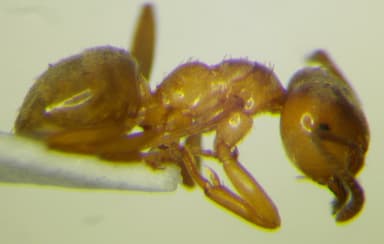
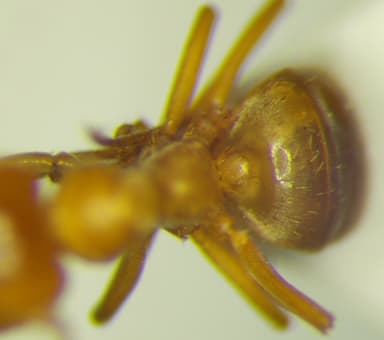
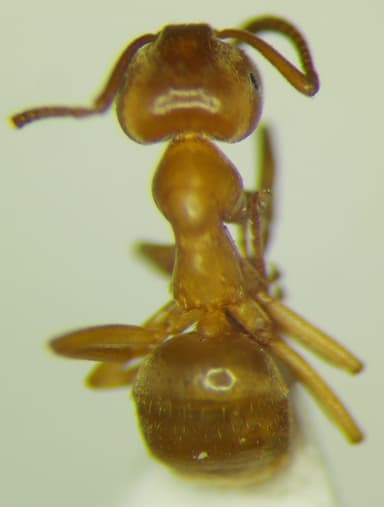
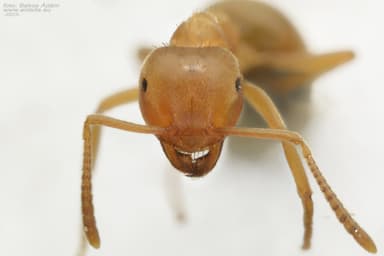
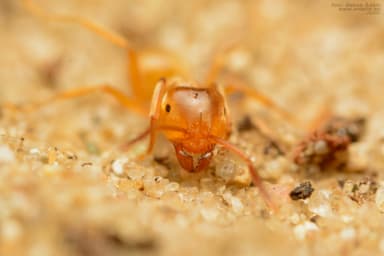
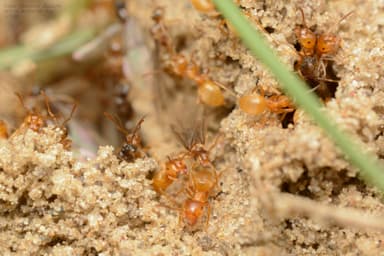
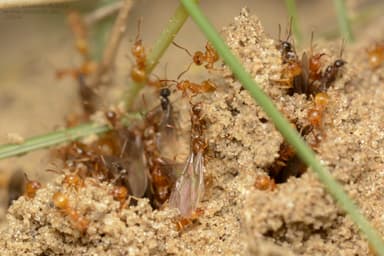
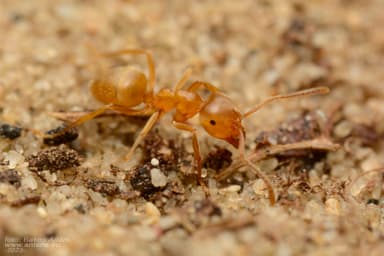
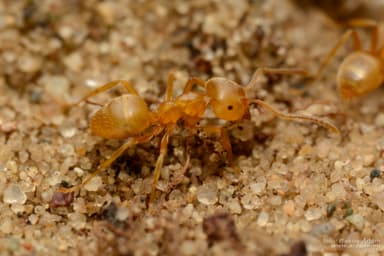
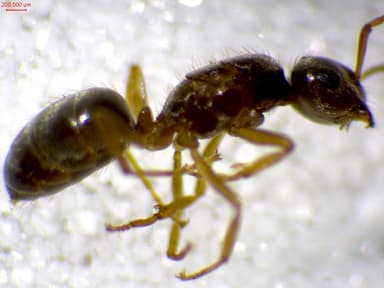
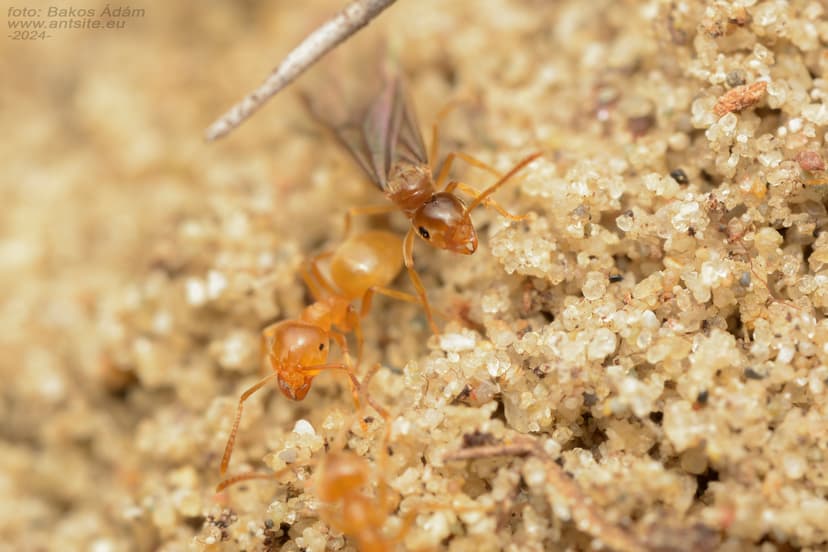
Lasius carniolicus is a charming and robust species that offers an excellent introduction to the world of ant keeping. The queen measures between 7 and 9 mm, while the workers are notably smaller at 3 to 4.5 mm. Unlike some of their polymorphic cousins, these ants are monomorphic, meaning all workers share a similar size and shape, which gives the colony a uniform, tidy appearance. Despite their modest dimensions, they are active foragers and develop into colonies of several thousand individuals — typically between three and ten thousand workers at peak size — creating a lively and satisfying display.
One of the most appealing traits of Lasius carniolicus is their flexible diet. In the wild, they rely heavily on honeydew from aphids, but in captivity they thrive on a simple mix of sugar water, honey, or a quality ant sugar solution, supplemented with protein-rich insects such as fruit flies, crickets, or mealworms. This straightforward feeding regimen makes them very forgiving for beginners who are still learning the nuances of ant nutrition. They also need a period of winter diapause to stay healthy; a cool hibernation at around 8°C for two to three months is essential for the queen to maintain her fertility and for the colony to synchronize its life cycle.
Care difficulty
Keeping Lasius carniolicus is well within the reach of a beginner ant keeper. Their claustral founding method means the queen raises her first batch of workers without needing any food — she simply seals herself in a dark, humid chamber and relies on her own metabolic reserves. Once the first workers emerge, they take over foraging and caring for the brood, making the early stages particularly low-stress. The ants are not aggressive and are comfortable with moderate disturbance once established.
Housing
A suitable formicarium for Lasius carniolicus should provide both a warm nesting area and a slightly cooler, drier outworld. They prefer temperatures in the range of 20 to 28°C, with the warmer end ideal for brood development. Humidity in the nest should be kept between 50 and 70% — a test tube setup with a cotton-plugged water reservoir works perfectly for young colonies, while larger nests benefit from a moistened substrate or hydration system. These ants appreciate a well-lit outworld for foraging, but the nest itself should remain dark and quiet. A layer of sand or fine soil in the outworld mimics their natural habitat and allows them to dig and explore.
First days after purchase
Upon receiving your Lasius carniolicus colony, place the test tube or formicarium in a calm, dim location and resist the urge to handle or open the setup. Let the ants acclimatize undisturbed for at least 24 hours. After that, offer a small drop of sugar water on a flat surface in the outworld, along with a tiny piece of insect protein. Avoid overfeeding — a little goes a long way. Monitor the colony’s activity: if they are actively exploring and tending brood, you can gradually begin regular maintenance. With patience and a gentle approach, these endearing ants will quickly settle in and reward you with a bustling, thriving colony.