Anoplolepis
Anoplolepis custodiens
Care Guide
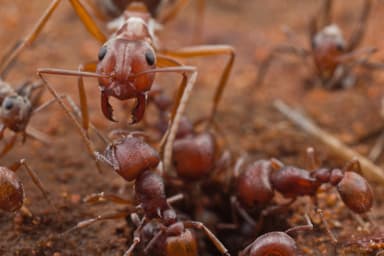
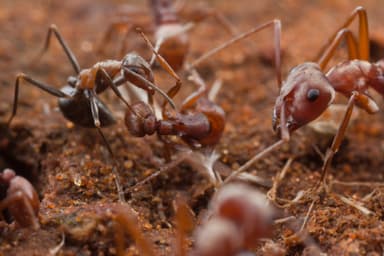
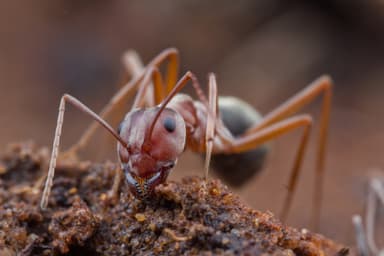
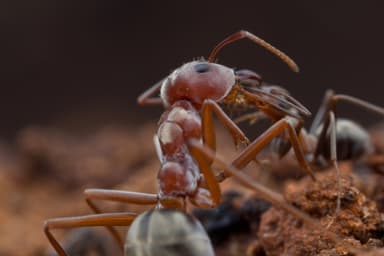
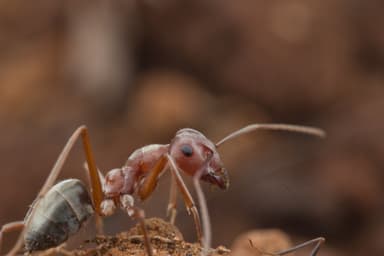
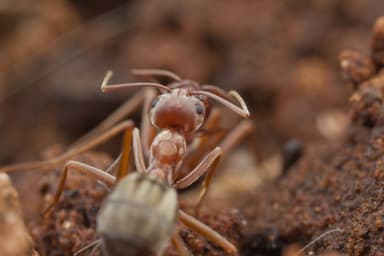
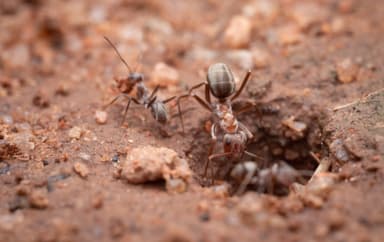
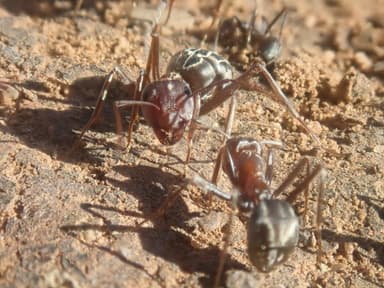
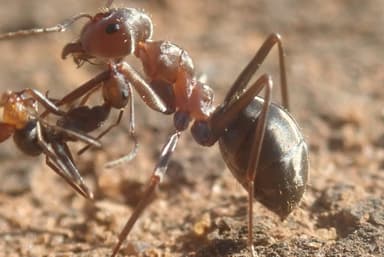
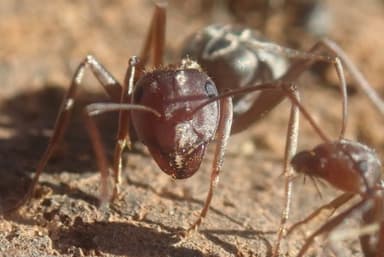
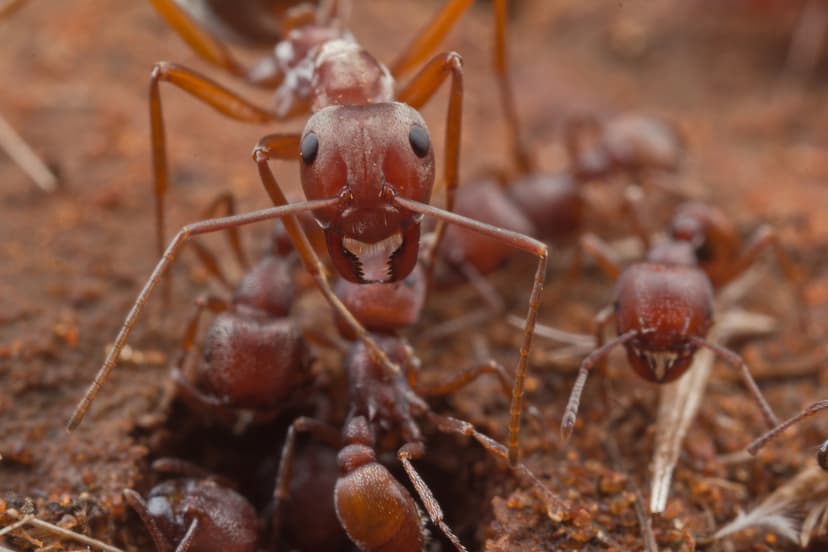
Anoplolepis custodiens, commonly known as the pugnacious ant, lives up to its name with a bold, fast-moving, and highly aggressive nature. Queens measure 8–10 mm, while workers range from 3–6 mm and display slight size variation, though not as pronounced as in seed-harvesting species. Colonies can grow rapidly into the tens of thousands, reaching up to 100,000 workers under optimal conditions. Founding is claustral, meaning the queen can raise her first brood without foraging, making the initial setup straightforward.
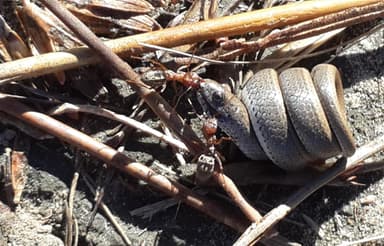
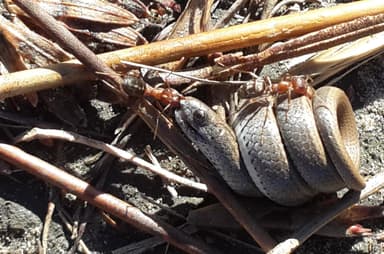
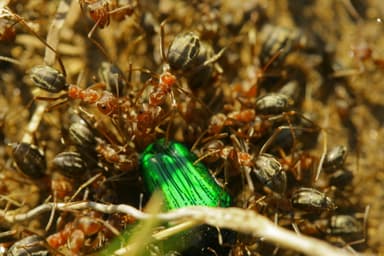
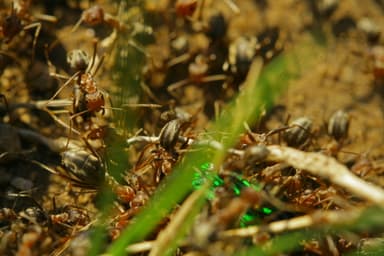
What truly sets Anoplolepis custodiens apart is their relentless foraging behaviour and exceptional speed. In the wild, these ants are notorious for their ability to overwhelm prey and defend their territory with remarkable coordination. They thrive on a high-protein diet supplemented with carbohydrates: live or freshly killed insects should form the staple, alongside sugar water or honeydew. A steady supply of both is essential to sustain the colony’s explosive growth. Unlike many temperate species, they do not require hibernation, so they remain active year-round as long as temperatures are maintained between 24–28°C. Humidity should be kept around 50–70%, with the nesting area slightly moister to support brood development.
Care difficulty
Keeping Anoplolepis custodiens is rated as intermediate, primarily because of their speed and tendency to escape if the formicarium is not escape-proof. They are also sensitive to vibrations and sudden disturbances, which can trigger panic and defensive responses. Beginners can succeed, but careful attention to containment and a calm, stable environment is required. Their dietary needs are straightforward, but the sheer quantity of food required as the colony expands can be surprising.
Housing
A formicarium for this species must prioritise security. Tubes or connectors should be snug, and any openings must be sealed with fluon or mineral oil barriers because these ants climb smooth surfaces with ease. Provide a spacious foraging arena with ample substrate for tunnelling and a nest area that can be kept dark and humid. Because of their high activity levels, a well-ventilated setup with good drainage is recommended. Regular cleaning of the foraging area is necessary to prevent mould from leftover insect parts. The nest itself should be kept quiet, as disturbances can cause the colony to become stressed and reduce brood production.
First days after purchase
Upon receiving your Anoplolepis custodiens colony, transfer them into their new home with minimal disruption. Place the formicarium in a warm, quiet location away from direct sunlight and drafts. For the first few days, avoid opening the nest area and simply observe from a distance. Offer a small drop of sugar water and a dead insect near the entrance to allow the workers to acclimatise at their own pace. Some initial hesitation is normal; within a day or two they will resume active foraging. Resist the urge to handle or overfeed them in this period—consistency and patience will lay the foundation for a thriving, spectacularly fast colony.