Leptothorax
Leptothorax gredleri
Nuptial Flight Calendar
Flight months: Jul, Aug, Sep
Care Guide
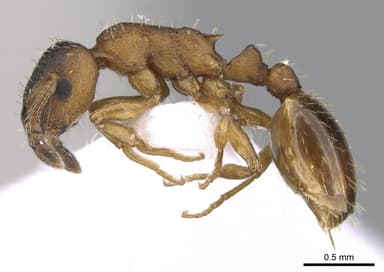
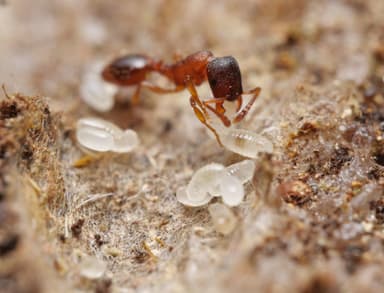
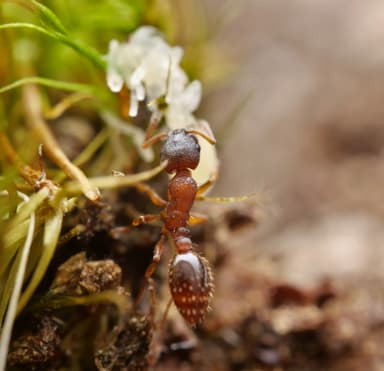
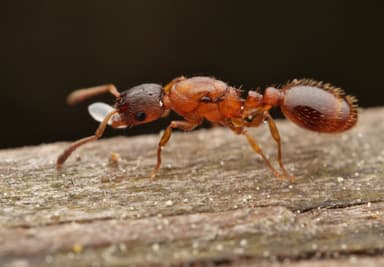
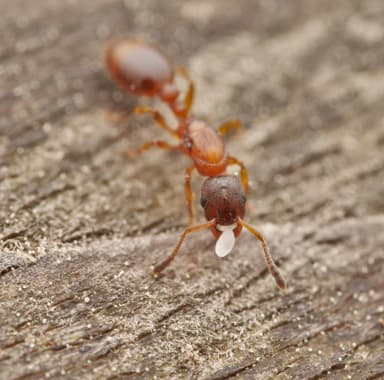
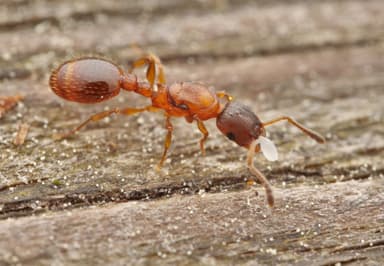
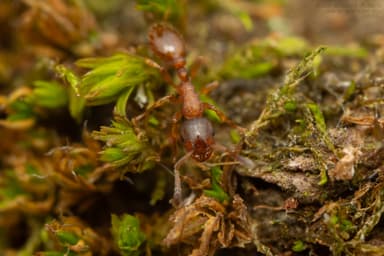
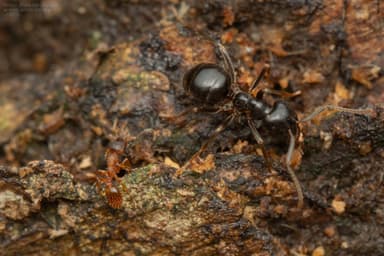
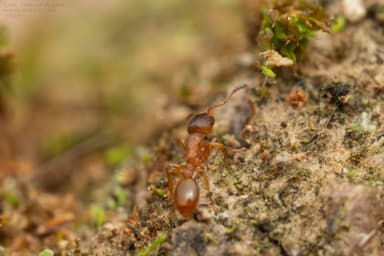
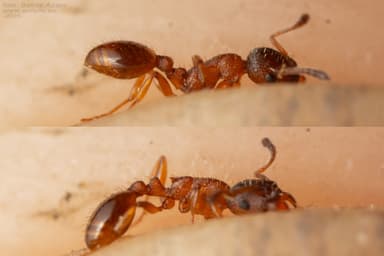
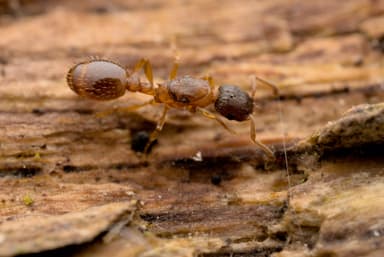
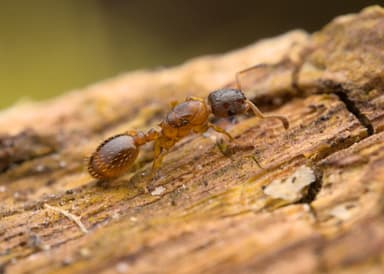
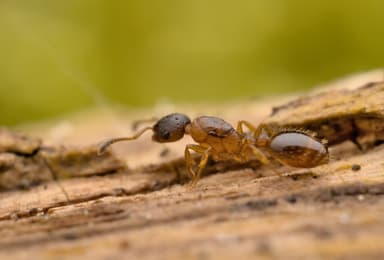
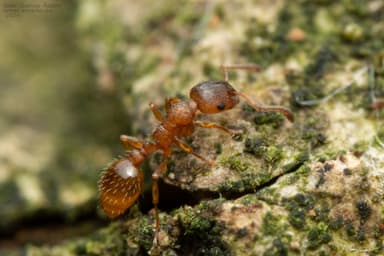
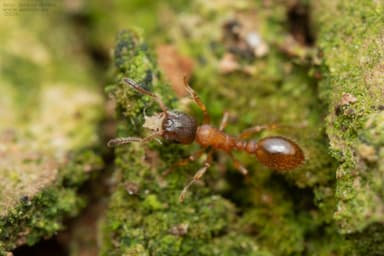
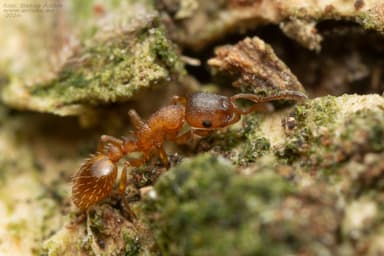
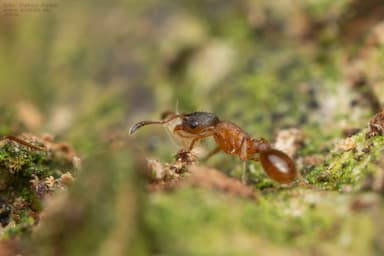
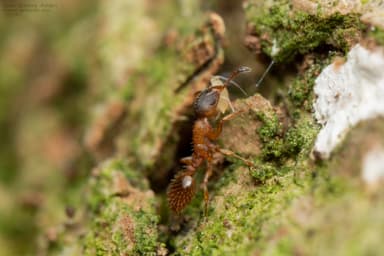
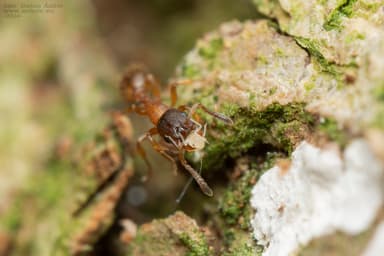
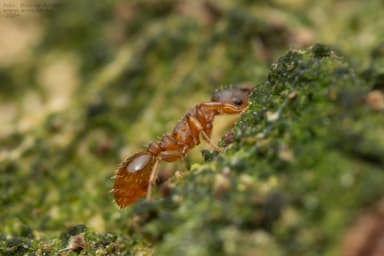
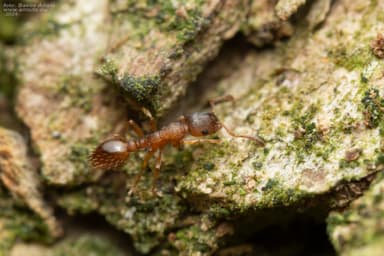
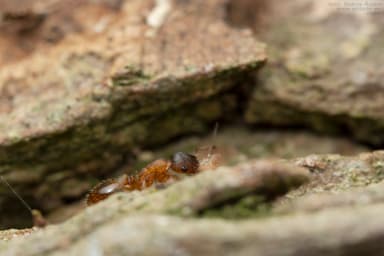
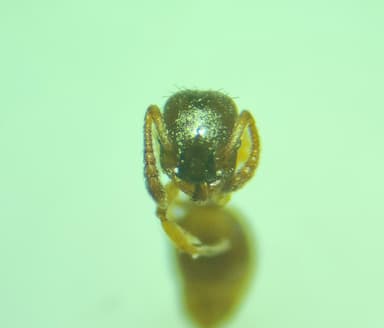
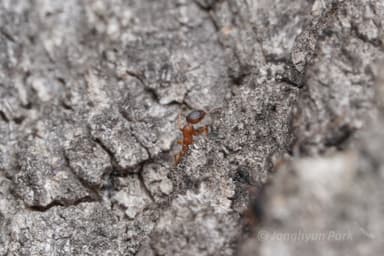
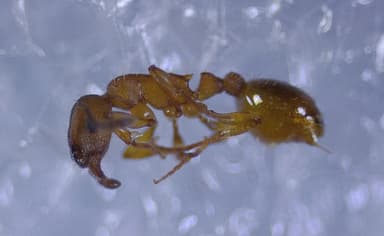
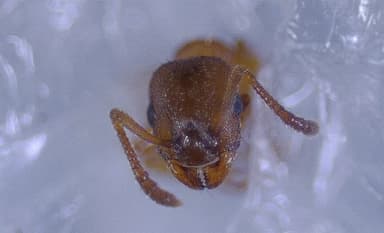
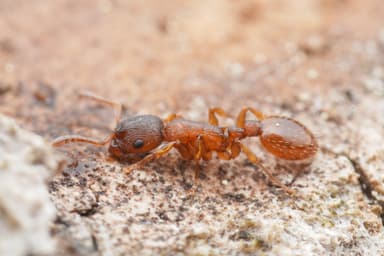
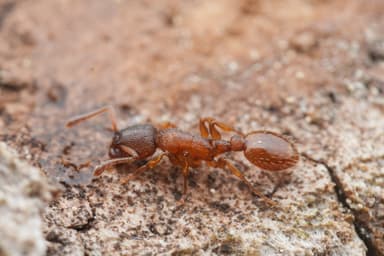
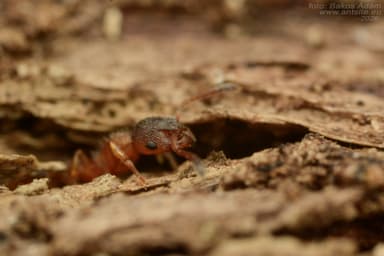
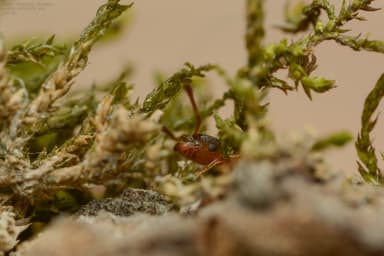
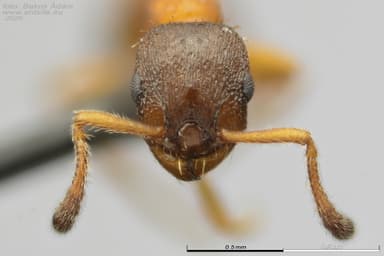
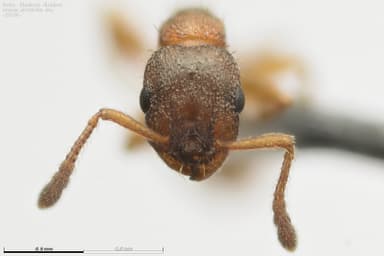
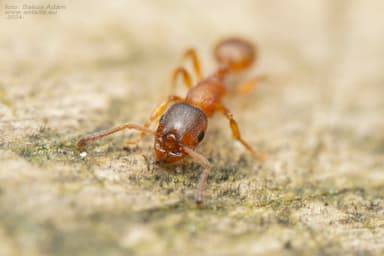
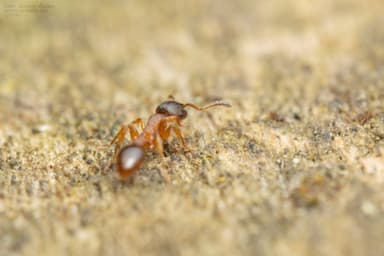
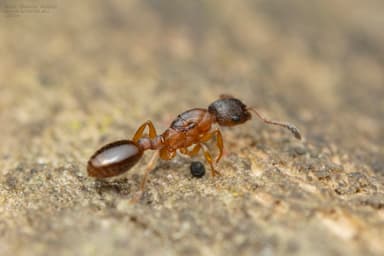
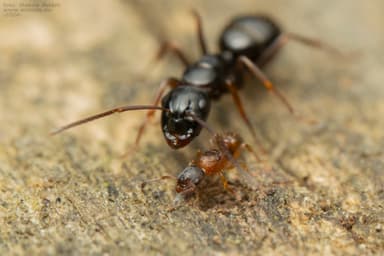
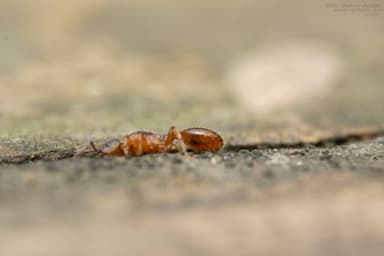
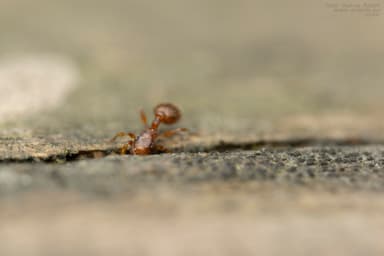
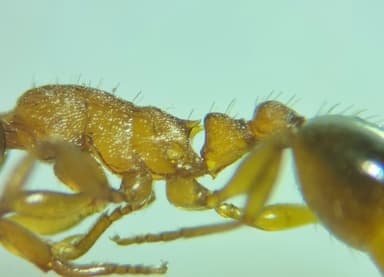
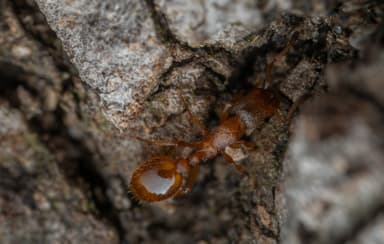
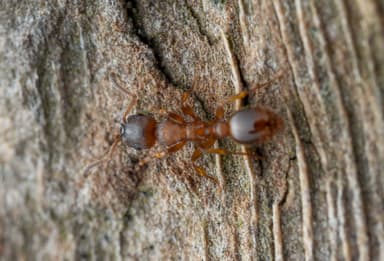
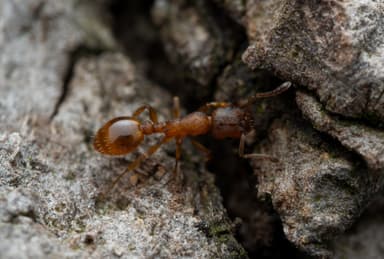
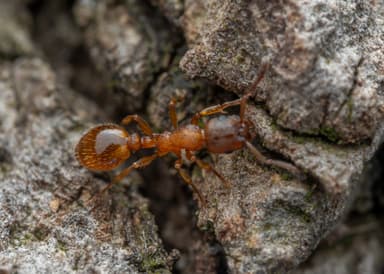
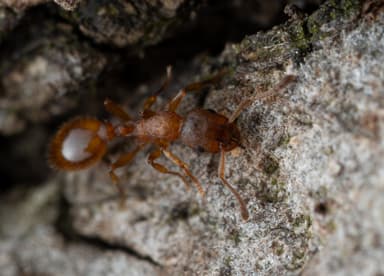
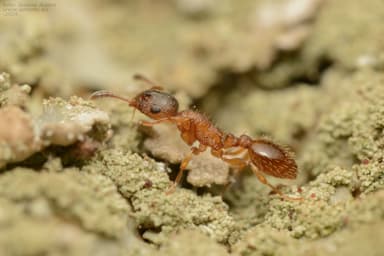
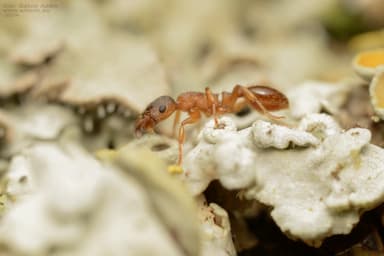
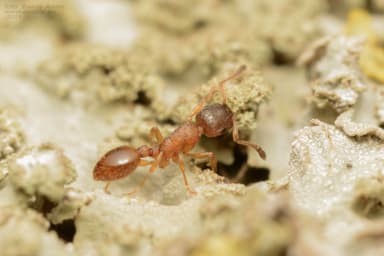
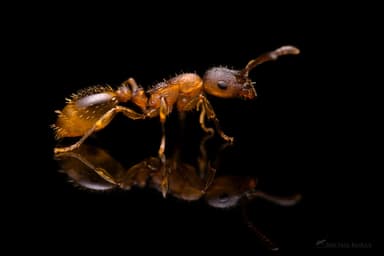
Leptothorax gredleri is a remarkably tiny ant that inhabits a broad swathe of Europe, from the Iberian Peninsula eastwards to the Balkans and north into southern Scandinavia (Seifert 2018). Workers measure just 2.5–3.2 millimetres, while queens reach a modest 3.5–4.5 millimetres. Their colouration is typically a pale to medium brown, sometimes with a darker head and gaster, and the cuticle is smooth and shiny. Colonies are small, rarely exceeding 200 individuals, and they lack any physical worker polymorphism — all workers are of a single minor caste. What this species lacks in size, it more than makes up for in behavioural richness. Queens found claustrally, sealing themselves away to rear their first brood without foraging, and colonies display a pronounced social hierarchy that can include multiple functional queens in some populations, a trait explored in depth by Heinze & Buschinger (1989) who documented fascinating genetic and ecological underpinnings of queen reproductive strategies. Their natural nests are almost always tucked away in hollow twigs, acorns, or under bark, making them specialists of pre-formed cavities and an excellent subject for keepers who enjoy watching the intricate choreography of brood care up close.
With an intermediate care difficulty, Leptothorax gredleri is best suited to keepers who already have some experience with clam-forming ants and understand the delicate balance required to maintain microhabitats for small colonies. Beginners might find them challenging due to their minute size, which demands escape-proof enclosures with very fine mesh or tightly fitting lids, and because their slow growth requires patience. However, for the dedicated hobbyist, they are wonderfully undemanding in terms of space. A colony can live its entire life in a nest the size of a matchbox. The primary reward is observing their gentle foraging patterns and the queen’s meticulous care for her eggs; they rarely sting and are not aggressive, making them a peaceful addition to a quiet collection. Their slow pace of life also means they are less prone to catastrophic collapse if a single feeding is missed, yet they do react poorly to prolonged neglect.
Housing must recreate the stable, humid microclimate of a decomposing twig. A plaster or ytong nest with narrow, low-ceilinged chambers works beautifully, or a simple test-tube setup can suffice for founding queens and small colonies. Maintain a temperature gradient between 18°C and 24°C; they thrive at around 21°C but tolerate brief warmer spells, while prolonged heat above 26°C can be fatal. Humidity should stay between 50% and 70%, achieved by a weekly drop of water to the nest material or by keeping one end of the tube moist. Substrate is unnecessary for the nest itself, but if you choose a naturalistic outworld, a thin layer of fine sand or coconut fibre works well. Crucial to success is ensuring no gaps larger than 0.3 millimetres anywhere in the setup — these ants can, and will, exploit the tiniest crack.
Feeding Leptothorax gredleri is a delightfully simple affair. They accept small protein prey such as freshly killed fruit flies, chopped mealworms, or springtails. Avoid live prey that is large enough to fight back, as even a struggling fruit fly can injure a worker. Carbohydrates are taken eagerly in the form of diluted honey, sugar water, or commercial ant nectar, offered in a tiny droplet that can be refreshed every two or three days. Because colonies are small, overfeeding is a real risk; uneaten food quickly turns mouldy and can overwhelm a minute nest. Remove leftovers within 24 hours, and always provide a clean water source, either via the moist nest area or a separate drinking droplet. A small pinch of dry baker’s yeast occasionally offered adds essential micronutrients.
A true temperate species, Leptothorax gredleri requires a strict hibernation period for long-term health. In the wild they retreat deep into wood or soil under leaf litter, and in captivity we must mimic this from late autumn to early spring. Gradually lower the temperature over a few weeks to a steady 5°C, and keep them there for three to four months. During this time the ants cluster together, metabolisms slow, and the queen ceases egg-laying. Keep the nest slightly moist but not wet, and check every few weeks for condensation without disturbing the cluster. Skipping or shortening hibernation often leads to a weak, dwindling colony; as with many temperate ants, this annual chill is non-negotiable and is cited in all modern husbandry guides (AntWiki, Seifert 2018).
The first days after your colony arrives are a quiet, critical period. Unwrap the package in a dimly lit room and gently attach the transport tube to the prepared nest, or carefully coax the ants into their new home using a soft brush. Place the entire setup in a dark, vibration-free spot and resist the urge to watch for at least 24 hours. When you first offer food, a minuscule drop of sugar water dabbed on a sliver of paper will be less intimidating than a large pool. Wait a day more before introducing a pre-killed fruit fly fragment. Watch for the queen — she should be mobile and, after settling, will often be seen grooming her gaster. If workers immediately begin exploring the outworld and returning with liquid food, all is well. The most common early mistake is excessive light or vibration, which can cause the queen to stop laying or workers to eat the brood. Patience and a delicate touch will see this delightful little ant flourish for years.