Lasius
Lasius emarginatus
Календарь брачных полётов
Flight months: Jun, Jul, Aug, Sep
Руководство по уходу
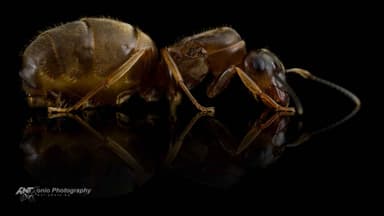
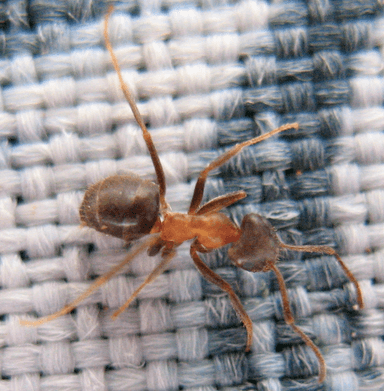
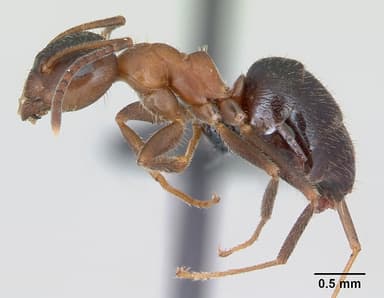
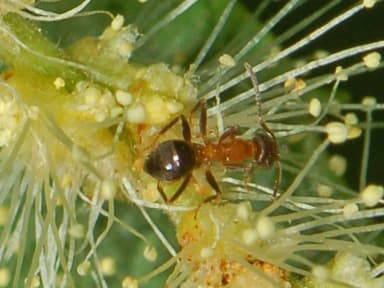
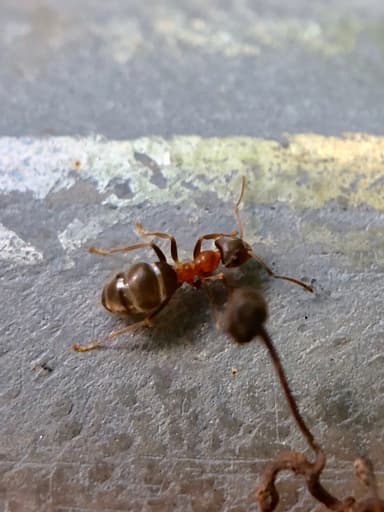
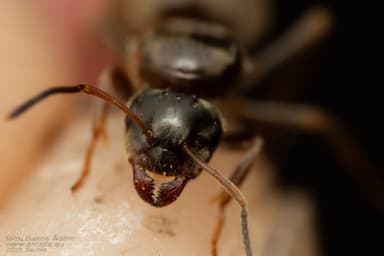
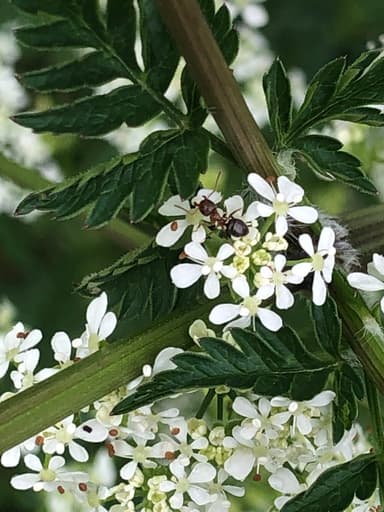
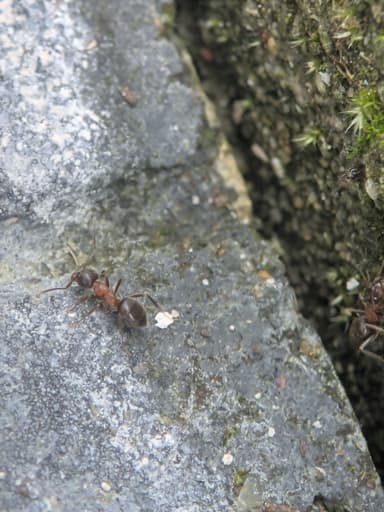
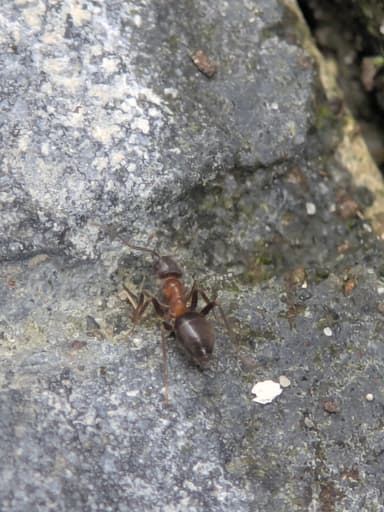
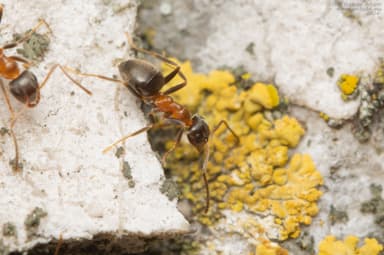
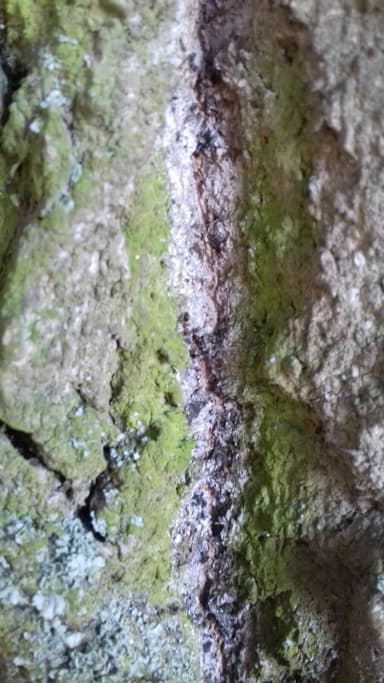
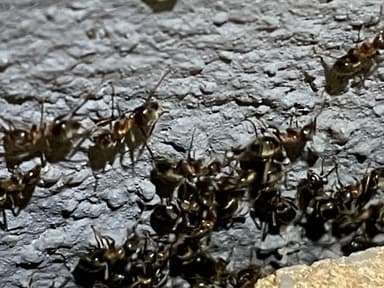
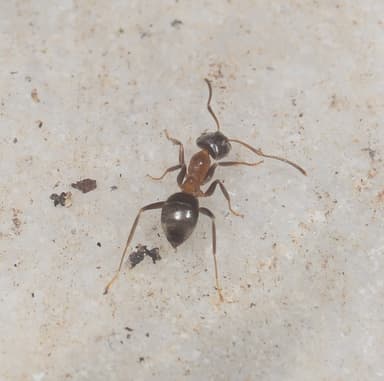
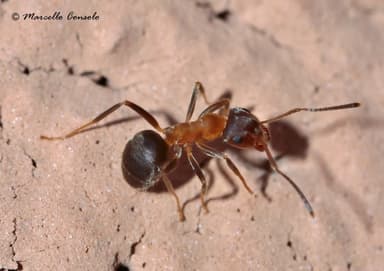
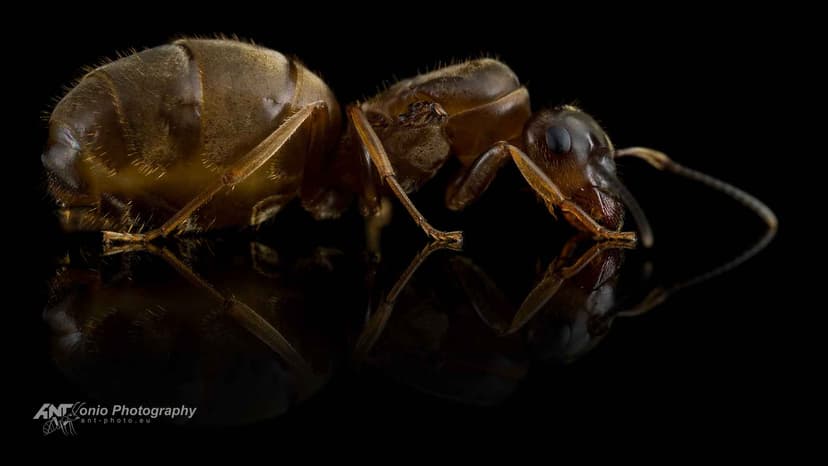
Lasius emarginatus, the emarginate meadow ant, is a delightful species that captivates both novice and seasoned keepers with its energetic foraging and rapid colony growth. Workers are modestly sized, ranging from 3 to 5 mm, and exhibit a distinct bicolored appearance: a dark brown to blackish head and gaster contrast with a warm reddish-orange mesosoma and legs, making them easily distinguishable from the more uniformly dark Lasius niger. Queens are considerably larger, reaching 9 to 11 mm with a similar but darker sheen. These ants are monomorphic, meaning they produce a single worker caste, yet a mature colony can swell to an impressive 15,000 individuals, teeming with activity. Native to Central and Southern Europe—from the Iberian Peninsula eastward to the Caucasus and north to around 54° latitude (Seifert 2018)—they thrive in open woodlands, rocky slopes, and even urban environments, frequently nesting under stones or in wall crevices. Their nuptial flights take place on warm, humid afternoons from June through September, often after rain and with temperatures above 25 °C, offering a thrilling spectacle for those who wish to catch a founding queen (AntWiki). Claustral in founding, newly mated queens seal themselves away to rear their first workers entirely from internal reserves, a process that requires nothing from the keeper but patience.
This species is unequivocally a beginner-level ant, ideal for anyone embarking on the ant-keeping journey. Lasius emarginatus is remarkably tolerant of minor husbandry fluctuations, forgives occasional neglect, and recovers well from disturbances that might panic more delicate taxa. Their robust nature, combined with a visible appetite and a willingness to forage at all hours once the colony matures, provides continuous engagement. The rapid development from a lone queen to a bustling force of hundreds in a single season delivers the rewarding sense of progression that so many keepers crave. While their growth is steady, they are not invasive—colonies stay manageable with a nest and connected outworld. Even experienced keepers enjoy them as a low-maintenance display species that can be used to test new nest designs or feeding regimens, given their hardiness.
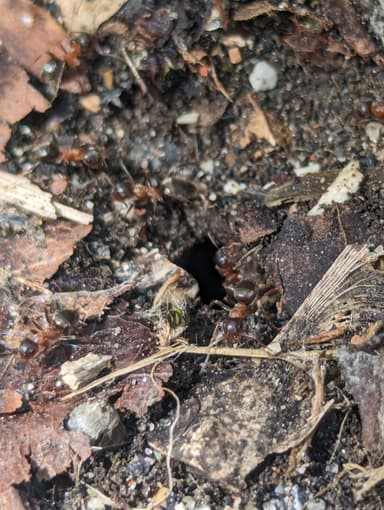
When designing a home for Lasius emarginatus, aim to replicate the dry-warm microhabitats they favor. A temperature gradient within the range of 20 to 28 °C is optimal, with workers actively clustering brood in the warmest zones when given a choice. The nest itself should provide a humidity of 40 to 60 percent: too dry and brood desiccates, too wet and mold threatens. Many keepers achieve this with a Ytong or plaster nest, partly moistened via a water tower or sponge, while a well-ventilated area remains dry to prevent stagnation. The foraging arena benefits from a sandy loam substrate that allows workers to rearrange grains and satisfy their digging instinct, though a bare, easy-to-clean surface is also acceptable. Escape prevention is non-negotiable; a high-quality PTFE barrier and a tight-fitting lid are mandatory, as these ants are curious climbers that will eagerly test any breach.
Feeding Lasius emarginatus is a straightforward pleasure, as they will accept a wide variety of proteins and carbohydrates. Offer freshly killed insects—fruit flies, small crickets, or mealworm segments—chopped to match the size of the colony; a growing larva’s demand for protein is high, and workers will quickly drag the bounty back to the nest. For sugars, a tiny droplet of honey, maple syrup, or a cotton pad soaked in sugar water is lapped up with gusto, and commercial ant jelly provides a convenient mess-free alternative. Always provide a clean, leak-proof water source, such as a test tube waterer, positioned away from the nest to prevent flooding. Mature colonies benefit from feeding two to three times per week, but small founding groups do well with weekly offerings, with any uneaten remains removed after 48 hours to avoid mold.
A true temperate ant, Lasius emarginatus requires a biennial winter rest. Hibernation is not optional; without a prolonged cold period, the queen’s egg-laying will dwindle, and the colony’s overall vigor declines. The target temperature is around 8 °C, though a stable 5–10 °C works excellently. Gradually reduce feeding a week before the planned cooldown, then move the nest into a wine cooler, unheated room, or refrigerator where temperatures stay consistent. The colony should remain in hibernation for three to five months, typically November to March, during which they will cluster tightly and appear almost motionless. Ensure the nest retains slight moisture throughout, check for condensation biweekly, and by the time spring warmth returns, you’ll be rewarded with a flurry of egg-laying and renewed foraging fury.
When your Lasius emarginatus queen or small colony arrives, give them the gift of stillness. Place the shipping tube in a dim, quiet cupboard for 24 hours to recover from transport stress, after which you may offer a micro-drop of sugar water on a strip of tinfoil. If you have just a founding queen, she needs nothing else; seal her in darkness at a steady 24–26 °C and resist the temptation to check more than once every two weeks. Queens with a first batch of workers can be tempted with a pre-killed fruit fly, but do not immediately connect a large nest—the small colony will feel more secure in their test tube. Wait until the worker count surpasses 20–30 before attaching a tiny starter nest, and even then, let them move on their own terms. Watch for excessive tugging at the cotton plug, a sign they are ready to forage, and for the queen’s gaster elongating, which indicates egg-laying has commenced. With these first gentle steps, your Lasius emarginatus colony will flourish into a fascinating, tireless microcosm.