Dorymyrmex
Dorymyrmex insanus
Nuptial Flight Calendar
Flight months: Jan, Feb, Mar, Apr, May, Jun, Jul, Aug, Sep, Oct, Nov, Dec
Care Guide
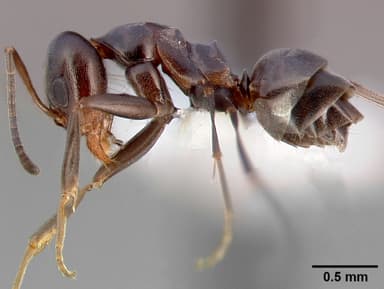
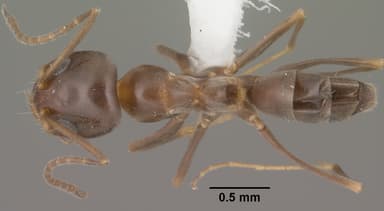
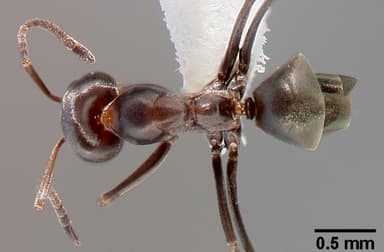
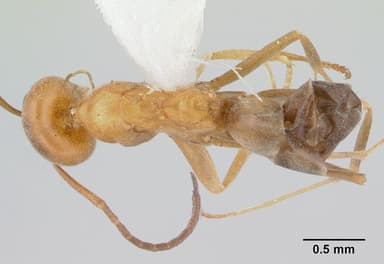
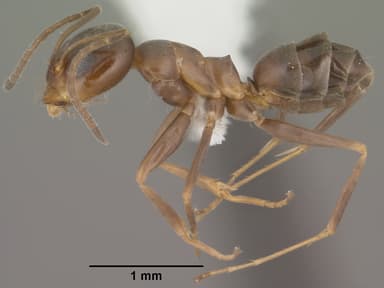
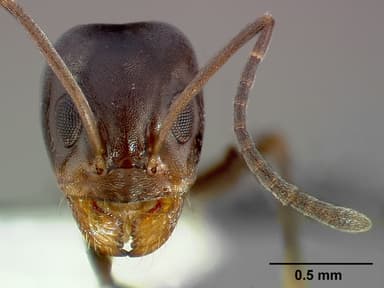
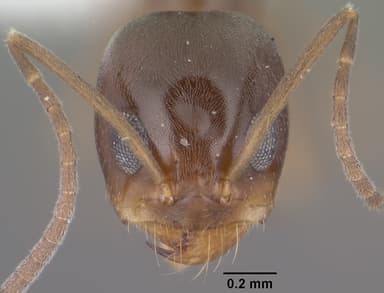
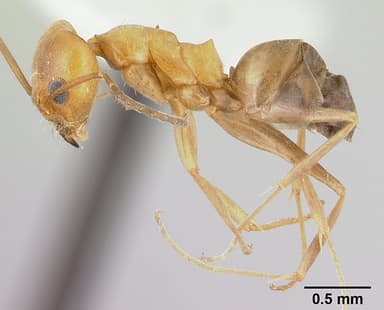
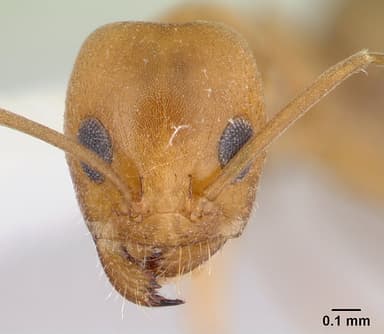
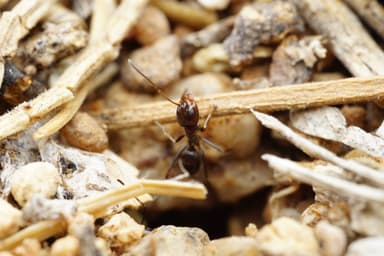
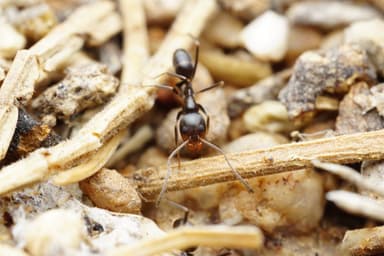
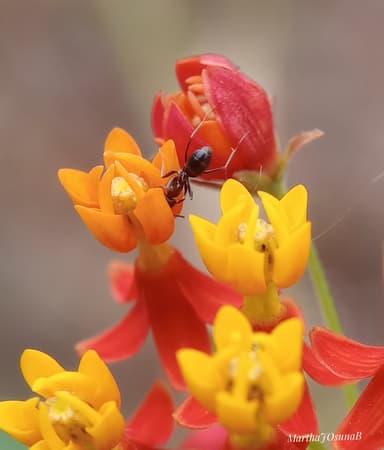
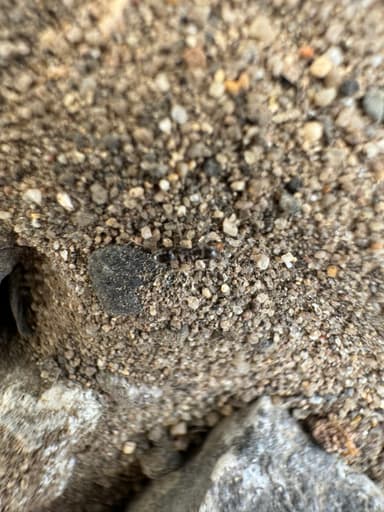
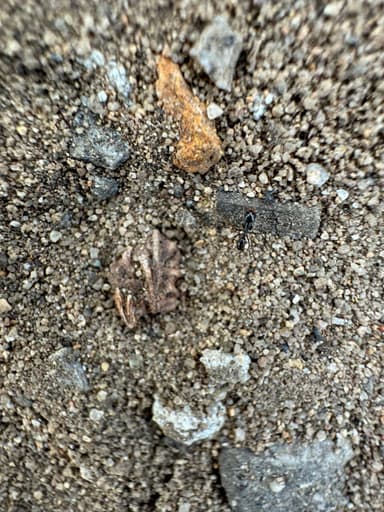
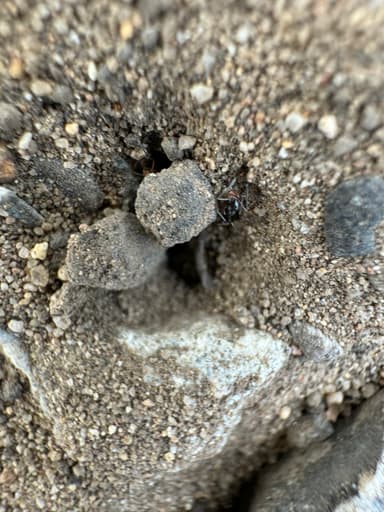
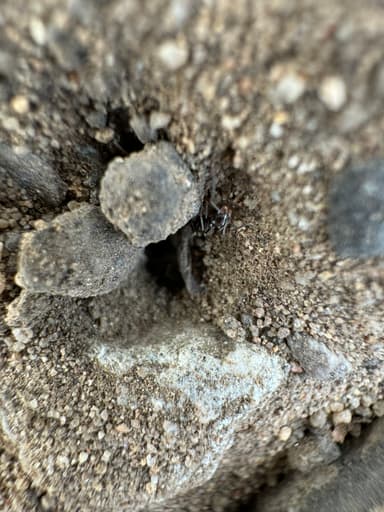
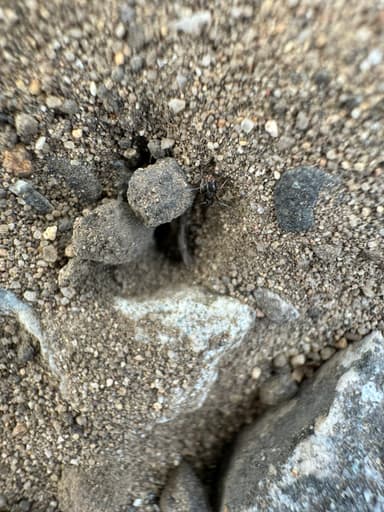
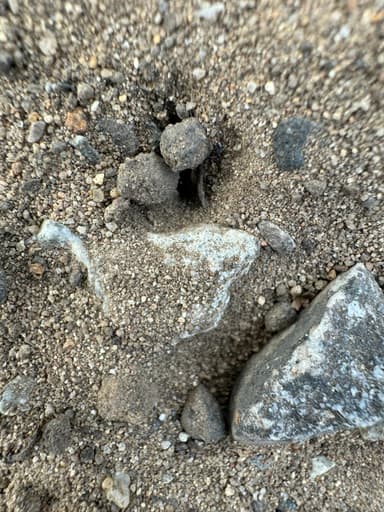
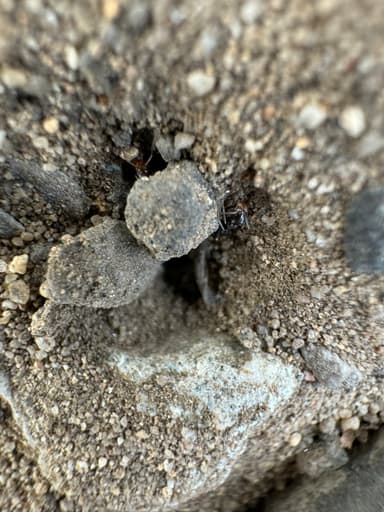
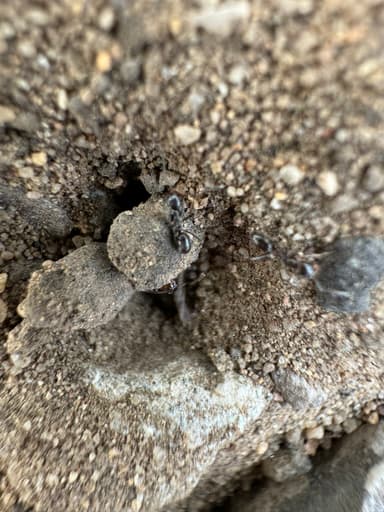
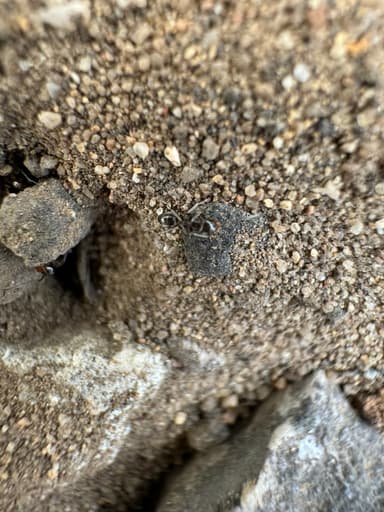
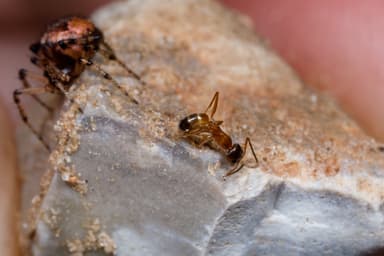
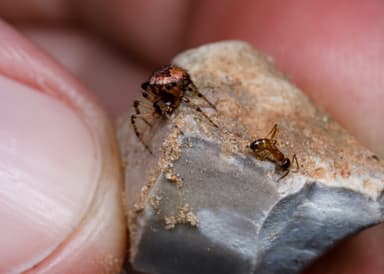
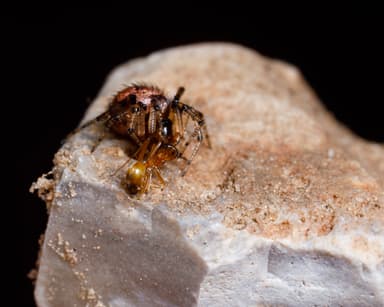
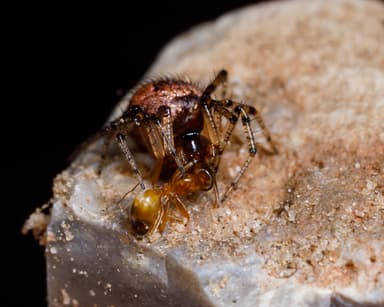
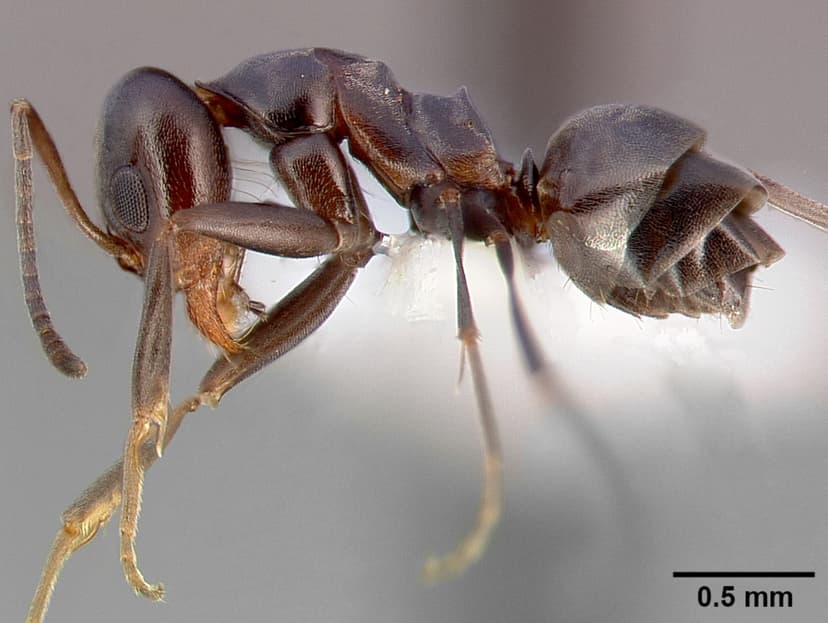
Dorymyrmex insanus, commonly known as the crazy pyramid ant, is a lively and visually distinctive species that brings the sun-baked landscapes of the southwestern United States directly into the formicarium. Workers measure just 2.5 to 3.5 mm, while queens are noticeably more substantial at 5 to 6.5 mm, both exhibiting the characteristic conical propodeal projection that gives the genus its “pyramid ant” moniker (Snelling 1995). Their slender, amber to dark-brown bodies and exceptionally long legs enable a brisk, jerky gait that can seem erratic to the observer, hence the specific epithet. Colonies are monomorphic, consisting of a single worker caste, and mature nests can grow to around 10,000 individuals. Like all Dorymyrmex, they are claustral founders, meaning a newly mated queen needs only her own metabolic reserves to raise her first brood. In nature, nuptial flights occur during the warm, sunny afternoons of June through September, often triggered by the summer monsoon rains that drench the deserts of Arizona, New Mexico, and west Texas. This is a highly active, visual ant that forages singly or in loose trails, relying on speed and chemical signals rather than massive columns, a behavior that makes them endlessly entertaining to watch.
With an intermediate care difficulty, Dorymyrmex insanus is best suited for keepers who have successfully maintained a handful of beginner species and are ready to manage a faster, more heat-loving ant. Their primary challenges stem from an almost explosive burst of speed when disturbed and a strong preference for high temperatures. Escapes are common if housing is not meticulously sealed, and a colony that feels too cool or humid may languish. However, for those who appreciate a diurnal, ground-foraging ant that is always on the move, the payoff is immense. This species does not sting and is relatively non-aggressive toward the keeper, though workers will defend their nest with a persistent, if not particularly painful, nip. Their intermediate status is less about demanding nutrition or fragile brood and more about maintaining the right environmental parameters and containment.
Housing Dorymyrmex insanus successfully means recreating the arid, well-drained soils of their native range. A temperature gradient between 22°C and 30°C is ideal, with a basking spot at the warmer end where workers can raise their metabolic rate for faster foraging and brood development. Humidity should be kept modest, in the 30% to 60% range, and it is crucial to avoid condensation or perpetually damp nest material; these ants are highly susceptible to fungal outbreaks in moist conditions. Many keepers achieve excellent results with a horizontal plaster or ytong nest that offers a humidity gradient, paired with a dry sand or sand-clay digging medium in the outworld. A thin layer of fine, chemical-free sand in the foraging arena allows workers to excavate shallow passages and cache food, while a glass or acrylic cover over the nest portion guarantees visibility. Ventilation is paramount, and a tight-fitting lid or fluon-coated rim will prevent the lightning-quick foragers from escaping. Because colonies can grow into the thousands, be prepared to add additional nest modules or expand the outworld as the population increases.
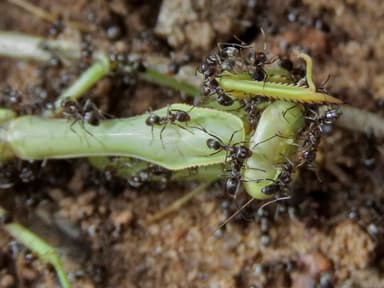
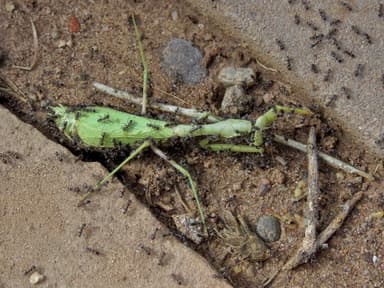
In the wild, these ants are opportunistic scavengers and avid hunters of small arthropods. In captivity, offer a diet of fresh-killed insects such as fruit flies, pinhead crickets, and houseflies, all of which should be lightly crushed to make hemolymph accessible to the smallest workers. Protein demands spike during brood production, so during the warm months, feed insects two to three times per week. Carbohydrates are equally important and readily accepted in the form of diluted honey, sugar water, or specialized ant jelly. Because Dorymyrmex insanus hails from an arid environment, they can survive on little free water, but a small test-tube water fountain or a moist cotton ball in the outworld should always be available. Workers will regulate their own intake, and the drinking source also provides a visual gauge of activity: a steady stream of visitors means the colony is thriving. Avoid overfeeding; remove uneaten protein after a day to prevent mold.
A crucial and non-negotiable aspect of their husbandry is hibernation. Dorymyrmex insanus requires a winter dormancy period of 8 to 12 weeks at a stable temperature of around 12°C. While the southwestern United States can experience mild winters, the consistent seasonal cooling triggers the queen to stop laying eggs and allows the colony to metabolically reset. Without this cold rest, brood production dwindles, worker lifespan shortens, and the queen may die prematurely. Begin the cooling process gradually in late autumn, moving the nest to an unheated room or a dedicated wine cooler over a few weeks. During hibernation, workers remain somewhat active, so keep a small water source available but do not offer food. When spring arrives, reverse the process equally gently, and you will be rewarded with a vigorous burst of egg-laying.
The first days after your Dorymyrmex insanus queen and workers arrive are a delicate period that can set the tone for the entire colony’s future. Upon unpacking, place the closed test tube or small founding nest in a dark, quiet location and resist the urge to observe for at least 24 hours. Vibration and light are major stressors. After this settling window, offer a tiny dab of sugar water on a piece of wax paper right at the entrance; this first meal replenishes energy reserves without overwhelming them. Within 48 hours, you can introduce a single, pre-killed fruit fly. Watch for rapid consumption and steady movement—a good sign. Be especially alert for signs of escape, as a single worker finding a gap can map a route for others, and monitor the tube for any condensation that might indicate excessive humidity. If the queen is alone (a just-caught founding queen), patience is paramount: place her in a clean test tube setup with a water reservoir, wrap the tube in red film or place it in total darkness, and check only once every two weeks until the first nanitic workers eclose. With careful environmental control and a steady feeding rhythm, your Dorymyrmex insanus colony will quickly become a miniature whirlwind of desert energy, a living testament to the ants that thrive in the spaces between monsoons.