Crematogaster
Crematogaster rogenhoferi
Nuptial Flight Calendar
Flight months: May, Jun, Jul, Aug, Sep
Care Guide
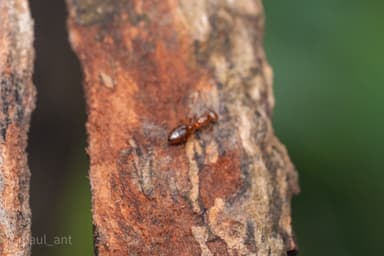
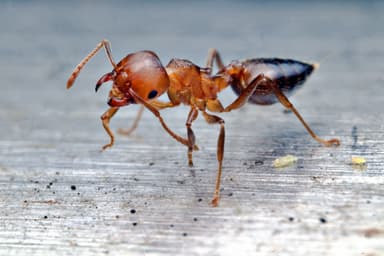
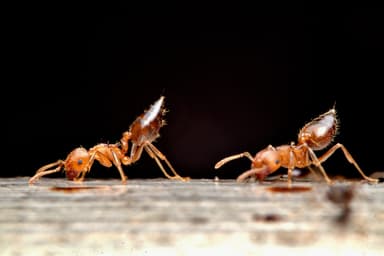
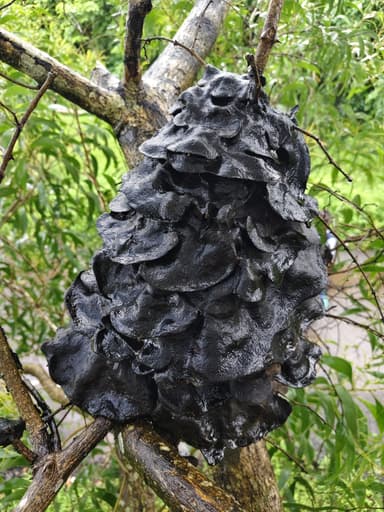
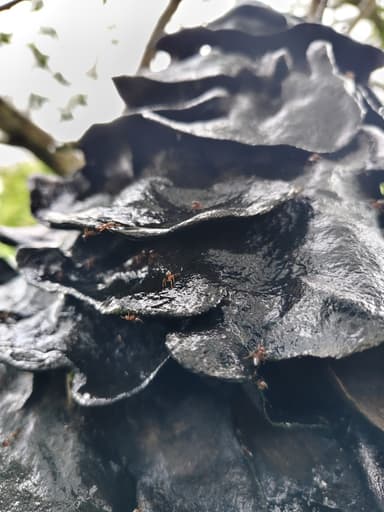
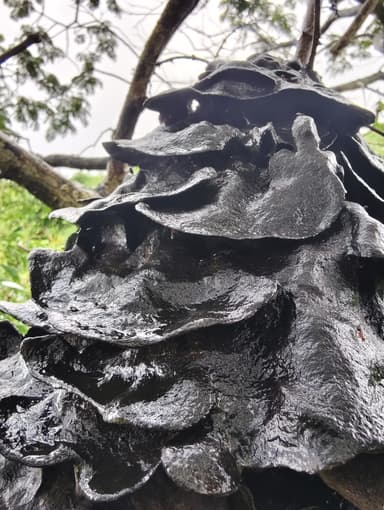
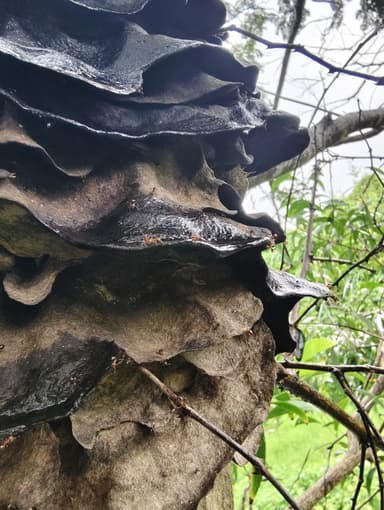
Crematogaster rogenhoferi is a captivating acrobat ant from the tropical forests of Asia, instantly recognisable by its distinctive heart‑shaped gaster and the habit of arching its abdomen over its thorax in a defensive display. Queens measure a robust 8 to 10 millimetres, while the worker caste shows notable polymorphism, with minor workers spanning just 3.5 to 5 millimetres and larger major workers contributing to a well‑defined two‑caste system (Hosoishi & Ogata 2009). A fully mature colony can grow to an impressive 50,000 individuals, operating as a tight‑knit claustral unit under a single queen that founded her nest by sealing herself away with her own reserves. In their native range — which sweeps from the Indian subcontinent eastward through Southeast Asia, across the Indonesian archipelago, and north into southern China (AntWeb; GBIF records) — these ants are arboreal generalists, often nesting in hollow twigs or bark crevices where they craft carton‑like galleries from chewed wood and soil. Nuptial flights are reported to occur on warm, humid evenings between May and September, typically following monsoon rains, though the precise timing remains under‑documented (AntWiki). For the hobbyist, the species’ complex social structure, rapid recruitment, and the delicate balancing act of a large tropical colony make it a truly engaging subject.
This ant is best described as a species for the intermediate keeper — rewarding but not without challenges. Its primary demands are stability: a narrow thermal window, consistently high humidity, and the need to manage an eventually populous colony that can outgrow small setups. Beginners who have successfully kept Camponotus or Messor species for a year or more will find the transition comfortable, but complete novices might struggle with the rapid growth and escape‑prone agility of Crematogaster. On the other hand, those who enjoy observing intricate worker division of labour, the constant flow of foragers, and the subtle physical differences between minor and major castes will be richly rewarded. The colony’s active, diurnal rhythm and responsiveness to food make for dynamic viewing, and because no hibernation is required, the ants remain in full display all year round.
Housing for C. rogenhoferi must replicate a humid tropical microclimate: temperatures should be kept between 22 and 30°C, with relative humidity in the 50–70% range. A well‑insulated formicarium made from plaster, ytong, or a wood‑and‑soil composite works best, as these materials hold moisture while allowing the ants to expand their nest with their own carton‑building behaviour. Many keepers provide a block of cork bark or a hollow wooden nest insert to mimic natural cavities; mixed with a little sand and coco‑fibre, the ants will often remodel the interior into a cosy, paper‑thin warren. The foraging area should be spacious, with a dry, sandy substrate and a secure lid to prevent escapes — Crematogaster workers are slender, swift, and excellent climbers, so a PTFE barrier or a lid with fine‑mesh ventilation is essential. A gentle moisture gradient across the nest allows the colony to choose its preferred micro‑site, while good airflow prevents mould, the arch‑enemy of tropical‑ecosystem enclosures.
Diet must deliver both protein for brood growth and sugars for adult energy. Offer small, pre‑killed insects — fruit flies, pinhead crickets, chopped mealworms — two to three times a week for young colonies, scaling up to larger prey such as whole crickets or roach nymphs as the population booms. Carbohydrate sources can include diluted honey, maple syrup, or sugar water, given via a feeder that minimises drowning; soft, overripe tropical fruits like banana or mango are also eagerly accepted and provide additional micronutrients. Fresh water must be available at all times, ideally through a water‑filled test tube with a cotton plug or a dedicated drinking station. Because of the colony’s eventual size, it pays to establish a routine early: remove uneaten food within 24 hours, and top up water and sugars regularly to avoid unnecessary worker deaths from dehydration or starvation.
One of the most convenient aspects of keeping C. rogenhoferi is that it demands no hibernation. The species is equatorial and subtropical in origin, so it lacks any diapause cue. Maintain the same warm, humid conditions throughout the year; even a slight cooling is unnecessary and may stress the queen. This permanent‑summer lifestyle means the colony will continue producing brood and expanding month after month, so keepers must be prepared for steady growth and eventual rehousing into a larger nest. No special autumn preparation is needed, and you will not experience the quiet lull that comes with hibernating species — this ant is always on the go.
When your new colony arrives, the first days are all about minimal interference. Connect the travel tube or container directly to a darkened nest chamber and allow the queen and workers to relocate at their own pace, which may take several days. Offer a tiny droplet of sugar water on a piece of wax paper right at the tube entrance and ensure a clean water source is within reach. Resist the temptation to feed substantial protein for the first 48 hours; the colony is stressed from transit and a large prey item could attract fungus or cause defensive panic. Keep the formicarium covered and in a quiet, dimly lit spot, checking only briefly once a day for signs of calm foraging or brood care. Watch for the queen moving about — a sign she is settling — and for workers beginning to explore. Gradually introduce small protein items after two or three days, and once you see steady foraging, the colony is ready to be transferred to its permanent display setup. With patience and attention to that balanced tropical cycle, Crematogaster rogenhoferi will flourish into a thriving miniature metropolis right in your living space.