Camponotus
Camponotus americanus
Nuptial Flight Calendar
Flight months: Apr, May, Jun, Jul
Care Guide
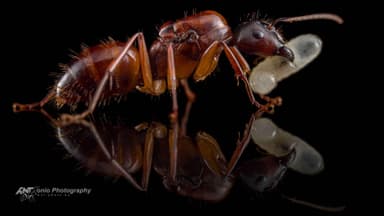
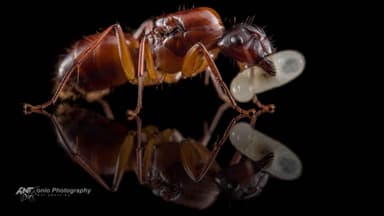
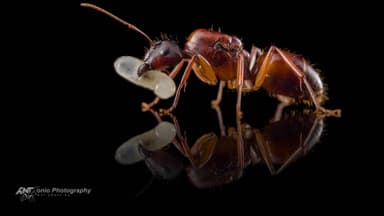
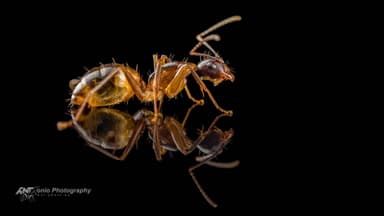
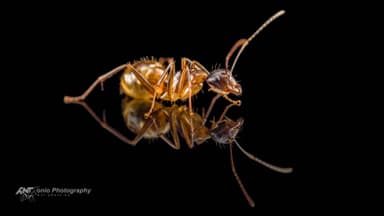
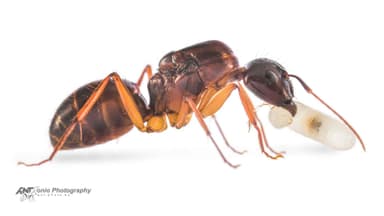
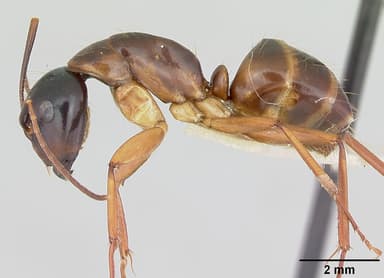
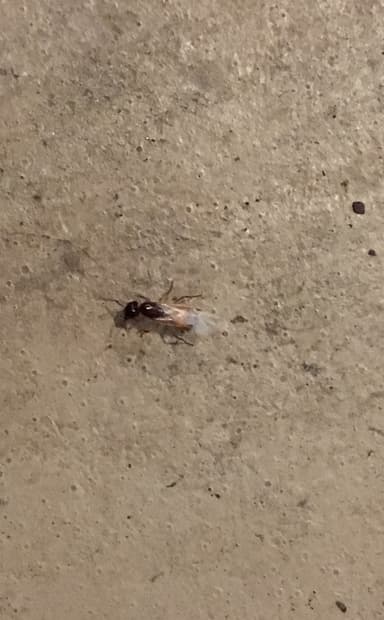
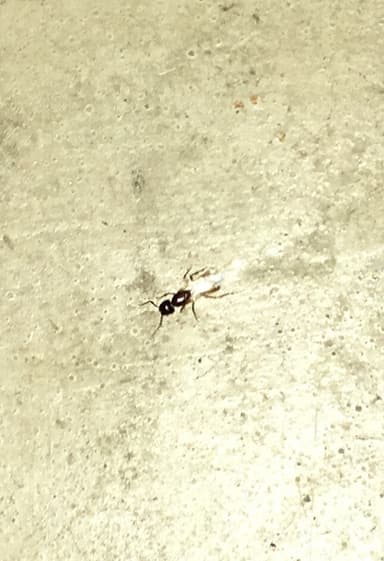
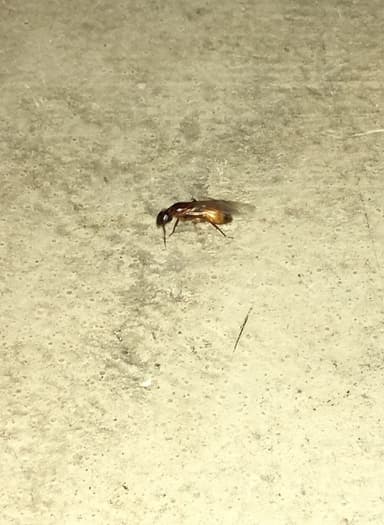
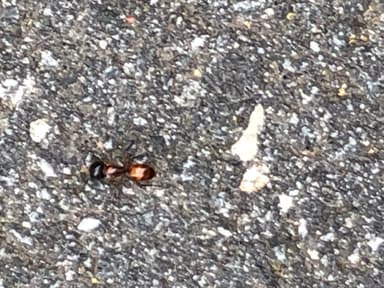
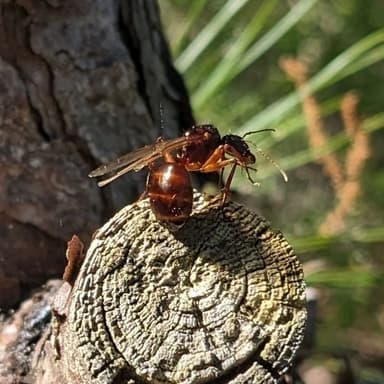
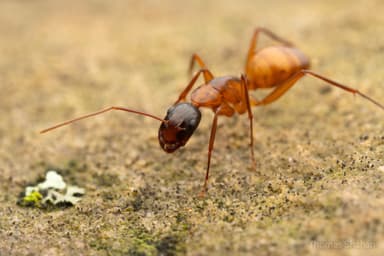
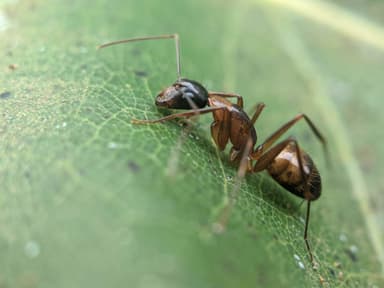
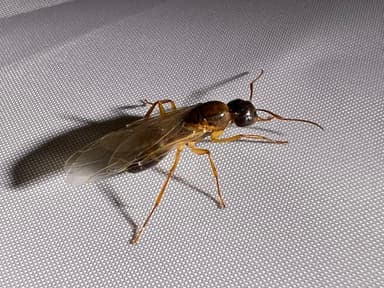
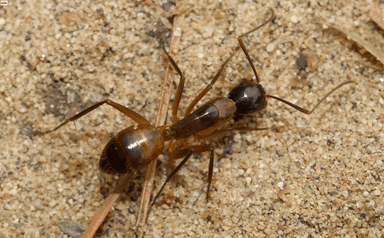
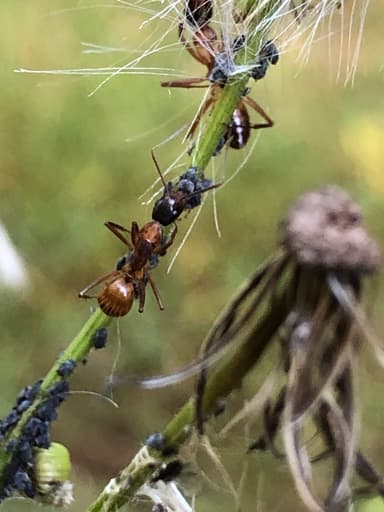
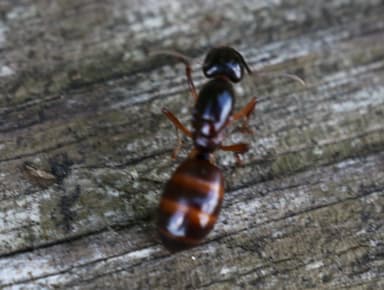
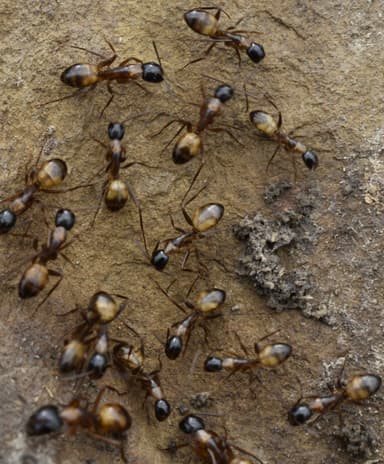
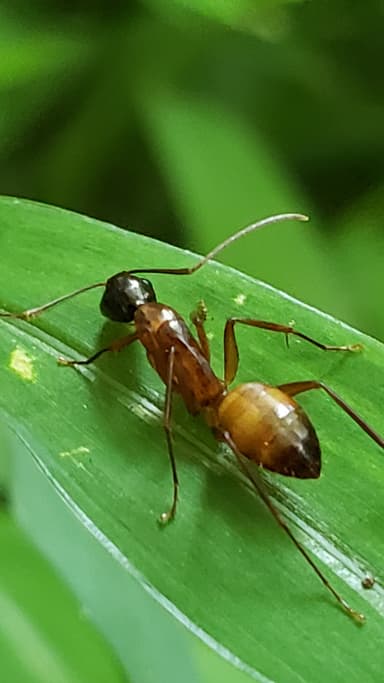
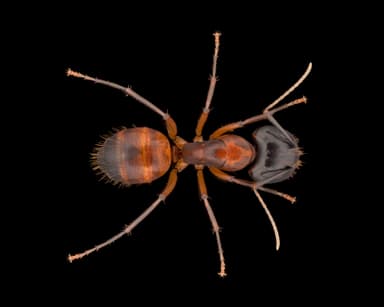
Camponotus americanus, a true gem among North American carpenter ants, offers a captivating view into the modest grandeur of soil-nesting formicines. Queens range from a stately 15 to 18 millimeters, while workers display pronounced polymorphism — a hallmark of the genus — with diminutive 6-millimeter minors attending to daily chores and robust 13-millimeter majors defending the colony and processing larger prey (Hansen & Klotz 2005). This two‑caste system keeps the colony lively, as you’ll routinely see majors trundling alongside their slimmer sisters. Colonies in the wild can swell to around 3,000 individuals, but captive nests often settle into a more manageable few hundred to a thousand, making them substantial without overwhelming the keeper. The ants’ ground‑dwelling habits set them apart from the more wood‑bound Camponotus species: they excavate shallow galleries under stones, in rotting logs, or directly in the soil, primarily across the eastern United States, a range delimited roughly by the Great Plains and the Atlantic seaboard between 25° and 45° north latitude (GBIF occurrence data). Nuptial flights paint warm, humid evenings from May through July, when winged reproductives take to the air after rain, a spectacle that many hobbyists eagerly anticipate (AntWiki). What makes this species particularly interesting is the combination of its beginner‑friendly disposition and the dramatic size gap between castes, allowing keepers to observe sophisticated division of labor without the formidable challenges of larger, more aggressive carpenter ants.
This species is unequivocally suited to beginners, yet it rewards the conscientious keeper with behaviors that grow more fascinating with colony size. Its claustral foundation means a newly mated queen needs nothing beyond her own reserves to rear the first tiny nanitics, eliminating the stress of feeding during the critical founding stage. The care difficulty is rated “beginner” because the ants tolerate a reasonable range of conditions, are not prone to sudden collapse, and accept a simple diet, but the mandatory hibernation period (discussed later) demands planning and equipment that may push a complete novice to prepare in advance. If you are comfortable scheduling a winter rest and can maintain stable temperature and humidity, Camponotus americanus will thrive and provide years of engaging observation. Their mild temperament means you can open the nest for feeding and maintenance without facing a barrage of escape attempts or defensive bites, though the majors can deliver a pinch if mishandled, so gentle respect is still wise.
Creating a suitable home for Camponotus americanus starts with replicating the soil microcosm they inhabit in nature. A naturalistic setup using a mix of sand and clay or a commercial soil-based substrate performs beautifully, as it allows the ants to excavate tunnels and chambers, a behavior that keeps the colony active and healthy. Many keepers house them in plaster or ytong nests with a preformed chamber and a separate outworld; if you go this route, include a digging medium in the outworld to satisfy their burrowing instincts. Temperature should be kept within 21 to 28 degrees Celsius, with a slight gradient so the ants can thermoregulate brood. Humidity is equally important: aim for 50 to 70 percent, monitored with a reliable gauge, and provide a moisture gradient within the nest so workers can move eggs and larvae to the optimal spot. A test tube waterer in the outworld and light misting of one portion of the substrate usually suffices, but always watch for condensation or mold — good ventilation prevents stagnant air. Nest hydration can be as simple as periodically adding water to a plaster base, but for soil nests, a bottom layer of hydro balls or gravel separated by a fine screen helps maintain moisture without waterlogging.
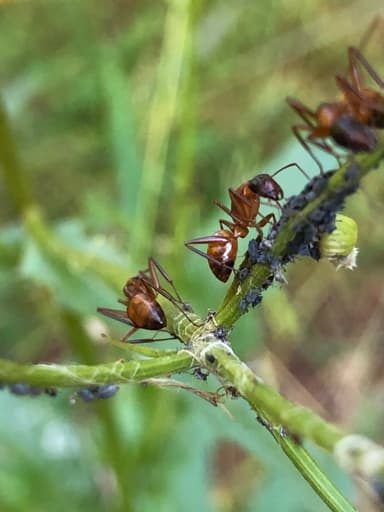
A balanced diet is the engine of colony growth. Like all Camponotus, this species requires both protein and carbohydrates. The workers eagerly take chopped insects — crickets, mealworms, fruit flies, or roach nymphs — which they carry back to the larvae. Offer protein two to three times a week for small colonies, gradually increasing frequency as the worker force expands. For carbohydrates, they relish honey, maple syrup, sugar water, or slices of fresh fruit; a small droplet placed on a piece of wax paper or dedicated feeding dish prevents sticky intrusions into the substrate. Water must be available at all times, best provided through a test tube with a cotton plug or a sipper. These ants are not overly ravenous, but during the rapid brood‑rearing phase in spring and summer, their appetite spikes — keep a keen eye on consumption and remove uneaten food before mold develops. Wild colonies often tend aphids for honeydew, so a tiny pinch of protein mixed with honey solution can mimic a natural nutrient profile, but it is not required for a thriving captive colony.
Hibernation is non‑negotiable for Camponotus americanus. Without a defined winter diapause at around 8 degrees Celsius, queens may stop laying, brood development falters, and colony lifespan shortens. In late autumn, when you notice workers becoming sluggish and brood piles shrinking, gradually lower the nest temperature over two weeks until it stabilizes at roughly 8 degrees. Many keepers use a wine cooler or a dedicated refrigerator set to this temperature, placing the nest inside while maintaining a small amount of moisture. The hibernation period should last a minimum of three to four months, though wild populations may rest longer. During this time, check on the ants every few weeks to ensure the nest hasn’t dried out completely, but disturb them as little as possible. In late winter, warm them slowly back to room temperature, and within a few weeks the queen will resume laying, signaling the start of a new growth season. Skipping hibernation almost certainly leads to a dwindling, stressed colony, so treat this phase as a central pillar of husbandry (Mackay & Mackay).
When you first receive your founding queen or small colony, prioritize a quiet, dark settling‑in period. Place the test tube or founding chamber in a space free of vibrations and direct light, keeping temperatures around 23 to 25 degrees Celsius. Do not offer food for the first five to seven days; the queen and any early workers will draw on internal reserves, and premature feeding can cause stress or provoke the ants to abandon the nest. After this acclimation, introduce a tiny droplet of sugar water and a minuscule piece of pre-killed insect — a fruit fly or cricket leg is plenty. Watch for interest: a healthy colony will send a minor to investigate; if the food is untouched after 24 hours, remove it and try again in a couple of days. Avoid the temptation to connect a large outworld immediately. Keep the setup minimal — a test tube inside a small foraging box is ideal until the worker count reaches at least 20 individuals. At that point, you can begin offering small amounts of substrate or a connected nest. Early vigilance pays off: monitor for excessive condensation, escaped ants, or the queen’s refusal to settle, all of which signal that environmental parameters need gentle adjustment. Within a few weeks, with steady warmth and darkness, you will see the first pupal cocoons, a hallmark that your Camponotus americanus colony is securely on its way.