Acromyrmex
Acromyrmex versicolor
Nuptial Flight Calendar
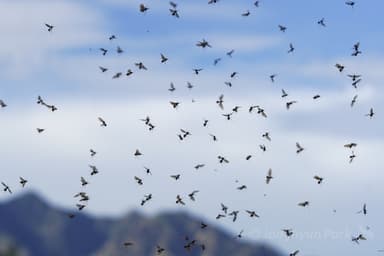
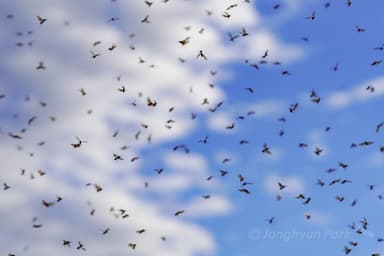
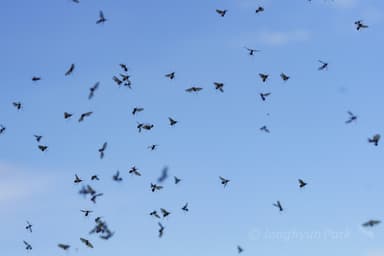
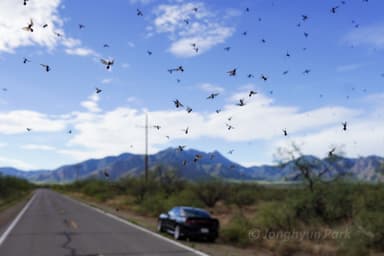
Flight months: Jul, Aug, Sep, Oct
Care Guide
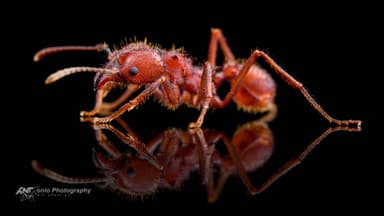
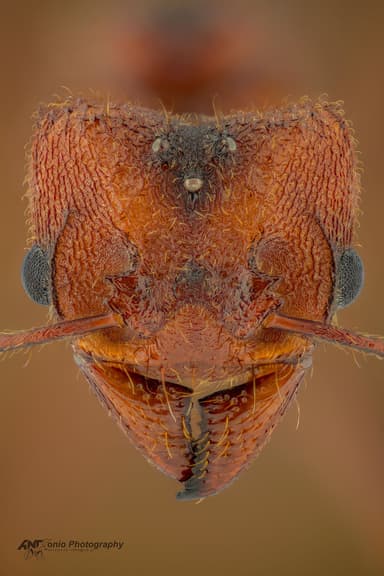
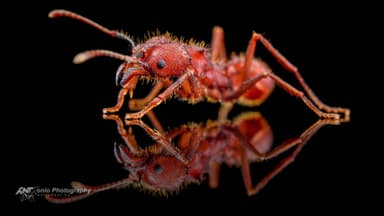
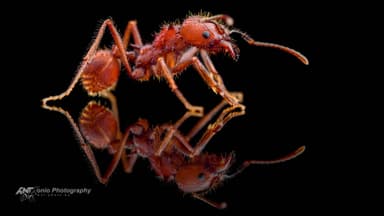
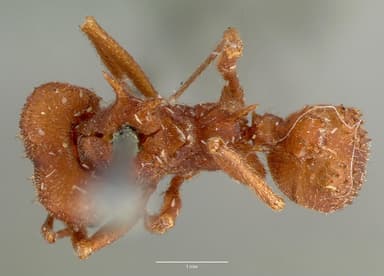
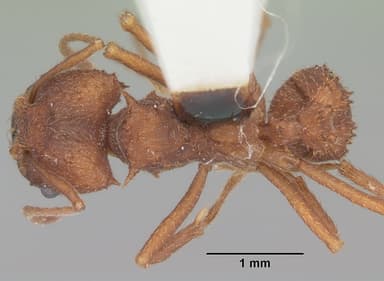
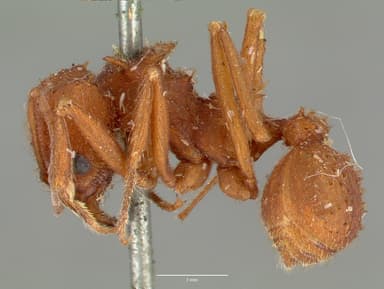
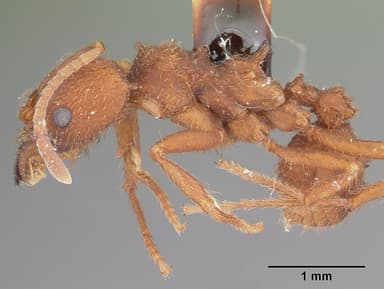
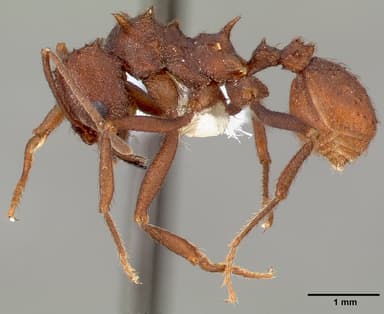
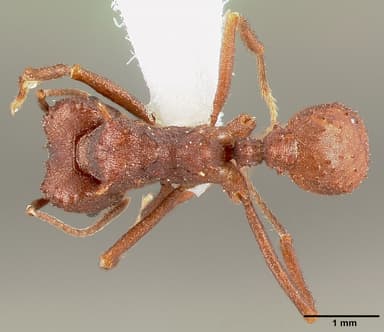
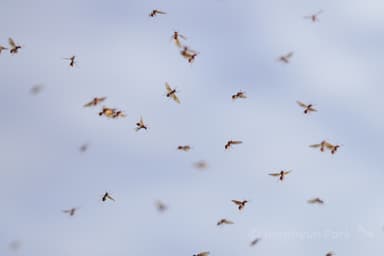
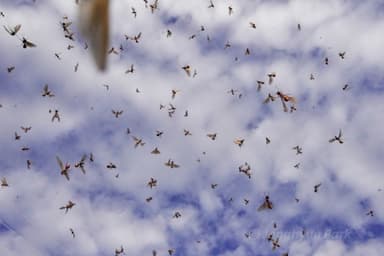
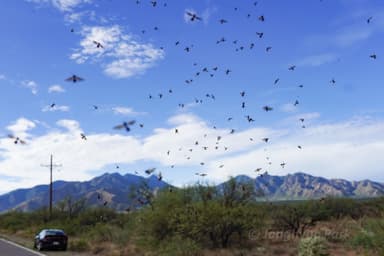
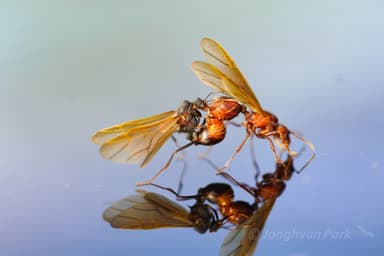
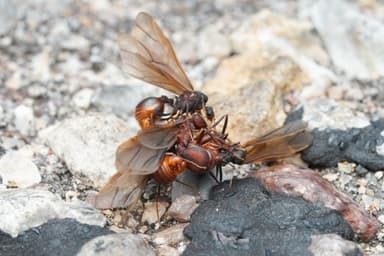
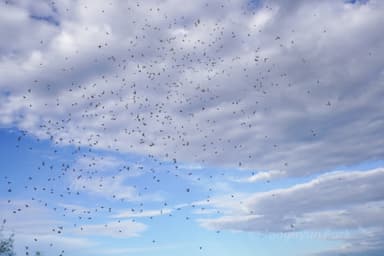
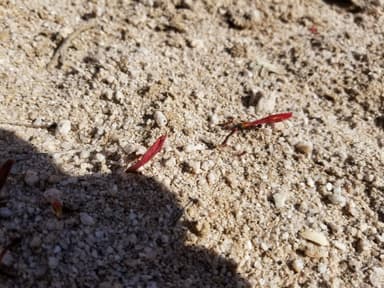
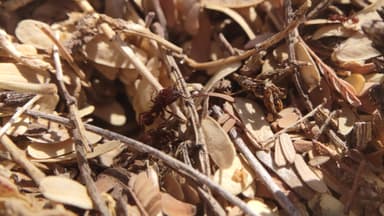
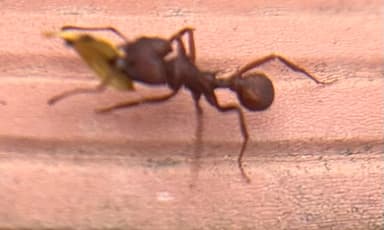
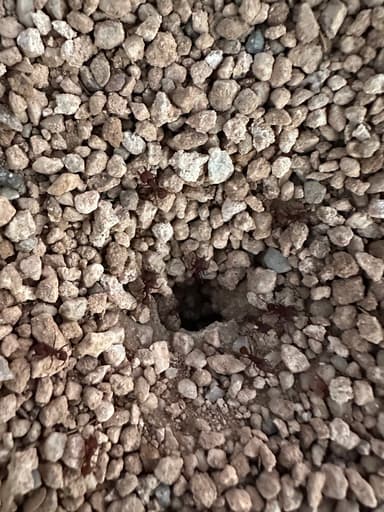
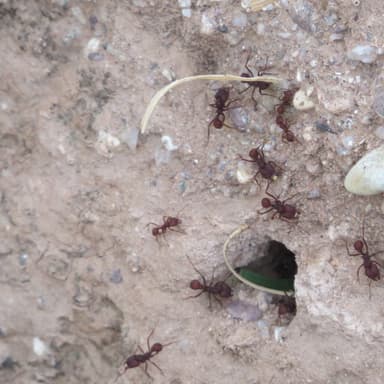
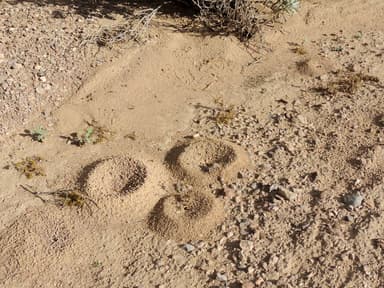
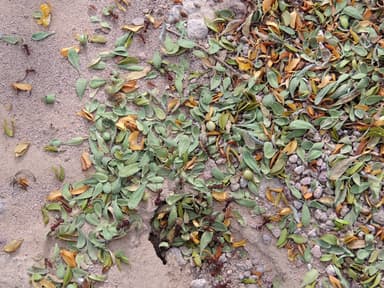
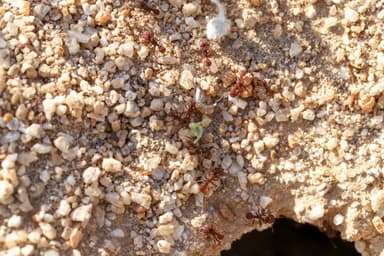
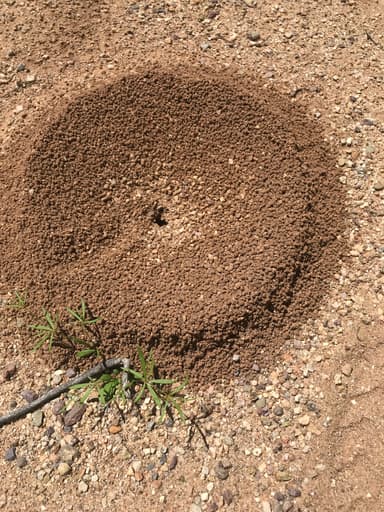
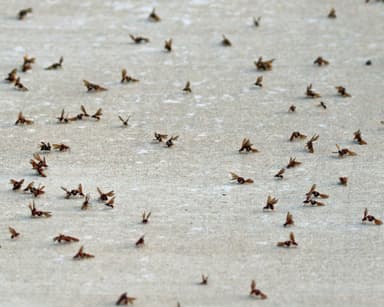
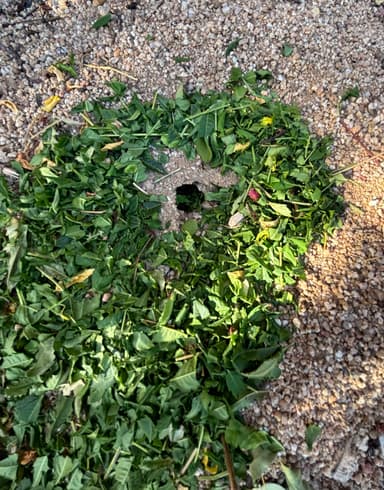
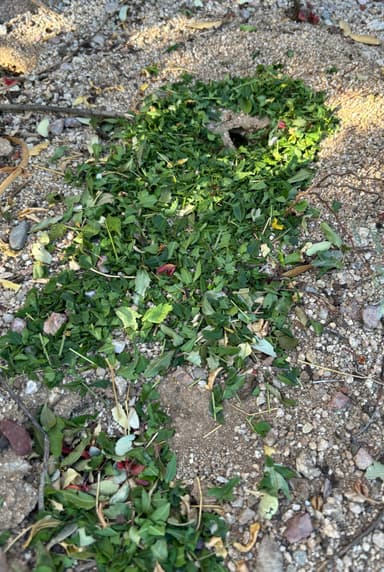
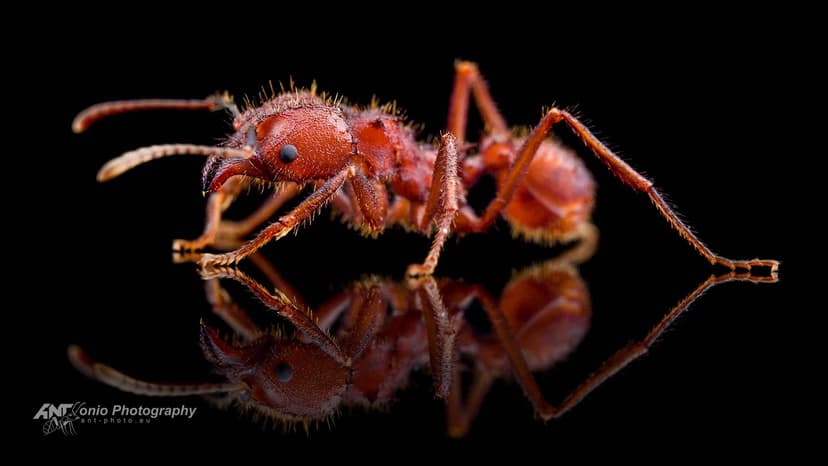
Acromyrmex versicolor, the Sonoran Desert leafcutter ant, is a mesmerizing species that captivates keepers with its complex agricultural society. Unlike most ants that opportunistically gather food, these desert specialists are obligate fungus farmers, cultivating a symbiotic fungus on a substrate of freshly cut vegetation, which serves as the colony’s sole nutritional source. Queens are robust, measuring 14–18 mm, while the workers display a striking continuous size polymorphism ranging from diminutive 2.5 mm minors that tend the fungus garden indoors, to formidable 9 mm majors equipped with powerful mandibles for defense and cutting tough plant matter. Mature colonies can swell to an astonishing 150,000 individuals, organized into at least three visible castes—minor, media, and major workers—each seamlessly choreographed in tasks from foraging to waste management. Their native range stretches across the Sonoran Desert from Arizona to Sonora, Mexico, roughly between latitudes 22°N and 35.5°N and westward from 103°W to the Baja Peninsula. Here, nuptial flights burst forth on humid mornings in July through September, triggered by the first heavy monsoon rains, when winged queens and males fill the air in synchronized mating swarms (Mintzer 1979). What makes Acromyrmex versicolor especially fascinating for the dedicated hobbyist is not just their gargantuan colony size or intricate division of labor, but the rare phenomenon of pleometrosis: multiple newly mated queens often cooperate to found a colony, a strategy that accelerates the establishment of the vulnerable fungus garden, though later all but one queen are eliminated as the colony matures (Rissing et al. 1989). This blend of fungus cultivation, desert adaptation, and queen cooperation sets them apart as a true pinnacle of ant evolution.
Given these traits, this species is unequivocally an expert‑level commitment, suitable only for keepers who have successfully reared sensitive fungus‑growing ants like Atta or other Acromyrmex before. The fragile balance between the ants, their fungal cultivar, and the enclosure environment leaves no margin for guesswork. Queens found semi‑claustraly, meaning the founding queen must leave the nest to forage for fresh leaves while also tending her incipient fungus; she cannot be confined and starved like a fully claustral queen. Thus, providing her with a small foraging arena from day one is non‑negotiable. The difficulty escalates with colony growth: as the fungus garden expands, meticulous humidity control becomes critical to prevent mold blooms or garden collapse, and the colony’s voracious appetite demands a steady, varied supply of pesticide‑free foliage. Any lapse in hygiene or temperature can cascade into a total loss. Patience, a scientific temperament, and a willingness to invest time daily are prerequisites.
Housing must replicate the warm, humid microclimate of their subterranean galleries. A temperature gradient of 22–30°C suits them well, with the nest area kept at the warmer end to encourage fungal growth; avoid any sudden drops. Humidity is the lifeblood of the fungus garden, which thrives at 70–90% relative humidity. Many keepers achieve this with a plaster or ytong nest that wicks water from a reservoir, paired with a humidity sensor to avoid saturation. The nest itself should be completely dark, while the connected foraging arena remains lit and ventilated. Substrate in the nest is typically not required because the ants build the garden directly onto a moist, textured surface, but a thin layer of clay or sand can be offered if you prefer a naturalistic look. Crucially, the fungus garden must not be exposed to direct misting, as water droplets can foster bacterial contamination; instead, introduce moisture through the nest walls or a water‑filled test tube adjacent to the garden. A sizable outworld is mandatory for foraging, and it must accommodate a feeding platform for fresh leaves, a water source (shallow dish with a safe wicking material), and a drainage layer if you use soil, though many expert keepers opt for a dry, easy‑clean sand or flat surface to minimize unwanted mold and mites.
The diet of Acromyrmex versicolor revolves exclusively around their fungal symbiont, which they provision with harvested leaf fragments. As a keeper, you become the forager‑in‑chief, supplying a daily assortment of fresh, chemical‑free leaves, flowers, and sometimes fruit peels. Favorites include bramble, rose, citrus, and oak leaves, but they also accept dry oatmeal, wheat germ, or bran flakes as supplemental material for the fungus; the ants themselves consume the swollen tips of the fungal hyphae, called gongylidia, and occasionally feed on sap droplets from chewed leaves (Wetterer 1991). Never offer insect prey, honey water, or sugar‑based ant nectars directly, as these can spoil the garden. Protein is not sought separately because the fungus supplies all essential amino acids; providing dead insects can even introduce pathogens. Fresh water must always be present in the foraging area via a soaked cotton plug or a small water tower, as workers drink regularly and use it to moisten the garden. Clean the outworld daily of wilted leaf debris to prevent mold, and never feed plants that have been sprayed with systemic pesticides—even organic‑certified produce should be thoroughly washed. A mature colony easily processes a small pile of leaves each night, so cultivating a pesticide‑free plant supply is part of the long‑term planning.
A welcome relief for desert ant keepers is that Acromyrmex versicolor does not require hibernation. In their native Sonoran Desert, winter temperatures can dip, but colonies remain active year‑round inside their thermally buffered mounds, continuing to forage on warm days. In captivity, simply maintain the standard 22–30°C regime and a regular day‑night light cycle, and they will forage and brood without pause. This constant activity, however, means there is no seasonal downtime for the keeper; the fungus garden never goes dormant, so daily leaf provisioning and humidity monitoring are a year‑round responsibility. If you must lower temperatures for a few weeks during a simulated “cool” period, do not drop below 18°C and keep the garden humid, as chilling combined with dryness can kill the fungus.
When your Acromyrmex versicolor colony first arrives, the most critical period is the first two weeks, during which gentle acclimation can spell success or failure. A founding queen will likely be housed in a small tube with a pinhead‑sized fungus wad and perhaps a few eggs. Immediately connect this tube to a bare‑bottomed foraging arena and offer a small piece of a fresh, pre‑wilted leaf—rose petal or tender bramble—placed near the entrance. Do not force feed; she will venture out to cut and carry back what she needs. Provide a moist cotton water source and keep the arena dark on the nest side to reduce stress. If you received a young colony with a few workers, the setup needs to be a small, humid nest attached to an outworld. Offer a few leaf options on the first evening, as they forage mostly at night, and observe through red light to confirm acceptance. Expect initial hesitancy: the ants may take a day to resume cutting. Avoid peeking or vibrating the setup; vibration is a major stressor. Watch closely for the first tiny green particles appearing on the fungus garden, a sign that the in‑hive cycle has begun. If the fungus appears grey, dry, or collapses, immediately check humidity and seal any leaks. Do not introduce any cleaning insects or other ant supplements at this stage. In expert hands, a queen or young colony that survives the fragile establishment phase can explode into a thriving, leaf‑cutting marvel that remains one of ant keeping’s most rewarding spectacles (Mintzer 1979; Wetterer 1991).