Pheidole
Pheidole noda
Nuptial Flight Calendar
Care Guide
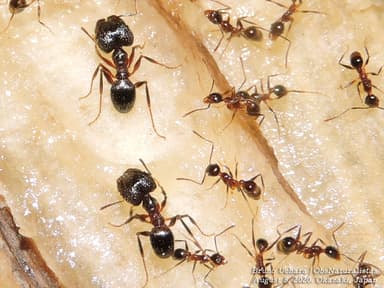
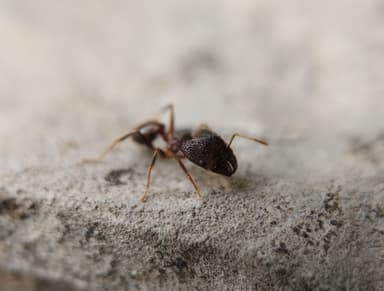
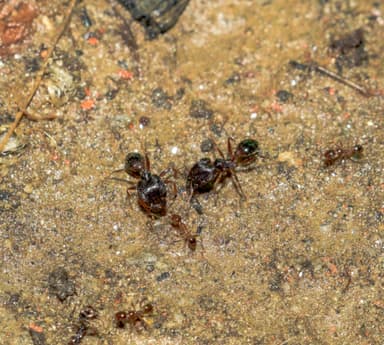
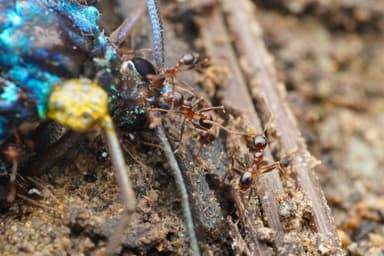
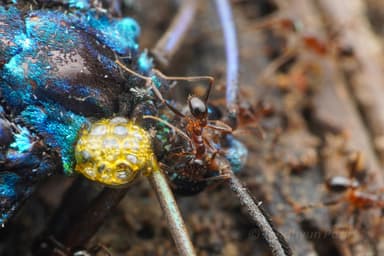
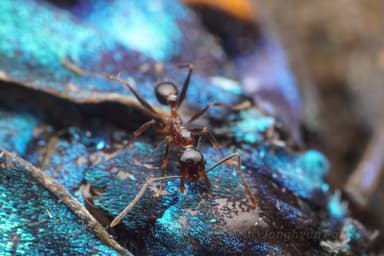
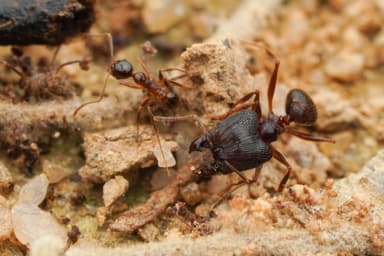
Pheidole noda is a wonderfully charismatic species that showcases the classic two‑caste system found in many Pheidole ants. The queen, measuring 7–9 mm, is the colony’s heart and founder. Workers come in two distinct sizes: minor workers are slender and agile at 3–5 mm, while the large‑headed majors (or soldiers) can reach up to 7 mm and possess powerful mandibles designed for cracking seeds and defending the nest. This polymorphism is not only fascinating to observe but also gives the colony a clear division of labour – minors forage and tend brood, while majors handle tough food items and ward off intruders.
Pheidole noda is remarkably adaptable in its diet. These ants are keen scavengers and will eagerly accept a variety of insects, such as small crickets, mealworms, or fruit flies. Seeds are also a staple, providing essential fats and carbohydrates – the majors are particularly skilled at husking and grinding them. To round out their nutrition, a regular supply of sugar water or honey water keeps the colony energetic. This flexible menu makes feeding simple and forgiving, a boon for beginners.
Care difficulty
Keeping Pheidole noda is an excellent choice for novice ant keepers. Their claustral founding means a newly mated queen can raise her first workers without any feeding during the initial weeks, requiring only a quiet, dark space. Once the colony grows, they remain undemanding: no special heating gradients are needed, and they thrive at room temperatures between 22–28°C. Humidity should be kept around 50–70%, easily maintained by moistening the nesting area regularly. Because they do not require hibernation, you can enjoy their activity year‑round.
Housing
A formicarium with moderate space works well for Pheidole noda. At full size, a colony can number between five hundred and five thousand workers, so plan for a nest that can expand gradually. A classic setup combines a plaster or acrylic nest with a foraging arena. The nest should have a moisture gradient – one side slightly damp, the other drier – to allow the ants to choose their preferred conditions. Majo workers are robust, but they dislike persistent vibration and strong light, so place the formicarium in a calm, dimly lit spot. A small outworld with a lid ensures security while making feeding and observation easy.
First days after purchase
When your Pheidole noda colony arrives, give it time to settle. Transfer the ants carefully into their new home, ensuring the nest area is pre‑moistened. For the first few days, avoid opening the setup unnecessarily. Provide a drop of sugar water and a tiny piece of insect or seed near the entrance. Watch from a distance to confirm the workers are exploring and feeding. Once you see brood being tended and majors beginning to patrol, you can gradually introduce a regular feeding schedule. With patience, these industrious little ants will quickly turn your formicarium into a bustling, miniature civilisation.