Ponera
Ponera coarctata
Nuptial Flight Calendar
Flight months: Jul, Aug, Sep
Care Guide
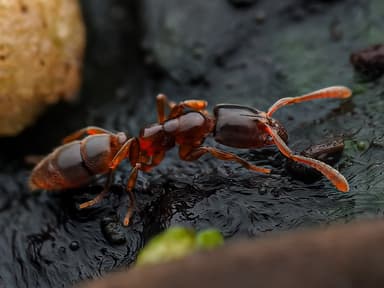
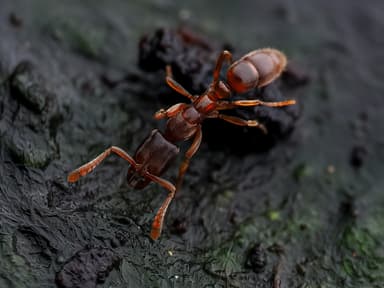
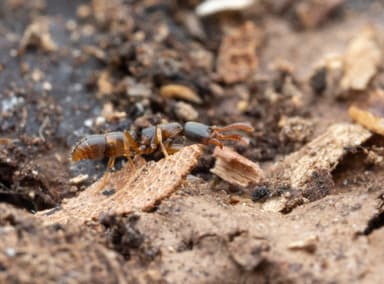
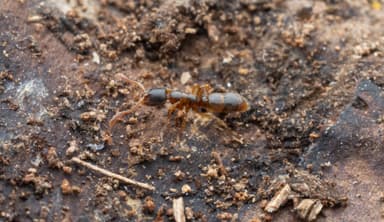
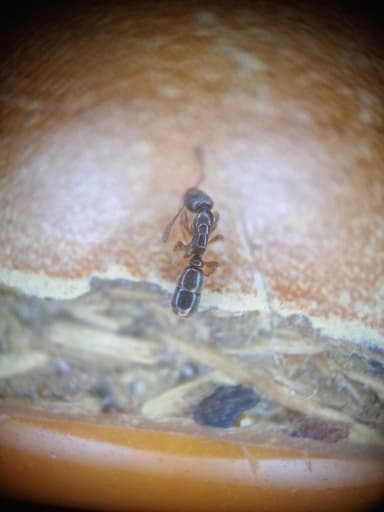
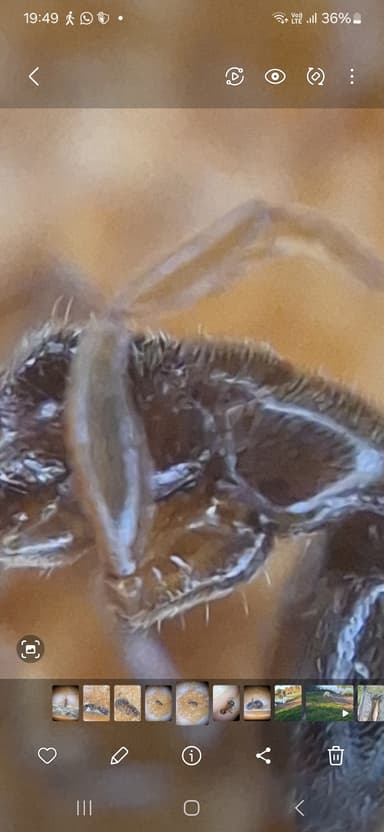
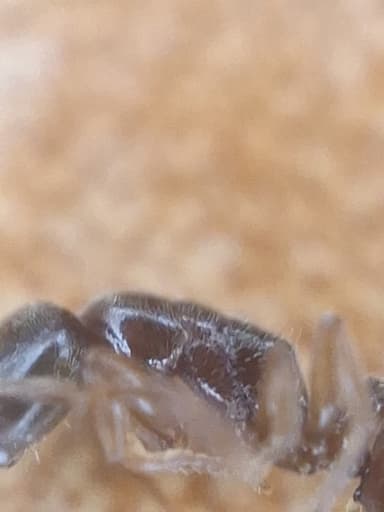
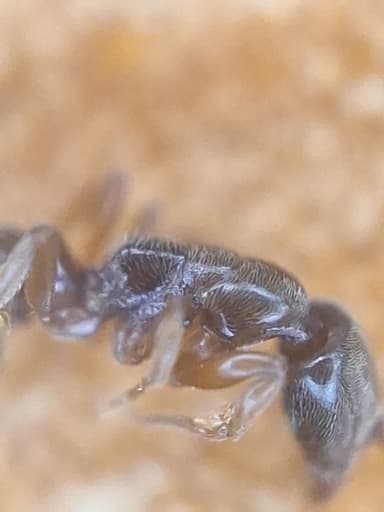
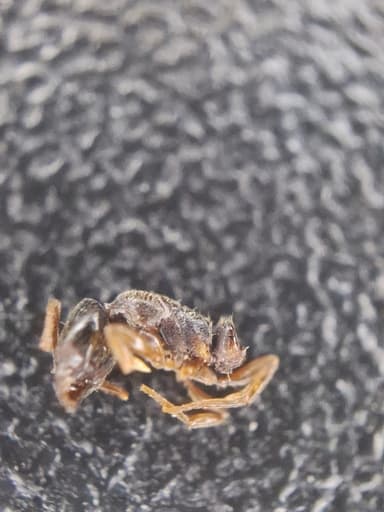
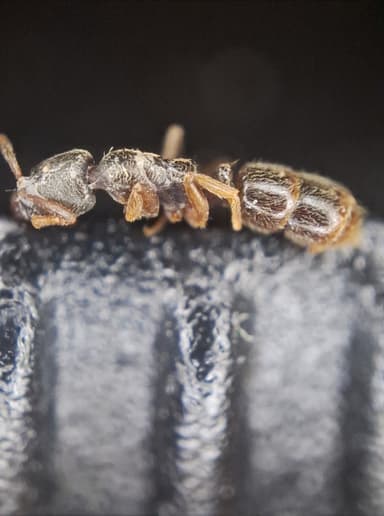
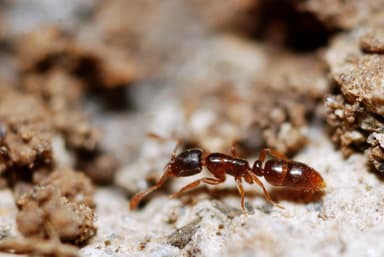
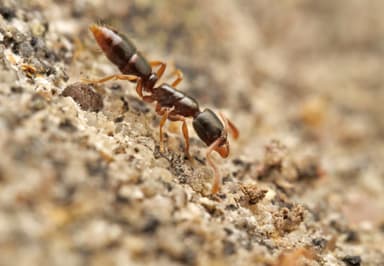
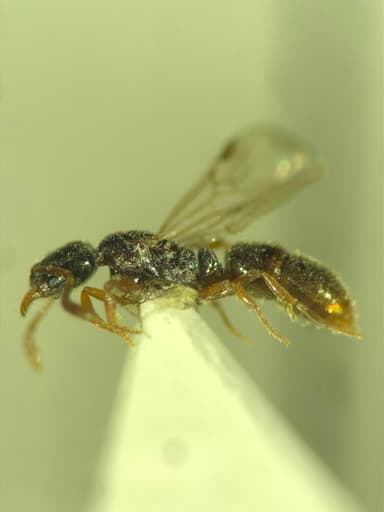
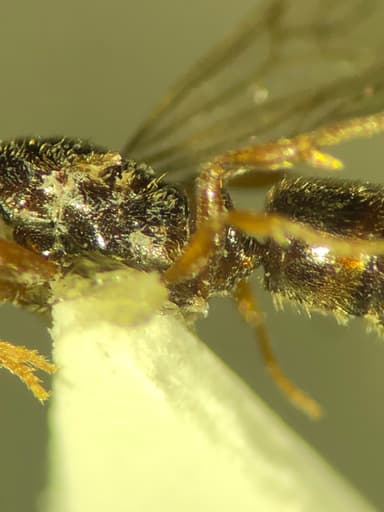
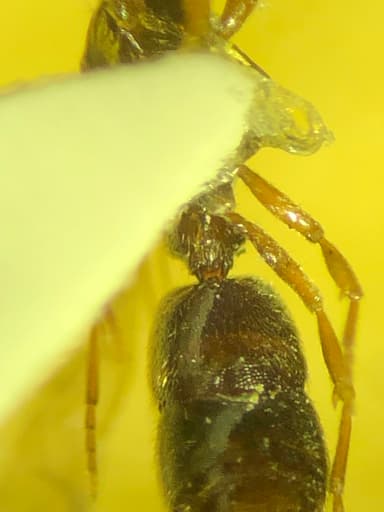
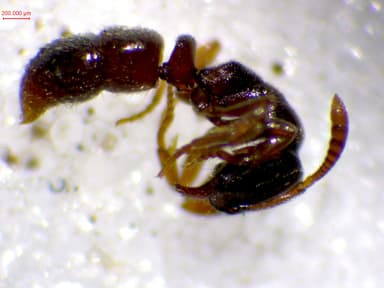
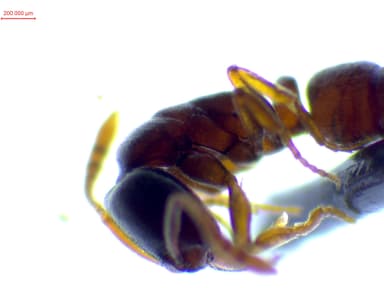
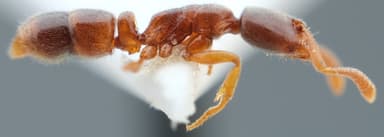
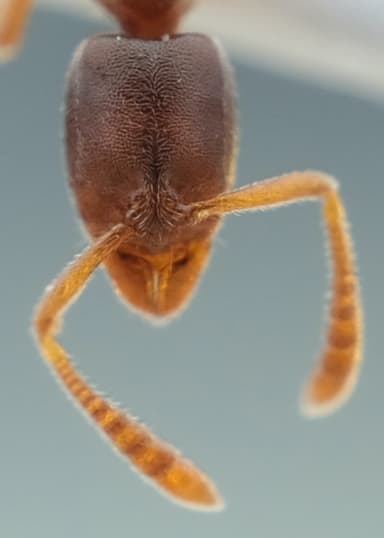
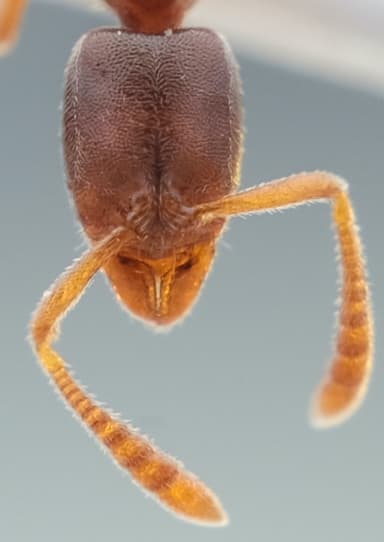
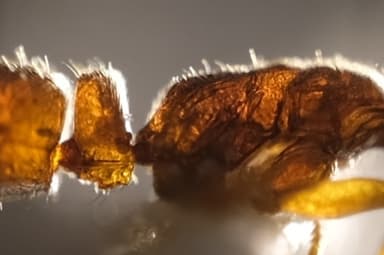
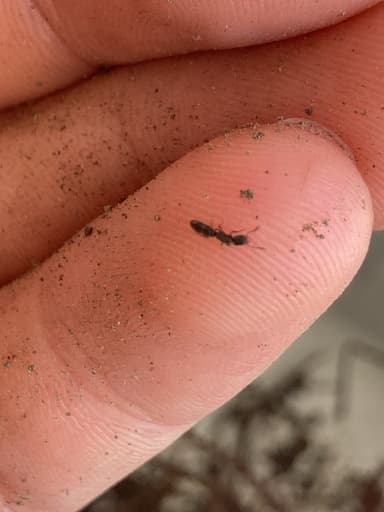
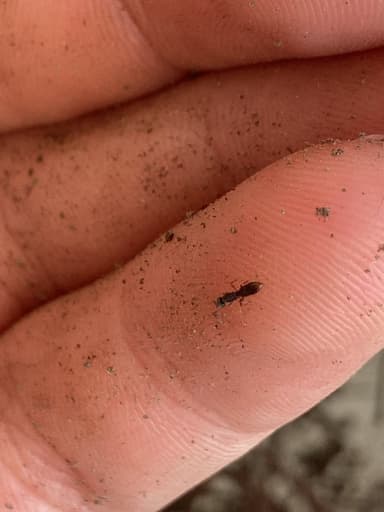
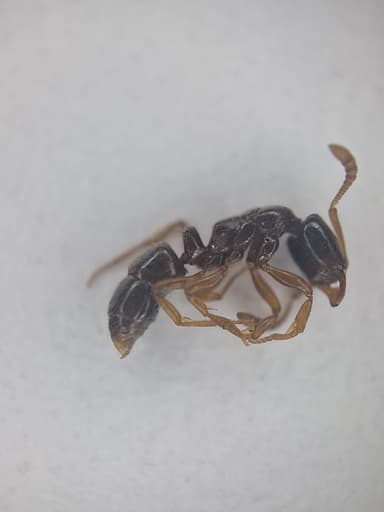
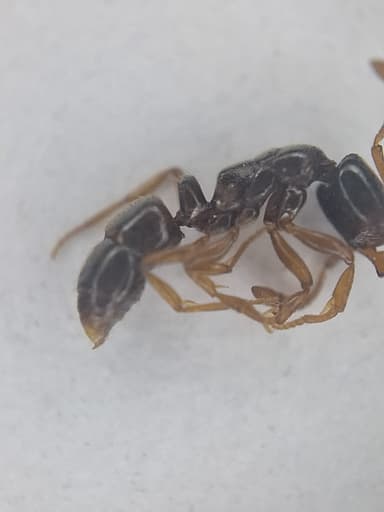
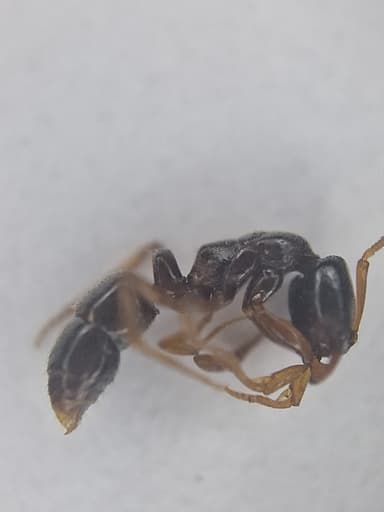
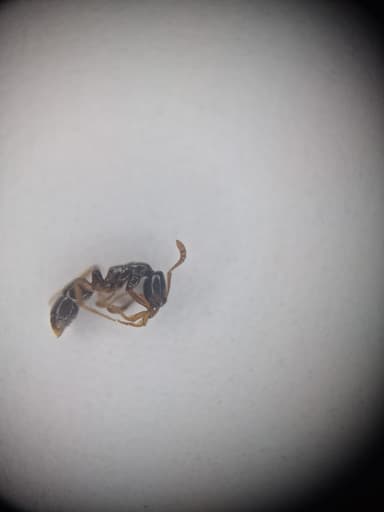
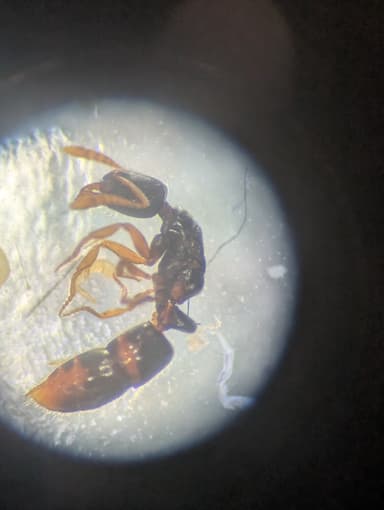
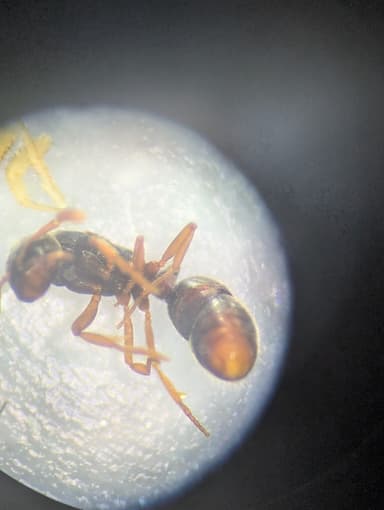
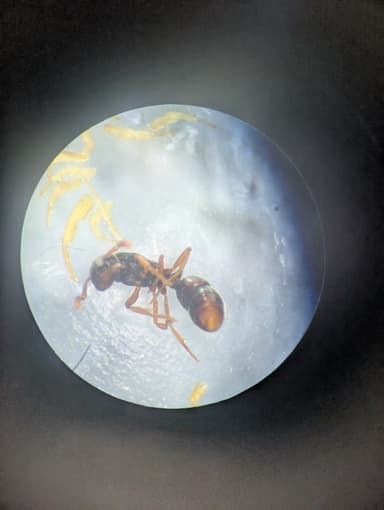
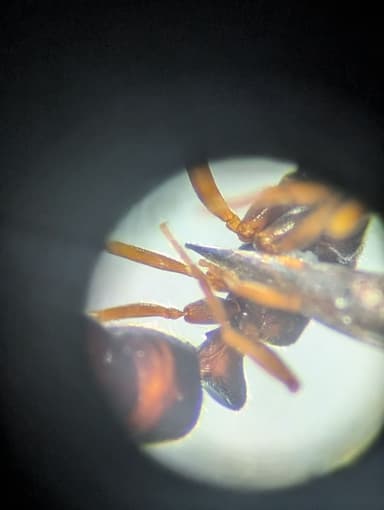
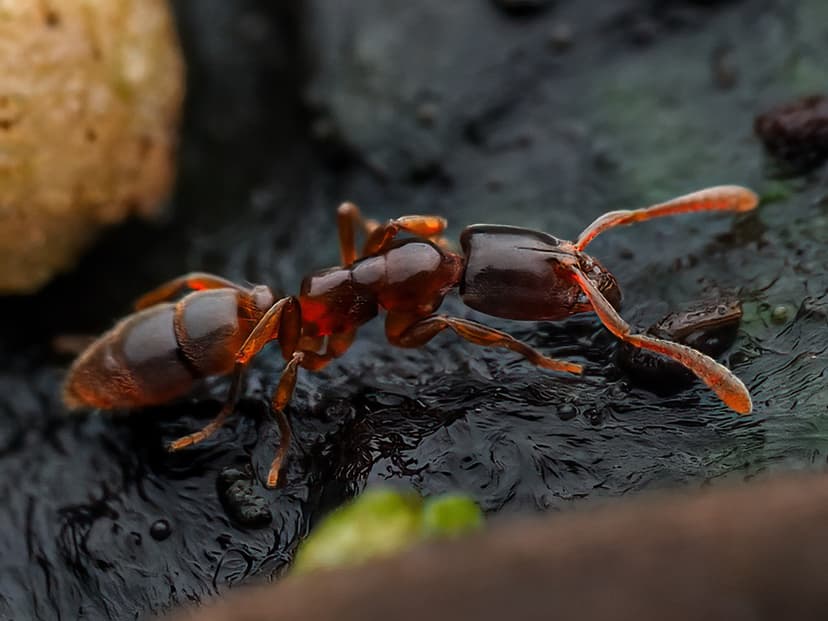
Ponera coarctata, often called the compact needle ant, is a small yet endlessly fascinating species from the ancient subfamily Ponerinae. Found from the Mediterranean up into Central Europe as far north as Scandinavia (GBIF), it represents a primitive ant lineage that has perfected life in the soil. The workers measure just 2.8 to 3.5 mm, while queens are slightly larger at 3.5 to 4.5 mm, making the colony almost invisible to the uninitiated. Colonies are modest, rarely exceeding 200 individuals, and display no worker polymorphism — all workers are identical minors. Their slender, elongated bodies and small eyes betray a cryptic existence beneath stones and leaf litter. What truly sets Ponera coarctata apart for the hobbyist is its hunting strategy: these ants are solitary foragers, stalking and paralyzing tiny soil arthropods with a venomous sting, much like their larger ponerine relatives. Observing such a primitive life history up close is a rare privilege.
Caring for Ponera coarctata is best described as an intermediate challenge, rewarding for keepers who already have experience maintaining stable humidity gradients and are comfortable with diminutive, escape-prone species. They are not recommendable as a first ant because their minute size demands escape-proof housing with micrometer-tight seals, and their dietary needs can be exacting. That said, for the keeper who enjoys meticulously crafted naturalistic setups and quietly watching soil ecology unfold, there are few ants more rewarding. Patience is key: these ants live at a slow pace, and their colonies grow gradually, often taking years to reach their full potential.
Housing must replicate the deep, permanently moist crevices they inhabit in the wild. A soil-based or plaster nest with a thick substrate layer works well, provided the moisture gradient can be maintained between 60 and 80 % relative humidity without saturating the chambers. Temperature should be kept within 20 to 26 °C, achievable with a gentle heating cable placed on one side of the nest to create a thermal gradient. Because the ants are subterranean specialists, they appreciate darkness and will quickly retreat from light. The nest entrance must be extremely secure; even a hairline crack is an open door to a worker this small. Adding a thin layer of leaf litter, tiny pieces of decaying wood, or a pebble cover over the foraging arena helps them feel secure enough to venture out and hunt.
Dietarily, Ponera coarctata are dedicated insectivores with a strong preference for live, soft-bodied prey. Springtails are an ideal staple, but fruit fly larvae, termites, and pinhead crickets are also accepted. They rarely show strong interest in sugary liquids; a tiny drop of honey-water offered once every few weeks is sufficient to meet any carbohydrate needs, but the core of their nutrition comes from protein. Fresh, clean water must always be accessible in a minute test-tube setup or via the moist substrate, as desiccation is a constant threat for such a small-bodied species.
A proper hibernation is not optional — it is mandatory for long-term colony health. In their natural range, Ponera coarctata experiences a cold winter dormancy, and in captivity they require a period of 3 to 4 months at around 8 °C. Gradual cooling should begin in late autumn, typically after the colony has stopped producing brood. During this time, the ants will cluster motionless, and feeding must be stopped. Maintaining a slightly damp substrate during hibernation prevents dehydration but avoid wetness that could chill them. A wine cooler or a dedicated hibernation fridge works perfectly, and the colony should be warmed back to room temperature slowly in early spring to mirror the natural cycle outlined by Seifert (2018) for central European ants.
When your Ponera coarctata colony first arrives, it will likely arrive in a small tube with a few workers and a queen, perhaps with a tiny clump of eggs or larvae. The first days are critical. Place the tube inside your prepared nest, open the entrance, and leave the colony completely undisturbed in the dark for at least 24 to 48 hours. Resist the urge to look; the queen and workers need to scout their new surroundings at their own pace. After settling, offer a small pre-killed fruit fly or a few springtails near the entrance, and watch from a distance. It is a good sign if a worker drags the prey back into the nest. Keep an eye on humidity — a sudden drop can be fatal — but otherwise, minimal intervention is the watchword during this sensitive establishment phase, exactly as Csősz & Seifert (2003) would expect for a species whose taxonomy reflects its delicate niche.