Pheidole
Pheidole hyatti
Nuptial Flight Calendar
Flight months: Jan, May, Jul, Aug, Sep
Care Guide
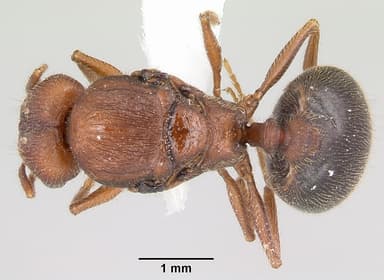
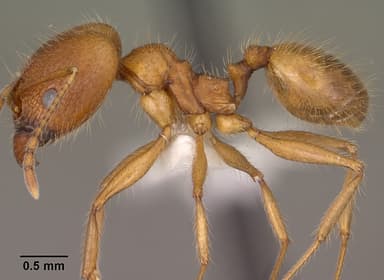
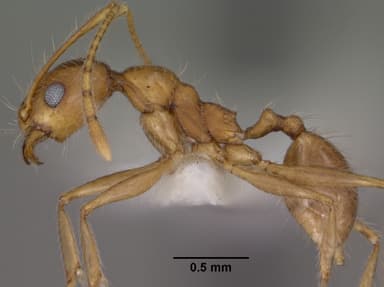
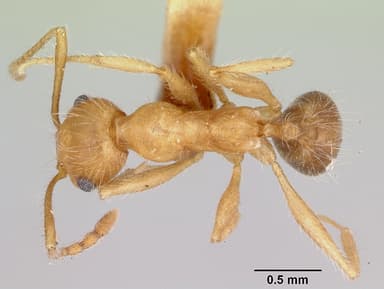
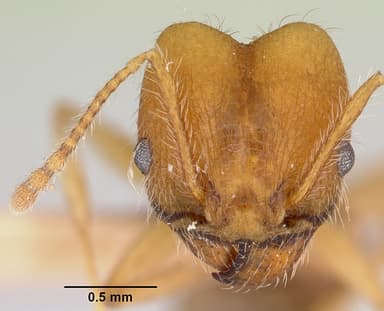
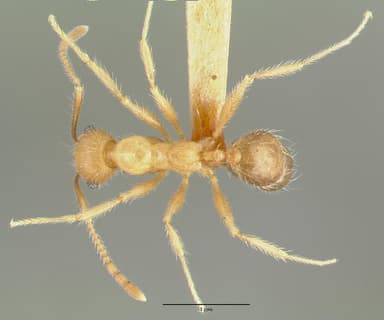
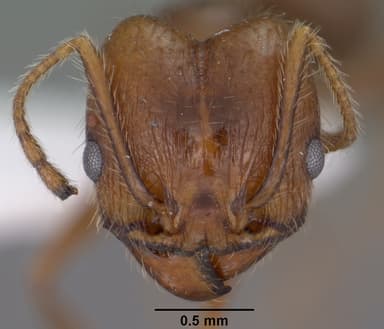
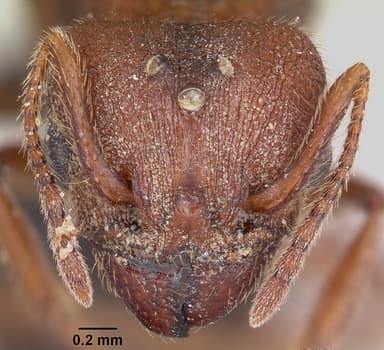
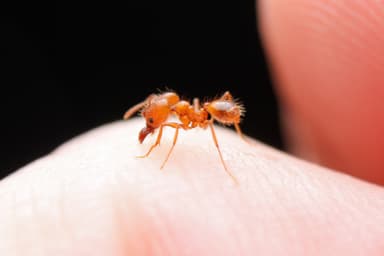
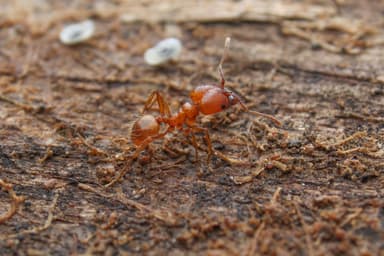
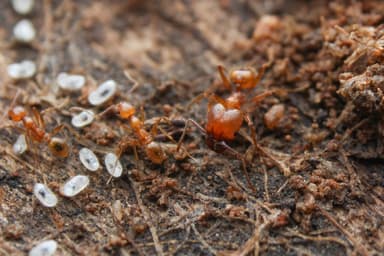
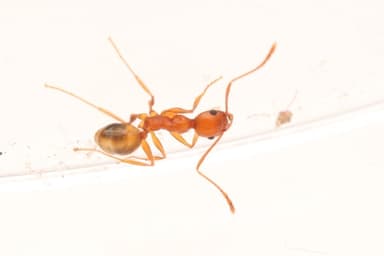
Pheidole hyatti is a captivating ant from the hyperdiverse genus that E.O. Wilson famously described as “the dominant, hyperdiverse ant genus” of the New World (Wilson 2003). Queens measure a robust 7 to 8.5 mm, while the distinctly polymorphic workers range from 2.5 mm minor workers to 4.5 mm major workers, or soldiers. Those majors are the undeniable stars, sporting massive, blocky heads packed with adductor muscles that power their seed‑crushing mandibles. In the wild, P. hyatti colonies thrive across the arid and semi‑arid southwestern United States and Mexico, building nests in soil, under stones, and in rocky crevices from California to New Mexico. Mature colonies can swell to an impressive 10,000 individuals, and their nuptial flights occur on warm, humid evenings just after the summer monsoon rains, typically from July through September. Observing a bustling P. hyatti colony as minors stream out to forage while majors stand sentinel or methodically process tiny seeds into “ant bread” offers a front‑row seat to division of labor in a polymorphic society, which is precisely what makes them so appealing to keepers.
With a beginner care difficulty, P. hyatti is an ideal species for anyone new to the hobby, yet their rapid growth and striking dimorphism keep seasoned enthusiasts equally engaged. They are remarkably forgiving of minor husbandry missteps, provided their basic environmental envelope is respected. This species suits keepers who delight in watching a colony explode from a single queen into a teeming metropolis within a season or two. Because they are fast to recruit and bold, they quickly become a dynamic display. Beginners will appreciate their robustness and the confidence that comes from successfully maintaining a large, fast‑paced colony, while more advanced keepers can experiment with motivational feeding or documenting caste ratio shifts.
Housing P. hyatti revolves around recreating their warm, dry native climate. Provide a temperature gradient between 22°C and 30°C; a gentle heat mat placed under one end of the nest works beautifully, allowing the ants to self‑regulate. Ambient humidity in the outworld should sit between 40% and 60%, though the nest interior can be slightly more humid, especially in the brood chambers. They accept a wide range of nest types—plaster, ytong, 3D‑printed, or a classic soil‑filled setup—but always include a dry, finely sandy substrate that mimics their natural surroundings. A sand‑clay mix in the outworld lets them arrange the area to their liking, and a few small pebbles or bits of charcoal will be used by majors as tools or platforms. Ensure the formicarium is escape‑proof; minors can squeeze through surprisingly minute gaps, and a fluon barrier is essential.
Diet for P. hyatti is straightforward. As omnivorous harvesters, they need a reliable protein source for the developing larvae and a steady stream of carbohydrates for the bustling adult workforce. Offer small, soft‑bodied insects like fruit flies, pinhead crickets, or mealworm pieces two to three times a week, removing any uneaten remains to prevent mold. Sugars can be supplied as dilute honey, sugar water, or by placing a slice of ripe fruit on a feeding tray. Many keepers also provide a shallow dish of finely crushed wild bird seed (millet, canary seed, and small grass seeds), which majors will industriously mill into a pasty “ant bread”—a fascinating behavior to observe day after day. Fresh water must always be available, ideally via a test tube or a cotton‑plugged water tower, ensuring the colony never desiccates in their arid setup.
A hibernation period is required for long‑term colony health. P. hyatti does not enter a deep, suspended diapause, but they require a cool rest at around 15°C for three to four months, roughly from late November to early March. To initiate hibernation, gradually reduce heating over two weeks, and stop offering protein; sugars can be withdrawn a few days before the move into a cool, dark space such as a cellar or a temperature‑controlled wine fridge. During this rest, the colony will cluster tightly, movement will slow, and the queen will cease laying. Keep the nest slightly moist to prevent desiccation, and check monthly that water sources remain full. When spring arrives, reverse the process, warming them slowly and reintroducing food to wake the colony gently.
When your P. hyatti colony first arrives, resist the urge to interact. Settle the test tube or founding nest in a quiet, darkened spot and leave it undisturbed for at least 24 hours. For the very first feeding, offer a micro‑drop of sugar water on a piece of wax paper or foil just beside the nest entrance; this low‑stress offering allows them to refuel after transport. Wait another full day before offering a tiny pre‑killed fruit fly or a single pinhead cricket, placed far enough from the brood that it does not alarm the queen. Over the first week, watch for signs of steady egg‑laying and a calm, deliberate rhythm as the first workers venture out. If the queen is active and the brood pile grows, you are on the right track. Avoid bright light, vibrations, and frequent peeking; a cover slip or red film over the nest area helps them settle in securely. Once the worker count reaches about 15 to 20 individuals, you can begin offering seeds and slightly larger prey, gradually acclimating them to your observation schedule and the rhythms of their new home.