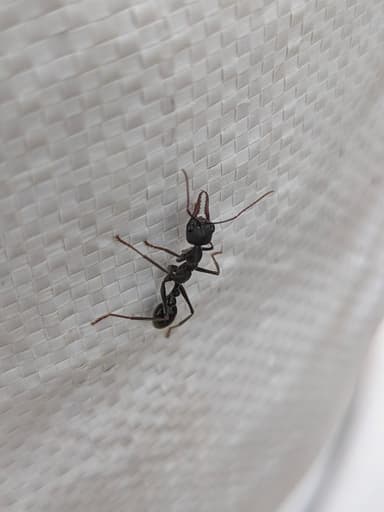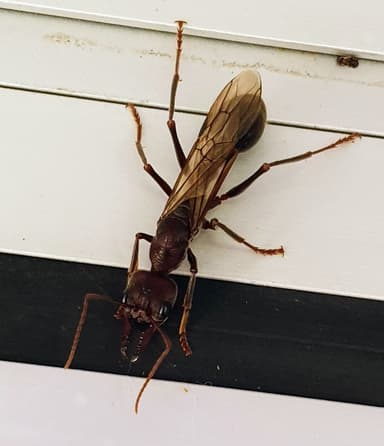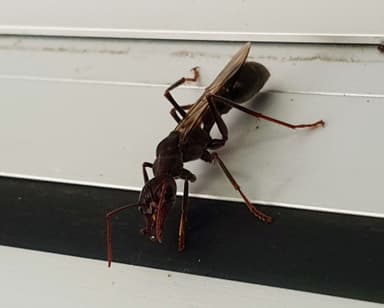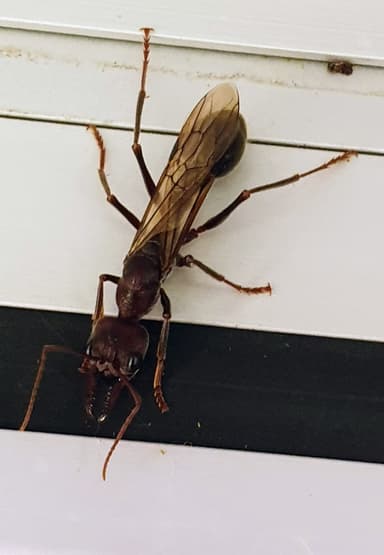
Myrmecia
Myrmecia pyriformis
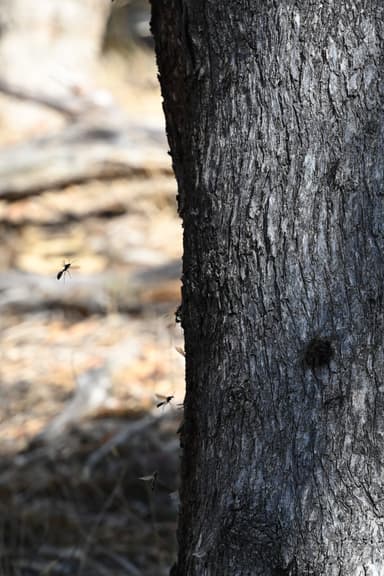
Nuptial Flight Calendar
Flight months: Mar, Apr, May, Jun
Care Guide
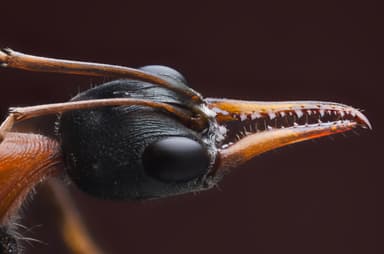
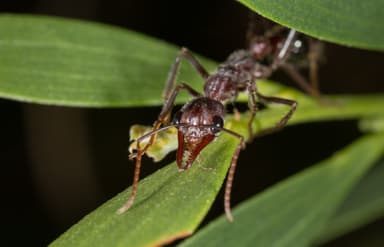
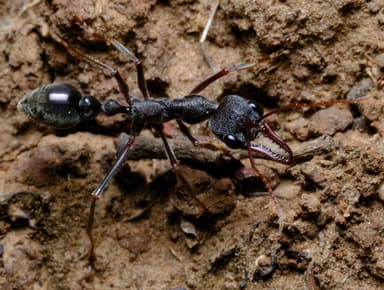
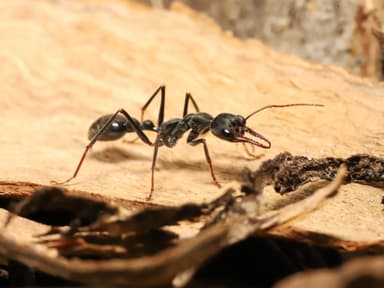
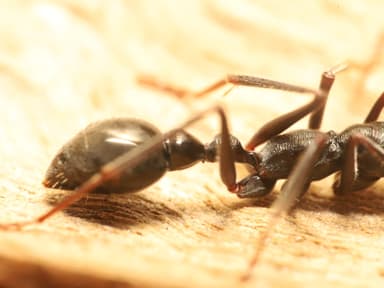
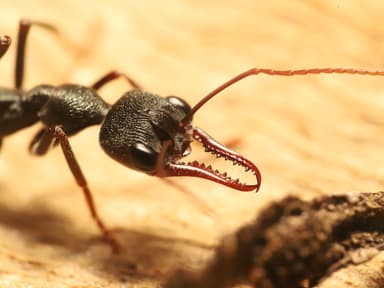
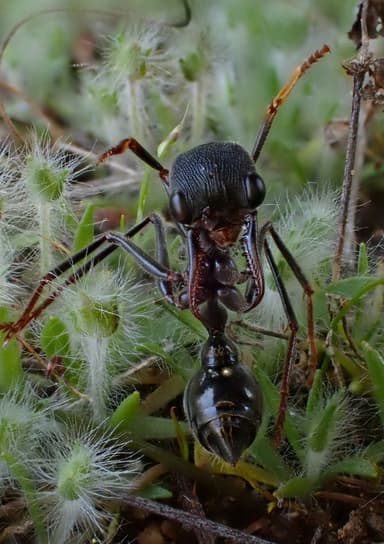
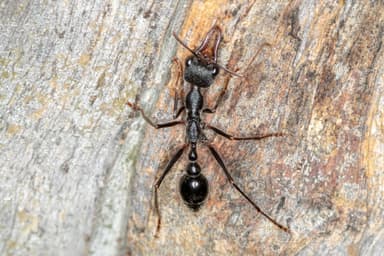
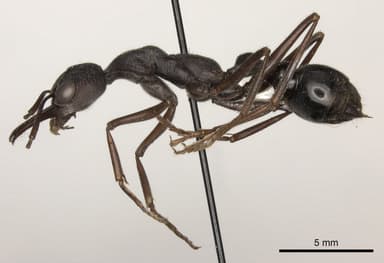
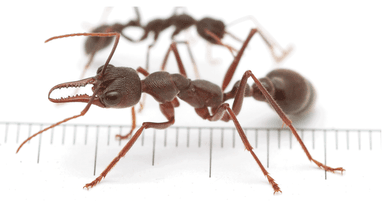
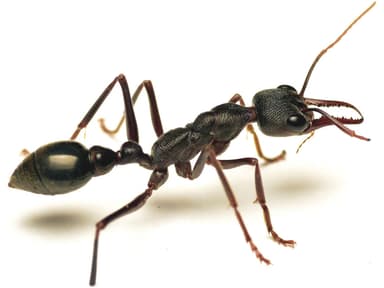
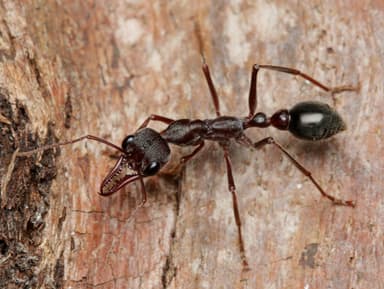
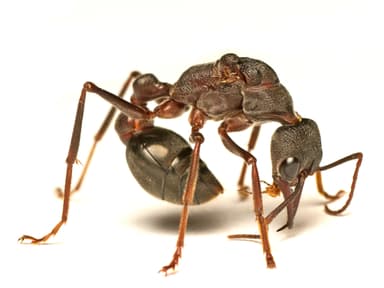
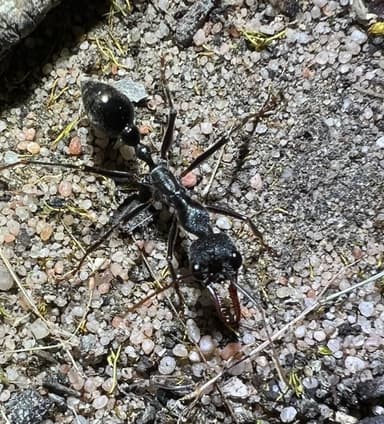
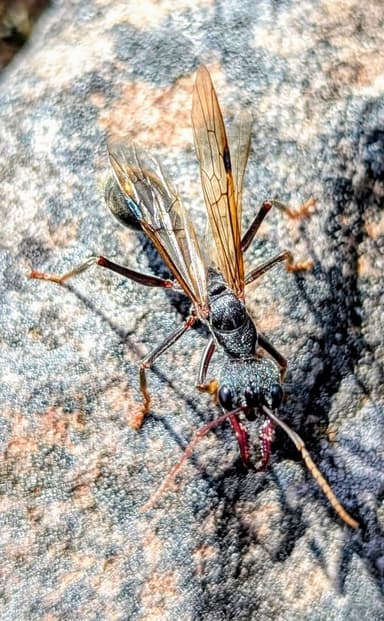
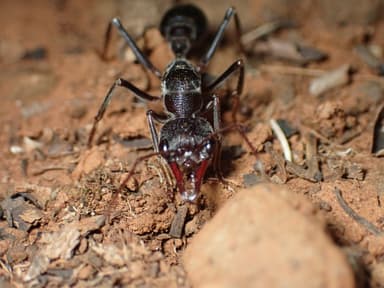
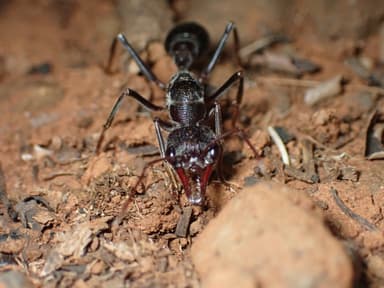
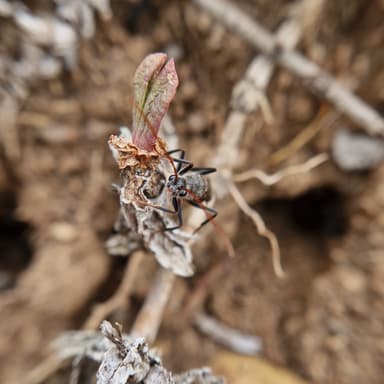
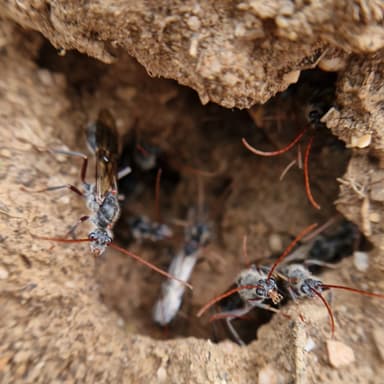
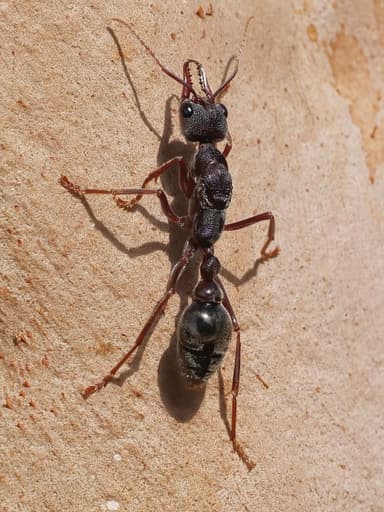
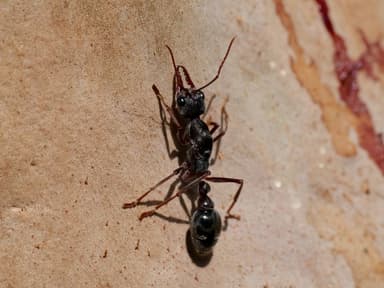
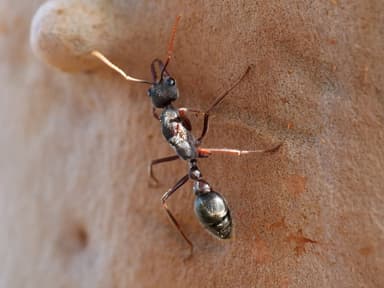
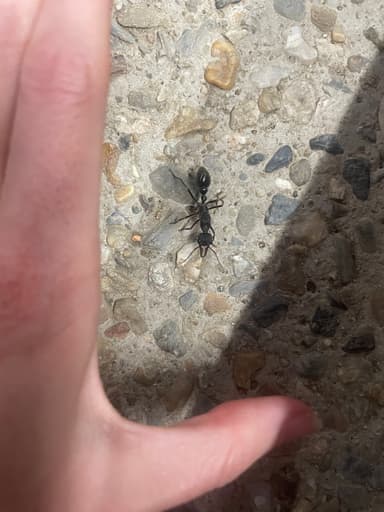
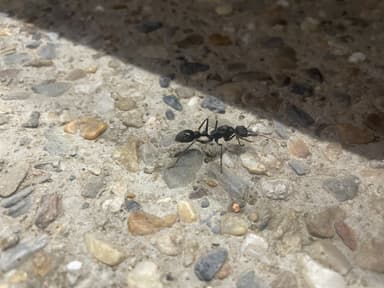
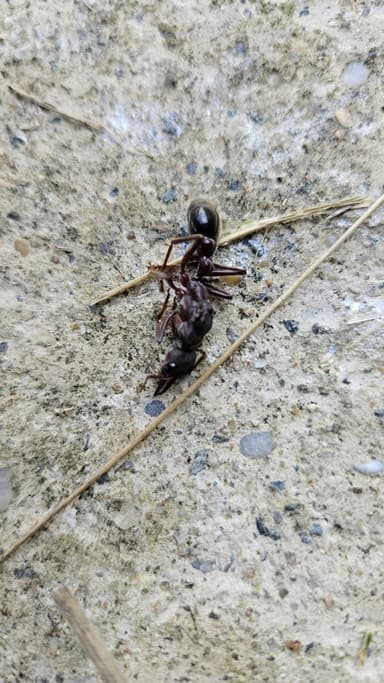
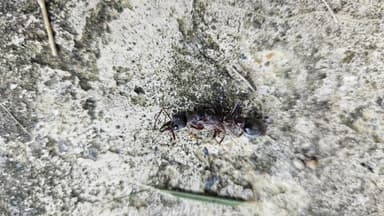
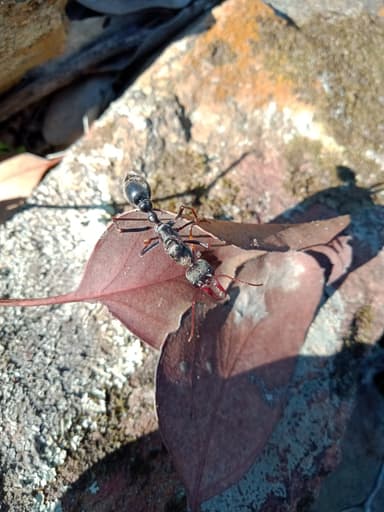
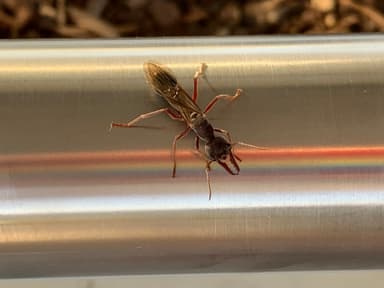
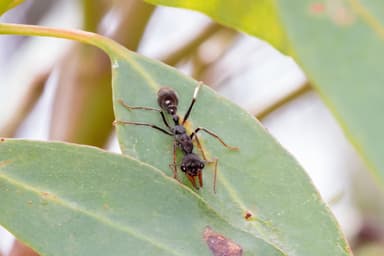
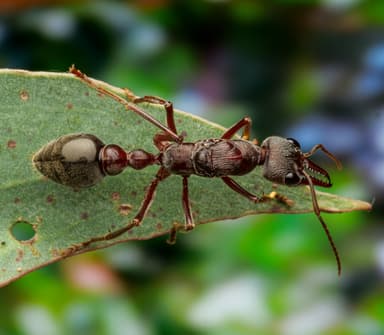
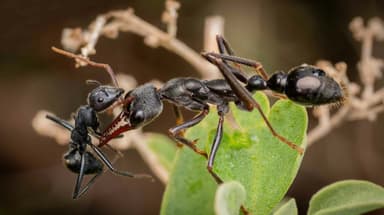
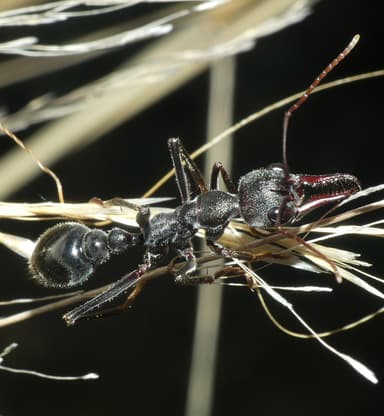
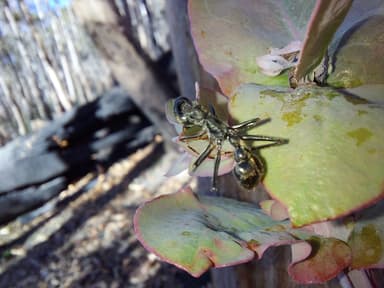
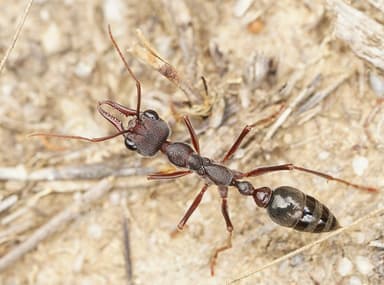
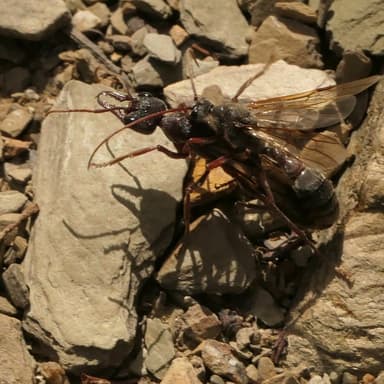
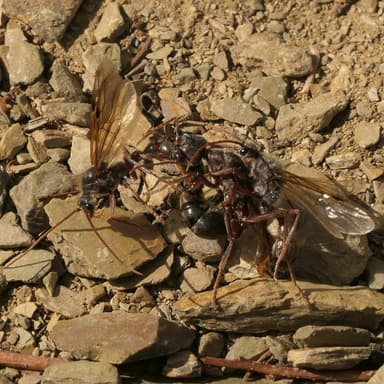
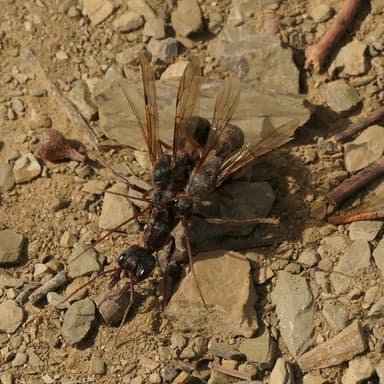
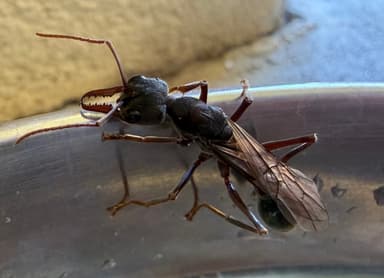
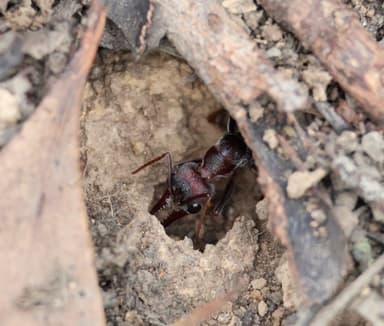
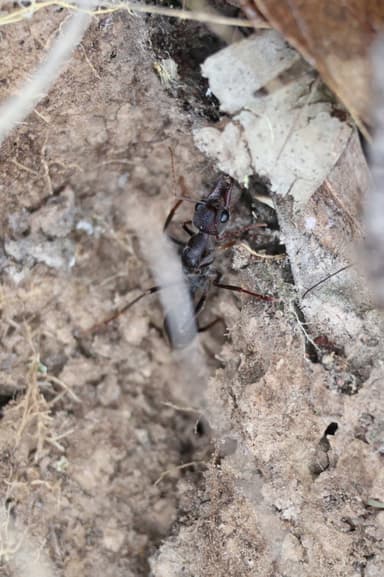
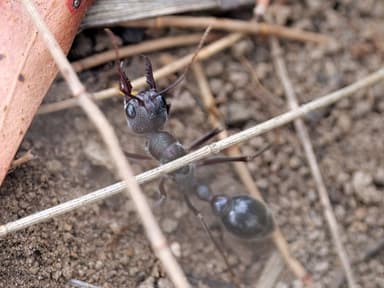
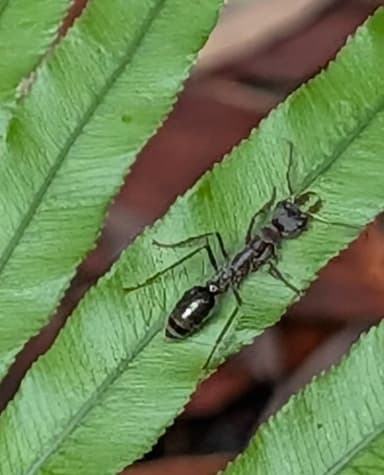
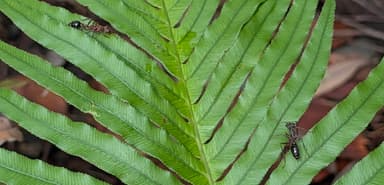
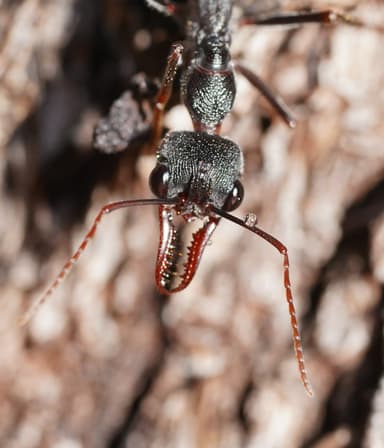
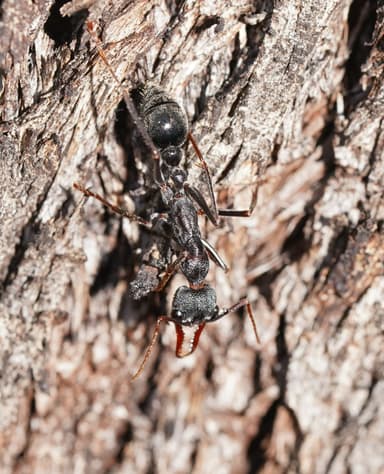
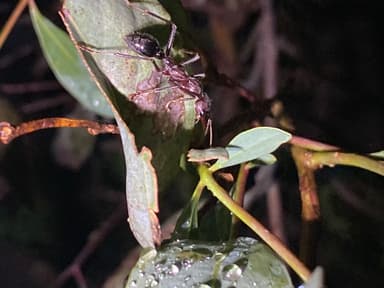
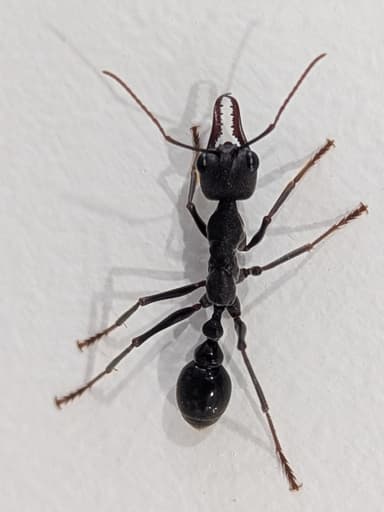
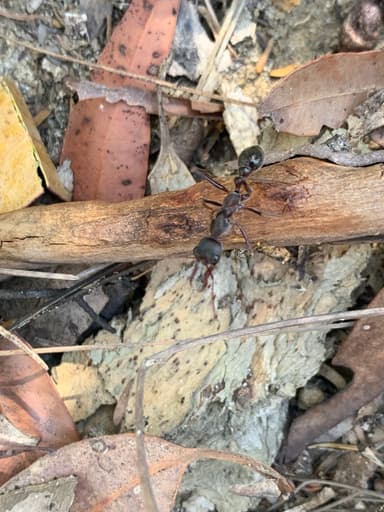
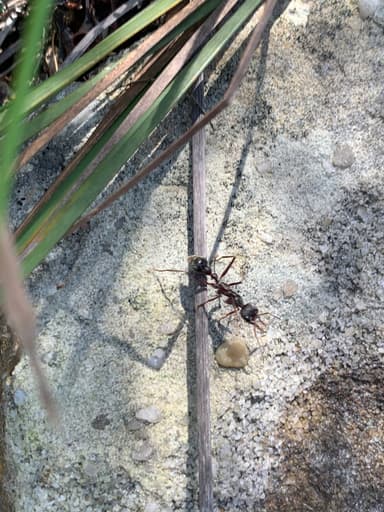
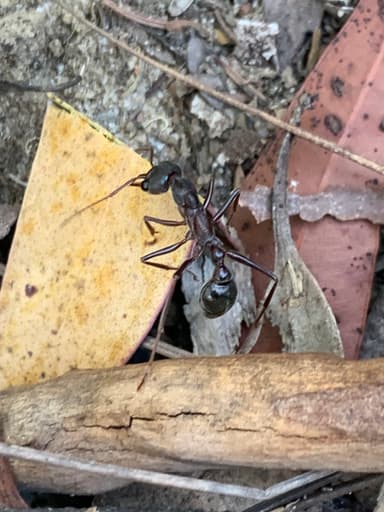
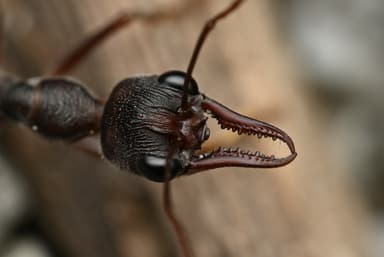
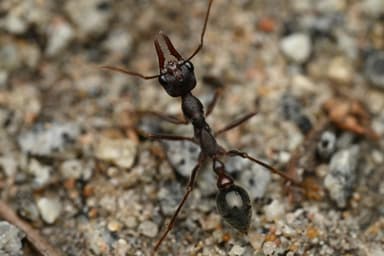
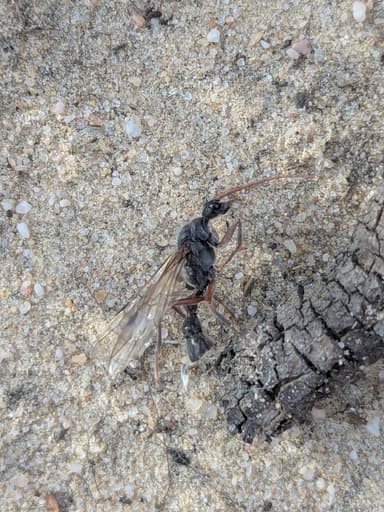
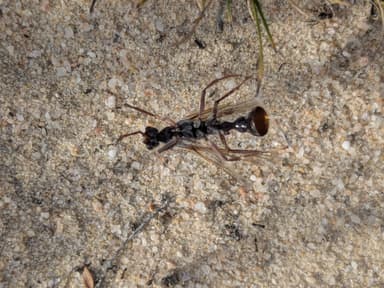
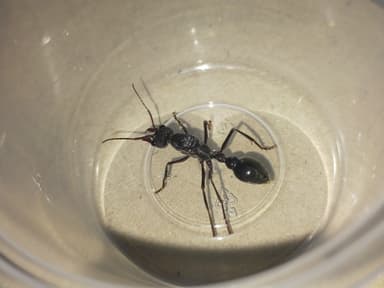
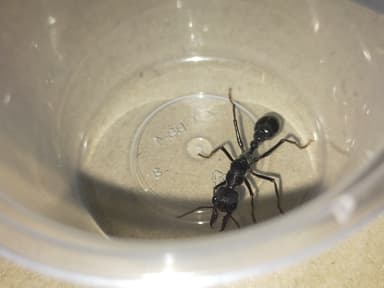
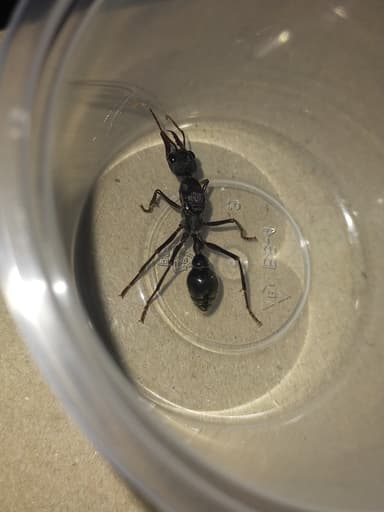
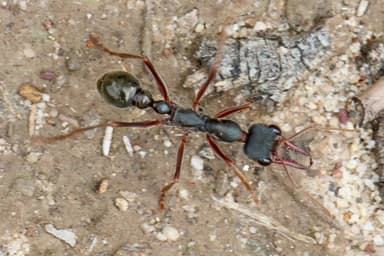
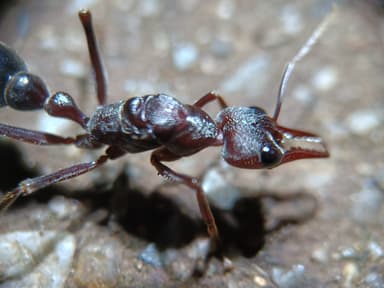
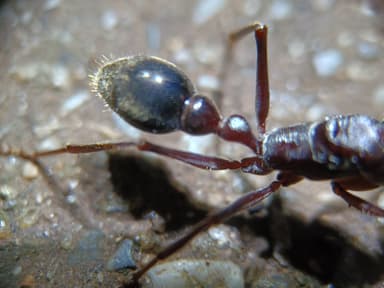
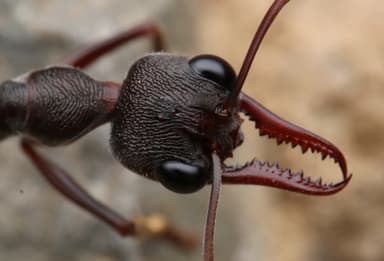
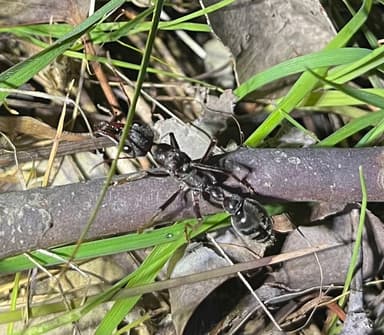
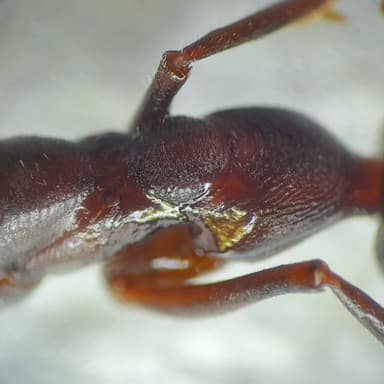
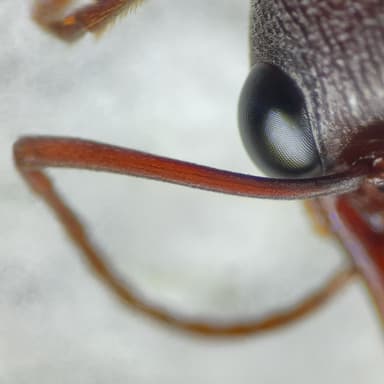
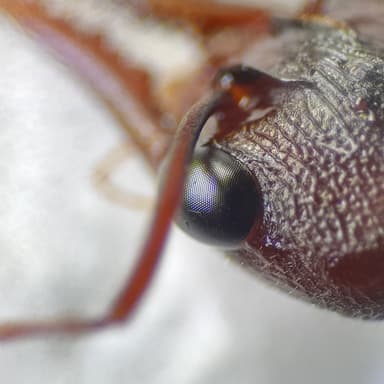
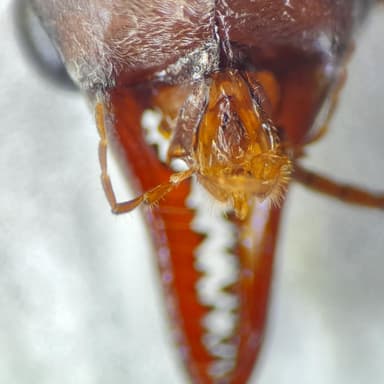
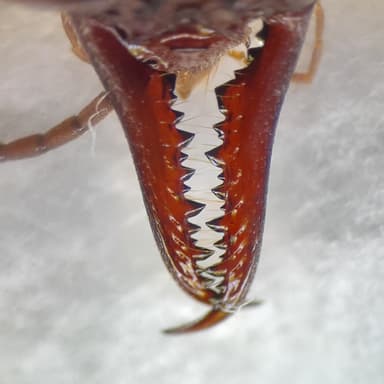
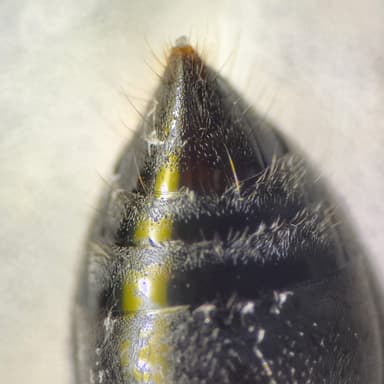
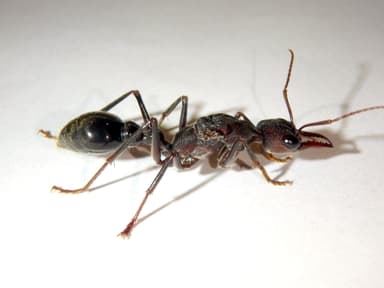
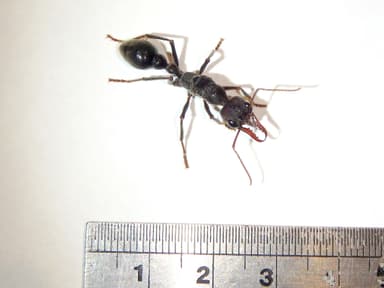
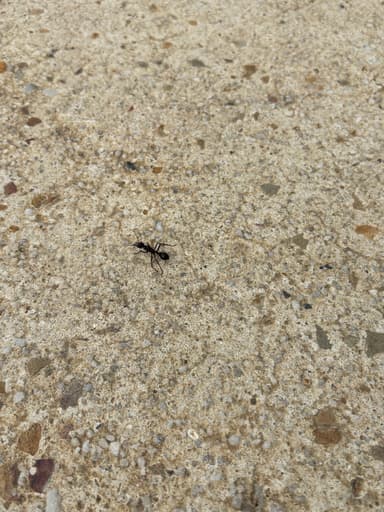
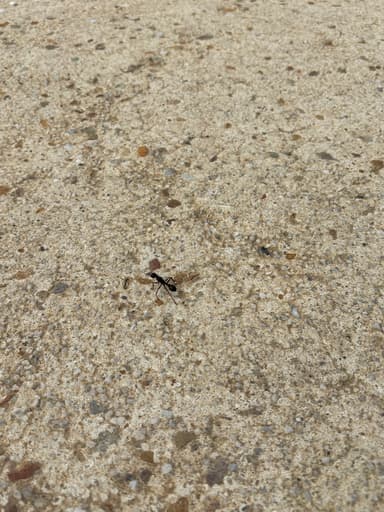
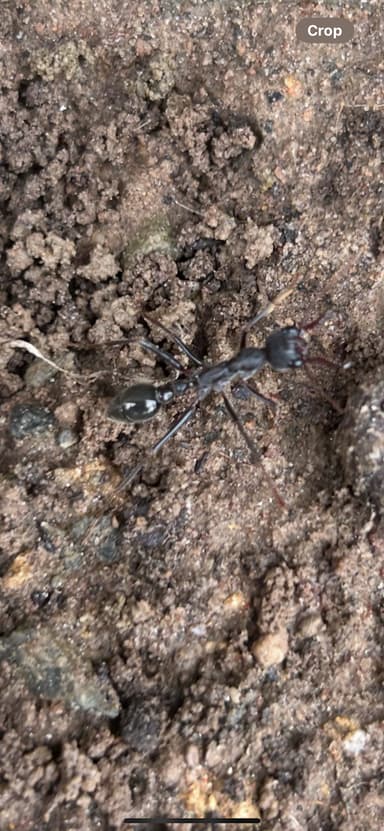
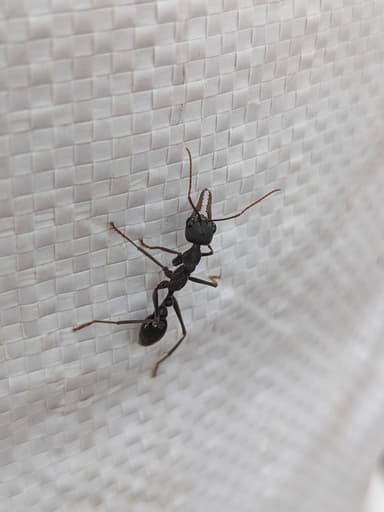
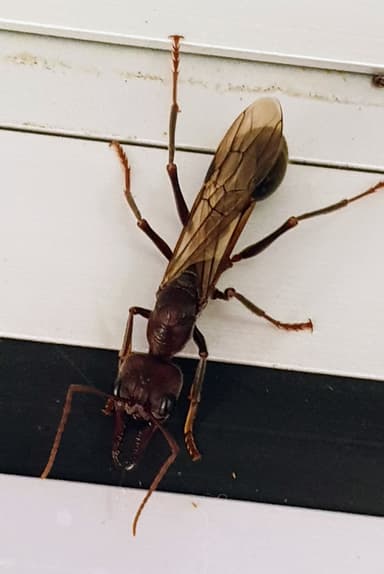
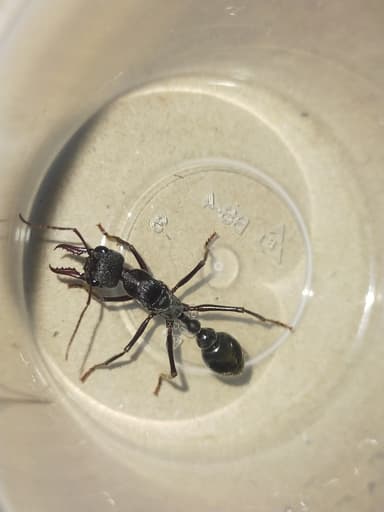
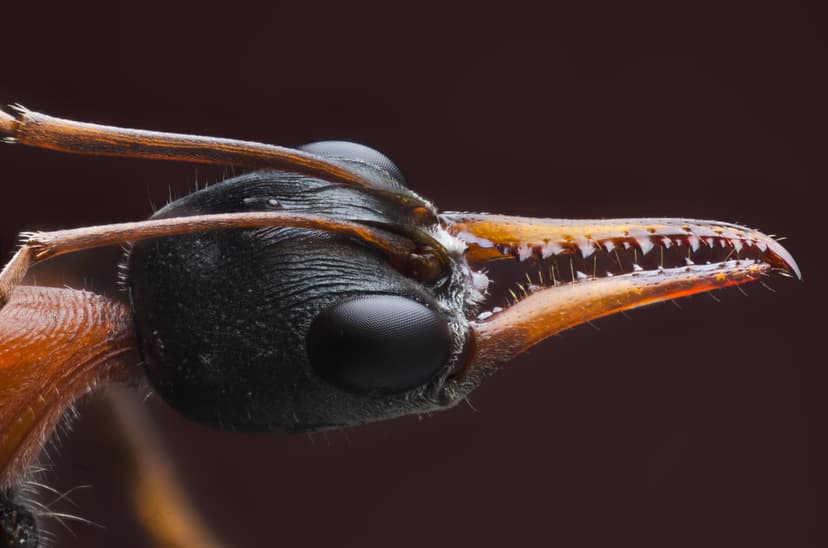
Myrmecia pyriformis, commonly known as the black bulldog ant or inch ant, stands as one of the most visually and behaviourally arresting species available to the ant keeper. The queen is a giant among ants, measuring 25 to 30 millimetres, while her workers range from 20 to 27 millimetres, all sharing the same robust monomorphic worker caste. Their bodies are predominantly jet‑black, offset by fiery orange‑red mandibles and legs, and they possess enormous compound eyes that betray their exceptional vision. Colonies in the wild can reach up to 1,500 individuals, and founding is semi‑claustral, meaning the queen must leave her nest to forage while raising her first brood. What truly sets this species apart, however, is its strictly nocturnal foraging habit. As documented by Narendra et al. (2010) and Reid et al. (2011), these ants navigate using polarised skylight and a memorised panoramic landmark map even under the faintest star‑light, making them a living window into the sensory extremes of insect cognition.
This ant is best classed as intermediate in difficulty, and it is not a creature for the inexperienced keeper. Their sheer size, swift movements, and highly potent sting demand respect and careful handling. A semi‑claustral founding queen cannot be sealed away and forgotten; she must be offered food regularly from day one, adding a layer of active management. Because workers are large and capable of short bursts of speed, escape prevention is paramount—a tight‑fitting lid and a fluon barrier are essential. That said, for the dedicated hobbyist who has successfully kept more forgiving species, the rewards are immense. You will witness genuine night‑time hunting, spectacular visual homing behaviour, and a colony structure that, though strictly hierarchical, displays fascinating interactions. The key is patience and a willingness to adapt your routine to their nocturnal clock, feeding them at dusk and observing them under dim red light.
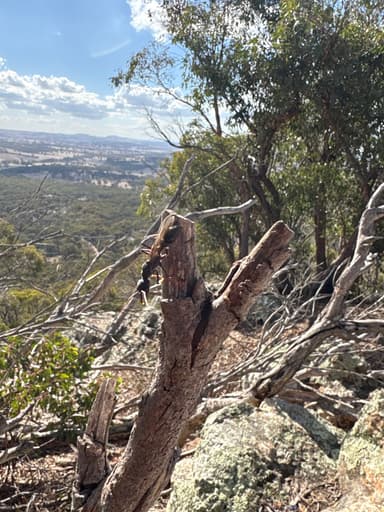
Housing must accommodate both their predatory lifestyle and their environmental needs. A naturalistic soil‑based setup often works best, replicating the sandy to loamy soils of their native southeastern Australian range. Provide a substrate depth of at least 10 to 15 centimetres, as the queen and workers will excavate. A plaster or Ytong nest block can also be used if a foraging arena is attached, but many keepers find that a soil‑filled tank with a cork‑bark hollow offers the best balance of burrowing freedom and visibility. Temperature should be maintained between 18 and 28°C, with a slight gradient so the ants can self‑regulate. Humidity is critical: keep it between 50 and 70%, which can be achieved by misting the substrate on one side and using a well‑ventilated lid to prevent stagnation. Because they are nocturnal, bright lights will stress the colony; supply a red‑spectrum LED or observe them in near‑darkness during their active hours. A small external heat mat placed against one side of the nest can also stimulate foraging activity during the cooler months.
Diet is straight‑forward but must be offered in the evening when the ants naturally hunt. High‑quality protein fuels brood development, and you can supply live or pre‑killed insects such as crickets, roaches, mealworms, and occasionally moths. Workers will readily chase down prey, so feeding within the foraging arena can trigger spectacular hunting sequences. Always ensure prey items are no larger than the ants themselves, particularly for a young founding queen, where a crushed cricket leg or a small fly is ideal. Adult ants also require carbohydrates, which in nature they glean from floral nectar and honeydew. Offer a small droplet of diluted honey or sugar‑water on a piece of foil, removing any uneaten portion after 24 hours to prevent spoilage. A constant, clean water source is essential, best provided via a water feeder or a moist cotton plug. Queens in the founding stage should be fed every two to three days; once workers arrive, increase frequency to daily offerings and adjust quantity according to the colony’s appetite.
This species requires a true hibernation period to maintain health and regular brood cycles. From late autumn, gradually lower the temperature to around 12°C over the course of a couple of weeks, and maintain this for two to three months. During this diapause, the colony slows dramatically; feeding should be stopped, though a water source must remain. Some workers may still venture out briefly, but do not be alarmed if the queen ceases egg‑laying entirely—this is normal. At the end of winter, slowly raise the temperature back into the active range, and when foraging resumes, offer a small, easily digestible protein meal to ease the colony’s transition. Skipping hibernation often leads to a gradual decline in queen fecundity and colony vigour, a pattern noted by many experienced keepers and consistent with the species’ occurrence across a region that experiences a distinct seasonal drop (GBIF occurrence data).
When your Myrmecia pyriformis queen first arrives, give her the quiet, dim conditions she craves. A founding queen is best set up in a simple test‑tube‑and‑arena arrangement or a small soil‑filled container with a shallow hide. Because she is semi‑claustral, immediately install her in a setup that allows her to access a foraging area. Place a moistened cotton plug for water and allow her to settle for several hours before offering the first meal. That initial feeding should be a small, soft‑bodied insect part—think a pre‑killed fruit fly or a mashed cricket drumstick—and a minuscule drop of sugar water placed near the nest entrance during the evening. Observe from a distance: she should investigate and feed within a few hours. Avoid the temptation to check on her constantly, as stress can delay egg‑laying. Over the following days, watch for signs of acceptance: she will carry food back to a chosen chamber, gradually enlarge her cavity, and eventually, after a few weeks, deposit her first eggs. Any persistent restlessness, refusal to feed, or constant attempts to escape may indicate incorrect temperature or humidity, and these should be gently adjusted. Handle all interactions with forceps, never fingers, because a sting from this species is a truly memorable ordeal, and give her the darkness and solitude she needs to found a thriving colony.