Lasius
Lasius mixtus
Nuptial Flight Calendar
Flight months: Jul, Aug, Sep, Oct
Care Guide
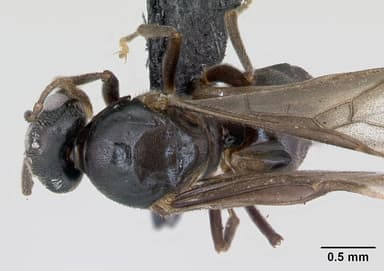
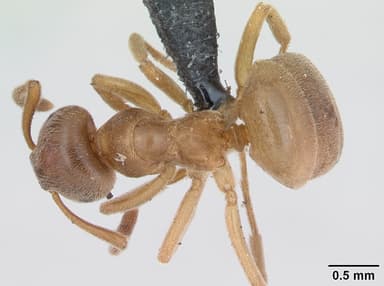
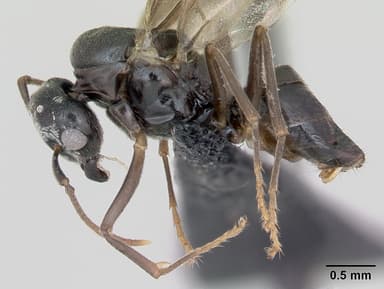
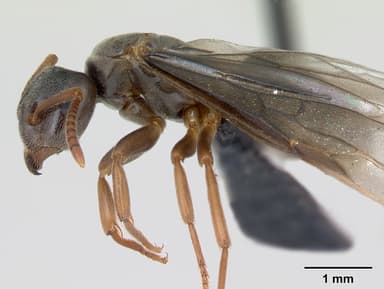
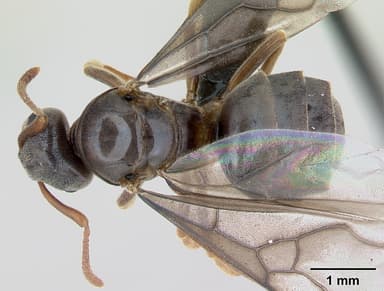
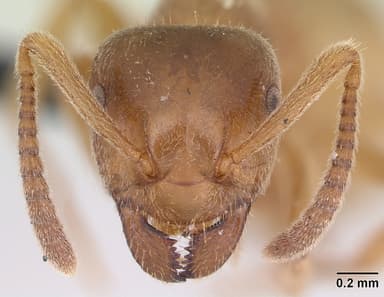
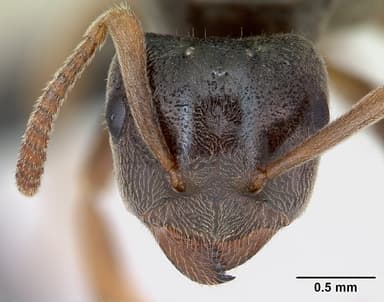
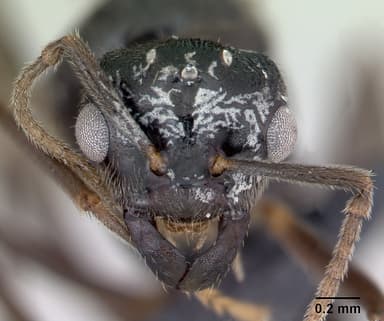
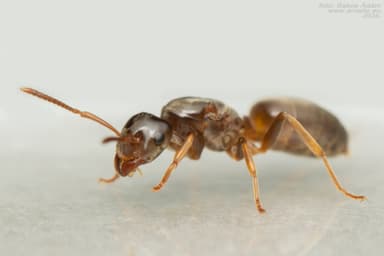
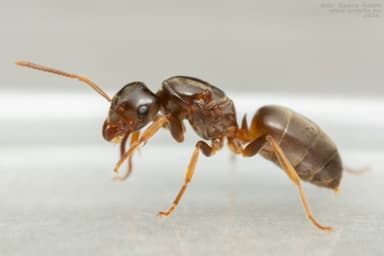
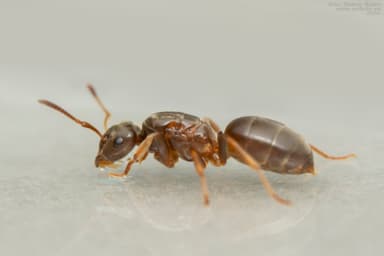
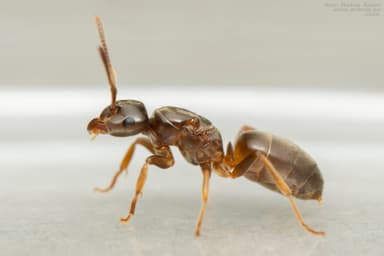
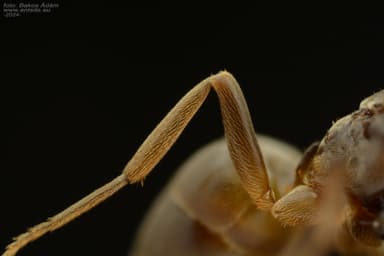
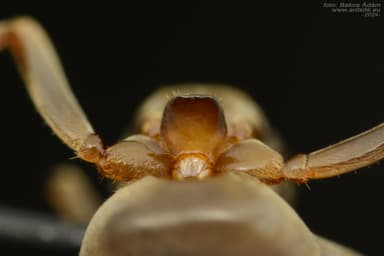
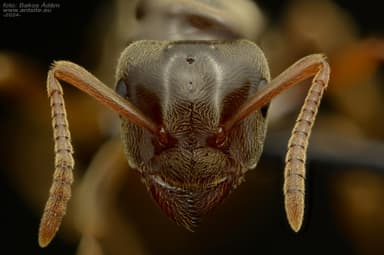
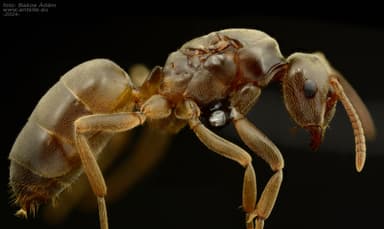
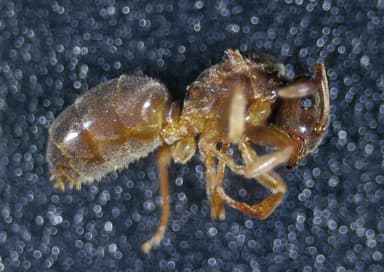
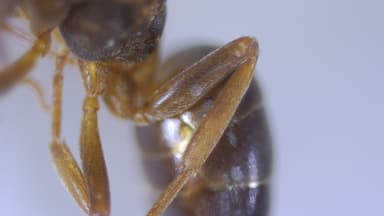
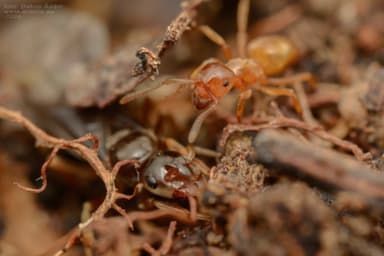
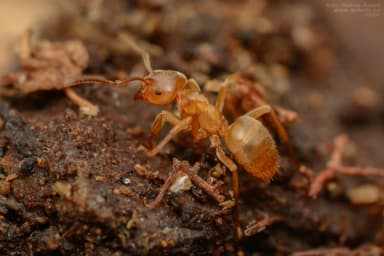
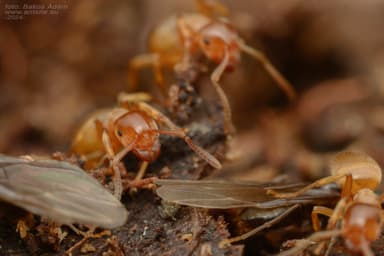
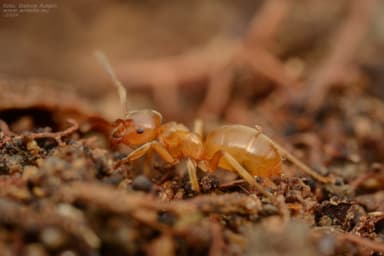
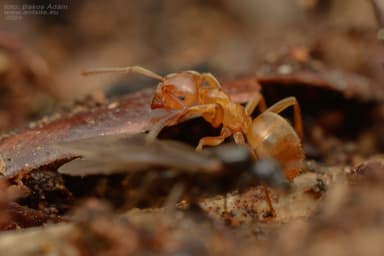
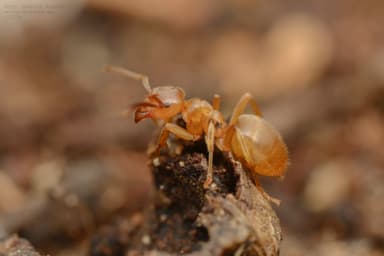
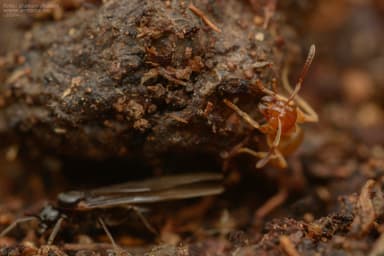
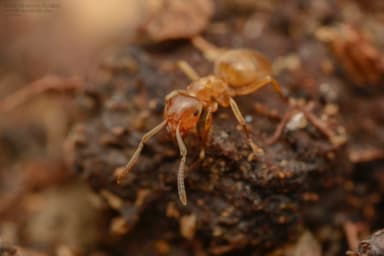
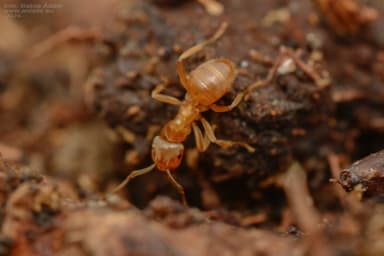
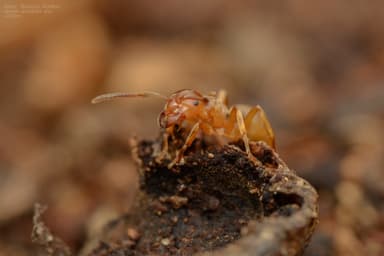
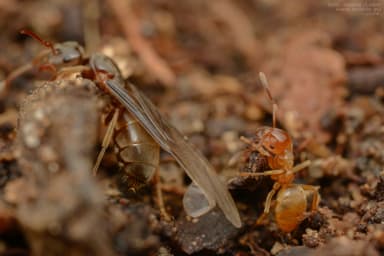
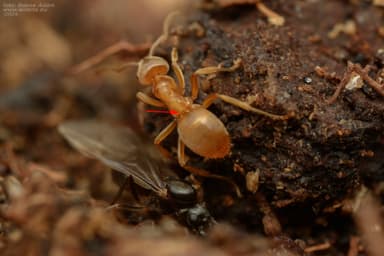
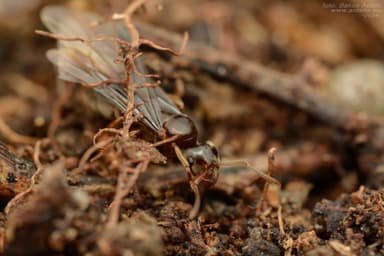
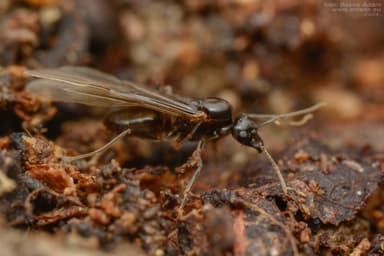
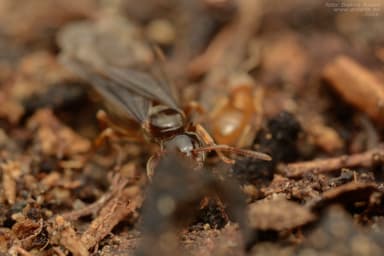
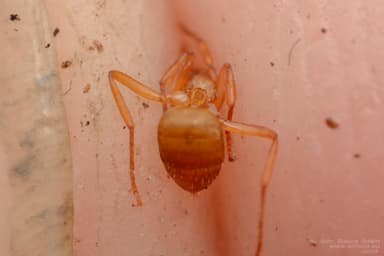
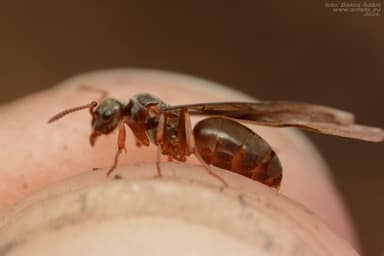
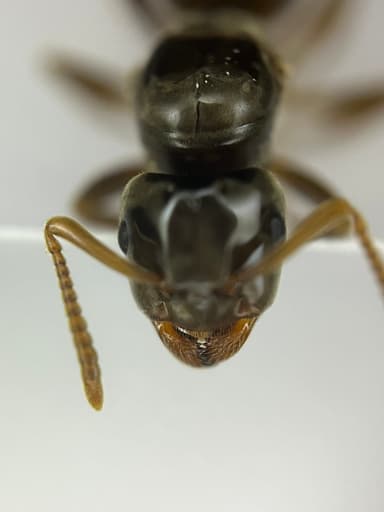
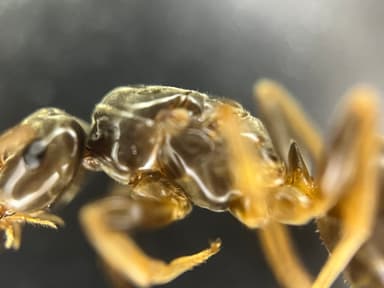
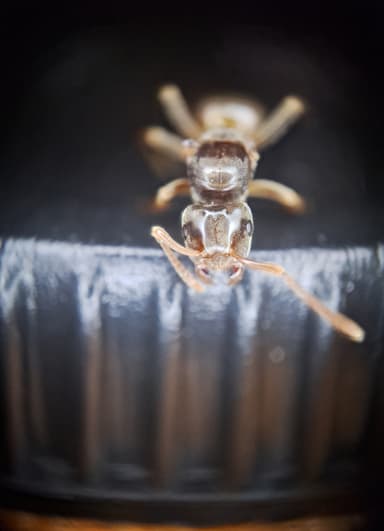
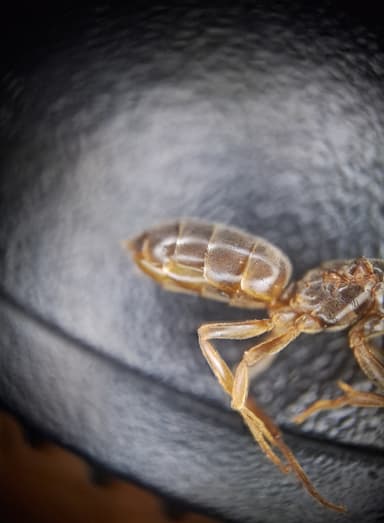
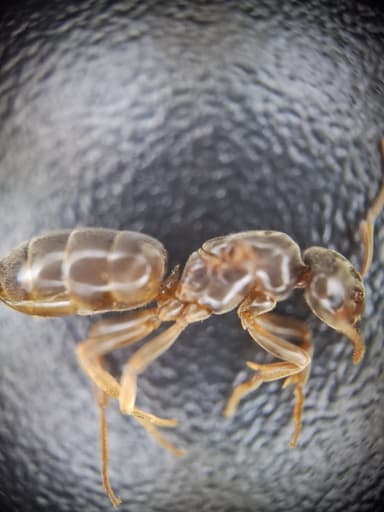
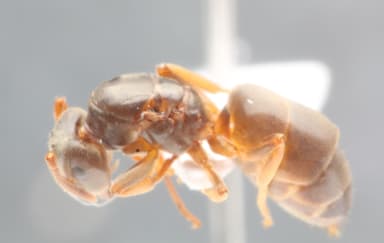
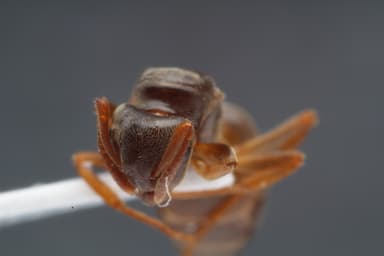
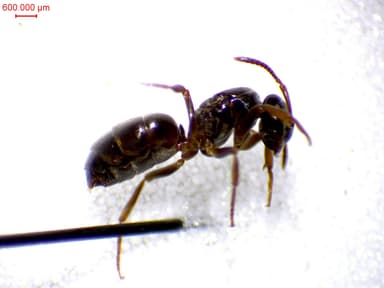
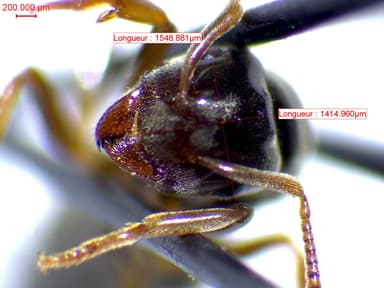
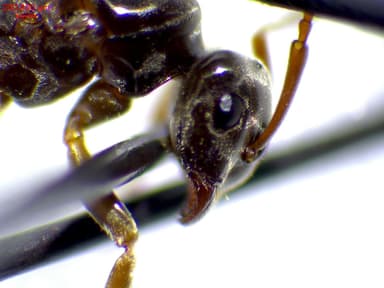
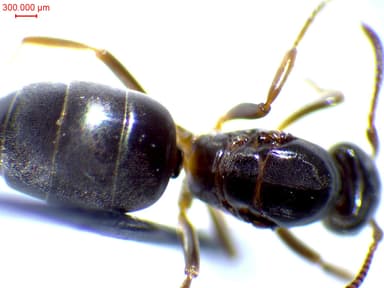
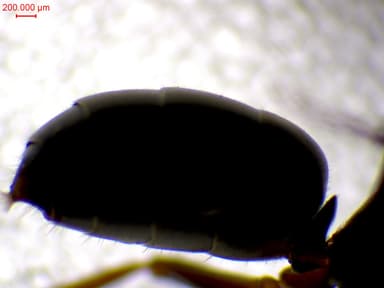
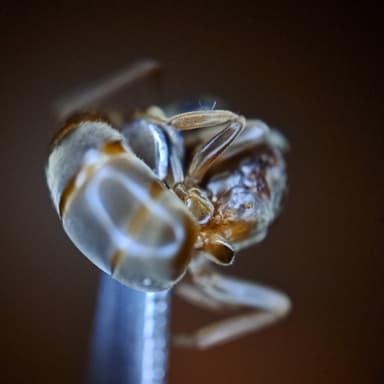
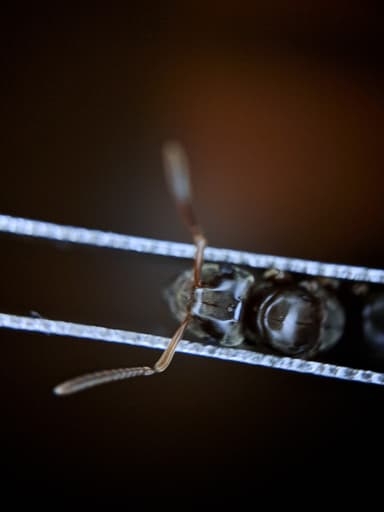
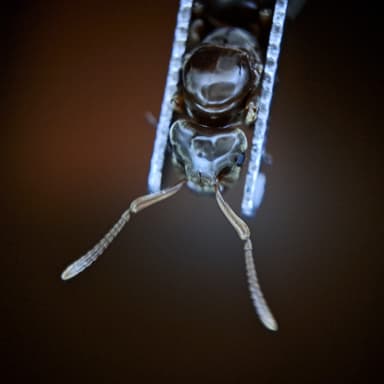
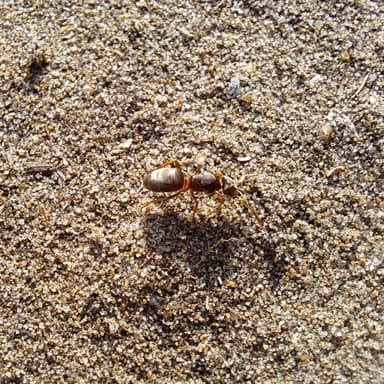
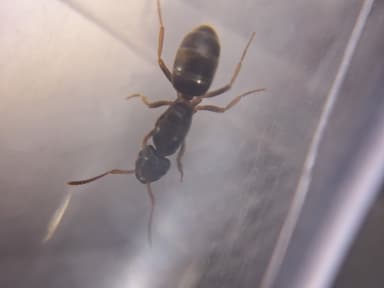
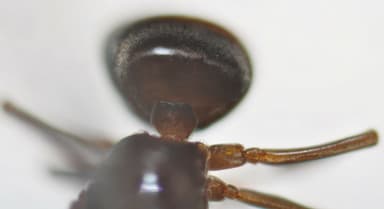
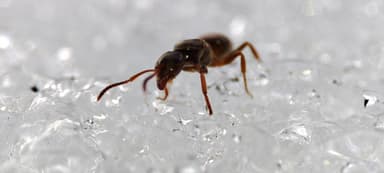
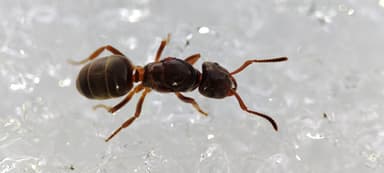
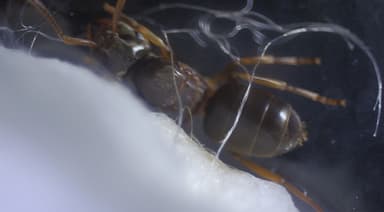
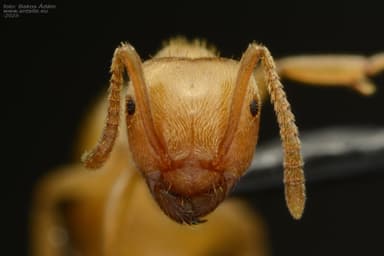
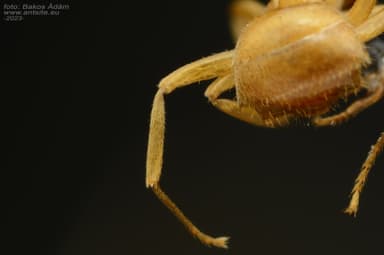
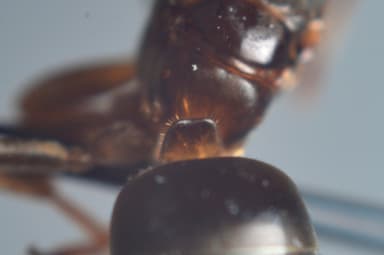
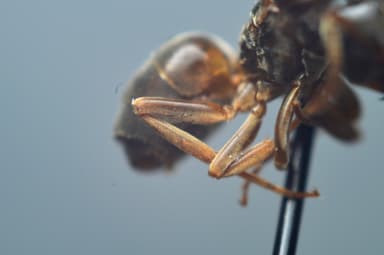
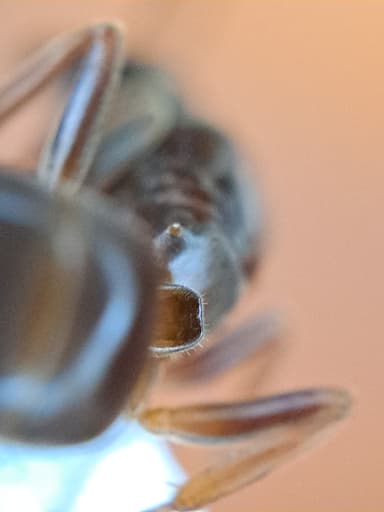
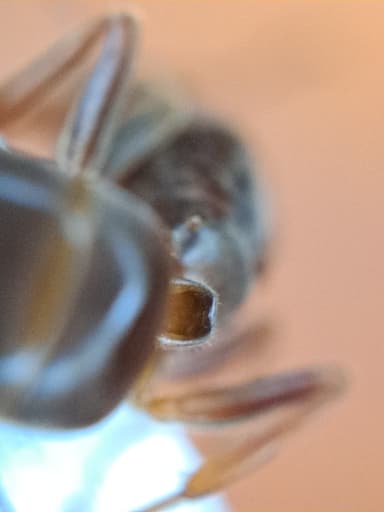
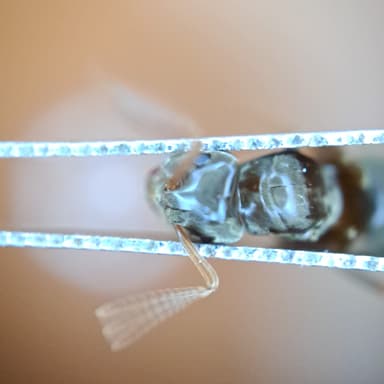
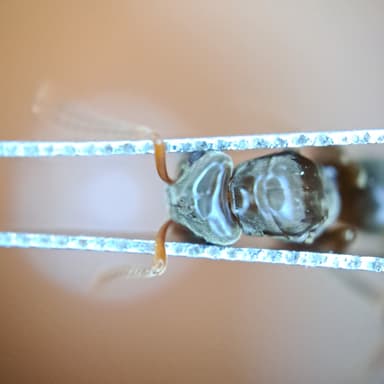
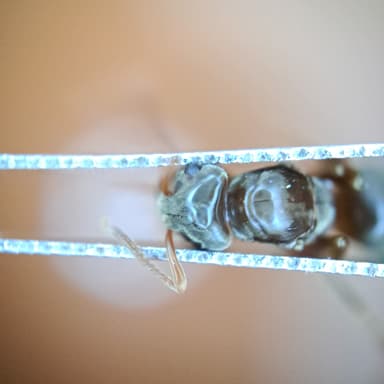
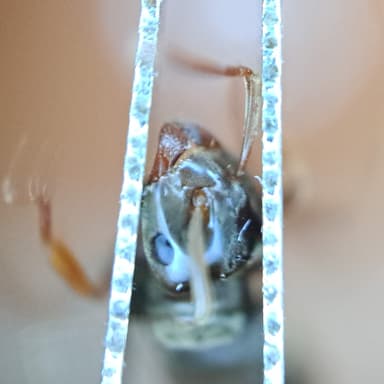
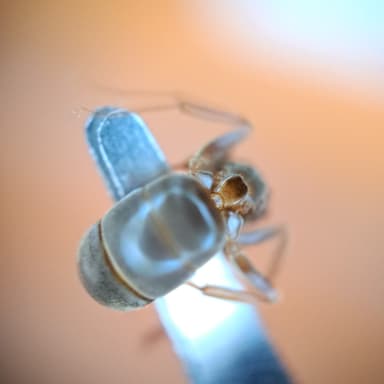
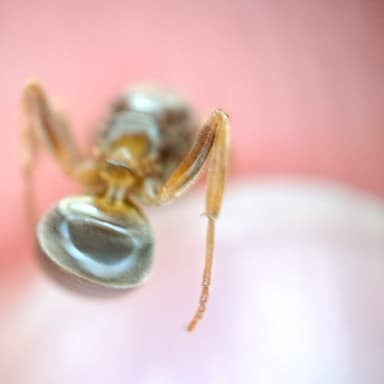
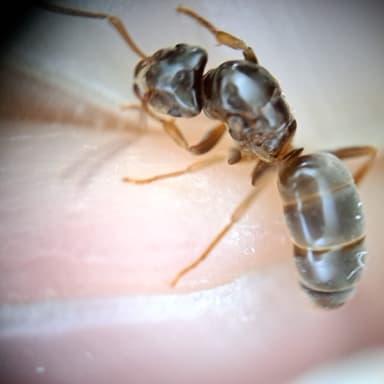
Lasius mixtus is a fascinating yet demanding species, a social parasite that weaves its life into the fabric of other ant colonies. The queens are robust, measuring 6.5 to 9 mm, while the monomorphic minor workers are a modest 3 to 4.5 mm, all cloaked in the warm yellowish-brown hues typical of many subterranean Lasius (Seifert 2018). Mature colonies can swell to impressive numbers, reaching up to 100,000 individuals, yet they remain strictly monomorphic with a single worker caste. This species is widely distributed across Europe, with GBIF occurrence data bounding its range from the Mediterranean fringes at 40°N up to the cool reaches of 65°N, and from the Atlantic coast east to the Urals. What truly sets L. mixtus apart is its founding strategy: newly mated queens must infiltrate an established nest of another Lasius species, most commonly Lasius flavus or sometimes Lasius niger, assassinate or subdue the host queen, and coax the resident workers into rearing her own brood (Czechowski et al. 2012). This dramatic takeover typically begins with nuptial flights on warm, calm, sunny autumn afternoons, especially in September and October, often following rain when temperatures hover around 18–22°C—a precise set of conditions that makes witnessing these flights a rare delight for the observant myrmecologist.
As the “expert” difficulty rating implies, L. mixtus is not a species for the casual keeper. Its parasitic foundation requires meticulous intervention if one hopes to succeed from a single queen. Even a pre-established colony demands an attentive eye for environmental stability. This species suits seasoned ant keepers who relish the challenge of replicating delicate social dynamics and who have experience with other parasitic or finicky Lasius. The reward is a robust, long-lived colony that vividly demonstrates the evolutionary arms race of myrmecophily. Novices will find far more forgiving subjects, but for the dedicated hobbyist with a steady hand and patience, L. mixtus offers a window into one of nature’s most intriguing life histories.
Housing must mirror the cool, humid soil environments this species calls home. A temperature gradient between 18°C and 24°C is ideal, with a stable humidity range of 60–80%. Avoid prolonged exposure above 26°C, as heat stress can devastate brood. Nests should provide a deep, moisture-retentive medium; a ytong or plaster nest with a soil or sand-clay covering works well, as these ants are avid diggers that will happily excavate chambers. The formicarium should offer a spacious foraging arena connected to a secluded nesting area, as these timid ants often keep a low profile, especially during colony infancy. Substrate depth is crucial—provide at least 10 cm of a moist, sandy loam for natural tunneling, which also aids in maintaining the high humidity they demand. A well-managed setup will rarely see them wandering into the open, but signs of healthy activity include the subtle rustle of workers curating brood and the steady expansion of their subterranean galleries.
Feeding L. mixtus follows the standard Lasius blueprint, but the colony’s subterranean habits can obscure their appetite. Offer protein in the form of small, pre-killed insects such as fruit flies, crickets, or mealworm pieces; these workers are not avid hunters in the open, so place food close to the nest entrance or in sheltered areas. Carbohydrates are best provided as a dilute honey or sugar-water solution on a cotton bud to prevent drowning, though these ants’ natural diet leans heavily on the honeydew of root aphids they tend within their soil nests. A constant supply of fresh water is essential, either through a test tube waterer or by dampening a corner of the foraging area. Feed sparingly until the colony numbers climb into the hundreds, removing uneaten protein within 24 hours to prevent mold, which can be lethal in high-humidity setups.
Hibernation is a non-negotiable biological rhythm for L. mixtus. To keep a healthy annual cycle, colonies must be cooled to approximately 5°C for a minimum of three months, typically from November to February, though up to five months is beneficial. A gradual temperature reduction in autumn mimics their native Central and Northern European climate. A frost-free fridge, cool cellar, or insulated container monitored with a digital thermometer works perfectly. During this diapause, the ants cluster motionlessly; check occasionally that the nest medium remains just barely moist—not wet—to prevent desiccation. Skipping or shortening hibernation leads to dwindling brood, queen exhaustion, and ultimately colony collapse, a pitfall that underscores this species’ need for disciplined seasonal care.
Upon arrival, your L. mixtus colony will likely be a small, established unit with a queen and a retinue of a few dozen host workers, perhaps accompanied by the first generation of genuine mixtus workers. Immediately place them in a quiet, dim location and resist any urge to check them more than once a day. A standard test tube setup with a water reservoir and a dry cotton plug, housed within a small tub and attached to a foraging box, is an excellent settling chamber. Introduce a tiny drop of sugar water on the first day to revive them, then offer a pinhead cricket or a fruit fly segment after 48 hours. Watch for any sign of the queen being harassed—though rare in an already integrated nest, stress from shipping can trigger worker aggression. She should be actively groomed and fed, not avoided. If all is calm, leave them undisturbed for a week before connecting to a larger nest, allowing their pheromonal signature to saturate the space. From that delicate beginning, with consistent care and a faithful winter rest, your L. mixtus colony will slowly reveal the quiet magic of an empire built on an ancient, intimate betrayal.