Dolichoderus
Dolichoderus quadripunctatus
Nuptial Flight Calendar
Flight months: Jun, Jul, Aug, Sep
Care Guide
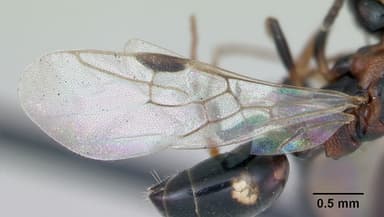
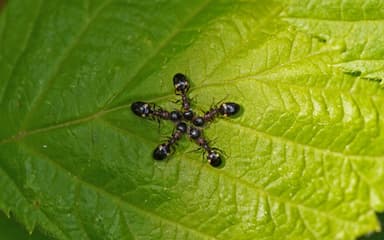
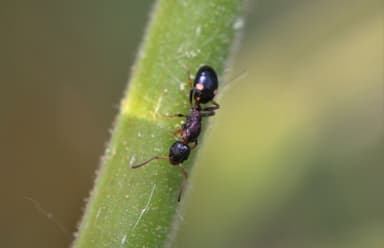
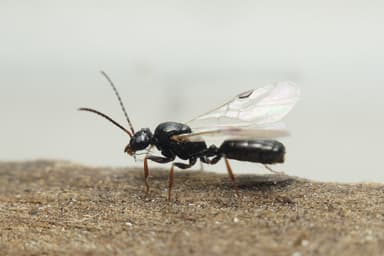
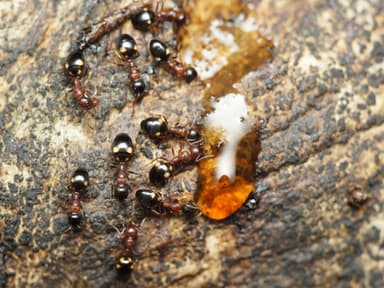
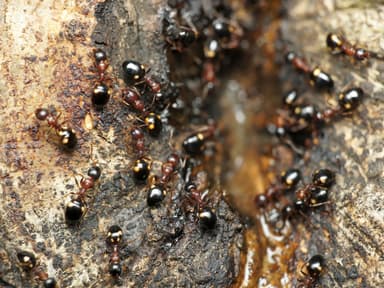
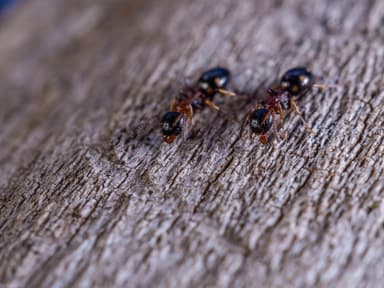
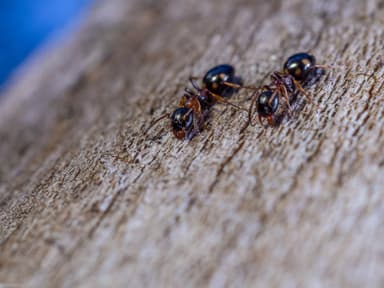
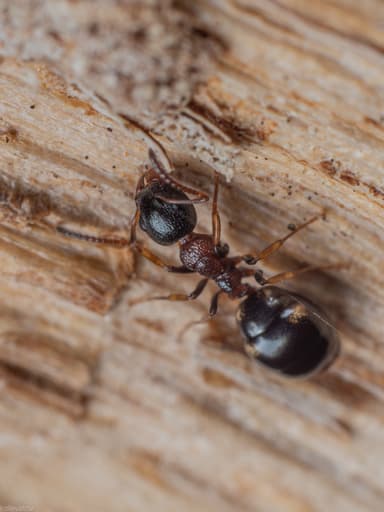
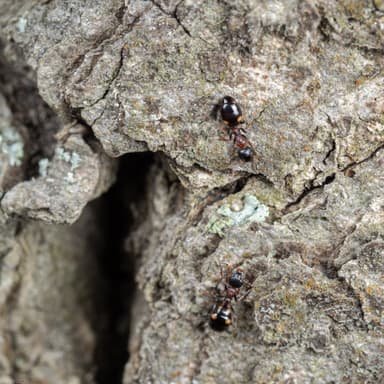
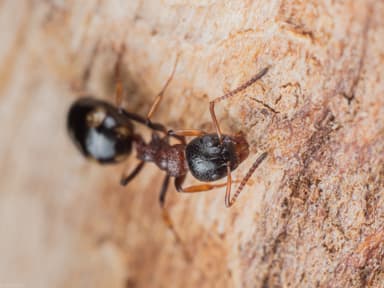
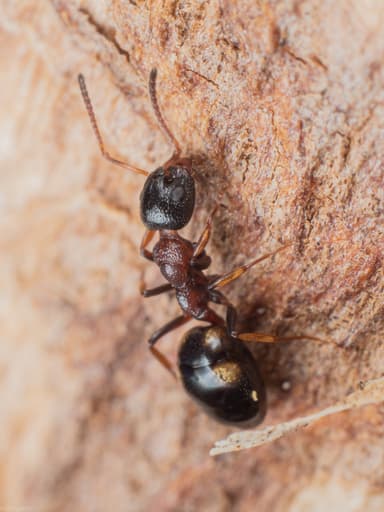
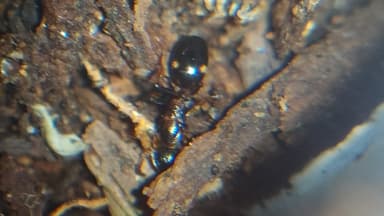
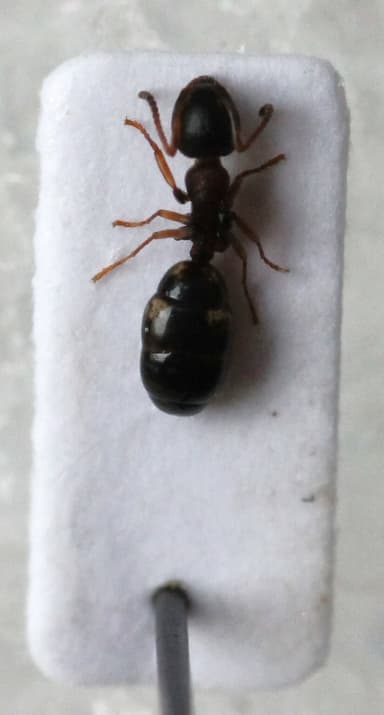
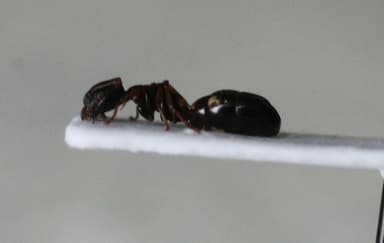
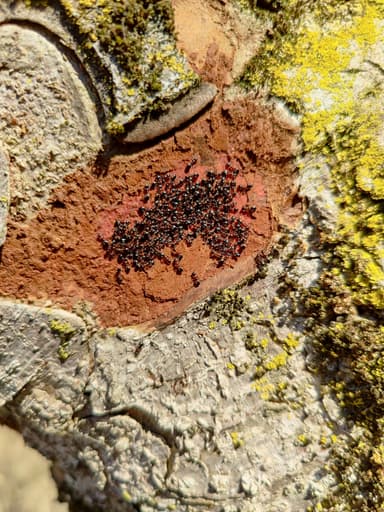
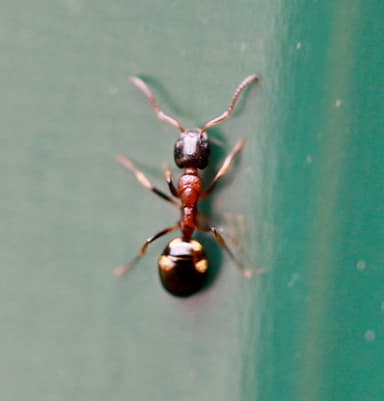
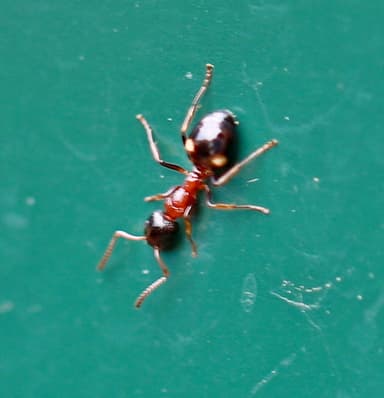
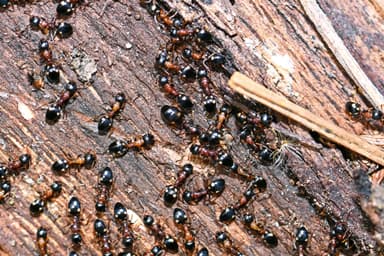
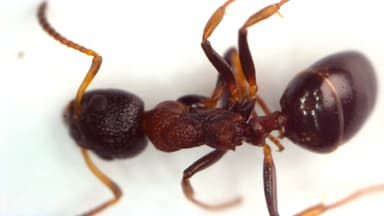
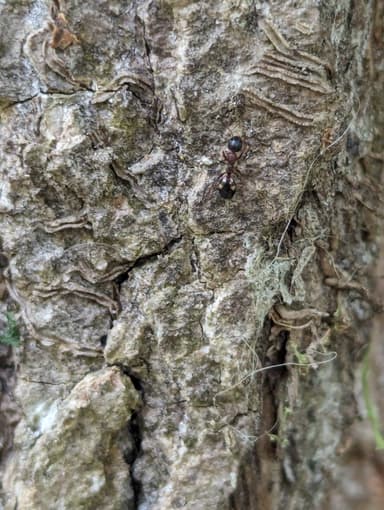
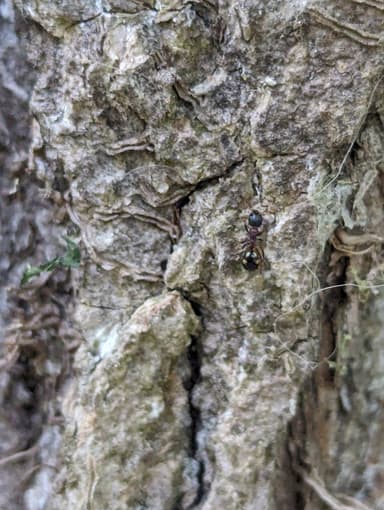
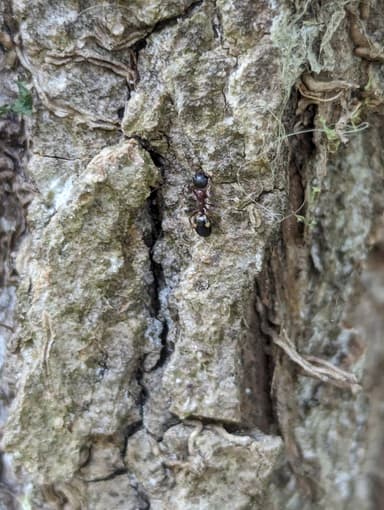
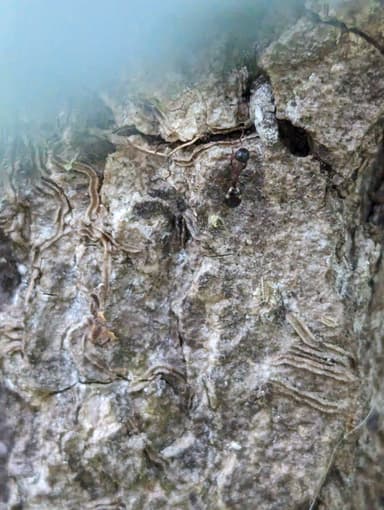
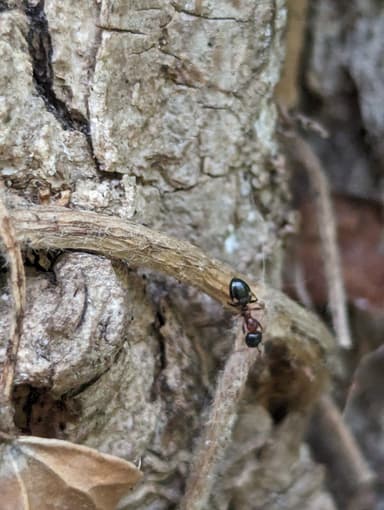
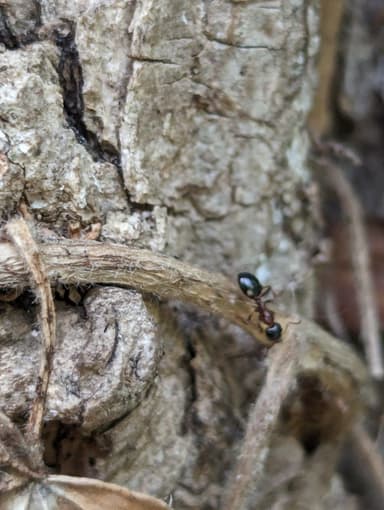
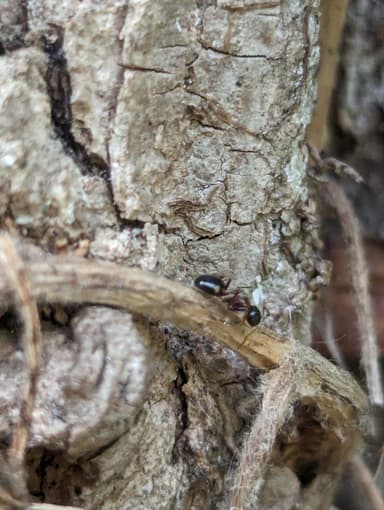
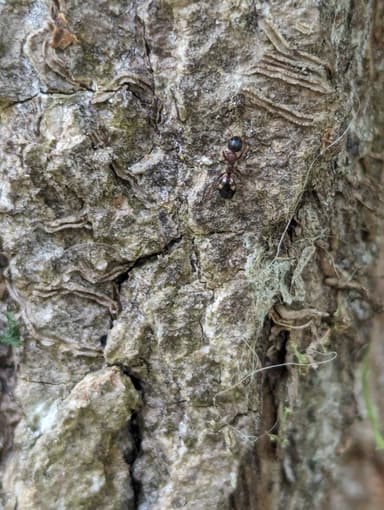
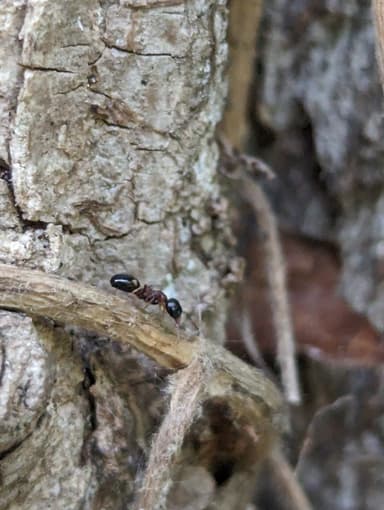
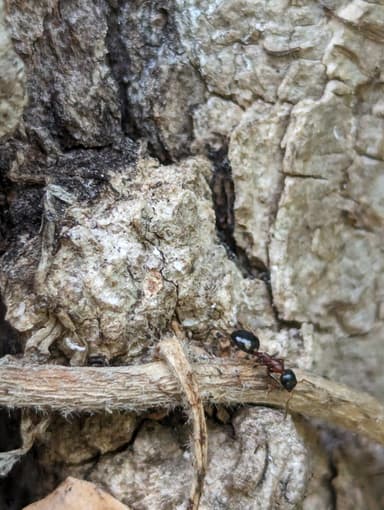
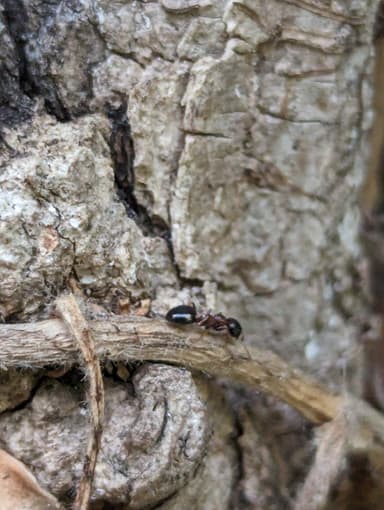
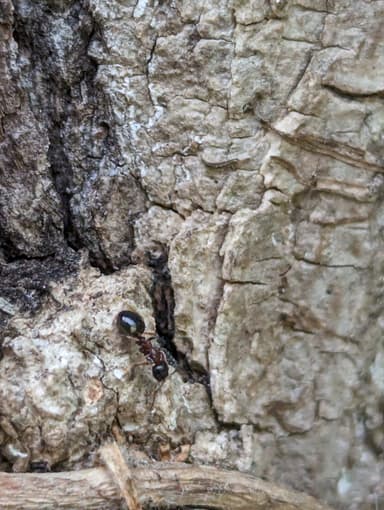
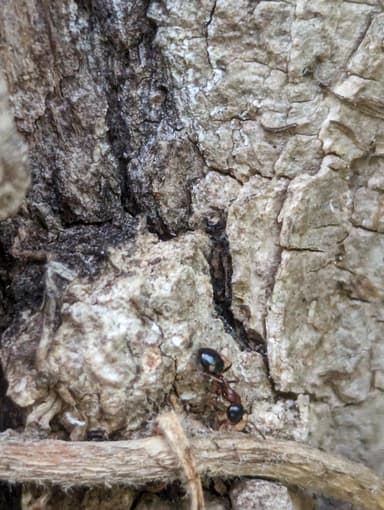
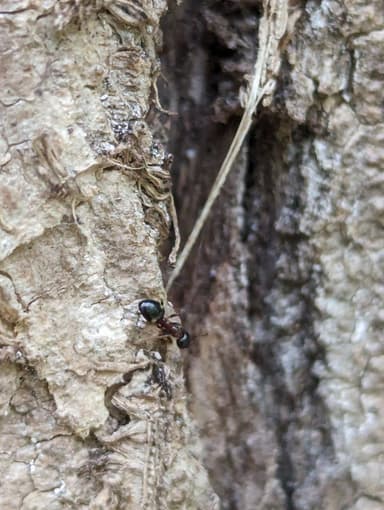
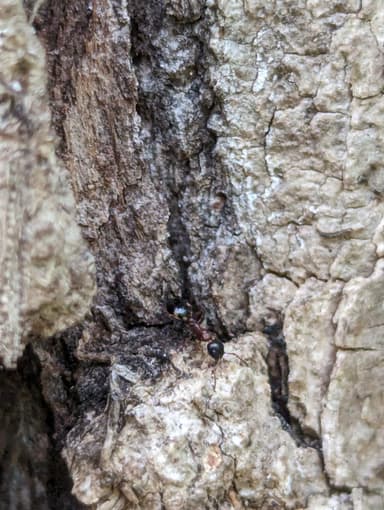
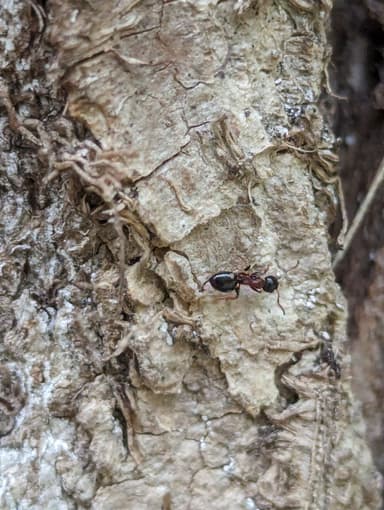
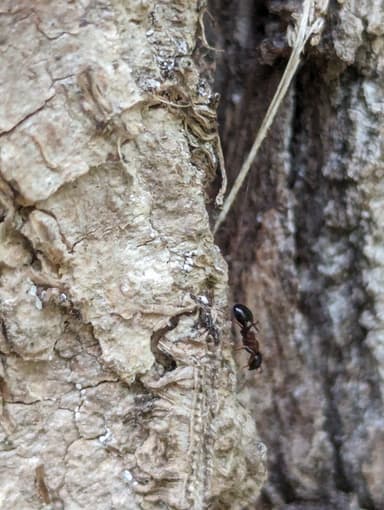
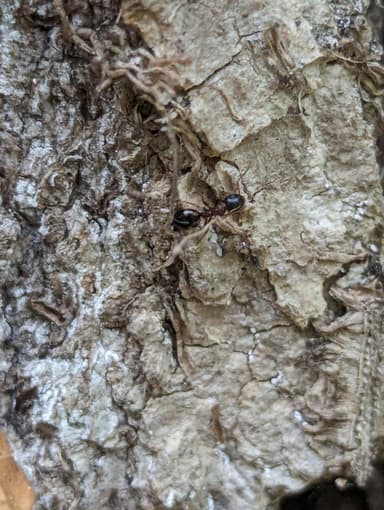
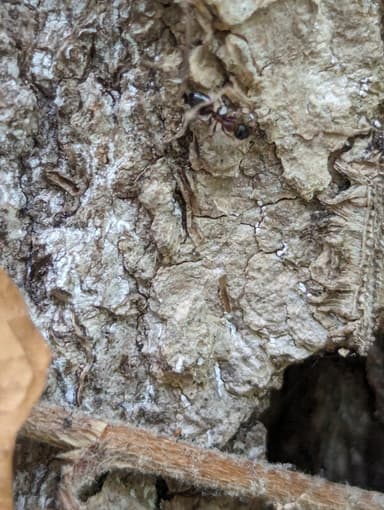
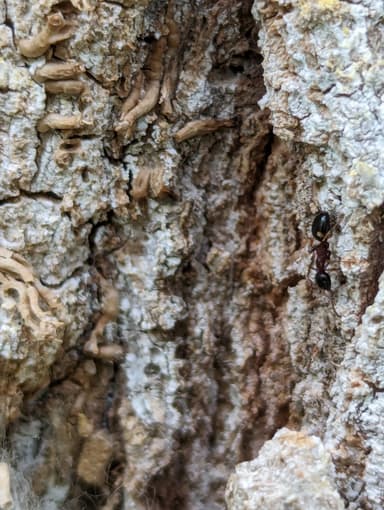
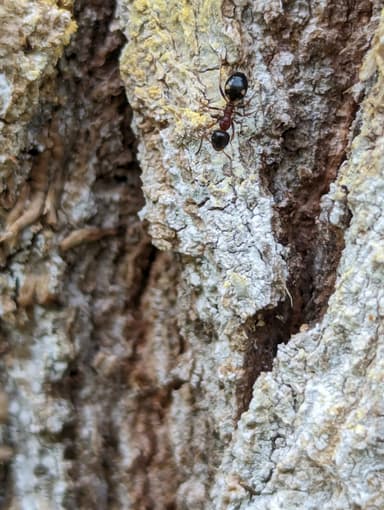
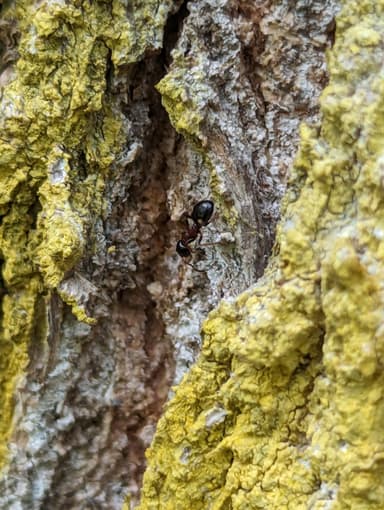
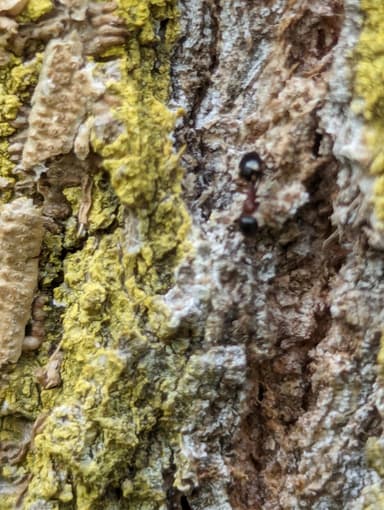
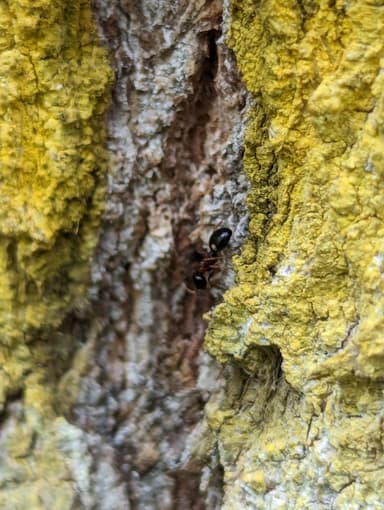
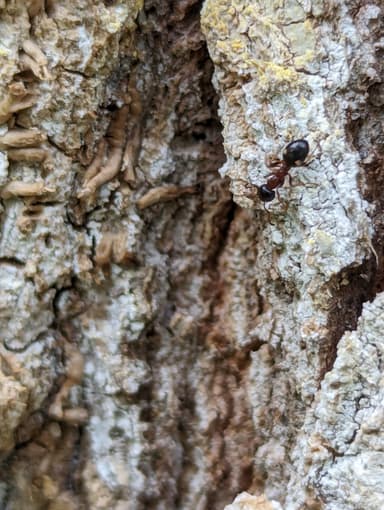
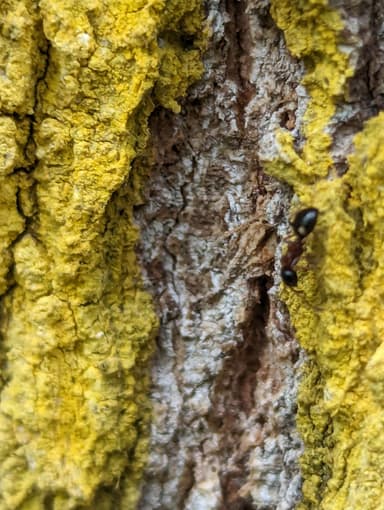
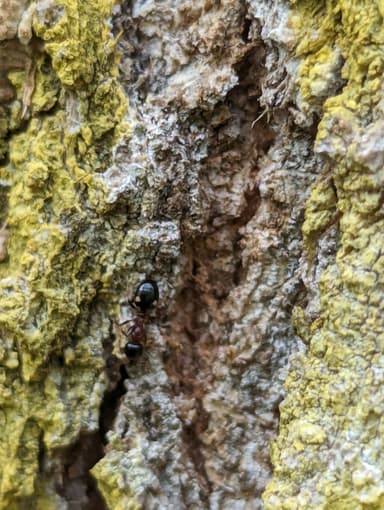
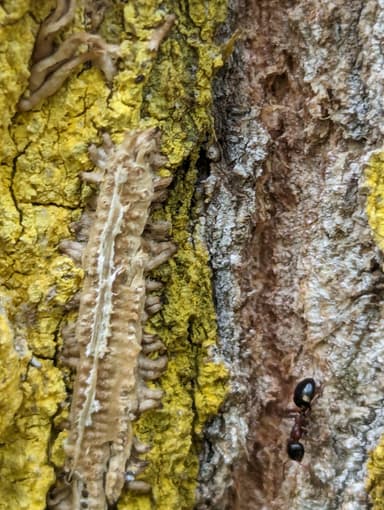
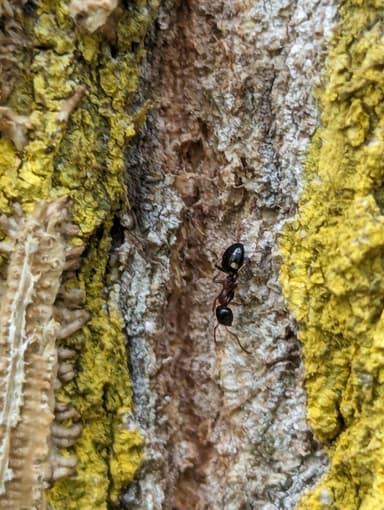
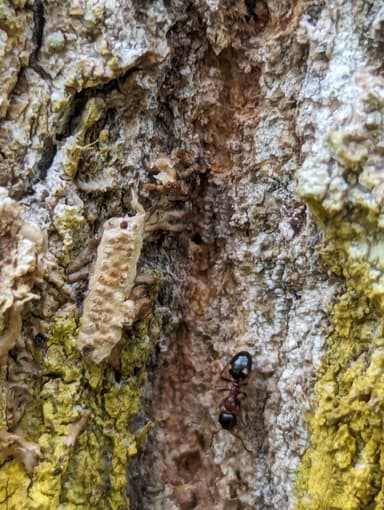
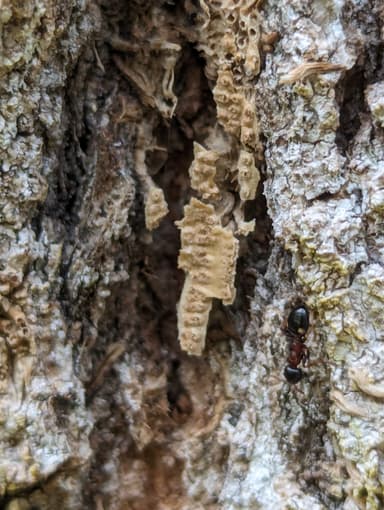
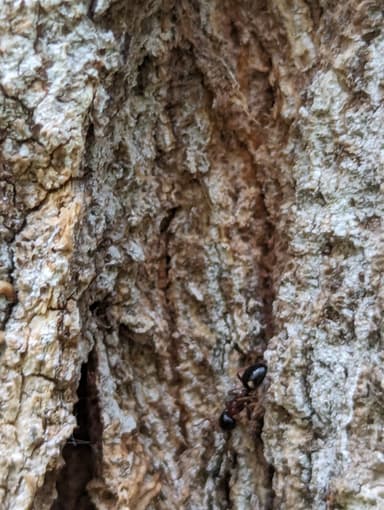
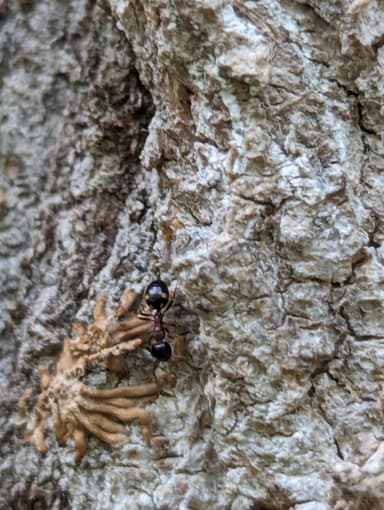
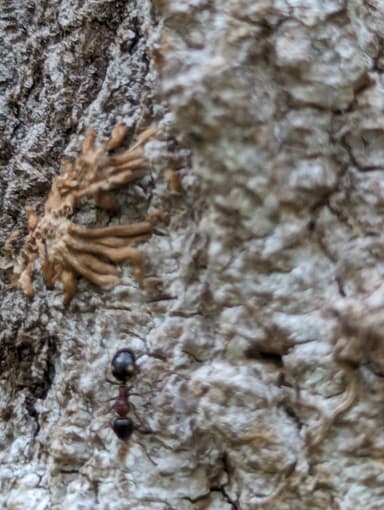
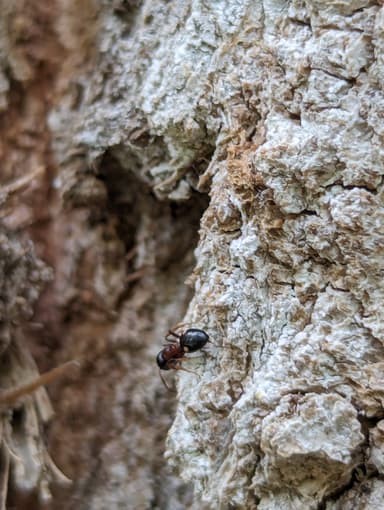
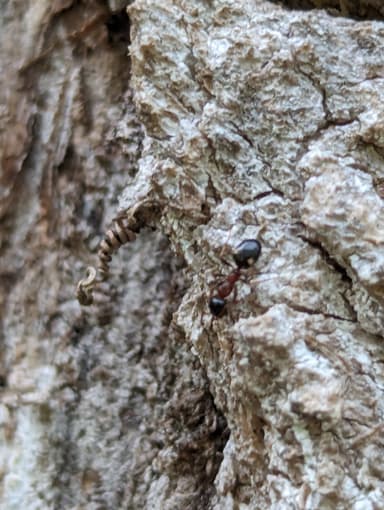
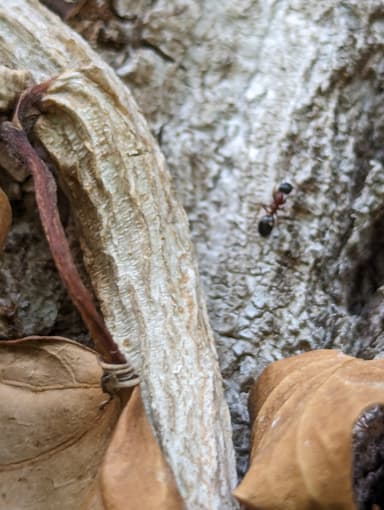
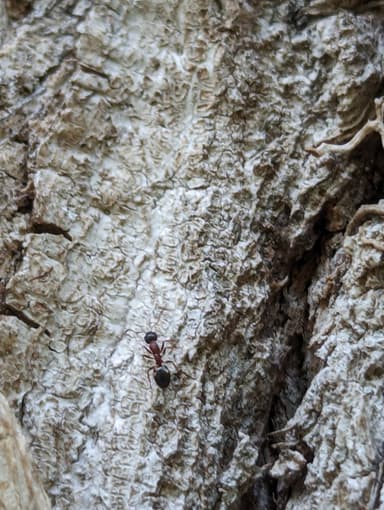
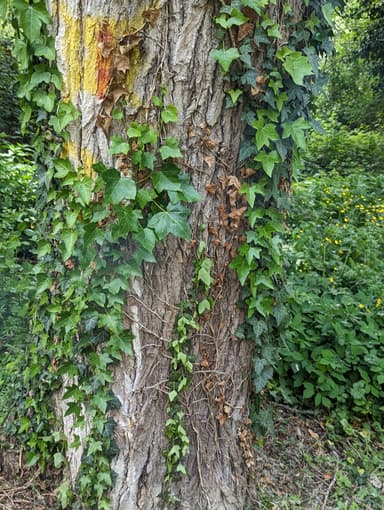
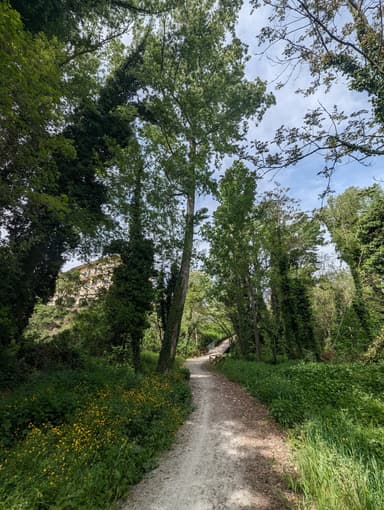
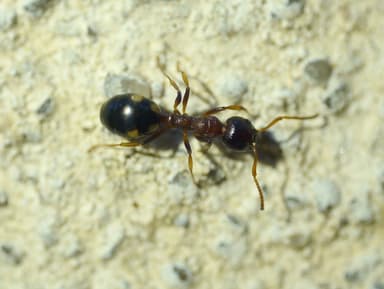
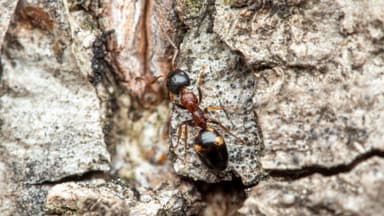
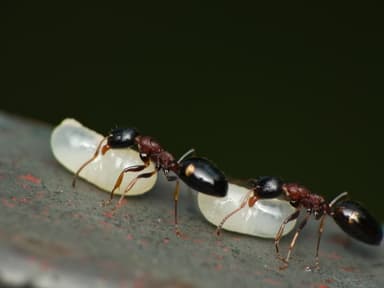
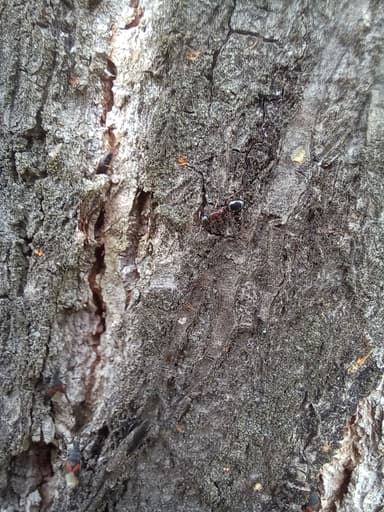
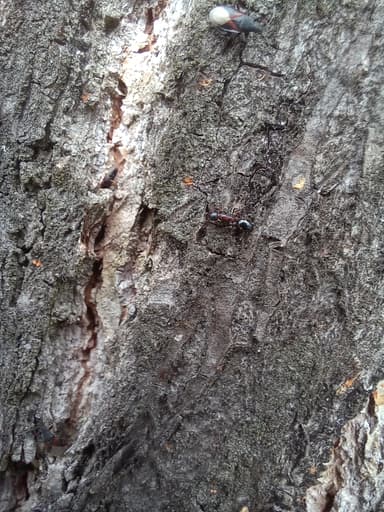
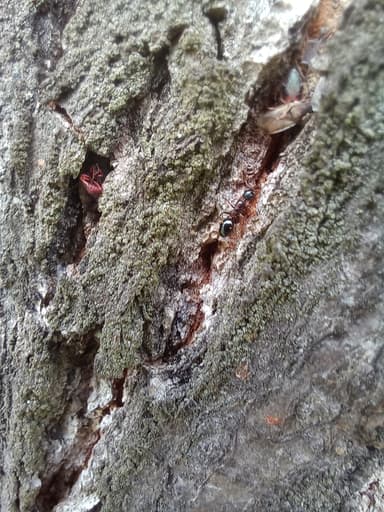
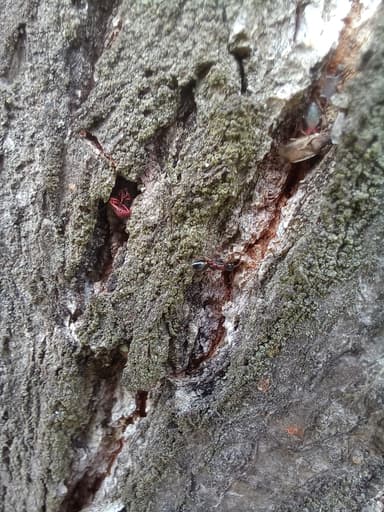
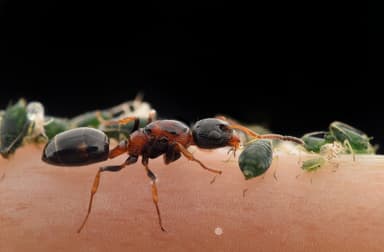
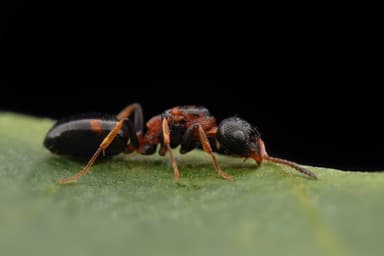
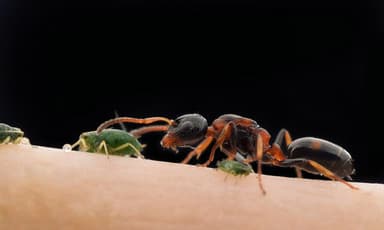
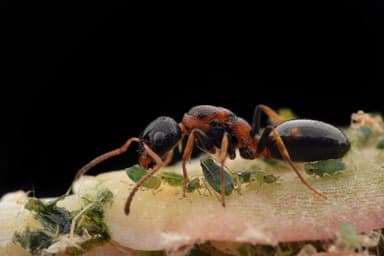
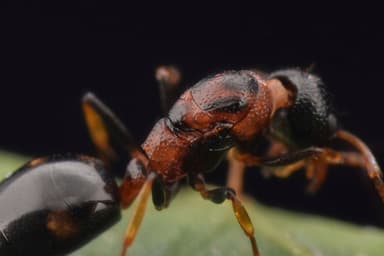
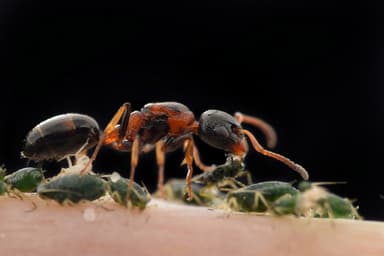
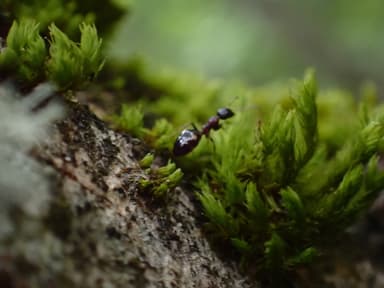
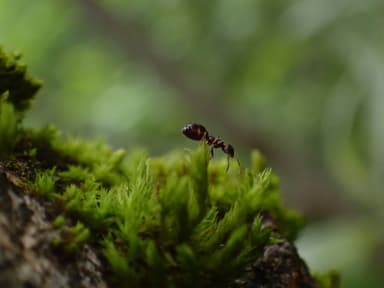
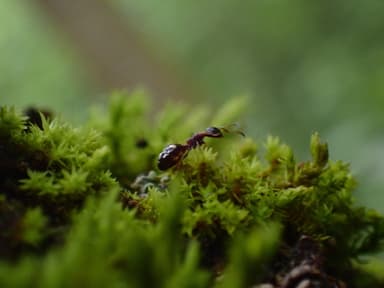
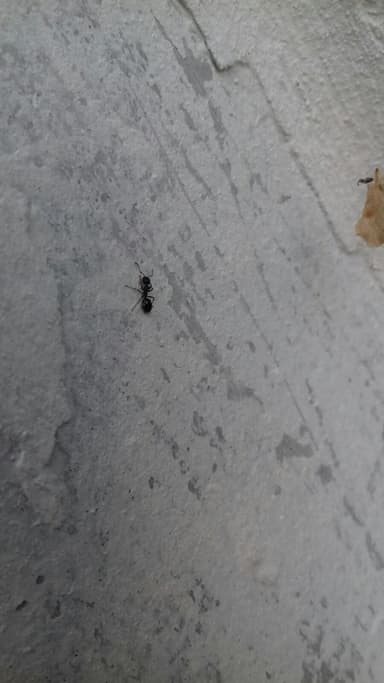
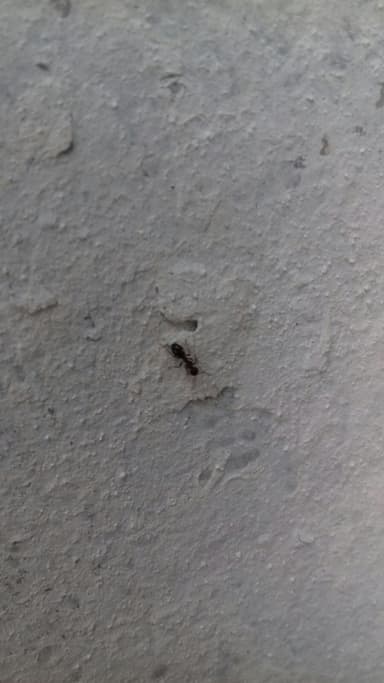
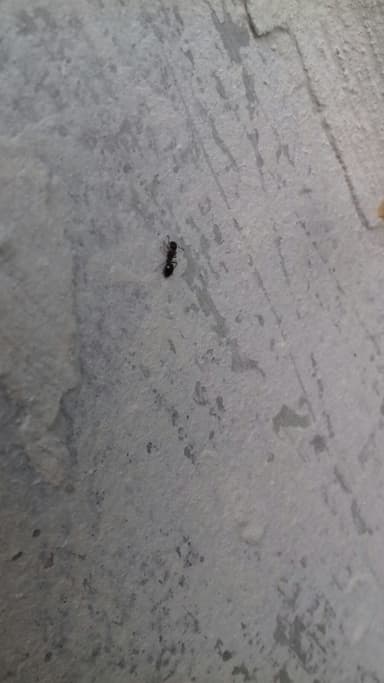
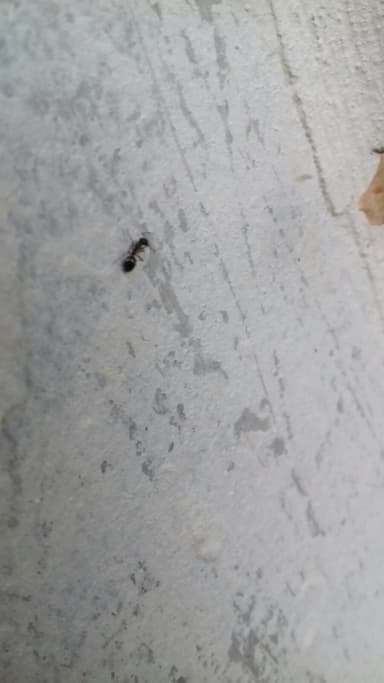
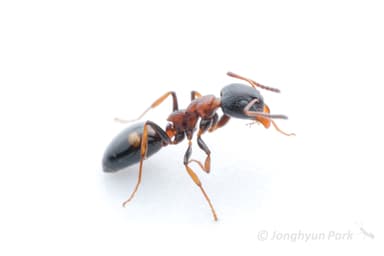
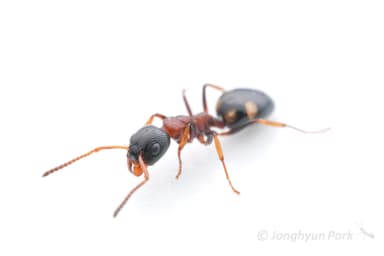
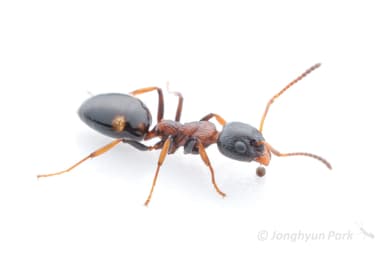
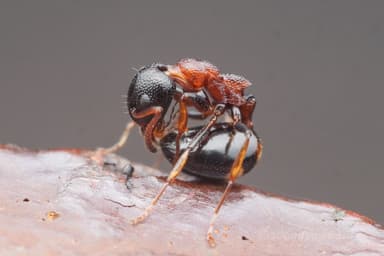
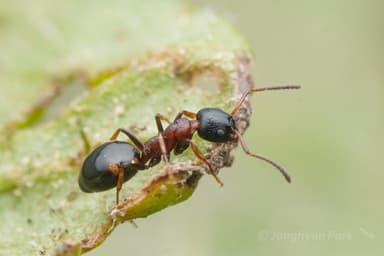
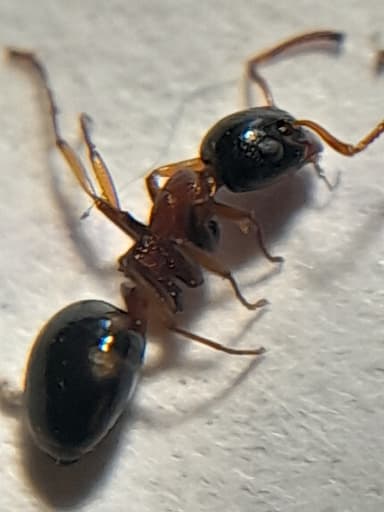
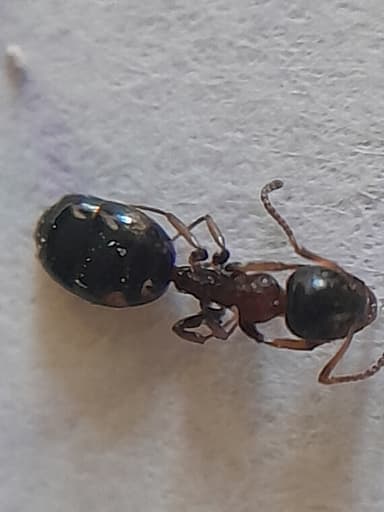
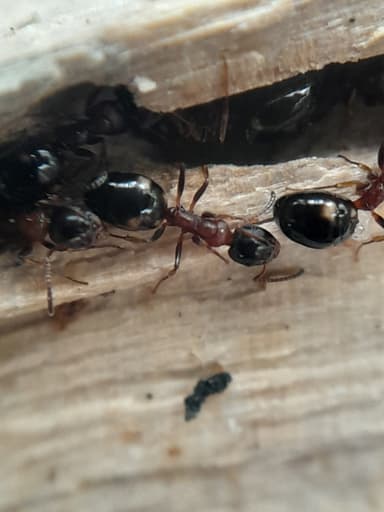
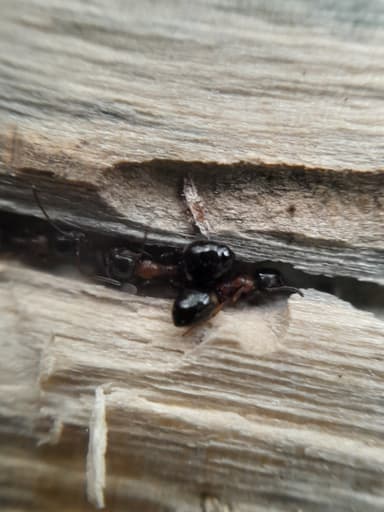
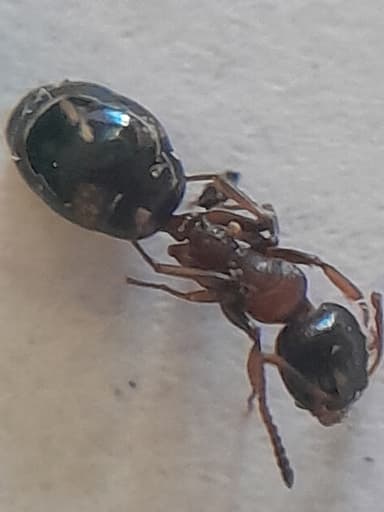
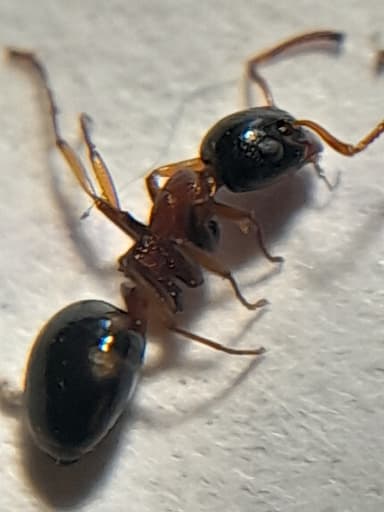
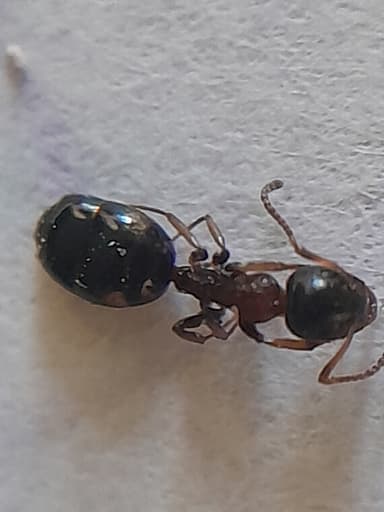
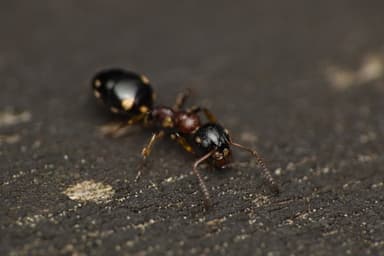
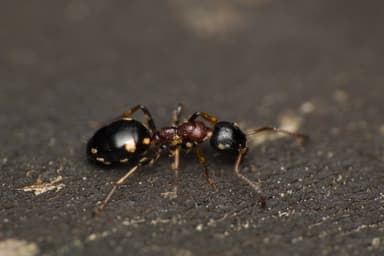
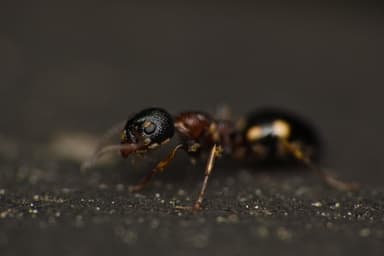
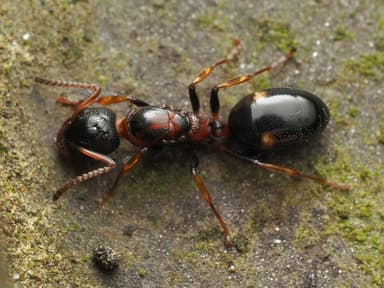
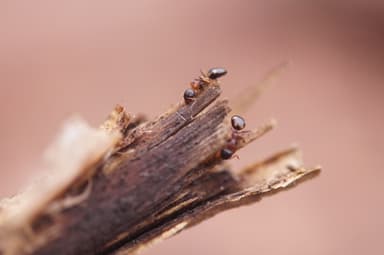
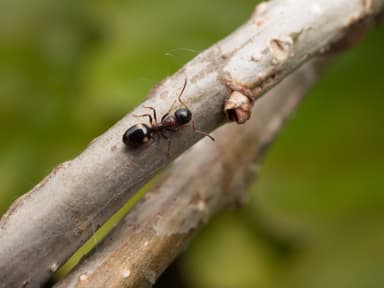
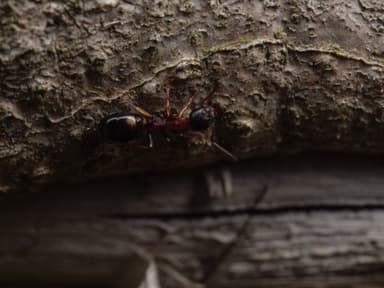
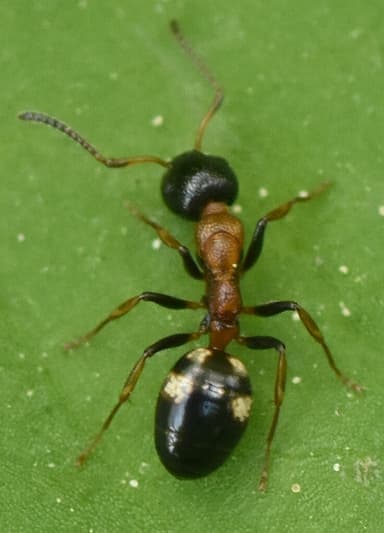
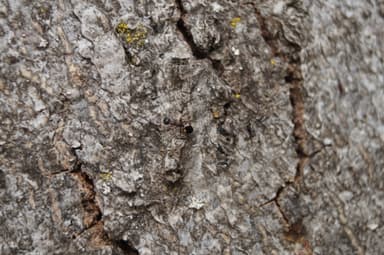
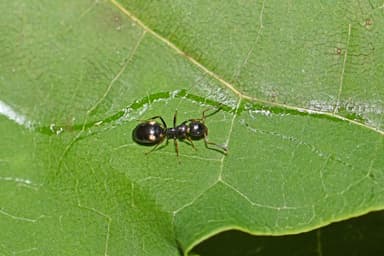
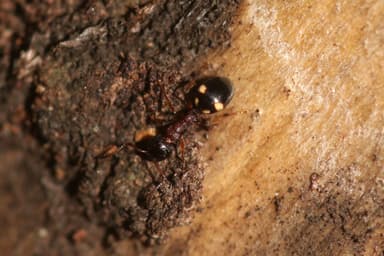
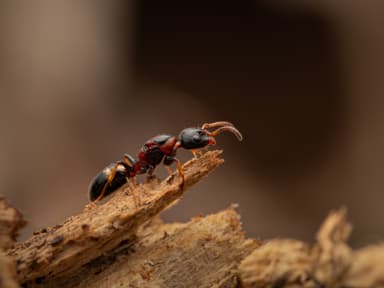
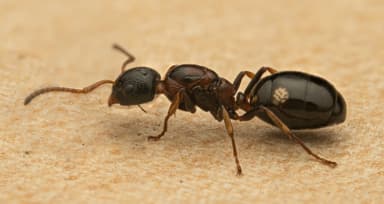
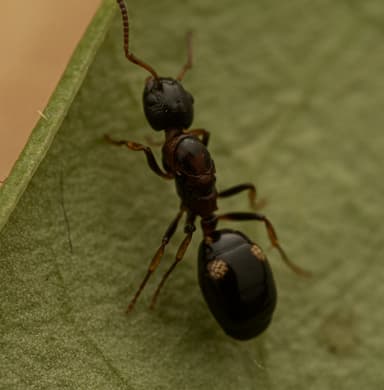
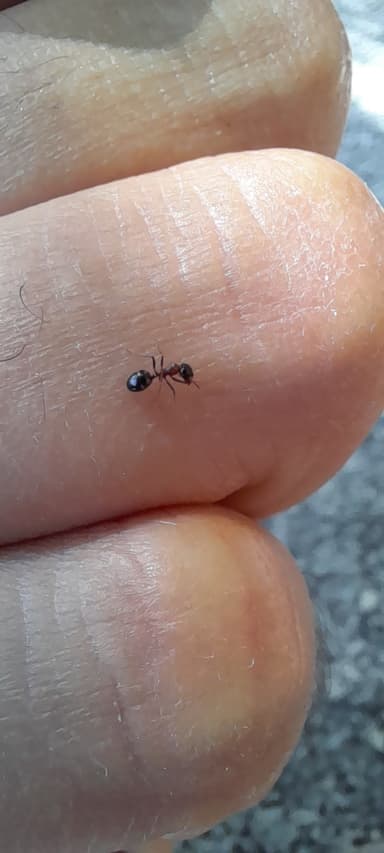
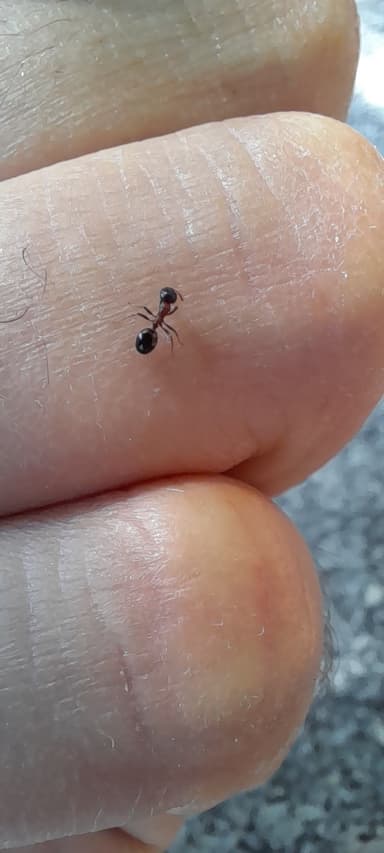
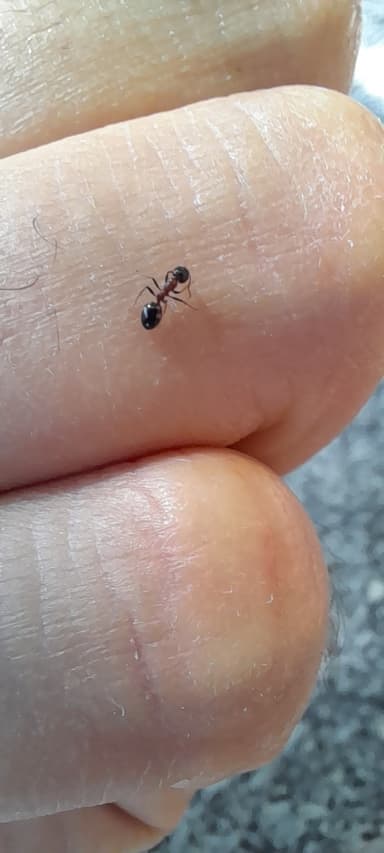
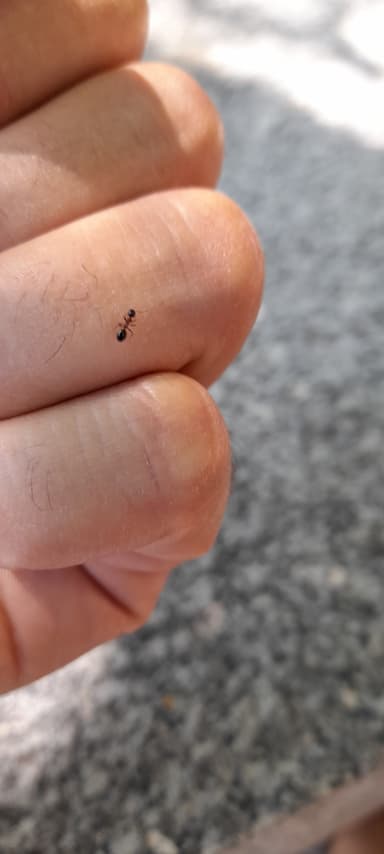
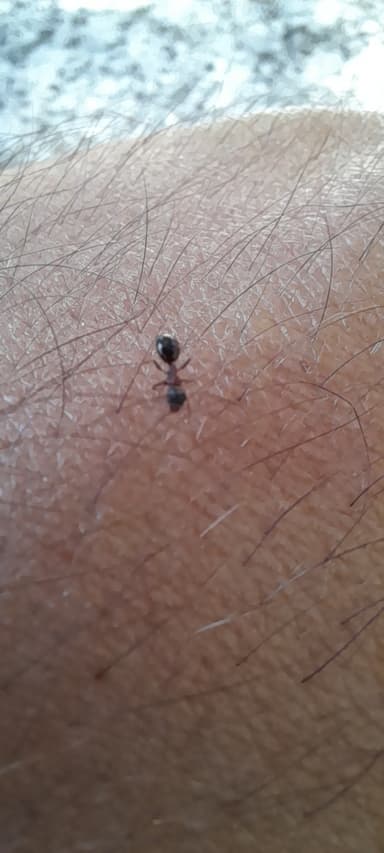
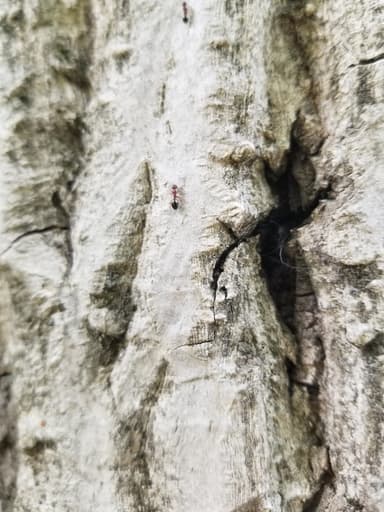
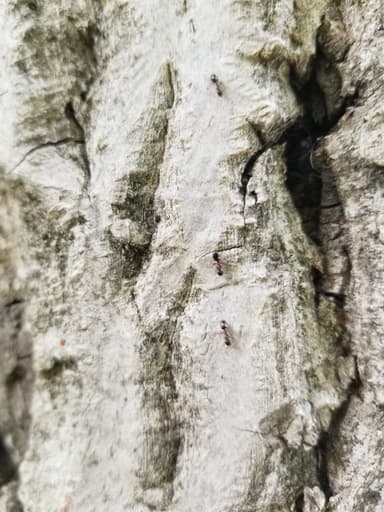
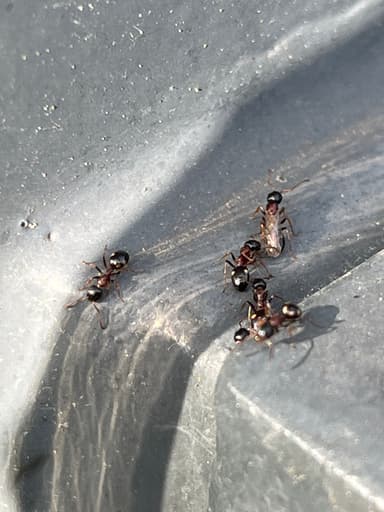
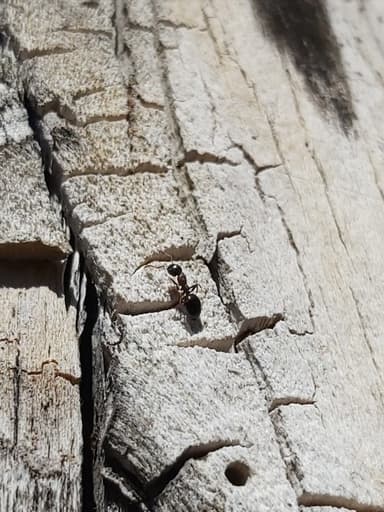
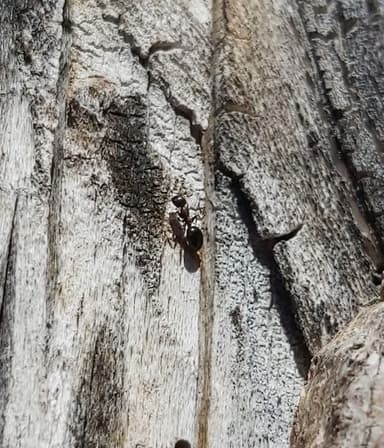
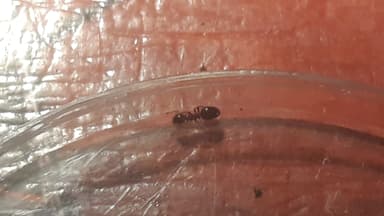
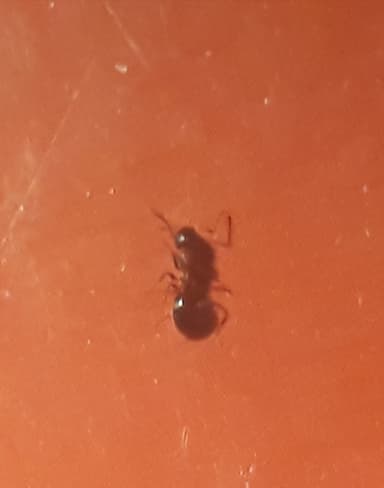
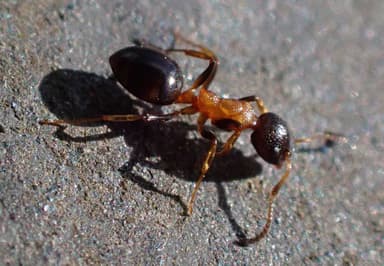
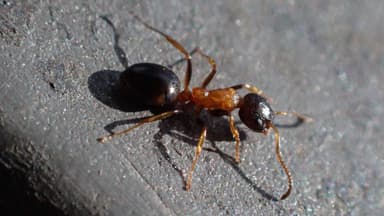
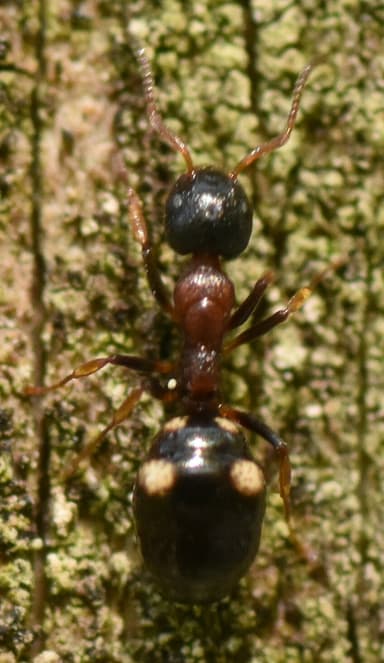
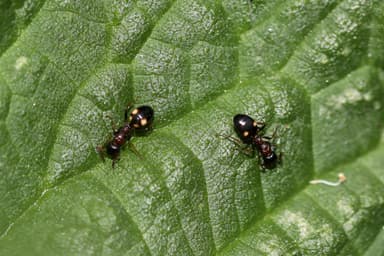
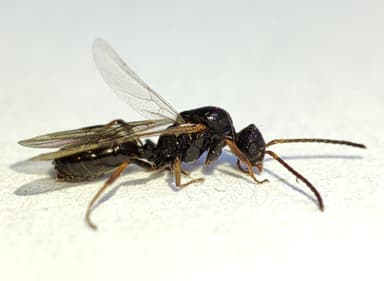
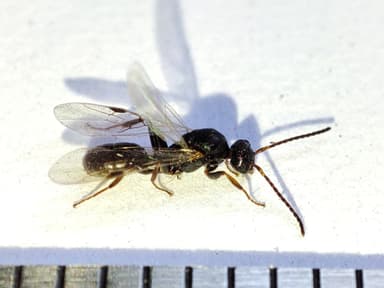
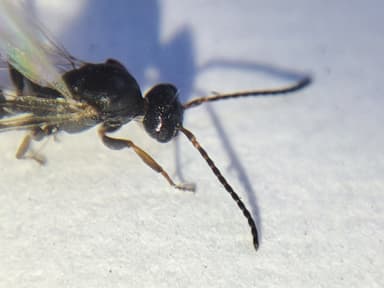
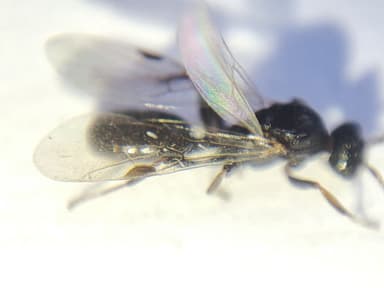
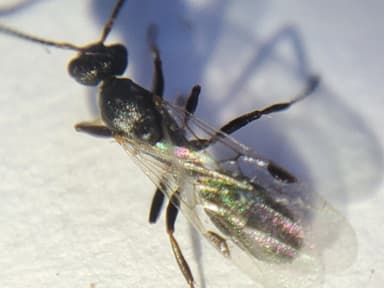
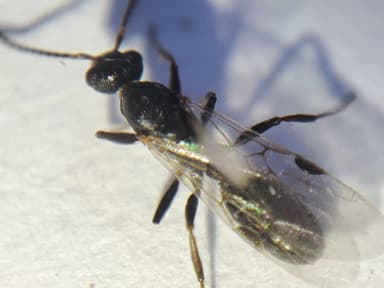
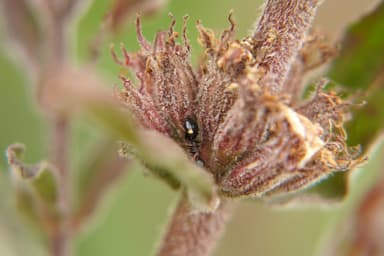
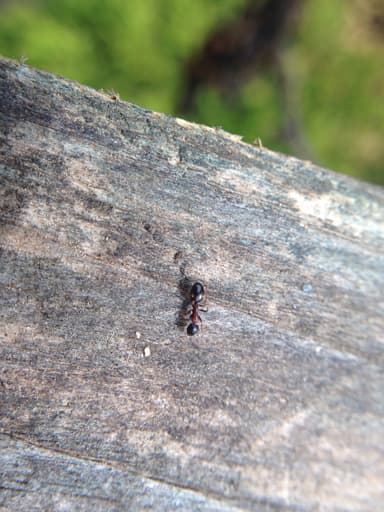
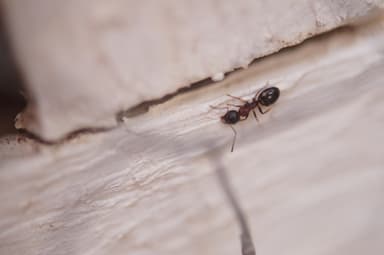
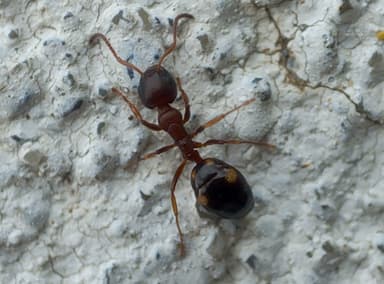
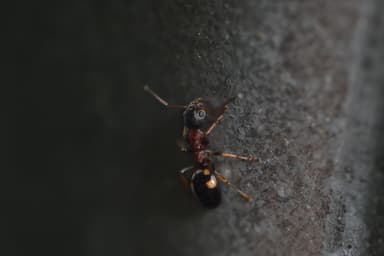
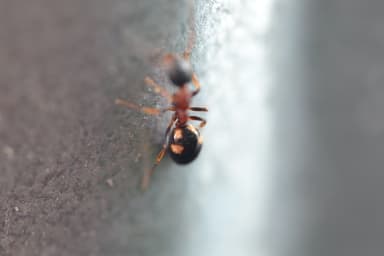
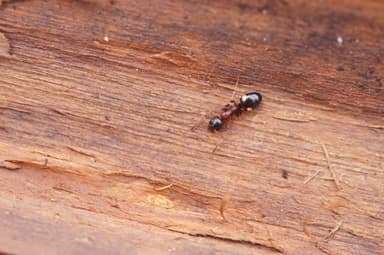
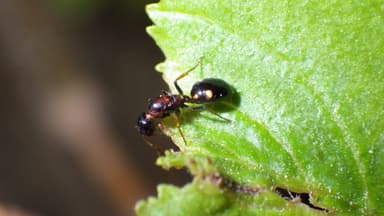
Dolichoderus quadripunctatus, known commonly as the four-spotted ant, is a small but visually striking species that immediately draws the eye with the four pale, yellowish dots symmetrically arranged across the dark, almost black gaster. Queens measure a compact 4 to 5 millimeters, while the monomorphic workers range from just 2.5 to 3.5 millimeters, both castes sharing a slender, agile build and the same distinctive abdominal markings. Colonies are modest in scale, typically reaching a maximum of around 1,000 workers, and are founded by a single queen through fully claustral means. What makes this ant particularly fascinating to observe is its characteristic behavior: when disturbed, workers will often drum the gaster rapidly against the substrate, producing a faint tapping sound that can alert the entire nest. This arboreal species hails from a broad European swathe, ranging from northern Spain to western Russia and up into southern Scandinavia, where its nuptial flights occur on warm, sunny afternoons in June through August, often after rainfall and with low wind (Seifert 2018; Czechowski et al. 2012).
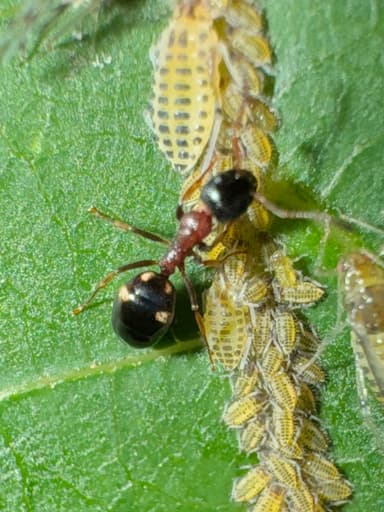
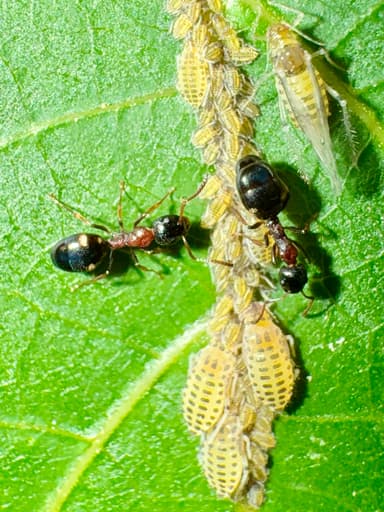
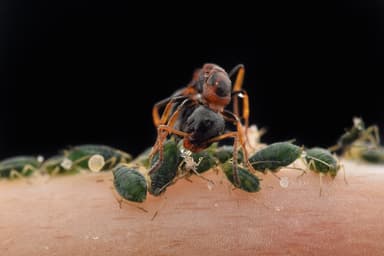
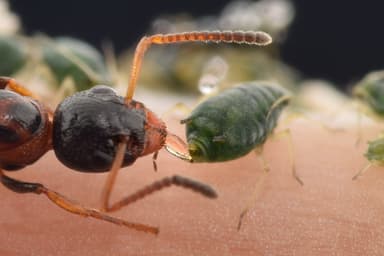
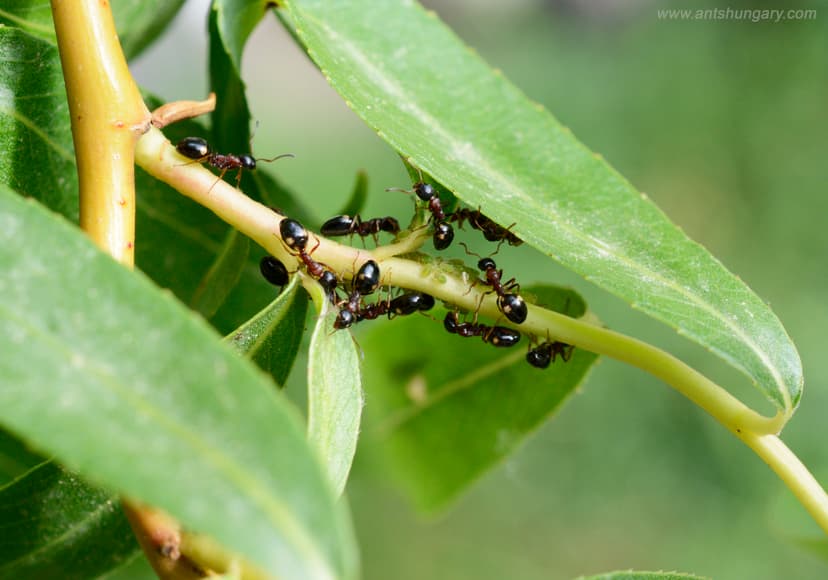
As an intermediate-level species, Dolichoderus quadripunctatus is best suited to keepers who have already mastered the basics of ant care, particularly the management of small, fast, and inherently skittish insects. Their minuscule size makes them escape artists capable of squeezing through the tiniest gaps, and their rapid movements demand a steady hand during maintenance. The mandatory hibernation period also introduces a layer of complexity that beginners may find challenging. For the experienced hobbyist, however, these ants reward patience and precision with a window into a highly alert, day-active colony that is constantly exploring and quite willing to display its natural behaviors, from tandem running during recruitment to the gentle solicitation of honeydew from aphids in a planted outworld.
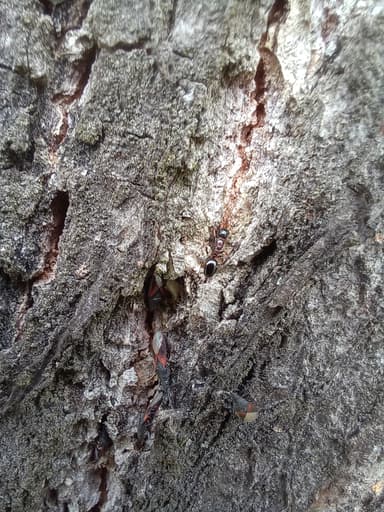
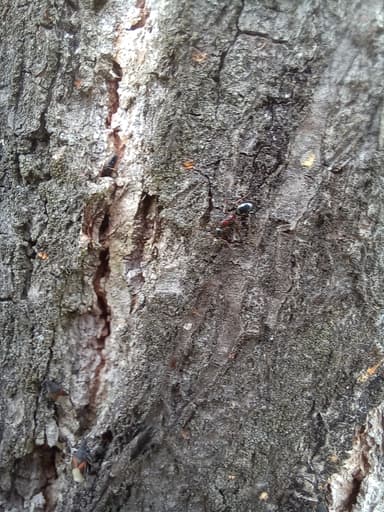
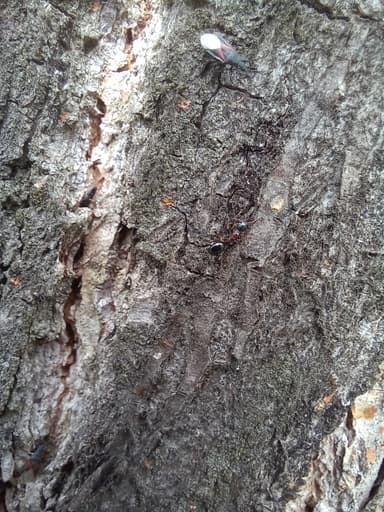
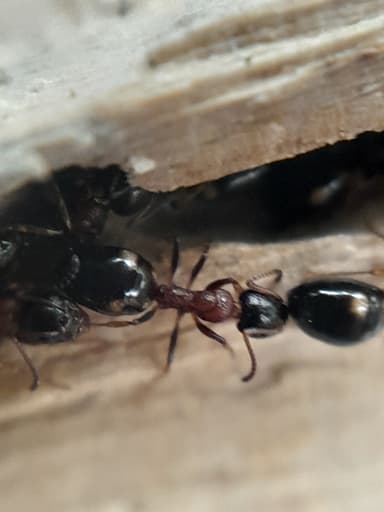
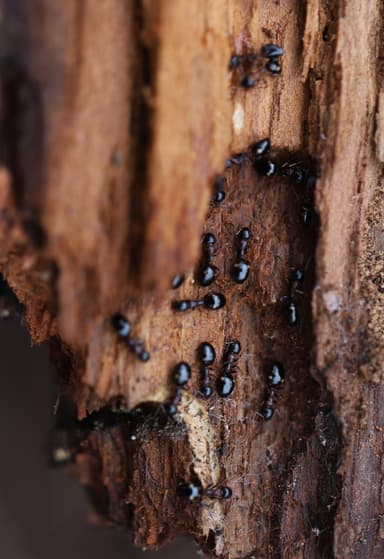
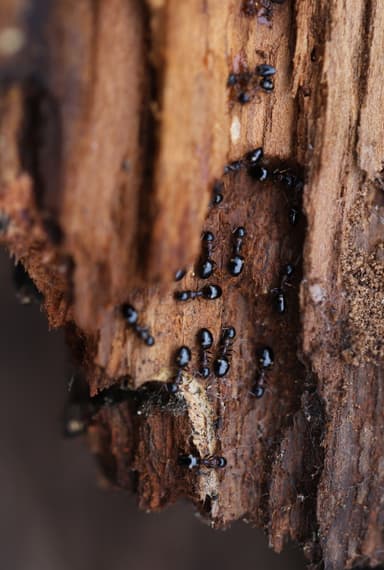
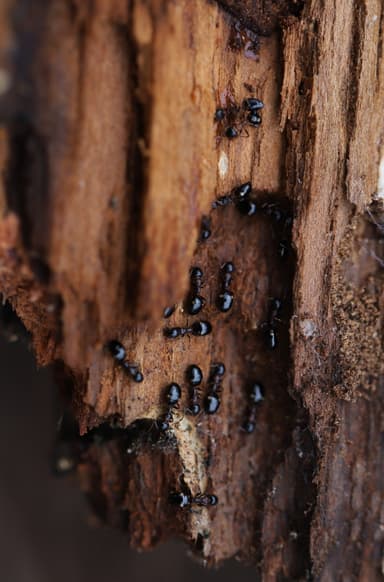
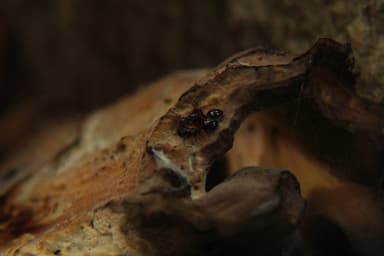
Housing must reflect their natural preference for nesting in dead wood and under bark. A vertical plaster or ytong nest with integrated wood veneer, or a carefully crafted timber nest block, will be eagerly accepted. The nest should be connected to a well-ventilated foraging arena. Maintain a temperature gradient of 20 to 28 degrees Celsius, with the warmest zone near the nest’s upper or most enclosed sections; a small heat mat applied to one side works well. Humidity is critical and must be kept between 50 and 70 percent, achieved through regular, light misting of the nest or a built-in hydration chamber, while avoiding condensation that can drown tiny workers. A thin substrate of coco coir or sand in the outworld helps retain ambient moisture and provides a naturalistic feel, but is not essential. The primary escape barrier is a high-quality PTFE fluon coating applied to the top rim of the outworld, reapplied whenever its slickness fades.
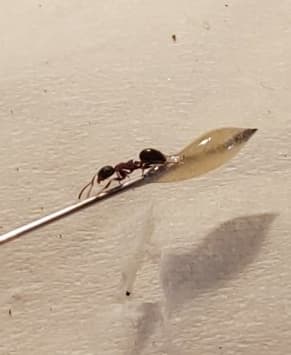
These ants are enthusiastic foragers with healthy appetites. Protein should be provided in the form of small, pre-killed insects: fruit flies, micro-crickets, and freshly cut mealworm segments are ideal, as live prey can easily overwhelm the diminutive workers. Offer protein two to three times a week, removing any uneaten remains within a day to prevent mold. Carbohydrates are equally important and can be supplied as a droplet of pure honey, diluted maple syrup, or sugar water placed on a small foil dish or directly on the outworld surface. A permanent, cotton-plugged water tube ensures a constant clean drinking supply and contributes to local humidity. When the colony is small, feeding inside the nest tube with a tiny pastry brush avoids unnecessary disturbance.
A proper hibernation is non-negotiable for long-term colony health. As temperatures naturally drop in late autumn, gradually lower the colony’s environment over several weeks until it stabilizes at around 8 degrees Celsius, a wine fridge or a reliable cool cellar both work well. The ants will cluster together in a near-motionless ball, their metabolic rates slowed for a period of three to four months. During this time, check monthly that they have access to a small moisture source, but do not feed them. In early spring, reverse the cooling process gently, allowing the colony to reawaken before returning it to summer warmth.
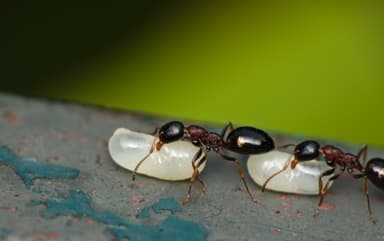
When you first receive your Dolichoderus quadripunctatus queen and her initial brood, whether in a test tube or a small founding nest, patience is paramount. Place the setup in a dark, quiet space at room temperature and resist the urge to inspect her for at least 48 hours. After this settling period, offer a minuscule drop of sugar water at the tube entrance or in the outworld, using a fine needle or toothpick. A day later, add a pre-killed fruit fly. Watch for signs of stress—constant pacing, failure to settle, or refusal to eat—which usually indicate that conditions need adjustment, likely less vibration or more darkness. Within a week, she should be calmly tending her first eggs, and you can begin the gradual introduction to the permanent nest setup as the worker count rises, always taking care to seal every seam with fluon before any transfer.