Camponotus
Camponotus pennsylvanicus
Nuptial Flight Calendar
Flight months: Apr, May, Jun, Jul
Care Guide
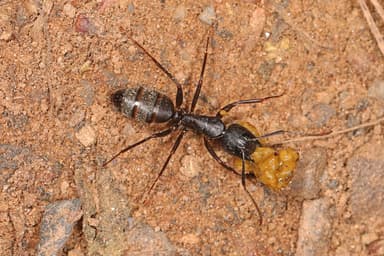
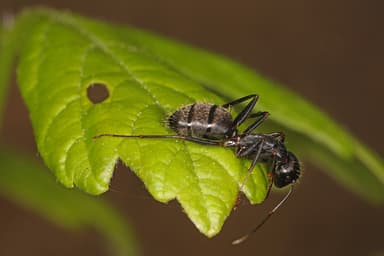
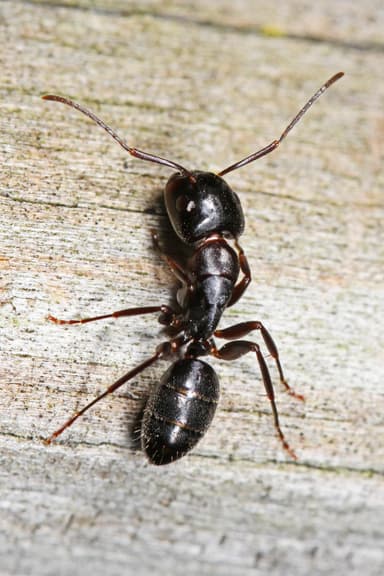
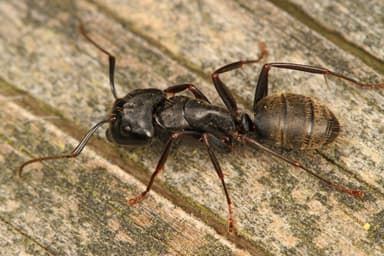
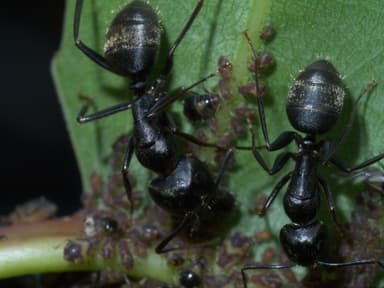
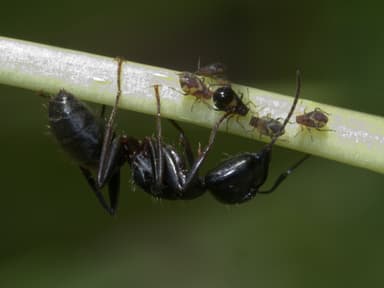
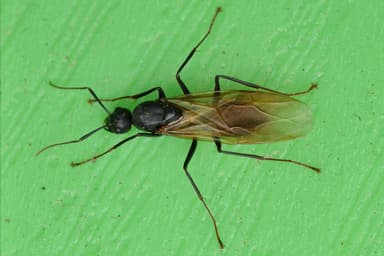
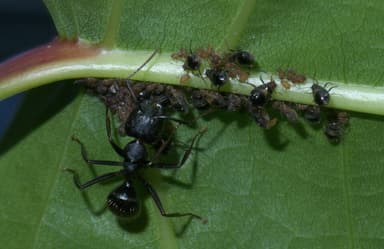
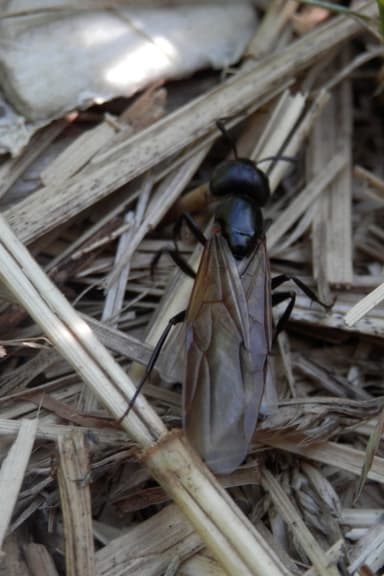
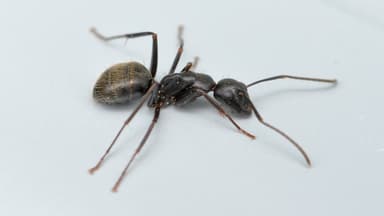
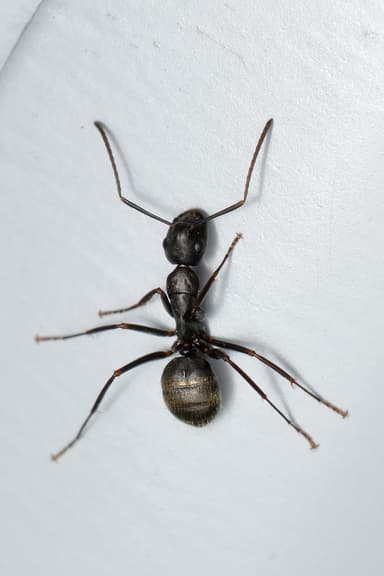
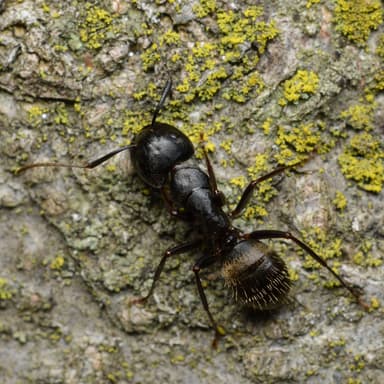
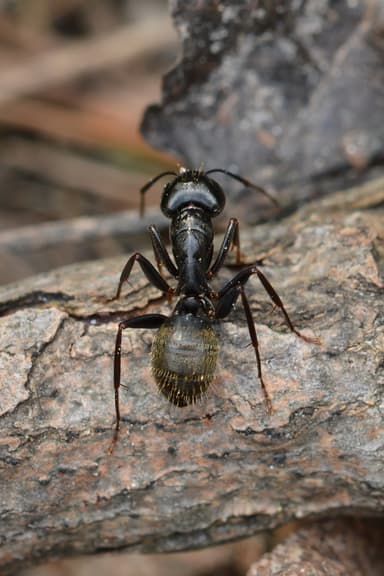
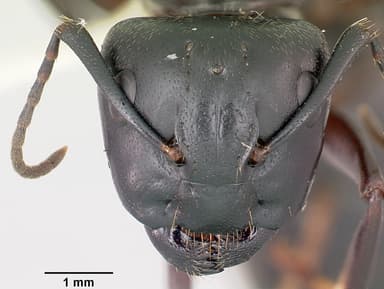
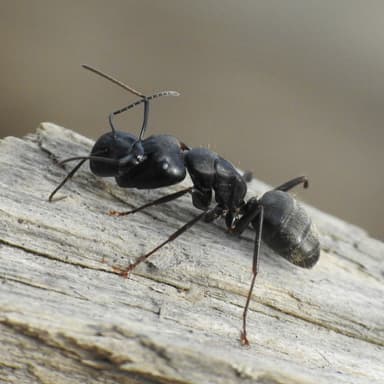
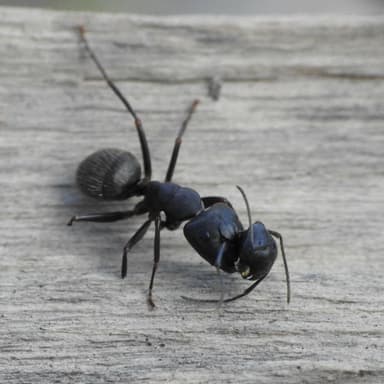
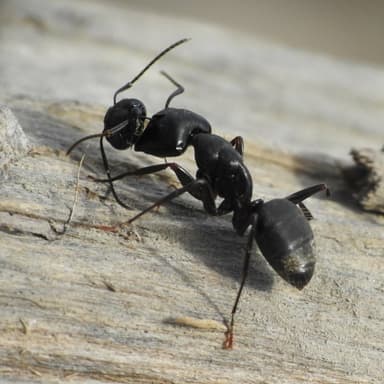
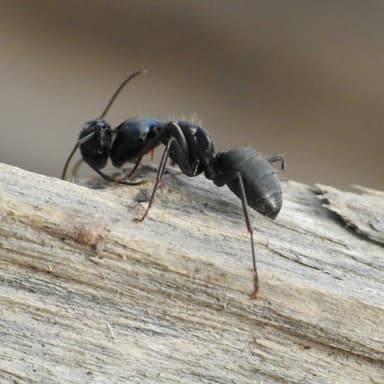
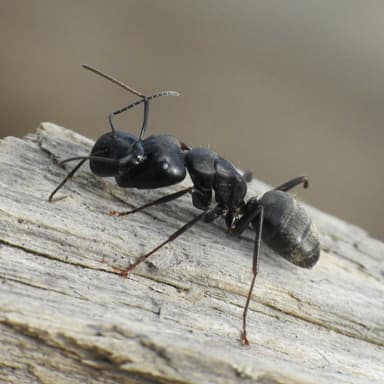
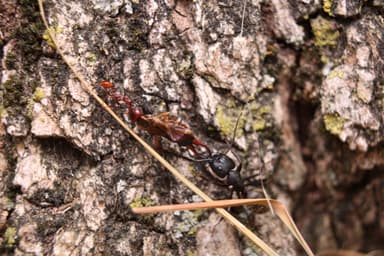
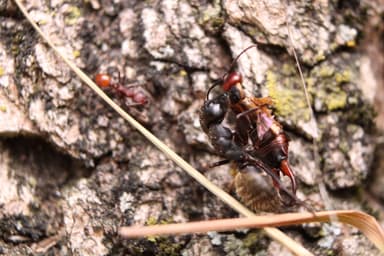
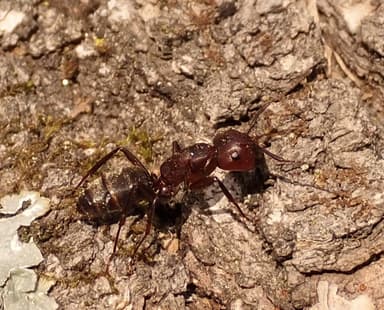
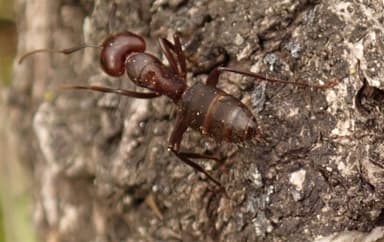
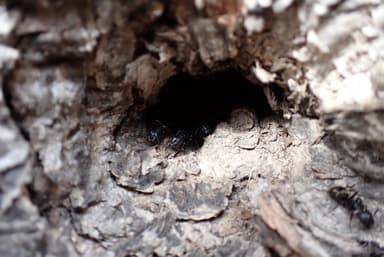
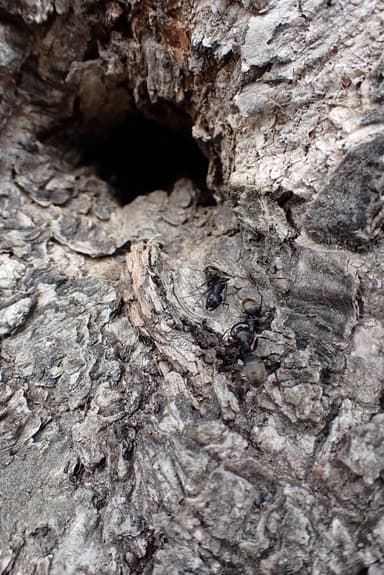
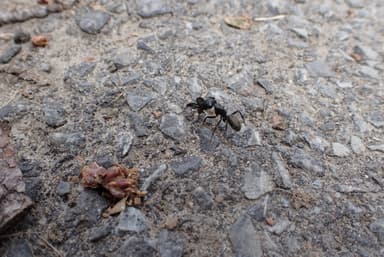
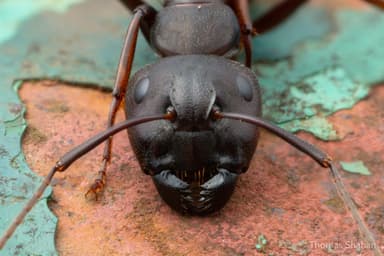
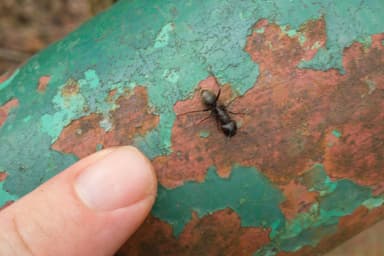
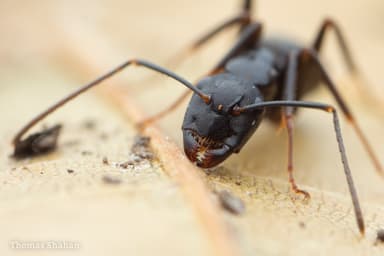
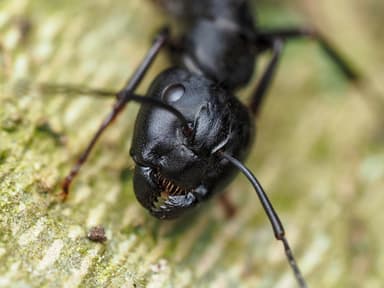
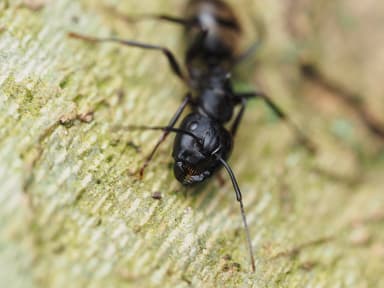
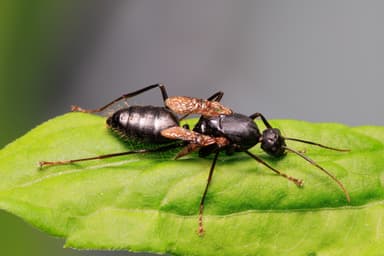
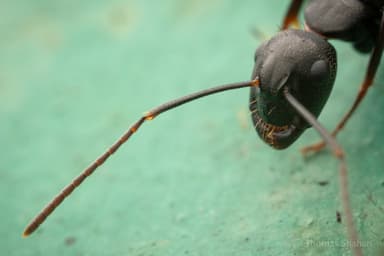
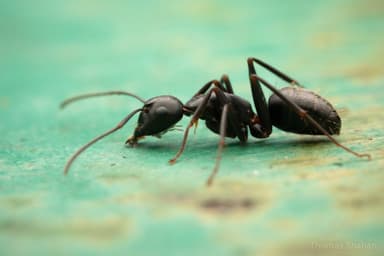
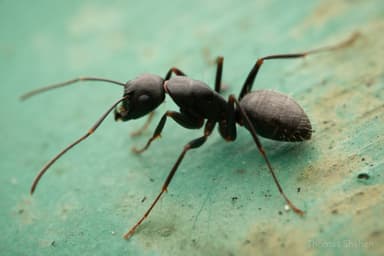
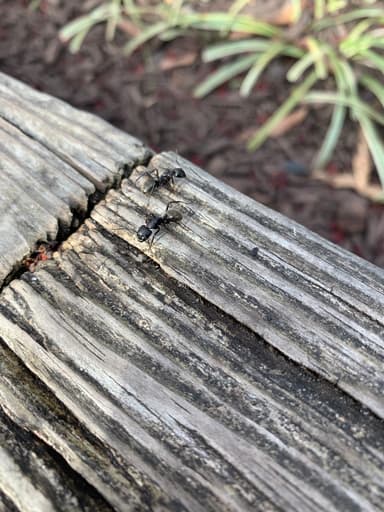
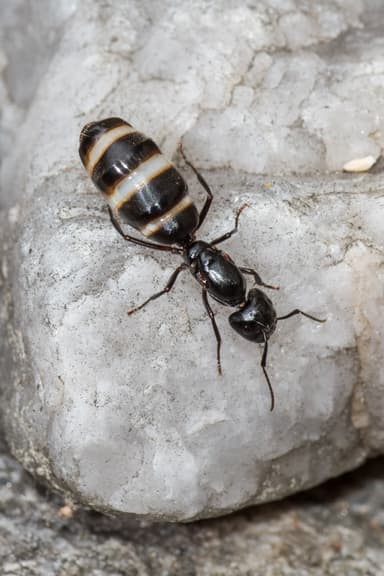
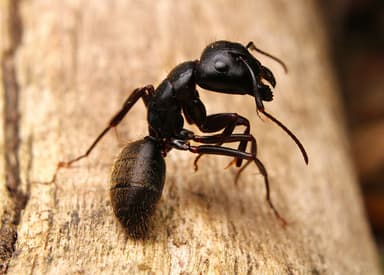
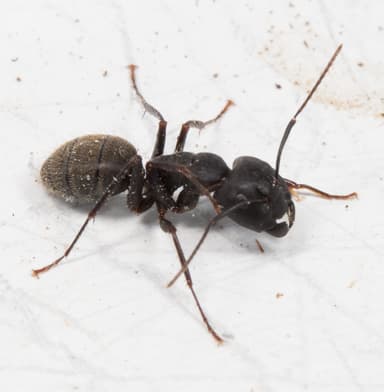
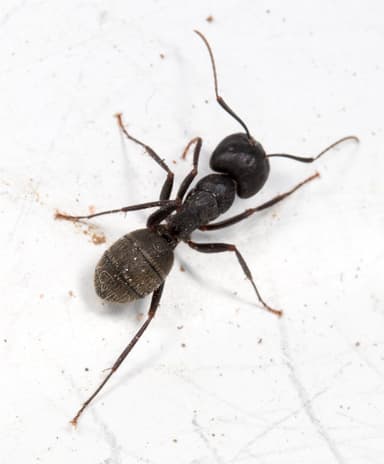
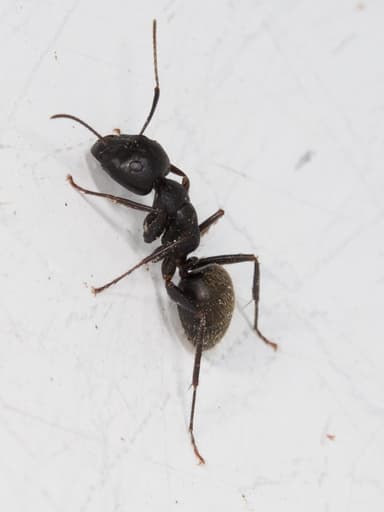
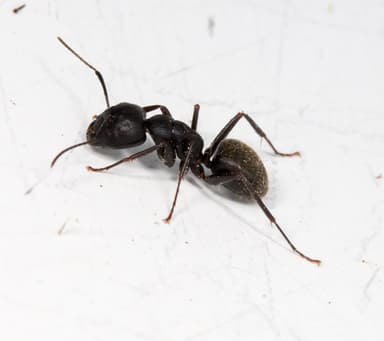
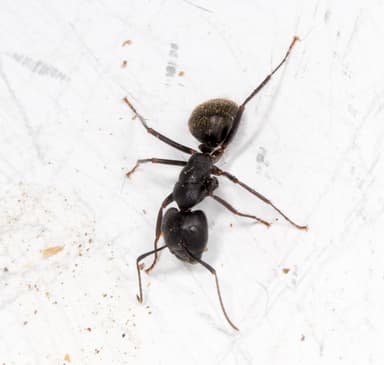
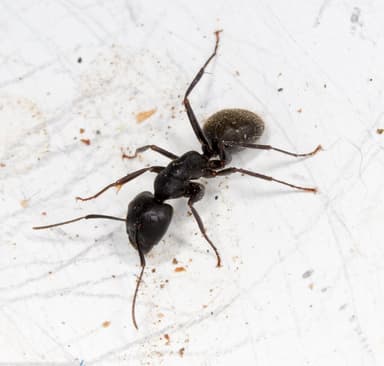
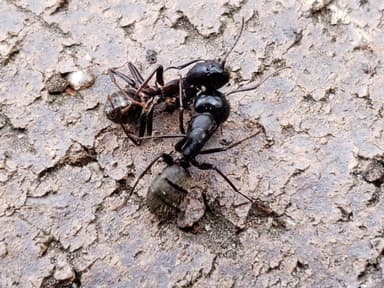
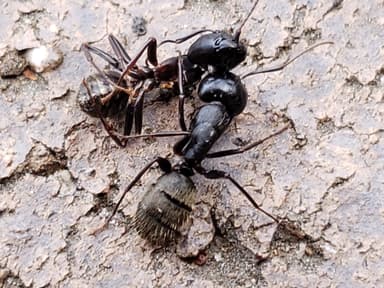
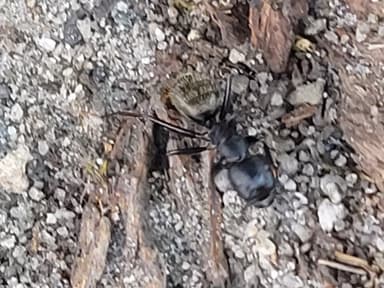
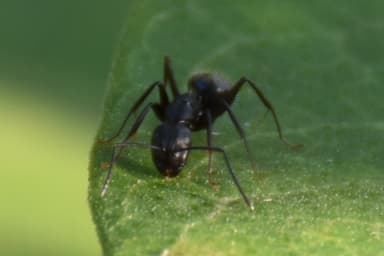
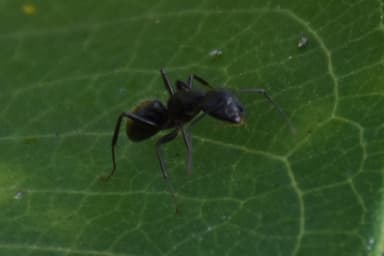
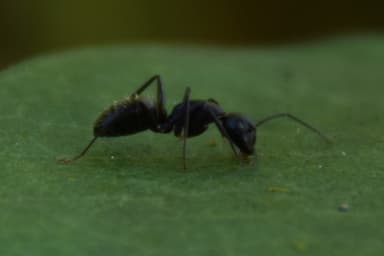
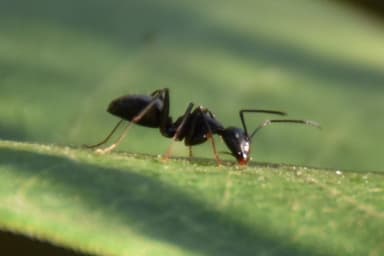
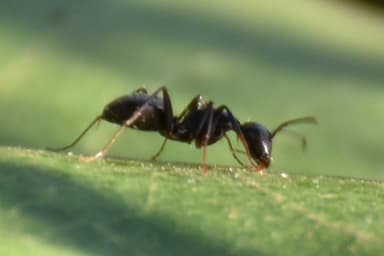
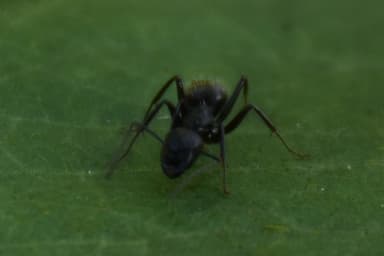
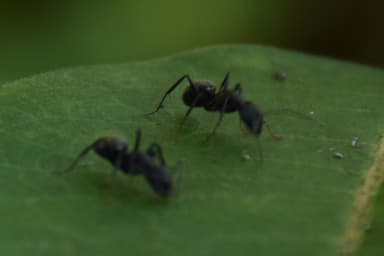
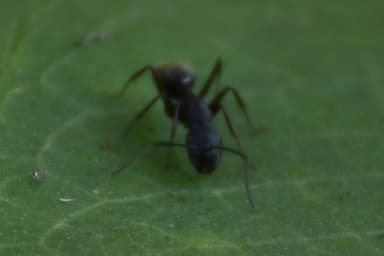
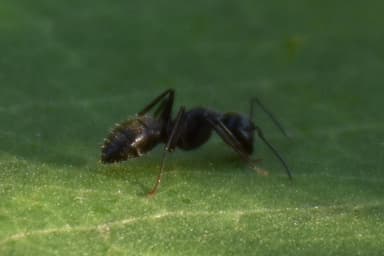
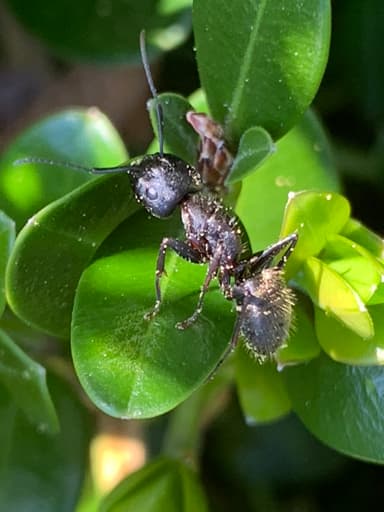
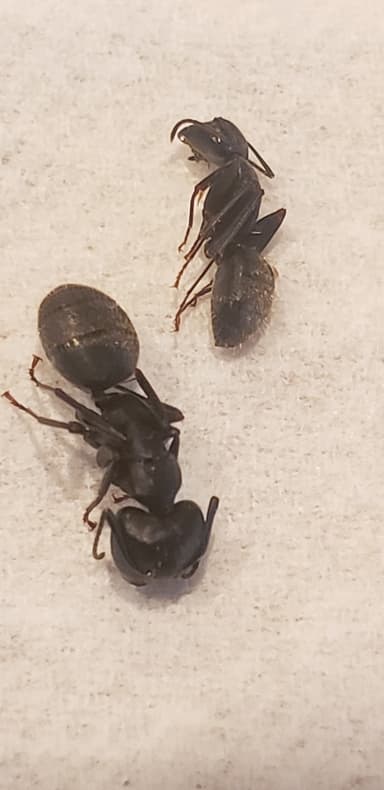
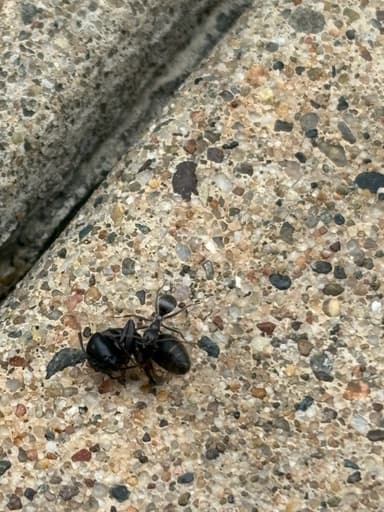
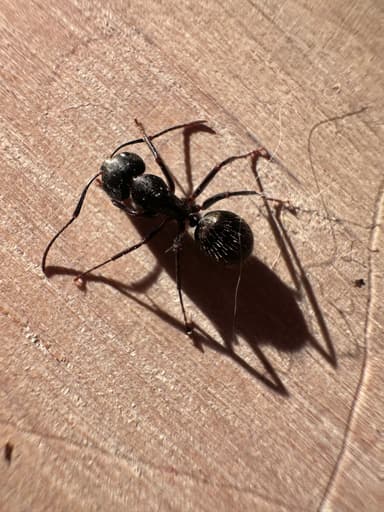
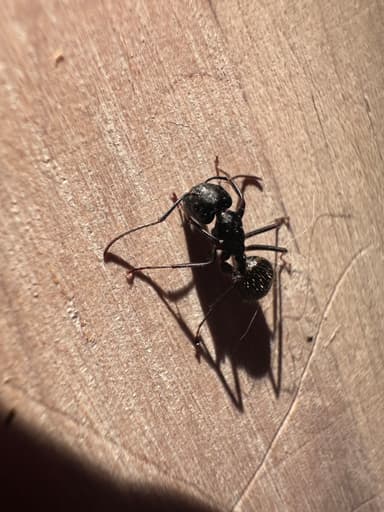
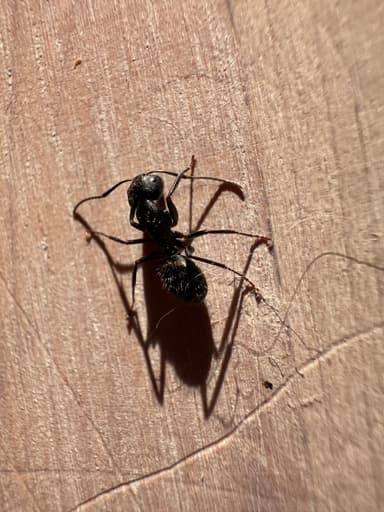
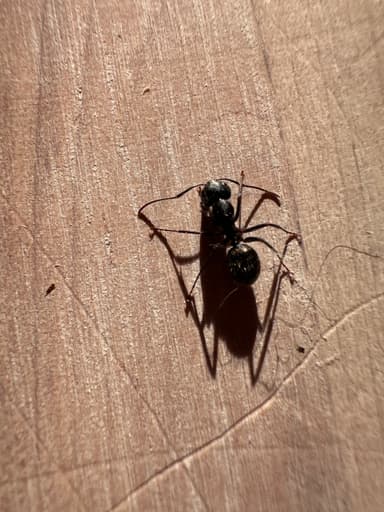
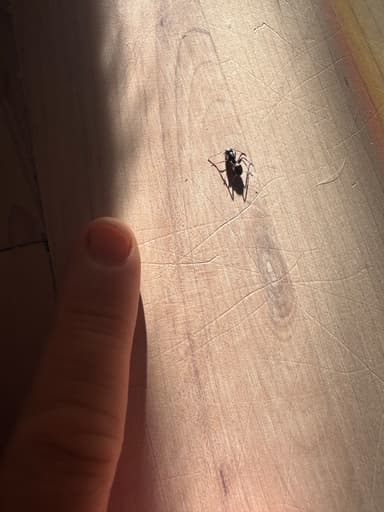
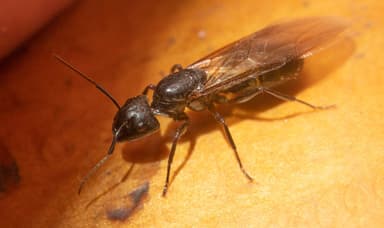
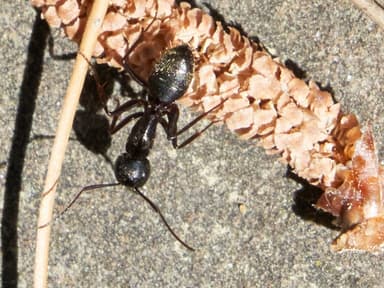
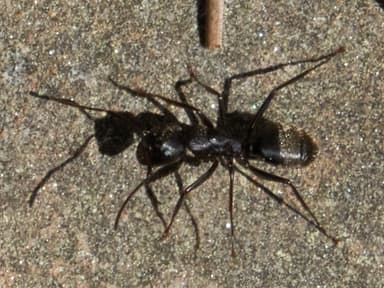
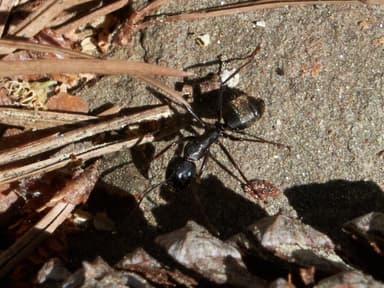
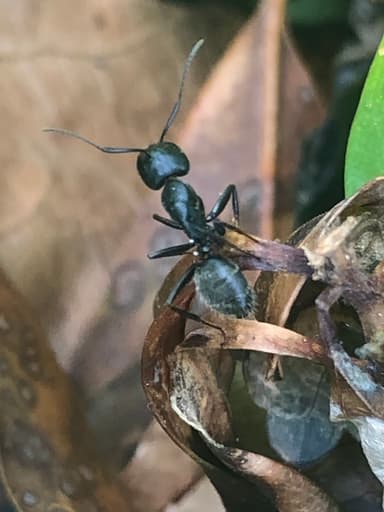
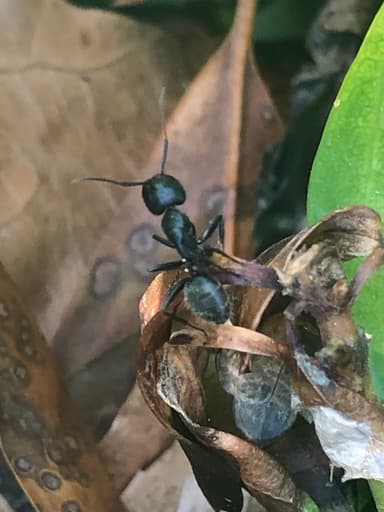
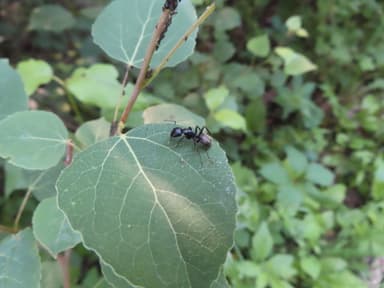
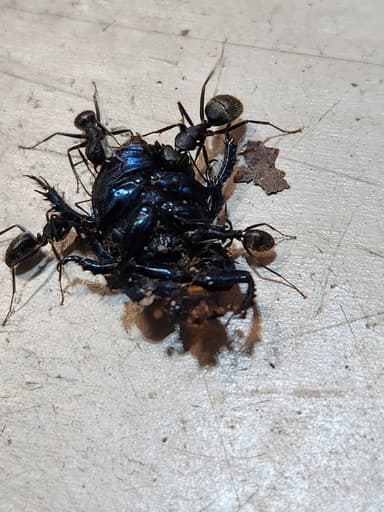
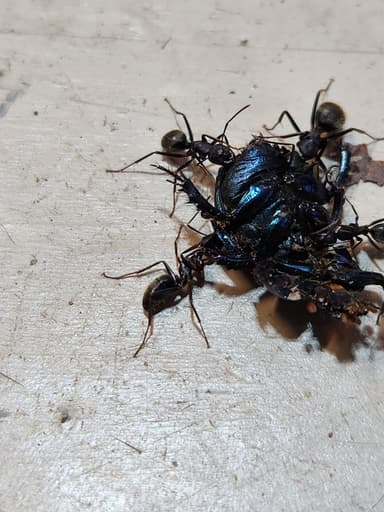
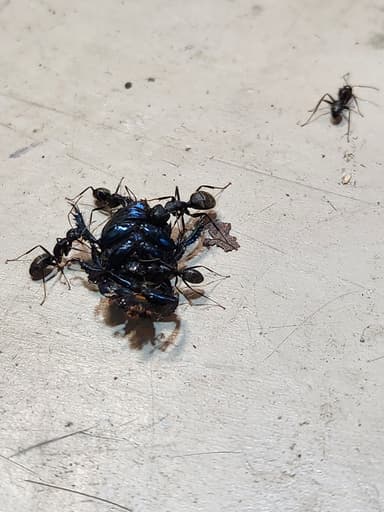
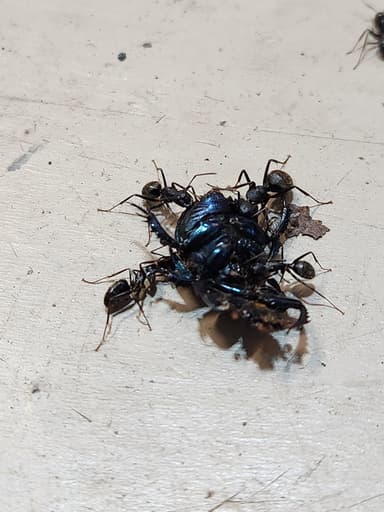
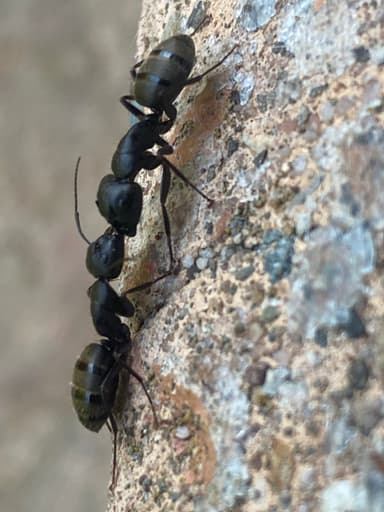
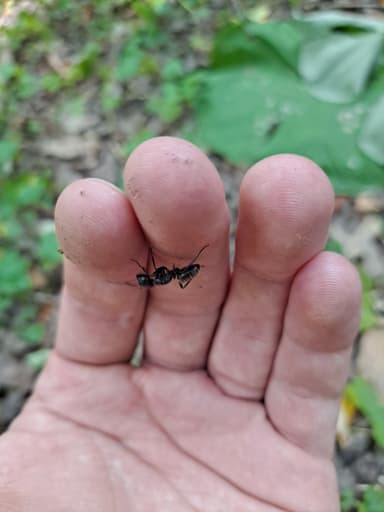
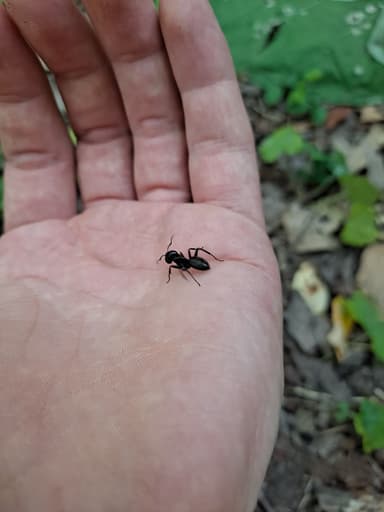
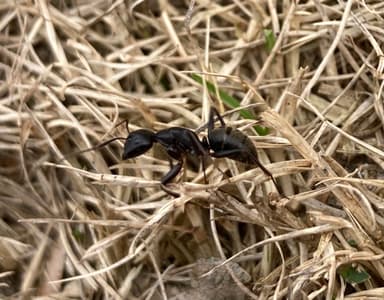
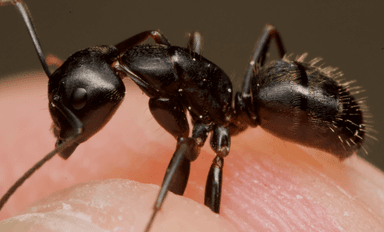
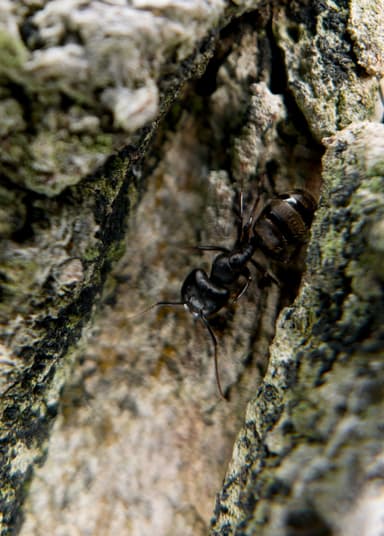
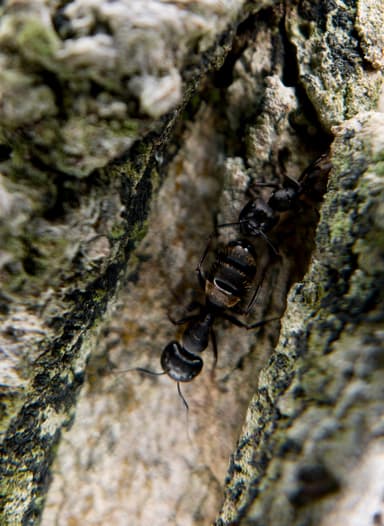
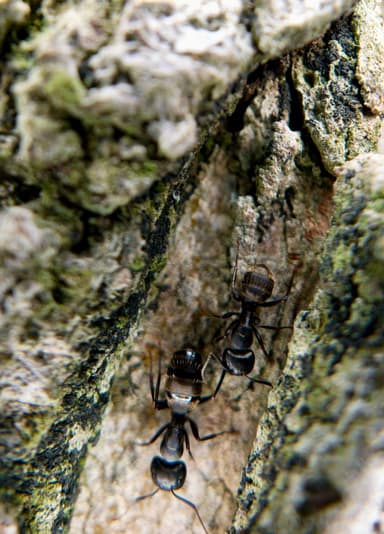
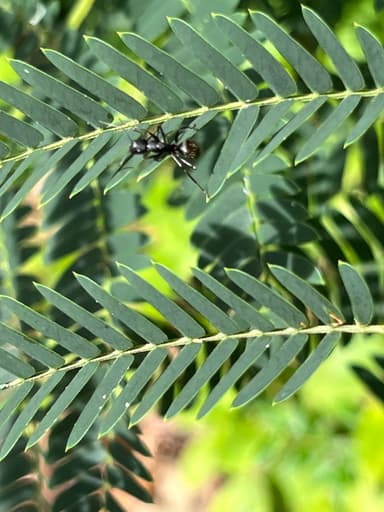
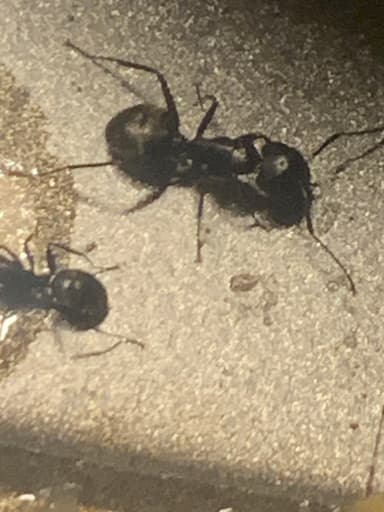
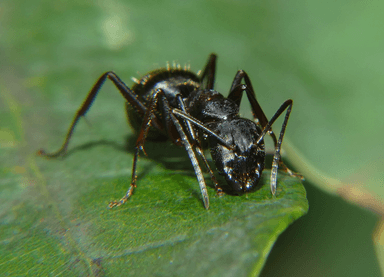
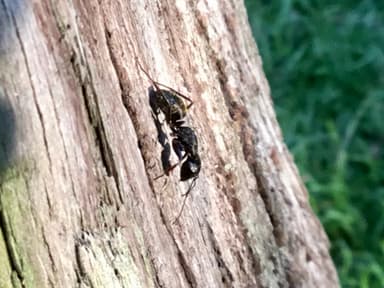
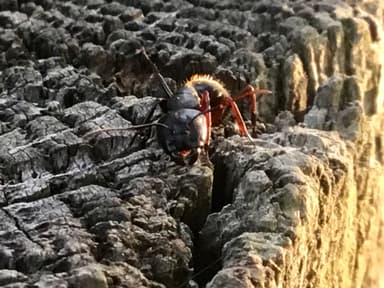
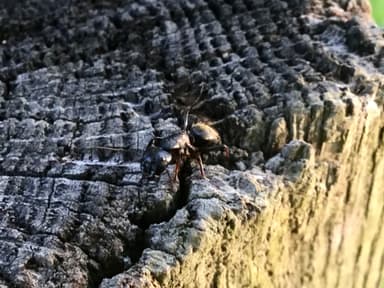
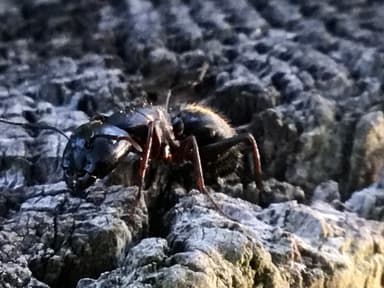
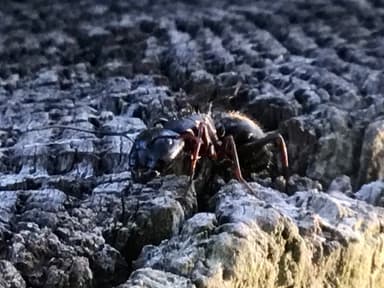
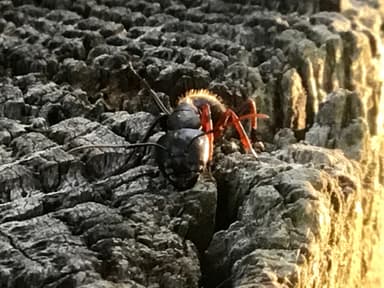
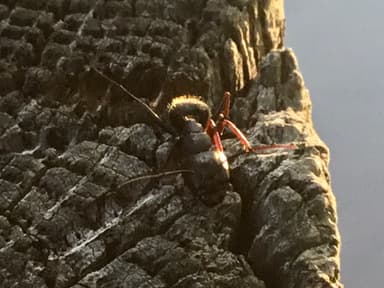
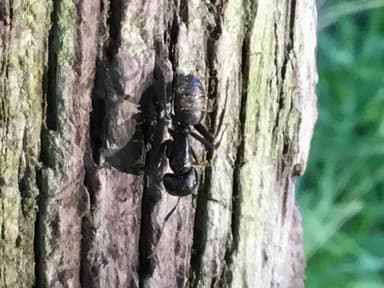
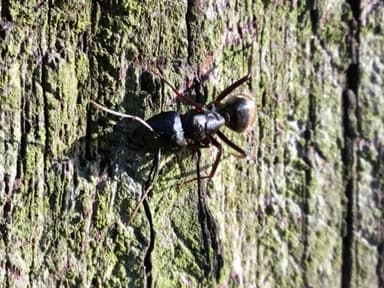
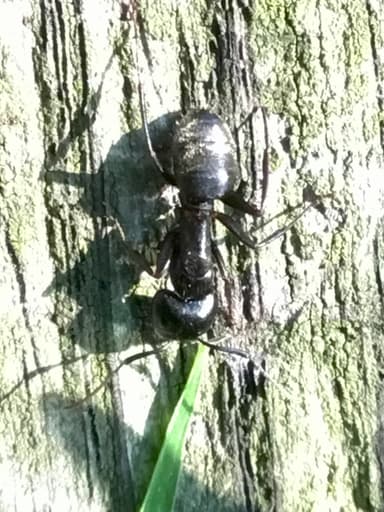
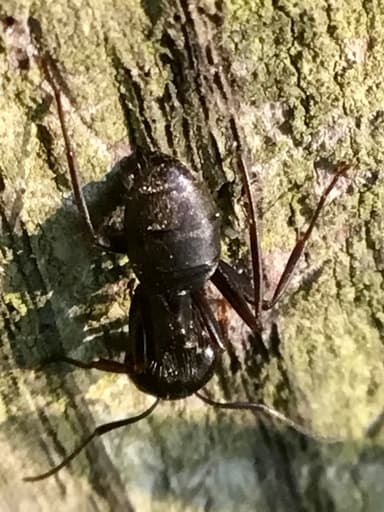
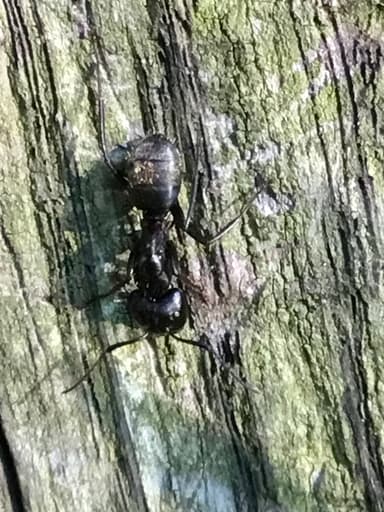
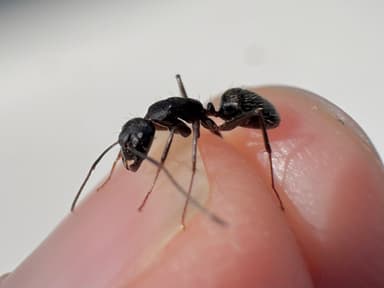
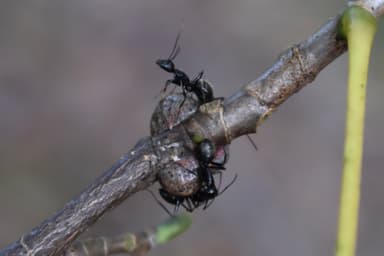
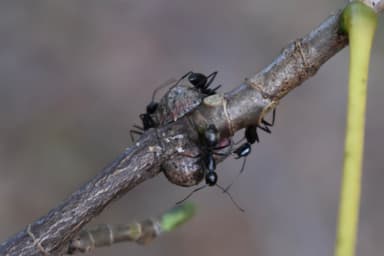
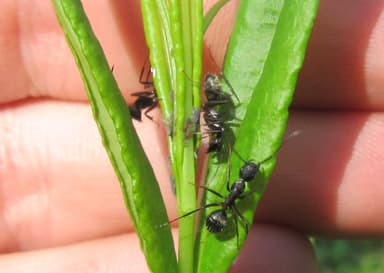
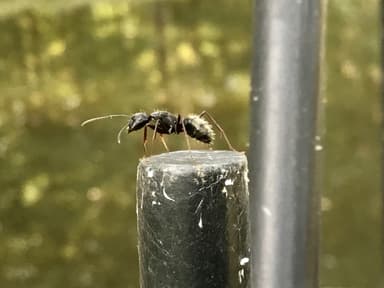
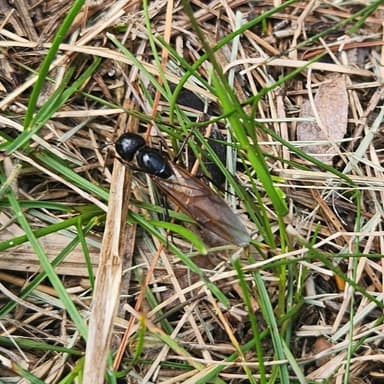
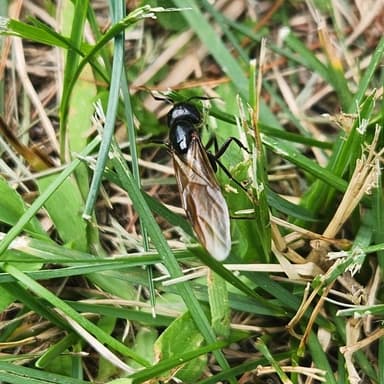
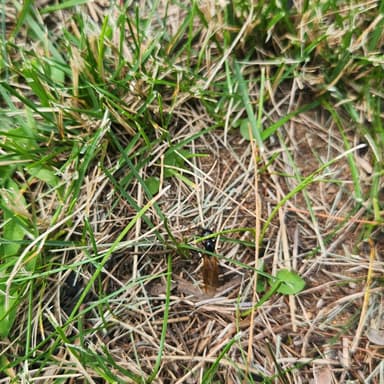
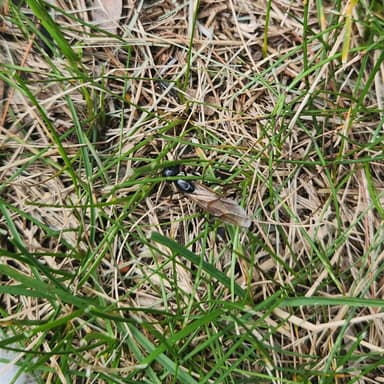
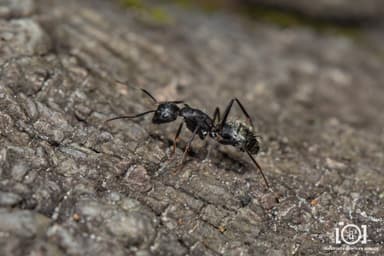
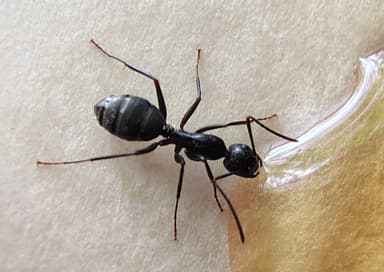
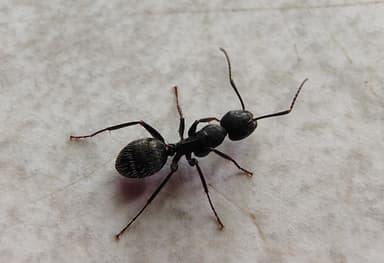
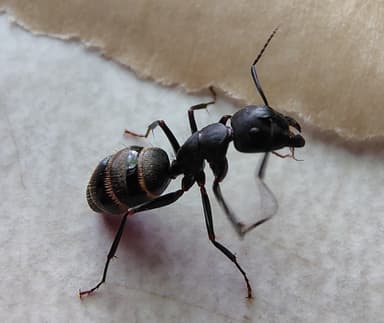
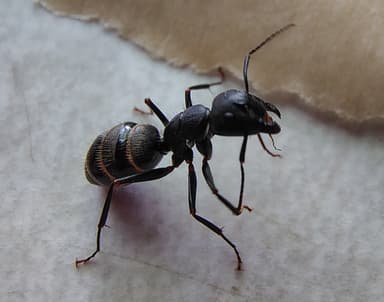
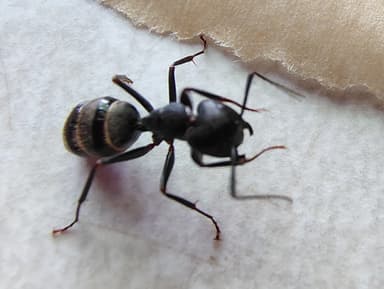
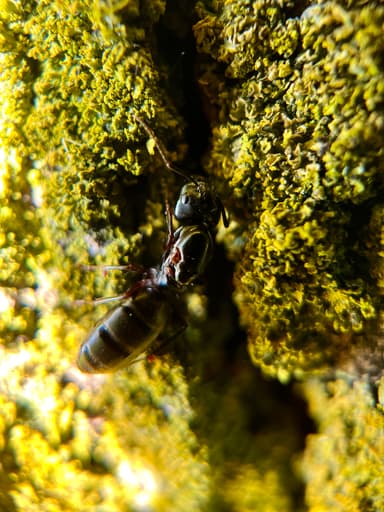
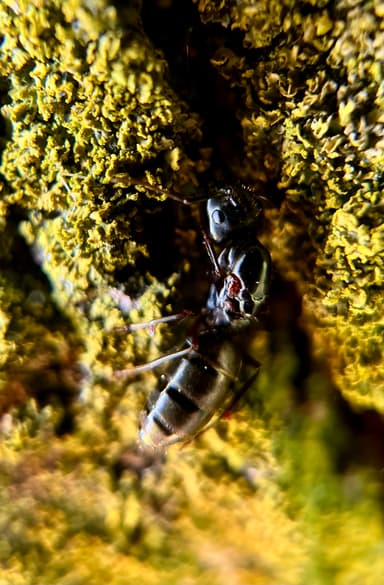
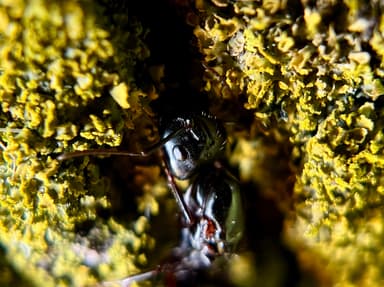
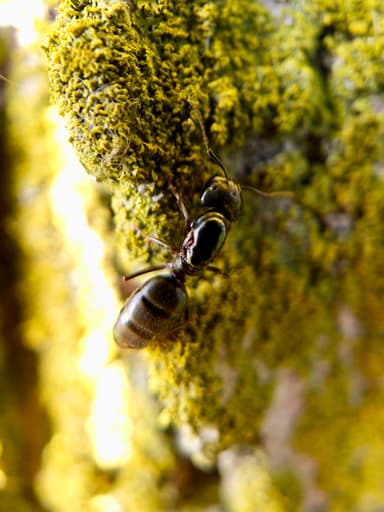
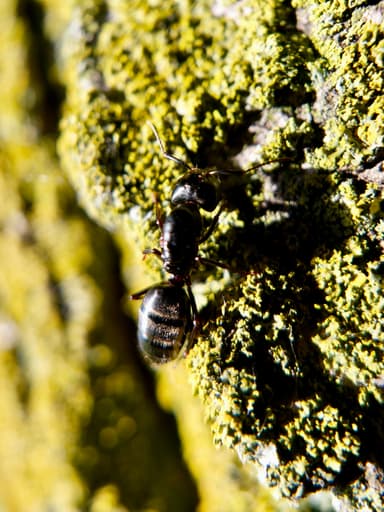
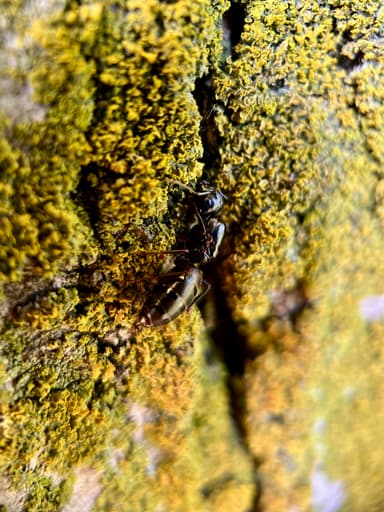
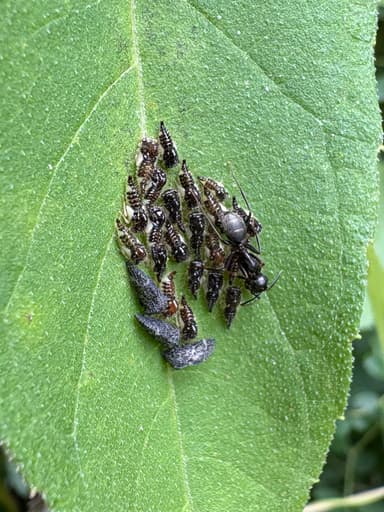
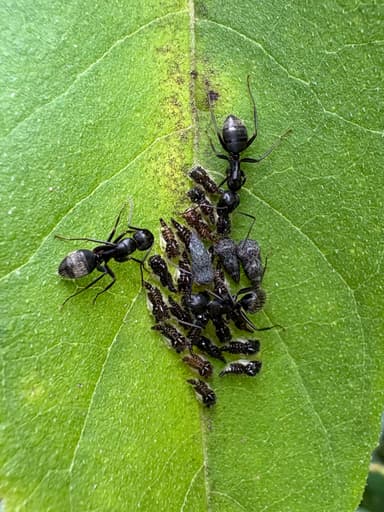
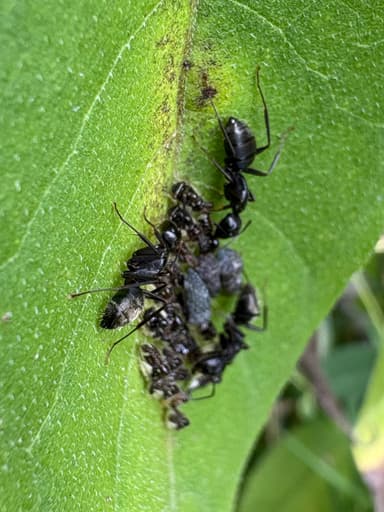
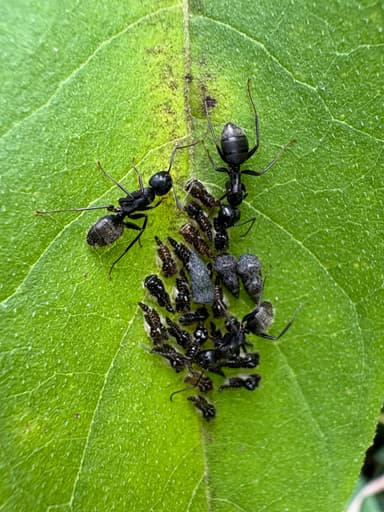
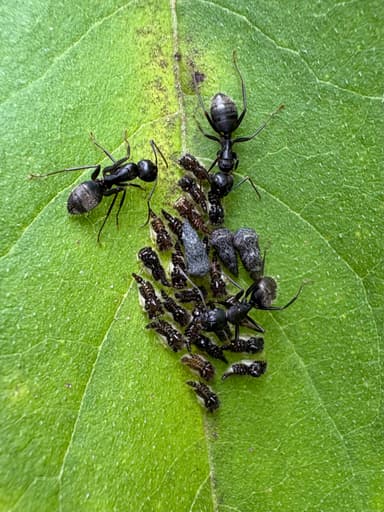
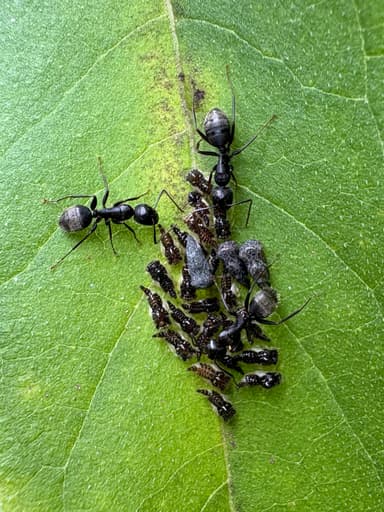
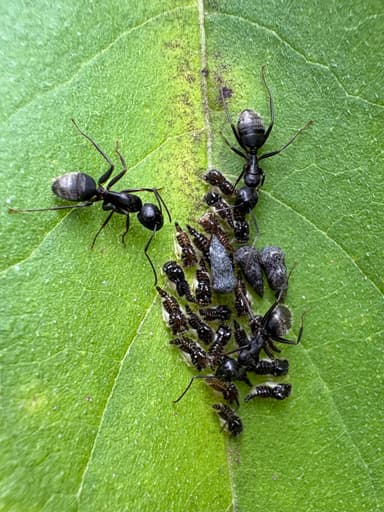
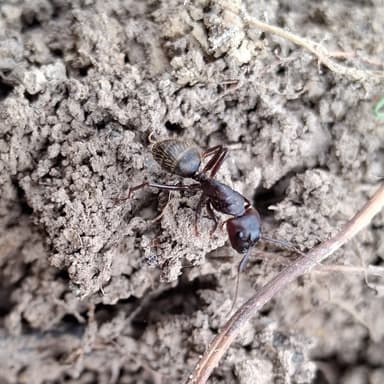
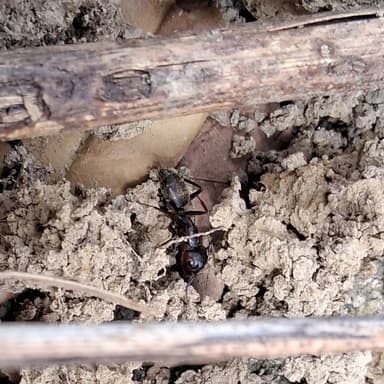
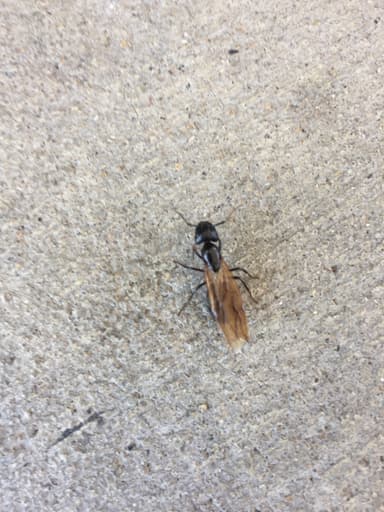
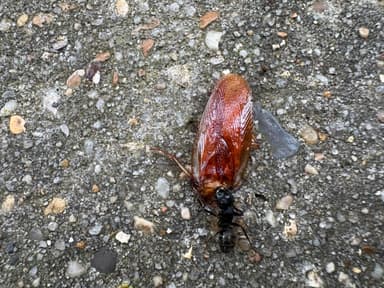
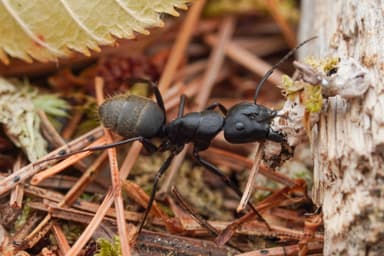
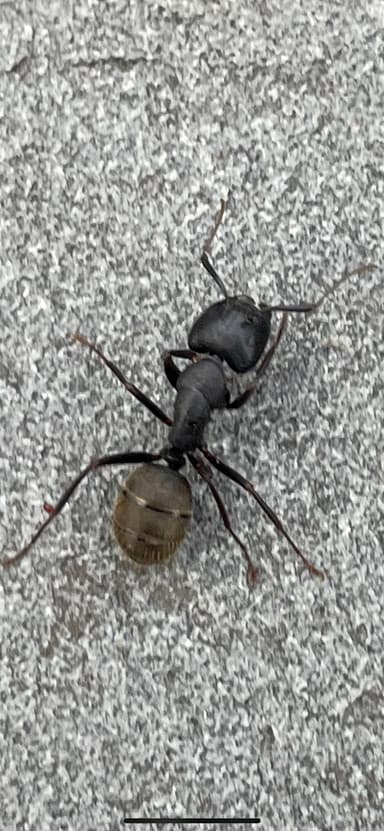
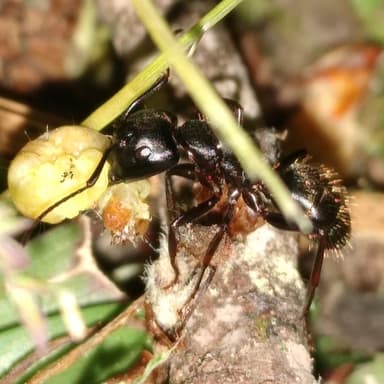
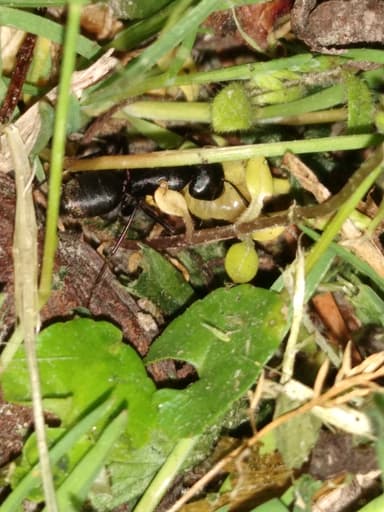
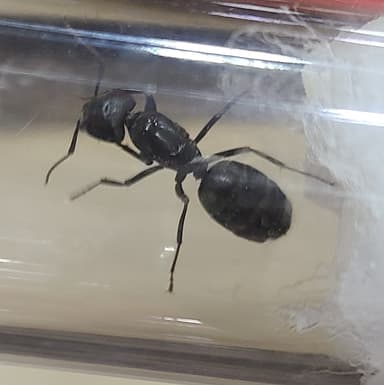
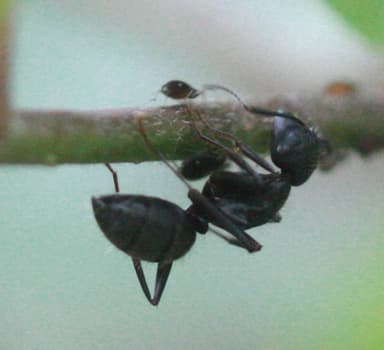
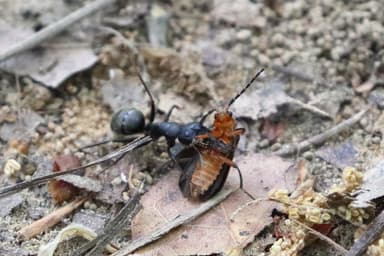
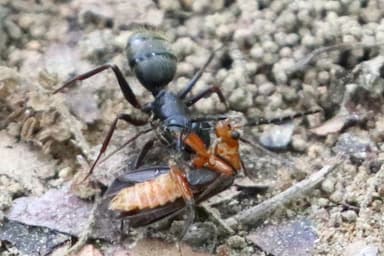
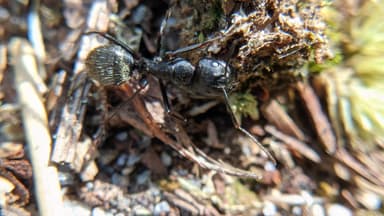
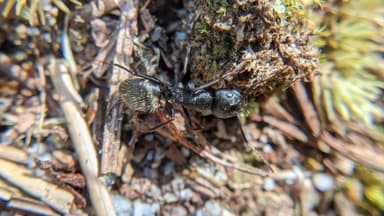
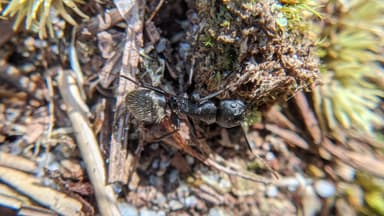
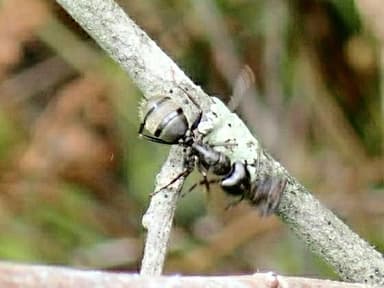
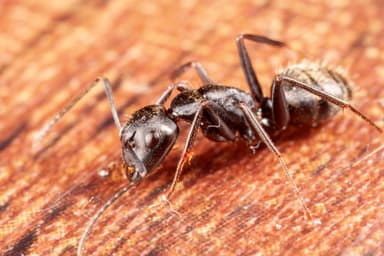
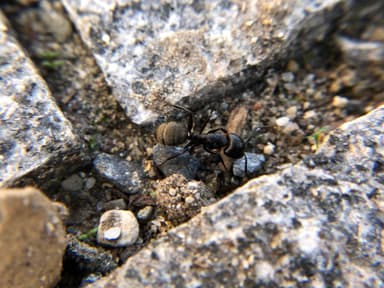
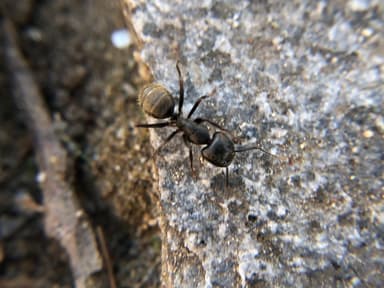
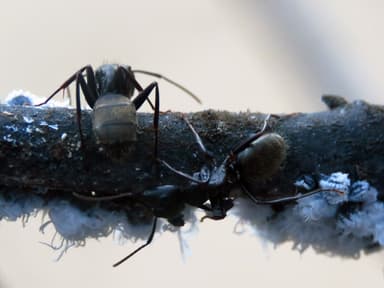
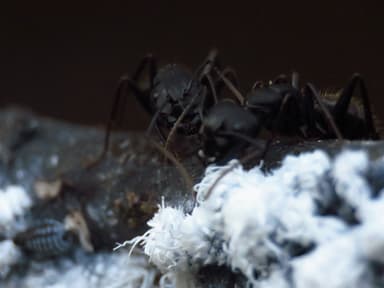
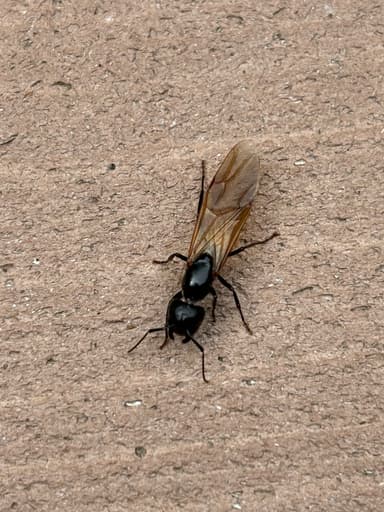
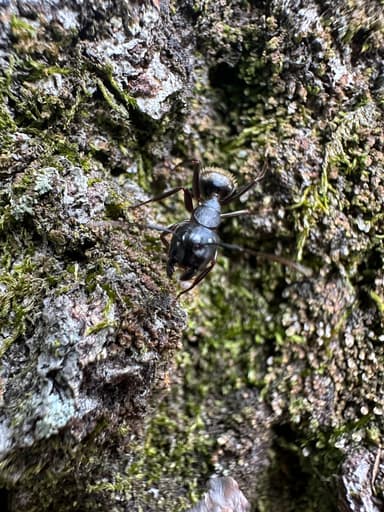
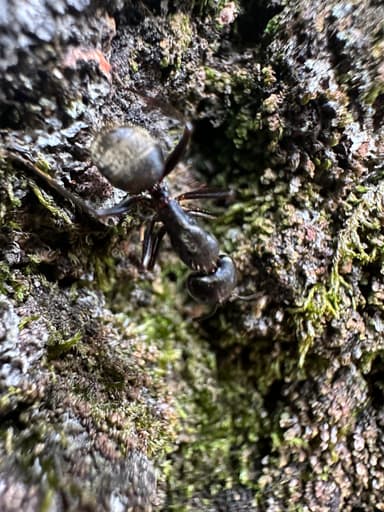
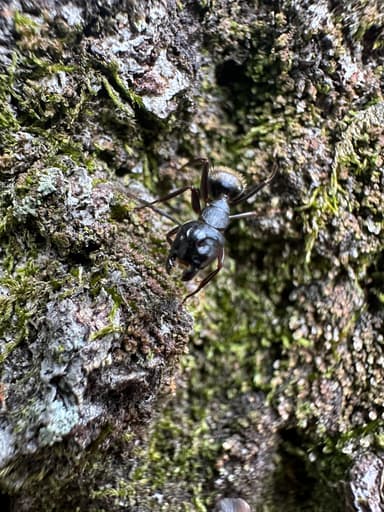
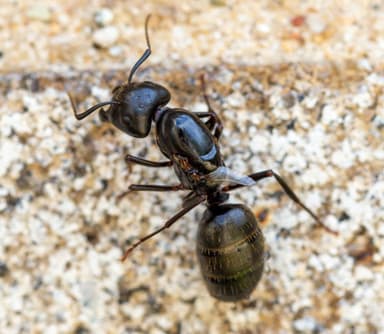
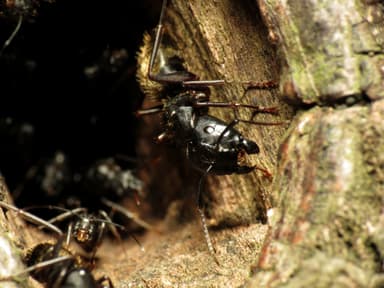
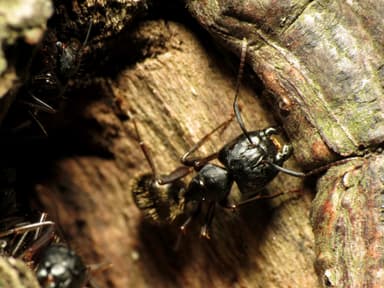
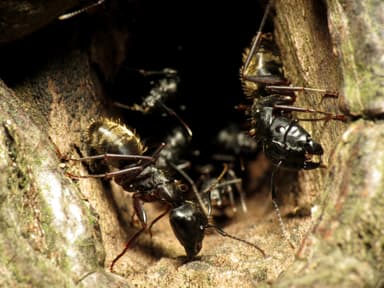
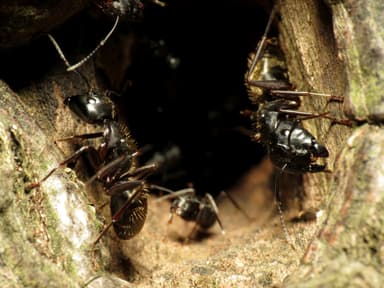
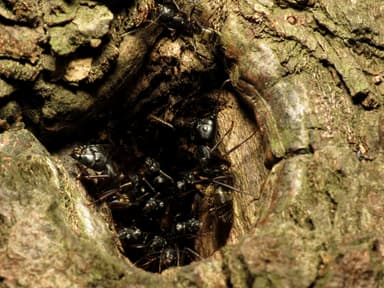
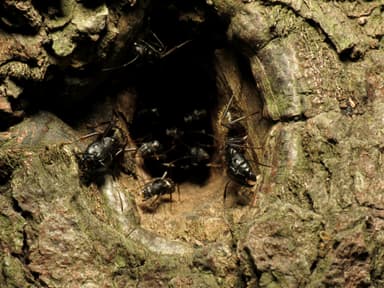
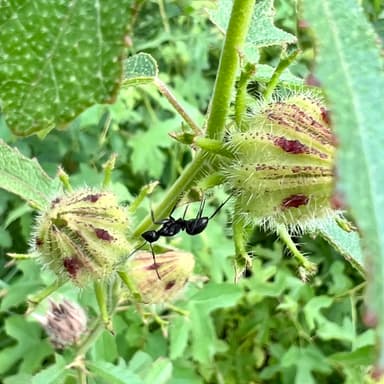
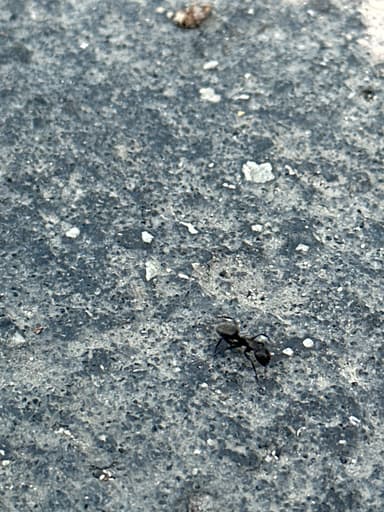
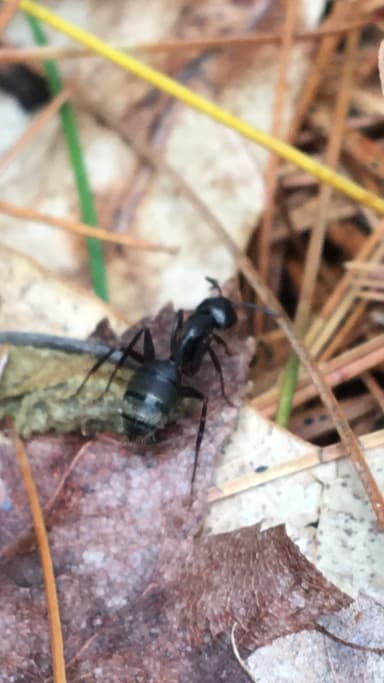
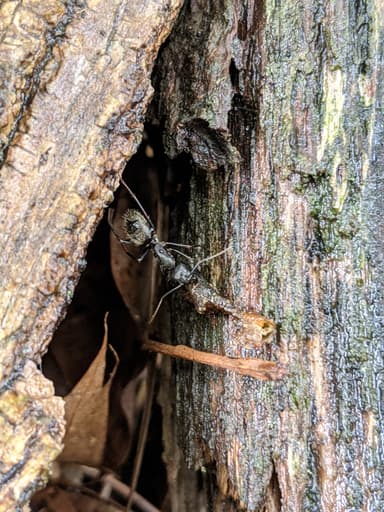
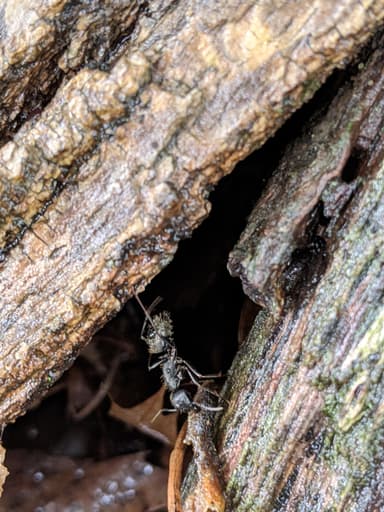
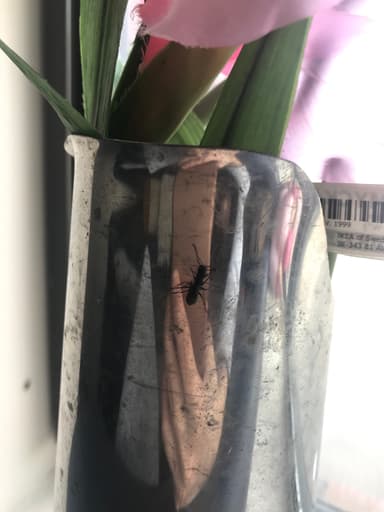
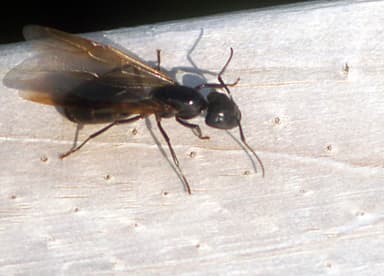
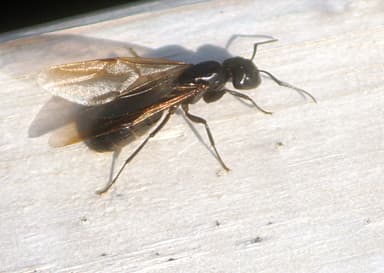
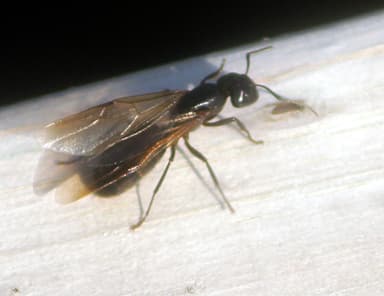
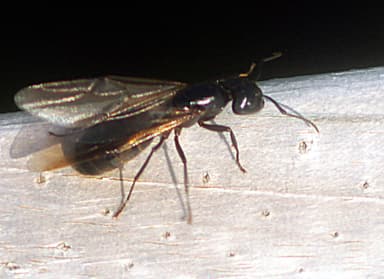
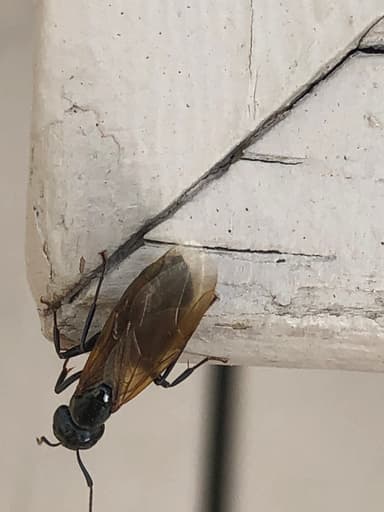
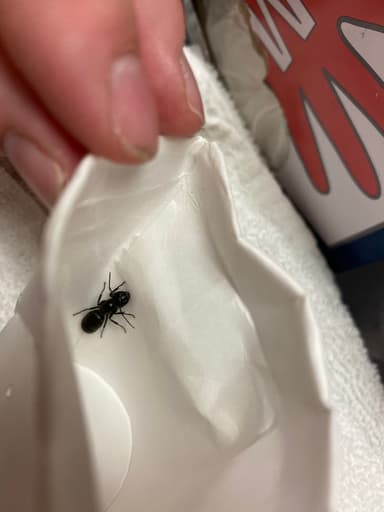
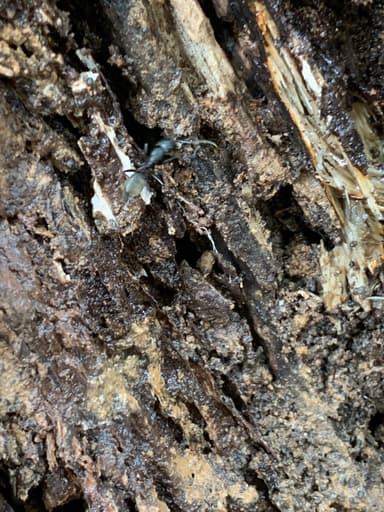
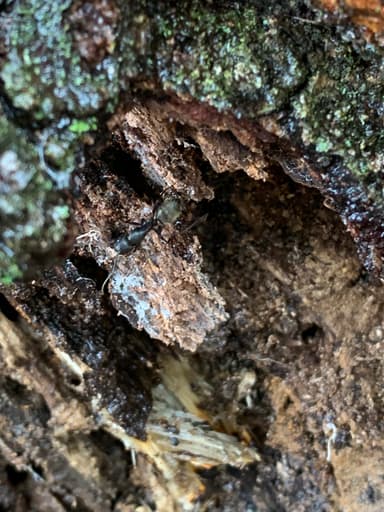
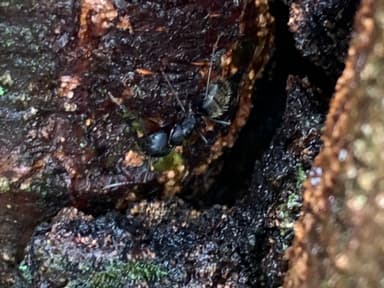
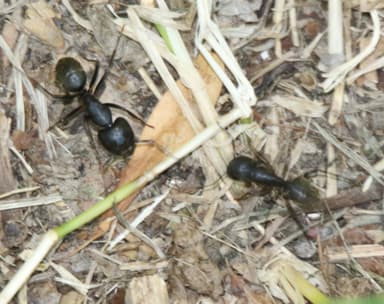
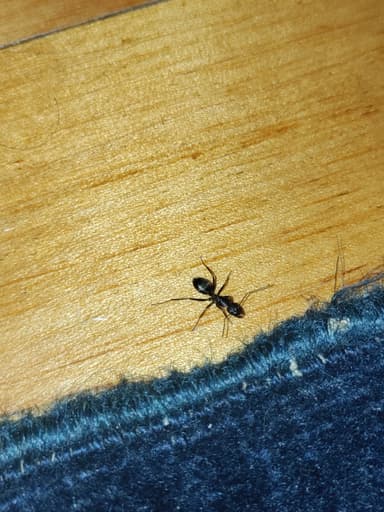
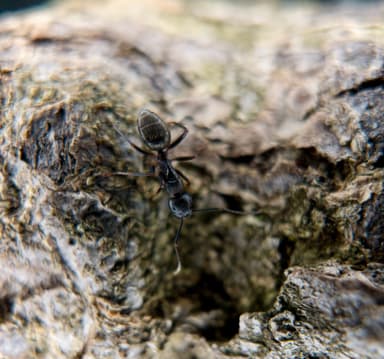
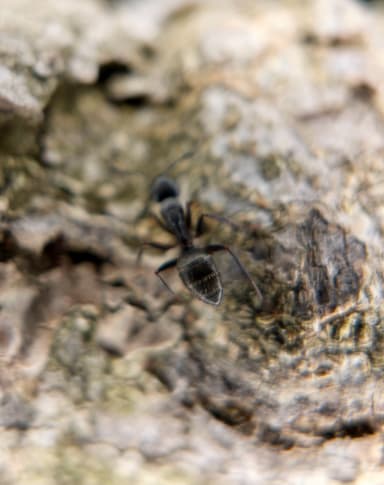
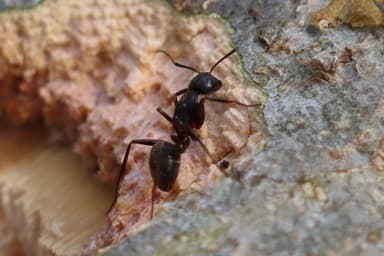
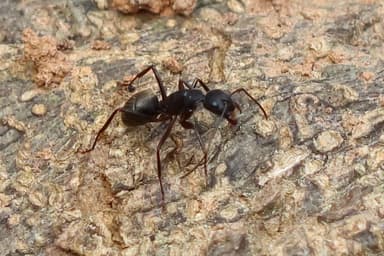
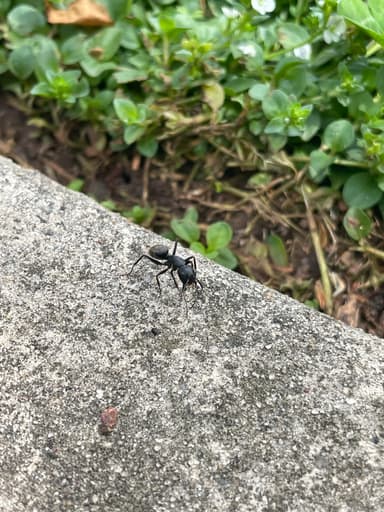
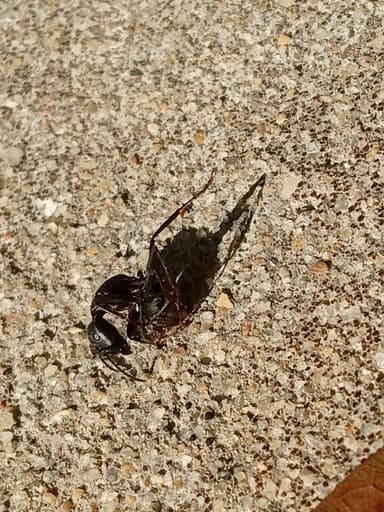
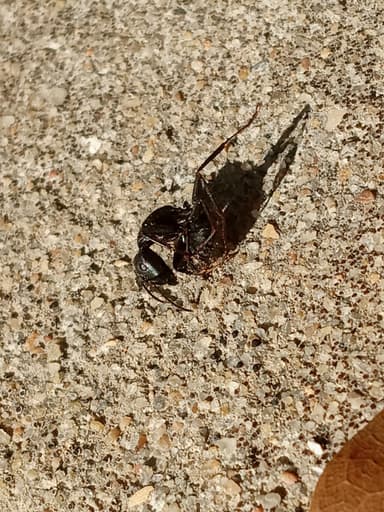
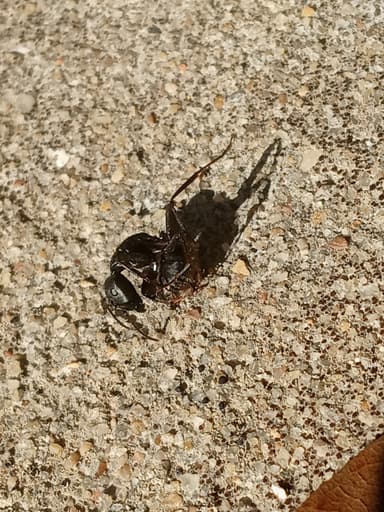
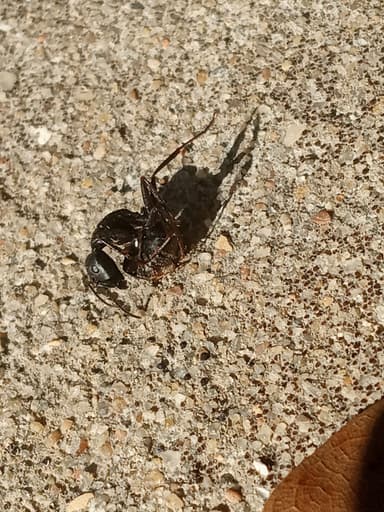
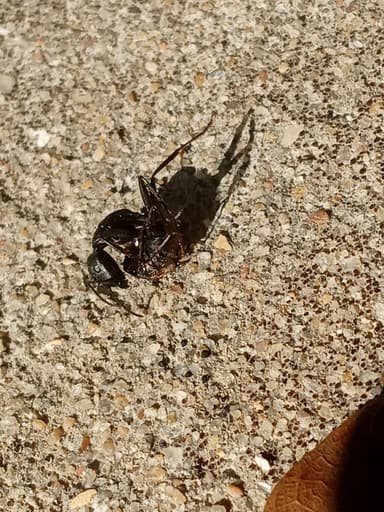
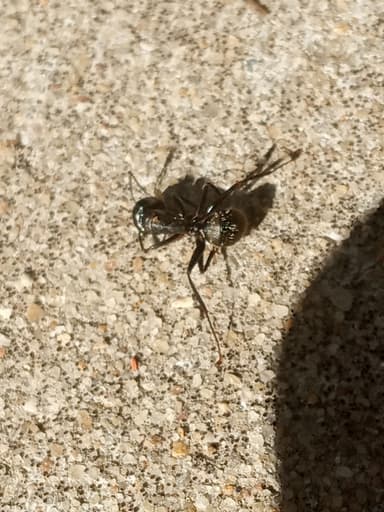
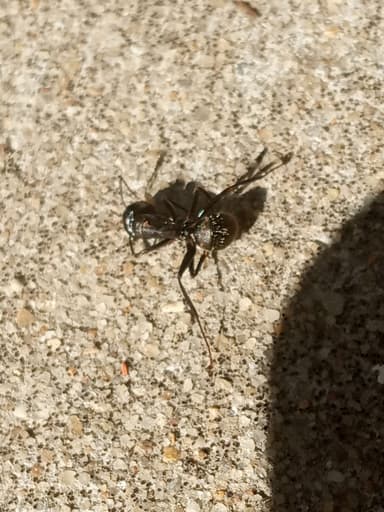
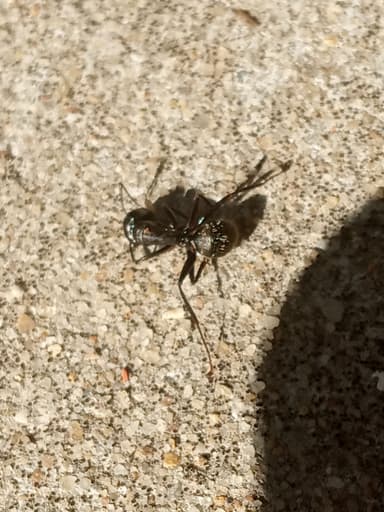
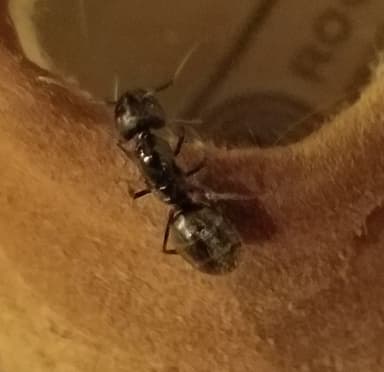
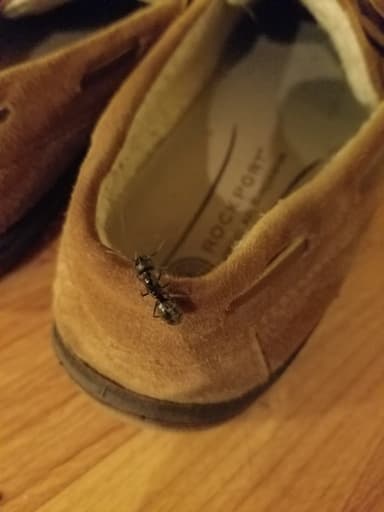
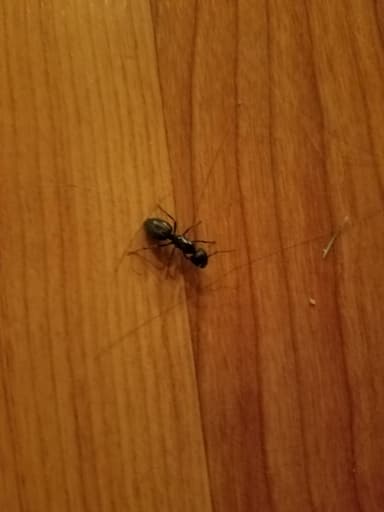
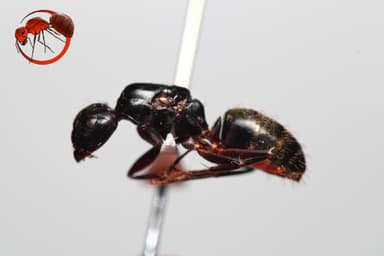
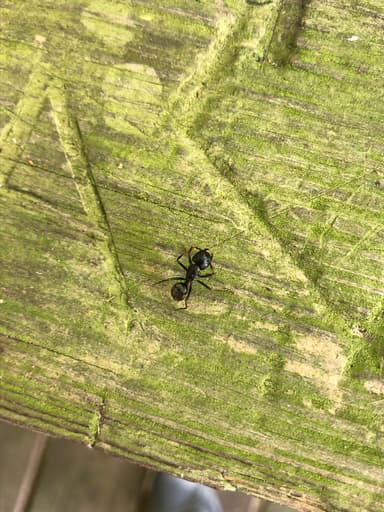
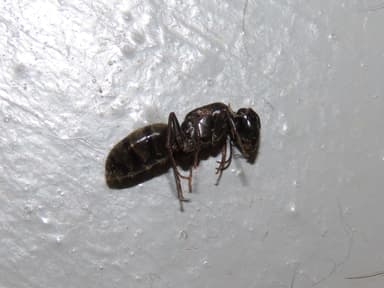
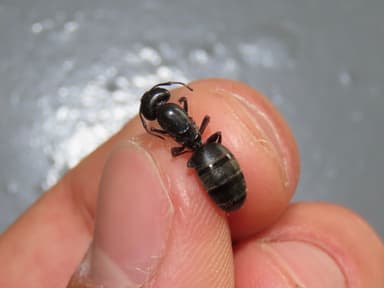
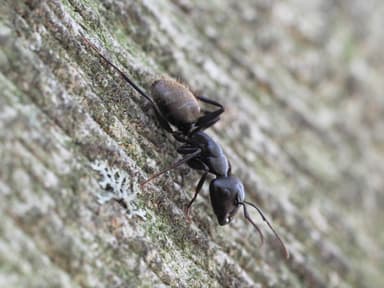
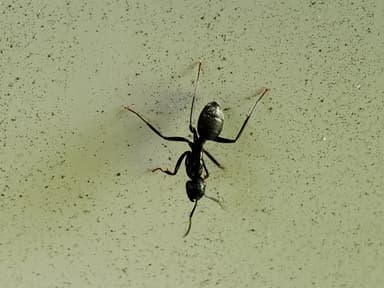
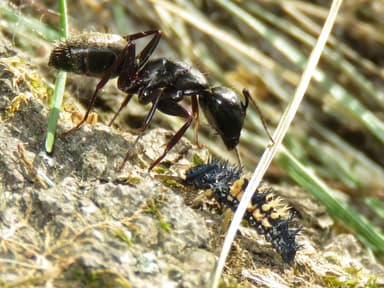
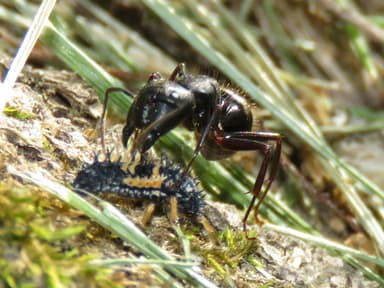
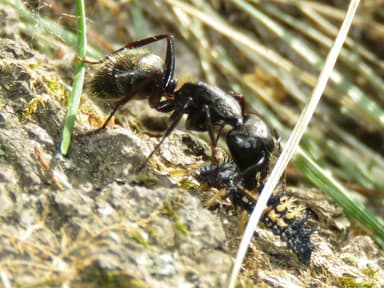
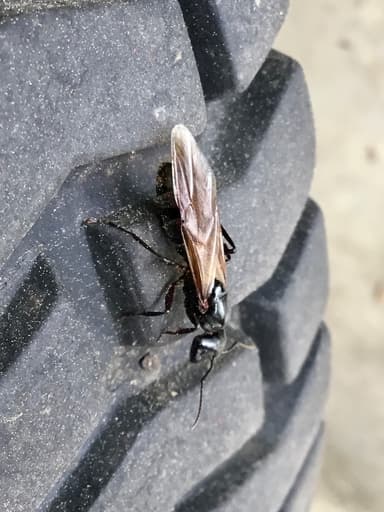
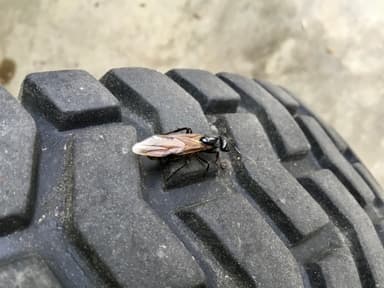
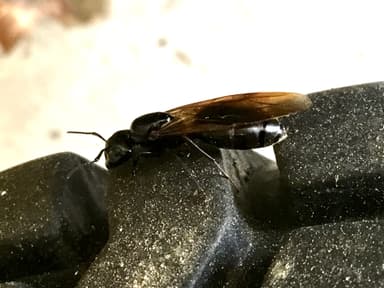
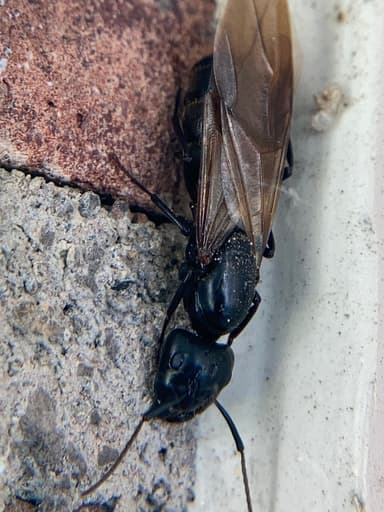
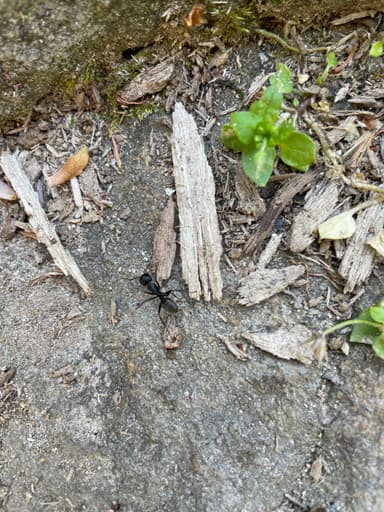
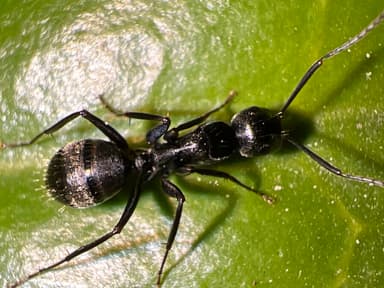
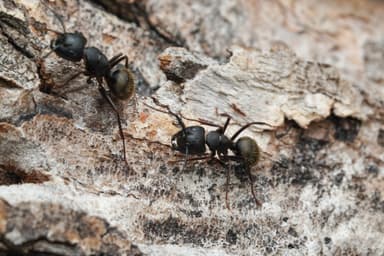
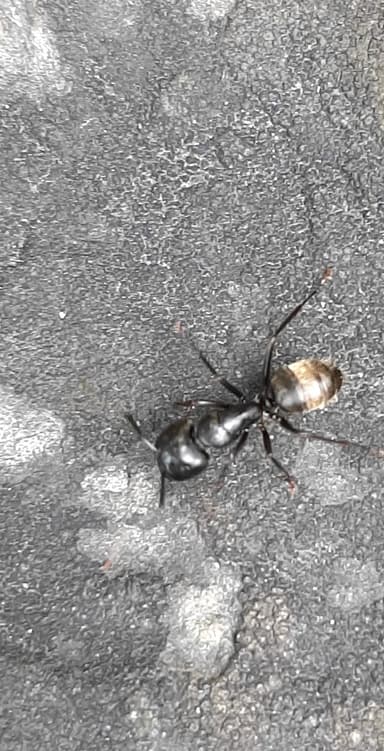
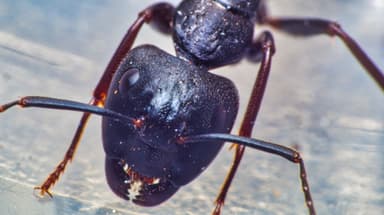
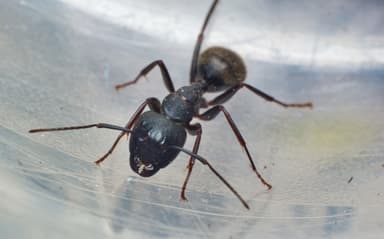
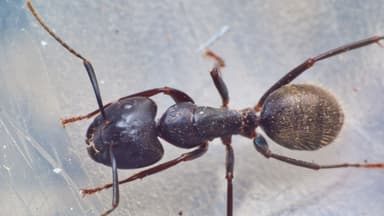
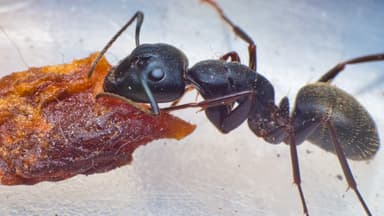
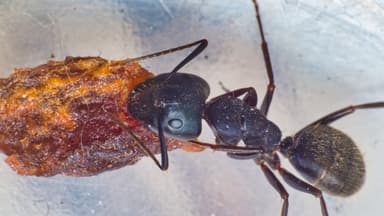
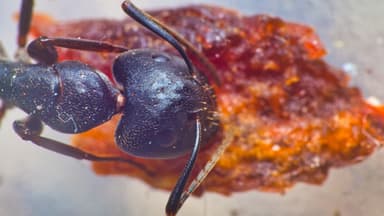
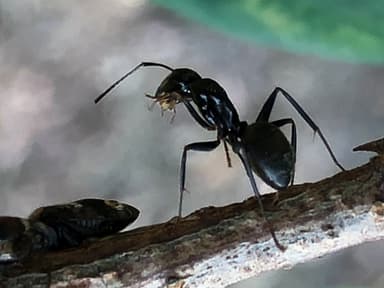
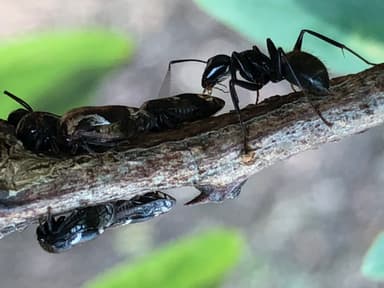
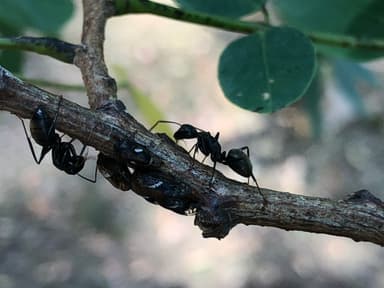
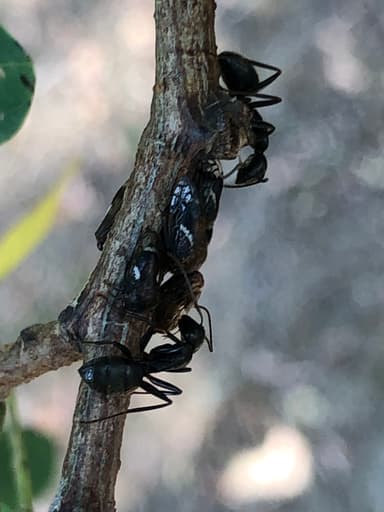
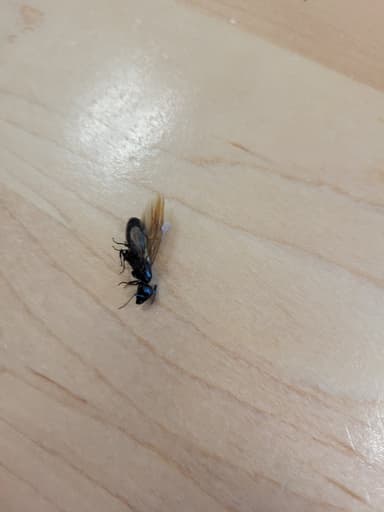
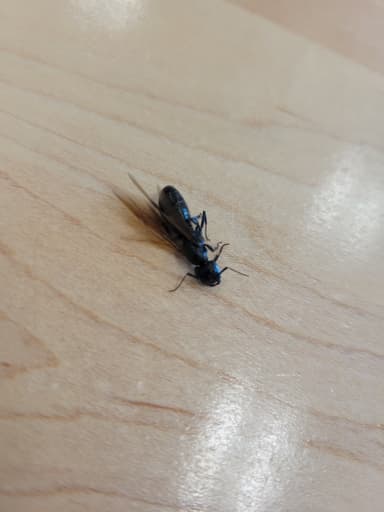
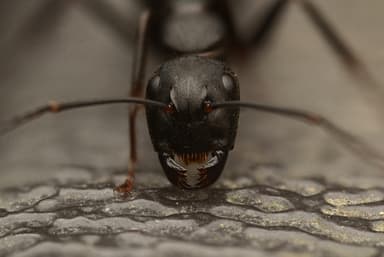
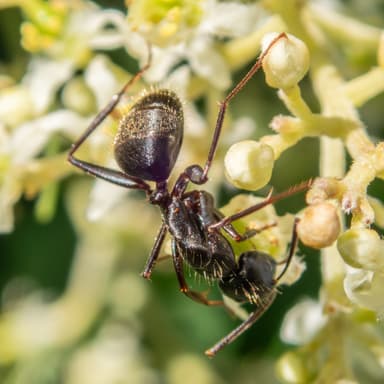
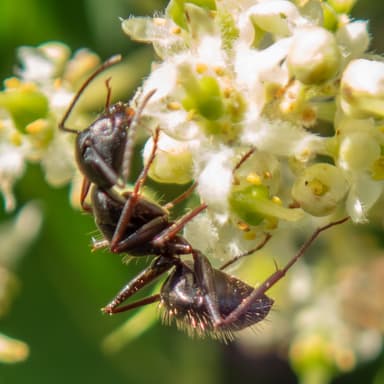
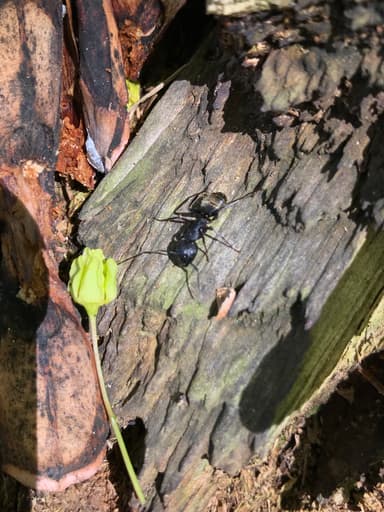
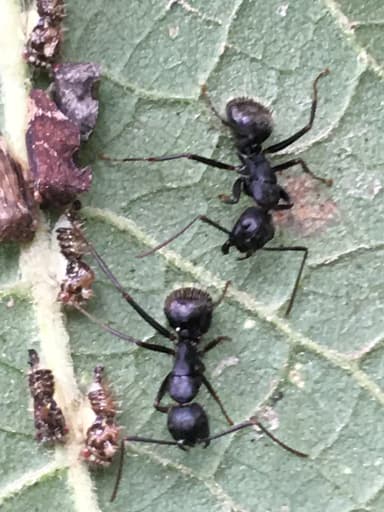
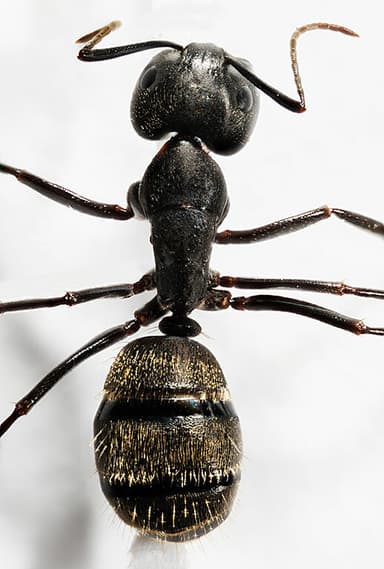
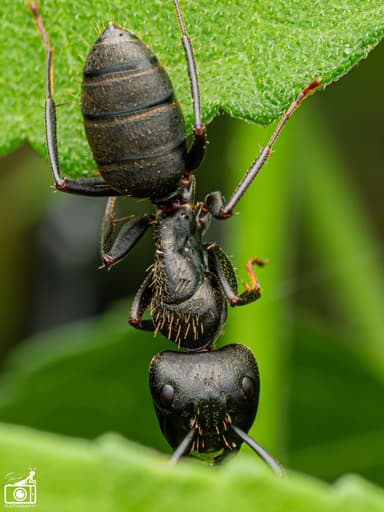
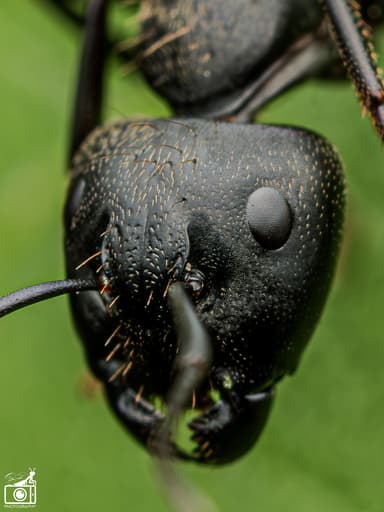
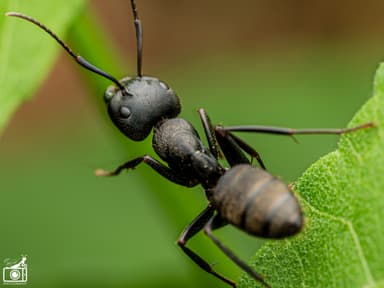
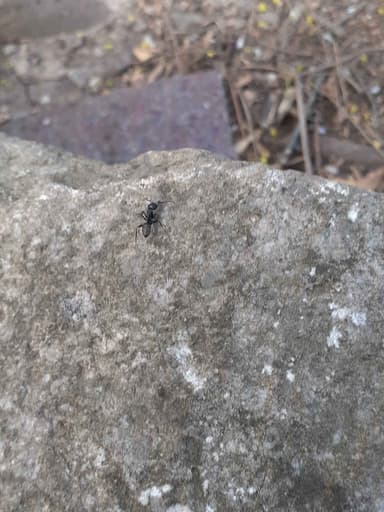
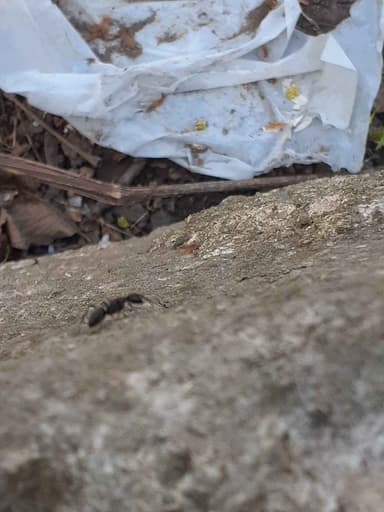
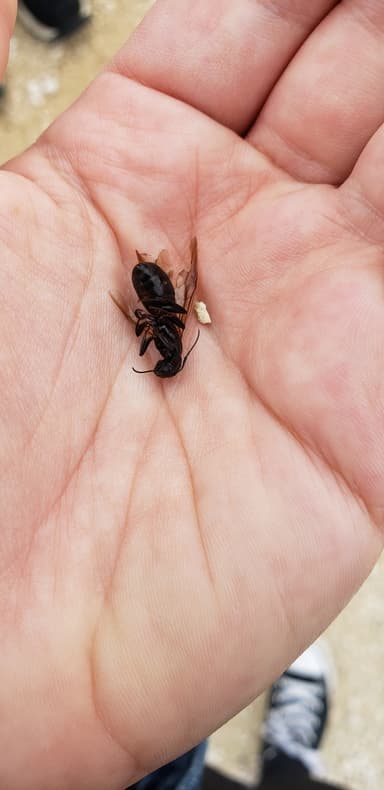
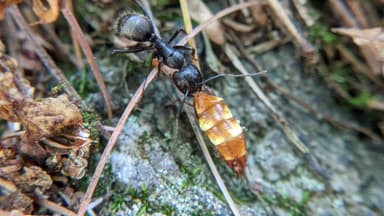
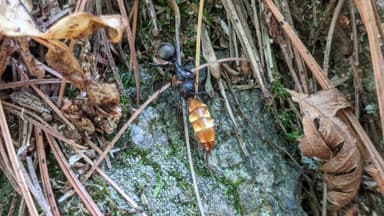
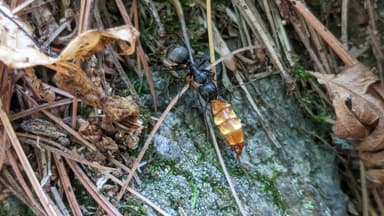
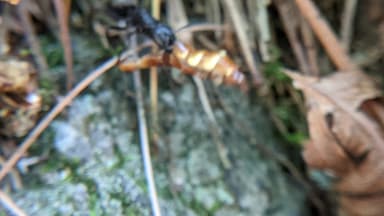
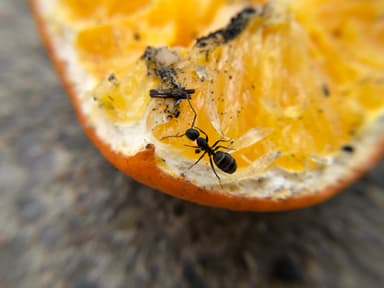
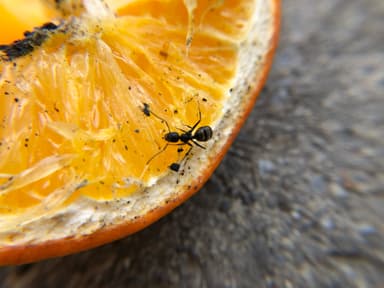
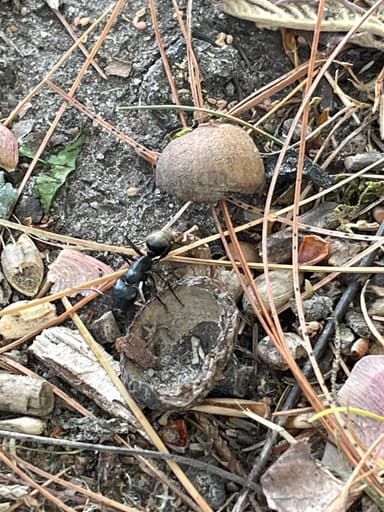
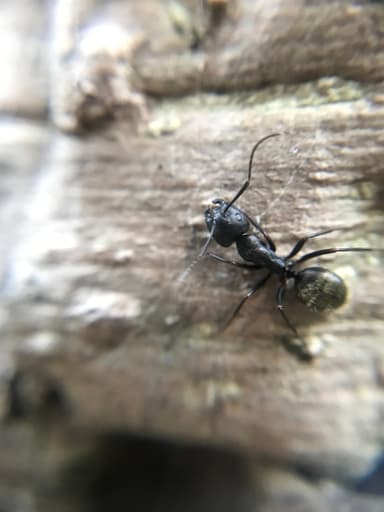
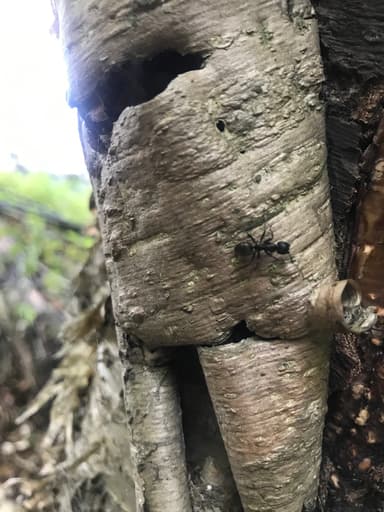
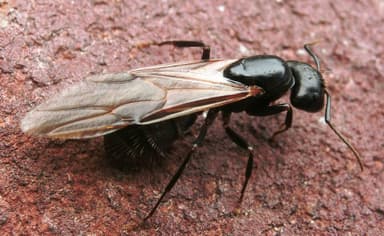
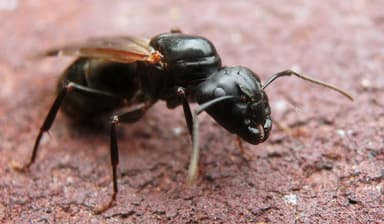
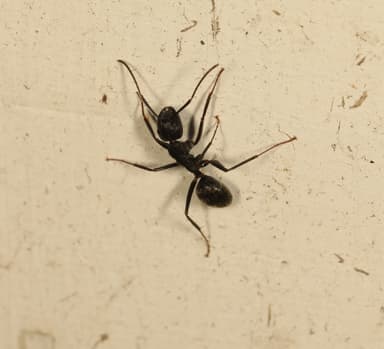
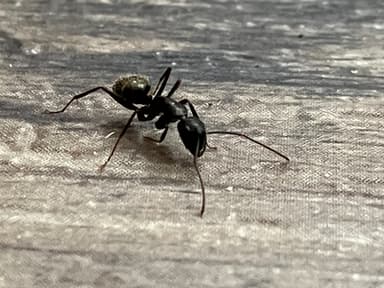
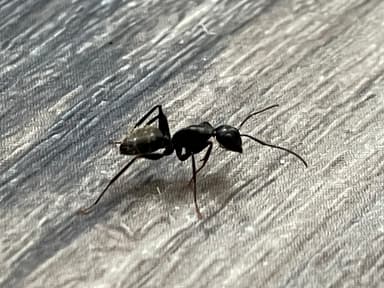
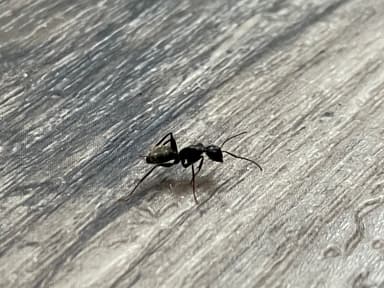
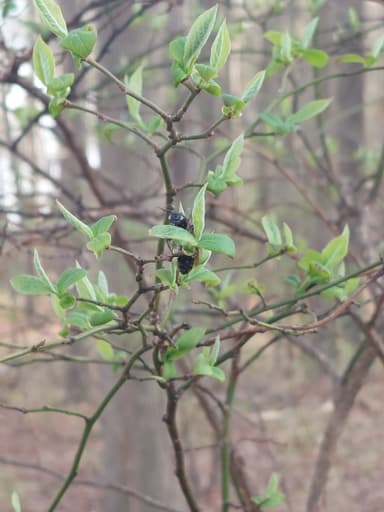
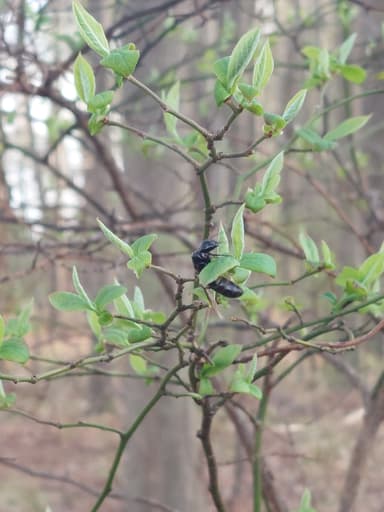
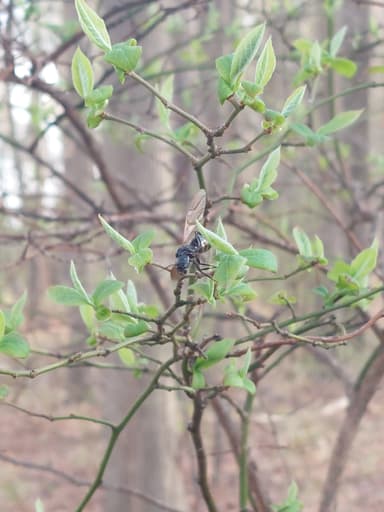
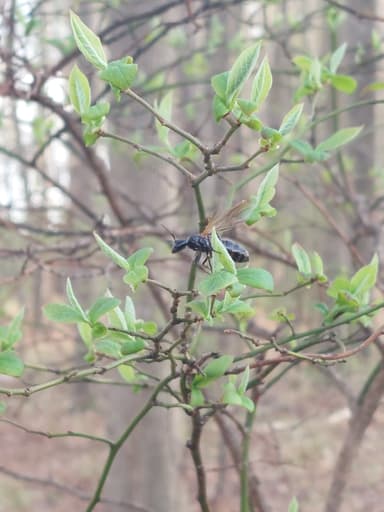
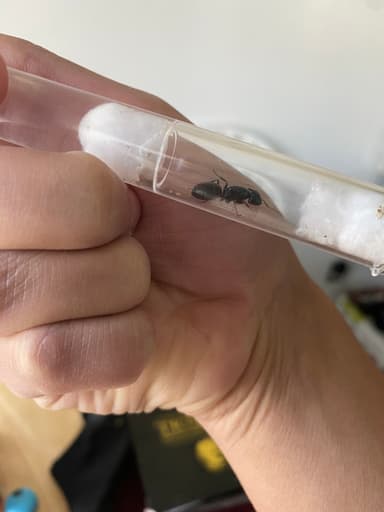
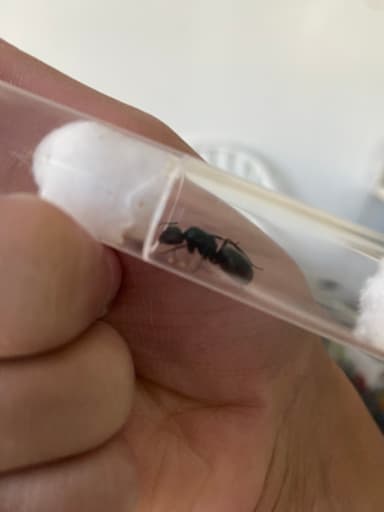
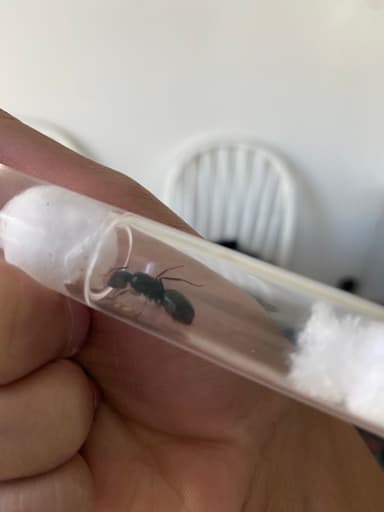
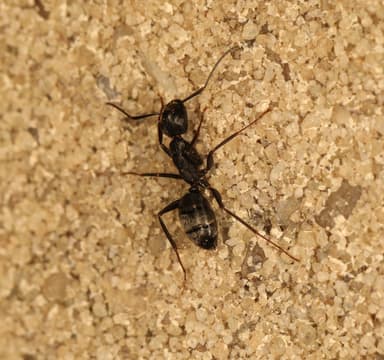
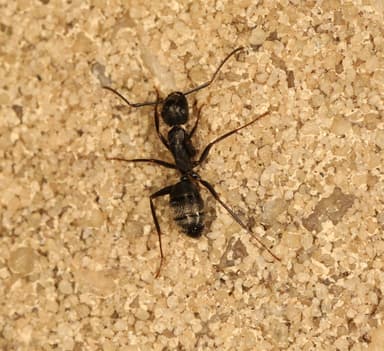
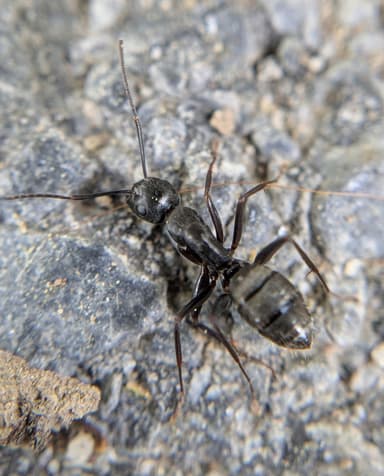
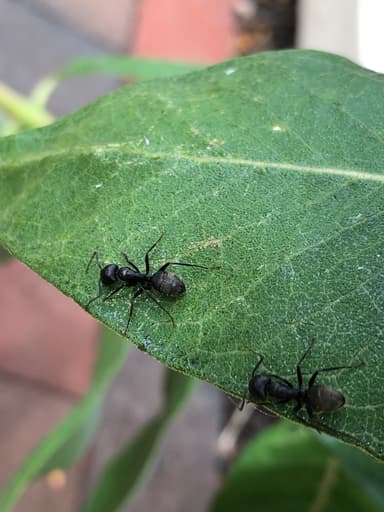
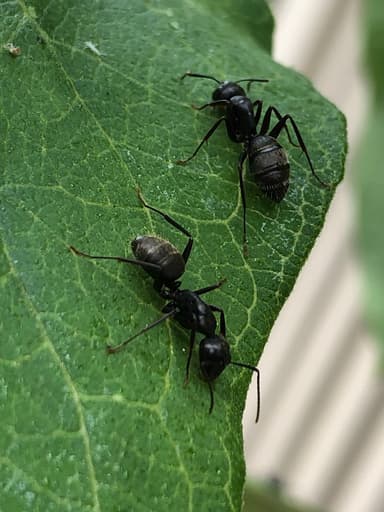
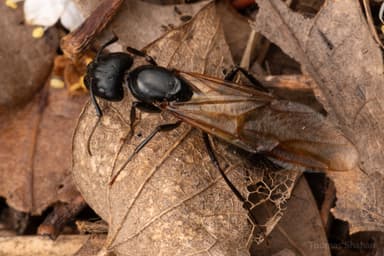
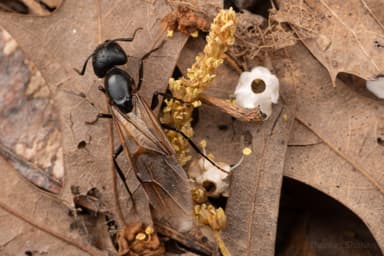
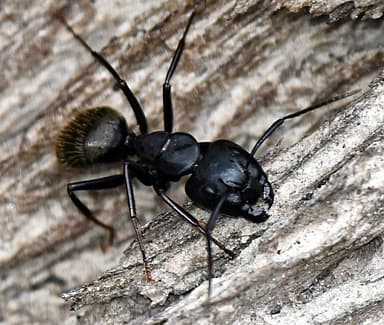
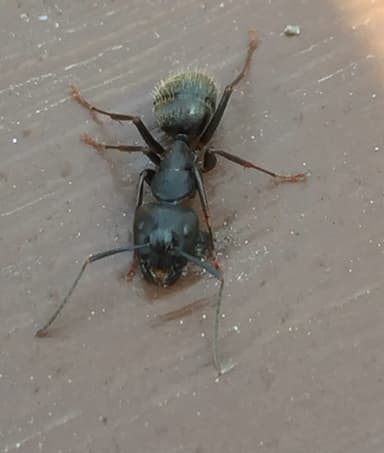
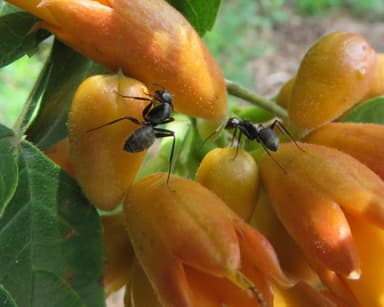
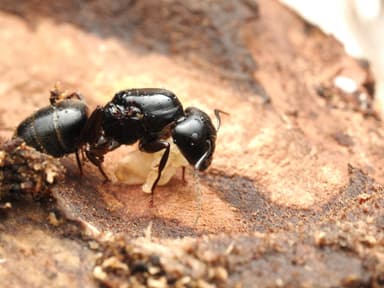
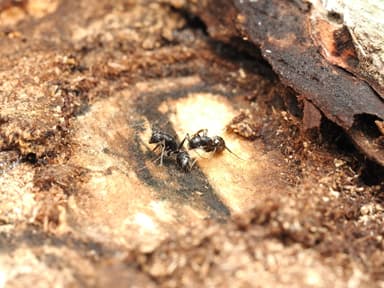
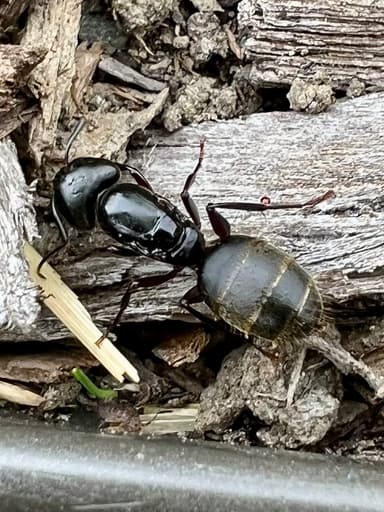
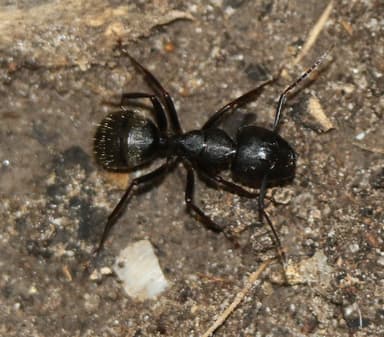
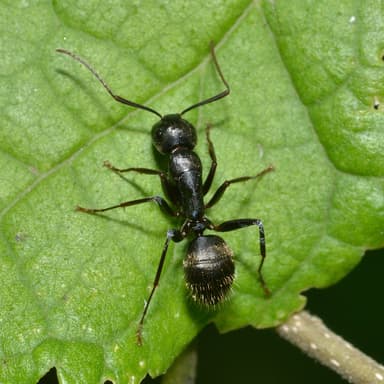
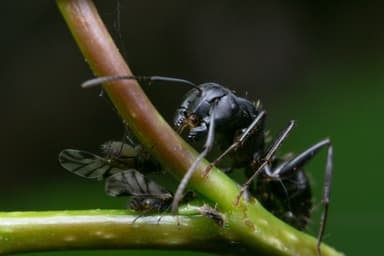
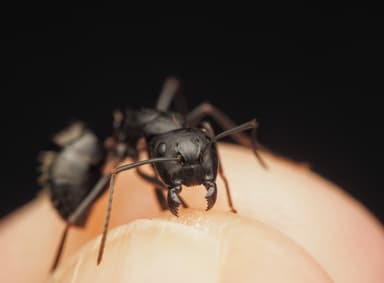
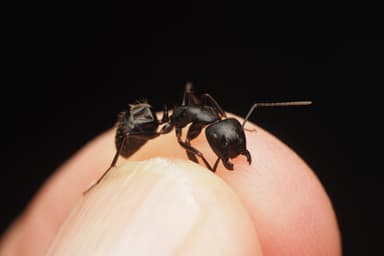
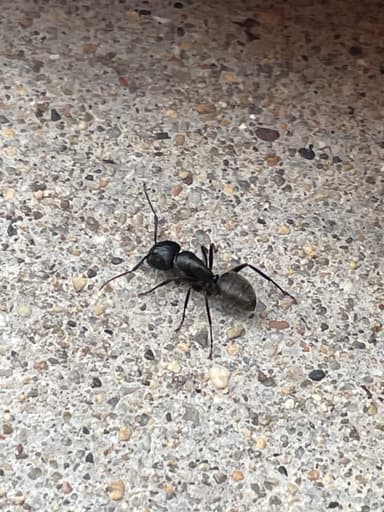
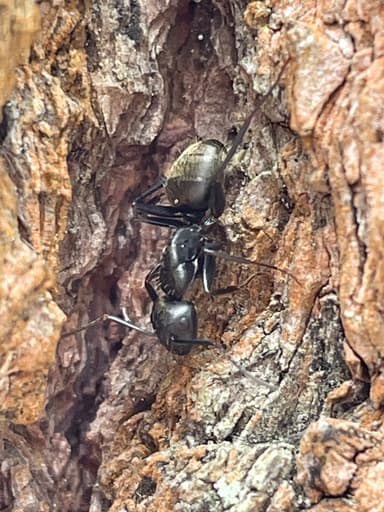
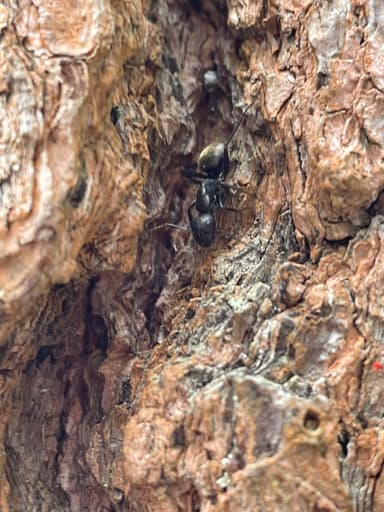
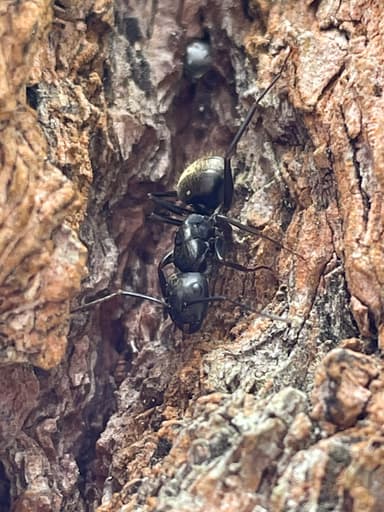
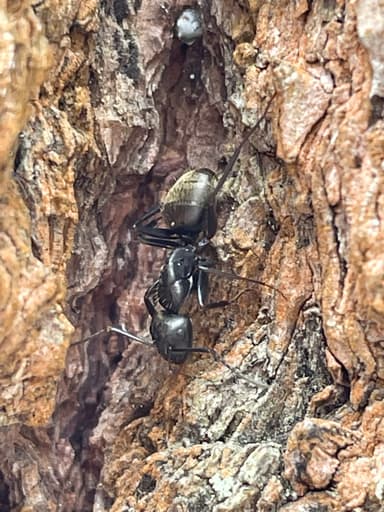
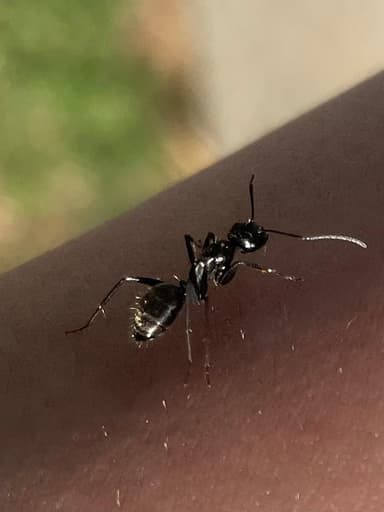
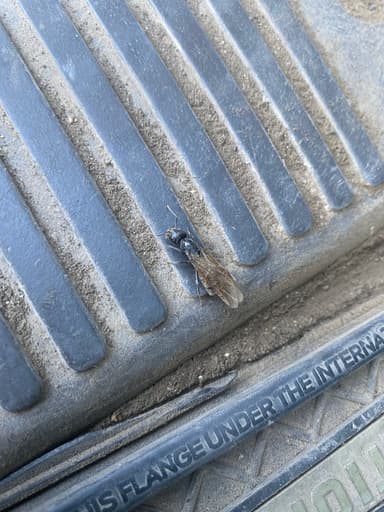
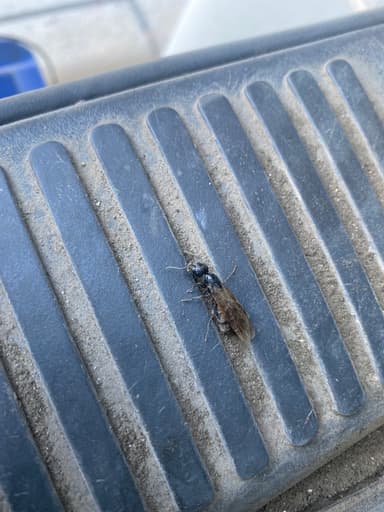
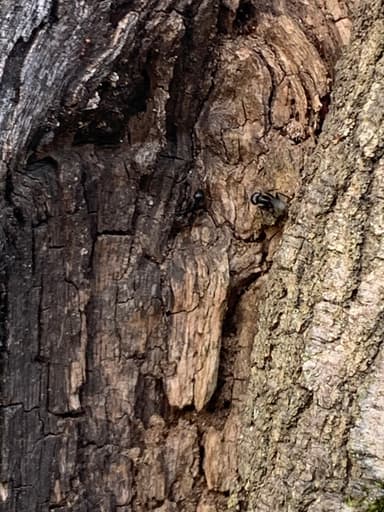
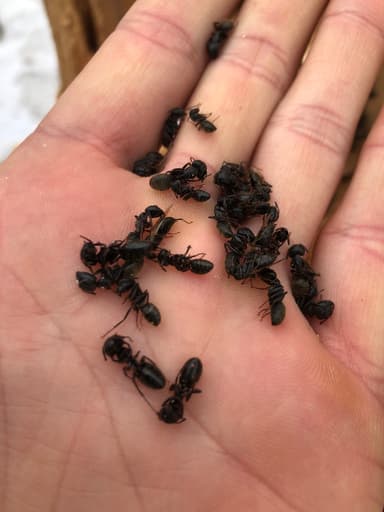
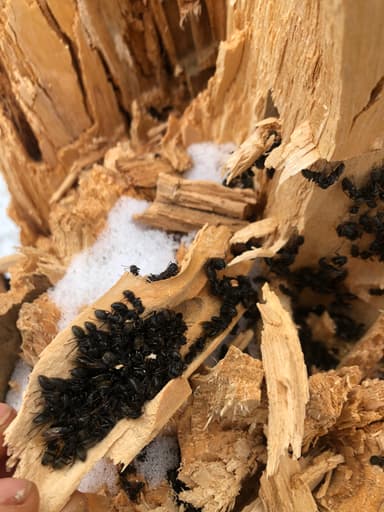
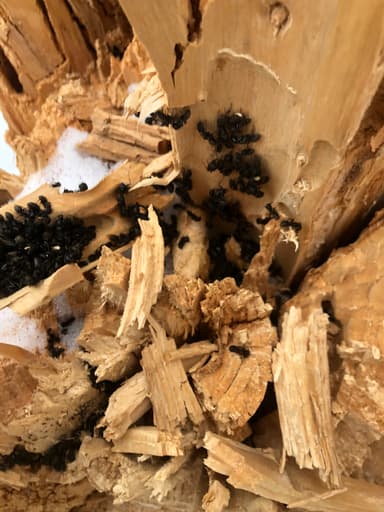
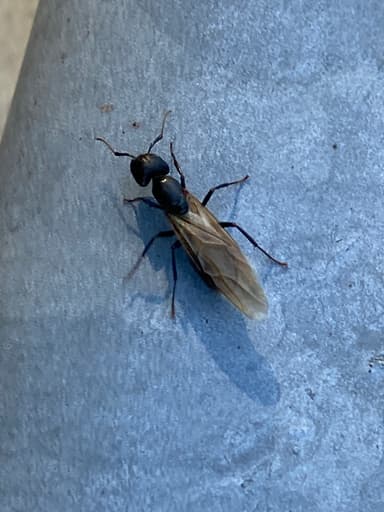
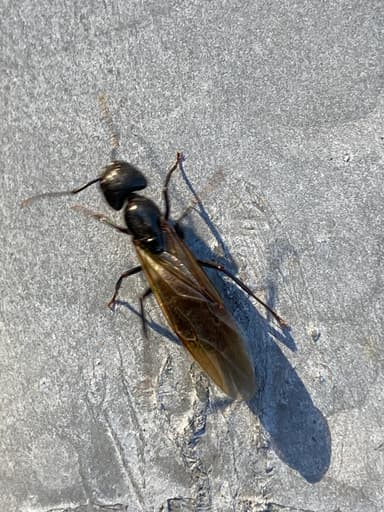
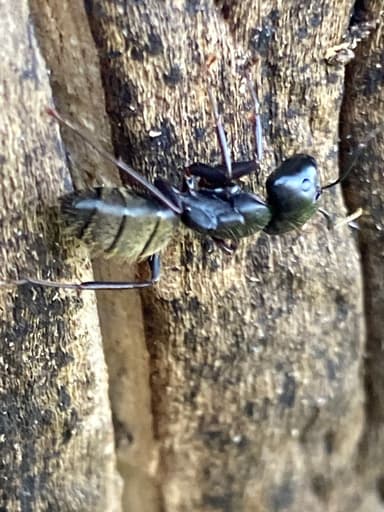
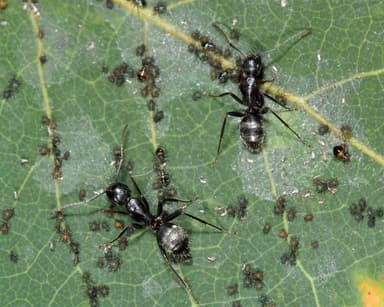
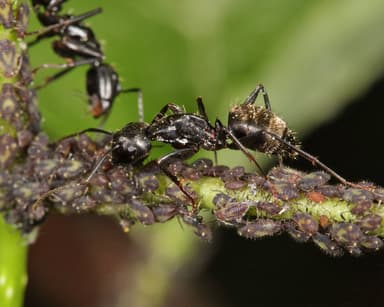
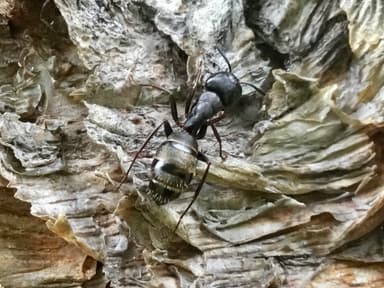
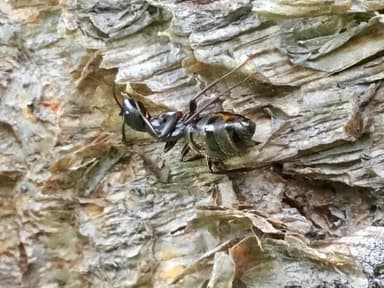
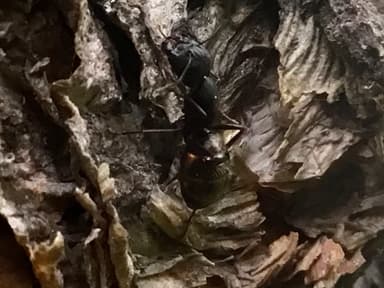
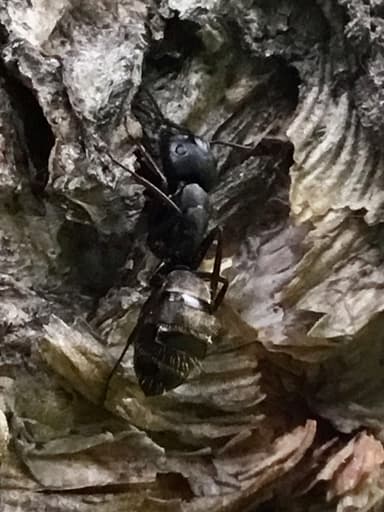
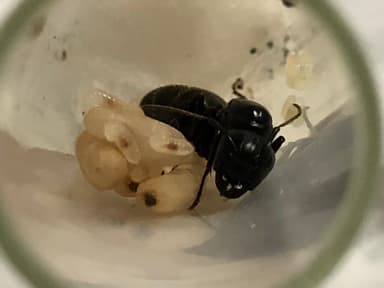
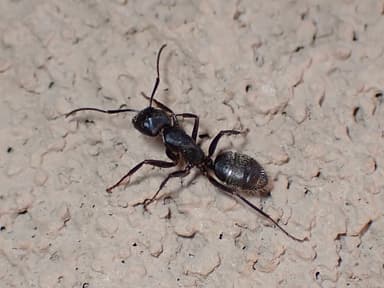
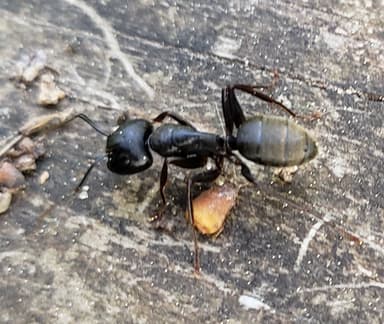
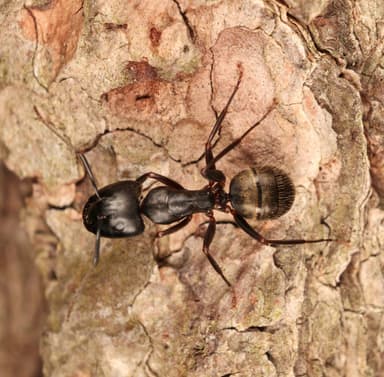
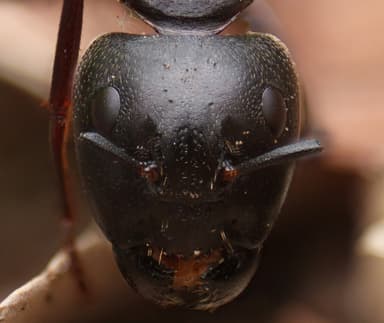
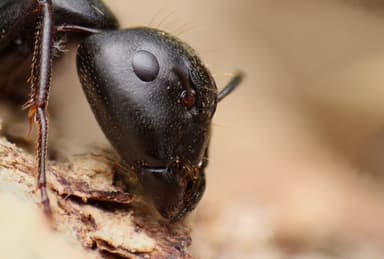
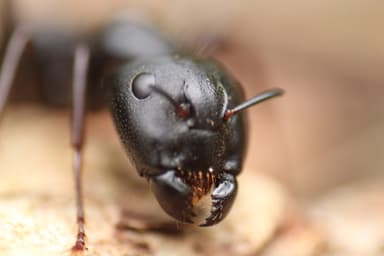
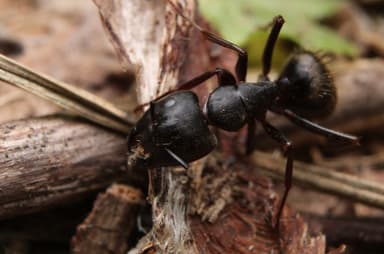
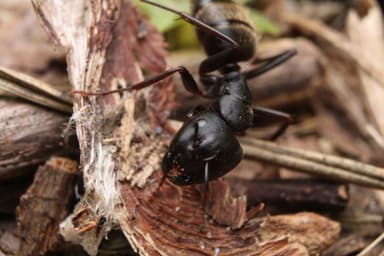
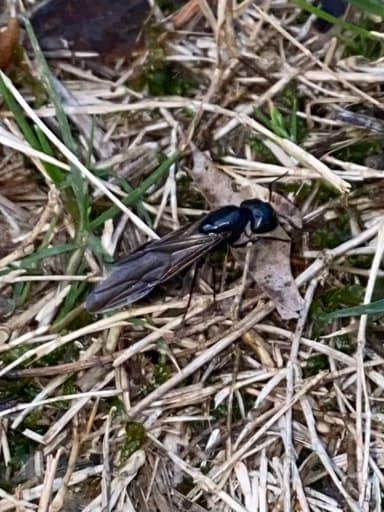
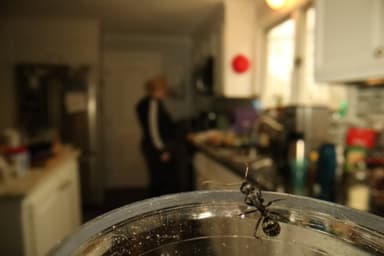
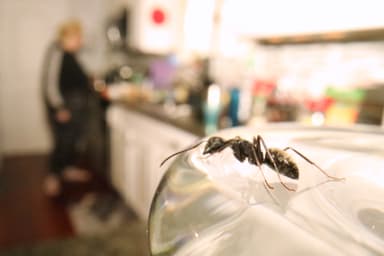
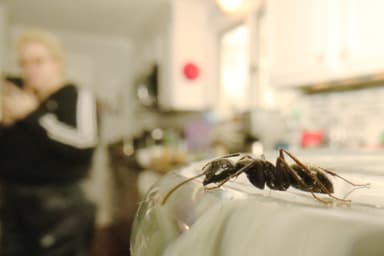
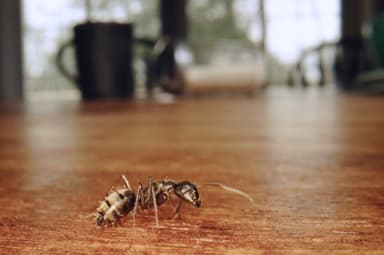
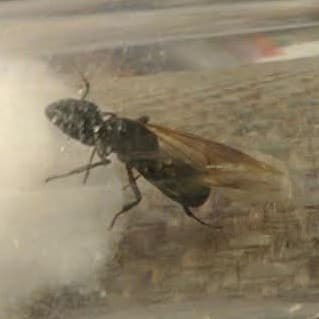
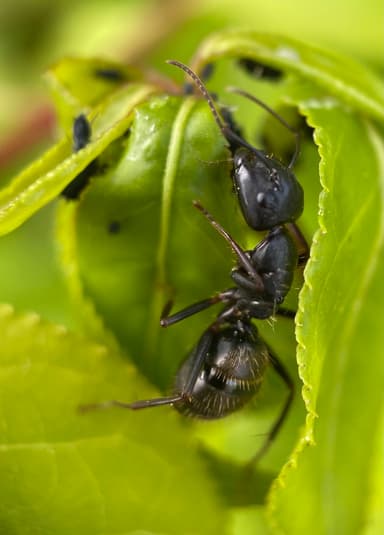
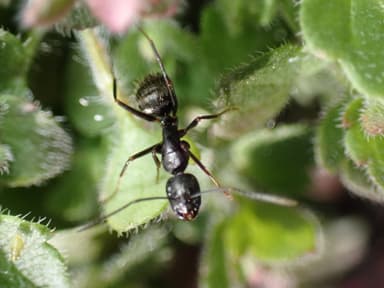
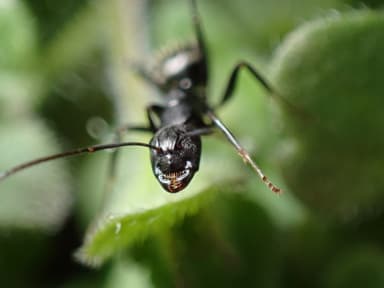
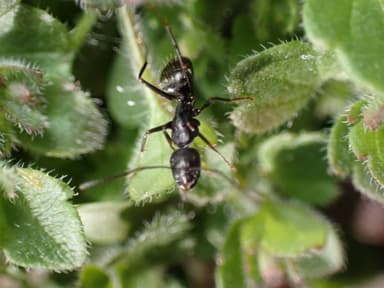
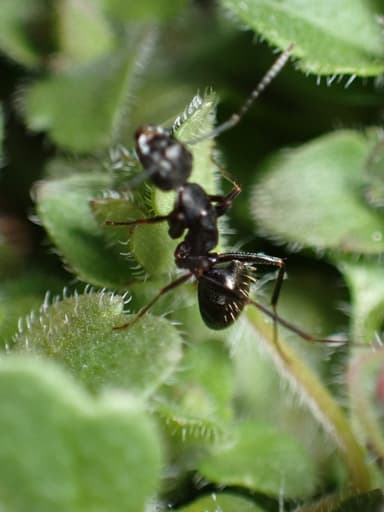
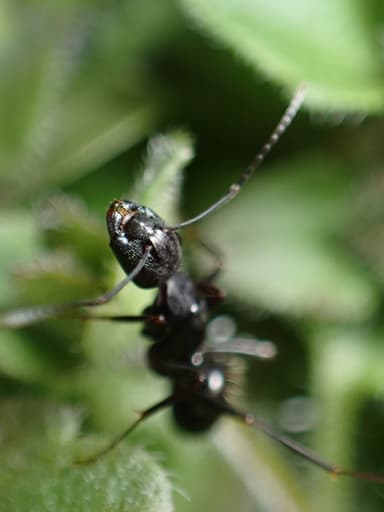
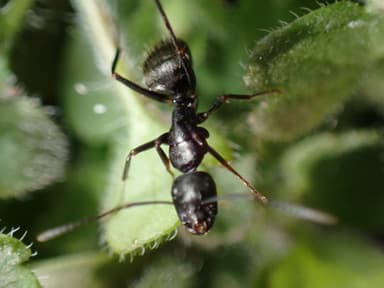
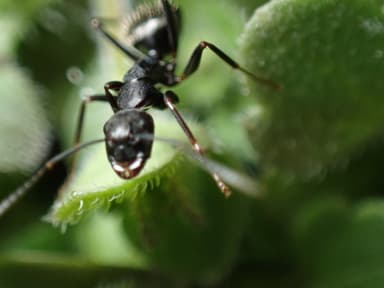
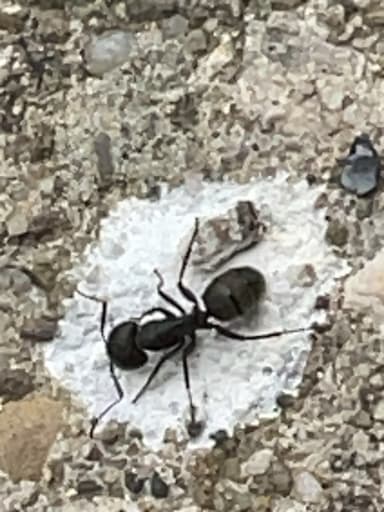
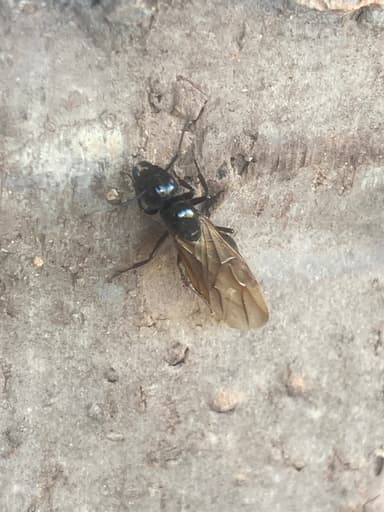
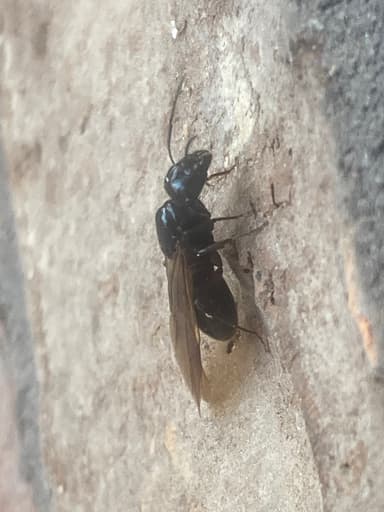
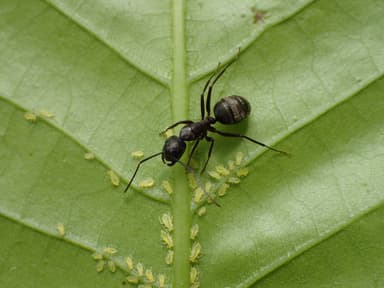
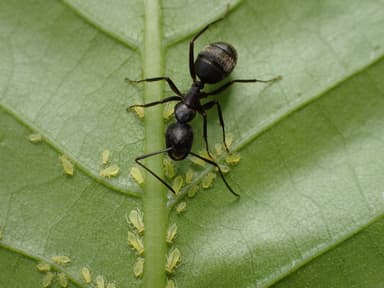
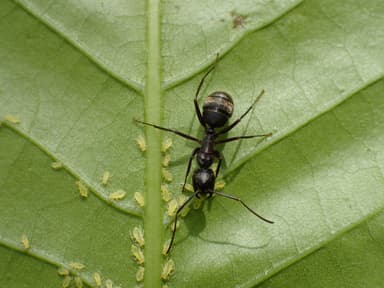
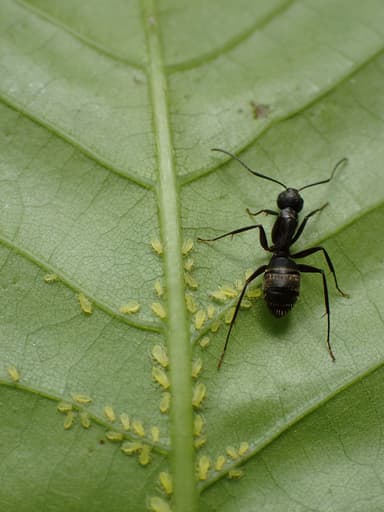
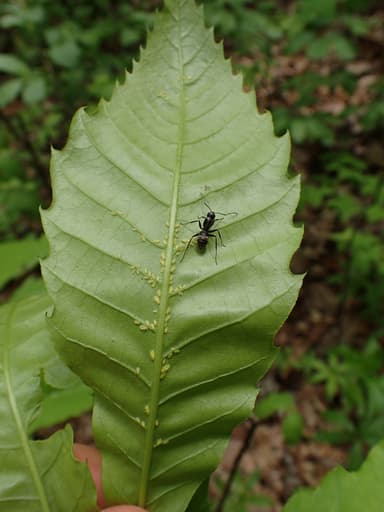
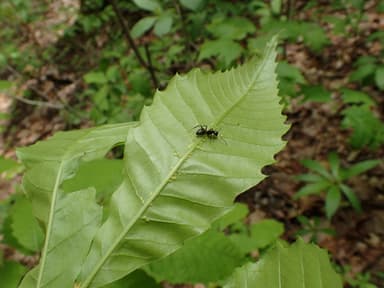
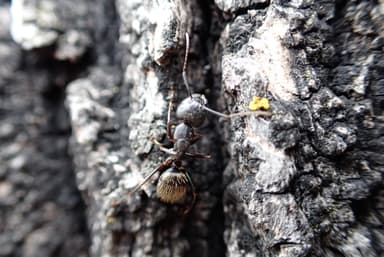
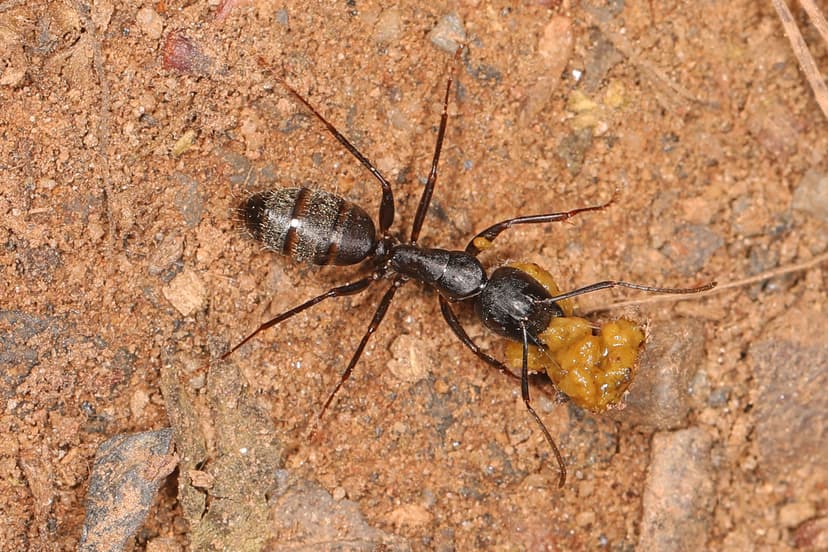
The eastern carpenter ant, Camponotus pennsylvanicus, is a true icon of North American myrmecology and an outstanding choice for keepers seeking a large, behaviorally rich colony. Its jet-black coloration, often accented with subtle golden hairs on the gaster, makes for a striking display. Queens are impressively robust, ranging from 17 to 20 mm, while the polymorphic workers span a dramatic 6 to 13 mm, with a clear division into minor, media, and major castes. This size variation creates a captivating dynamic as you watch tiny minors tend brood while massive, square-headed majors guard the nest entrance and dismantle large prey. Mature colonies can swell to 15,000 individuals, offering years of enthralling observation. Found across eastern North America from the Gulf Coast to southern Canada (GBIF occurrence data), C. pennsylvanicus thrives in a broad climate envelope, yet it is the species’ complex social behaviors and impressive architectural skills in decaying wood that truly fascinate—making it a classic subject in entomology (Hansen & Klotz 2005).
This species is widely regarded as a beginner-level ant, and for good reason. Claustral founding means the queen requires no food until her first workers arrive, simplifying those critical early weeks. The ants are robust, relatively forgiving of minor husbandry mistakes, and exhibit a boldness that makes feeding time an event. Their large size renders them easy to observe and handle without magnification, which is a great confidence booster for novices. However, that same size demands respect: they can chew through soft plastics, so escape-proof enclosure design is essential. I recommend this species to anyone starting in the hobby who has space for a large formicarium and a fascination with watching a colony develop over a decade or more. While they lack the vivid colors of some exotic ants, their sheer physical presence and intricate caste interactions offer endless rewards.
Providing the right physical environment is crucial to colony health. Camponotus pennsylvanicus thrives in a temperature gradient of 20 to 26°C, with a relatively moderate humidity of 50–70%. A well-designed nest should offer both moist and dry zones; many keepers successfully use ytong, plaster, or grout nests that retain moisture on one side while leaving the other dry. Since the species naturally excavates in wood, a setup with a wooden foraging arena or a small decaying log piece can encourage natural behaviors, though all wood must be sterilized and free of chemical treatments. I avoid gel nests entirely, as they offer no humidity regulation and can be fatal. Outworld decorations can be simple, but a sand-clay substrate or clean sand allows minor excavation. Preventing condensation buildup is important, as constant saturation invites fungal growth; a digital thermo-hygrometer is a small investment that pays dividends. The colony will self-regulate by moving brood to areas of ideal microclimate, so giving them enough nest area to choose is key.
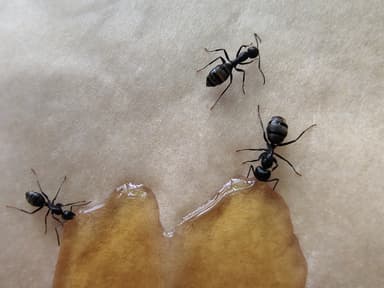
Carpenter ants are enthusiastic foragers that require a balanced diet of proteins and carbohydrates. Sugar is the primary fuel for workers and the queen, while protein drives brood development. I offer a fresh drop of honey, diluted maple syrup, or sugar water on a small dish twice a week, removing any uneaten portions after 24 hours. For protein, feed them small freshly killed insects such as crickets, mealworms, or fruit flies, roughly twice weekly for a growing colony. Workers will eagerly accept small pieces of cooked chicken or egg yolk as occasional supplements, but insect prey remains the backbone of their diet (Fowler 1986). Never feed them wild-caught insects from areas treated with pesticides. Water is essential; provide it in a test tube with a cotton plug or a small water tower so they can drink without drowning. As the colony expands into the thousands, you will need to scale portions accordingly and watch for any signs of food hoarding, which can cause mold outbreaks in warm humid areas.
A mandatory and all-too-often overlooked requirement for this temperate species is hibernation. Camponotus pennsylvanicus must undergo a cold rest period at around 8°C for three to four months to reset their biological clocks and ensure continued queen fertility and colony vigor. Without it, colonies often dwindle, stop producing brood, or die prematurely. In practice, I move the colony to a cool basement, wine fridge, or garage where the temperature stays consistently near that mark—avoiding freezing. During this time the ants become lethargic; I cease feeding and only ensure the nest hydration system prevents desiccation. Typically I hibernate from November to late February, mimicking their natural cycle (Hansen & Klotz 2005). As spring arrives, I gradually warm them back to room temperature over a week, then offer sugar water and small protein items. The first burst of egg-laying after hibernation is always a thrilling payoff for the attentive keeper.
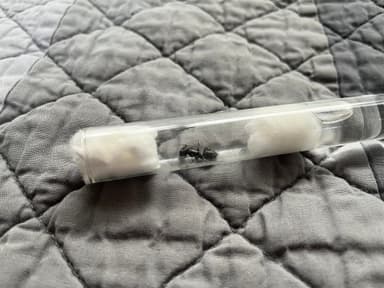
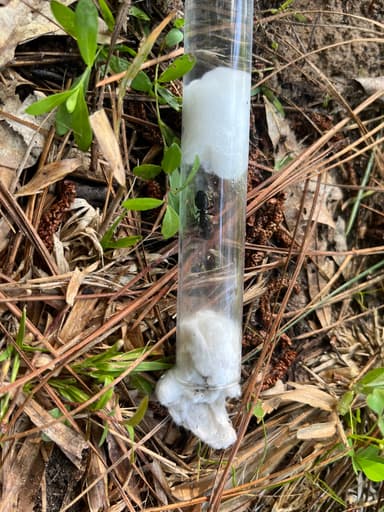
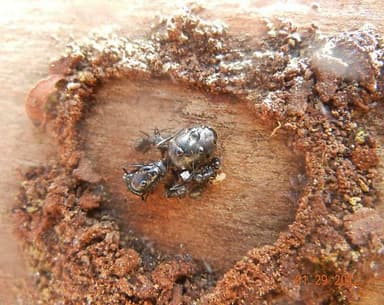
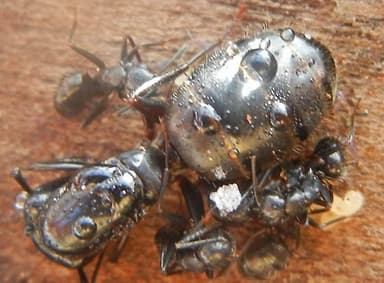
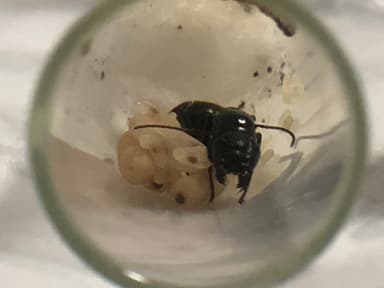
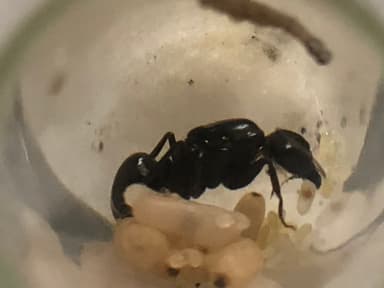
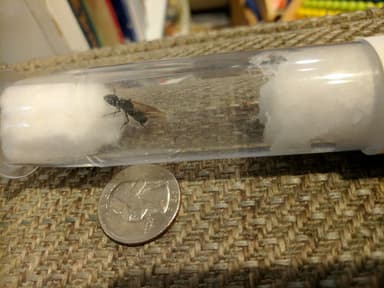
When your new queen or small founding colony arrives, the first days are delicate. Unpack her gently and place the test tube setup in a dim, quiet spot at around 24°C. Avoid the temptation to check her constantly; stress can cause a queen to fail. A claustral queen needs no food, but a tiny dab of honey on a plastic slip can be offered if she appears restless. Watch for signs of healthy egg-laying: a small clutch of eggs appearing within the first week, meticulously groomed. If you received a colony with workers, give them 48 hours to settle before offering a micro cricket leg or a drop of sugar water, then remove any refuse promptly. Do not connect a foraging arena until the colony has at least 20–30 workers, as too much open space can intimidate them and hamper brood care. Monitor the water tube to ensure it doesn’t run dry, and resist moving them into a larger nest until the test tube is crowded. With patience, you’ll soon witness the first major workers emerging, a milestone that signals your colony is on its way to becoming a thriving, mesmerizing society.