Camponotus
Camponotus castaneus
Nuptial Flight Calendar
Flight months: Mar, Apr, May, Jun, Jul
Care Guide
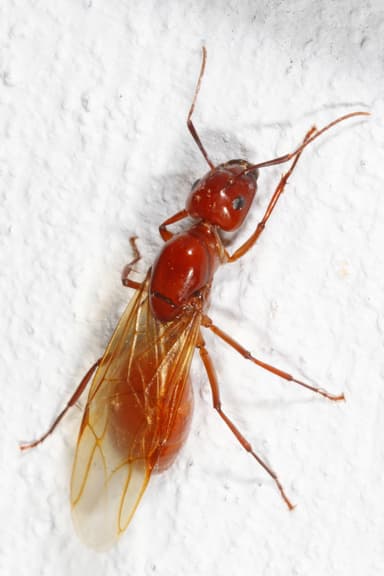
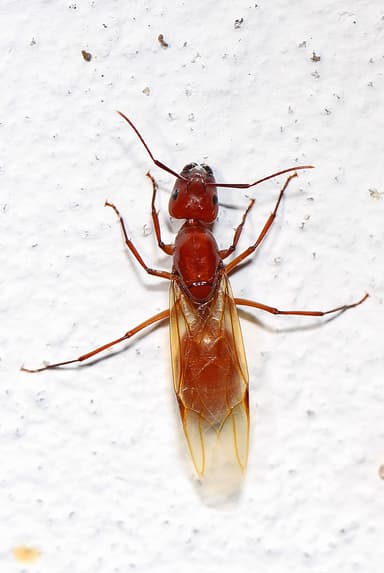
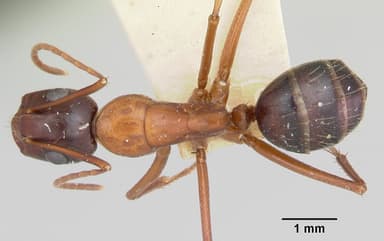
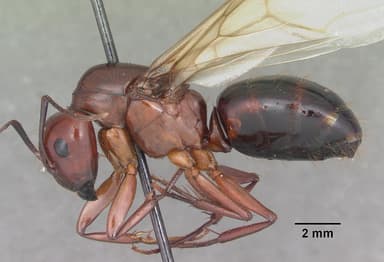
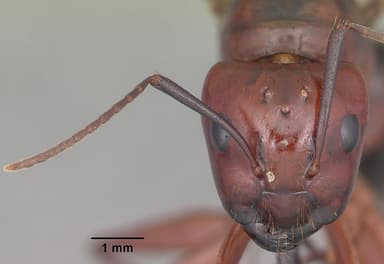
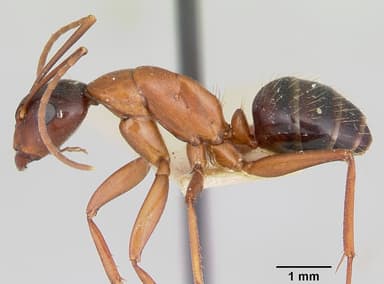
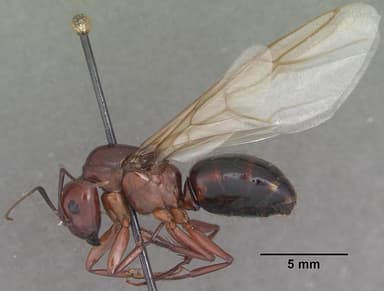
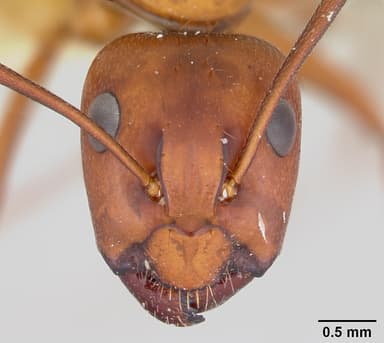
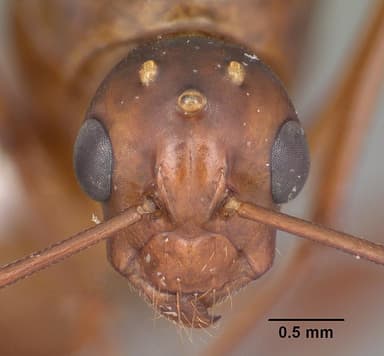
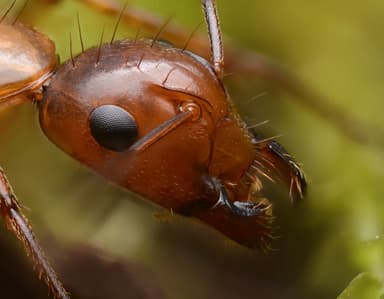
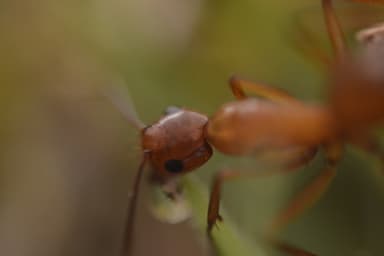
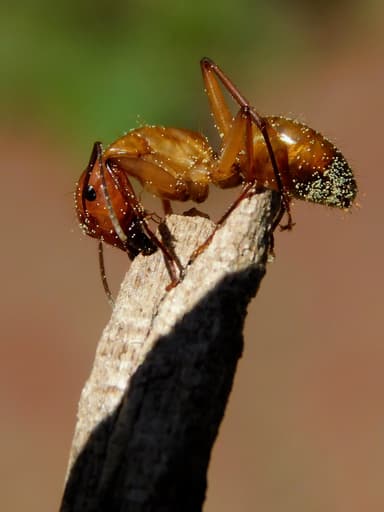
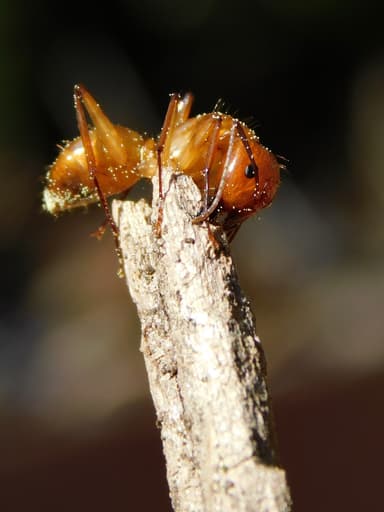
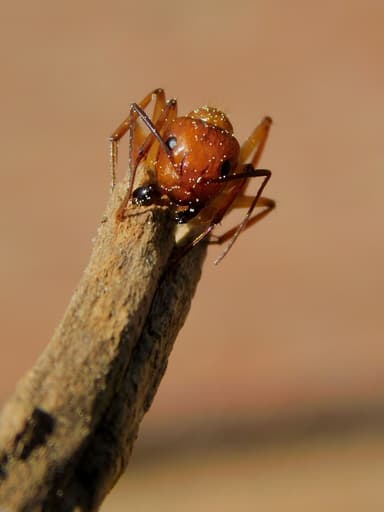
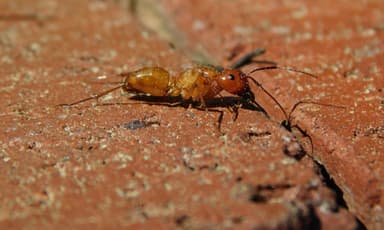
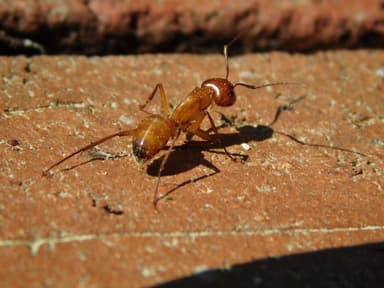
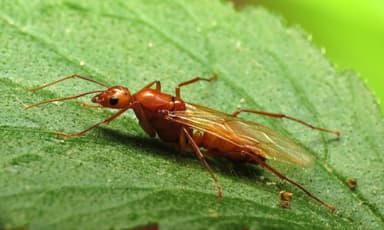
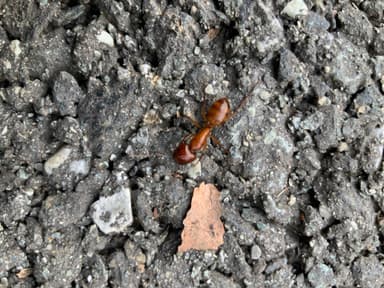
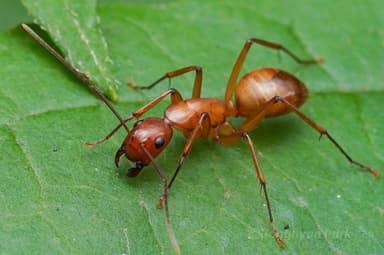
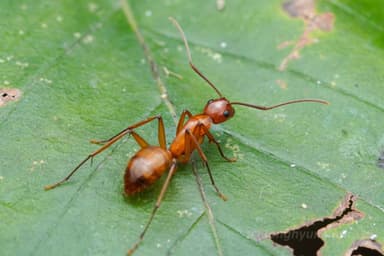
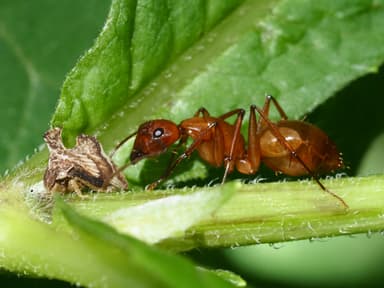
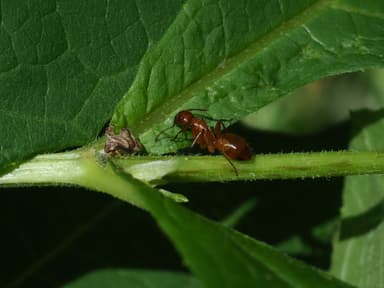
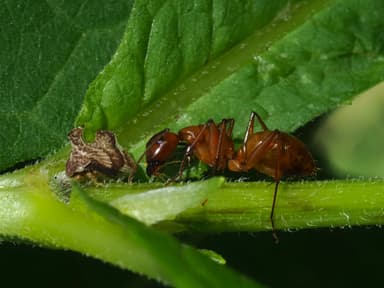
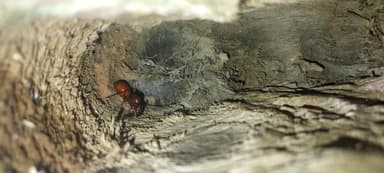
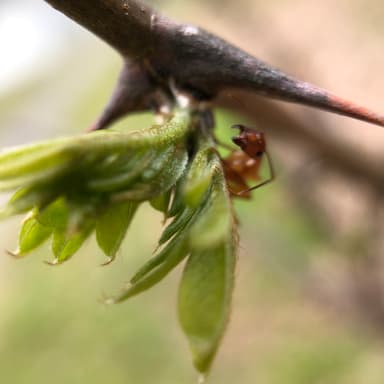
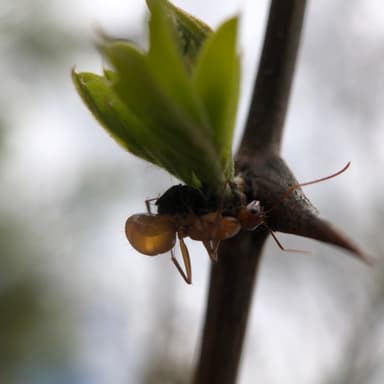
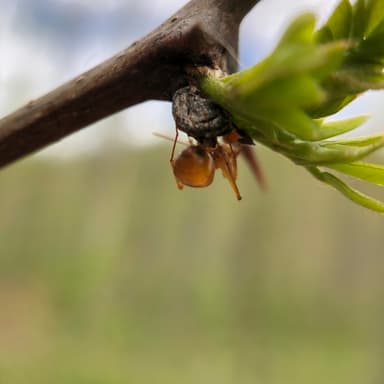
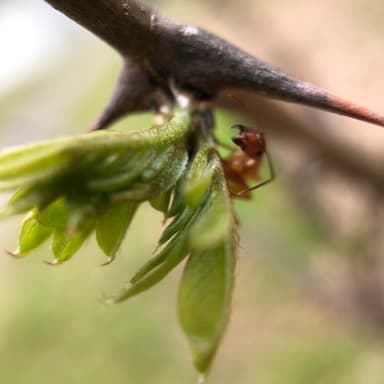
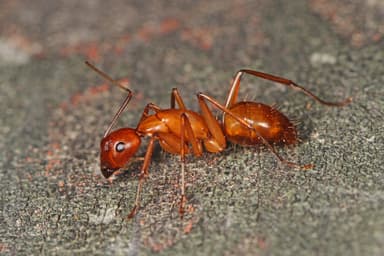
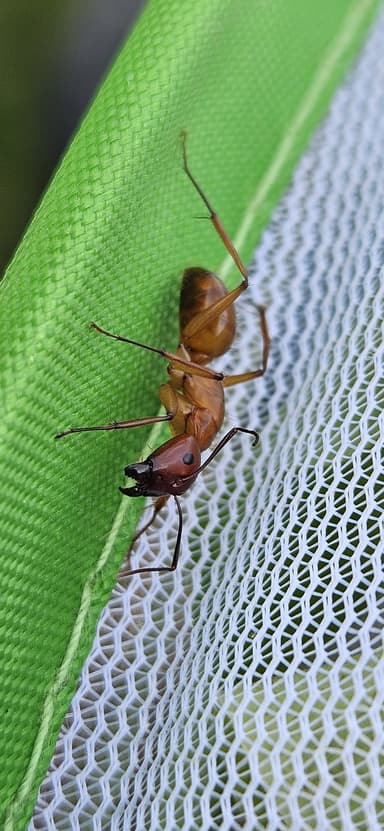
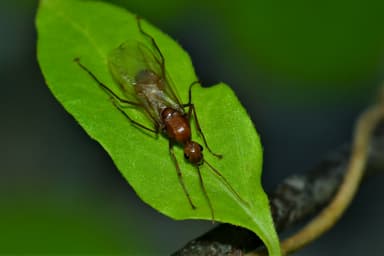
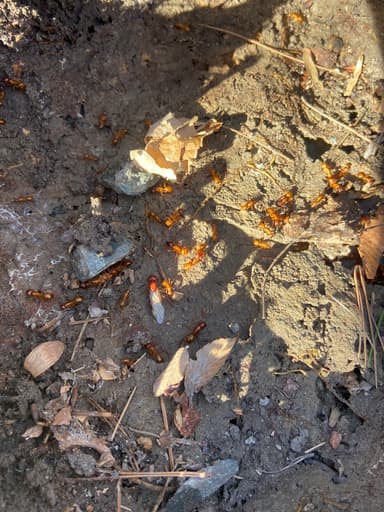
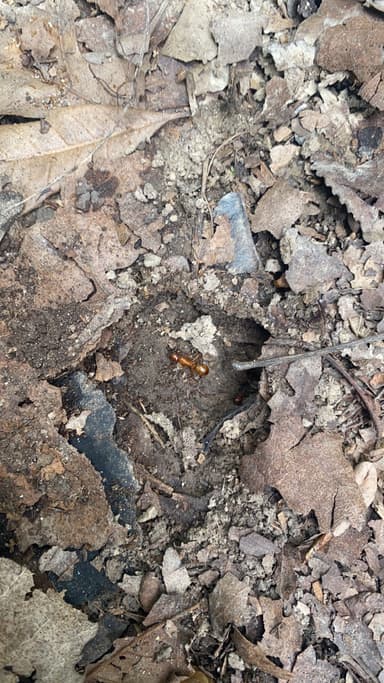
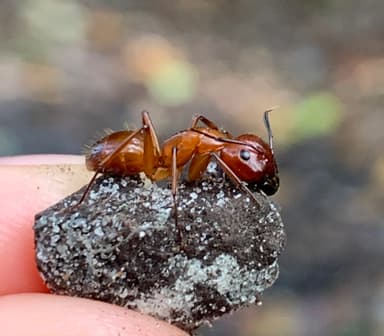
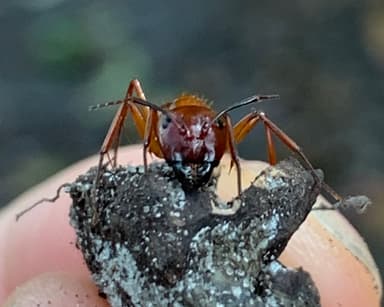
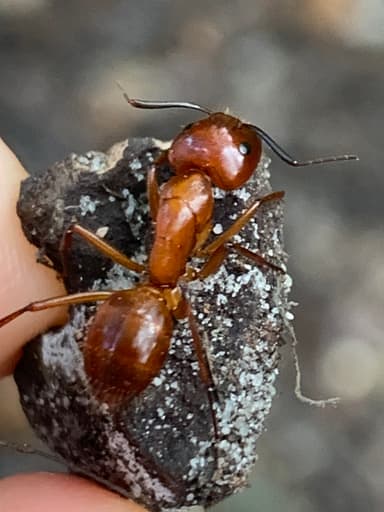
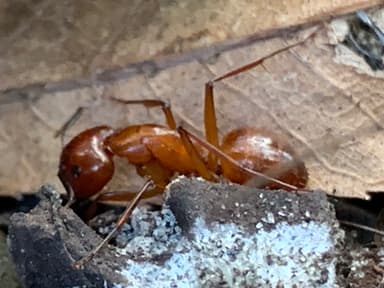
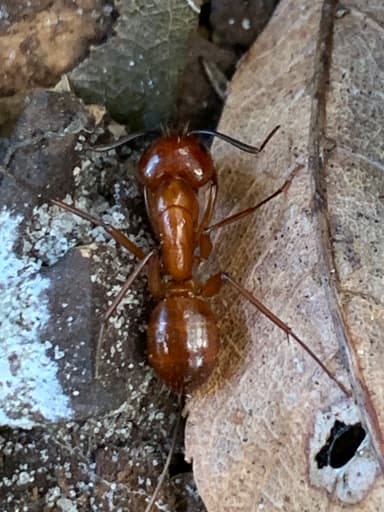
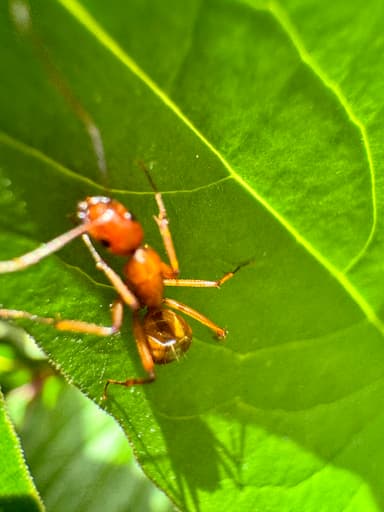
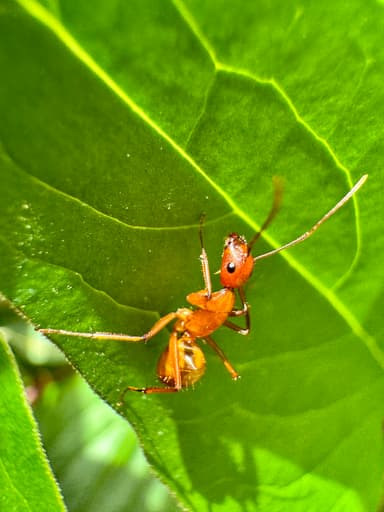
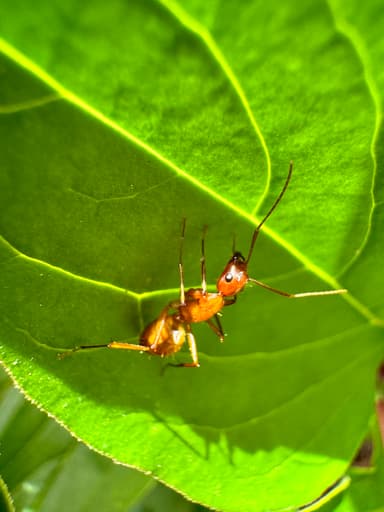
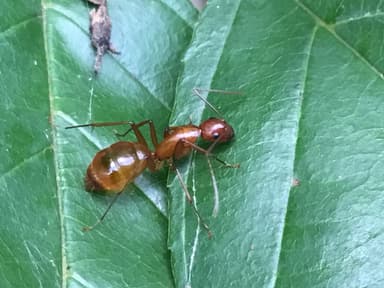
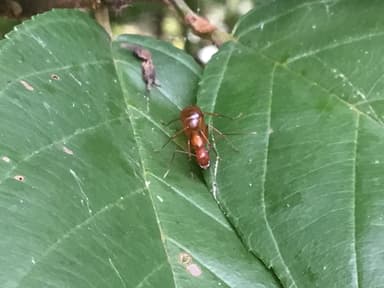
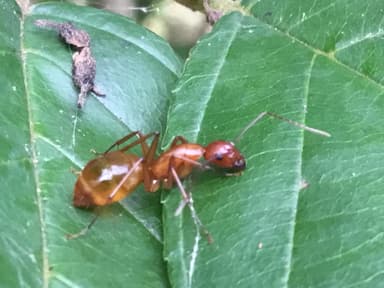
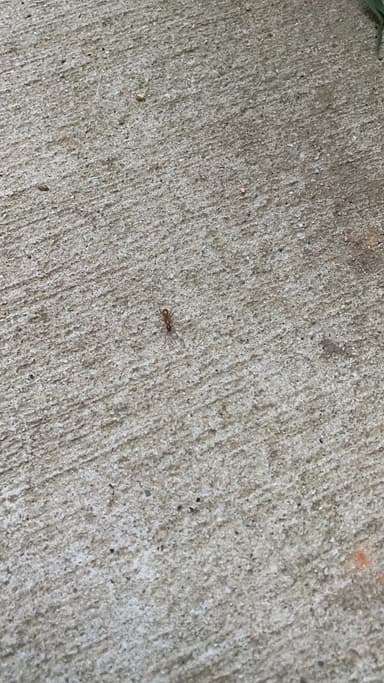
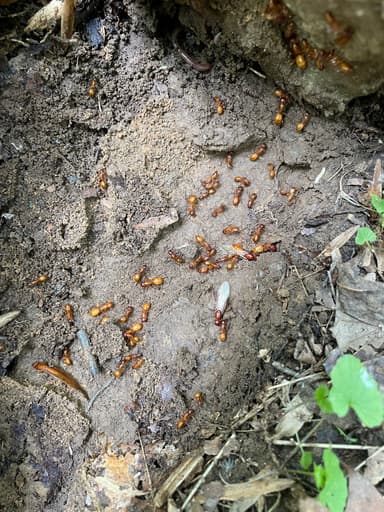
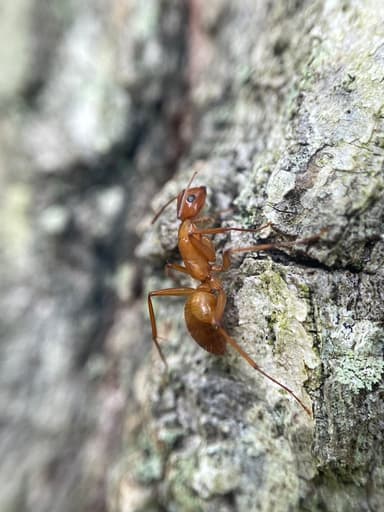
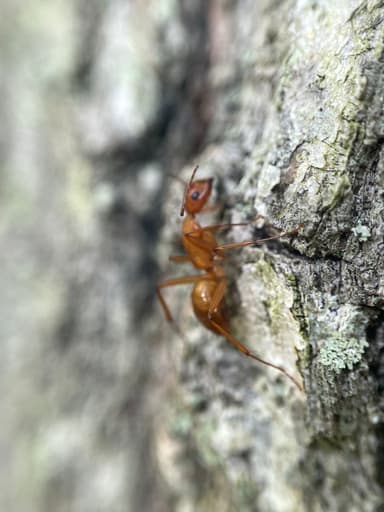
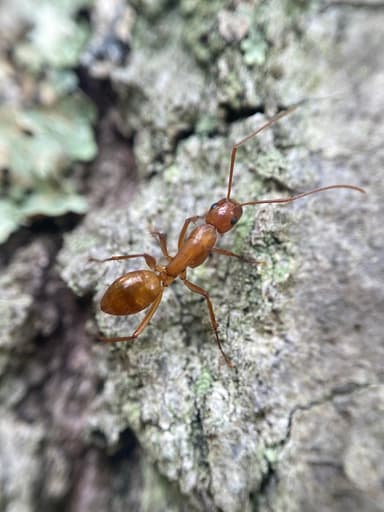
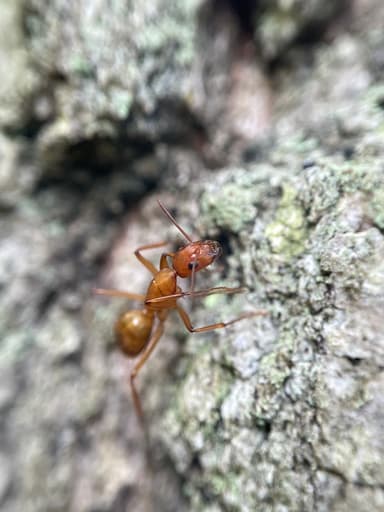
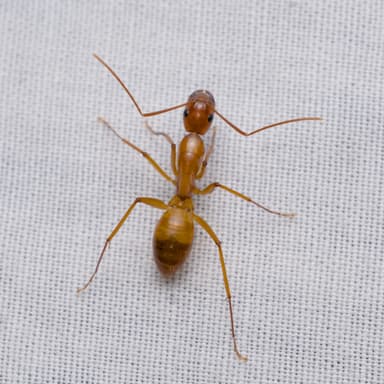
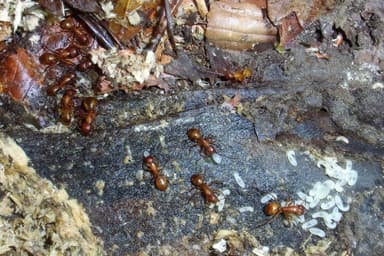
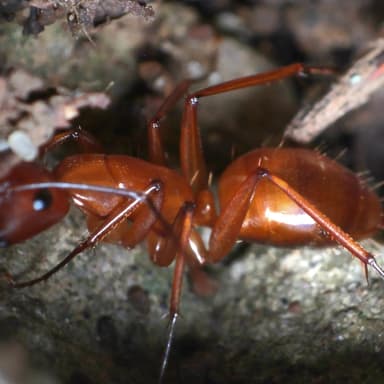
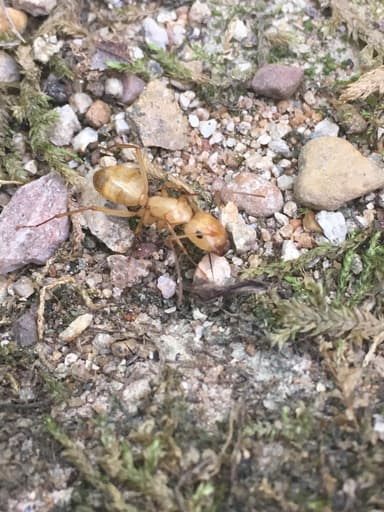
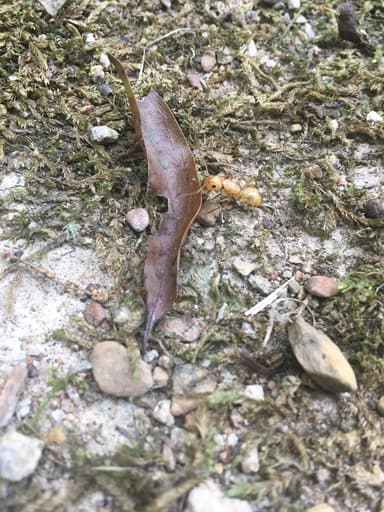
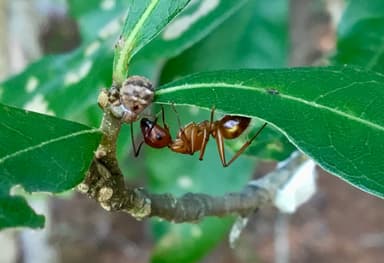
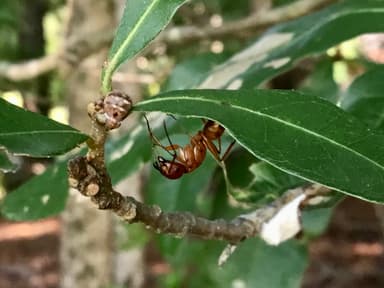
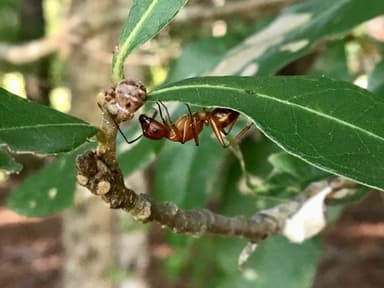
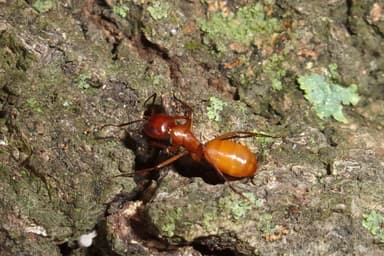
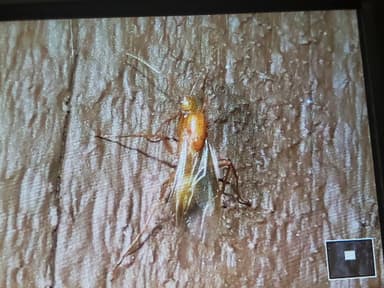
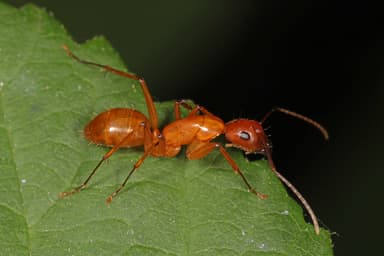
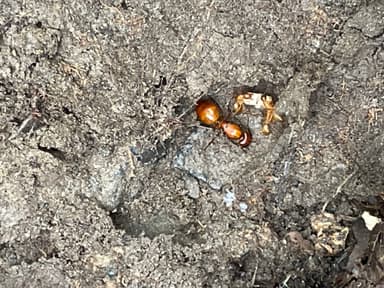
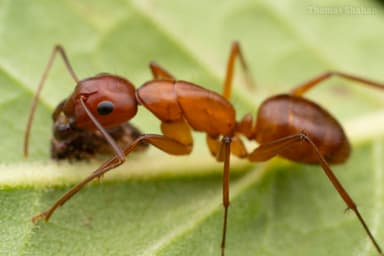
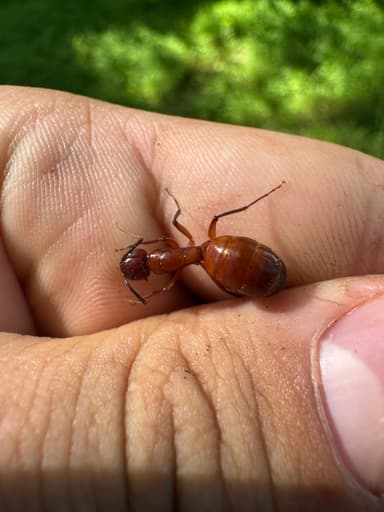
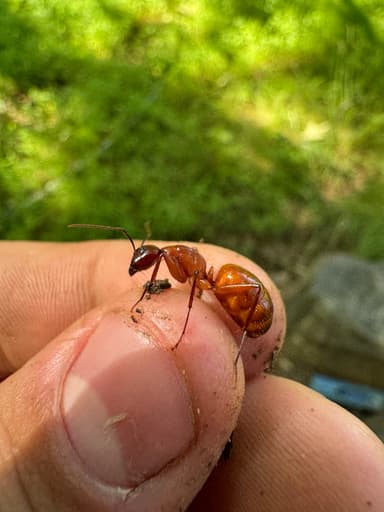
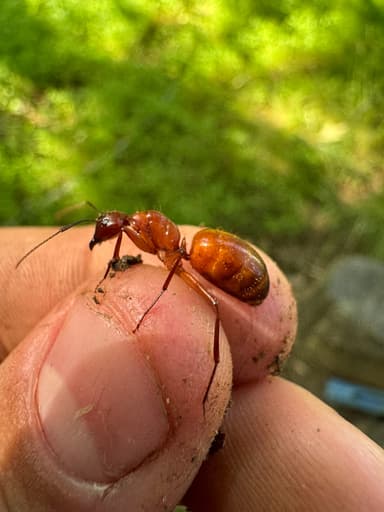
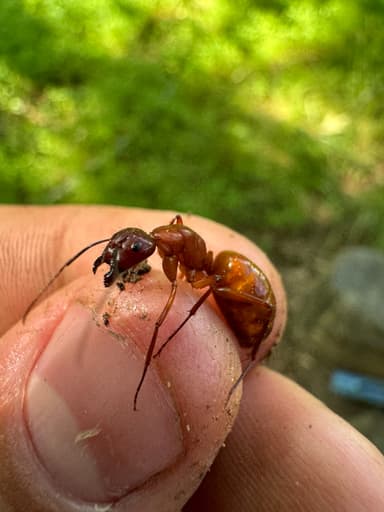
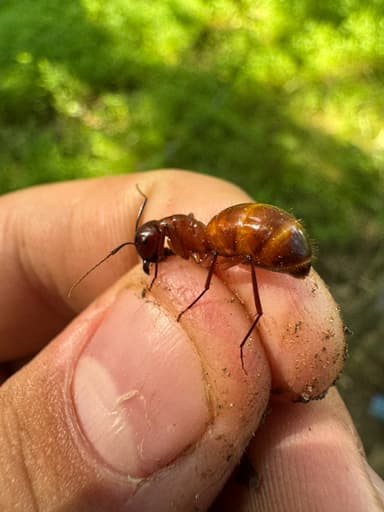
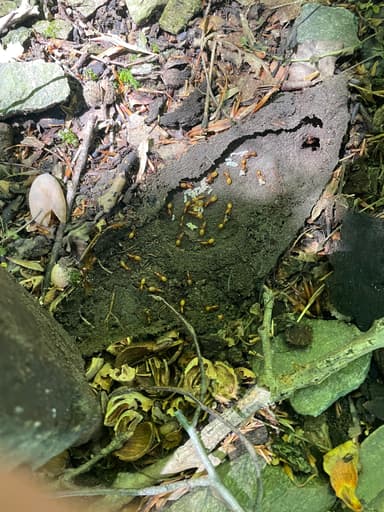
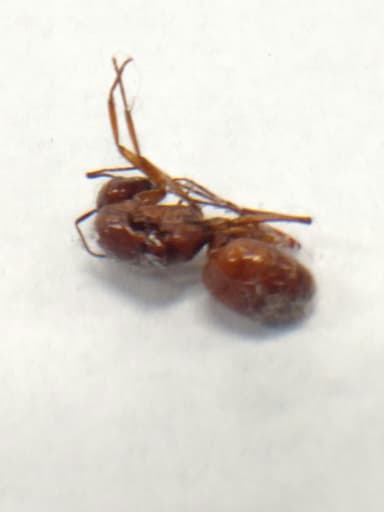
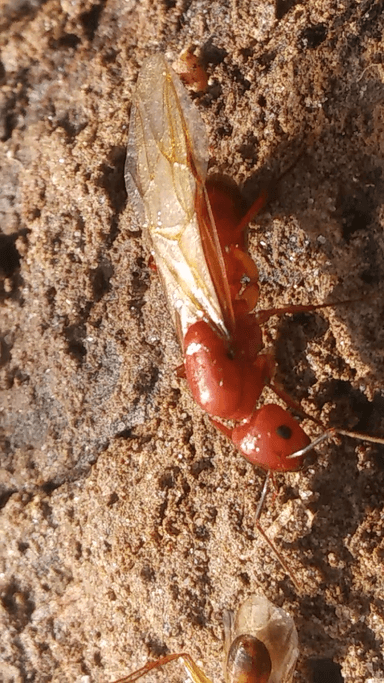
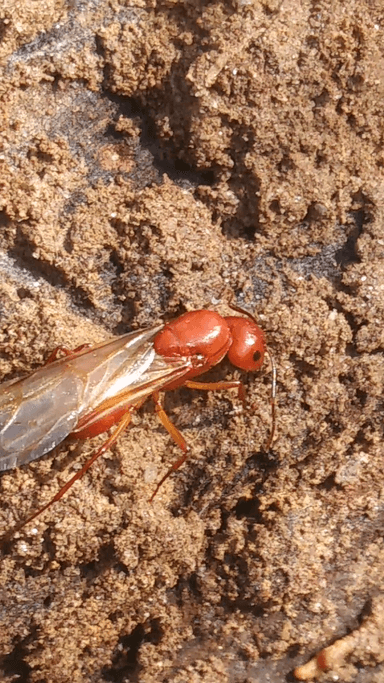
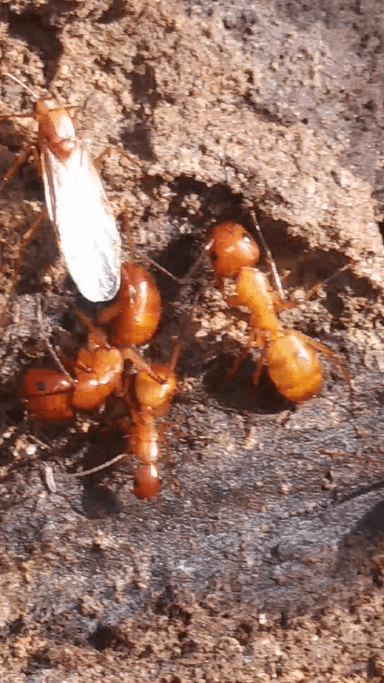
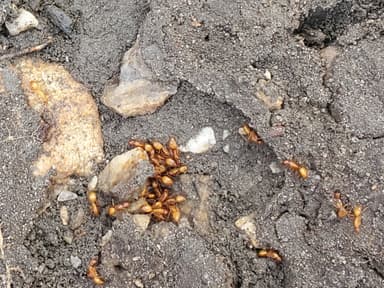
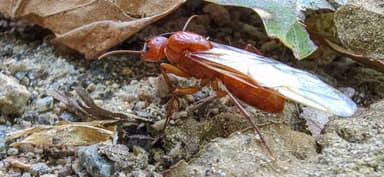
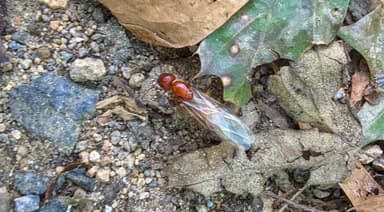
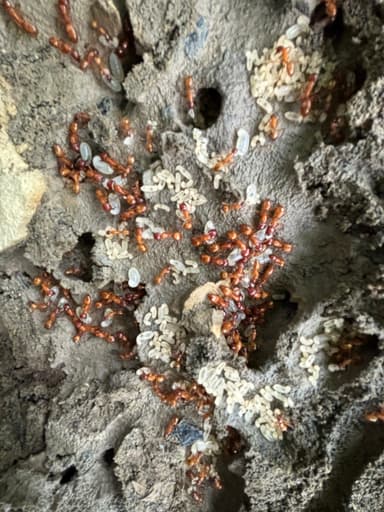
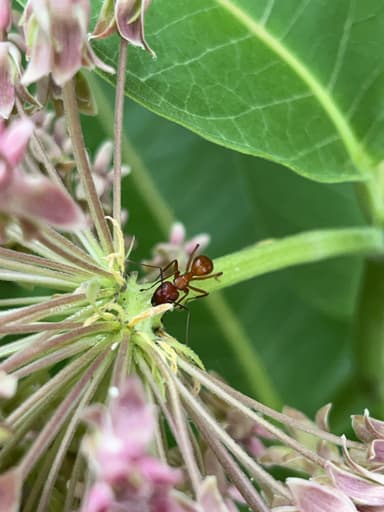
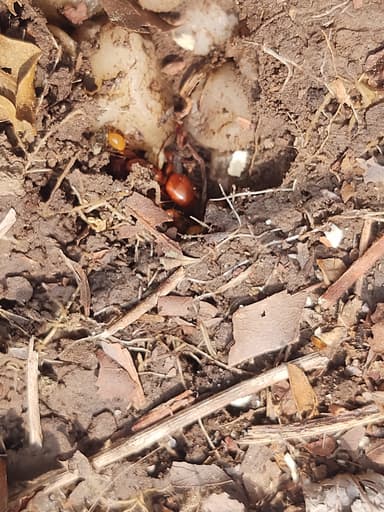
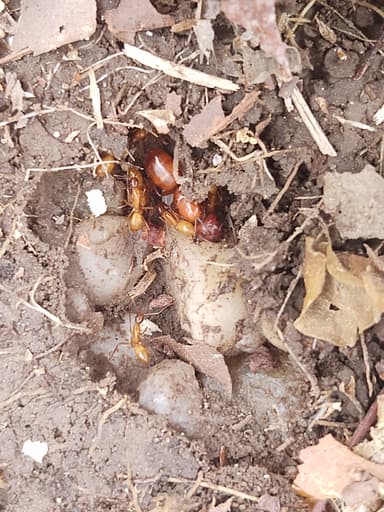
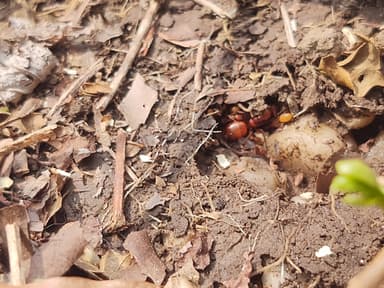
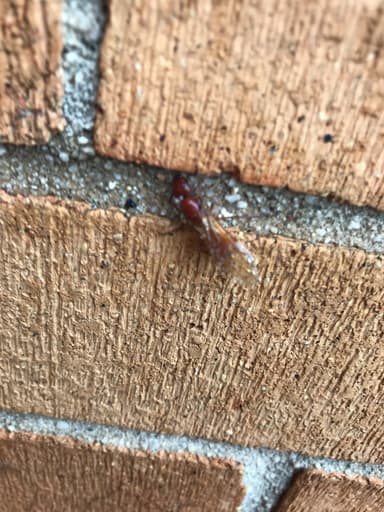
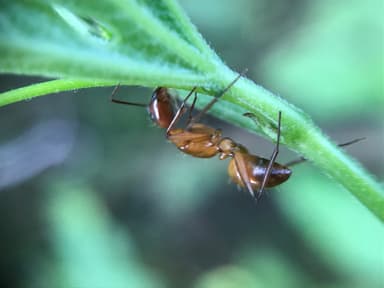
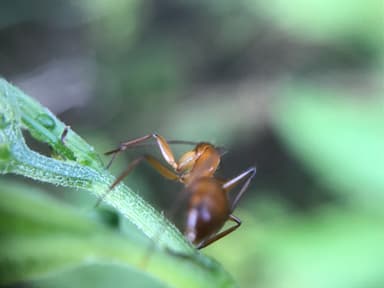
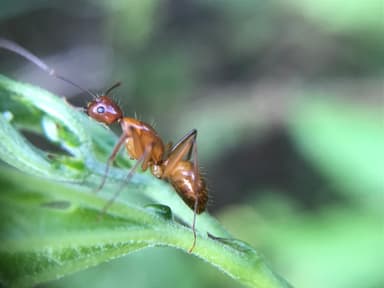
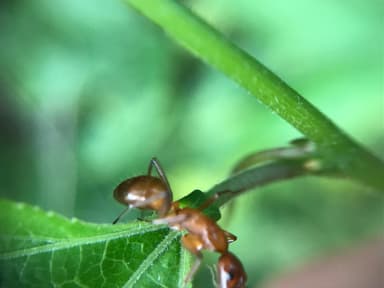
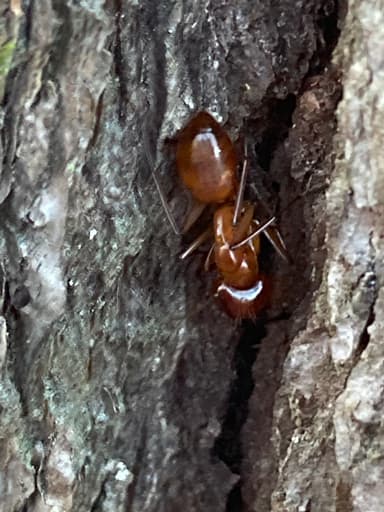
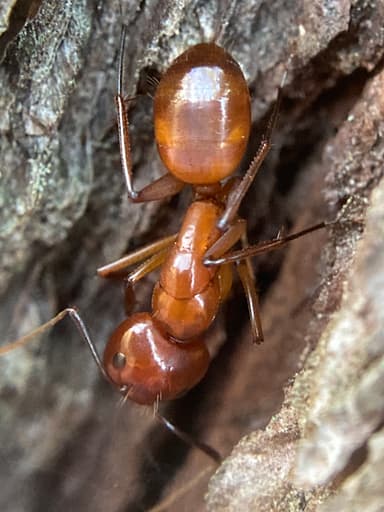
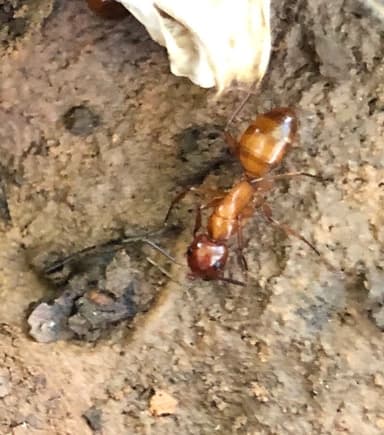
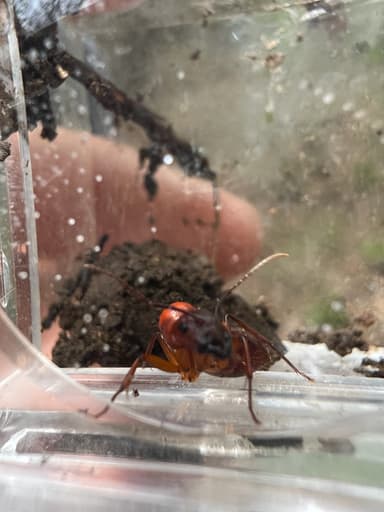
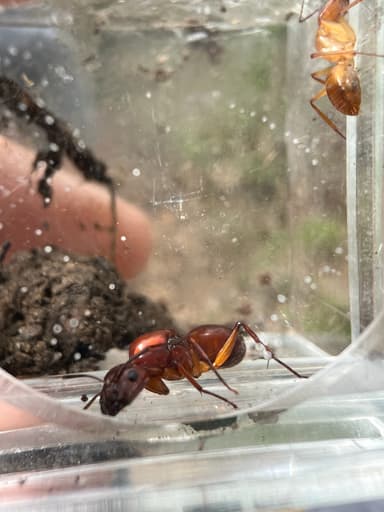
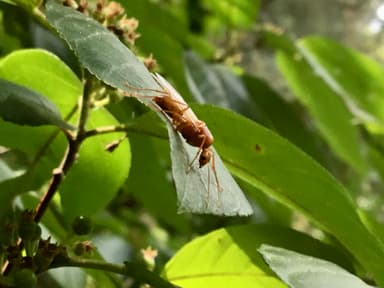
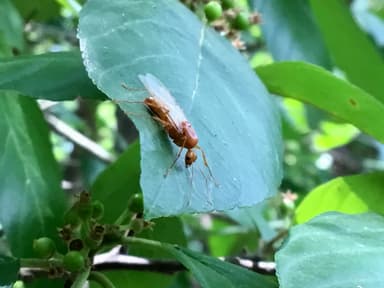
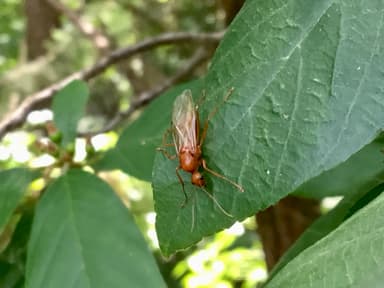
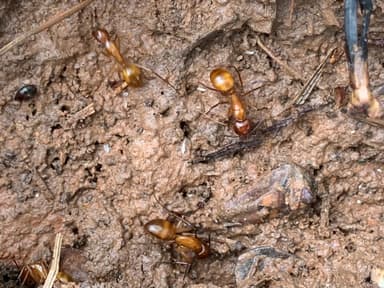
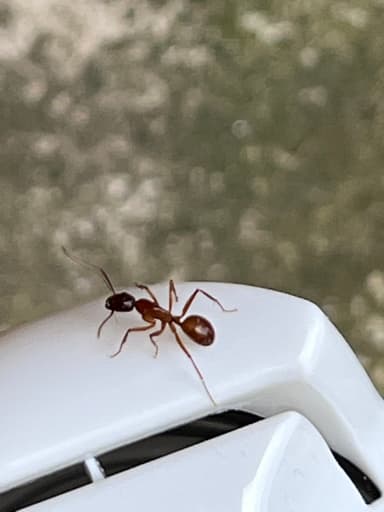
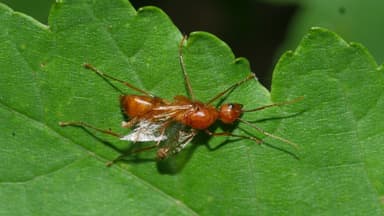
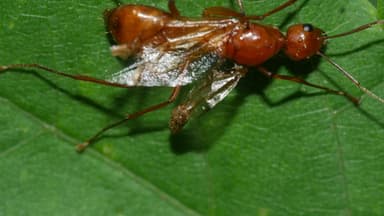
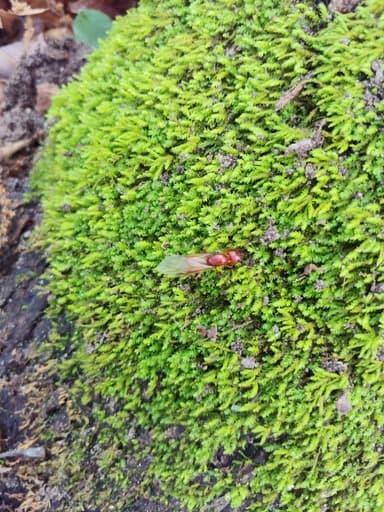
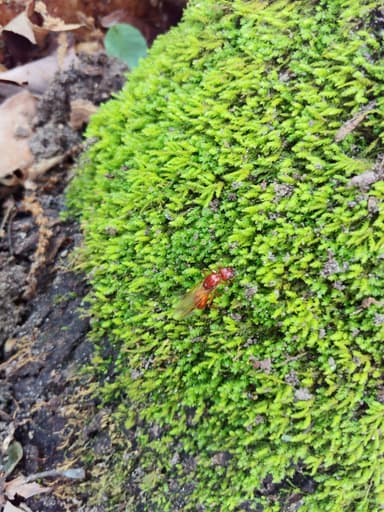
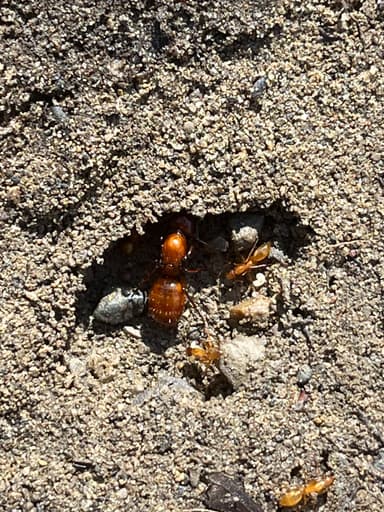
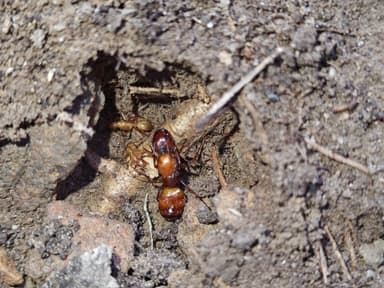
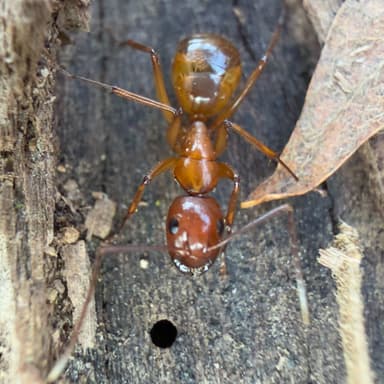
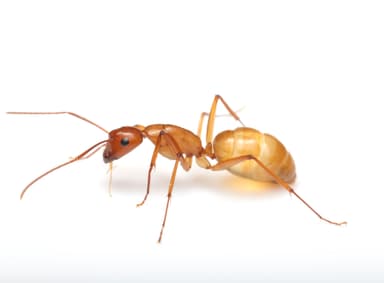
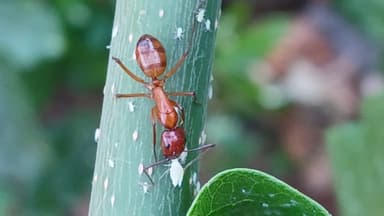
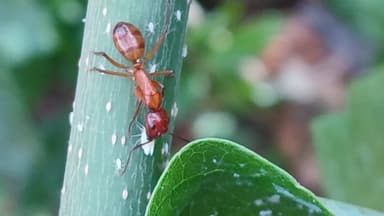
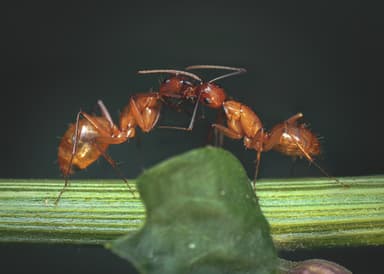
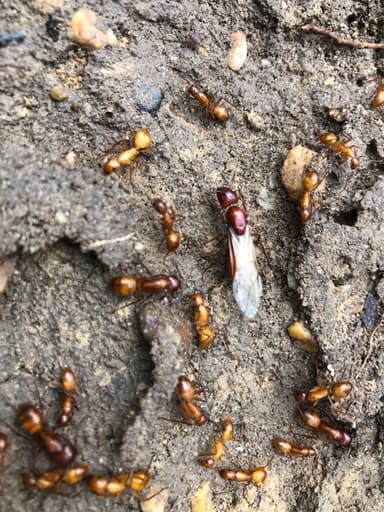
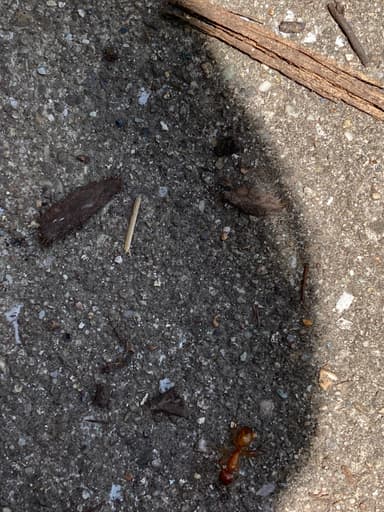
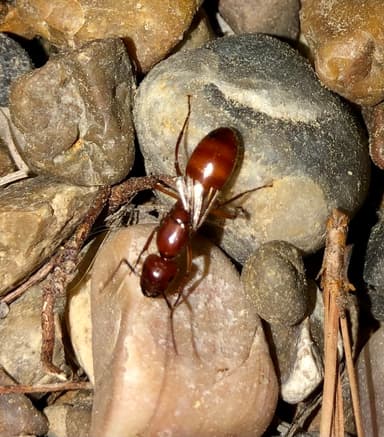
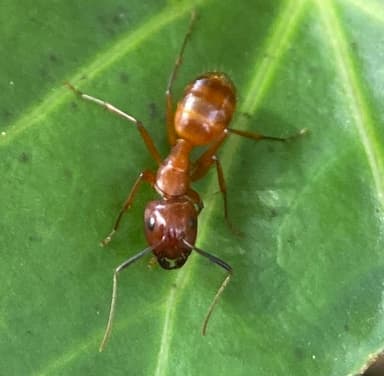
Camponotus castaneus, the chestnut carpenter ant, is among the most visually captivating ants of eastern North America. True to its name, workers sport a glossy, deep reddish-brown head and mesosoma that contrasts handsomely with a darker, often somewhat velvety gaster, all set atop long, amber legs. Colonies display pronounced polymorphism with two distinct worker castes: petite, nimble minors (as small as 6 mm) and hulking, broad-headed majors that can reach 13 mm, the latter equipped with heart-shaped craniums packed with muscle for shearing seeds and defending the nest. Newly mated queens are especially impressive, measuring a robust 17–20 mm. Mature colonies can number up to 10,000 individuals, a respectable size that rewards patient keepers with bustling foraging trails and intricate social dynamics. Found across the eastern United States from the Gulf Coast to southern New England and westward to the Great Plains (Hansen & Klotz 2005; GBIF), these ants are largely nocturnal, often beginning their activity after sunset on warm, humid evenings—the same conditions that trigger their nuptial flights between May and July. What makes C. castaneus truly fascinating is its defensive chemistry: when threatened, workers can spray formic acid with surprising accuracy, a behavior that never fails to astonish observers and underscores their lively temperament.
In terms of care difficulty, Camponotus castaneus is rated as a beginner-friendly species, perfectly suited for hobbyists who have mastered a founding Lasius or Tetramorium colony and wish to graduate to a larger, more charismatic carpenter ant. Their flexible environmental tolerances and hearty appetites mean they forgive minor husbandry missteps, such as brief temperature swings or a missed feeding day. However, their obligate hibernation requires a commitment to seasonal cooling, which will be second nature for keepers in temperate regions but demands creative solutions for those in consistently warm climates. Because colonies grow relatively slowly from a single claustral queen—she will seal herself away and raise her first workers without any food—this species rewards patience; watching a lone queen progress into a thriving microcosm over two or three years is an immensely satisfying experience. The ants are large enough to be observed with the naked eye yet manageable in numbers, rarely overwhelming their enclosure with the explosive growth seen in some fire ants or invasive species.
Providing the right housing is straightforward when you mimic the conditions of their native range. Camponotus castaneus thrives at temperatures between 21–28°C, with a gentle day–night fluctuation proving beneficial for brood development. Humidity within the nest should be maintained between 50–70%, which is easily achieved by using a high-quality formicarium that offers a moisture gradient—a plaster, ytong, or grout-based nest works beautifully, as does a classic test tube setup for founding queens. Adult colonies appreciate a temperature gradient, so positioning a heat mat at one end will allow workers to shuttle brood to their preferred zone. While this species is a carpenter ant and will excavate soft, rotting wood in the wild (Mackay & Mackay 2002), it does not require wood in captivity; however, be mindful that their powerful mandibles can chew through thin plastic or poorly sealed seams, so opt for an escape-proof enclosure with a secure lid. A thin layer of sand or clay outworld substrate gives foragers a realistic surface, but a bare floor is acceptable if cleaned regularly. The outworld should be spacious enough to accommodate their crepuscular foraging bursts, and a small branch or leaf litter will encourage natural behaviors.
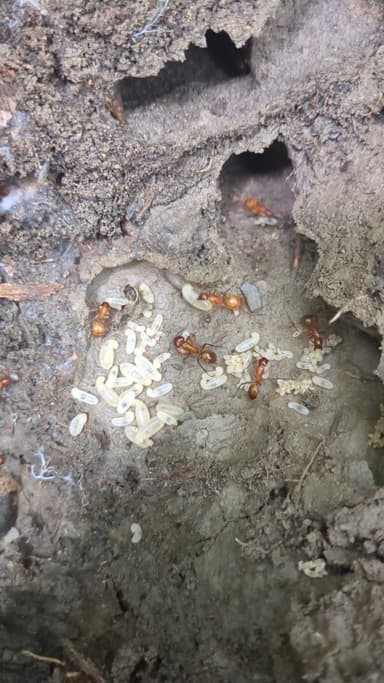
Feeding Camponotus castaneus is a delight, as they eagerly accept a wide variety of provisions. Like most ants, they require a balance of protein and carbohydrates. Offer insect protein two or three times per week in the form of pre-killed crickets, mealworms, or roaches; on alternate days, provide a small dab of sugar water, honey, or diluted maple syrup. Many keepers find that the majors enjoy cracking open small seeds such as chia or dandelion, which can supplement their diet and entertain the observer. A constant supply of fresh water is critical—a test tube waterer or a well-maintained plaster nest ensures hydration without the risk of drowning. During the brood-rearing season, increase protein offerings and watch for the telltale swollen abdomens of well-fed larvae. As temperatures drop in autumn, gradually reduce feeding and cease protein entirely two weeks before initiating hibernation to clear the workers’ crops.
In the wild, C. castaneus endures a distinct winter diapause, and replicating this cycle in captivity is essential for long-term colony health and queen fecundity. Hibernation should last three to four months, typically from late November through early March, at a stable 12°C—a temperature achievable in a dedicated wine cooler, a refrigerator with a thermostat, or an unheated room that doesn’t dip below 4°C. Before cooling, move the colony to a fresh setup with a secure water source, and gradually lower the ambient temperature over a week to avoid shock. During diapause, the ants will cluster together and move little; resist the temptation to check on them more than once a month, but do ensure humidity remains adequate so they don’t desiccate. When spring arrives, warm them up slowly and reintroduce food with a modest offering of sugar water before live prey. Consistent hibernation not only keeps the colony on a predictable rhythm but also seems to stimulate the production of reproductives, giving you a front-row seat to their spectacular nuptial flights should you choose to let them go.
The first days after receiving your Camponotus castaneus queen or small starter colony are delicate. Upon arrival, immediately provide a well-humidified test tube setup—half-filled with water and plugged with cotton—and place the tube in a quiet, dimly lit area. Leave her completely undisturbed for at least 24 hours; vibrations and light are major stressors. After this settling period, you may offer a tiny droplet of sugar water on a clean wick of cotton or wax paper, placed just outside the tube opening. If workers are present, offer a freshly killed fruit fly or a cricket leg the following day, but remove any uneaten food after 12 hours to prevent mold. Monitor the colony daily without moving the enclosure: note whether the queen is actively grooming, if workers are venturing out, and that the cotton plug remains moist. Minor problems to watch for include excessive condensation, which can trap workers, and the first signs of mite infestations—though these are rare. With calm, consistent care, your C. castaneus colony will steadily gather strength, providing years of intriguing observation and a vivid window into the hidden world of native North American ants (Formiculture.com; AntsCanada keeping logs).