Tapinoma
Tapinoma nigerrimum
Nuptial Flight Calendar
Care Guide
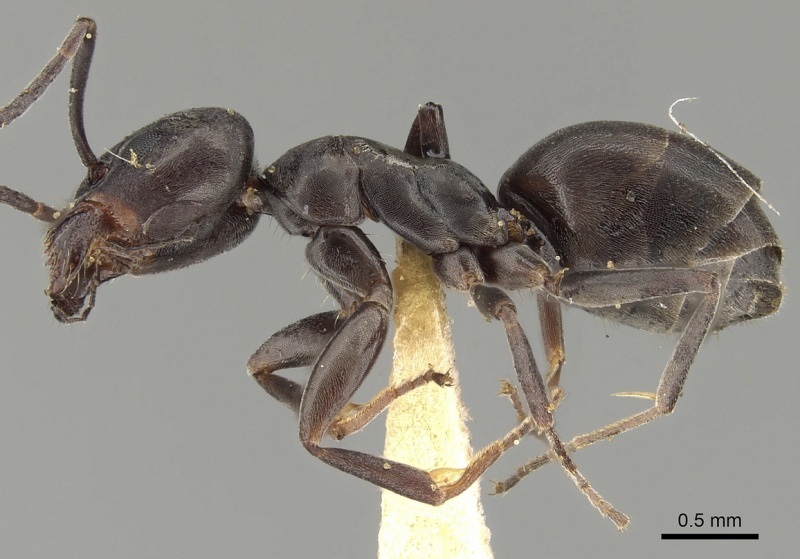
Tapinoma nigerrimum is a species that often surprises keepers with its sheer energy and rapid colony growth. These are not the largest ants in the hobby — queens measure only 4–5 mm and workers just 2–3 mm — but what they lack in size they make up for in numbers. A mature colony can easily exceed tens of thousands of workers, and under good conditions may reach up to one hundred thousand individuals. This makes them a truly impressive species to watch, as their foraging trails become a constant, bustling highway of activity.
One of the most noteworthy characteristics of Tapinoma nigerrimum is their distinctive defensive behaviour. When disturbed, workers produce a strong, lingering odour — often compared to rancid butter or blue cheese. It is entirely harmless to humans but serves as a memorable reminder that these ants are not to be trifled with. They are claustral founders, meaning the queen seals herself into a chamber after mating and raises her first generation of workers using only her own metabolic reserves. From there, colony growth accelerates quickly, and with the right care, you’ll see your nest fill with life at an impressive pace.
Their diet is versatile and easy to provide. Tapinoma nigerrimum eagerly accepts a wide range of insect prey — fruit flies, small crickets, and mealworms work well. They also have a strong affinity for sweet liquids, particularly sugar water and honeydew. A steady supply of carbohydrates is essential to fuel their high metabolism, while protein is critical for brood development. A well-fed colony will reward you with explosive growth.
Care difficulty
Keeping Tapinoma nigerrimum is best suited for intermediate ant keepers. While not overly demanding, their large colony size, need for consistent humidity, and sensitivity to temperature fluctuations require a bit more attention than beginner-friendly species. They are also fast escape artists — a small gap in the outworld or tubing can quickly become an invitation to explore your home. Secure enclosures are a must.
Housing
Provide a formicarium that can accommodate rapid expansion. A modular setup with multiple nest chambers and a spacious outworld works best. Maintain a temperature range of 22–28°C, with humidity kept between 50 and 70%. The nest area should retain moisture well; a moist substrate or a chamber with regular hydration is ideal. Tapinoma nigerrimum do hibernate — a winter rest at 14°C for several months is necessary to maintain their natural cycle and ensure healthy reproduction in spring. During hibernation, reduce feeding and disturbance to a minimum.
First days after purchase
After your colony arrives, place them in a quiet, dimly lit spot and allow them to settle for at least 24–48 hours. Observe from a distance — these ants are sensitive to vibrations and sudden changes. Ensure they have immediate access to fresh water and a small drop of sugar water. Avoid opening the nest unless absolutely necessary; let the workers acclimate first. Within a few days, you should see them exploring and feeding. Once they seem calm, you can gradually introduce small prey. Patience in these early days sets the stage for a thriving, bustling colony.