Prenolepis
Prenolepis nitens
Care Guide
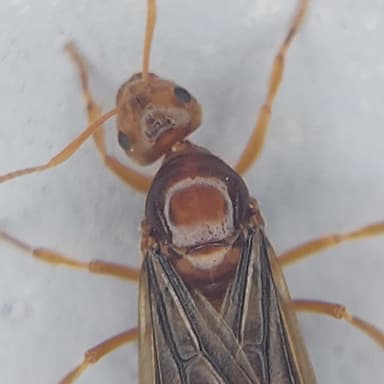
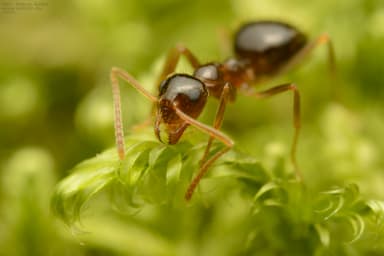
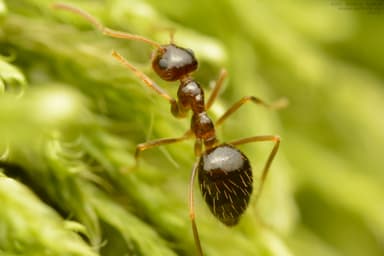
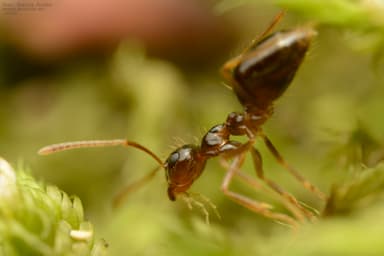
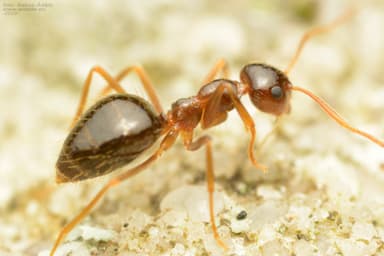
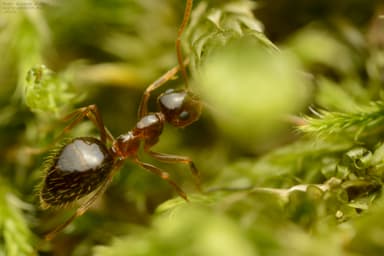
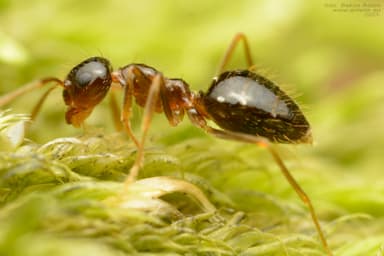
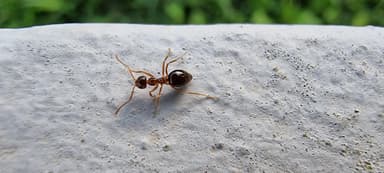
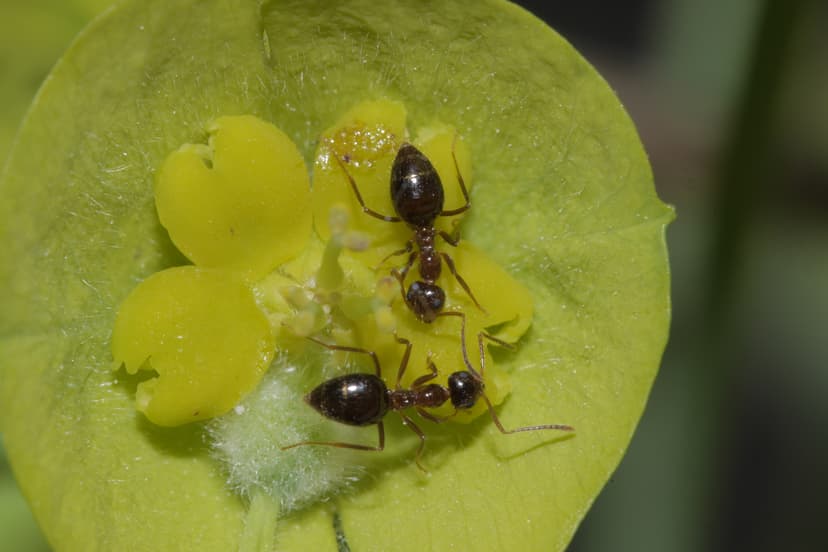
Prenolepis nitens is a graceful and somewhat understated species, often referred to as the “winter ant” due to its remarkable tolerance for cooler temperatures. The queen, measuring 6–8 mm, is a sleek, dark figure with a slender waist, while the workers range from 2.5 to 4.5 mm and are uniformly small, giving the colony a neat, monomorphic appearance. Despite their modest size, these ants are surprisingly agile and can be seen foraging actively even in cooler months when other species have retreated.
One of the most charming features of P. nitens is their feeding behavior. These ants are avid consumers of sweet liquids — sugar water and honeydew form the backbone of their diet. They also readily accept small insects for protein, which is essential for brood development. A unique behavioral trait is their ability to store liquid food in their crops, allowing workers to act as living reservoirs for the colony. This makes regular feeding with a liquid sugar source particularly important, as the ants will gulp it down and share it with nestmates. For best results, offer a mix of diluted honey or commercial ant nectar alongside freshly killed feeder insects like fruit flies or small crickets.
Care difficulty
Keeping Prenolepis nitens is considered an intermediate challenge. The colonies are not particularly aggressive, but they are sensitive to disturbances, especially during the founding phase. Their claustral founding means the queen raises her first brood without foraging, making early care straightforward — just a dark, quiet test tube with a water reservoir. However, their slow colony growth and need for a cool hibernation period require patience and attention to seasonal cycles. For keepers who enjoy a more relaxed, observational experience, this species is deeply rewarding.
Housing
A formicarium with moderate humidity (50–70%) and stable temperatures between 20–26°C suits them well. Because they are not strong excavators, a pre-formed nest with chambers (e.g., plaster, ytong, or acrylic) works better than a soil setup. They appreciate a clean, well-ventilated arena with a source of heat on one side, allowing them to thermoregulate. The most critical requirement is a proper winter rest. From late autumn, gradually lower the temperature to around 10°C and reduce feeding. This hibernation period of 2–3 months is essential for successful brood rearing the following spring — skipping it often leads to queen decline.
First days after purchase
When your Prenolepis nitens colony arrives, transfer them carefully into a prepared formicarium or keep them in the supplied test tube until they settle. Place the setup in a quiet, dimly lit location and avoid unnecessary vibrations. Over the first few days, gently offer a drop of sugar water on a fresh cotton ball and a tiny piece of insect. Do not be alarmed if the ants appear skittish — they are naturally cautious. Give them time to explore their new surroundings, and within a week you should see steady foraging activity. With regular feeding and a calm environment, your colony will soon begin to grow, revealing the quiet elegance of this cool-loving species.