Linepithema
Linepithema humile
Care Guide
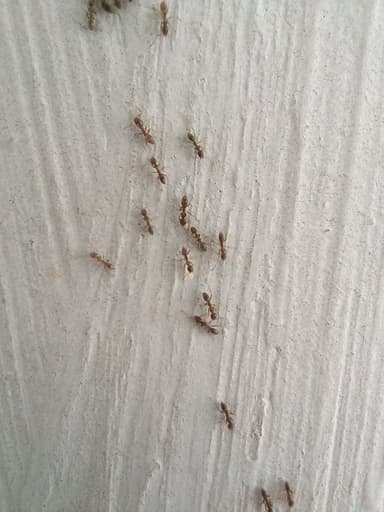
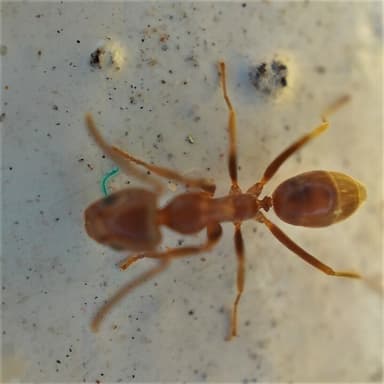
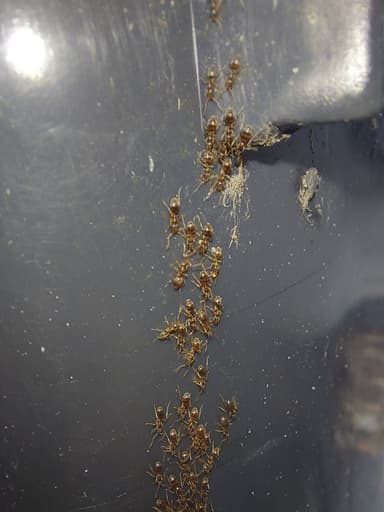
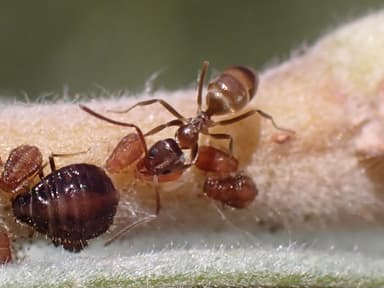
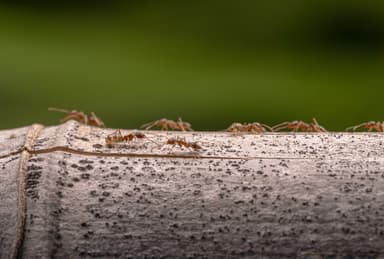
Linepithema humile, commonly known as the Argentine ant, is a fascinating species that has become renowned worldwide for its ability to form vast supercolonies in the wild. In the captive environment, however, you will experience a highly adaptable and fast-growing colony that offers an excellent introduction to ant keeping. These ants are small but remarkably active, with workers measuring only 2–3 mm and a queen around 4–5 mm. The colony can expand quickly from a single queen to tens of thousands of workers under the right conditions. One of the most distinctive features of this species is its complete absence of hibernation requirements—they remain active year‑round, providing continuous observation and interaction for the keeper.
Care difficulty
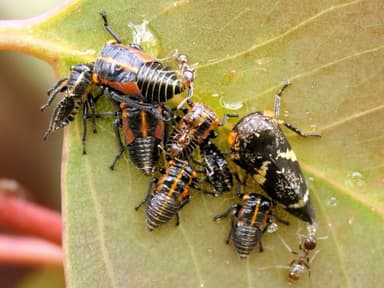
Keeping Linepithema humile is considered beginner‑friendly, largely due to their hardy nature and forgiving environmental tolerances. They are claustral founders, meaning the queen does not need to be fed during the initial founding stage; she seals herself in a chamber and rears the first workers on her own energy reserves. Once the first workers appear, the colony readily accepts a wide range of foods, including insects, sugar water, and honeydew. Their eagerness to forage and rapid development make them especially rewarding for new enthusiasts who want to see a colony grow visibly from a small test tube to a bustling formicarium.
Housing
Because Argentine ants can reach colony sizes in the tens of thousands, planning for expansion is important from the start. A modular formicarium with multiple chambers and a connected outworld works best. They thrive in temperatures between 20–30°C and moderate humidity of 50–70%. Unlike some species, they are not particularly sensitive to vibrations or light once established, but during the early stages of colony growth, a quiet and dim location helps the queen feel secure. The nest area should be kept moist but not waterlogged, and a regular watering schedule will support larval development. These ants are also known to be excellent escape artists—ensure tight sealing of all connections and a layer of fluon or oil around the outworld walls to prevent escapes.
First days after purchase
When your Linepithema humile colony arrives, carefully transfer the queen and any brood into a clean test tube setup with a water reservoir and cotton plug. Place the tube in a calm, dark spot and give the ants at least a few days to settle. During this period, avoid disturbing them and simply ensure the water source remains accessible. Once the first nanitics emerge and begin foraging, you can start offering small droplets of sugar water and tiny protein sources like crushed fruit flies. Observe the colony’s activity—if they are feeding and brood is growing, you are on the right track. Over the following weeks, gradually introduce a larger outworld as the colony expands, and enjoy the steady, lively bustle of one of the most adaptable ant species you can keep.